
درباره سایت
آخرین مطالب
- Application of Calcium Carbonate in the Production of Chemical Fertilizers and Granules
- How to understand the laboratory analysis of calcium carbonate?
- کاربرد کربنات کلسیم در صنعت تولید چسبهای حرارتی
- The Role of Industrial Barite in Enhancing Product Quality
- دور البنتونيت في إنتاج المواد اللاصقة والدهانات الصناعية
- Review of Industrial Raw Material Supply Using Bentonite
- Why White Talc is the Best Choice for the Pharmaceutical and Cosmetic Industry
- راهنمای شناسایی کربنات کلسیم مرغوب از نوع نامرغوب
- Familiarity with the Physical and Chemical Properties of Mineral White Talc
- دور البارييت الصناعي في تصنيع المطاط والمنتجات البلاستيكية
امکانات وب
Introduction to the Importance of Calcium Carbonate in Mineral and Chemical Industries
Calcium carbonate is one of the most abundant and widely used mineral compounds in various industries, recognized as a key raw material in the production of chemical, polymeric, and engineering products. Due to its unique physical and chemical properties, this valuable material plays a significant role in improving quality and reducing production costs. Industrial projects are constantly seeking to procure high-quality minerals, and the correct choice of this material has a direct impact on the efficiency of the final product.
In mode industries, the use of calcium carbonate goes beyond a simple filler. This material plays a role in improving mechanical properties, thermal stability, and the appearance of final products. Given the diversity of applications, a precise understanding of the properties of this mineral helps engineers and manufacturers make the best decisions in their formulation processes.
To supply this high-quality material and review its precise specifications, you can visit the calcium carbonate page and obtain more complete information. By covering a wide range of industrial needs, this material holds a special place in mode production lines.
The importance of using standard minerals in the chemical industry is undeniable. Selecting the appropriate mesh and high purity increases production efficiency and minimizes waste. In the following sections, we will take a closer look at the applications, properties, and benefits of this mineral compound.
The Role of Calcium Carbonate in PVC/UPVC Pipe and Profile Production
The PVC pipe and door and window profile manufacturing industry is a major consumer of mineral materials. Among these, the use of calcium carbonate as a stabilizer and active filler significantly helps improve the mechanical rigidity and strength of pipes. By uniformly distributing within the polymer matrix, this material optimizes the impact resistance and dimensional properties of profiles.
Choosing the appropriate mesh in this application is of high importance. The mesh range of 100 to 3500 mesh allows the formulation of UPVC pipes and profiles to be adjusted with high precision. The presence of this material in the polymer compound also helps reduce thermal shrinkage during the extrusion process.
In addition to construction pipes and profiles, applications related to this material have expanded into other construction sectors; for instance, studies show that the application of calcium carbonate in precast building materials is also very important and helps increase the durability of concrete and composite parts.
Ultimately, the optimal use of this mineral in PVC extrusion lines leads to the production of products with a smoother surface, higher strength, and longer lifespan that well meet the standards of the construction industry.

Application of Calcium Carbonate in Masterbatch and Polymer Compound Industries
The masterbatch manufacturing and polymer compound production industry requires raw materials with the highest degree of purity and precise particle size distribution. Due to its excellent compatibility with various base polymers such as polyethylene, polypropylene, and PVC, calcium carbonate is used as a standard filler in this industry. This material helps improve the tensile properties and rigidity of polymer parts.
The use of calcium carbonate in filler masterbatches, in addition to reducing the final cost of the product, improves appearance features such as whiteness, opacity, and gloss. The micronized particles of this material easily disperse within the polymer matrix and prevent particle agglomeration.
Precise adjustment of the loading percentage of this mineral in masterbatches has a direct effect on the melt flow index (MFI). By choosing various meshes from the range of 100 to 3500 mesh, manufacturers can produce masterbatches with diverse technical specifications for film, plastic injection, and blow molding applications.
Complying with production standards in the field of polymer and mineral combinations increases the durability of polymer parts against environmental and mechanical stresses and maximizes their efficiency in packaging, automotive, and home appliance industries.
Application of Calcium Carbonate in the Paint, Resin, and Adhesive Industry
In coating and paint manufacturing industries, calcium carbonate plays a key role as a filler pigment and a coverage enhancer. Due to its high whiteness, this material increases paint brilliance and reduces the need for expensive titanium dioxide. It also adjusts the viscosity and flowability of liquid and oil-based paints.
In addition to paint, this mineral compound is also utilized in the production of various industrial adhesives and sealants. For example, specialized research on the application of coated calcium carbonate in the manufacture of industrial adhesives and sealants shows that the coated type of this material improves adhesion, reduces moisture absorption, and increases the shelf life of sealants.
In the formulation of construction and industrial adhesives, this material acts as a rheology controller and prevents adhesive sagging on vertical surfaces. Proper particle distribution prevents the settling of materials during long-term storage.
Precise selection of the mesh of this material based on the type of adhesive or paint guarantees the final product quality and significantly improves the mechanical properties of the dried layer.

The Role of Calcium Carbonate in Engineered Stone and Artificial Leather Production
Engineered stones and artificial quartz nowadays hold a special place in interior design and construction industries. Calcium carbonate constitutes the major volume of these stones and is combined with polyester or acrylic resins to create a polished, durable, and beautiful surface. This material brings the compressive strength of engineered stone to an optimal level.
In the artificial leather manufacturing industry, this mineral compound is also used as a filler in various layers of PVC and polyurethane. The use of this material imparts softness, flexibility, and a suitable hand feel to artificial leather without causing a drop in mechanical quality.
Homogeneous particle dispersion within the leather and engineered stone matrix prevents the creation of structural weak points. By utilizing fine meshes of this mineral, manufacturers produce products with a uniform texture and a completely natural appearance.
Precise quality control of incoming raw materials in these industries guarantees the durability and stability of the final product against abrasion, temperature changes, and continuous mechanical stresses.
Application of Calcium Carbonate in the Papermaking and Printing Industry
The papermaking industry is one of the oldest and largest consumers of calcium carbonate. This material is used as an inteal filler and surface coating in the production of various papers and cardboards to significantly increase the whiteness, brightness, print clarity, and opacity of paper.
The use of precipitated or micronized calcium carbonate in the production process of alkaline papers (Alkaline Papermaking) is very common. This approach helps greater paper durability over time and prevents it from yellowing. It also improves print ink absorption.
Proper dimensional particle distribution in high mesh ranges creates an even and smooth surface for paper, which is ideal for high-quality printing and the publication of magazines and books. This material also increases water removal efficiency in papermaking machinery.
Optimizing the consumption of mineral materials in papermaking plays an important role in reducing the consumption of expensive cellulosic fibers while maintaining the final product quality within global standards.

Calcium Carbonate in Cable Manufacturing and Rubber Engineering Products
In the wire and cable manufacturing industry, polymer insulation and sheathing require high electrical and thermal stability. Calcium carbonate is used as a mineral filler in cable polymer compounds to improve the mechanical properties of coatings and manage production costs.
In addition to cable manufacturing, this compound also plays an important role in the production of rubber engineering products and automotive parts. This material significantly helps improve the elastic modulus, tear resistance, and dimensional stability of rubber parts.
Precise mesh selection in rubber products and cables prevents particle agglomeration and defects in electrical insulation. Complete dispersion of micronized particles in the rubber or insulating polymer compound guarantees product safety and efficiency.
Production engineers utilize this material to enhance component performance under harsh environmental and thermal conditions by precisely controlling compounding parameters.
The Impact of Calcium Carbonate in Improving Road Construction Industries and Mode Construction Materials
The use of minerals in civil and road construction projects plays a key role in increasing infrastructure durability. Among the specialized applications of this material, technical research on the application of calcium carbonate in asphalt and road construction materials indicates improved stability of asphalt mixtures against thermal deformations.
In concreting and the production of engineered dry mortars, the presence of this mineral as a fine-grained filler also leads to the filling of capillary pores, reduced water permeability, and increased compressive strength of structures.
Choosing the appropriate mesh range for road construction and building applications adjusts the rheological properties and adhesion of materials, guaranteeing the execution quality of civil projects.
In general, intelligent utilization of calcium carbonate alongside other mineral additives enables engineers to build more sustainable, safer structures with optimized costs.

| Question | Answer |
|---|---|
| What is calcium carbonate? | It is a widely used mineral compound in polymer, paint, paper, and engineering products industries. |
| What is the mesh range of the supplied calcium carbonate? | This material is supplied and provided in the mesh range of 100 to 3500 mesh. |
| What are the main applications of calcium carbonate? | PVC/UPVC profiles and pipes, masterbatch, cables, artificial leather, paint, paper, adhesives, and engineered stone. |
| Is this material used in the paint manufacturing industry? | Yes, it is used as a filler pigment and to improve paint coverage and whiteness. |
| What is the role of calcium carbonate in PVC pipe production? | As a stabilizer and active filler, it improves rigidity and mechanical strength. |
| Why is calcium carbonate used in masterbatch? | To reduce the final cost, improve whiteness, and enhance the mechanical properties of polymer parts. |
| Is calcium carbonate effective in papermaking? | Yes, it increases paper whiteness, opacity, print clarity, and durability. |
| What is the impact of this material in engineered stone? | It constitutes the major volume of the stone and increases compressive strength. |
| How can product information be viewed? | Through the dedicated calcium carbonate page on the Kani Sang Amiran website. |
| Is it also used in road construction industries? | Yes, it plays a role in improving asphalt stability and mode construction materials. |
Kani Sang Amiran Project — Mineral Production (ksamiran.ir)
برچسب: Calcium Carbonate,Application of Calcium Carbonate in the Production of Chemical Fertilizers and Granules,
نویسنده: رساوب آفرین
Introduction to the importance of calcium carbonate laboratory analysis
Precise identification of raw materials in manufacturing, polymer, paint-making, and engineering industries is one of the core pillars of final product quality. Calcium carbonate, as one of the most widely used mineral fillers, plays a key role in improving the physical and mechanical properties of products. In order for industrialists to achieve maximum efficiency, careful review of the technical data sheet and laboratory results of this vital material is essential. In this article, we will examine various dimensions of the laboratory analysis of this substance.
Being informed of chemical and physical parameters helps engineers select the mineral material that suits their production line. The quality of products such as PVC pipes, masterbatches, and paints depends directly on the purity and particle size characteristics of calcium carbonate. Therefore, awareness of how to read and interpret laboratory reports is considered necessary for every industrial unit.
Before finalizing the purchasing process, going through various quality assessment stages is of high importance. For further reading on this subject, it is suggested to read the article How to conduct industrial needs assessment for calcium carbonate purchase? to become familiar with the technical details and the more precise selection process.
Kani Sang Amiran project, by offering high-quality products in the 100 to 3500 mesh range, covers the needs of a wide spectrum of industries. Reviewing the information provided on the dedicated page Calcium Carbonate gives you a complete overview of the variety and specifications of these minerals so you can make decisions based on your specialized needs.
The role of chemical purity in calcium carbonate analysis
One of the main sections in any laboratory analysis sheet is the purity percentage of the compound and the amount of calcium carbonate ($CaCO_3$). The higher the purity level of this substance, the lower the impurities such as iron, magnesium, and silica oxides will be in it. These impurities can become problematic in thermal processes and polymer extrusion.
In industries such as paper and paint production, whiteness and chemical purity take on double importance. The presence of unwanted elements may cause discoloration of the final product or reduce its stability against environmental factors. Therefore, careful review of the chemical analysis table is the first step in confirming the authenticity and quality of the mineral material.
Also, before proceeding to inquire about costs, becoming familiar with how to review prices based on these technical specifications is very useful. You can obtain the necessary information through the article How to get calcium carbonate price via website? and proceed to inquire about prices with complete awareness.
Finally, the conformity of laboratory results with the required standards of polymer, paint, and paper industries will guarantee the flawless performance of the final product. The quality control unit of the Kani Sang Amiran project monitors these parameters with high precision.

Examination of particle sizing and meshing in the laboratory
Particle size distribution and mesh range is one of the most important physical parameters in the laboratory analysis of calcium carbonate. This substance is produced and supplied in the 100 to 3500 mesh range, where each range is suitable for a specific application. For example, finer meshes are used in the production of thin masterbatches and high-quality paints.
Various methods such as mechanical sieving and using laser particle size analyzers (Laser Diffraction) are employed to precisely determine the meshing. These tests specify what percentage of the particles fall within the requested range and whether the particle distribution has been carried out uniformly or not.
Choosing an inappropriate mesh can cause a drop in mechanical properties in PVC profiles and pipes or create problems in artificial leather and adhesives. For this reason, careful review of the particle size distribution report in the quality laboratory of Sang Amiran products is of high importance.
Industrialists must ensure that the received mesh exactly matches the needs of their formulation. This conformity guarantees the final quality of engineering and polymer products and prevents the waste of raw materials.
Interpreting whiteness and brightness in the analysis
Whiteness and brightness are other key factors measured for calcium carbonate in quality control laboratories. This parameter is measured using spectrophotometer devices based on inteational standards and displays a number between zero and one hundred.
A high degree of whiteness is vital for industries dealing with paints, industrial coatings, paper, and white masterbatches. The presence of even a small amount of metallic impurities can severely reduce the whiteness number and affect the appearance quality of the final product.
Compared to other filler materials, the calcium carbonate produced by the Kani Sang Amiran project enjoys desirable brightness due to the high quality of the initial raw rock, which is clearly stated in its laboratory analysis sheet.
By examining this factor, manufacturers can ensure the color stability of their engineering products and polymers. This is particularly key in the automotive and home appliance industries where product appearance is of great importance.

Examination of moisture and thermal loss in the laboratory
The amount of surface moisture and crystal water present in the calcium carbonate powder has a direct impact on polymer processes and paint production. In the laboratory, this parameter is usually measured using moisture analyzers or laboratory fuaces by assessing weight loss at a specified temperature.
The presence of high moisture in raw materials can cause bubbles, surface quality drops, and problems in the extrusion process of PVC pipes and profiles. Also, in masterbatch and adhesive production, excess moisture acts as a destructive factor and weakens adhesion or polymer bonding.
Precision in controlling the moisture of products provided by the Kani Sang Amiran project ensures that raw materials reach the consumer in their best physical state. Proper packaging also plays an important role in preserving this feature.
Therefore, reviewing the clause related to moisture in the analysis sheet should not be underestimated. This small factor can make a dramatic difference in the efficiency of the production line and the quality of the final product.
Industrial applications and their matching with laboratory results
Calcium carbonate has extensive applications in PVC/UPVC profiles and pipes, masterbatches, cables, artificial leather, paints, paper, adhesives, and engineered stone. Each of these industries requires a specific grade of this mineral with defined laboratory specifications.
For example, in the cable manufacturing industry, high chemical purity and the absence of active metal ions are very important to maintain electrical insulation properties. Meanwhile, in the engineered stone industry, particle size distribution and compressive strength resulting from the filling of cavities by various meshes are of greater importance.
In order to supply these high-quality materials matching industrial standards, it is necessary to carry out the ordering process in a structured maer. Reading the article How to submit online calcium carbonate supply request? helps you complete your order submission process in the simplest possible way.
The variety of products of the Kani Sang Amiran project has made it possible for every industry to receive its dedicated and standard grade relying on a valid analysis sheet and apply it in the production line.

The role of accredited laboratories and quality certificates
The validity of the calcium carbonate laboratory analysis sheet depends on the laboratory that issued it. Equipped laboratories, benefiting from calibrated equipment and specialized persoel, provide accurate and reliable results that serve as a benchmark for measuring mineral quality.
A valid analysis sheet must include items such as production batch number, sampling date, complete physical and chemical specifications, and the signature of the quality control officer. This sheet acts as a technical document in industrial transactions.
Adhering to strict quality control principles, the Kani Sang Amiran project provides the detailed analysis sheet of its products to customers so that complete transparency is established in the supply chain.
Being informed of the details of these tests gives buyers peace of mind and helps minimize production risks. Having a standard and documented analysis is a sign of the manufacturer's commitment to quality.
Conclusion and final guide for choosing calcium carbonate
In this article, we examined various dimensions of calcium carbonate laboratory analysis and saw how parameters such as chemical purity, mesh range (100 to 3500), whiteness, moisture, and particle size distribution significantly impact the quality of polymer, paint, paper, and engineered stone products.
Understanding these indicators allows industrialists to make the best decision for purchasing minerals and prevents defects in production lines. Transparency of technical information is the main key to a sustainable and successful industrial cooperation.
By offering standard products and technical support, the Kani Sang Amiran project is ready to cover the various needs of the country's industries in supplying this valuable mineral in the best possible way and to gain the satisfaction of manufacturers.
We hope this comprehensive guide has been able to resolve your ambiguities regarding the reading and interpretation of calcium carbonate laboratory analysis and assist you on the path of optimizing your production processes.

| Question | Answer |
|---|---|
| What are the applications of calcium carbonate? | It is used in PVC/UPVC profiles and pipes, masterbatches, cables, artificial leather, paints, paper, adhesives, and engineered stone. |
| What is the mesh range of calcium carbonate? | This substance is produced and supplied in the 100 to 3500 mesh range. |
| Why is chemical purity important in the analysis? | To prevent harmful impurities and maintain the quality and whiteness of the final product in polymer and paint industries. |
| What is the effect of moisture on the quality of calcium carbonate? | High moisture causes bubbles and quality drops in extrusion processes and masterbatch production. |
| How can the price of this substance be obtained? | Through reviewing website information and related articles on industrial price inquiry. |
| Is an analysis sheet provided for every production batch? | Yes, to ensure quality, a valid analysis sheet with technical specifications is issued. |
| What is the role of whiteness in calcium carbonate? | It is important for industries like paint and paper where brightness and product appearance are vital. |
| How to submit an online supply request? | By visiting the relevant sections on reputable supplier websites such as Kani Sang Amiran. |
| How is particle sizing measured? | Using standard sieves and laser particle size distribution measuring devices in the laboratory. |
| Why is choosing the right mesh important? | For exact matching with the production line formulation and improving the mechanical properties of the final product. |
Based on national and industrial standards of mineral quality control and calcium carbonate laboratory analysis.
برچسب: Calcium Carbonate,How to understand the laboratory analysis of calcium carbonate?,
نویسنده: رساوب آفرین
مقدمه ای بر نقش کلیدی کربنات کلسیم در صنایع مدرن
صنایع تولیدی و مهندسی همواره به دنبال مواد اولیه باکیفیت، مقرون به صرفه و کارآمد برای بهبود خواص محصولات خود هستند. در این میان، کربنات کلسیم به عنوان یکی از پرکاربردترین مواد معدنی در سطح جهان شناخته می شود که توانسته جایگاه ویژه ای در فرمولاسیون صنایع مختلف پیدا کند. این ماده معدنی با داشتن ویژگی های فیزیکی و شیمیایی منحصربه فرد، نقش مهمی در بهینه سازی فرایندهای تولیدی ایفا می کند.
بررسی کاربردهای گسترده این ماده نشان می دهد که انتخاب درست مش های مختلف آن می تواند تاثیر مستقیمی بر کیفیت محصول نهایی داشته باشد. بازه مش محصولات معدنی امیران از 100 تا 3500 مش متغیر است که دسترسی به طیف وسیعی از اندازه های ذرات را برای مهندسان و تولیدکنندگان فراهم می سازد. از جمله کاربردهای اصلی این ماده می توان به پروفیل و لوله PVC/UPVC، مستربچ، کابل، چرم مصنوعی، رنگ، کاغذ، چسب و سنگ مهندسی اشاره کرد که هر کدام نیازمند دانه بندی و ویژگی های خاصی هستند.
در صنعت تولید چسب های حرارتی، استفاده از پرکننده های معدنی اهمیت بسیار زیادی دارد. این مواد نه تنها به کاهش هزینه های تولید کمک می کنند، بلکه خواص مکانیکی، پایداری حرارتی و گرانروی چسب را نیز بهبود می بخشند. شناخت دقیق رفتار این ماده در فرمولاسیون چسب ها، به تولیدکنندگان اجازه می دهد تا محصولاتی با چسبندگی بهینه و ماندگاری بالا روانه بازار کنند.
تولیدکنندگان صنعتی همواره در تلاشند تا با بهره گیری از مواد معدنی مرغوب، کیفیت محصولات پلیمری، رنگ، کاغذ و محصولات مهندسی خود را ارتقا دهند. این ماده به دلیل سازگاری بالا با انواع پلیمرها و رزین ها، انتخاب اول بسیاری از واحدهای صنعتی بزرگ است که به دنبال ثبات کیفیت و کاهش هزینه های تمام شده تولید خود هستند.
آشنایی با خواص فیزیکی و شیمیایی کربنات کلسیم
شناخت دقیق ویژگی های فیزیکی و شیمیایی کربنات کلسیم برای استفاده بهینه از آن در فرمولاسیون های صنعتی امری ضروری است. این ماده به صورت طبیعی در معادن استخراج شده و پس از فرایندهای خردایش و میکرونیزه شدن، در بازه های مش متنوعی مانند 100 تا 3500 مش عرضه می گردد. توزیع اندازه ذرات و میزان خلوص، از مهم ترین فاکتورهایی هستند که کارایی این ماده را در صنایع گوناگون تعیین می کنند.
یکی از بارزترین ویژگی های این ماده معدنی، پایداری حرارتی و شیمیایی مناسب آن است. این خصوصیت باعث می شود تا در فرایندهایی که با حرارت بالا سر و کار دارند، مانند تولید پروفیل و لوله PVC/UPVC و مستربچ، ساختار خود را حفظ کرده و دچار تجزیه زودهنگام نشود. همچنین، شکل هندسی ذرات و سطح ویژه آن ها تاثیر مستقیمی بر میزان جذب رزین و چسبندگی نهایی دارد.
در کاربردهای مربوط به چسب های حرارتی، رنگ و پوشش ها، توزیع یکنواخت ذرات اهمیت دوچندانی پیدا می کند. استفاده از مش های ریزتر (مانند مش های بالای 1000) به ایجاد سطحی صاف تر و جلوگیری از تجمع ذرات در ماتریس پلیمری کمک می کند. از سوی دیگر، ذرات درشت تر در بازه های مش پایین تر برای کاربردهایی نظیر تولید سنگ مهندسی یا لوله های خاص مورد استفاده قرار می گیرند.
شرکت کانی سنگ امیران با بهره گیری از تجهیزات پیشرفته، این ماده معدنی را در گریدهای متنوع تولید و عرضه می کند تا نیازهای پیچیده صنایع پلیمری، رنگ، کاغذ و محصولات مهندسی به بهترین شکل ممکن پوشش داده شود. انطباق دقیق مشخصات فنی محصول با استانداردهای صنعتی، اطمینان خاطر را برای تولیدکنندگان به همراه دارد.
نقش پرکننده های معدنی در فرمولاسیون چسب های حرارتی
چسب های حرارتی یا همان هات ملت ها (Hot Melt Adhesives) از جمله پرکاربردترین چسب ها در صنایع بسته بندی، مبلمان، خودرو و کفپوش هستند که به صورت جامد اعمال شده و پس از سرد شدن چسبندگی ایجاد می کنند. فرمولاسیون این چسب ها ترکیبی دقیق از پلیمرها، رزین های چسبنده، واکس ها و پرکننده های معدنی است که هر کدام نقش مشخصی در عملکرد کلی چسب دارند.
استفاده از پرکننده های معدنی در چسب های حرارتی به دلایل متعددی انجام می شود. نخستین و واضح ترین دلیل، کاهش قیمت تمام شده محصول است؛ چرا که قیمت مواد معدنی به مراتب پایین تر از پلیمرها و رزین های پایه است. دومین دلیل، بهبود خواص فیزیکی چسب نظیر افزایش مدول الاستیک، کاهش انقباض در هنگام سرد شدن و تنظیم میزان گرانروی (ویسکوزیته) مذاب است.
علاوه بر صنعت چسب های حرارتی، بررسی کاربرد این ماده در سایر انواع چسب ها نیز جایگاه ویژه ای دارد. برای نمونه، مطالعه کاربرد کربنات کلسیم در صنعت تولید چسب کاشی و سرامیک نشان می دهد که حضور این ماده معدنی تا چه اندازه می تواند استحکام مکانیکی و پایداری در برابر رطوبت را افزایش دهد. در چسب های حرارتی نیز این ماده به عنوان یک تنظیم کننده جریان عمل می کند تا چسب بتواند به راحتی روی سطوح مختلف پخش شود.
انتخاب اندازه مش مناسب (بازه 100 تا 3500 مش) در فرمولاسیون چسب های حرارتی اهمیت حیاتی دارد. ذرات با مش مناسب مانع از گرفتگی نازل های دستگاه های تزریق چسب شده و در عین حال توزیع یکنواختی در کل توده چسب ایجاد می کنند که به افزایش کیفیت اتصال نهایی می انجامد.
تاثیر مش های مختلف بر ویسکوزیته و چسبندگی چسب حرارتی
ویسکوزیته یا گرانروی یکی از حیاتی ترین پارامترها در فرایند تولید و کاربرد چسب های حرارتی است. چسبی که گرانروی بیش از حد بالا داشته باشد به سختی پمپ و اعمال می شود و چسبندگی ضعیفی ایجاد می کند؛ در حالی که گرانروی خیلی پایین نیز باعث شره کردن و عدم کنترل محل اتصال می گردد. افزودن مواد معدنی راهکار اصلی برای کنترل دقیق این پارامتر است.
اندازه ذرات یا همان مش مواد معدنی تاثیر مستقیم بر میزان ویسکوزیته چسب دارد. ذرات بسیار ریز با مش بالا (مثلا بالای 2000) سطح تماس بیشتری با ماتریس پلیمری ایجاد کرده و به دلیل داشتن نیروی بین مولکولی قوی تر، گرانروی سیستم را بیشتر افزایش می دهند. در مقابل، ذرات با مش پایین تر تاثیر کمتری بر گرانروی گذاشته ولی ممکن است خواص مکانیکی متفاوتی ایجاد کنند.
تولیدکنندگان چسب های حرارتی با انتخاب دقیق مش از بازه 100 تا 3500 مش، رفتار جریان چسب در دمای ذوب را بهینه می کنند. توزیع مناسب ذرات باعث می شود چسب در زمان اعمال، گرانروی مناسبی داشته باشد و پس از سرد شدن، استحکام کششی و برشی بالایی از خود نشان دهد. این تعادل ظریف بین جریان پذیری و استحکام، هنر فرمولاسیون پیشرفته است.
علاوه بر چسب ها، در صنایع مرتبط دیگر نیز کنترل ویسکوزیته از اهمیت بالایی برخوردار است. به عنوان مثال، در تولید لوله ها، بررسی کاربرد کربنات کلسیم در تولید لوله های پلیکا و فاضلاب نشان می دهد که این ماده چگونه به بهبود جریان مواد پلیمری در اکسترودر کمک می کند. اصول مشابهی در تنظیم جریان چسب های صنعتی حاکم است.
بهبود پایداری حرارتی و مکانیکی با افزودن کربنات کلسیم
چسب های حرارتی در طول فرایند اعمال و استفاده نهایی در معرض دماهای نسبتا بالا قرار می گیرند. بنابراین، پایداری حرارتی یکی از الزامات اساسی برای جلوگیری از تخریب، تغییر رنگ یا از دست رفتن خاصیت چسبندگی در اثر حرارت است. افزودن مواد معدنی پایدار به فرمولاسیون، مقاومت حرارتی کلی سیستم را به شکل محسوسی افزایش می دهد.
این ماده به عنوان یک جاذب حرارتی ملایم عمل کرده و از تجمع بیش از حد گرما در نقاط مختلف پلیمر جلوگیری می کند. همچنین، از نظر مکانیکی، حضور این ذرات سخت در ماتریس نرم پلیمری باعث افزایش مقاومت در برابر ضربه و تنش های برشی می شود. این ویژگی در کاربردهایی که اتصال تحت فشار یا ارتعاش قرار دارد بسیار حیاتی است.
در کنار چسب ها، این ماده در حوزه های مهندسی دیگر مانند کابل سازی، چرم مصنوعی و تولید سنگ مهندسی نیز به دلیل همین خواص مکانیکی و حرارتی بالا به کار گرفته می شود. همچنین، بررسی تخصصی کاربرد کربنات کلسیم در صنایع تولید لوله های زهکشی گواه این است که مقاومت در برابر عوامل محیطی و فشارهای مکانیکی با افزودن این ماده معدنی به شدت بهبود می یابد.
بنابراین، استفاده از گریدهای مختلف با بازه مش 100 تا 3500 مش تامین شده توسط کانی سنگ امیران، به مهندسان اجازه می دهد تا فرمولاسیون چسب های حرارتی را به گونه ای طراحی کنند که در برابر تنش های مکانیکی و حرارتی سخت ترین شرایط کاری نیز پایداری لازم را حفظ نمایند.
مزایای اقتصادی و بهینه سازی هزینه های تولید چسب
در بازار رقابتی امروز، بهینه سازی هزینه های تولید بدون افت کیفیت، بزرگ ترین دغدغه مدیران صنعتی است. مواد اولیه گران قیمت پلیمری و رزین ها بخش عمده ای از هزینه های تولید چسب های حرارتی را تشکیل می دهند. جایگزین کردن بخشی از این مواد گران با پرکننده های معدنی استاندارد، راهکاری اثبات شده برای کاهش چشمگیر هزینه هاست.
کربنات کلسیم به عنوان یکی از ارزان ترین و در عین حال کارآمدترین مواد معدنی در دسترس، امکان کاهش قیمت تمام شده چسب را بدون افت کارایی فراهم می کند. با این حال، درصد جایگزینی باید به دقت محاسبه شود تا بر خواص چسبندگی و انعطاف پذیری چسب تاثیر منفی نگذارد. انتخاب مش مناسب نقش کلیدی در حفظ کیفیت همزمان با کاهش هزینه دارد.
تولیدکنندگان رنگ، کاغذ، مستربچ و پروفیل و لوله PVC/UPVC سال هاست که از این مزیت اقتصادی بهره می برند. در صنعت چسب نیز استفاده از این ماده معدنی اجازه می دهد تا قیمت نهایی محصول برای مصرف کننده جذاب تر شده و حاشیه سود تولیدکننده افزایش یابد. این امر به ویژه در حجم های تولید انبوه تاثیر بسزایی در اقتصاد کلان واحد تولیدی دارد.
شرکت کانی سنگ امیران با ارائه محصولات باکیفیت در بازه مش 100 تا 3500 مش، پشتیبان صنایع مختلف در مسیر کاهش هزینه ها و ارتقای بهره وری است. ثبات کیفیت مواد اولیه عرضه شده تضمین کننده تکرارپذیری فرآیند تولید در کارخانجات است.
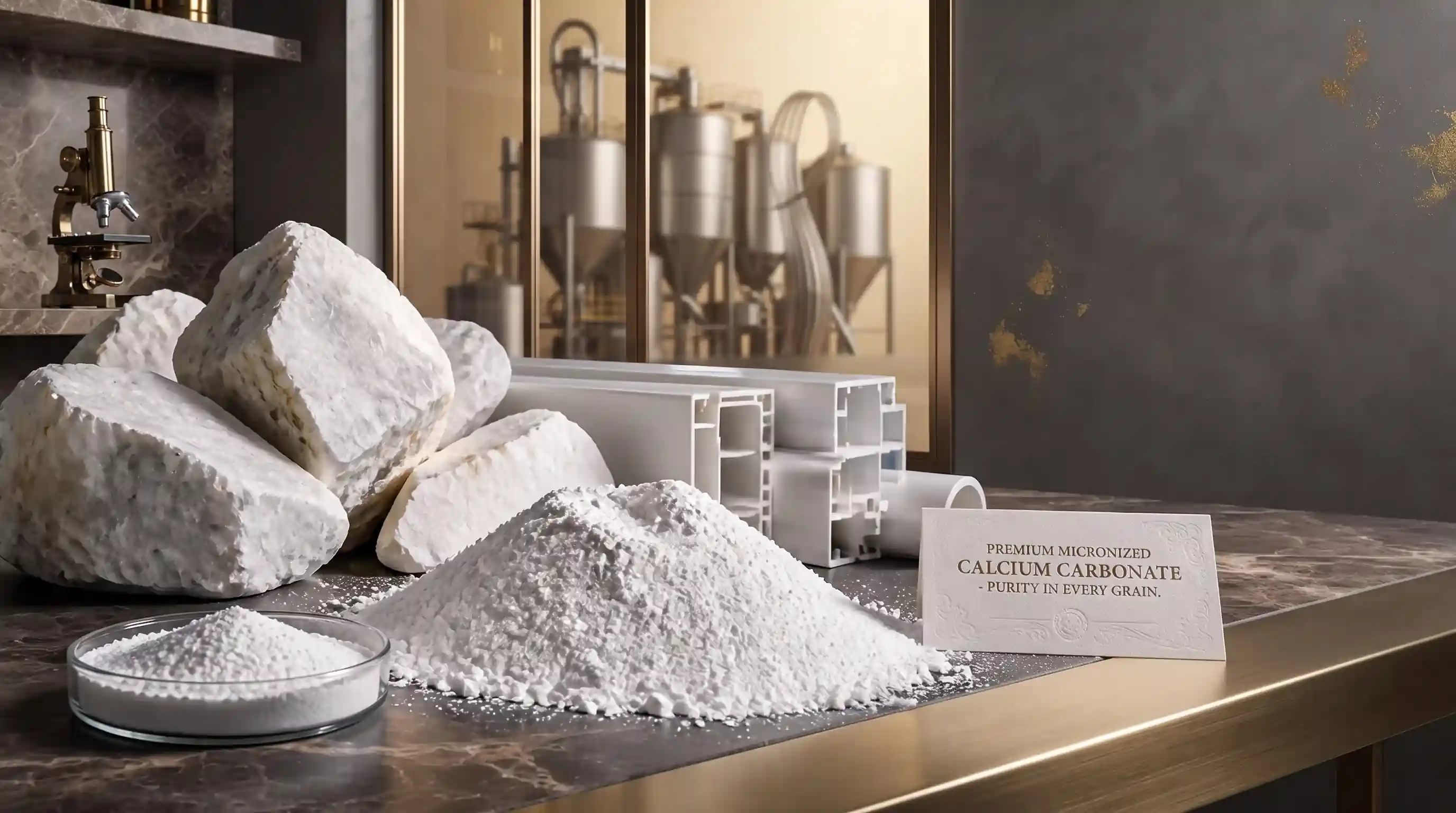
چالش ها و نکات فنی در استفاده از کربنات کلسیم در چسب
هرچند استفاده از این ماده معدنی مزایای فراوانی به همراه دارد، اما ورود آن به فرمولاسیون چسب های حرارتی با چالش های فنی خاصی نیز روبراست که نیازمند دانش تخصصی و کنترل دقیق فرایند است. یکی از مهم ترین چالش ها، پدیده کلوخه شدن و تجمع ذرات به دلیل نیروهای بین مولکولی بالا به ویژه در مش های بسیار ریز است.
برای غلبه بر این مشکل، معمولاً از ادتیوها و پوشش های سطحی خاص (مانند اسید استئاریک) روی ذرات استفاده می شود تا سازگاری آن ها با ماتریس آلی پلیمر افزایش یابد. این پوشش دهی کمک می کند تا ذرات به طور کاملاً همگن در کل حجم چسب پخش شده و از تشکیل نقاط ضعف ساختاری جلوگیری شود.
همچنین، میزان رطوبت موجود در پودر معدنی باید به حداقل ممکن برسد، زیرا حضور رطوبت در دمای ذوب چسب های حرارتی می تواند باعث ایجاد حباب، کاهش قدرت چسبندگی و افت کیفیت نهایی اتصال گردد. کنترل دقیق دانه بندی در بازه 100 تا 3500 مش توسط تامین کنندگان معتبر نظیر کانی سنگ امیران تا حد زیادی این دغدغه ها را برطرف می کند.
تولیدکنندگان چسب باید با انجام تست های آزمایشگاهی مداوم بر روی گرانروی، نقطه نرمی و قدرت چسبندگی، دوز بهینه مصرف را تعیین کنند. رعایت این نکات فنی تضمین می کند که محصول نهایی در بالاترین سطح استانداردهای کیفی بازار قرار گیرد.
نتیجه گیری و چشم انداز آینده استفاده از کربنات کلسیم در صنایع چسب
بررسی جامع کاربرد کربنات کلسیم در صنعت تولید چسب های حرارتی نشان می دهد که این ماده معدنی فراتر از یک پرکننده ساده عمل می کند. نقش آفرینی در کنترل گرانروی، بهبود پایداری حرارتی، افزایش استحکام مکانیکی و کاهش چشمگیر هزینه های تولید، آن را به یکی از ارکان اصلی فرمولاسیون های مدرن تبدیل کرده است.
با پیشرفت تکنولوژی های ساخت و میکرونیزاسیون مواد معدنی و دستیابی به بازه های مش دقیق از 100 تا 3500 مش، مهندسان کنترل بسیار بیشتری بر خواص نهایی محصولات پلیمری، رنگ، کاغذ و محصولات مهندسی پیدا کرده اند. این پیشرفت ها نوکننده نسل جدیدی از چسب های صنعتی با کارایی بالا و قیمت مناسب هستند.
انتخاب تامین کننده معتبر برای تهیه این ماده معدنی حیاتی است. پروژه کانی سنگ امیران با تولید مواد معدنی استاندارد، نیازهای صنایع مختلف را با بالاترین کیفیت پوشش می دهد. توسعه پایدار صنایع چسب سازی گرو گرو در گروی استفاده هوشمندانه از این منابع ارزشمند داخلی است.
در نهایت، چشم انداز آینده نشان می دهد که با افزایش استانداردهای کیفی و نیاز به محصولات دوستدار محیط زیست و اقتصادی تر، استفاده از این ماده معدنی باکیفیت روند صعودی خود را ادامه خواهد داد و نقش آن در فرمولاسیون های پیشرفته روزبه روز پررنگ تر خواهد شد.

| سوال | پاسخ |
|---|---|
| کربنات کلسیم چیست و چه کاربردهایی دارد؟ | یک ماده معدنی پرکاربرد در صنایع پلیمری، رنگ، کاغذ، چسب، کابل، چرم مصنوعی و سنگ مهندسی است. |
| بازه مش محصولات کربنات کلسیم امیران چقدر است؟ | محصولات این شرکت در بازه مش 100 تا 3500 مش تولید و عرضه می شوند. |
| چرا از کربنات کلسیم در چسب های حرارتی استفاده می شود؟ | برای کاهش هزینه های تولید، تنظیم گرانروی، بهبود پایداری حرارتی و افزایش استحکام مکانیکی. |
| تاثیر مش ریز بر گرانروی چسب چیست؟ | مش های بسیار ریز سطح تماس را افزایش داده و موجب افزایش گرانروی سیستم چسب می شوند. |
| آیا این ماده مقاومت حرارتی چسب را افزایش می دهد؟ | بله، به عنوان یک جاذب حرارتی ملایم عمل کرده و پایداری حرارتی چسب را بهبود می بخشد. |
| نقش پوشش سطحی ذرات معدنی چیست؟ | پوشش دهی ذرات باعث سازگاری بهتر با پلیمر و جلوگیری از کلوخه شدن در ماتریس چسب می شود. |
| آیا این ماده بر قیمت تمام شده چسب تاثیر دارد؟ | بله، با جایگزینی بخشی از رزین های گران قیمت، قیمت تمام شده تولید به شدت کاهش می یابد. |
| مهم ترین چالش استفاده از پودر معدنی در چسب چیست؟ | کنترل رطوبت پودر و جلوگیری از تجمع و کلوخه شدن ذرات در حین فرایند تولید. |
| چه صنایع دیگری از این ماده استفاده می کنند؟ | پروفیل و لوله PVC/UPVC، مستربچ، کابل، چرم مصنوعی، رنگ، کاغذ و سنگ مهندسی. |
| چگونه می توان بهترین گرید را برای چسب انتخاب کرد؟ | بر اساس نیازهای ویسکوزیته، دمای اعمال و تست های آزمایشگاهی تعیین دوز بهینه. |
مرجع تخصصی مواد معدنی کانی سنگ امیران — https://ksamiran.ir/products/calcium-carbonate/
برچسب: کربنات کلسیم,کاربرد کربنات کلسیم در صنعت تولید چسبهای حرارتی,
نویسنده: رساوب آفرین
Introduction to Industrial Barite and Its Importance in Mode Industries
Industrial barite is recognized as one of the most important mineral materials in various industries, holding a special position due to its specific physical and chemical properties. The Kani Sang Amiran project, as a mineral producer, offers this product with the highest quality. Understanding the role of industrial barite in enhancing product quality helps industrialists increase production efficiency.
Due to its high density, chemical neutrality, and thermal stability, this mineral finds application in diverse industries. Its proper use leads to improved mechanical and functional properties of final products. To get more familiar with the technical details and purchase this material, you can visit the Industrial Barite page and review its complete specifications.
In addition to traditional applications, the role of this material in mode technologies and advanced formulations is becoming increasingly prominent. A detailed examination of the mesh range and mineral purity is the main prerequisite for its optimal utilization in industrial production lines, which will be discussed in detail in the following sections.
Physical and Chemical Properties of Industrial Barite and Mesh Range
Understanding the technical specifications of any mineral is the key to successfully using it in manufacturing processes. The mesh range for this mineral varies between 200 and 450 mesh, which allows for customization based on the exact needs of various industries. Micronized particles and precise gradation have a direct impact on the uniform distribution of materials in the base matrix.
High density is one of the most prominent features of this material, distinguishing it from other mineral fillers. Stability against chemical agents and lack of reactivity with other formulation components are among its other key advantages. This stability significantly helps increase the lifespan and durability of manufactured goods.
Quality control in the extraction and sizing process by the Kani Sang Amiran project ensures that the final product is free from harmful impurities. Correct selection of the mesh range (200 450 mesh) in accordance with the type of application optimizes viscosity and the final product properties.
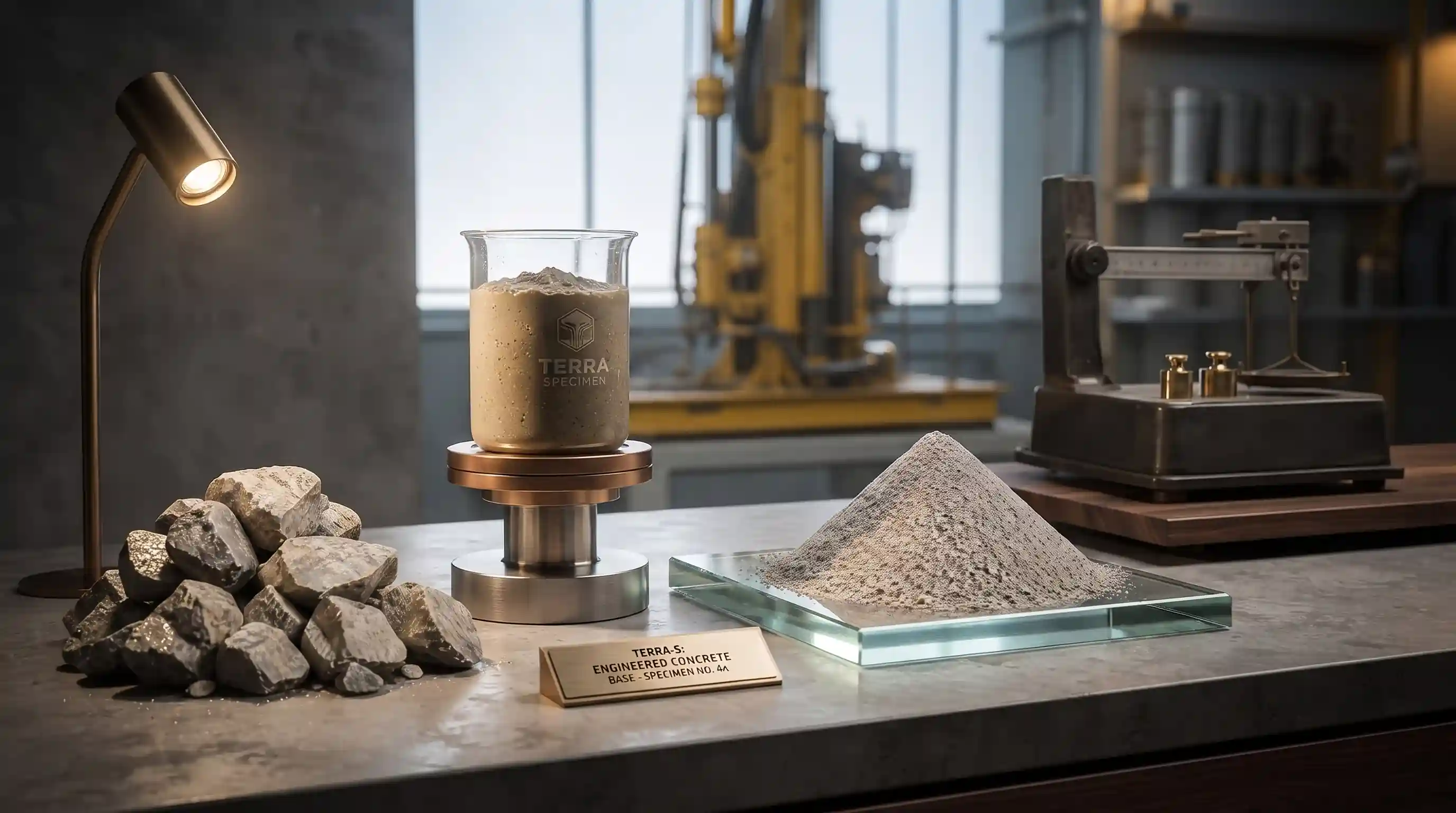
Application of Industrial Barite in Drilling Fluids and the Oil Industry
One of the primary and most traditional applications of this mineral is its use in oil and gas well drilling fluids. Due to the exceptionally high density of this material, the produced drilling mud attains a suitable weight, which is vital for controlling subsurface formation pressure and preventing blowouts.
Adding this material to the drilling mud allows the fluid to maintain optimal viscosity while possessing the necessary force to keep drilling cuttings suspended. This feature helps clean the well optimally, increases drilling operation speed, and reduces overall project costs.
Mineral producers such as the Kani Sang Amiran project, through precise processing of this material, provide a standard product for the drilling industry that exhibits high thermal and chemical stability under the harsh conditions of deep wells.
The Role of Industrial Barite in Welding Electrode Manufacturing
The electrode manufacturing industry is another important consumption area for this mineral. In the coating or covering of welding electrodes, the presence of this mineral compound helps improve arc properties and electric arc stability. Additionally, this material plays a role in adjusting the melting speed and creating appropriate slag.
Adjusting the viscosity and uniform coating of the electrode covering is achieved through the addition of micronized powder with a suitable mesh. This enhances the final weld quality and prevents structural defects in metal joints.
Reputable suppliers help electrode manufacturing industries comply with national and inteational quality standards by providing high-quality products and supplying the market with reliably performing items.
Alongside electrodes, examining the role of industrial barite in refractory product manufacturing also reveals new dimensions of this material's thermal applications.
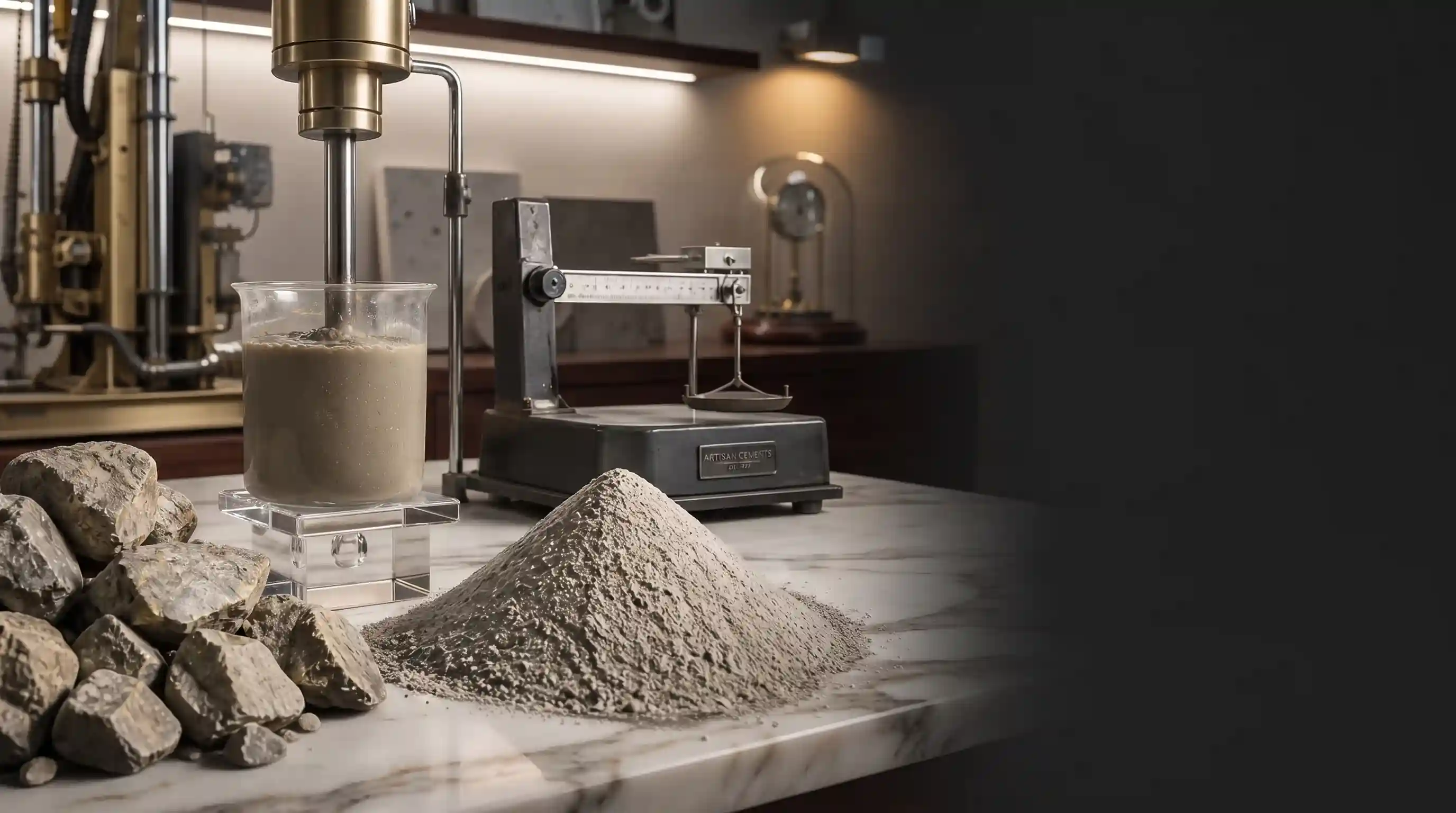
Application of Industrial Barite in Rubber and Plastics Industries
In the polymer, rubber, and plastics industries, this material is used as a heavy and functional mineral filler or extender. Adding this material to polymer compounds increases density, improves wear resistance, and reduces shrinkage in manufactured parts.
In plastic products, improving the stiffness properties and surface appearance of parts are notable benefits of consuming this material. Homogeneous particle distribution in the plastic matrix noticeably improves tensile strength and impact resistance.
To better understand the position of mineral fillers in polymers, reading the article the important role of industrial talc in the plastic and polymer industry provides useful complementary information on filler performance.
Improving Quality and Durability of Polymer Products with Mineral Fillers
Enhancing product quality relies on using high-grade raw materials. By creating a dense network within the rubber and plastic structure, this mineral reduces the permeability of gases and liquids and increases the chemical resistance of the part.
In the rubber industry, using this filler helps adjust the hardness, elasticity, and dynamic properties of products such as strips, gaskets, and automotive parts. This compound also helps lower the final production cost without sacrificing quality.
Focusing on standard extraction and processing, the Kani Sang Amiran project prepares this material with appropriate sizing for the plastic and rubber industries to achieve the highest level of compatibility with extruder and injection molding machines.
Examining the Impact of Industrial Barite on Cost Reduction and Production Optimization
Production managers are constantly looking for ways to reduce final costs without compromising product quality. Replacing a portion of expensive polymeric materials with standard mineral fillers is a proven economic strategy across various industries.
As a cost-effective filler, this mineral increases product volume to the desired extent while simultaneously improving desirable physical properties such as specific gravity and dimensional stability. This balance between price and performance creates a major competitive advantage for manufacturers.
Furthermore, familiarity with other specialized applications such as the role of industrial barite in industrial adhesives and resins production shows how effective this material is in optimizing various formulations.
Conclusion and Future of the Industrial Barite Consuming Market in Iran and Globally
The undeniable role of this mineral in the drilling, electrode, rubber, and plastic industries is hidden from no one. With the rapid development of manufacturing technologies and the need for high-quality raw materials, demand for standard mineral products is on the rise.
By offering high-quality products in the 200 450 mesh range, the Kani Sang Amiran project meets the diverse needs of domestic industries. Compliance with production standards, precise extraction, and mode processing will ensure the continuity of product quality for end consumers.
Ultimately, investing in premium processed minerals not only elevates the quality of domestic goods but also secures the presence of the country's industries in regional and inteational competitive markets.

| Question | Answer |
|---|---|
| What is industrial barite? | It is a high-density, inert mineral used in drilling, electrode, rubber, and plastic industries. |
| What is the mesh range of this product? | This product is processed and supplied in the 200 to 450 mesh range. |
| What are the main applications of this mineral? | Drilling fluids, welding electrode manufacturing, and the creation of rubber and plastic products. |
| Why is this material used in drilling fluids? | Due to its high density, to control oil and gas well pressure and keep drilling materials suspended. |
| What is the effect of this material on plastics industries? | Increased density, improved stiffness, reduced shrinkage, and enhanced mechanical strength of parts. |
| What is its role in welding electrodes? | Improving electric arc stability, adjusting melting speed, and forming appropriate slag. |
| Who is the producer of this product? | Kani Sang Amiran project as a mineral producer. |
| How can technical specifications be reviewed? | By visiting the dedicated product page on the Kani Sang Amiran website. |
| Is this material also used in adhesive and resin industries? | Yes, it is used as a filler in industrial adhesive and resin formulations. |
| What is the economic advantage of using this material? | Reducing production costs while simultaneously improving the physical and mechanical properties of the goods. |
Kani Sang Amiran Project — Reference for Production and Processing of Industrial Minerals
برچسب: Industrial Barite,The Role of Industrial Barite in Enhancing Product Quality,
نویسنده: رساوب آفرین
مقدمة حول أهمية البنتونيت في صناعات المواد اللاصقة والدهانات
تسعى صناعات إنتاج الدهانات والمواد اللاصقة باستمرار إلى الحصول على مواد خام عالية الجودة وفعالة لتحسين الخصائص الفيزيائية والميكانيكية لمنتجاتها. ومن بين هذه المواد المعدنية، يحتل البنتونيت مكانة خاصة كمادة عملية. يقدم مشروع معدن الصخور أميران (كاني سنغ أميران) كشركة منتجة للمواد المعدنية هذا المنتج بخصائص هيكلية فريدة. إن فهم خصائص هذه المواد المعدنية يساعد بشكل كبير في صياغة أفضل للمنتجات.
في هذه المقالة، نستكشف الدور الرئيسي لهذه المواد في مختلف الصناعات. تُعرض هذه المادة المعدنية بنطاق شبكي يتراوح من 200 إلى 450 مش، وهي مناسبة لمجموعة متنوعة من التطبيقات بما في ذلك إنتاج المواد اللاصقة والدهانات والطلاءات الواقية. لمزيد من المعلومات حول الشراء والمواصفات الفنية، يمكنك زيارة صفحة البنتونيت المخصصة وقراءة التفاصيل الكاملة.
بالإضافة إلى الاستخدام المباشر، فإن التآزر بين هذه المادة والمواد المعدنية الأخرى مهم أيضاً. على سبيل المثال، للتعرف على التركيبات المشابهة في صناعات الطلاء، يوصى بقراءة مقالة تطبيق البنتونيت في صناعة الصباغة وإنتاج الطلاءات الواقية والتي تكشف عن أبعاد جديدة للتطبيقات.
في الأقسام التالية، سنناقش بالتفصيل الخصائص الريولوجية، ودوره كمادة رابطة وماصة، فضلاً عن تطبيقاته في سوائل الحفر والسباكة، لكي تكتسب نظرة شاملة تجاه هذه المادة الصناعية القيّمة.
فهم هيكل والمواصفات الفنية للبنتونيت
البنية الكيميائية والفيزيائية للبنتونيت تجعله مناسباً جداً للتطبيقات الصناعية. هذه المادة هي طين دقيق الحبيبات يتمتع بقدرة عالية على امتصاص الماء والتورم. النطاق الشبكي من 2000 إلى 450 (وبشكل أكثر دقة نطاق شبكي من 200 إلى 450 مش) المقدم من مشروع معدن الصخور أميران يوفر نطاقاً قياسياً للاستخدام في مختلف الصناعات.
تلعب أبعاد الجسيمات في نطاق 200 إلى 450 مش دوراً مباشراً في مساحة السطح النوعية وقوة تفاعل المادة. تتيح هذه الميزة للمادة الانتشار جيداً في الأنظمة السائلة وإنشاء شبكة مستقرة. تساعد الاستقرارية الناتجة على تحسين اللزوجة والتحكم في التدفق في التركيبات الصناعية.
يتيح الفهم الدقيق لهذه المواصفات الفنية للمهندسين والمصممين الصناعيين تحديد الجرعة المثلى للاستهلاك. إن الاستخدام الصحيح لهذه المادة المعدنية لا يرفع جودة المنتج النهائي فحسب، بل يحسن أيضاً تكاليف الإنتاج.
استمراراً للمناقشات الفنية، فإن دراسة سلوك هذه المادة في بيئات مختلفة تساعد في فهم تطبيقاتها بشكل أفضل. إن دمج هذه المادة مع إضافات أخرى يضاعف من كفايتها كعامل تعديل للتدفق.
دور البنتونيت كمادة رابطة وماصة
أحد التطبيقات الرئيسية للبنتونيت هو استخدامه كمادة ماصة أو رابطة في العمليات الصناعية. إن قدرة هذه المادة العالية على امتصاص الرطوبة والالتصاق بالجسيمات المجاورة تجعلها خياراً مثلياً لصنع أنواع مختلفة من المواد اللاصقة الصناعية. تساعد هذه الخاصية اللاصقة في التماسك الهيكلي للمنتجات.
إلى جانب دورها اللاصق، فإن خاصية الامتصاص العالية تجعل هذه المادة تتمتع بأداء ممتاز في التحكم في الرطوبة وتثبيت المواد المختلفة. في صناعات إنتاج المواد اللاصقة، تعتبر مقارنة هذه المادة مع المواد المالئة والمواد الرابطة الأخرى أمراً بالغ الأهمية. وبالمثل، فإن دراسة مواد أخرى مثل دور الباريت الصناعي في إنتاج المواد اللاصقة والراتنجات الصناعية توضح كيف يجعل دمج المعادن تحسين المواد اللاصقة ممكناً.
يعمل مشروع معدن الصخور أميران على تلبية احتياجات وحدات الإنتاج من المواد الرابطة عالية الجودة من خلال توفير هذا المنتج بنطاق شبكي يتراوح بين 200 و450 مش. يضمن التوزيع المناسب للجسيمات في هذا التصنيف الشبكي انتشاراً متجانسة داخل مصفوفة المادة اللاصقة.
في النهاية، يعد استخدام هذه المادة كأداة امتصاص في الصناعات التي تحتاج إلى التحكم في السوائل والنفايات أمراً شائعاً للغاية ويزيد بشكل ملحوظ من كفاءة الأنظمة الصناعية.
تطبيق البنتونيت في صناعة الدهانات والطلاءات الصناعية
في صناعة الدهانات، يعد التحكم في اللزوجة، ومنع ترسب الأصباغ، وتحسين خصائص ظاهرة الانكماش أمراً في غاية الأهمية. يعمل البنتونيت كعامل حراري ومعدل للتدفق في الدهانات الصناعية. تعمل هذه المادة على منع حركة وترسب الجسيمات الثقيلة من خلال إنشاء هيكل يشبه الجل في حالة السكون.
عند تطبيق القص الميكانيكي (مثل التقليب أو طلاء السطح باستخدام الفرشاة)، تنخفض اللزوجة وينتشر الطلاء بسهولة على السطح. بعد إزالة الإجهاد، تعود اللزوجة الأولية مما يمنع انسكاب الطلاء من على الأسطح العمودية. يضمن هذا السلوك الفريد الجودة النهائية للطلاء.
لإكمال أنظمة الطلاء المتقدمة، يُعد استخدام دهانات الإيبوكسي أمراً شائعاً أيضاً. في هذا السياق، توفر قراءة مقالة دور أكسيد الحديد الأحمر (المغرة) في إنتاج دهانات الإيبوكسي معلومات إضافية مفيدة حول الأصباغ والإضافات التآزرية.
يقوم مشروع معدن الصخور أميران بتحضير وتوريد هذه المادة المعدنية بمعايير جودة مناسبة لصناعات الدهانات والراتنجات بحيث يمكن للمصنعين إنتاج طلاءات ذات متانة وكفاءة عالية.

تطبيق البنتونيت في سوائل الحفر
تلعب سوائل الحفر أو طين الحفر دوراً حيوياً في عمليات الاستكشاف واستخراج المعادن والبترول. البنتونيت هو أحد المكونات الرئيسية والأساسية في صياغة هذه السوائل. ميزة التورم الممتازة لهذه المادة عند ملامستها للماء تخلق معلقاً بلزوجة مناسبة تنقل فتات الحفر إلى السطح.
بالإضافة إلى حمل فتات الحفر، فإن طين الحفر الذي يحتوي على هذه المادة المعدنية يعمل على استقرار جدار البئر ويمنع انهياره. كما أنه من خلال إنشاء كعكة طين (Filter Cake)، فإنه يقلل من نفاذية جدار البئر ويمنع فقدان السوائل داخل التكوينات الجيولوجية.
يعمل النطاق الشبكي من 200 إلى 450 مش المقدم من مشروع معدن الصخور أميران على تحسين سرعة الترطيب وتكوين الجل في سوائل الحفر. تسمح هذه الميزة لمهندسي الحفر بالتحكم بدقة في الخصائص الريولوجية للسائل في ظل الظروف الجيولوجية المختلفة.
إن استخدام هذه المادة القياسية في عمليات الحفر يزيد من كفاءة العمل ويقلل من المخاطر الناتجة عن عدم استقرار جدار البئر إلى الحد الأدنى، وهو أمر اقتصادي للغاية أيضاً.
دور البنتونيت في صناعات السباكة والمسابك
تعتبر صناعة السباكة مستهلكاً رئيسياً للمواد المعدنية، ويحتل البنتونيت مكاناً لا يُنافس في القولبة الرملية. تعمل هذه المادة كمادة رابطة رئيسية في رمل القولبة وتمنح الرمل الجاف والرطب قوة الضغط والشد اللازمة للحفاظ على شكله ضد ضغط المعدن المنصهر.
عند خلطها بالماء، تلتصق طبقاتها الهيكلية ببعضها البعض وتخلق رابطة قوية بين حبيبات الرمل. هذه الرابطة مرنة لدرجة أنه بعد الصب وتبريد القطعة، يتم كسر القالب بسهولة ويتم إخراج القطعة المعدنية.
يلبي مشروع معدن الصخور أميران من خلال توفير هذا المنتج في النطاق الشبكي 200 إلى 450 مش، حاجة ورش السباكة لتحقيق أسطح أكثر سلاسة وتقليل عيوب السباكة. يساهم التوزيع المناسب للجسيمات في ملء الفراغات بين حبيبات الرمل.
تؤدي الجودة العالية لهذه المادة الرابطة المعدنية في السباكة إلى إنتاج أقطاع ذات أبعاد أكثر دقة، وسطح أكثر لمعانًا، ونفايات أقل، مما يزيد من الإنتاجية الإجمالية لخط الإنتاج.
المزايا الاقتصادية والبيئية لاستخدام البنتونيت
إن استخدام المواد المعدنية الطبيعية مثل البنتونيت، بالإضافة إلى مزاياها التقنية، له تبرير اقتصادي وتوافق كبير مع البيئة. من منظور اقتصادي، تُعرف هذه المادة كمادة خام وفيرة ومنخفضة التكلفة يمكن أن تكون بديلاً مناسباً للعديد من الإضافات الكيميائية بااهظة الثمن في صناعات المواد اللاصقة والدهانات والحفر.
من منظور بيئي، ونظراً لأن هذه المادة مصدر معدني وطبيعي بالكامل، فإنها لا تشكل أي خطر على الطبيعة بعد انتهاء دورة حياة المنتج وهي قابلة للعودة إلى دورة الأرض. هذه الميزة ذات أهمية كبيرة للصناعات الحديثة التي تبحث عن معايير مستدامة وخضراء.
يقدم مشروع معدن الصخور أميران من خلال المعالجة القياسية لهذا المنتج جودة موحدة للسوق مما يقلل من هدر المواد الخام في المصانع المستهلكة. يمنع استقرار الجودة إعادة العمل ويعزز الإنتاجية الاقتصادية.
لذلك، فإن اختيار هذه المادة المعدنية لا يرفع جودة المنتجات النهائية مثل الدهانات والمواد اللاصقة فحسب، بل يجلب معه أيضاً تحسين تكاليف الإنتاج والحفاظ على صحة البيئة.
الخاتمة ودليل اختيار وشراء البنتونيت
في هذه المقالة الشاملة، تم فحص الأبعاد المختلفة لتطبيق البنتونيت في صناعات المواد اللاصقة والدهانات والحفر والسباكة. وتبين أن هذه المادة المعدنية، من خلال امتلاكها لخصائص مثل القدرة على التورم، والخصائص اللاصقة القوية، والقدرة على ضبط اللزوجة، تعتبر أحد المكونات الرئيسية في التركيبات الصناعية.
يغطي النطاق الشبكي من 200 إلى 450 مش المقدم من مشروع معدن الصخور أميران مجموعة واسعة من الاحتياجات الفنية لمختلف الصناعات. إن الاختيار الصحيح للشبكة والجودة المناسبة لهذه المادة سيضمنان الأداء الأمثل للمنتجات النهائية.
يوصى أصحاب العمل ومهندسو التركيبات ومديرو الشراء، قبل إتمام الشراء، بمراجعة المواصفات الفنية الدقيقة للمنتج المطلوب مع الخبراء واختيار الشبكة المناسبة بناءً على نوع التطبيق.
لتسجيل الطلب، والتحقق من الأسعار اليومية، والحصول على استشارات متخصصة حول هذا المنتج، يمكنك زيارة موقع مشروع معدن الصخور أميران والتواصل مع فريق الدعم للحصول على افضل اختيار لصناعتك.
| السؤال | الإجابة |
|---|---|
| ما هو البنتونيت وما هي استخداماته؟ | هو مادة معدنية طينية تُستخدم في صناعات الحفر، السباكة، إنتاج المواد اللاصقة، وكمادة ماصة. |
| ما هو النطاق الشبكي لبنتونيت مشروع معدن الصخور أميران؟ | يُعرض هذا المنتج في النطاق الشبكي من 200 إلى 450 مش. |
| هل تُستخدم هذه المادة في صناعة الدهانات؟ | نعم، تُستخدم كمعدل للتدفق وعامل مضاد للترسب في الدهانات. |
| ما هو دور البنتونيت في الحفر؟ | يساهم في صنع طين الحفر، استقرار جدار البئر، ونقل فتات الحفر إلى السطح. |
| لماذا تُستخدم هذه المادة في السباكة؟ | تعمل كمادة رابطة لرمل القولبة وتمنح القالب القوة والصلابة. |
| هل تتمتع هذه المادة بخاصية اللصق؟ | نعم، تُعرف كمادة رابطة وماصة في مختلف الصناعات. |
| كيف يمكن شراء هذا المنتج؟ | يمكنك القيام بذلك عبر صفحة المنتج المخصصة على موقع مشروع معدن الصخور أميران. |
| ما هي المزايا البيئية لهذه المادة؟ | نظراً لأنها مصدر طبيعي ومعدني بالكامل، فهي صديقة للبيئة. |
| كيف تساعد هذه المادة في التحكم بلزوجة الطلاء؟ | من خلال إنشاء شبكة شبيهة بالجل في حالة السكون لتجنب الترسب وتتدفق عند القص. |
| هل هذه المادة اقتصادية؟ | نعم، تعتبر بديلاً رخيصاً وفعالاً للعديد من الإضافات الكيميائية. |
مشروع معدن الصخور أميران، منتج المواد المعدنية والصناعية.
برچسب: البنتونيت,دور البنتونيت في إنتاج المواد اللاصقة والدهانات الصناعية,
نویسنده: رساوب آفرین
Introduction to Industrial Raw Material Supply and the Key Role of Bentonite
The supply of industrial raw materials is one of the most vital pillars in the production and industrial cycle, directly affecting the quality, finished cost, and ultimate productivity of products. Among the various mineral and industrial materials used in different industries, bentonite holds a special position as a strategic mineral. With its unique physical and chemical properties, this material has become one of the most widely used raw materials in both heavy and light industries.
A precise understanding of the technical characteristics and applications of minerals guides industries in choosing the best options. For more familiarity with mode approaches in this field, studying the comprehensive guide to industrial raw material supply and calcium carbonate is recommended, as it provides an open perspective on the supply chain. The Kani Sang Amiran project, focusing on the production of high-quality minerals, plays an important role in covering the needs of the country's industrial sector.
In this article, we will examine various dimensions of using this mineral in industrial sectors, its particle size distribution within the mesh range of 2000 to 450, and its importance in optimizing production processes so that industrial managers and engineers can make the best decisions regarding raw material supply.
Nature and Technical Characteristics of Bentonite in Mode Industries
This mineral is a type of fine-grained clay composed mainly of smectite minerals, especially montmorillonite. The layered structure of these minerals causes them to exhibit very specific behavior when interacting with water and liquids. High swelling capacity, cation exchange capacity, and the creation of stable colloidal systems are considered its most prominent features, distinguishing it from other industrial clays.
In industrial processes, physical specifications such as particle size are of vital importance. This mineral is processed and supplied in a mesh range of 2000 to 450, allowing engineers to choose the best granulation suited to the type of industrial process. Finer particles create a larger contact area and sharply increase reactivity or adhesive properties.
Utilizing mode technologies in mineral processing, the Kani Sang Amiran project produces products with precise standards. For more information and a detailed review of specifications, you can visit the dedicated bentonite page and view the complete product details.

Application of Bentonite in the Drilling Industry and Drilling Fluids
One of the primary areas of consumption for this mineral is the drilling industry. In oil, gas, and water well drilling operations, using appropriate drilling fluids is crucial for project success. By creating high-quality drilling mud, this product plays a key role in cooling the drill bit, transporting rock cuttings and debris to the surface, and keeping the wellbore stable.
The thixotropic property of this mineral allows the drilling mud to tu into a gel at rest, preventing material from settling, and to liquefy as soon as shear or pumping is applied. This dynamic behavior is essential for controlling downhole pressure and preventing wellbore collapse. The mesh range of 2000 to 450 helps in forming a uniform and stable slurry or drilling mud.
The sustainable supply of this mineral is of high importance for major construction and mining projects. Coordination between mineral extraction and drilling engineering needs will guarantee the uninterrupted progress of projects, and by continuously producing this mineral, the Kani Sang Amiran project stands as a reliable support for this industry.
Vital Role in Foundry and Molding Products
The foundry industry is another major consumer of this mineral. In preparing sand molds, this material acts as a strong binder that holds the foundry sand together. When mixed with sand and a specific amount of water, it creates strong bonds between the sand particles, ensuring the mechanical strength of the mold against the pressure of molten metal.
In addition to adhesion, this product exhibits suitable thermal stability at high temperatures, which is necessary to withstand the heat of molten metals such as cast iron and steel. Using the appropriate granulation within the mesh range of 2000 to 450 ensures the uniform distribution of the binder among the sand, making the final surface of the cast parts smoother and defect-free.
The correct selection of raw materials in foundry not only improves the quality of the final part but also minimizes waste. For bulk buyers and foundry plants, awareness of market trends and quality standards is very important; alongside this product, reviewing the market of other minerals such as reviewing the future of the industrial barite market in the world | URL: https://ksamiran.ir/future-of-industrial-barite-market/ also provides a more comprehensive view of industrial input supply.
Specialized Applications as Absorbent and Binding Materials
In addition to drilling and foundry, this mineral is used as absorbent materials and binding materials in various industries. High surface adsorption property allows this material to perform brilliantly in purification, bleaching, and moisture or impurity absorption processes. This feature is highly efficient in industries that require fluid control or the absorption of unwanted compounds.
As a binding agent, this product is used in animal feed production, mineral pelletization, and the manufacturing of various industrial products. The particle-binding strength provided by this material ensures that final products retain their physical cohesion and remain resistant to crushing or powdering. The mesh range of 2000 to 450 plays a direct role in improving these adhesive and surface properties.
Focusing on processing quality, the Kani Sang Amiran project produces products with optimal characteristics for use as absorbents and binders so that consumer industries can derive the highest efficiency from these minerals.
Comprehensive Guide to Purchasing and Selecting the Appropriate Mesh Granulation
Choosing the correct granulation is one of the most important steps in purchasing industrial minerals. This product is supplied in a mesh range of 2000 to 450, and each mesh size has its own specific application. Finer particles (higher meshes) create a larger contact area and faster reactivity, which are suitable for specific adhesion and absorption applications, while coarser meshes are preferred in certain drilling or foundry processes.
For industrial buyers, awareness of key points when purchasing is of great importance. Careful study of the buying guide can prevent extra costs and increase productivity. In this regard, reading the comprehensive guide to buying high-quality bentonite in the market provides you with valuable information regarding quality assessment, price, and product conformity with industrial needs.
A careful review of the technical specifications provided by the manufacturer, consultation with technical experts, and laboratory tests before bulk purchasing will guarantee a reliable and economical choice for various industries.

Supply Chain Optimization and Industrial Cost Management
Optimal management of the raw material supply chain plays a decisive role in the profitability and competitiveness of industrial units. Timely supply, uniformity of the quality of received materials, and direct communication with the main manufacturer are among the solutions that minimize production risks. Using high-quality domestic mineral products, in addition to reducing currency and logistics costs, guarantees the stability of production lines.
As one of the high-consumption items in the drilling and foundry industries, this mineral requires careful plaing in storage and consumption. Quality fluctuations can disrupt production lines; for this reason, cooperating with reputable suppliers like the Kani Sang Amiran project, which maintains quality standards during processing, is considered a strategic advantage.
By thoroughly analyzing consumption needs and establishing continuous communication with the technical and sales departments of manufacturers, industries can adjust their warehousing and purchasing strategies to always have sufficient and high-quality inventory.
Future Outlook and the Importance of National Mineral Production
The mining and mineral processing industry is recognized as the driving engine of countries' industrial economy. The development of mode processing technologies has enabled higher purity and efficiency of raw materials to be made available to industries. Given its wide applications in drilling fluids, foundry, absorption, and adhesion, this mineral will always have sustainable demand in domestic and inteational markets.
Focusing on upgrading the quality of mineral products, developing national standards, and responding to the specialized needs of various industries paves the way for growth in this field. Relying on technical knowledge and rich mineral resources, the Kani Sang Amiran project strives to play an effective role in self-sufficiency and ensuring the supply of domestic industry needs.
Ultimately, investing in research and development and improving extraction and processing methods will guarantee the optimal utilization of the valuable reserves of this mineral and the sustainability of dependent industries in the future.
| Question | Answer |
|---|---|
| What is bentonite and what are its applications? | It is a type of fine-grained clay mainly used in drilling fluids, foundry products, absorbent materials, and binding materials. |
| What is the mesh range of this product? | This product is processed and supplied in a mesh range of 2000 to 450. |
| Why is this material used in the drilling industry? | It is used due to creating stable drilling mud, cooling the drill bit, and keeping the wellbore stable. |
| What is the role of this material in foundry? | It acts as a strong binder for molding sand and increases the strength of the mold against molten metal. |
| How can this product be purchased? | To view specifications and place an order, you can visit the official bentonite page on the Kani Sang Amiran website. |
| Does granulation affect product quality? | Yes, choosing the right mesh based on the type of industrial application optimizes the contact surface and adhesive properties. |
| Who is the main manufacturer of this product in Iran? | The Kani Sang Amiran project operates as a manufacturer of mineral materials. |
| What are the key physical characteristics of this material? | High swellability, cation exchange capacity, and the creation of stable colloidal systems are its main features. |
| Is this material used as an absorbent? | Yes, it has high surface adsorption properties and is effective in purification and impurity absorption. |
| Why is the sustainable supply of industrial raw materials important? | It is vital for preventing production line stoppages, controlling costs, and maintaining final product quality. |
Kani Sang Amiran Project - Production and processing of industrial and mineral materials of the country.

برچسب: Bentonite,Review of Industrial Raw Material Supply Using Bentonite,
نویسنده: رساوب آفرین
Introduction to the Importance of White Talc in Advanced Industries
The mineral white talc is recognized as one of the most functional raw materials in the structure of mode industries, playing a vital role in elevating the quality of final products through its unique physical and chemical characteristics. This valuable material is obtained from the crushing of pure mineral deposits and holds a special place in industrial production lines due to its high whiteness, softness of structure, and chemical stability. The Kani Sang Amiran project, through the precise processing of this material, has provided a platform where various industries can benefit from its advantages in the best possible way. Deep understanding of the characteristics of this material helps production processes to be pursued with higher efficiency and quality standards to be improved.
In recent years, the importance of using high-quality mineral fillers has received more attention than ever from engineers and manufacturers. The structural features of white talc make this material act as a performance-improving agent in various formulations. From polymer industries to masterbatch and compound production, the presence of this mineral helps significantly in increasing resistance, reducing production costs, and improving the appearance of the final product. To better understand this topic, a more precise examination of the applications of this material in various industrial sectors seems necessary so that its competitive advantages are clearly revealed.
One of the most important reasons for the popularity of white talc in various industries is its high compatibility with other raw materials. This material acts as a neutral mineral filler and does not create any undesirable reactions with other compounds. In addition, the variety in particle size, which ranges from 450 mesh to 2500 mesh, allows precise selection based on the technical needs of each industry. A careful examination of these features shows why many large production units prioritize the use of standard products from Kani Sang Amiran in their raw material supply programs.
Sustainable development in manufacturing industries requires the use of high-quality mineral resources that are compatible with industrial processes. White talc, with its stable structural features, is recognized as a reliable solution for optimizing formulations. In the continuation of this article, we will examine in detail the various dimensions of this material's application in industries such as masterbatch, compounds, paints, paper, and ceramics to fully clarify its key role in the manufacturing value chain.
The Key Role of White Talc in Masterbatch and Compound Industries
Polymer industries, and especially the production of masterbatches and compounds, are constantly looking for minerals that can improve the mechanical and visual properties of polymers. Meanwhile, white talc has managed to claim a very special position as an efficient filler. The use of this material in masterbatch formulations increases whiteness, improves color dispersion, and enhances the rigidity of produced polymer parts. Also, the high thermal stability of this material greatly assists the melting and shaping process of polymers.
In the production process of polymer compounds, adding white talc increases the flexural modulus, improves dimensional stability, and reduces the shrinkage of injection-molded parts. These features are of extraordinary importance, especially in automotive parts and home appliances that require high dimensional accuracy and mechanical strength. The 450 to 2500 mesh range of this product allows precise control of the rheological and surface properties of compounds based on the standards required by engineers. For further reading regarding the importance of this material, you can refer to the article Why white talc is the best choice for filler industries to shed light on more dimensions of its efficiency.
The Kani Sang Amiran project, by supplying white talc in various purity grades and gradations, covers the specialized needs of masterbatch and compound manufacturers in the best possible way. The uniform particle size distribution in these products prevents particle agglomeration in the polymer matrix, and as a result, the final product properties will be completely uniform and high-quality. This greatly helps reduce production waste and increase the speed of extrusion lines.
In addition to improving mechanical properties, using white talc in compounds has high economic justification due to its reasonable price compared to pure polymers. Manufacturers can manage final production costs remarkably while maintaining or even upgrading the technical specifications of the product. This economic feature, alongside the mentioned technical advantages, makes white talc an unrivaled option in the plastics industry.

Application of White Talc in the Paint and Coatings Industry
The paint and industrial coatings industry is always looking for additives that can increase durability, coverage, and color retention. Due to its sheet-like structure and suitable refractive index, white talc is considered one of the best fillers and reinforcing pigments in the formulation of architectural and industrial paints. The presence of this material in the paint structure prevents rapid pigment settlement and noticeably improves the storage stability of the product.
One of the most important advantages of using white talc in the paint industry is creating desirable resistance against moisture penetration and atmospheric factors. The sheet-like particles of this material create a barrier-like structure in the paint layer that blocks the penetration path of water and gases to the underlying surface. This feature plays a direct role in preventing metal surface corrosion and increasing the useful life of protective coatings. The fine mesh range of this product also helps create a smooth, uniform, and high-quality surface after the paint dries.
By offering high-quality white talc, the Kani Sang Amiran project enables paint manufacturing units to bring products with high standards to the market. Acting as an efficient extender, this material adjusts the gloss and opacity of the paint to the desired level and helps optimize titanium dioxide consumption, which in tu reduces paint formulation costs.
Adjusting the rheological properties of paints is another benefit of adding white talc. This material improves the viscosity behavior of paint when applied with a brush, roller, or spray gun and prevents paint sagging on vertical surfaces. As a result, painters and end consumers can experience a flawless and durable coating that meets all their technical expectations.
White Talc; The Secret of Quality and Durability in the Paper Industry
The paper industry requires raw materials that can maximize the whiteness, smoothness, and printability of paper. White talc is used as an excellent mineral filler in the production process of various writing papers, newspapers, and cardboard. By filling the empty space between cellulose fibers, this material creates a smooth and even surface that is very suitable for high-quality printing.
The use of white talc in paper manufacturing, in addition to improving paper whiteness and brightness, also optimizes ink absorption. The soft and flaky particles of this material easily penetrate the fiber network and prevent ink from bleeding through to the back of the page. This feature is of vital importance in the production of high-quality printing and writing paper. Also, the natural anti-adhesion property of this material helps make paper machinery run smoother and reduces equipment wear.
By supplying white talc with precise granulation, the Kani Sang Amiran project improves the retention process of filler materials in the paper structure. This reduces raw material waste in the wet end section of the factory and significantly increases production efficiency. Paper manufacturers, by utilizing this premium mineral material, can offer products to the market with suitable tensile strength and desirable texture.
Reducing the final cost of paper production is another economic advantage of using white talc. Since the price of cellulose fibers is relatively high, replacing a portion of them with this standard mineral filler guarantees the profitability of paper mills without a drop in quality and also helps preserve forest resources.
Specialized Applications of White Talc in the Ceramic and Tile Industry
In the ceramics industry, body and glaze firing requires raw materials that maintain their stability at high temperatures and create desirable thermal and mechanical properties. Due to its special chemical composition and the presence of magnesium compounds, white talc is considered one of the most important fluxes and raw materials in the production of tiles, ceramics, and porcelain. This material helps lower the melting point of the mixture at firing temperatures and facilitates the vitrification process.
The use of white talc in the ceramic body reduces firing shrinkage and prevents the warping of parts. This is of significant importance, especially in the production of large-sized wall and floor tiles. Additionally, the low coefficient of thermal expansion of this material helps increase resistance to thermal shock and prevents glaze cracking against sudden temperature changes. More information in this regard is explained in detail on the page Guide to choosing the best white talc for ceramics industry.
Through standard processing of white talc, the Kani Sang Amiran project offers a product with a high purity percentage and free of impurities such as iron and manganese to the ceramic industry. The absence of these impurities prevents the creation of unwanted color spots in the final product and guarantees the whiteness and brilliance of the ceramic glaze.
Adjusting the mechanical properties and rigidity of the ceramic body after firing is another key benefit of this material. By using different mesh ranges of this product, manufacturers can achieve the best result in accordance with their firing kiln type and body formula, elevating the quality of ceramic products to the highest standard level.
Standards and Technical Specifications of Kani Sang Amiran White Talc
Achieving desirable quality in industrial production requires a precise understanding of the technical specifications and standards of raw materials. The white talc produced by the Kani Sang Amiran project is supplied based on precise laboratory analyses and continuous quality control to ensure full compliance with the needs of various industries. One of the most prominent specifications of these products is the wide mesh range from 450 to 2500 mesh, covering a broad spectrum of coarse-grained to very fine-grained applications.
Chemical purity, low moisture percentage, and dazzling whiteness are among the main quality indices of this white talc. The presence of metallic and mineral impurities in these products has been minimized so that no color interference or undesirable chemical reaction occurs in sensitive industries such as paint manufacturing and ceramics. This level of precision in the extraction and micronization process is a symbol of Kani Sang Amiran's commitment to delivering first-class products.
Standard and durable packaging guarantees the preservation of product quality during transportation and warehousing. Due to high sensitivity to moisture and environmental contamination, micronized white talc particles require special storage conditions, which have been carefully factored into this collection's packaging. This ensures that the mineral material reaches customers' production lines with the exact factory quality.
Industrial engineers and procurement officers can check the precise technical specifications of the product through the dedicated page white talc and register their orders with complete confidence. Comparing these specifications with inteational standards indicates the high quality of this Iranian product.

Economic Benefits and Purchase Justification of White Talc for Industries
Optimal management of production costs is one of the main conces of managers and industrial owners. Using high-quality domestic minerals such as white talc is an effective solution to reduce dependence on imports and optimize the final price of products. With the sustainable supply and competitive price of this mineral, the Kani Sang Amiran project has made long-term plaing possible for industrial units.
Reducing the consumption of expensive polymers, resins, and cellulose fibers by replacing a percentage of them with white talc, without causing a noticeable drop in product quality, brings significant financial savings. For example, in the masterbatch and compound industry, the presence of this filler helps lower the final price of granules and increases the competitiveness of companies in domestic and foreign markets.
In addition to raw material prices, improving production efficiency and reducing waste caused by improper dispersion or impurities in substandard materials are other economic advantages of using standard white talc. When raw material reaches the manufacturer with uniform granulation and high purity, production line downtime is minimized, and labor and machinery productivity reaches its peak.
Developing a sustainable supply chain and easy access to domestic mineral resources guarantees the peace of mind of manufacturers. By establishing mode processing systems and the regular supply of white talc, the Kani Sang Amiran project stands alongside the country's industries as a reliable partner so that the path of economic growth and development can be traversed with greater speed.
Conclusion and Outlook of Using White Talc in Industry
The comprehensive review of the features and applications of white talc shows that this mineral goes beyond a simple filler, playing a vital role in enhancing quality, improving mechanical properties, and reducing production costs in key industries. From polymer industries, masterbatch, and compounds to paint, paper, and ceramics, the presence of this material is a testament to the importance of standard minerals in advancing industrial goals.
The correct choice of mesh range, appropriate chemical purity, and a reputable supplier are the three main pillars of success in using this material. Relying on technical knowledge, rich mines, and advanced micronization equipment, the Kani Sang Amiran project has managed to supply a product conforming to the highest quality standards to the market and has gained the trust of industrial activists.
The future outlook of manufacturing industries shows that the need for advanced and eco-friendly fillers will increase day by day. Due to its natural origin and unique features, white talc is a sustainable option to meet these needs. Investing in the supply of high-quality raw materials is a direct investment in the long-term sustainability and profitability of businesses.
Finally, it is suggested that industrial units, by carefully examining their technical needs and consulting with the experts of the Kani Sang Amiran project, select the most suitable white talc grade for their production lines to make the most of the unmatched benefits of this valuable mineral and elevate the quality of their products to a higher level.

| Question | Answer |
|---|---|
| What is white talc and what are its applications? | It is a crushed mineral used in masterbatch, compounds, paint, paper, and ceramics. |
| What is the mesh range of Kani Sang Amiran's white talc? | These products are produced and supplied in the mesh range of 450 to 2500 mesh. |
| Is white talc efficient in the plastic and masterbatch industry? | Yes, it is used as a filler to increase rigidity, whiteness, and improve color dispersion. |
| What is the role of white talc in the paint manufacturing industry? | It improves coverage, prevents settlement, and increases resistance to moisture. |
| Why is white talc used in paper manufacturing? | It is applied to increase whiteness, improve printability, and reduce the consumption of expensive cellulose fibers. |
| What is the advantage of white talc in the ceramic industry? | It acts as a flux, reduces firing shrinkage, and increases thermal resistance. |
| How can the appropriate white talc be selected? | It is selected based on the technical needs of the industry, purity level, and desired mesh range. |
| Does this material have an economic impact on production? | Yes, by reducing the consumption of expensive materials and increasing efficiency, it lowers costs. |
| What is the packaging of white talc products like? | It is supplied with durable standards to preserve quality during transportation and warehousing. |
| How can white talc be obtained from Kani Sang Amiran? | Through the official website of the Kani Sang Amiran project and the dedicated product page. |
Kani Sang Amiran Project — Production and processing of mineral and industrial materials.

برچسب: White Talc,Why White Talc is the Best Choice for the Pharmaceutical and Cosmetic Industry,
نویسنده: رساوب آفرین
مقدمه ای بر اهمیت شناخت کیفیت کربنات کلسیم
شناخت کیفیت مواد اولیه در صنایع مختلف از اهمیت بالایی برخوردار است. ماده معدنی کربنات کلسیم به عنوان یکی از پرکاربردترین فیلرها و افزودنی ها در صنایع تولیدی شناخته می شود. برای دستیابی به محصول نهایی باکیفیت، انتخاب نوع مرغوب این ماده از اهمیت ویژه ای برخوردار است. در این مقاله به بررسی راهکارهای شناسایی نوع مرغوب از نامرغوب می پردازیم.
این ماده معدنی در صنایع پلیمری، رنگ، کاغذ و محصولات مهندسی نقش کلیدی ایفا می کند. کیفیت نامرغوب می تواند به کل ساختار محصول نهایی آسیب برساند. برای کسب اطلاعات بیشتر می توانید به صفحه کربنات کلسیم مراجعه کنید. تولیدکنندگان باید با مشخصات فنی و ویژگی های فیزیکی این ماده آشنا باشند تا خطاهای تولیدی به حداقل برسد.
بررسی دقیق مشخصات فیزیکی و شیمیایی پیش از خرید، تضمین کننده دوام و کارایی محصول نهایی خواهد بود. در بخش های بعدی به جزئیات بیشتری درباره استانداردها و روش های ارزیابی این پودر معدنی پرکاربرد خواهیم پرداخت تا بهترین انتخاب را داشته باشید.
نقش و اهمیت کربنات کلسیم در صنایع پلیمری و لوله PVC
در صنایع تولید پروفیل و لوله PVC/UPVC، مستربچ و کابل، استفاده از کربنات کلسیم مرغوب تاثیر مستقیم بر خواص مکانیکی و حرارتی محصول دارد. افزودن این ماده به ماتریس پلیمری باعث بهبود پایداری ابعادی و کاهش قیمت تمام شده می شود. با این حال، اگر ذره ها ناخالصی داشته باشند، مقاومت ضربه ای کاهش می یابد.
برای آشنایی بیشتر با فرآیند تهیه و نکات کلیدی، مطالعه مقاله بررسی راهنمای جامع خرید و ثبت سفارش کربنات کلسیم بسیار مفید است. توزیع اندازه ذرات و میزان پوشش دهی سطح ذرات از عوامل تعیین کننده در کیفیت نهایی لوله های پلیمری و قطعات اکسترودی هستند.
محصولات پلیمری نیازمند پودری با خلوص بالا و بدون کلوخه هستند. حضور ناخالصی های سنگین یا رطوبت بالا در پودر می تواند منجر به ایجاد نقص در سطح مقطع پروفیل های پی وی سی گردد. بنابراین ارزیابی دقیق کیفیت پیش از ورود به خط تولید امری ضروری است.

کاربرد و ارزیابی کیفیت در صنعت رنگ و پوشش های مهندسی
صنعت رنگ و رزین یکی دیگر از حوزه های مصرف کننده عمده کربنات کلسیم است. این ماده به عنوان پیگمنت پوششی و ارزان قیمت در فرمولاسیون رنگ ها به کار می رود. مرغوبیت این ماده تاثیر مستقیمی بر میزان سفیدی، قدرت پوشش و درخشش رنگ نهایی دارد.
جهت مطالعه بیشتر درباره این حوزه، مقاله بررسی مزایای استفاده از کربنات کلسیم در صنایع رنگ اطلاعات مفیدی در اختیار شما قرار می دهد. در این صنایع، دانه بندی دقیق و عدم وجود ذرات درشت بسیار حائز اهمیت است تا از ایجاد حالت پوست پرتقالی یا خط و خش جلوگیری شود.
انتخاب پودر مناسب با بازه مش استاندارد کمک می کند تا ویسکوزیته رنگ در حد مطلوب حفظ شود. رنگ های ساختمانی و صنعتی باکیفیت به شدت به خلوص شیمیایی فیلر مصرفی وابسته هستند و نوع نامرغوب موجب افت کیفیت پوشش می شود.
بررسی بازه مش و تاثیر آن بر ویژگی های فیزیکی
بازه مش یکی از مهم ترین پارامترهای دسته بندی کربنات کلسیم است که در بازه 100 تا 3500 مش عرضه می شود. مش های پایین تر برای کاربردهایی که به ذرات درشت تر نیاز دارند استفاده می شوند، در حالی که مش های بالا (نانو و میکرونیزه) در صنایع پیشرفته کاربرد دارند.
برای کاربردهایی نظیر تولید کاغذ، چسب و چرم مصنوعی، استفاده از مش های ریزتر باعث ایجاد بافت یکنواخت تر و نرم تر در محصول نهایی می گردد. در صنایع سنگ مهندسی نیز تناسب مش با رزین مصرفی بسیار مهم است.
شناسایی دقیق مش با استفاده از تجهیزات آزمایشگاهی مانند الک های استاندارد یا دستگاه های لیزری اندازه گیری ذرات انجام می شود. تفاوت بین مش های نامرغوب با توزیع نامتعادل ذرات و نمونه های میکرونیزه مرغوب به راحتی از طریق آزمایش های کنترل کیفیت قابل تشخیص است.
کاربرد کربنات کلسیم در راهسازی، آسفالت و صنایع مرتبط
استفاده از مواد معدنی در پروژه های عمرانی و راهسازی نقش بسزایی در افزایش استقامت و کاهش هزینه ها دارد. از این ماده در تولید آسفالت و محصولات راهسازی نیز استفاده فراوانی می شود که به بهبود خواص فیزیکی مخلوط های آسفالتی کمک می کند.
برای کسب اطلاعات تخصصی تر در این خصوص، مطالعه مقاله کاربرد کربنات کلسیم در آسفالت و مواد راهسازی پیشنهاد می شود. کیفیت این ماده در برابر عوامل جوی و تغییرات دمایی مقاومت روسازی را تضمین می کند.
در بخش راهسازی، حضور ناخالصی های محلول در آب می تواند پیوند بین قیر و مصالح را تضعیف کند. از این رو، استفاده از نوع مرغوب با درصد خلوص بالا و میزان جذب روغن استاندارد از اهمیت بالایی برخوردار است.
روش های ساده آزمایشگاهی برای تشخیص مرغوبیت پودر
برای تشخیص کربنات کلسیم مرغوب از نوع نامرغوب در شرایط کارگاهی، می توان چند آزمایش ساده انجام داد. یکی از رایج ترین روش ها تست واکنش با اسید رقیق است که خلوص کربنات را بر اساس شدت گاز تولید شده نشان می دهد.
بررسی میزان رطوبت پودر نیز بسیار حیاتی است؛ نمونه های نامرغوب معمولاً به دلیل نگهداری نامناسب رطوبت بالایی دارند که باعث کلوخه شدن در فرآیند تولید می شود. رنگ ظاهری، میزان سفیدی زیر نور استاندارد و نداشتن بوی نامطبوع از دیگر نشانه های کیفیت است.
همچنین حس کردن پودر بین انگشتان می تواند تا حدی میزان نرمی و عدم وجود ذرات درشت غیرمتعارف را در بازه مش مشخص نشان دهد. البته تایید نهایی همواره نیازمند برگه آنالیز شیمیایی معتبر از آزمایشگاه های مجهز است.

بررسی تاثیر ناخالصی ها بر فرآیندهای تولید صنعتی
حضور ناخالصی هایی نظیر سیلیس آزاد، اکسیدهای آهن یا خاک رس در کربنات کلسیم نامرغوب می تواند مشکلات جدی در خطوط تولید ایجاد کند. به عنوان مثال، سیلیس آزاد موجود در پودر موجب سایش شدید ماردون ها و سیلندرهای دستگاه های اکسترودر در صنایع پلیمری می شود.
در صنعت کاغذسازی، وجود ناخالصی های رنگی یا ذرات سخت باعث کاهش سفیدی کاغذ و آسیب به توری های دستگاه کاغذسازی می گردد. بنابراین خلوص بالا و استخراج از معادن مرغوب شرط اصلی کیفیت است.
تولیدکنندگان صنعتی باید به طور مرتب نمونه های دریافتی را از نظر افت حرارتی و میزان اکسید کلسیم و منیزیم بررسی کنند تا از عدم وجود مواد مغایر با استانداردهای تولیدی خود اطمینان حاصل نمایند.
نتیجه گیری و راهنمای انتخاب نهایی تامین کننده
در نهایت، انتخاب کربنات کلسیم مناسب مستلزم شناخت دقیق نیازهای فنی خط تولید و مشخصات ارائه شده توسط تامین کننده است. توجه به بازه مش از 100 تا 3500 و تطابق آن با کاربردهایی نظیر رنگ، کاغذ، چسب و پروفیل های PVC کلید موفقیت است.
همکاری با تولیدکنندگان معتبر مواد معدنی که استانداردهای کیفیت را رعایت می کنند، ریسک تولید را به حداقل می رساند. بررسی مستمر آنالیزهای آزمایشگاهی و انجام تست های کنترل کیفیت ورودی تضمین کننده دوام و کارایی محصولات نهایی خواهد بود.
با در نظر گرفتن نکات ذکر شده در این راهنما، مدیران خرید و مهندسین تولید می توانند با اطمینان خاطر بیشتری نسبت به تهیه این ماده معدنی حیاتی اقدام نموده و بهره وری خطوط تولید خود را به حداکثر برسانند.
| سوال | پاسخ |
|---|---|
| کربنات کلسیم چیست؟ | یک ماده معدنی پرکاربرد به عنوان فیلر و افزودنی در صنایع پلیمری، رنگ، کاغذ و محصولات مهندسی است. |
| بازه مش این محصول چقدر است؟ | این پودر در بازه مش 100 تا 3500 تولید و عرضه می شود. |
| کاربردهای اصلی این ماده کدامند؟ | پروفیل و لوله PVC/UPVC، مستربچ، کابل، چرم مصنوعی، رنگ، کاغذ، چسب و سنگ مهندسی. |
| چگونه نوع مرغوب را از نامرغوب تشخیص دهیم؟ | از طریق بررسی خلوص شیمیایی، تست واکنش با اسید، میزان سفیدی، رطوبت و نداشتن ناخالصی هایی مانند سیلیس. |
| آیا حضور ناخالصی در پودر ضرر دارد؟ | بله، ناخالصی هایی مانند سیلیس باعث سایش تجهیزات تولید و افت کیفیت محصول نهایی می شوند. |
| رابطه مش پودر با کاربرد آن چیست؟ | مش های پایین برای کاربردهای درشت دانه و مش های بالا (میکرونیزه) برای رنگ، کاغذ و پلیمرهای پیشرفته استفاده می شوند. |
| چرا رطوبت پودر اهمیت دارد؟ | رطوبت بالا موجب کلوخه شدن پودر و ایجاد مشکل در دوزینگ و ترکیب یکنواخت مواد می شود. |
| آیا این ماده در صنعت رنگ کاربرد دارد؟ | بله، به عنوان پیگمنت پوششی برای بهبود سفیدی و درخشش رنگ استفاده می شود. |
| نقش این ماده در لوله های PVC چیست؟ | بهبود پایداری ابعادی، کاهش قیمت تمام شده و بهبود خواص مکانیکی. |
| از کجا می توان این محصول را تهیه کرد؟ | از طریق وب سایت کانی سنگ امیران و صفحه اختصاصی محصول قابل سفارش است. |
پروژه کانی سنگ امیران — تولید مواد معدنی (ksamiran.ir)
برچسب: کربنات کلسیم,راهنمای شناسایی کربنات کلسیم مرغوب از نوع نامرغوب,
نویسنده: رساوب آفرین
Introduction to Mineral White Talc and Its Position in Industry
White talc is recognized as one of the most functional and valuable mineral minerals in various industries. Possessing unique structural features, this natural material has found a special place in industrial processes. The Kani Sang Amiran project, focusing on the production of high-quality mineral materials, supplies this product with precise standards. Understanding the properties of this material is essential for engineers and manufacturers to maximize the efficiency of their production lines.
Among industrial minerals, white talc attracts attention due to its high purity, suitable whiteness, and extraordinary softness. This material is processed into powder form with various particle size distributions and has wide applications in industries such as masterbatch, compounds, paints, paper, and ceramics. For a better understanding of the technical specifications and standards of this material, reading Introduction to Analysis and Technical Specifications of Standard White Talc will serve as a very useful guide.
The physical and chemical properties of this mineral enable it to act as a filler and performance improver in industrial formulations. Manufacturers can enhance the quality of their final product by utilizing this material. Later in this article, various dimensions of the physical and chemical properties of this material and its precise applications in different industries will be examined to provide a comprehensive picture of this valuable mineral.
Physical Properties and Crystal Structure of White Talc
The physical properties of white talc play a primary role in determining its industrial applications. The structure of this mineral is layered with weak bonds between the layers; this exact feature creates a special softness and smoothness in the powder of this material. This layered structure allows particles to slide easily over one another, creating lubricating and slipping properties that are highly desirable in many industrial products.
One of the most prominent physical features of this material is its mesh range, which varies between 450 and 2500 mesh. This diversity in granulation and mesh size allows manufacturers to select the appropriate powder based on the exact needs of their process. Furthermore, the hardness of this material based on the Mohs scale is 1, making it the softest known mineral. This characteristic prevents the wear and tear of industrial equipment and machinery during mixing and processing.
Apparent whiteness and brightness are other key physical parameters that are of vital importance in the paint and paper manufacturing industries. The powder of this material significantly helps improve the brightness and transparency of final products by reflecting light appropriately. To acquire this high-quality product and view more details, you can visit the official White Talc page to obtain complete information on how to procure it.

Chemical Composition and Purity of Mineral White Talc
Chemically, white talc is a hydrated magnesium silicate whose chemical formula includes magnesium oxide, silica, and bonded water. The presence of these elements in the chemical structure of the mineral provides it with exceptional thermal and chemical stability. This material is completely inert against weak acids and bases and has low reactivity, which guarantees the stability of final products.
The chemical purity of this mineral has a direct impact on its efficiency in sensitive industries such as masterbatch and compound production. The absence of harmful impurities such as free iron or heavy carbonates ensures that the color and transparency of the product do not change at high temperatures. This chemical stability is considered a major competitive advantage for industries whose products are exposed to weather conditions or process heat.
In addition to polymeric applications, the chemical properties of this material have a substantial impact on improving the overall performance of industrial systems. For instance, examining the structural impacts of these minerals in other engineering fields shows that a precise understanding of the chemical composition of materials can inspire mode technologies; similar to what is discussed in Introduction to Mode Applications of White Barite in Advanced Technologies, demonstrating similar principles in mineral optimization.
Application of White Talc in the Masterbatch and Polymer Compound Industry
Masterbatch and compound manufacturing industries are considered among the largest consumers of white talc in the market. Adding this mineral powder to polymeric matrices such as polypropylene and polyethylene significantly improves the mechanical properties of the final product. Elastic modulus, tensile strength, and heat distortion temperature (HDT) are among the parameters enhanced by the presence of this material.
The 450 to 2500 mesh range enables particle distribution within the polymer bed to be carried out in a completely homogeneous maer. Finer particles with high mesh create a larger contact surface with the polymer and act as a nucleating agent that can improve the crystallinity properties of the polymer. This feature has extensive applications in the production of automotive parts, home appliances, and packaging films.
Besides improving mechanical properties, using this mineral powder also helps reduce the final cost of production, as it acts as an economical filler replacing a percentage of expensive resin. Moreover, the natural lubricating property of this material facilitates the extrusion and injection molding processes, minimizing the wear of the screw and barrel in plastic machinery.

The Role of White Talc in the Paint Manufacturing and Industrial Coatings Industries
In the paint and coating industry, white talc is recognized as a functional filler and a rheology improvement agent. Due to its flaky shape, this material creates a network structure inside the paint film that prevents the rapid settling of heavy pigments during storage. This feature increases the shelf stability of the paint.
The optical properties of this mineral, including hiding power and opacity, help paint formulators optimize the usage amount of titanium dioxide (an expensive pigment) without compromising the whiteness or brilliance of the paint. The flaky particle structure also helps increase the resistance of the paint against moisture penetration, weather factors, and ultraviolet radiation, thereby extending the lifespan of the coating.
Particle size distribution within the 450 to 2500 mesh range allows operators to use appropriate granulation for various architectural paints, primers, and industrial coatings. Finer powders are used in glossy and semi-gloss coatings, while lower mesh sizes are considered an ideal choice for matte paints and construction putties.
Application of White Talc in Paper Production and Ceramic Products
The paper manufacturing industry is another major consumer of white talc, utilizing this material as a filler and surface coating agent for paper. Adding this powder to paper pulp improves smoothness, opacity, ink absorption, and paper whiteness. Additionally, this material improves the coefficient of friction of the paper and noticeably enhances its printability.
In the ceramics sector, white talc acts as a fluxing agent that lowers the melting point of the ceramic mixture. This causes the firing process of tiles, ceramics, and porcelain to take place at lower temperatures, resulting in significant energy savings for factories. The magnesium content in this mineral also helps reduce firing shrinkage.
The presence of magnesium silicate in the ceramic body increases the mechanical and thermal shock resistance of the final product. This characteristic is of very high importance in the production of industrial ceramic products and refractories. The use of appropriate mesh sizes from the Kani Sang Amiran project in these industries guarantees the firing quality and uniform appearance of ceramic products.
The Impact of White Talc on Insulation and Electrical Properties
One of the specialized aspects of white talc application is its impact on electrical and thermal insulation properties. Due to its electrical non-conductivity and favorable dielectric resistance, this material is employed in the production of cable insulation compounds and electrical equipment. Adding this mineral powder to insulating polymers reduces leakage currents and increases equipment safety.
Engineering reviews indicate that the use of appropriate mineral fillers in electrical polymeric products plays a key role; as elaborated in the specialized article The Impact of White Talc on Improving the Electrical Properties of Insulators, the chemical structure and purity of this material prevent the formation of conductive bridges inside the polymer matrix.
In addition to electrical properties, the thermal stability of this mineral prevents the deformation of insulation caused by temperature increases resulting from electrical current. This thermal stability, along with suitable mechanical features, has tued white talc into an irreplaceable option in the electronics industry, automotive parts manufacturing, and power distribution equipment.
Guide to Selecting and Purchasing White Talc with the Best Quality
The correct selection of white talc for any industry requires a careful examination of technical parameters such as mesh range, purity percentage, degree of whiteness, and moisture content. Utilizing rich mines and advanced processing lines, the Kani Sang Amiran project provides this product in the 450 to 2500 mesh range with the highest quality to various industries to cover the diverse needs of manufacturers.
When purchasing this product, paying attention to the type of final application is vital. For example, masterbatch and thin plastic film industries require high mesh sizes and a completely uniform particle size distribution to prevent film tearing, whereas ceramic and paint industries may require different granulation sizes. Consulting with the collection's technical experts can help select the most accurate granulation.
Guaranteeing continuity of quality, proper packaging to prevent moisture absorption, and offering competitive prices are among the most important working principles of the Kani Sang Amiran project. Respected manufacturers can, with full confidence in the technical specifications and purity of this collection's mineral materials, enhance the productivity of their production lines and bring the quality of final products to global standard levels.

| Question | Answer |
|---|---|
| What are the applications of white talc? | This material is mainly used in masterbatch, compound, paint, paper, and ceramic product industries. |
| What is the mesh range of the produced white talc? | This product is produced and supplied in a mesh range of 450 to 2500 mesh. |
| What is the hardness of white talc on the Mohs scale? | The hardness of this mineral is 1, making it the softest known natural mineral. |
| Is white talc resistant to heat? | Yes, due to its hydrated magnesium silicate structure, it has high thermal and chemical stability. |
| What is the role of talc in the masterbatch industry? | It improves mechanical properties, increases thermal resistance, and reduces the final price. |
| Why is talc used in the paint manufacturing industry? | It is used as an agent to improve flow behavior, increase stability, and enhance hiding power. |
| What is the impact of talc in ceramics? | It acts as a flux and reduces the firing temperature. |
| From which reference is it possible to purchase white talc? | The Kani Sang Amiran project is the supplier of this high-quality mineral product. |
| How can the product page be viewed? | By visiting the white talc product page link on the Kani Sang Amiran website. |
| Does this material affect electrical insulation properties? | Yes, it improves dielectric resistance and insulation in polymeric compounds. |
Kani Sang Amiran Project — Mineral Production (ksamiran.ir)

برچسب: White Talc,Familiarity with the Physical and Chemical Properties of Mineral White Talc,
نویسنده: رساوب آفرین
مقدمة حول البارييت الصناعي وأهميته في الصناعات الحديثة
تلعب المواد المعدنية دوراً حيوياً وحاسماً في تطور وتقدم مختلف الصناعات. ومن بين هذه المواد، يُعرف البارييت الصناعي كواحد من أكثر المركبات المعدنية تطبيقاً، والذي اكتسب مكانة خاصة في العمليات الصناعية نظراً لخصائصه الفيزيائية والكيميائية الفريدة. هذه المادة، التي تتكون أساساً من كبريتات البارييت، تُستخدم في مختلف الصناعات مثل إنتاج المطاط، والبلاستيك، وسوائل الحفر، وتصنيع الأقطاب الكهربائية، وذلك بفضل كثافتها العالية واستقرارها الكيميائي الملائم. يساعد الفهم الدقيق لهذه المادة المعدنية المهندسين والمنتجين على زيادة كفاءة خطوط إنتاجهم بشكل ملحوظ.
في مشروع كاني سنغ أميران، يتم معالجة وتوريد المواد المعدنية بأعلى معايير الجودة لتلبية احتياجات مختلف الصناعات بأفضل شكل ممكن. إن استخدام المواد المعدنية المناسبة في عمليات الإنتاج لا يرفع جودة المنتج النهائي فحسب، بل يساعد أيضاً بشكل كبير في تحسين التكاليف النهائية. لقد تمكن البارييت الصناعي، كعامل تعبئة وتثقيل فعال، من الارتقاء بمعايير الجودة للمنتجات النهائية في مختلف القطاعات وتم طرحه كحل مستدام في الصناعة.
للتعرف بمزيد من التفاصيل الفنية والمواصفات لهذه المادة المعدنية، يمكنك زيارة الصفحة المتخصصة البارييت الصناعي على موقع كاني سنغ أميران. يُظهر الفحص الدقيق لهذا المنتج كيف يمكن لكثافته العالية وتحبيبه المناسب أن يلبي الاحتياجات الصناعية الصارمة. في متابعة هذا المقال، سنستعرض بالتفصيل الأبعاد المختلفة لتطبيق هذه المادة في صناعات المطاط، والبلاستيك، والحفر، وتصنيع الأقطاب الكهربائية لتتضح الجوانب الخفية ومزاياها الاقتصادية تماماً.
الخصائص الفيزيائية والكيميائية للبارييت الصناعي
تعتبر الخصائص الفيزيائية والكيميائية للبارييت الصناعي العامل الأساسي الذي يميزه عن مواد التعبئة المعدنية الأخرى. أهم ميزة لهذه المادة هي كثافتها العالية جداً (حوالي 4.3 إلى 4.5 جرام لكل سنتيمتر مكعب)، مما يجعلها خياراً مثالياً التطبيقات التي تتطلب وزناً وزيادة في الكتلة الحجمية. بالإضافة إلى الكثافة العالية، تتميز هذه المادة بالحياد الكيميائي، وعدم الذوبان في الماء والمذيبات العضوية، والصلابة المنخفضة نسبياً، مما يسهل عملية خلطها وطحنها في مختلف الصناعات.
يتراوح نطاق الشبكة (المش) لهذه المادة عادة بين 200 إلى 450 مش، وهذا النطاق الواسع يتيح إمكانية استخدامها في تركيبة متنوعة. يساعد التحبيب الدقيق والمتجانس في التوزيع المنتظم للجزيئات داخل مائع البوليمر أو السائل ويمنع التجمع الموضعي للجزيئات. هذه الميزة ذات أهمية عالية في الصناعات الحساسة مثل إنتاج المطاط المضغوط والقطع البلاستيكية الهندسية.
الاستقرار الحراري الملائم ومقاومة التفاعلات الكيميائية القاسية هما من المزايا الهيكلية الأخرى لهذه المادة. يظهر البارييت الصناعي استقراراً عالياً ضد الأحماض الضعيفة والقواعد، ولا يتغير هيكله تحت الظروف البيئية المختلفة. وقد مكنت هذه الخصائص المتأصلة منتجي المنتجات البلاستيكية والمطاطية من الاستفادة بثقة من هذه المادة المعدنية كمضاف فعال وضمان متانة منتجاتهم النهائية.

دور البارييت الصناعي في صناعات المطاط
تُعد صناعة المطاط إحدى مجالات الاستهلاك الرئيسية للمواد المعدنية ومواد التعبئة. في هذه الصناعة، يُعد تحسين الخصائص الميكانيكية، وزيادة مقاومة التآكل، والتحكم في كثافة المنتج النهائي من الأهداف الرئيسية لمهندسي التركيبات. يعمل البارييت الصناعي كمادة تعبئة ثقيلة في مركبات المطاط ويساهم بشكل كبير في تحسين خصائص مثل معامل المرونة، والصلابة، واستقرار أبعاد القطع المطاطية.
يؤدي استخدام هذه المادة في صناعة المطاط إلى تحسين خصائص سيولة المركب في مرحلتي المعالجة والتشكيل. وبما أن هذه المادة لا تفاعل كيميائياً بشكل ضار مع الإيلاستومرات، فإنها تعمل كمادة مالئة محايدة وتزيد من حجم المنتج دون انخفاض في الخصائص الهيكلية. لفهم الاختلافات الوظيفية لمواد التعبئة في هذه الصناعة بشكل أفضل، فإن قراءة المقال ذي الصلة حول تطبيق كربونات الكالسيوم في إنتاج منتجات المطاط المضغوط توفر رؤية أشمل حول سلوك مواد التعبئة المعدنية في مصفوفات المطاط.
يسمح الضبط الدقيق النسبة الوزنية للبارييت الصناعي في تركيبة المطاط للمنتج بإنتاج منتجات ذات كثافة محددة ومقاومة عالية للضغط. هذه الميزة مهمة بشكل خاص في تصنيع القطع الصناعية، والحشوات (الوسائد)، والأنابيب المطاطية، وإطارات السيارات، حيث يلعب الوزن والمقاومة الميكانيكية دوراً رئيسياً. يضمن التوزيع المنتظم للجزيئات في نطاق المش المحدد جودة السطح والتكامل الهيكلي للمطاط.
تطبيق البارييت الصناعي في إنتاج المنتجات البلاستيكية
تبحث صناعة البلاستيك دائماً عن مواد إضافية ومواد تعبئة يمكنها تحسين الخصائص الميكانيكية، والصلابة، ومظهر المنتجات في نفس الوقت. يلعب البارييت الصناعي، نظراً لمعامل انكساره المناسب وهيكل التحبيب الدقيق، دوراً هاماً في إنتاج أنواع القطع البلاستيكية. تعمل هذه المادة كمادة تعبئة معدنية اقتصادية، حيث تزيد من معامل الانحناء وقوة الشد للبوليمرات وتمنع الانكماش المفرط للقطع أثناء التبريد.
يمكن لمنتجي البلاستيك، من خلال الاستفادة من هذه المادة، الارتقاء بخصائص الصلابة والاستقرار الأبعادي للقطع المحقونة والمبثوقة بدرجة ملحوظة. إلى جانب هذه المادة، فإن دراسة تأثير الإضافات المعدنية الأخرى على الخصائص النهائية للبلاستيك تُعتبر أمراً هاماً؛ على سبيل المثال، فإن قراءة مقال تأثير استخدام التلك الأبيض على شفافية ومتانة المنتجات البلاستيكية توفر معلومات مفيدة للمختصين بخصوص تفاعل مواد التعبئة المختلفة مع مصفوفات البلاستيك.
يساعد الجمع الأمثل للبارييت الصناعي في البلاستيك الهندسي على خفض السعر النهائي للمنتج دون إحداث انخفاض ملحوظ في الجودة الميكانيكية. يضمن نطاق المش القياسي لهذه المادة انتشار الجزيئات بشكل جيد في البوليمر وعدم تسببها في نقاط تركيز الإجهاد. يؤدي هذا الأمر في النهاية إلى إنتاج قطع بلاستيكية ذات عمر افتراضي طويل، ومقاومة صدمات مرغوبة، وجودة مظهر مقبولة.

البارييت الصناعي في سوائل الحفر وطين الحفر
أحد التطبيقات الكلاسيكية والحيوية للبارييت الصناعي هو استخدامه واسع النطاق في صناعة النفط والغاز والمياه لضبط كثافة سوائل الحفر. تواجه مثاقب الحفر في أعماق الأرض ضغوطاً عالية جداً للتكوينات الجيولوجية، وللتحكم في هذه الضغوط ومنع انفجار الآبار، هناك حاجة إلى طين حفر ذو وزن وكثافة محددين. يُعتبر البارييت الصناعي، نظراً لكثافته العالية وعدم سميته وحياده الكيميائي، مادة لا تقبل المنافسة لزيادة وزن سوائل الحفر.
تساعد إضافة هذه المادة إلى طين الحفر في الحفاظ على استقرار جدار البئر ومنع تهارب الطبقات الجيولوجية. كما أن هذه السوائل الثقيلة تتحمل مسؤولية نقل قطع الصخور ورقائق الحفر من قاع البئر إلى سطح الأرض. يمنع التحبيب المناسب لهذه المادة الترسب السريع للجزيئات داخل السائل ويخلق تعليقاً مستقراً.
يلعب مشروع كاني سنغ أميران، من خلال توفير هذه المادة المعدنية عالية الجودة، دوراً هاماً في دعم مشاريع الحفر الصناعي. يمكن للمستهلكين في هذا المجال، بالاعتماد على النقاوة العالية والتحبيب القياسي لهذا المنتج، ضمان استقرار سائل الحفر في ظروف التشغيل القاسية وتحسين كفاءة عمليات الحفر بشكل كبير.
تطبيق البارييت الصناعي في صناعة أقطاب اللحام
تعتبر صناعة تصنيع أقطاب اللحام مجالاً تخصصياً آخر لاستهلاك البارييت الصناعي. في تغطية أو طلاء أقطاب اللحام، تُستخدم مواد معدنية مختلفة لإنشاء قوس كهربائي مستقر، وحماية بركة الصهر ضد الأكسدة، والتحكم في سرعة انصهار المعدن الماليء. يساعد البارييت الموجود في البارييت على تحسين الخصائص الكهربائية للقوس وتثبيته بشكل كبير.
تعمل هذه المادة في طلاء الأقطاب كعامل لصناعة الخبث (الرواسب) ومنظم لنقطة الانصهار. يسبب وجود البارييت الصناعي في تركيبة طلاء القطب أن يحتوي الخبث الناتج على لزوجة مناسبة ويغطي اللحام بسهولة لمنع التبريد السريع ودخول الغازات الضارة من الهواء إلى معدن اللحام. ترتقي هذه الخصائص بجودة وصلات اللحام النهائية بشكل ملحوظ.
يحتاج مصنعو الأقطاب إلى مواد معدنية عالية النقاء وخالية من الشوائب الضارة لئلا تتولد غازات سامة أو رش مفرط أثناء اللحام. يُعد البارييت الصناعي المقدم من كاني سنغ أميران، بمواصفاته الفنية المستقرة، خياراً موثوقاً لمصانع إنتاج الأقطاب مما يساهم في استقرار جودة خط الإنتاج.
المزايا الاقتصادية والفنية لاستخدام البارييت الصناعي
إن استخدام المواد المعدنية المعالجة في مختلف الصناعات يتماشى دائماً مع نهج تحسين التكاليف ورفع الجودة. يمثل البارييت الصناعي، كَمادة معدنية وفيرة وفي الوقت نفسه عالية الجودة، توازناً فريداً بين التكلفة والكفاءة. إن استبدال جزء من المواد البوليمرية أو الكيميائية باهظة الثمن بهذه المادة المالئة المعدنية يقلل تكاليف الإنتاج بشكل ملحوظ دون أن يتسبب في انخفاض ملموس في الخصائص النهائية للمنتج.
من منظور فني، فإن زيادة الكثافة، وتحسين الاستقرار الأبعادي، وزيادة المقاومة للتآكل، وتحسين الخصائص التشغيلية هي مزايا واضحة لاستخدام هذه المادة. تتيح هذه الخصائص للمنتجين طرح منتجات أكثر تنافسية وذات جودة عالية في سوق الاستهلاك. كما أن استقرار سلسلة الإمداد لهذه المادة من خلال وحدات المعالجة المعتبرة مثل كاني سنغ أميران يقلل من قلق الوحدات الإنتاجية من ناحية توريد المواد الخام.
يلعب الاختيار الصحيح لنطاق المش (نطاق 200 إلى 450 مش) المتناسب مع نوع التطبيق دوراً هاماً في تعظيم هذه المزايا. تساعد الجزيئات الأكثر دقة في توزيع أكثر انتظاماً وتحسين الخصائص المظهرية والميكانيكية، بينما يمكن استخدام الجزيئات الأكبر للتطبيقات التي تتطلب وزناً حجمياً. هذه المرونة العالية جعلت البارييت الصناعي أداة قوية بين أيدي مهندسي التركيبات.
الخاتمة ودليل شراء البارييت الصناعي
ناقشنا في هذا المقال بشكل شامل خصائص ومواصفات وتطبيقات البارييت الصناعي في مختلف الصناعات بما في ذلك إنتاج المطاط، والبلاستيك، وسوائل الحفر، وتصنيع الأقطاب الكهربائية. وقد تبين أن هذه المادة المعدنية، بما تمتلكه من كثافة عالية، واستقرار كيميائي ممتاز، ونطاق مش مناسب (200 إلى 450 مش)، تُعد أحد الأركان الرئيسية في تحسين التركيبات الصناعية. الاستخدام الصحيح لهذه المادة، إلى جانب تحسين الخصائص الميكانيكية والفيزيائية للمنتجات، يساعد بشكل كبير في خفض تكاليف الإنتاج.
إن اختيار مورد موثوق يضمن استلام منتج عالي الجودة، ومتجانس، ومتوافق مع المعايير الصناعية. لقد وفر مشروع كاني سنغ أميران، بتركيزه على إنتاج وتوريد المواد المعدنية الفاخرة، أرضية موثوقة للصناعات المستهلكة لتلبية احتياجاتها من هذه المادة المعدنية بأفضل شكل ممكن. للحصول على مزيد من المعلومات، وتلقي الاستشارة المتخصصة، وتسجيل الطلب، يمكنك زيارة صفحة تقديم البارييت الصناعي على موقعنا الإلكتروني.
في النهاية، يُعتبر الاستثمار في المواد الخام عالية الجودة مثل البارييت الصناعي خطوة ثابتة نحو الارتقاء بالمكانة التنافسية للوحدات الإنتاجية في السوق المحلية والدولية. إن مراعاة معايير التركيب والاختيار الدقيق لنطاق المش المتناسب مع احتياجات كل صناعة هما مفتاح النجاح في الاستفادة القصوى من هذا المورد المعدني القيّم.
| السؤال | الإجابة |
|---|---|
| ما هو البارييت الصناعي؟ | مادة معدنية أساسها كبريتات البارييت ذات كثافة عالية واستقرار كيميائي ملائم تُستخدم في مختلف الصناعات. |
| ما هي التطبيقات الأساسية للبارييت الصناعي؟ | سوائل الحفر، وتصنيع الأقطاب، ومنتجات المطاط، والمنتجات البلاستيكية هي تطبيقاته الرئيسية. |
| ما هو نطاق مش البارييت الصناعي المُقدَّم؟ | يتراوح نطاق مش هذا المنتج بين 200 و450 مش. |
| لماذا يُستخدم البارييت في سوائل الحفر؟ | بسبب كثافته العالية، وعدم سميته، وقدرته على ضبط وزن طين الحفر للتحكم في ضغط البئر. |
| ما هو دور البارييت في صناعة المطاط؟ | كمادة مالئة ثقيلة، فإنه يحسن الصلابة، ومعامل المرونة، ومقاومة التآكل لمركبات المطاط. |
| هل يؤثر البارييت في إنتاج البلاستيك؟ | نعم، فهو يزيد من الصلابة، والاستقرار الأبعادي، وقوة الشد للقطع البلاستيكية. |
| ما هو دور البارييت في أقطاب اللحام؟ | يُستخدم في غطاء الأقطاب لتثبيت القوس الكهربائي وتوليد خبث مناسب. |
| كيف يمكن طلب البارييت الصناعي؟ | من خلال زيارة موقع كاني سنغ أميران وصفحة المنتج المخصصة، تتوفر إمكانية الفحص والطلب. |
| لماذا تُعتبر كثافة البارييت هامة؟ | كثافته العالية (حوالي 4.3 إلى 4.5) تجعله مثالياً لعمليات الوزن والتطبيقات المثقلة. |
| هل تتمتع هذه المادة بالاستقرار الحراري؟ | نعم، فهي تتمتع بالاستقرار الحراري والمقاومة الملائمة ضد التفاعلات الكيميائية. |
المرجع المتخصص لمعلومات المواد المعدنية ومعالجة المعادن كاني سنغ أميران (ksamiran.ir)

برچسب: البارييت الصناعي,دور البارييت الصناعي في تصنيع المطاط والمنتجات البلاستيكية,
نویسنده: رساوب آفرین
Introduction to the Key Role of Calcium Carbonate in the Construction Adhesive Industry
The construction industry has always sought high-quality, cost-effective raw materials that can enhance the durability and sustainability of building materials. Mineral materials play a prominent role in this regard, and one of the most widely used among them is calcium carbonate. Due to its unique physical and chemical properties, this mineral holds a special place in the formulation of various industrial and engineered products. From polymer and paint applications to paper and engineered products, this material has successfully elevated production standards.
Mode construction adhesives must possess high adhesion, flexibility, and mechanical resistance. The presence of a standard filler in the formulation of these adhesives not only optimizes production costs but also improves their functional properties. To lea more about the specifications and purchase of this vital material, you can visit the dedicated calcium carbonate page and obtain more comprehensive information.
Alongside its use in adhesives, this mineral has widespread applications in other construction domains. For example, studying the article Application of calcium carbonate in the production of various dry construction mortars effectively demonstrates how this compound can transform mortar quality. Furthermore, in civil engineering projects, reviewing topics such as Application of calcium carbonate in the production of uPVC and sewage pipes and even Application of calcium carbonate in drainage pipe manufacturing industries confirms the high importance of this material.
Physical and Chemical Properties of Calcium Carbonate in Adhesive Manufacturing
For the optimal use of calcium carbonate in the production of construction adhesives, a precise understanding of its physical and chemical properties is essential. This material acts as a mineral filler that can significantly influence the rheological properties and viscosity of the adhesive. Particle size distribution, purity level, crystalline shape, and oil absorption are among the most important parameters guiding adhesive formulation.
Mineral products from the Amiran Stone Mineral Project Company are produced with a very diverse mesh range from 100 to 3500 mesh, giving formulation engineers wide flexibility in precisely selecting particle size. Finer particles with high mesh create a larger contact area, thereby improving stability, increasing tensile strength, and providing optimal viscosity control in various construction adhesives and sealants.
In addition, high chemical purity prevents unwanted reactions with other polymers and resins present in the adhesive. This chemical stability ensures that the final adhesive does not suffer a drop in quality when exposed to environmental factors, temperature changes, and mechanical stresses, and exhibits a longer lifespan in construction joints.
The Role of Calcium Carbonate in Improving Viscosity and Rheological Properties of Adhesives
Adjusting viscosity is one of the main challenges in the production process of construction adhesives. If the adhesive viscosity is too low, it sags; if it is too high, its application and spreading process become difficult. Here, calcium carbonate acts as a natural and efficient rheology modifier that greatly helps control the flowability of the adhesive.
By carefully selecting the appropriate granularity and mesh from the wide range of 100 to 3500 mesh, manufacturers can create the desired pseudoplastic or thixotropic behavior in the adhesive. This feature means that the adhesive becomes more fluid under shear stress (when applied with a trowel or pump) and recovers its initial viscosity after being placed at the joint site to prevent component movement.
Using this high-quality mineral also helps reduce adhesive shrinkage during drying or curing. This phenomenon prevents the formation of micro-cracks in the adhesive layer and thus noticeably increases the final strength of the joint, which is of vital importance for construction structures.
The Effect of Calcium Carbonate on Mechanical Strength and Durability of Construction Adhesives
Construction adhesives are subjected to alteating mechanical loads, structural pressures, and stresses caused by thermal expansion and contraction. Therefore, the mechanical strength of the adhesive structure after drying is of special importance. calcium carbonate creates a denser and more uniform structure by filling the microscopic voids between polymer chains.
Due to its suitable hardness, this mineral exhibits good resistance to compressive loads and helps improve the modulus of elasticity of the adhesive. The presence of micronized high-mesh particles results in a uniform distribution of stress across the entire adhesive layer, preventing stress concentration at any specific point and minimizing the likelihood of sudden joint failure.
In addition to mechanical durability, the dimensional stability of adhesives containing this filler is greatly increased. This feature guarantees long-term and flawless performance of the adhesive, especially in sensitive construction applications exposed to moisture or extreme temperature changes.

Optimizing Production Costs by Utilizing Calcium Carbonate
In today's competitive market, managing production costs without compromising the quality of the final product is one of the main conces for industrial unit managers. Polymers, resins, and base materials of construction adhesives are usually expensive. Replacing a percentage of these costly materials with a standard mineral filler like calcium carbonate is an economical and highly efficient solution.
Amiran Stone Mineral Project provides mineral products in the 100 to 3500 mesh range, making it possible to reduce the final cost of adhesive formulation without manufacturers having to worry about a drop in physical or mechanical properties. This material not only acts as an inexpensive filler but in many cases also improves the overall performance of the product.
The optimal use of this material in industrial production lines helps reduce the consumption of expensive resins and increases manufacturers' profit margins, while the quality standards of the final product are fully maintained, ensuring end-user satisfaction.
Selecting the Appropriate Mesh of Calcium Carbonate for Various Specialized Adhesives
Choosing the right particle size is one of the most critical steps in designing the formulation of construction adhesives. The mesh range of mineral products varies from 100 to 3500 mesh, and each mesh range has its specific application in the adhesive industry. For example, coarser meshes are used for tile adhesives or thicker mortars that require high volume-filling.
Conversely, for more sensitive construction adhesives, silicone and polyurethane sealants, or thin-layer adhesives, the use of very fine meshes (micronized and coated with high meshes up to 3500) is mandatory. Very fine particles create less interference with the uniform spreading process of the adhesive and guarantee a smoother, flaw-free final appearance.
By accurately understanding their product requirements and consulting with technical experts, manufacturers can choose the best granularity. This precision in mesh selection, alongside upgrading adhesive quality, completely resolves issues such as particle sedimentation during warehousing or clogging of adhesive application nozzles.
The Role of Calcium Carbonate in Improving Aging Properties, Thermal Stability, and Color of Adhesives
Construction adhesives must be resistant to weather conditions, sunlight exposure, heat, and premature aging. calcium carbonate, as a neutral and stable mineral, has a positive impact on the thermal stability and UV resistance of the adhesive structure, preventing the premature degradation of polymers.
Due to its natural whiteness and inherent brightness, this material acts as an excellent whitening agent and cover. In adhesives that require a white, clear appearance or high colorability, the presence of this mineral helps maintain brightness and prevents discoloration over time, stopping the adhesive from tuing yellow due to age or light exposure.
Furthermore, the chemical stability of this material prevents reactions with environmental moisture, thereby preventing mold, cracking, or rotting in adhesive joint lines within humid construction environments.
Future Outlook and Iovations in the Application of Calcium Carbonate in the Adhesive Industry
With the advancement of mode technologies in the construction and polymer industries, the demand for high-purity raw materials and advanced processing technologies is increasing day by day. Nano-particles and super-micronized powders of calcium carbonate have opened up a new horizon for manufacturers of advanced construction adhesives.
Relying on technical knowledge and production standards, the Amiran Stone Mineral Project Company has been able to supply a wide range of mineral products in the 100 to 3500 mesh range, meeting the precise needs of various industries including PVC/UPVC profiles and pipes, masterbatch, cables, artificial leather, paints, paper, adhesives, and engineered stone.
The future of the adhesive industry is moving towards the production of eco-friendly products with higher durability and lower cost. Along this path, the optimal use of natural and processed minerals will play a pivotal role and assist in the sustainable development of the construction industry.

| Question | Answer |
|---|---|
| What role does calcium carbonate play in construction adhesives? | This material acts as a filler, viscosity modifier, mechanical strength enhancer, and production cost reducer. |
| What mesh range is suitable for adhesive production? | The mesh range is available from 100 to 3500 mesh, chosen depending on the type of adhesive (coarse-grained or micronized). |
| Why are finer meshes used in adhesives? | High meshes (up to 3500) create a larger contact area and improve adhesive viscosity and stability. |
| Does this material help reduce costs? | Yes, by replacing a percentage of expensive resins and polymers, the final production cost decreases. |
| What effect does it have on the thermal stability of the adhesive? | Due to its mineral and neutral nature, it increases thermal stability and resistance to weathering factors. |
| Does it affect the color of the adhesive? | Yes, due to its inherent whiteness, it helps maintain white color and prevents the adhesive from tuing yellow over time. |
| Does it prevent adhesive shrinkage? | Yes, by filling the voids, it prevents excessive shrinkage and cracking during the drying process. |
| What characteristics do Amiran Stone Mineral Project products have? | Products are offered in the 100 to 3500 mesh range with high quality for various industries. |
| How can one obtain more information? | You can visit the calcium carbonate page on the website. |
| Is it also applied in other construction industries? | Yes, it also has widespread applications in the production of PVC pipes, dry mortar, paint, and engineered stone. |
Specialized Reference for Mineral and Industrial Materials Amiran Stone Mineral Project
برچسب: Calcium Carbonate,Application of Calcium Carbonate in the Production of Various Construction Adhesives,
نویسنده: رساوب آفرین
مقدمة حول أهمية فهم مواصفات كربونات الكالسيوم
في الصناعات الحديثة اليوم، يلعب اختيار المواد الخام المناسبة دورًا حاسمًا في جودة وكفاءة وسعر التكلفة النهائية للمنتجات. تُعرف المعادن بأنها الأساس للعديد من العمليات الإنتاجية، وفي هذا السياق، تحتل كربونات الكالسيوم مكانة خاصة باعتبارها واحدة من أكثر المساحيق المعدنية استخدامًا. إن التعرف بدقة على الخصائص الفيزيائية والكيميائية لهذه المادة يساعد المهندسين والمصنعين على اتخاذ أفضل القرار في صياغة منتجاتهم. لفهم مكانة هذه المادة بشكل أفضل في الصناعة، فإن قراءة مقالة لماذا تعتبر كربونات الكالسيوم المسحوق الصناعي الأكثر استخدامًا؟ ستوفر لك معلومات مفيدة للغاية.
قدم مشروع كاني سانغ أميران معايير جديدة في سوق المعادن من خلال إنتاج أنواع مختلفة من المساحيق الميكرونية عالية الجودة. إن التعرف على عوامل مثل مستوى النقاء، والبياض، وخاصة حجم حبيبات هذا المسحوق الصناعي، له تأثير مباشر على الخصائص الميكانيكية والظاهرية للمنتج النهائي. عندما يكون الصناعيون على دراية بالمواصفات الفنية الدقيقة، يمكنهم منع المشكلات الشائعة في عمليات الإنتاج وزيادة إنتاجية خطوط الإنتاج الخاصة بهم بشكل كبير.
في هذه المقالة الشاملة، نعتزم دراسة الأبعاد المختلفة لهذه المادة المعدنية القيمة وتحليل دورها في مختلف الصناعات. من التطبيق في البوليمرات إلى صناعات الطلاء والورق، يتطلب كل قطاع مواصفات فنية خاصة. لمزيد من التعرف على منتجاتنا المتخصصة، يمكنك زيارة صفحة تقديم كربونات الكالسيوم ومراجعة التفاصيل الكاملة للمنتجات.
الدور الحيوي لنطاق الشبكة وحجم الحبيبات في جودة المسحوق
يعد أحد أهم العوامل في تقييم جودة المساحيق المعدنية هو فحص حجم الجسيمات ونطاق شبكتها (Mesh). يحدد حجم الحبيبات بدقة كيف توزع جسيمات المسحوق في مصفوفة بوليمرية أو سائلة. لفهم هذا الموضوع بشكل أفضل وتأثيره على الجودة، ستكون قراءة مقالة دراسة أهمية الحجم الدقيق للحبيبات في كربونات الكالسيوم مفيدة للغاية. يتمتع المسحوق المنتَج بواسطة مشروع كاني سانغ أميران بـ نطاق الشبكة: 100 3500 شبكة والذي يغطي مجموعة واسعة من الاحتياجات الصناعية.
يختلف اختيار الشبكة المناسبة حسب نوع التطبيق. على سبيل المثال، في الصناعات التي تتطلب سطحًا أملسًا ومصقولًا، يُفضل استخدام شبكات أعلى وأكثر نعومة، بينما تُستخدم الشبكات الأقل لملء الحجم في بعض المنتجات الهندسية. يسمح التنوع في حجم الحبيبات للصناعيين باتخاذ الخيار الأفضل من بين الخيارات المتاحة بناءً على المتطلبات الفنية لمنتجهم وضمان استقرار المنتج.
كما يمنع التحكم الدقيق في حجم الجسيمات تكتل المسحوق ويحسن عملية الخلط. تمنح المساحيق التي تتميز بتوزيع موحد لحجم الجسيمات مقاومة ميكانيكية أفضل للمنتج النهائي وتمنع ظهور نقاط ضعف هيكلية في القطع المنتجة. ولهذا السبب فإن الفحص الدقيق للشبكة وحجم الحبيبات يتصدر دائمًا جدول أعمال وحدات مراقبة الجودة.
تطبيق كربونات الكالسيوم في صناعات البوليمر، الأنابيب والقطاعات المصنوعة من PVC/UPVC
تُعد صناعة البوليمر واحدة من أكبر المستهلكين للمواد المعدنية الميكرونية في جميع أنحاء العالم. في إنتاج مختلف المنتجات البوليمرية، والقطاعات، وأنابيب PVC و UPVC، ي W شاع استخدام كربونات الكالسيوم كحشو فعال. لا تساعد هذه المادة في تقليل تكاليف الإنتاج النهائية فحسب، بل تحسن أيضًا الخصائص الفيزيائية والميكانيكية للقطع البوليمرية.
في إنتاج أنابيب وقطاعات PVC/UPVC، يؤدي التوزيع المنتظم لجسيمات المسحوق في مصفوفة البلاستيك إلى زيادة قوة الشد، ومقاومة الصدمات، والاستقرار البعدي للمنتج. يلبي مشروع كاني سانغ أميران احتياجات هذه الصناعة الحساسة جيدًا من خلال توفير مساحيق ذات حجم حبيبات مناسب. تمنع الجودة العالية والنقاء المطلوب لهذه المساحيق انخفاض الجودة في عمليات البثق وحقن البلاستيك.
بالإضافة إلى الأنابيب، يُستخدم هذا المعدن على نطاق واسع أيضًا في إنتاج الماسترباتش وأنواع الكابلات البوليمرية. يؤدي وجود هذا الحشو إلى تحسين الخصائص الحرارية والكهربائية للكابلات ويرفع من سلامة المنتجات النهائية. يمكن للمصنعين، اعتمادًا على المواصفات الفنية المستقرة، إنتاج منتجات عالية الجودة ومتوافقة مع معايير السوق الحالية.
التطبيق في صناعات الطلاء والورق والجلود الاصطناعية
تتطلب صناعات الطلاء والطلاءات دائمًا أصباغًا وحشوًا ذات بياض عالٍ وتوزيع مناسب لحجم الجسيمات. تعمل كربونات الكالسيوم بخصائصها البصرية المرغوبة كحشو مبيّض في الدهانات وتحسن تغطية ومتانة الطلاء. كما تلعب هذه المادة دورًا مهمًا في زيادة السطوع وقابلية الطباعة وتقليل استهلاك الألياف السليلوزية في صناعة الورق. بالطبع، إلى جانب هذه المادة، تُستخدم معادن أخرى مثل التلك أيضًا في صناعة الورق، ولمزيد من المعلومات يمكنك قراءة مقالة لماذا يعد استخدام التلك الأبيض مهمًا في إنتاج الورق.
في صناعة الجلد الاصطناعي أيضًا، يُعد استخدام هذا المسحوق المعدني شائعًا كحشو. تحسن إضافة هذه المادة إلى تركيبة الجلد الاصطناعي مرونة المنتج ومتانته ومظهره النهائي، وتمكن المصنعين من طرح منتجات عالية الجودة واقتصادية في السوق.
يوفر مشروع كاني سانغ أميران، من خلال المعالجة الدقيقة للمواد المعدنية، مساحيق تُظهر أعلى كفاءة في صناعات الطلاء والورق والجلود الاصطناعية. لقد جعل استقرار جودة هذه المنتجات العديد من وحدات الإنتاج ذات السمعة الطيبة تختار هذا المسحوق كأفضل مادة خام رئيسية لها.

التطبيق في إنتاج المواد اللاصقة والأحجار الهندسية
تعتمد صناعة إنتاج المواد اللاصقة والمواد المانعة للتسرب بشكل كبير على مواد الحشو التي تنظم اللزوجة وخصائص التدفق. تُعتبر كربونات الكالسيوم خيارًا مثاليًا للاستخدام في أنواع المواد اللاصقة نظراً لهيكلها الكيميائي المستقر وعدم تفاعلها مع المكونات الأخرى للتركيبة. تساعد هذه المادة في التحكم في لزوجة الغراء وتزيد من مقاومة الغراء بعد جفافه.
الحجر الهندسي، أو ما يُعرف بالأحجار الاصطناعية، هو مجال آخر جذاب ونامٍ يستفيد من هذا المسحوق المعدني. في صناعة الأحجار الهندسية، يخلق الجمع بين الراتنج وكميات كبيرة من المسحوق الميكروني منتجًا بمظهر مشابه للحجر الطبيعي ولكن بمقاومة ميكانيكية وكيميائية أعلى بكثير. يلعب الحجم المناسب لحبيبات المسحوق دورًا رئيسيًا في ملء المساحة الفارغة بين الحبيبات الأكبر وخلق هيكل متراكم.
أتاح مشروع كاني سانغ أميران، من خلال توفير مساحيق عالية الجودة في نطاق الشبكة المذكور، إمكانية إنتاج الأحجار الهندسية والمواد اللاصقة الصناعية بأعلى معايير الجودة. يمكن للصناعيين تحقيق هياكل مقاومة وجميلة واقتصادية باستخدام هذه المنتجات.
لماذا تعتبر مراقبة الجودة والنقاء للمسحوق مهمة؟
في العمليات الصناعية المتقدمة، يمكن لأصغر شوائب أو تقلب في حجم الجسيمات أن يخل بخط الإنتاج بأكمله. ولهذا السبب، فإن الفحص الدقيق للمواصفات الكيميائية والفيزيائية لـ كربونات الكالسيوم قبل دخول خط الإنتاج ذو أهمية بالغة. يحدد مستوى نقاء كربونات الكالسيوم درجة التفاعل، واللون النهائي، وسلوك المادة ضد الحرارة والضغط.
يضمن مشروع كاني سانغ أميران، من خلال الاستفادة من المعدات المخبرية الحديثة وأساليب مراقبة الجودة الدقيقة، أن تكون المساحيق المنتجة ذات أعلى مستوى من النقاء والمعايير الصناعية. هذا الاهتمام بالتفاصيل يقلل من معدل الهدر في المصانع المستهلكة ويحسن الإنتاجية الكلية بشكل ملحوظ.
لن يكون لدى الصناعيين، باختيارهم موردًا موثوقًا، أي قلق بشأن تقلبات الجودة. يُعد الاستقرار في توفير المواد الخام المفتاح الرئيسي للنجاح في الأسواق التنافسية اليوم، ويُعتبر التعرف الدقيق على المواصفات الفنية الأداة الأساسية لتقييم واختيار هذه المواد بشكل صحيح.

المزايا الاقتصادية والبيئية لاستخدام كربونات الكالسيوم
بالإضافة إلى المزايا الفنية والميكانيكية، فإن استخدام المعادن الطبيعية مثل يجلب كربونات الكالسيوم إنجازات اقتصادية وبيئية وفيرة. من المنظور الاقتصادي، فإن استبدال جزء كبير من المواد الخام البوليمرية أو الكيميائية باهظة الثمن بهذا الحشو الطبيعي يقلل من سعر التكلفة النهائي للمنتج بشكل ملحوظ ويزيد من تنافسية المصنع في السوق.
من المنظور البيئي، هذه المادة متوافقة تمامًا مع الطبيعة وليس لها أي سمية للبيئة. تتم عملية استخراجها ومعالجتها في مشروع كاني سانغ أميران مع مراعاة مبادئ تحسين استهلاك الطاقةเพื่อให้ يكون لها أقل تأثير سلبي على النظام البيئي المحيط. كما أن استخدام المواد المعدنية المحلية يقلل من تكاليف النقل والبصمة الكربونية.
لذلك، فإن اختيار هذا المسحوق الصناعي ليس فقط قرارًا ذكيًا لتحسين جودة المنتج، بل يُعتبر خطوة فعالة نحو التنمية المستدامة والمسؤولية الاجتماعية للشركات المصنعة والتي تجلب الربحية المالية وحماية البيئة معاً.
الخلاصة والآفاق المستقبلية للصناعات المعدنية والبوليمرية
في الختام، يُعد الفهم الشامل والدقيق لمواصفات كربونات الكالسيوم باعتبارها واحدة من أكثر المواد الخام الصناعية استراتيجية، حلاً للعديد من التحديات الإنتاجية. من صناعات البوليمر وأنابيب PVC إلى إنتاج الدهانات والورق والمواد اللاصقة والأحجار الهندسية، تلعب جودة هذا المسحوق المعدني دورًا حاسمًا في النجاح النهائي للمنتج. يتيح نطاق الشبكة من 100 إلى 3500 للمهندسين تنفيذ التركيبات الأكثر دقة.
كان مشروع كاني سانغ أميران، باستمراره في إنتاج منتجات عالية الجودة ومتوافقة مع الاحتياجات اليومية للصناعة، دائمًا إلى جانبي المنتجين الأعزاء لتوفير أفضل المواد المعدنية براحة بال. مع تقدم التكنولوجيا وزيادة الطلب على منتجات ذات جودة أعلى، ستظهر أهمية استخدام المساحيق الميكرونية القياسية أكثر فأكثر.
يُوصى بأن يقوم الصناعيون الأعزاء دائمًا، قبل الشراء، بمراجعة المواصفات الفنية للمواد الخام بعناية والشراء من موردين موثوقين لضمان استقرار و جودة منتجاتهم. سيكون مستقبل الصناعات المرتبطة بالمعادن مرهونًا بالتفاعل البناء بين عمال المناجم والصناعات المستهلكة.

| السؤال | الإجابة |
|---|---|
| ما هي كربونات الكالسيوم؟ | مادة معدنية مستخدمة على نطاق واسع في صناعات البوليمر والطلاء والورق والمنتجات الهندسية. |
| ما هو نطاق الشبكة لهذا المنتج؟ | نطاق الشبكة لهذا المسحوق يتراوح بين 100 إلى 3500 شبكة. |
| ما هي الاستخدامات الرئيسية لهذه المادة؟ | قطاعات وأنابيب PVC/UPVC، الماسترباتش، الكابلات، الجلود الاصطناعية، الطلاء، الورق، المواد اللاصقة والأحجار الهندسية. |
| هل تُستخدم هذه المادة وحدها في صناعة الورق؟ | لا، تُستخدم مواد أخرى مثل التلك الأبيض في إنتاج الورق أيضًا. |
| لماذا يعد حجم الحبيبات الدقيق مهمًا؟ | لأن توزيع حجم الجسيمات له تأثير مباشر على الخصائص الميكانيكية وجودة المنتج النهائي. |
| من هو منتج هذا المنتج؟ | مشروع كاني سانغ أميران — إنتاج المواد المعدنية. |
| هل تُستخدم هذه المادة في صناعة الدهانات؟ | نعم، تُستخدم كصباغ وحشو مبيض في الدهانات. |
| ما هو دور هذه المادة في الحجر الهندسي؟ | تُستخدم كحشو رئيسي لزيادة الكثافة ومقاومة الحجر الاصطناعي. |
| ما هي الميزة الاقتصادية لاستخدام هذا المسحوق؟ | تقليل سعر التكلفة النهائي للمنتج من خلال استبدال جزء من المواد باهظة الثمن. |
| كيف يمكن فحص المنتجات؟ | من خلال زيارة الصفحة الرسمية لمنتجات كاني سانغ أميران، يمكنك الاطلاع على المعلومات الكاملة. |
المرجع المتخصص لتوريد ومعالجة المواد المعدنية كاني سانغ أميران.
برچسب: كربونات الكالسيوم,لماذا يُعد الوعي بمواصفات كربونات الكالسيوم أمراً مهمًا؟,
نویسنده: رساوب آفرین
مقدمة حول دور المعادن في صناعة الورق
تعد صناعة الورق واحدة من الصناعات الكبرى التي تعتمد بشكل كبير على المواد الخام المعدنية، حيث تستخدم مواد مالئة ومغطاة مختلفة لتحسين الجودة، وتقليل التكاليف، وزيادة الإنتاجية. إن الاختيار الدقيق لهذه المواد له تأثير مباشر على الخصائص النهائية للمنتج. ومن بين مختلف المعادن، يبرز التلك الأبيض بمكانة خاصة بفضل بنيته الطبقية وخصائصه الفيزيائية الفريدة.
لا يُستخدم هذا المعدن في الورق فحسب، بل يُستخدم أيضًا في صناعات أخرى. على سبيل المثال، فإن دراسة استخدام التلك الأبيض في إنتاج المواد المقاومة للحرارة والمقاومة توضح مدى اتساق خصائصه. ومع ذلك، يظل دوره في تحسين عمليات إنتاج الورق حيويًا للغاية.
تلعب شركة كاني سنگ أميران (Kani Sang Amiran)، من خلال توفير مواد معدنية عالية الجودة، دورًا هامًا في تلبية احتياجات مصانع الورق. ويساهم الاستخدام السليم لهذا المسحوق المعدني بشكل كبير في تحسين الخصائص الميكانيكية والمظهرية للورق.
تُظهر الدراسة الدقيقة للمواصفات الفيزيائية والكيميائية لهذه المادة سبب سعی خبراء صناعة الورق دائمًا للاستخدام درجاتها المناسبة. سنقوم في ما يلي بدراسة الأبعاد التقنية لهذا الموضوع.
الخصائص الفنية وحجم الشبكة (Mesh) للتلك الأبيض في صناعة الورق
يعد حجم الجسيمات ونطاق الشبكة الخاص بها أحد أهم العوامل في اختيار المواد المعدنية لمختلف الصناعات. يتم عرض التلك الأبيض في السوق بنطاق شبكة يتراوح بين 450 إلى 2500 شبكة (mesh)، وهذا التنوع الكبير يتيح إمكانية استخدامه في التطبيقات الدقيقة والمتخصصة للغاية.
تتوضع الجسيمات الدقيقة جداً لهذه المادة بشكل جيد بين ألياف السليلوز للورق وتخلق بنية متجانسة. تزيد هذه الميزة من تجانس سطح الورق وتحسن قابلية الطباعة عليه. يمكن توفير هذه المادة بجودة مطلوبة عبر الصفحة المخصصة لـ التلك الأبيض.
إلى جانب صناعة الورق، يُستهلك هذا المسحوق القیم في مجالات أخرى؛ بما في ذلك الماسترباتش، والكمبوند، والدهانات، والمنتجات السيراميكية. ويدل تنوع الاستخدامات على المرونة العالية لهذا المعدن في التركيبات الصناعية.
إن الاختيار الصحيح لحجم الشبكة بناءً على نوع الورق المنتج، مثل ورق الكتابة والتلوين، أو الورق المصقول (جلاسي)، أو ورق التعبئة والتغليف، سيكون له تأثير مباشر على معدل امتصاص الحبر وشفافية المنتج النهائي.
تأثير التلك الأبيض على شفافية ولمعان الورق
يُعد مظهر الورق، وخاصة بياضه ولمعانه وشفافيته، من المعايير الرئيسية لتقييم الجودة في السوق. يمكن لإضافة مواد الحشو المناسبة أن تعزز هذه الميزات بشكل ملحوظ. يُعتبر التلك الأبيض، نظرًا لانعكاسه الجيد للضوء ونقاوته العالية، خيارًا مثاليًا لتحسين المؤشرات البصرية للورق.
عندما تتم إضافة هذه المادة إلى لب الورق، فإنها تملأ الفراغات بين ألياف السليلوز وتخلق سطحًا أكثر استواءً ولمعانًا. هذا الأمر يجعل طباعة الصور والنصوص تتم بوضوح وتباين أعلى.
بالمقارنة مع مواد الحشو الأخرى، يمكن لهذه المادة أن تساعد أيضًا في تقليل التكاليف الإجمالية للإنتاج. لفهم تأثير تحسين المواد الخام بشكل أفضل، لا حرج في قراءة المقال المتعلق بـ أهمية الكاولين في خفض تكاليف إنتاج المواد الخام، حيث تنطبق قواعد مشابهة في تقليل التكاليف عند استخدام التلك أيضًا.
يمكن للمصنعين، من خلال الاستفادة من هذه الميزات، تقديم منتجات ذات معايير جودة عالية وسعر تنافسي نهائي إلى السوق.
تحسين قابلية الطباعة وتقليل امتصاص الحبر باستخدام التلك الأبيض
تعتمد جودة الطباعة على الورق بشكل كبير على استواء السطح ومعدل امتصاص الحبر. إذا كان سطح الورق مساميًا بدرجة مفرطة، فسوف يمتص الحبر بشكل غير منتظم وتنخفض جودة الطباعة. إن استخدام التلك الأبيض كمادة مالئة للسطح والعمق يعالج هذه المشكلة بشكل جيد.
تتسبب البنية الرقائقية لهذا المعدن في تكوين سطح ناعم ومتجانس على الورق مما يمنع النفاذ المفرط للحبر إلى الطبقات السفلية. تعمل هذه الظاهرة على تحسين استهلاك الحبر في المطابع ومنع ظاهرة ظهور الحبر في الجانب الخلفي للورقة (الاعتراض).
إلى جانب صناعة الورق، يمكن ملاحظة ميزات تحسين النسيج والتغطية المشابهة في صناعات أخرى مثل تصنيع الدهانات وإنتاج الماسترباتش والكمبوند حيث يلعب التلك دورًا رئيسيًا فيها أيضًا.
لذلك، يمكن لمصانع الورق، من خلال ضبط جرعة الاستخدام بدقة لهذه المادة، إيجاد توازن مثالي بين امتصاص الحبر، وسرعة الجفاف، والجودة النهائية للطباعة.

دور التلك الأبيض في تحسين المقاومة الميكانيكية واستقرار الورق
إلى جانب الخصائص المظهرية، تحظى المقاومة الميكانيكية للورق ضد التمزق، والشد، والطي بأهمية بالغة أيضًا. قد تقلل بعض المواد المالئة من مقاومة الورق، إلا أن التلك الأبيض، نظراً لبنيته وخصائصه الفيزيائية، يمنح الألياف استقرارًا هيكليًا مرغوبًا.
يقوم التوزيع المنتظم لجسيمات هذه المادة بين شبكة السليلوز بتوزيع الإّجهادات الواقعة على الورق بشكل أفضل أثناء العمليات الصناعية والطباعة. وهذا يساعد في الحفاظ على تماسك ورقة الورق.
إلى جانب التطبيقات الورقية، فإن التعرف على الاستخدامات الأخرى لهذه المادة مثل استخدامها في المنتجات السيراميكية، والماسترباتش، والكمبوند يوضح مدى فعالية هذا المعدن في زيادة متانة وجودة المنتجات النهائية.
يمكن لمهندسي الإنتاج، من خلال التحكم الدقيق في بارامترات تركيبة عجينة الورق، الاستفادة القصوى من الخصائص الميكانيكية لهذا المسحوق المعدني وإنتاج ورق أكثر مقاومة.
تحسين عملية الإنتاج وتقليل استهلاك الطاقة باستخدام التلك الأبيض
تتضمن عملية إنتاج الورق مراحل مختلفة مثل تصفية اللب، والتجفيف بالضغط، والكبس، والتجفيف، وكل منها يستهلك طاقة كبيرة. يمكن أن تسهل إضافة المعادن المناسبة تحسين هذه المراحل. يساعد استخدام التلك الأبيض في تحسين نزع الماء من عجينة الورق في أجزاء مختلفة من آلة تصنيع الورق.
بسبب خصائص طاردة الماء النسبية والبنية الخاصة للجسيمات، تفقد العجينة التي تحتوي على هذه المادة ماءها بسهولة أكبر، مما يزيد من سرعة تجفيف الورق ويقلل من استهلاك الطاقة في الأفران وأسطوانات التجفيف.
في بعض المشاريع الصناعية الأخرى، يستخدم المهندسون مواد معدنية متنوعة مثل المساحيق الملونة؛ على سبيل المثال، يمنح الاطلاع على طريقة و كيفية استخدام أكسيد الليمونيت (غل ماش) في المشاريع رؤية أشمل حول تطبيق الإضافات المعدنية في مختلف الصناعات.
إن تقليل وقت التجفيف وتحسين استهلاك الطاقة سيؤدي في النهاية إلى خفض تكاليف الإنتاج وزيادة الإنتاجية الكلية للمصنع.

استعراض التطبيقات الجانبية للتلك الأبيض في الصناعة
على الرغم من أن التركيز الأساسي ينصب على استخدام هذه المادة في صناعة الورق، إلا أن التعرف على التطبيقات الأخرى لـ التلك الأبيض يساعد في فهم قيمتها الاقتصادية والفنية بشكل أفضل. تُعرف هذه المادة كإضافة متعددة الوظائف في صناعات مثل إنتاج الماسترباتش، والكمبوند، والدهان، والمنتجات السيراميكية.
في صناعة الدهانات، تُستخدم هذه المادة كمادة مالئة ومحسنة للتعتيم والتغطية. كما تساعد في صناعات البوليمر وإنتاج الماسترباتش والكمبوند على زيادة القوة وتقليل انكماش الأجزاء البلاستيكية.
في المنتجات السيراميكية، تحسن هذه المادة خصائص الحرق والاستقرار الحراري للهيكل. ويدل هذا التنوع في الاستخدام على الجودة العالية لمعالجة ونقاء هذا المعدن.
يقوم مشروع كاني سنگ أميران بتوفير هذه المادة في نطاق شبكة من 450 إلى 2500، مغطيًا احتياجات طيف واسع من صناعات البلاد بأعلى المعايير.
الخاتمة وآفاق استخدام التلك الأبيض في صناعة الورق
في النهاية، تحتاج صناعة الورق الحديثة للحفاظ على قدرتها التنافسية إلى استخدام مواد خام تعمل في نفس الوقت على تحسين جودة المنتج وإدارة التكاليف. لقد استطاع التلك الأبيض، كعنصر مالئ ومغطٍ فعال، تثبيت مكانته كأحد المكونات الرئيسية لتركيبة عجينة الورق.
من تحسين الشفافية واللمعان وقابلية الطباعة إلى زيادة المقاومة الميكانيكية وتقليل استهلاك الطاقة في عملية التجفيف، تبرر كل هذه المزايا أهمية استخدام هذا المعدن.
يتيح تنوع درجات الشبكة من 450 إلى 2500 شبكة إمكانية الاختيار الدقيق وفقًا للاحتياجات التقنية لكل وحدة إنتاجية. وبالاعتماد على جودة المواد الخام التي توفرها الشركات المعتبرة، يمكن للصناعات المحلية إنتاج منتجات ذات معايير عالمية.
يُعد الاستثمار في الاختيار الدقيق للمواد معدنية خطوة ثابتة نحو التنمية المستدامة ورفع جودة الصناعات الإنتاجية في البلاد.
| السؤال | الإجابة |
|---|---|
| ما هو التلك الأبيض وما هي استخدامه؟ | مادة معدنية واسعة الاستخدام تُستخدم في صناعات الماسترباتش، والكمبوند، والدهان، والورق، والمنتجات السيراميكية. |
| ما هو نطاق الشبكة للتلك الأبيض لشركة كاني سنگ أميران؟ | يتم توفير هذا المنتج في نطاق شبكة من 450 إلى 2500 شبكة (mesh). |
| لماذا يتم استخدام التلك الأبيض في إنتاج الورق؟ | يُستخدم لتحسين الشفافية، واللمعان، وقابلية الطباعة، وزيادة المقاومة الميكانيكية للورق. |
| هل تؤثر هذه المادة على استهلاك الطاقة في صناعة الورق؟ | نعم، تساعد في تحسين نزع الماء من عجينة الورق وتقلل من الوقت والطاقة اللازمين للتجفيف. |
| هل يُستخدم التلك الأبيض في صناعة الدهانات أيضاً؟ | نعم، يُستهلك كمادة مالئة ومحسنة للتغطية في صناعة الدهانات. |
| ما هو دور التلك الأبيض في الماسترباتش والكمبوند؟ | يساعد في زيادة القوة وتحسين الخصائص الميكانيكية للأجزاء البوليمرية. |
| كيف يمكن الحصول على التلك الأبيض؟ | يمكن طلبه من خلال صفحة المنتج المخصصة على موقع كاني سنگ أميران الإلكتروني. |
| ما هو تأثيره على امتصاص الحبر في الورق؟ | يخلق سطحاً مستوياً ويمنع الامتصاص غير المنتظم وظهور الحبر في الخلف (الاعتراض). |
| هل تُستخدم هذه المادة في المنتجات السيراميكية أيضًا؟ | نعم، أحد تطبيقاتها الرئيسية هو في صناعات السيراميك. |
| ما هي الشركة المصنعة والموردة لهذا المنتج؟ | مشروع كاني سنگ أميران هو المنتج والمورد لهذه المواد المعدنية. |
مشروع كاني سنگ أميران — إنتاج المواد المعدنية (https://ksamiran.ir/)

برچسب: التلك الأبيض,لماذا يعد استخدام التلك الأبيض مهمًا في إنتاج الورق,
نویسنده: رساوب آفرین
مقدمة حول أهمية التحليل الكيميائي للتلك الصناعي
إن الفهم الدقيق لخصائص المعادن قبل دخولها خطوط الإنتاج يُعد أحد أهم أركان إدارة الجودة في الصناعات الحديثة. وفي هذا السياق، يلعب التلك الصناعي دوراً رئيسياً كمادة مالئة ومعدن استراتيجي في تحسين الخصائص الفيزيائية والميكانيكية للمنتجات النهائية. تساعد المراجعة الدقيقة لورقة المواصفات الفنية والتحليل الكيميائي لهذه المادة المهندسين ومسؤولي المشتريات على اختيار منتج يتناسب مع احتياجات خط إنتاجهم. إن استخدام المعادن القياسية يرفع من كفاءة الإنتاج ويمنع الخسائر الناتجة عن الشوائب.
لاختيار أفضل العينات، من الضروري التعرف على معايير الجودة. وفي هذا السياق، تمنحك قراءة دليل تمييز جودة التلك الأبيض الصناعي عن العينات رديئة الجودة نظرة أكثر شمولاً. إن فهم التركيب الكيميائي والفيزيائي لهذه البودرة المعدنية يضع الأساس لاتخاذ القرارات السليمة في الشراء بالجملة ويؤدي إلى تحسين العمليات الصناعية.
تُوفر مجموعة كانی سنگ أميران (Kani Sang Amiran)، من خلال تقديم منتجات عالية الجودة، بيئة مناسبة لتلبية احتياجات مختلف الصناعات. وعندما يتعلق الأمر باستخدام المواد المالئة المعدنية في التركيبات المعقدة، يتم تفضيل التلك الصناعي نظراً لهيكله الصفائحي ونعومته الخاصة. إن الفحص الدقيق لنسب العناصر المكونة في المختبرات المعتمدة، قبل إتمام عملية الشراء، سيكون الضمان للأداء الأمثل للمنتج النهائي.
في الأقسام التالية من هذا المقال، سنضع تحت المجهر مختلف أبعاد التحليل الكيميائي والفيزيائي لهذا المعدن. إن مراجعة نسبة النقاء، والمركبات المعدنية المصاحبة، وتأثيرات كل منها على مختلف الصناعات، ستزود الفاعلين في القطاع الصناعي بالمعلومات اللازمة لاتخاذ قرارات واعية تماماً.
دور التلك الصناعي في صناعات البوليمرات والمطاط
تسعى صناعات البوليمرات والمطاط دائماً وراء مواد مالئة لا تقتصر فوائدها على خفض التكاليف النهائية فحسب، بل ترتقي أيضاً بالخواص الميكانيكية للمنتج. وفي هذا السياق، يُعتبر التلك الصناعي خياراً مثالياً لهذه الصناعات بفضل التوزيع المناسب لدقائقه ونطاق شبكي (Mesh) يتراوح بين 450 إلى 1000. تعمل هذه البودرة المعدنية كمادة مالئة فعالة داخل مصفوفات البوليمر، مما تحسن معامل الانحناء وقوة الشد للأجزاء البلاستيكية.
في صناعة المطاط، يساعد استخدام هذا المعدن بشكل كبير في تحسين خصائص المرونة، ومقاومة التآكل، وتقليل نفاذية الغازات. يتطلب التوزيع المنتظم للدقائق في مركبات المطاط الحصول على تحبيب دقيق تغطيه المواصفات الشبكية المذكورة. كما أن المقاومة الحرارية المناسبة لهذه المادة تضمن استقرار الأجزاء المطاطية في مواجهة درجات الحرارة العالية.
تُظهر مراجعة التحليل الكيميائي للتلك المستخدم في البوليمرات أن نسبة الرطوبة والشوائب المعدنية يجب أن تكون في أدنى حد ممكن لمنع حدوث عيوب في مظهر وبنية القطعة المحقونة. إن وجود عناصر ثقيلة أو طين بنسبة تزيد عن الحد المسموح به يمكن أن يؤثر سلباً على عملية كبرتة (فلكنة) المطاط أو انصهار البوليمر.
لهذا السبب، يقوم خبراء مراقبة الجودة في صناعات البوليمرات بفحص شهادة التحليل بدقة قبل الموافقة على الشحنات المُشتراة. إن مطابقة كميات سيليكات المغنيسيوم وأكسيدات المعادن الأخرى مع المعايير المُحددة هي المفتاح للوصول إلى منتجات بوليمرية عالية الجودة وطويلة الأمد.
تطبيقات التلك في صناعة الدهانات والطلاءات الصناعية
تُعد صناعة الدهانات والطلاءات مجالاً آخر من المجالات المستهلكة الرئيسية للبودرة ميكرونية الحجم. في هذه الصناعة، يُستخدم التلك الصناعي كخضاب (صباغ) مُعزز وعامل للتحكم في درجات اللمعان. ويُؤدي التركيب الصفائحي لدقائق التلك إلى خلق خاصية الحجب ضد الرطوبة والعوامل الجوية، مما يزيد من متانة الدهان على مختلف الأسطح.
تُعتبر المراجعة الدقيقة للمعاملات الكيميائية للتلك في تركيبة الدهان أمراً بالغ الأهمية. فمحددات مثل البياض، ومعدل امتصاص الزيت، والرقم الهيدروجيني (pH) للبودرة تؤثر بشكل مباشر على اللزوجة، وقوة التغطية، وثبات الدهان. وللمزيد من التعرف على كيفية تقييم هذه المعاملات في تطبيقات معينة، يُقترح قراءة مقال مراجعة التحليل الكيميائي للتلك الأبيض للصناعات الخاصة والذي يضع تفاصيل تقنية إضافية بين يديك.
ضمن النطاق الشبكي من 450 إلى 1000، يمكن لهذه البودرة أن تنتشر بسهولة في أنظمة الدهان المختلفة وتضمن تجانس طبقة الدهان دون التسبب في تكتلات. يساعد التوزيع المناسب لحجم الدقائق على تقليل استهلاك الأصباغ باهظة الثمن مثل ثنائي أكسيد التيتانيوم، وبالتالي تحسين السعر النهائي لإنتاج الدهان.
يبحث مدراء الإنتاج في صناعات الدهانات دائماً عن مورد يقدم بودرة ذات تحليل مستقر ومتجانس. إن أي تذبذب في نسبة المركبات الكيميائية للتلك يمكن أن يؤدي إلى تغيير في اللون، أو انخفاض في اللمعان، أو تراجع في التصاق الدهان النهائي، وهو ما يمكن الوقاية منه عبر المراقبة الدقيقة قبل الشراء.
دراسة النطاق الشبكي من 450 إلى 1000 وتأثيره على الجودة
يُعد حجم الدقائق والتحبيب للبودرة المعدنية من أهم العوامل المحددة لسلوكها في العمليات الصناعية. يغطي التلك الصناعي ذو النطاق الشبكي (450 1000) طيفاً واسعاً من متطلبات التحبيب. الشبكات الأكثر دقة (مثل 1000) تكون مناسبة أكثر للتطبيقات التي تتطلب أسطحاً ملساء جداً وطلاءات رقيقة، بينما تُستخدم الشبكات الأقل دقة في الصناعات التي تكون فيها سرعة التدفق والملء الحجمي ذات أهمية.
يجب أن تتم عملية الميكرنة وطحن خام التلك تحت إشراف دقيق لضمان الحفاظ على توزيع أحجام الدقائق في النطاق القياسي. إن وجود دقائق خشنة للغاية يمكن أن يتسبب في إيجاد تعرجات في المنتجات البوليمرية أو خدوش في طبقات الدهان. ومن ناحية أخرى، فإن وجود كميات مفرطة من الدقائق الدقيقة جداً يجلب معه مشكلات تتعلق بالتكتل وزيادة اللزوجة.
يتم التحكم في الشبكة والتحبيب عبر مختبرات مراقبة الجودة باستخدام مناخل قياسية وأجهزة قياس الدقائق بالليزر. يجب على المشترين الصناعيين أن يطلبوا دائماً، إلى جانب ورقة التحليل الكيميائي، تقرير توزيع الشبكة للمنتج من المورد لضمان تطابقه مع معدات خط إنتاجهم.
تستفيد مجموعة كانی سنگ أميران (Kani Sang Amiran) من معدات المعالجة الحديثة لإنتاج وتوريد التلك الصناعي بدقة عالية في التحبيب الشبكي وجودة متجانسة. يحمي هذا الاستقرار في التحبيب خطوط إنتاج العملاء من التوقفات المفاجئة وانخفاض جودة المنتجات النهائية.
المعاملات الرئيسية في ورقة التحليل الكيميائي للتلك
تُعد ورقة التحليل الكيميائي (COA) الهوية المعتمدة لأي مادة معدنية، حيث تقدم معلومات دقيقة حول نسبة مركباتها. فيما يخص التلك الصناعي، تشكل كميات أكسيد السيليكون (SiO2) وأكسيد المغنيسيوم (MgO) الحصة الأكبر في التركيبة المكونة، وتدل نسبتهما على نقاء الصخور الخام.
إلى جانب سيليكات المغنيسيوم المائية التي تمثل الصيغة الأساسية للتلك، يتم قياس كميات الشوائب بدقة مثل أكسيد الحديد (Fe2O3)، وأكسيد الألومنيوم (Al2O3)، والكالسيوم (CaO). إن وجود كميات عالية من الحديد يمكن أن يميل بلون البودرة نحو الاصفرار أو القتامة، وهو أمر غير مرغوب فيه لصناعات الدهانات والبوليمرات الفاتحة. كما تُعتبر نسبة الرطوبة والفقد بالحرق (LOI) من المعاملات الحيوية الأخرى التي يجب أن تُبلغ ضمن الحدود المسموحة.
تدل قياسية هذه المعاملات على أن الصخر الخام قد تم اختياره بعناية وأن عملية الغسيل والفصل قد أُجريت بالشكل الصحيح. يقوم المشترون المحترفون بمطابقة هذا التحليل بنداً بنداً مع المعايير الداخلية لوحدتهم الإنتاجية قبل تسجيل الطلب، وذلك للوقاية من أي تعارض في خط الإنتاج.
إلى جانب المعادن المختلفة، قد تحتاج بعض الصناعات إلى مواد أولية أخرى. على سبيل المثال، للتعرف على مسار توريد المواد المعدنية الصناعية الأخرى، يمكنك الرجوع إلى دليل تسجيل الطلب والشراء بالجملة للبنتونيت الصناعي لتصبح على دراية أكبر بمعايير شراء المعادن بالجملة.
اكتشاف الشوائب وعواقب استخدام التلك رديء الجودة
يمكن أن يُشكل وجود الشوائب في المعادن المستهلكة تحديات جدية للوحدات الإنتاجية. قد يحتوي التلك الصناعي رديء الجودة على معادن مصاحبة مثل الكلوريت، أو الكربونات، أو الكوارتز الحر، أو المركبات الحديدية. إن حضور الكوارتز الحر، نظراً لصلابته العالية، يمكن أن يتسبب في الاستهلاك المبكر للمعدات، والبثقات (Extruders)، وقوالب حقن البلاستيك.
كما تتسبب الشوائب الملونة في تراجع الجودة المظهرية للمنتجات البوليمرية والدهانات وتخفض القيمة المضافة للمنتج النهائي. وفي صناعة المطاط أيضاً، يمكن للشوائب المعدنية التأثير على الروابط الكيميائية للمطاط وإحداث هبوط حاد في قوة الشد أو العمر الافتراضي للقطعة.
إن مراقبة الجودة الدقيقة والشراء من المنتجين المعتمدين يقللان من مخاطر دخول هذه الشوائب إلى خط الإنتاج إلى الحد الأدنى. يُعد اختبار العينات الأولية ومطابقتها مع المواصفات الفنية المعلنة أداة موثوقة للتعرف على المنتجات رديئة الجودة. ستكون تكلفة فحص واختبار المواد الأولية أقل بكثير من الخسائر الناتجة عن توقف خط الإنتاج أو إرجاع المنتجات المعيبة.
تساعد مشروع كانی سنگ أميران (Kani Sang Amiran)، من خلال التزامها بالجودة وتقديم منتجات ذات حد أدنى من الشوائب، مختلف الصناعات على تأمين موادها الأولية براحة بال تامة. إن الفحص المستمر لجودة التلك المعروض يُعد ضماناً لاستمرار الإنتاج بلا قلق لأصحاب الصناعات.
مزايا الشراء بالجملة واستراتيجيات توريد المواد المعدنية
يُعد التوريد المستدام للمواد الأولية أحد الهواجس الرئيسية لمدراء المشتريات في الوحدات الصناعية. لا يقتصر الشراء بالجملة للتلك الصناعي على المساعدة في خفض تكاليف الخدمات اللوجستية والسعر النهائي فحسب، بل يضمن أيضاً ثبات تركيبة الإنتاج على المدى الطويل. إن التغيير المتكرر للمورد يمكن أن يخلق تقلبات كبيرة في جودة المنتج النهائي.
عند التخطيط للشراء بالجملة، تكتسب دراسة الطاقة الإنتاجية للمورد، ونوع التعبئة والتغليف (أكياس، أكياس جامبو)، وكيفية الشحن أهمية خاصة. تمنع التعبئة المناسبة تسرب الرطوبة إلى داخل البودرة وتضمن الحفاظ على جودة المنتج طوال مسار النقل والتخزين. التنسيق الدقيق بين مواعيد التسليم ومخزون مستودع المصنع يمنع توقف خط الإنتاج.
إن إقامة تواصل مباشر مع المنتجين الأساسيين مثل مجموعة كانی سنگ أميران (Kani Sang Amiran) يزيل الوسطاء ويُتيح إمكانية تلقي الاستشارات الفنية المتخصصة. يمكن للمشترين التأكد من التوافق التام للمنتج مع احتياجاتهم من خلال تلقي عينات ما قبل الشراء وإجراء اختبارات معملية على نطاق صغير.
إن صياغة استراتيجية مُقننة لتوريد المواد المعدنية يخلق ميزة تنافسية مستدامة للشركات. وبالاعتماد على التحليلات الكيميائية والفيزيائية الدقيقة، يمكن لوحدة المشتريات اتخاذ القرار الأفضل وجلب أعلى قيمة ممكنة لمنظمتها.
الخاتمة ودليل الاختيار النهائي للتلك الصناعي
تناولنا في هذا المقال استعراض مختلف أبعاد التحليل الكيميائي وتطبيقات التلك الصناعي. وتبيّن أن الالتفتات لمعاملات مثل النطاق الشبكي (450 إلى 1000)، ونسبة نقاء سيليكات المغنيسيوم، ومقدار الشوائب، وبياض البودرة، تلعب دوراً حاسماً في جودة المنتجات النهائية ضمن صناعات البوليمر، والمطاط، والدهان.
إن الاختيار الذكي للمواد المعدنية يضمن تحسين الخصائص الميكانيكية، وخفض تكاليف الإنتاج، وزيادة العمر الافتراضي للقطع الصناعية. إن المراجعة الدقيقة لورقة التحليل الكيميائي والتعاون مع الموردين المعتمدين يقللان من المخاطر النوعية إلى حدها الأدنى ويُمهدان طريق الإنتاج.
مشروع كانی سنگ أميران (Kani Sang Amiran)، عبر عرض مختلف المواد المعدنية القياسية، على أهبة الاستعداد للتعاون مع مختلف الصناعات لتلبية احتياجاتهم التخصصية. يمكن للسادة الصناعيين، للمزيد من المعلومات والحصول على عينات واستعلام الأسعار، مراجعة الصفحة المخصصة للمنتج وتسجيل طلباتهم بكل اطمئنان.
نأمل أن يكون هذا الدليل قد تمكن من توضيح مختلف أبعاد فحص التحليل الكيميائي لهذه المادة المعدنية بوضوح، وأن يكون دليلاً مفيداً للمشترين ومدراء مراقبة الجودة في شتى الصناعات.

| السؤال | الإجابة |
|---|---|
| ما هو النطاق الشبكي للتلك الصناعي؟ | يُنتج هذا المنتج ويُعْرَض في النطاق الشبكي من 450 إلى 1000 مش. |
| ما هي التطبيقات الأساسية للتلك الصناعي؟ | يُستخدم في صناعات البوليمرات، وصناعة المطاط، والدهانات، وغيرها من المنتجات الصناعية. |
| لماذا تُعتبر مراجعة التحليل الكيميائي مهمة قبل الشراء؟ | لضمان النقاء، ومقدار الشوائب، والتطابق مع متطلبات خط الإنتاج. |
| ما هي أهم الأكسيدات المكونة للتلك؟ | أكسيد السيليكون (SiO2) وأكسيد المغنيسيوم (MgO) هما المكونان الأساسيان له. |
| ما هو تأثير الشبكة الأكثر دقة على الجودة؟ | الشبكات الأكثر دقة (مثل 1000) تكون أكثر ملاءمة للأسطح الأكثر نعومة والطلاءات الأرق. |
| كيف يمكن الاطمئنان على جودة التلك؟ | عبر مراجعة ورقة التحليل الكيميائي (COA) وإجراء الاختبارات المعملية للعينات. |
| ما هي عواقب وجود نسبة عالية من الحديد في التحليل؟ | يتسبب في قتامة واصفرار البودرة، وهو أمر غير مرغوب فيه للبوليمرات والدهانات الفاتحة. |
| هل الشراء بالجملة لهذه البودرة مُجدٍ اقتصادياً؟ | نعم، فالشراء بالجملة يقلل من تكاليف الخدمات اللوجستية ويحافظ على استقرار التركيبة. |
| كيف تكون التعبئة والتغليف القياسية لهذا المنتج؟ | يُعرض على شكل أكياس أو أكياس جامبو لمنع تسرب الرطوبة. |
| كيف يمكن تسجيل طلب الشراء؟ | عبر مراجعة موقع كانی سنگ أميران (Kani Sang Amiran) والتواصل مع وحدة المبيعات. |
المواصفات الفنية والمعايير الشائعة لتحليل المعادن الصناعية (الصخور الصناعية والبودرة ميكرونية الحجم).

برچسب: التلك الصناعي,دليل مراجعة التحليل الكيميائي للتلك الصناعي قبل الشراء,
نویسنده: رساوب آفرین
Introduction to the Importance of Online Calcium Carbonate Information Requests
In today's mode industries, fast and accurate access to technical information on raw materials such as calcium carbonate plays a key role in optimizing production processes. The online request submission process allows production managers and engineers to evaluate their required technical specifications without wasting time and make the best decision. Calcium carbonate powder is known as one of the most widely used mineral materials in various industries, where the correct selection of its granulation and mesh has a direct impact on the quality of the final product.
To begin this jouey, familiarity with how requests are submitted is of high importance. For more information, you can visit the dedicated calcium carbonate page and view complete product details. Additionally, reading the article How to Submit an Online Calcium Carbonate Supply Request? provides a step-by-step guide to help you complete the request submission process with the least possible challenges.
The Kani Sang Amiran project, focusing on the high-quality production of mineral materials, has provided a suitable platform for industrialists to review their needs across various mesh ranges. Using online information request systems creates high transparency in the supply chain and accelerates industrial decision-making processes.
Familiarity with Mesh Range and Technical Specifications of Calcium Carbonate
One of the most important factors in choosing calcium carbonate is paying attention to its mesh range. This mineral material is produced and supplied in a mesh range of 100 to 3500, with each of these meshes being suitable for specific applications in polymer, paint, paper, and engineered products industries. Precision in selecting particle size has a direct impact on the mechanical and surface properties of the final product, such as PVC pipes or artificial leather.
Before finalizing the information request, a thorough review of the physical and surface properties of the powder is of utmost importance. In this regard, it is recommended to read the article Guide to Reviewing Surface Specifications of Calcium Carbonate Powder to become more familiar with indicators such as whiteness, granulation, and powder uniformity. Awareness of these technical specifications helps you make a choice that precisely matches your formulation needs.
Utilizing advanced equipment, the Kani Sang Amiran project produces calcium carbonate in standard and diverse mesh ranges to meet the strict requirements of various plastics, cable manufacturing, adhesive, and masterbatch industries. Careful evaluation of these specifications is considered the foundation of high-quality and sustainable production.

The Role of Calcium Carbonate in Polymer Industries and PVC/UPVC Pipes
The manufacturing industry of profiles and PVC/UPVC fittings has always been one of the major consumers of calcium carbonate. Adding this mineral powder to the polymer compound not only helps reduce the final cost of the product but also improves the mechanical strength, rigidity, and dimensional stability of profiles against heat and environmental stresses.
Choosing the right mesh in this application is vital; because improper particle distribution can negatively affect the extrusion quality and the cross-section of the profile. For this reason, production engineers need to receive comprehensive information and specialized consulting before sourcing materials. Utilizing the production capacities of the Kani Sang Amiran project makes it possible to supply powder with precise purity and mesh grading for pipe and profile production lines.
In the process of selection and request submission, verifying the compliance of calcium carbonate technical specifications with pipe and UPVC standards is one of the main pillars of project success. Access to transparent online information helps technical teams develop more stable formulations and prevent issues during the extrusion process.
Specialized Applications in Masterbatch, Cables, and Artificial Leather
In addition to the pipe and profile industries, calcium carbonate has widespread applications in the production of various masterbatches, electrical cable insulation, and artificial leather. In the masterbatch industry, this material acts as an efficient carrier and filler that significantly helps the uniform distribution of pigments and additives within the polymer matrix.
In the cable manufacturing industry as well, the use of high-mesh calcium carbonate improves the insulation properties and thermal stability of polymer coatings. Also, in the production of artificial leather, the presence of this mineral powder helps adjust flexibility, texture, and product durability. By supplying a wide range of these powders, the Kani Sang Amiran project well covers the needs of these specialized industries.
To precisely select the type of powder needed for masterbatch or artificial leather, submitting an online information request is the best starting point. This method allows sales experts to offer the best mesh grading suggestion based on your base polymer type and processing requirements, preventing resource waste.
Application of Calcium Carbonate in Paint, Paper, Adhesive, and Engineered Stone Industries
Paint manufacturing, paper production, industrial adhesive manufacturing, and engineered stone production are other vital areas of calcium carbonate consumption. In the paint industry, this material acts as a whitening filler and an enhancer of coverage and opacifying properties. In the papermaking industry, it is used as a filler to increase whiteness, brightness, and improve paper printability.
In manufacturing adhesives, calcium carbonate helps adjust viscosity and improve the mechanical properties of adhesives. Engineered stones and corian are also heavily dependent on high-quality and uniform mineral powders to create a dense and beautiful structure. By producing calcium carbonate in the 100 to 3500 mesh range, the Kani Sang Amiran project structuredly meets the needs of these diverse industries.
Submitting online information requests for these industries helps review key parameters such as particle size distribution and oil absorption rate before final purchase. This information transparency guarantees the final quality of products reaching the end consumer.
The Importance of Receiving Specialized Consultation Before Submitting a Request
Choosing the appropriate type and mesh of calcium carbonate for a specific application is a completely specialized matter that requires technical knowledge and experience. Sometimes a slight difference in particle size can have a dramatic impact on the quality indicators of the final product in polymer or paint industries. Therefore, benefiting from the opinions of technical experts before finalizing the request will be very helpful.
For accurate and specialized guidance, reading the article Guide to Receiving Free Consultation for Calcium Carbonate Purchase is recommended. This resource shows you how to benefit from the specialized consultation services of the Kani Sang Amiran project to make the best decision.
Technical consultants can suggest the most suitable mesh range from 100 to 3500 by carefully reviewing your formulation parameters. Combining specialized consultation with the online request submission system makes the mineral supply process more optimized, faster, and more accurate.
Advantages of the Kani Sang Amiran Project Online Request System
The online calcium carbonate information request system in the Kani Sang Amiran project has been designed with the aim of facilitating communication between industrialists and the manufacturer. This digital platform allows users to submit their required technical specifications, approximate volume, and application field at any hour of the day or night and receive a response in the shortest possible time.
The great advantage of this system is the elimination of intermediaries and direct access to the manufacturer's specialized information. Industrialists active in the fields of PVC pipes, masterbatches, cables, artificial leather, paints, paper, adhesives, and engineered stones can send their requests with a few simple clicks and evaluate their technical prerequisites.
This mode approach to mineral supply minimizes human errors and increases the accuracy of order registration. Relying on this online infrastructure, the Kani Sang Amiran project demonstrates its commitment to transparency, speed, and customer satisfaction in the country's mineral market.
Step-by-Step Process of Information Request Submission and Tracking
To ensure the calcium carbonate information request process runs as smoothly as possible, following a structured path is recommended. In the first step, it is necessary to clearly specify your final application type (such as PVC profile, paint, paper, or engineered stone) and your desired mesh range (from 100 to 3500).
In the next step, by entering the official website of the Kani Sang Amiran project and visiting the relevant section, complete the information request form by entering technical details and contact specifications. After submitting the form, experts from the sales and technical support department will review your request and provide you with supplementary information or suitable mesh grading suggestions.
This regular tracking system ensures that no request goes unanswered and industrialists can manage their raw material supply process with complete peace of mind. The combination of high-quality mineral production with mode online services brings a reliable and efficient experience to various industries.

| Question | Answer |
|---|---|
| What is the mesh range of produced calcium carbonate? | This mineral powder is produced and supplied in a mesh range of 100 to 3500. |
| What are the main applications of calcium carbonate? | PVC/UPVC profiles and pipes, masterbatches, cables, artificial leather, paints, paper, adhesives, and engineered stones are its main applications. |
| How can an online information request be submitted? | Through the forms available on the Kani Sang Amiran project website and by reading the online request guides. |
| Is it possible to receive specialized consultation before submitting a request? | Yes, free consultation is available for selecting the appropriate mesh and specifications. |
| In which industries is calcium carbonate used? | It is used in polymer industries, paint manufacturing, papermaking, adhesive production, and engineered products. |
| Is calcium carbonate powder suitable for PVC pipes? | Yes, it is a very suitable choice for producing profiles and PVC and UPVC pipes. |
| What is the role of calcium carbonate in the masterbatch industry? | It acts as an efficient filler and carrier for the uniform distribution of additives. |
| How do we check the surface specifications of the powder? | By reading the guide articles on reviewing the surface and technical specifications of calcium powder. |
| Is the Kani Sang Amiran project the manufacturer of this product? | Yes, the Kani Sang Amiran project is a manufacturer of high-quality mineral materials. |
| What is the advantage of submitting an online request? | Saving time, direct access to technical information, and high response speed. |
Kani Sang Amiran Project — Specialized production and supply reference for mineral materials and calcium carbonate.
برچسب: Calcium Carbonate,Guide to Submitting Online Calcium Carbonate Information Requests,
نویسنده: رساوب آفرین