
درباره سایت
آخرین مطالب
- سیلیس کانی سنگ امیران مناسب شیشه و سرامیک با دانهبندی ۱۰ تا ۴۵۰
- سفارش سیلیس کانی سنگ امیران در شیشه و سرامیک در مش ۱۰ تا ۴۵۰
- کائولن باکیفیت کانی سنگ امیران برای صنایع سرامیک مش 450 تا 1500
- سیلیس پروژه کانی سنگ امیران برای صنایع شیشه در مش ۱۰ تا ۴۵۰
- اکسید لیمونیت (گل ماش) دقت فنی در تولید پودر صنعتی شما
- خرید سیلیس کانی سنگ امیران مناسب صنعت شیشه دانهبندی ۱۰ تا ۴۵۰ مش
- سفارش کربنات کلسیم ۱۲۵۰ مش با دانهبندی دقیق برای کابل
- فلدسپات باکیفیت کانی سنگ امیران برای محصولات سرامیکی
- تالک صنعتی برای شراکت در فرمولاسیون
- استعلام قیمت کائولن کانی سنگ امیران کاغذسازی با مش 450 تا 1500
امکانات وب
Introduction and Familiarity with Industrial Talc
Talc is one of the softest minerals found in nature, which has found a special place in mode industries due to its layered structure and unique physical characteristics. Among various mineral materials, industrial talc is utilized in different manufacturing sectors due to its high purity and performance-enhancing capabilities. Acting as a mineral filler, this material can significantly upgrade the mechanical and thermal properties of base materials. At the Amiran Stone Mineral Project, this product is processed with high precision to supply the needs of various industries in the best possible way. Familiarity with the characteristics of this substance is considered an essential step for manufacturers seeking superior quality. For further familiarity with the specifications and technical details of this product, you can visit the industrial talc page and ensure the quality of the offered products.
The Importance of the Crystalline Structure of Talc in Industries
The layered structure of talc causes this material to act as a natural lubricant. This feature holds great importance in the production of many composites. When talc is added to the formulation, due to its flaky shape, it can settle within the structure of polymers and rubbers and increase their stability. Many industry experts believe that the key role of industrial talc in improving the quality of manufactured products is undeniable. This crystalline structure plays a role not only in improving strength but also in creating thermal resistance. By utilizing talc in the 450 to 1000 mesh range, manufacturers can create an exact balance between the weight and physical resistance of their products, which will also be effective in reducing final costs.
The Role of Industrial Talc in Polymer Industries
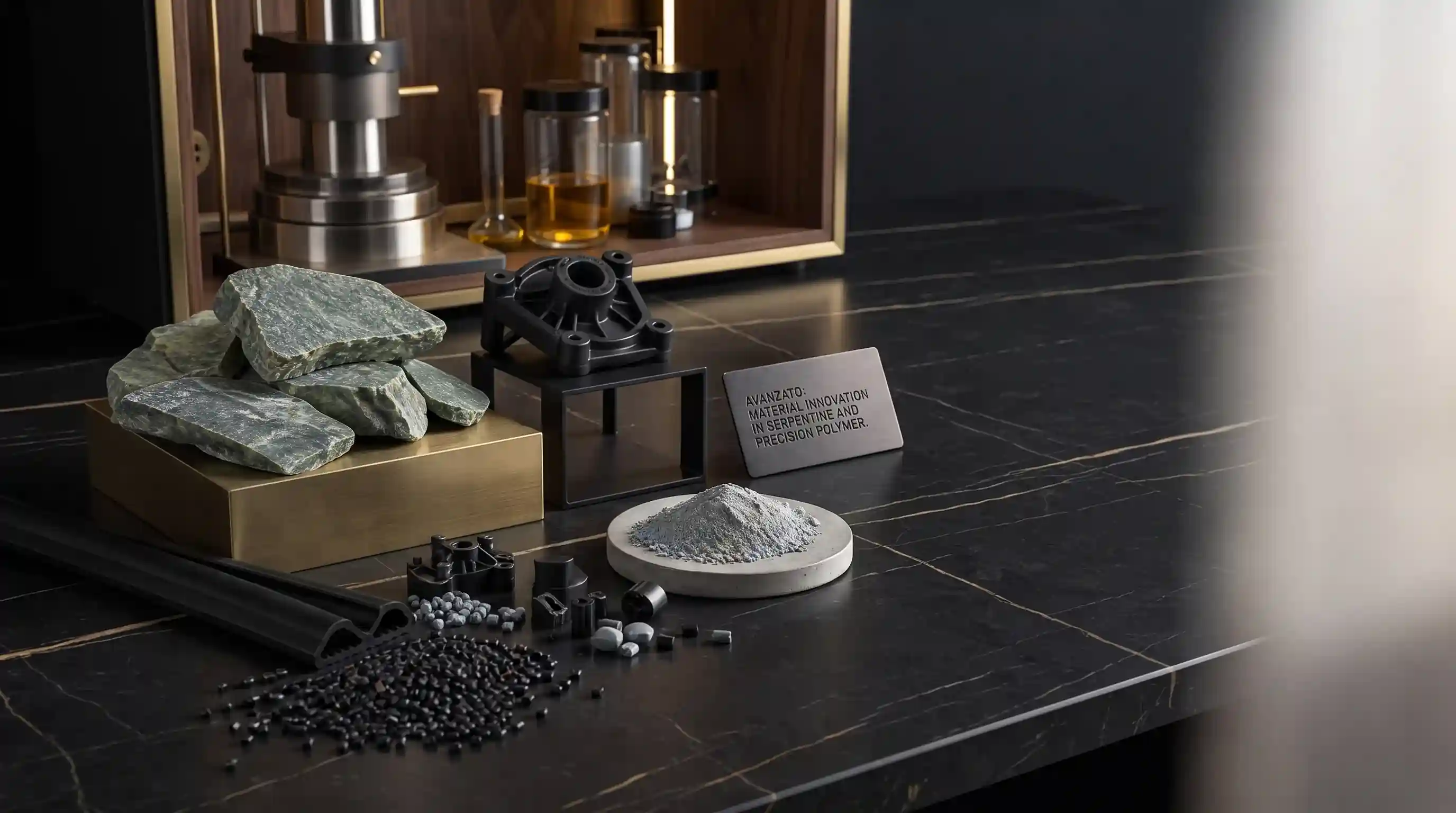
In the polymer industry, talc is known as a reinforcer for improving material hardness and stiffness. Adding industrial talc to polypropylene and other polymers increases the heat distortion temperature (HDT). This feature is vital for automotive parts and home appliances exposed to heat. By reducing the mold shrinkage rate, talc also increases the dimensional accuracy of parts. In addition to the aforementioned items, examining the role of kaolin in improving the thermal resistance of refractory materials shows how different minerals alongside talc can be employed to achieve specific thermal goals. Combining talc with other minerals can create a structural network resistant to thermal stresses, guaranteeing the durability of the final product under harsh industrial conditions.
Application of Talc in the Rubber Manufacturing Industry
The rubber industry requires high-quality mineral fillers to increase abrasion resistance and improve processing properties. Due to its high softness, industrial talc acts as a processing aid in the production of rubber parts. This material not only reduces the viscosity of the rubber compound but also aids product stability during the curing process. By using talc with an appropriate mesh (450 to 1000), manufacturers can improve elasticity and high-temperature resistance features in parts such as gaskets, hoses, and conveyor belts. By creating a physical barrier against atmospheric and thermal factors, this mineral noticeably increases the useful life of rubber parts and prevents them from cracking or deforming in hot environments.
Application of Industrial Talc in the Paint and Coating Industry
In the paint industry, talc plays the role of a functional filler. This material improves anti-corrosion barrier properties, increases coating durability, and enhances sandability. By creating a dense structure in the paint layer, talc particles prevent the penetration of water and oxygen to the underlying surface. Additionally, talc acts as a matting agent and helps control paint glossiness. In products requiring thermal resistance, the presence of industrial talc ensures the paint film remains stable against temperature changes. The synergy of this material with other mineral compounds such as feldspar, which is examined in the article the role of feldspar in improving the resistance of china products, can be utilized in complex coating formulations to achieve more resistant and higher-quality surfaces.
Improving Thermal Resistance Using Talc
Thermal resistance is one of the most important parameters in heavy industries. Due to its magnesium silicate chemical structure, industrial talc possesses a high intrinsic thermal resistance. When this material is embedded in a polymer or rubber matrix, it acts as a thermal barrier and moderates the material's thermal conductivity. This process makes the product less prone to damage from direct heat or sudden temperature changes. For sensitive industries needing to maintain mechanical characteristics at high temperatures, using industrial talc with precise mesh (450-1000) is a strategic choice. Precise control of particle distribution in the production process by the Amiran Stone Mineral Project optimizes this property, bringing the final performance of products to the highest possible level.
The Importance of Granulation in the Performance of Industrial Talc
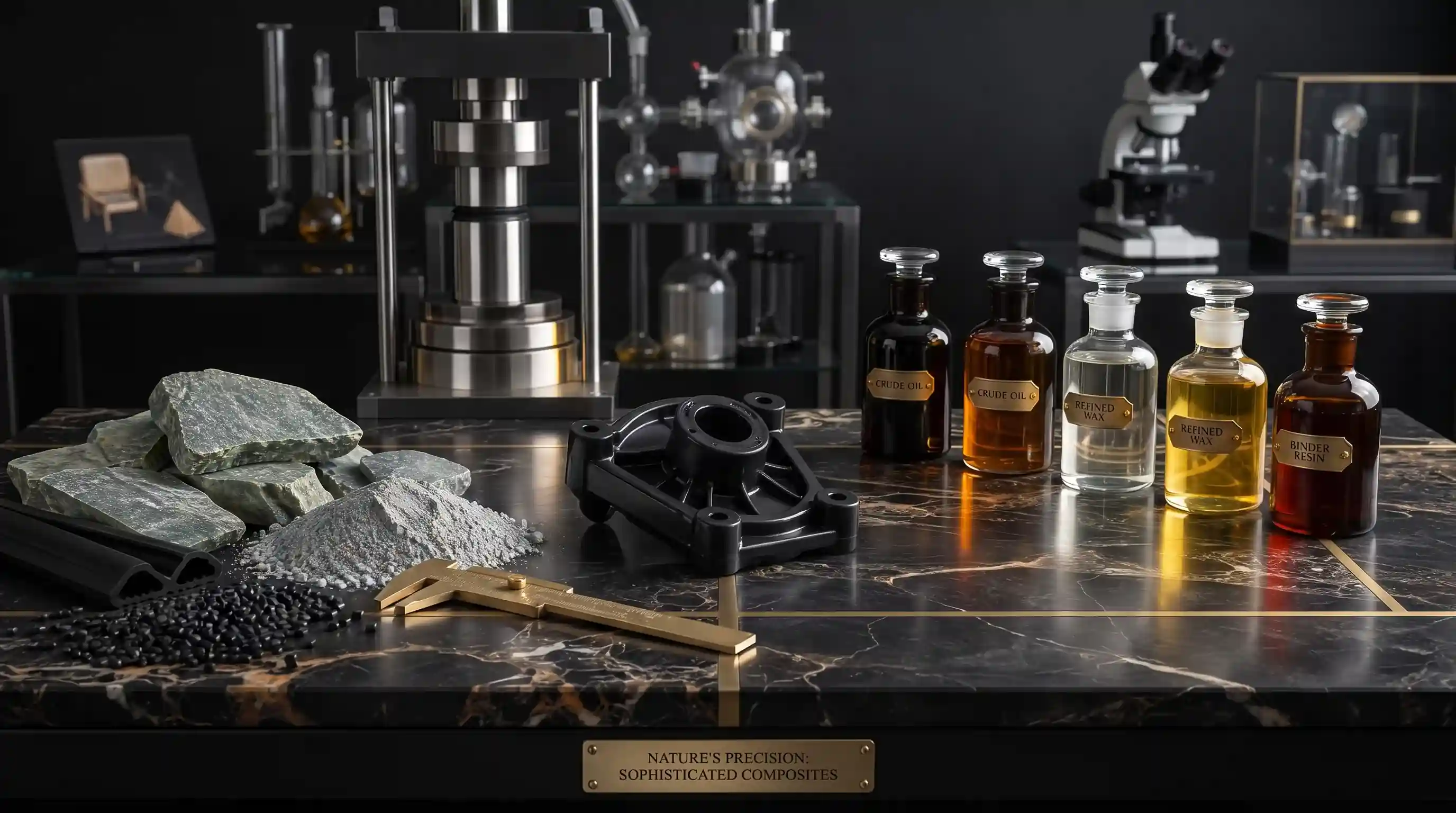
Granulation, or the mesh range, plays a direct role in the quality of the final product. The talcs offered in the 450 to 1000 mesh range have been optimized for diverse industrial applications. Lower meshes are more suitable for applications requiring volumetric strength, while higher meshes (such as 1000 mesh) work excellently for surfaces requiring polishability and delicate coverage. Selecting the appropriate mesh can alter the rheological properties of the product during production. For example, in the plastic injection process, using talc with the correct mesh can improve material flow speed and prevent materials from getting stuck in the mold. Focusing on granulation standards, the Amiran Stone Mineral Project ensures that the supplied talc in every shipment has the uniformity necessary for sensitive production processes.
The Outlook of Using Talc in Future Industry
With technology advancement and the industrial need for lighter and more resistant materials, industrial talc has cemented its position as a smart additive material. The use of this mineral in manufacturing electric vehicle parts and mode construction materials is expanding rapidly. Reducing carbon and increasing energy efficiency are among the goals achievable by replacing synthetic materials with high-quality minerals like talc. By offering stable properties and an affordable price, industrial talc plays an important role in the ecological sustainability of industries. The focus of the Amiran Stone Mineral Project on providing the best talc quality testifies to the importance of this strategic mineral in the industrial value chain. Continued research in improving the characteristics of this material promises more advanced and efficient products for domestic and global markets in the years ahead.
| Question | Answer |
|---|---|
| What is industrial talc? | A mineral filler material with the magnesium silicate formula used in various industries. |
| What is the mesh range of Amiran talc? | This product is offered in the range of 450 to 1000 mesh. |
| Does talc increase thermal resistance? | Yes, due to its specific chemical structure, talc improves the thermal resistance of polymers. |
| What are the main applications of talc? | Polymer, rubber, paint, and manufacturing industries. |
| What is the effect of talc in the paint industry? | Matting, corrosion prevention, and increased coating durability. |
| Why is the talc mesh important? | Talc mesh determines the dimensional accuracy and surface appearance of the final product. |
| Is talc useful in rubber manufacturing? | Yes, as a processing aid to reduce viscosity and increase thermal stability. |
| Is talc used in automotive parts? | Yes, to increase stiffness and heat distortion temperature of parts. |
| Who is a reliable talc supplier? | Amiran Stone Mineral Project is a producer of high-quality minerals. |
| How to procure talc? | Through the industrial talc products page on the Amiran website. |
Official website of the Amiran Stone Mineral Project for supplying standard-quality industrial talc.
برچسب: Industrial Talc,The Role of Industrial Talc in Improving Thermal Resistance of Materials,
نویسنده: رساوب آفرین