
درباره سایت
آخرین مطالب
- تاثیر اندازه ذرات کربنات کلسیم در صنایع
- ما هو الفرق بين الفلسبار والكوارتز؟ مقارنة شاملة بين أكثر مادتيْن معدنيتيْن استخدماً
- دليل شراء أكسيد الليمونيت عالي الجودة (الجول ماش)
- What is the Difference Between Kaolin, Bentonite, and Talc in Industry? A Complete Application Comparison
- کربنات کلسیم یا دولومیت؟ بررسی تفاوتها و کاربردهای کلیدی
- مراجعة معايير التصدير لأكسيد الليمونيت (جول ماش)
- راهنمای نگهداری و انبارداری اکسید لیمونیت (گل ماش)
- National Quality Standards of Limonite Oxide (Gol Mash)
- Guide to Receiving the Catalog and Specifications of Limonite Oxide (Gol Mash)
- کاربرد اکسید لیمونیت (گل ماش) در صنایع چرم و پارچه
امکانات وب
Introduction to Dolomite and Its Position in Industry
Dolomite is a carbonate mineral composed of a combination of calcium and magnesium carbonate, and due to its unique physical and chemical properties, it holds a special place in various industries. In different manufacturing sectors, the use of high-quality raw materials is vital for improving the output of the final product. To obtain this high-purity mineral, you can visit the dolomite page of Kani Sang Amiran. A precise understanding of the chemical composition and structure of this mineral helps industrialists achieve optimization in their production processes. This mineral plays a crucial role not only in the glassmaking industry but also in a wide range of fields including ceramics and the production of building materials.
The Vital Role of Dolomite in the Glassmaking Industry
Glass is one of the main products that requires base minerals in its production process. The presence of magnesium in the structure of dolomite allows the viscosity of the molten glass to be controlled and prevents it from crystallizing during shaping. In fact, replacing part of the limestone with dolomite helps chemical stability in glass and increases its resistance to environmental factors. Interestingly, alongside minerals such as color additives, the role of red iron oxide (ochre) in glass manufacturing industries is also very noteworthy, and the combination of these materials together guarantees the final quality of the product.

Application of Dolomite in Ceramics and Glaze Industries
In the ceramics industry, dolomite acts as an inexpensive and effective source of magnesium. This mineral helps reduce the firing temperature of the ceramic body and allows the production process to be carried out with less energy consumption. Additionally, dolomite is used in ceramic glazes to create a smooth and durable glassy structure. The use of this mineral improves the thermal expansion of ceramic products and prevents surface cracking. These features have made ceramic factories consistently seek to supply this material with a precise mesh size of 10 to 40 mesh.
The Importance of Dolomite in Construction and Civil Engineering Materials
Building materials account for a large portion of dolomite consumption. Due to its favorable compressive strength, this mineral is widely used in the production of various types of cement, specialized concretes, and artificial stones. Adding this mineral to construction mixtures can improve adhesion and increase the final resistance of the structure against physical pressures. Furthermore, due to its alkaline property, dolomite has also caught the attention of civil engineers in certain industrial neutralization and pH adjustment applications.
Cost Optimization through the Utilization of Dolomite
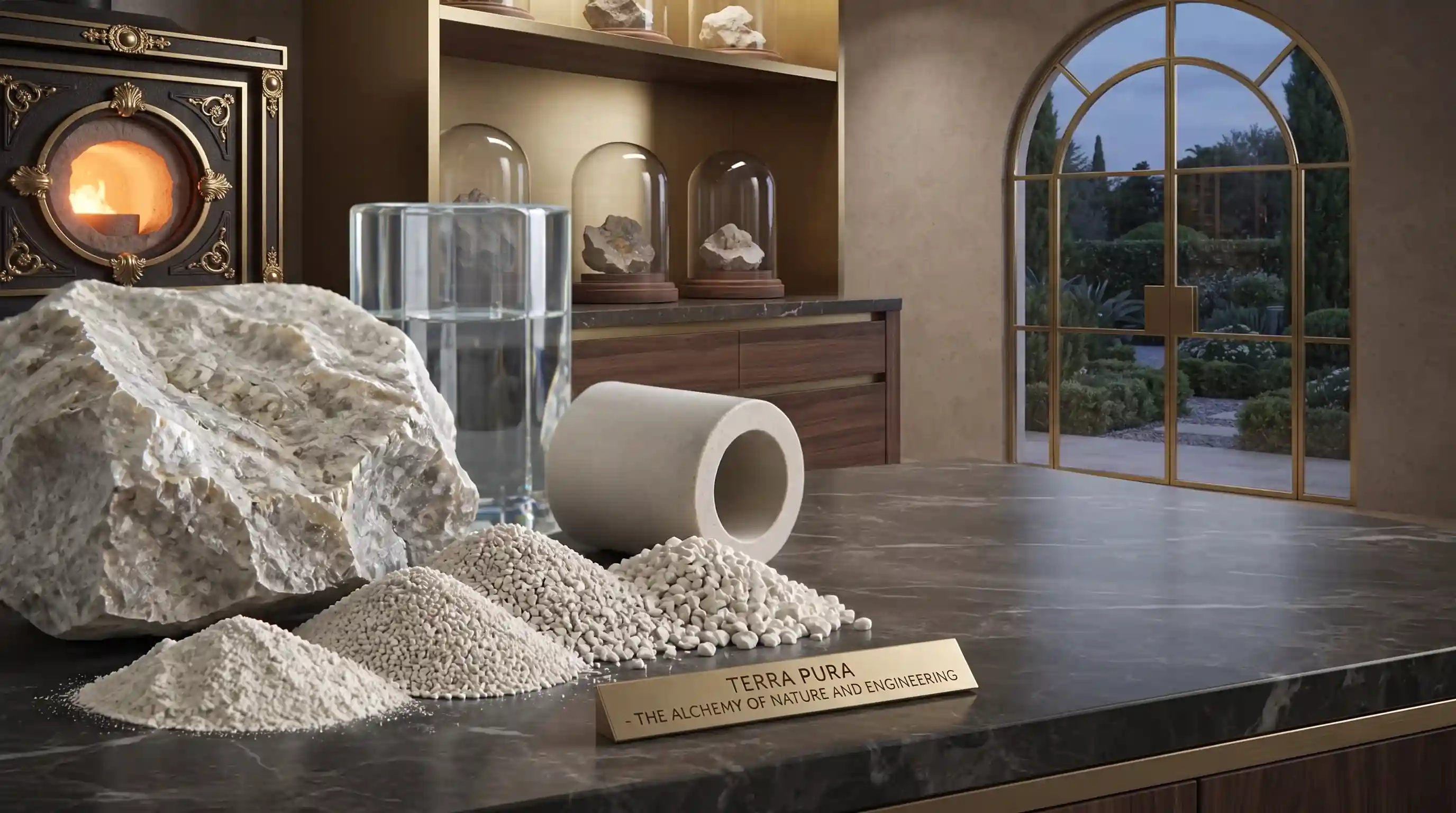
Cost management in industrial production is always challenging. By examining the impact of dolomite on reducing production costs in mineral industries, we will understand how using a suitably priced alteative mineral can increase manufacturers' profit margins. The application of dolomite in industrial formulations reduces the need to purchase expensive additives and makes the production process more economical and optimized.
The Impact of Dolomite Processing and Mesh Range
The final quality of dolomite is directly related to how it is crushed and meshed. The 10 to 40 mesh range, which is widely used in many glass and ceramic industries, is important because it provides an appropriate contact surface for faster and more uniform melting of raw materials. Kani Sang Amiran covers the technical needs of large industries by producing dolomite in this mesh range. The more precise the particle size distribution, the more uniform the chemical reactions in melting fuaces become, and the waste rate decreases.
Comparing the Applications of Dolomite in Various Industries
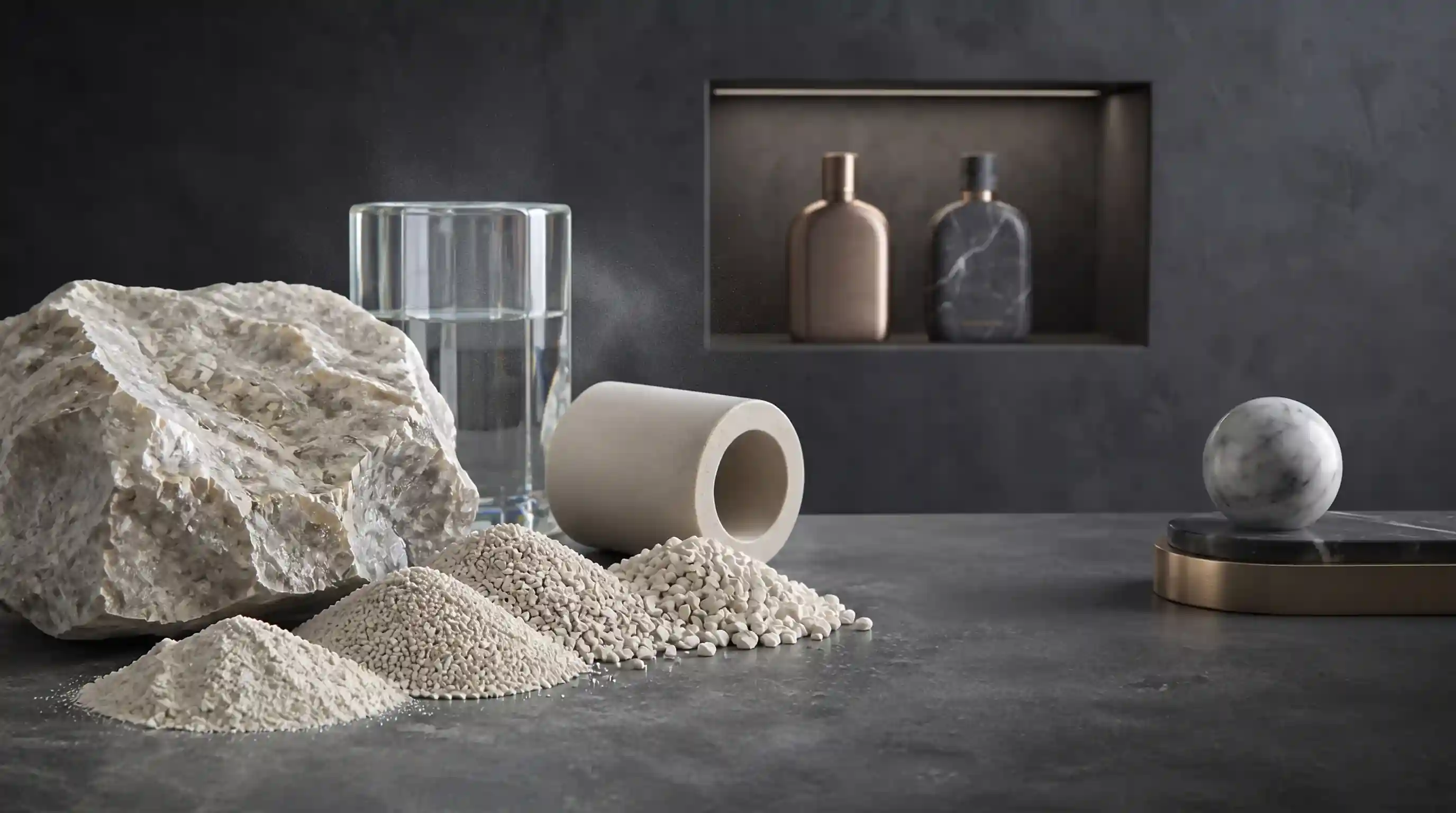
Although dolomite is used as a filler or aggregate in construction industries, it acts as a chemical reactant in more delicate industries such as paper and glass production. Similar to this approach in mineral material management, the role of red iron oxide (ochre) in paper manufacturing industries also demonstrates how industrial minerals in unconventional fields can enhance the appearance and technical characteristics of the final product. This diversity in application has made dolomite one of the most popular minerals for industries.
Future Outlook and Conclusion
Given the increasing demand for high-quality mineral materials, the use of dolomite in industrial production continues to grow. Iovation in extraction and processing methods allows producers to have higher purity of this mineral at their disposal. Ultimately, dolomite is not just a raw material, but a strategic solution for improving quality and saving on production costs. By correctly selecting mineral supply sources, a more sustainable future can be forged for the country's glass and ceramic industry.

| Question | Answer |
|---|---|
| What is dolomite? | It is a carbonate mineral composed of calcium and magnesium. |
| What is the mesh range of dolomite? | Products are produced in the 10 to 40 mesh range. |
| Is dolomite effective in glassmaking? | Yes, it reduces viscosity and provides glass stability. |
| What is the role of magnesium in dolomite? | It prevents glass crystallization during cooling. |
| Is it also used in ceramics? | Yes, it is used to lower firing temperature and improve glaze. |
| Which company supplies dolomite? | Kani Sang Amiran is the supplier of this product. |
| What is the advantage of using dolomite? | Reducing production costs and improving the technical quality of products. |
| Is it suitable for building materials? | Yes, it has widespread application in cement and concrete production. |
| Is dolomite used in papermaking? | This mineral is mainly used in glass and ceramics. |
| How to obtain dolomite? | Through the Kani Sang Amiran website at ksamiran.ir. |
Mineral Data Reference: Official website of Kani Sang Amiran Project (ksamiran.ir)

برچسب: Dolomite,The Role of Dolomite in Glass Production and Related Industries,
نویسنده: رساوب آفرین