
درباره سایت
آخرین مطالب
- تاثیر اندازه ذرات کربنات کلسیم در صنایع
- ما هو الفرق بين الفلسبار والكوارتز؟ مقارنة شاملة بين أكثر مادتيْن معدنيتيْن استخدماً
- دليل شراء أكسيد الليمونيت عالي الجودة (الجول ماش)
- What is the Difference Between Kaolin, Bentonite, and Talc in Industry? A Complete Application Comparison
- کربنات کلسیم یا دولومیت؟ بررسی تفاوتها و کاربردهای کلیدی
- مراجعة معايير التصدير لأكسيد الليمونيت (جول ماش)
- راهنمای نگهداری و انبارداری اکسید لیمونیت (گل ماش)
- National Quality Standards of Limonite Oxide (Gol Mash)
- Guide to Receiving the Catalog and Specifications of Limonite Oxide (Gol Mash)
- کاربرد اکسید لیمونیت (گل ماش) در صنایع چرم و پارچه
امکانات وب
Introduction to Red Iron Oxide (Ochre) and Its Importance in Agriculture
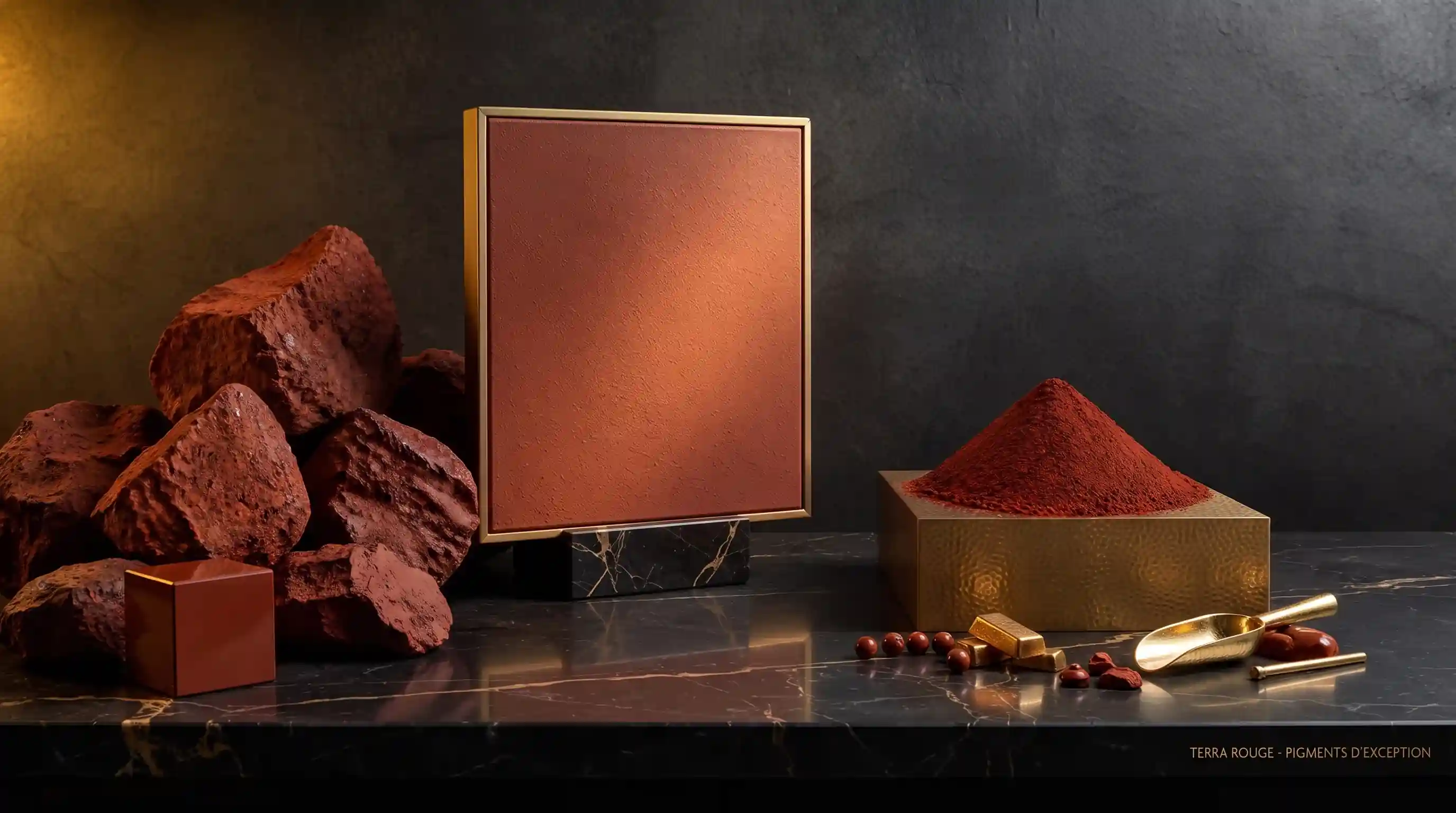
Red iron oxide, also known as ochre, is one of the most widely used mineral compounds in the world. Renowned for its powerful pigments, this material has extensive applications in various industries, including paint manufacturing and construction. However, its use in the agricultural sector as a rich source of iron has gaered attention from specialists in recent years. At the Amiran Mineral Stone Project, we place special importance on supplying the highest quality type of this material, and you can visit the Red Iron Oxide (Ochre) page to view technical specifications and make a purchase.
Iron is recognized as an essential micronutrient for plant growth. A deficiency in this element can lead to chlorosis or yellowing of the leaves, which ultimately severely reduces crop yields. Utilizing mineral sources such as ochre can help supply a portion of this requirement. In the remainder of this article, we will take a closer look at how this substance functions within the soil matrix and its role in improving the quality of agricultural produce, highlighting its significance for farmers and organic fertilizer producers.
Physical and Chemical Properties of Red Iron Oxide (Ochre)
Red iron oxide is known by the chemical formula Fe2O3 and is one of the most stable forms of iron in oxidizing environments. The technical characteristics of this material, including a mesh range between 450 and 1500 mesh, make it an ideal choice for uniform distribution in powdery compositions and agricultural fertilizers. The fine particle size of this product ensures that its reactivity in the soil occurs at an optimal rate. This mineral powder, primarily known for pigments and cement, performs exceptionally well in terms of chemical stability.
In addition to industrial aspects, color stability and resistance to weather conditions are other prominent features of this material. Ochre does not react rapidly with other minerals in the soil and can act as a slow-release source over time. Examining the role of this material in other industries, such as the role of red iron oxide (ochre) in glass manufacturing industries, demonstrates just how reliable this substance is in complex industrial processes.
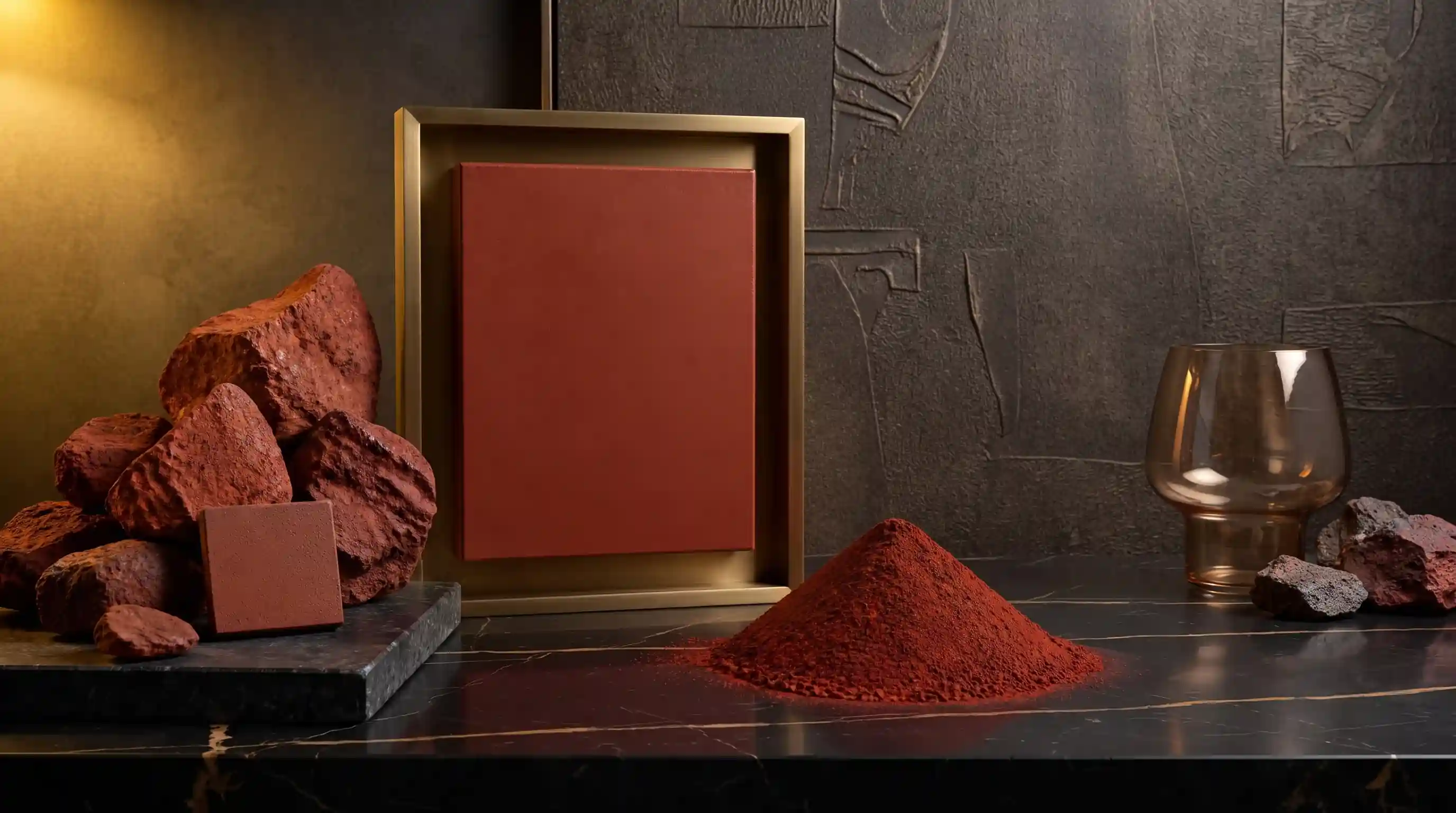
The Role of Iron in Plant Physiology and Its Importance in Mode Agriculture
Iron plays a fundamental role as a cofactor in many plant enzymes. This element is essential for chlorophyll synthesis and directly participates in electron transport processes during photosynthesis. Plants grown in iron-deficient soils often face a severe decline in sugar and protein production. For this reason, utilizing mineral additives rich in iron oxide is considered a smart strategy for soil quality management.
In mode agriculture, to prevent resource waste, the use of precisely graded mineral powders such as red iron oxide (ochre) has become very common. These materials can guarantee root health by improving soil structure and supplying required elements. Although this substance is also widely used in paper manufacturing industries—and you can read more information in the article the role of red iron oxide (ochre) in paper manufacturing industries—its potential in agriculture is still being explored and developed.
Various Applications of Ochre in Improving Soil Quality
Agricultural soils in many regions suffer from a depletion of micronutrient elements. With its high mineral purity, red iron oxide can be used as a supplement to reinforce soil structure. In addition to supplying iron, due to its physical properties, this material can help retain moisture in growing beds. When combined with organic matter, ochre particles help form soil aggregate clusters and increase water infiltration in the soil.
Many organic fertilizer producers use this material to adjust the color and powder properties of their products. Furthermore, in industrial processes for manufacturing building materials that ultimately retu to the environment, utilizing natural mineral sources is important. This substance is also recognized as a decisive factor in ancillary industries such as how red iron oxide (ochre) is used in brick manufacturing?, and these experiences can also be applied in the agricultural sector to optimize growing beds.
Production Process and the Importance of Mineral Purity
The production of high-quality red iron oxide (ochre) requires precise crushing and grading processes. As noted, this product is supplied in a 450 to 1500 mesh range. This wide mesh range allows manufacturers to use very fine or medium powders depending on their specific needs. At the Amiran Mineral Stone Project, the production process is designed to have minimal contamination so that it can be used with complete confidence in agricultural and industrial applications.
The purity of iron oxide is highly influential in plant performance. Impure materials may contain heavy metals that are harmful to the environment. Therefore, sourcing this material from reputable mineral sources that adhere to processing standards is essential for every farmer and fertilizer producer. This high-quality powder possesses extremely high stability under various climatic conditions and easily mixes with other fertilizer components.
Comparing Ochre with Other Iron Compounds in Agriculture
Compared to chelated chemical fertilizers, which are often very expensive and may leach quickly from the soil, red iron oxide (ochre) is an economical option with gradual effectiveness. Due to its natural mineral structure, this material is slowly exposed to root organic acids and releases the required iron progressively. This advantage prevents root bu or toxicity caused by the sudden uptake of iron.
Many farmers prefer to use a combination of quick-release and slow-release sources. Ochre plays the role of a stable supplement in this combination. In addition, the coating property of red iron oxide (ochre) makes it attractive for use in protective seed coatings as a protective and strengthening layer, which in tu increases the initial resistance of plant sprouts against environmental stress factors.
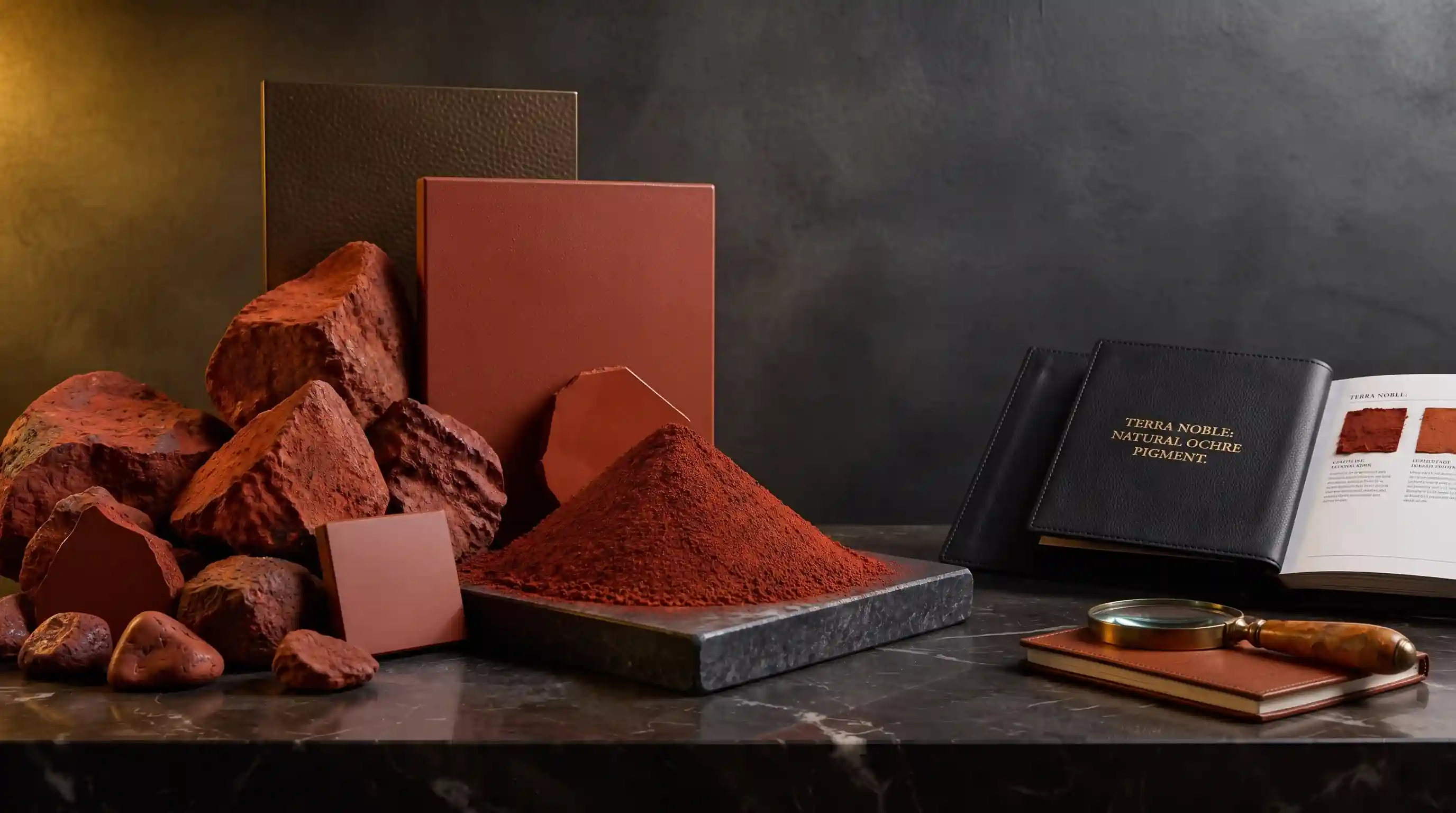
Practical Tips for Using Red Iron Oxide in Agricultural Lands
When using red iron oxide in agriculture, it is important to consider the pH of the soil. Iron uptake in alkaline soils presents challenges, and the use of ochre in these soils must be accompanied by pH management. Farmers can exert positive effects on plant pigments and final product quality by using this material as part of compound fertilizers. The 450 to 1500 mesh grading ensures that the spreadability of this material in fertilizer spreading equipment is uniform.
It is also recommended that prior to widespread use, the extent of iron deficiency in agricultural land be diagnosed by reputable laboratories. Red iron oxide (ochre) is not only a raw material for the paint and ceramic industries, but also a rich mineral source that, when properly utilized in the agricultural cycle, can significantly increase crop productivity. Combining it with compost or organic fertilizers can double its effectiveness.
Prospects for Using Iron Oxide in the Future of Sustainable Agriculture
As the world moves towards sustainable agriculture and the reduction of synthetic chemical consumption, utilizing natural mineral materials has gained dual importance. Red iron oxide (ochre), as a mineral product that is easily recycled in nature, holds a special place in this regard. Future research focuses on how these particles interact better with the soil microbiome to extract maximum productivity from this God-given resource.
Relying on technical knowledge and production standards, the Amiran Mineral Stone Project company has always strived to provide the best mineral materials to various industries. From industrial applications such as cement and ceramic products to novel applications in the agricultural sector, all testify to the importance of this strategic mineral. We are proud to be a supplier of quality mineral powders for the industrial and agricultural development of the country and will spare no effort in the path of excellence for our products.
| Question | Answer |
|---|---|
| Is red iron oxide toxic? | No, ochre has a safe application in agriculture as a natural mineral substance. |
| What is the appropriate mesh for agriculture? | The 450 to 1500 mesh range is ideal for uniform distribution in the soil. |
| Does ochre replace chemical fertilizers? | This material is used as a micronutrient supplement and supplies a portion of the iron requirement. |
| Does iron oxide change the color of the soil? | Yes, due to its strong red pigment, it makes the soil color slightly redder. |
| Can ochre be used in potted plants? | Yes, in limited quantities combined with soil, it is used to supply iron for houseplants. |
| Does this substance dissolve in water? | No, red iron oxide is insoluble in water and reacts slowly in the soil. |
| How can we ensure the quality of ochre? | It should be obtained from reputable suppliers such as Amiran Mineral Stone. |
| Is it suitable for all types of plants? | It is beneficial for most plants, especially fruit trees that require iron. |
| Is its application in cement different from agriculture? | Yes, in cement it acts as a pigment, and in agriculture as a micronutrient. |
| What is its effect on soil pH? | This substance is practically neutral and has no direct effect on drastic pH changes. |
References for this article include mineralogy reference books and technical data provided by the Amiran Mineral Stone Project regarding mineral applications of iron oxide.
برچسب: Red Iron Oxide (Ochre),The Application of Red Iron Oxide (Ochre) in the Production of Agricultural Fertilizers,
نویسنده: رساوب آفرین