
درباره سایت
آخرین مطالب
- اکسید لیمونیت (گل ماش) استاندارد جدید در صنایع پوشش صنعتی
- کائولن باکیفیت کانی سنگ برای کاغذسازی مش 450 تا 1500
- سیلیس باکیفیت کانی سنگ امیران برای صنایع سرامیک با مش ۱۰ تا ۴۵۰
- تالک صنعتی با دانه بندی استاندارد برای کاربردهای صنعتی
- کائولن مرغوب کانی سنگ امیران برای رنگ و لعاب با مش 450 تا 1500
- کائولن درجه یک کانی سنگ امیران برای کاشی و لعاب مش 450 تا 1500
- خرید کائولن اصیل کانی سنگ برای کاشی و کاغذ دانه بندی 450 تا 1500
- دریافت کاتالوگ و آنالیز فنی کربنات کلسیم ۸۰۰ مش
- سیلیس صنعتی کانی سنگ امیران برای صنایع شیشه در مش ۱۰ تا ۴۵۰
- خرید فلدسپات به عنوان مواد اولیه صنایع شیشه و سرامیک
امکانات وب
Introduction to Mineral Dolomite Powder and Its General Characteristics
Mineral dolomite powder is one of the most important mineral materials that has found a special place in various industries due to its special chemical composition and unique physical and mechanical properties. Known as a double carbonate of calcium and magnesium, this material is found abundantly in nature and, after being extracted from mines, is converted into various granulation sizes using advanced crushing equipment. At the Kani Sang Amiran project, the production process of this product is carried out with high precision to meet the needs of various industries in the best possible way.
An examination of the physical and mechanical properties of dolomite shows that due to its suitable hardness, standard density, and high chemical stability, this material performs very favorably in industrial applications. The glass industry, production of ceramic products, and building materials are among the most important fields of consumption for this valuable mineral. A precise understanding of the characteristics of this material helps engineers and specialists use it in the most optimal way possible in their industrial formulations.
In addition to traditional applications, dolomite plays an important role in improving the structural properties of other composite and mineral materials. A comparison of this material with other mineral fillers, such as what is stated in the review of the role of white barite in improving the mechanical properties of composites, specifies the differences and advantages of each in engineering industries. By having a mesh range of 10 to 40 mesh, this material offers good diversity for various industrial uses.
Chemical Composition and Crystal Structure of Dolomite
The chemical structure of dolomite consists of calcium and magnesium carbonate crystallized in an orderly, layered crystal lattice. This specific crystal structure gives dolomite better thermal and mechanical stability compared to some pure carbonates like regular limestone. The presence of magnesium ions in the crystal lattice of this material greatly influences its hardness and physical resistance.
The purity percentage and amount of impurities present in mineral dolomite powder vary depending on the source deposit, but products prepared for sensitive industries such as glassmaking and ceramics must have specific qualitative standards. The simultaneous presence of calcium and magnesium in this composition makes it an ideal raw material for lowering the melting point and increasing the mechanical strength of the final product.
Understanding the chemical structure of dolomite helps manufacturers maintain precision when processing other minerals as well. For example, the analysis of fluctuations and market conditions of similar minerals, such as what has been reviewed in the analysis of kaolin price trends in the mining market, shows that the valuation of mineral materials heavily depends on their chemical composition and processing degree.
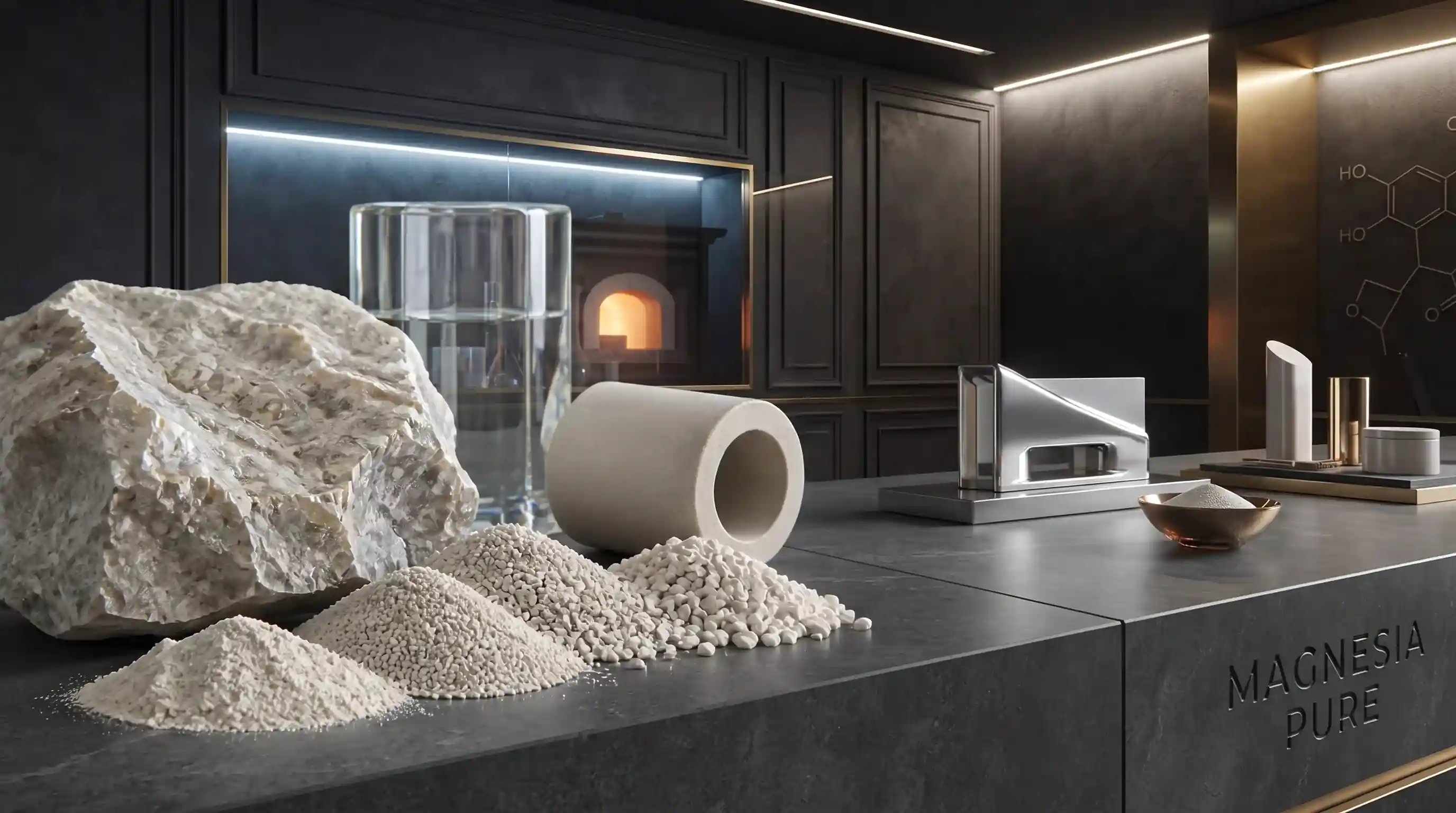
Review of Physical Properties of Dolomite Powder (Mesh, Density, and Color)
The physical properties of dolomite powder play a determining role in its selection for industrial applications. The mesh range of this product varies between 10 to 40 mesh, making it ideal for uses requiring coarser particles and specific granulation in building materials and related industries. The particle size distribution within this mesh range properly regulates the flowability and compressibility behavior of the powder.
The apparent density and true density of dolomite are other important physical parameters that are factored into the engineering design of tanks, silos, and composite formulations. The color of this mineral powder is usually white to grayish or light cream, a factor of utmost importance for the ceramics industry and the production of transparent or colored glass, because the absence of color impurities prevents any drop in the quality of the final product.
To purchase this product and view more detailed specifications, you can visit the dedicated dolomite page and gain more complete information about this widely used mineral. Precise control of physical parameters in the production lines of the Kani Sang Amiran project guarantees the uniform quality of this product.
Mechanical and Behavioral Properties of Dolomite in Various Industries
The mechanical properties of dolomite include its compressive strength, Mohs hardness, and elastic behavior, which have a direct impact on the performance of final products. The hardness of this material on the Mohs scale is between 3.5 and 4, introducing it as a wear- and erosion-resistant mineral filler. This mechanical characteristic improves the durability and lifespan of building materials containing this powder.
When this powder is transported in various matrices, the stress-strain behavior and the elastic modulus of the assembly are improved. Although dolomite is supplied in meshes 10 to 40, these very particles with controlled granulation can act as a resistant skeleton in mortars and composite structures. Comparing this behavior with other powdered minerals, such as what is discussed in the article review of physical and mechanical properties of industrial talc powder, reveals new dimensions of filler applications.
Optimal utilization of these mechanical properties requires a precise understanding of process requirements. Considering the hardness and stability of this material, engineers employ it in weather-resistant building material formulations so that they possess the necessary stability against applied mechanical loads.
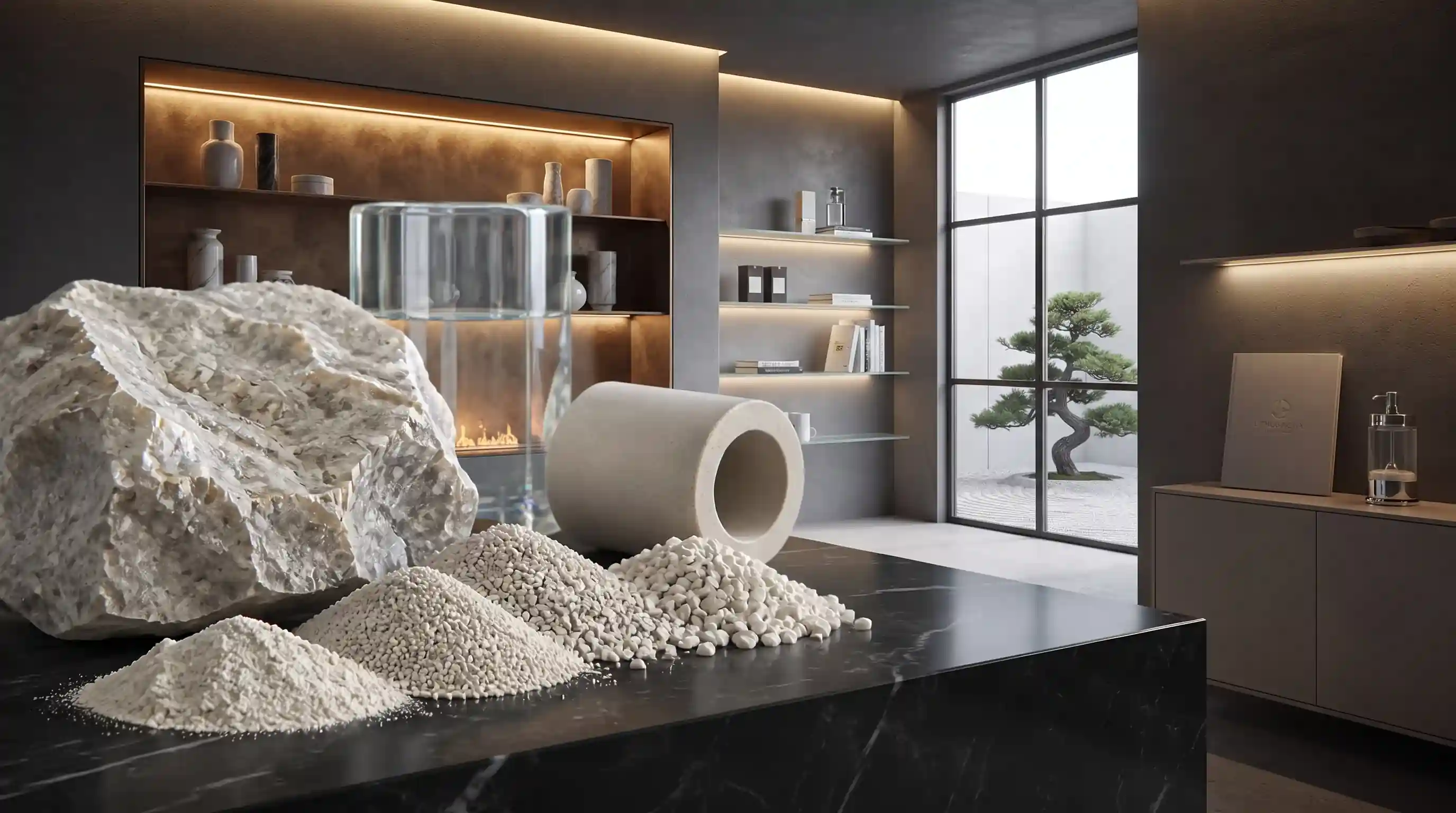
Application of Dolomite in the Glassmaking Industry
The glassemaking industry is a major consumer of mineral dolomite powder. In the production of various flat glasses, bottles, and glass containers, the magnesium and calcium oxides present in dolomite act as stabilizing agents. Adding this material to the glass batch (raw material mixture) improves the glass's resistance to water, chemicals, and thermal shocks.
The 10 to 40 mesh range of this product is very suitable for the melting process in glassmaking fuaces because it prevents excessive dust generation in the fuace environment and helps with uniform dissolution. The presence of magnesium prevents the phenomenon of unwanted crystallization (the establishment of crystal phases in molten glass) and maintains the transparency of the glass.
Compliance with purity standards in the dolomite used for glassmaking is of vital importance, since the presence of iron oxides or other impurities can impart an undesirable color to the glass. Procuring this high-quality mineral from reliable domestic sources plays a key role in elevating the quality of the country's glass industry products.
The Role of Dolomite in the Ceramic and Earthenware Products Industry
In the ceramic industries, dolomite powder is recognized as a strong fluxing or melting agent. At high temperatures, this material reacts with other components of the ceramic body and creates glass phases with suitable viscosity, leading to better firing and higher density of the ceramic body.
The use of dolomite in tiles, structural ceramics, and glazes reduces the overall firing temperature of the kiln, resulting in significant energy savings. Additionally, it controls the thermal expansion of the ceramic body and prevents post-firing thermal cracking.
Proper granulation within the 10 to 40 mesh range helps ensure that the mixing process of the ceramic body raw materials is carried out homogeneously and that the mechanical properties of the final piece after firing are at the highest standard level.
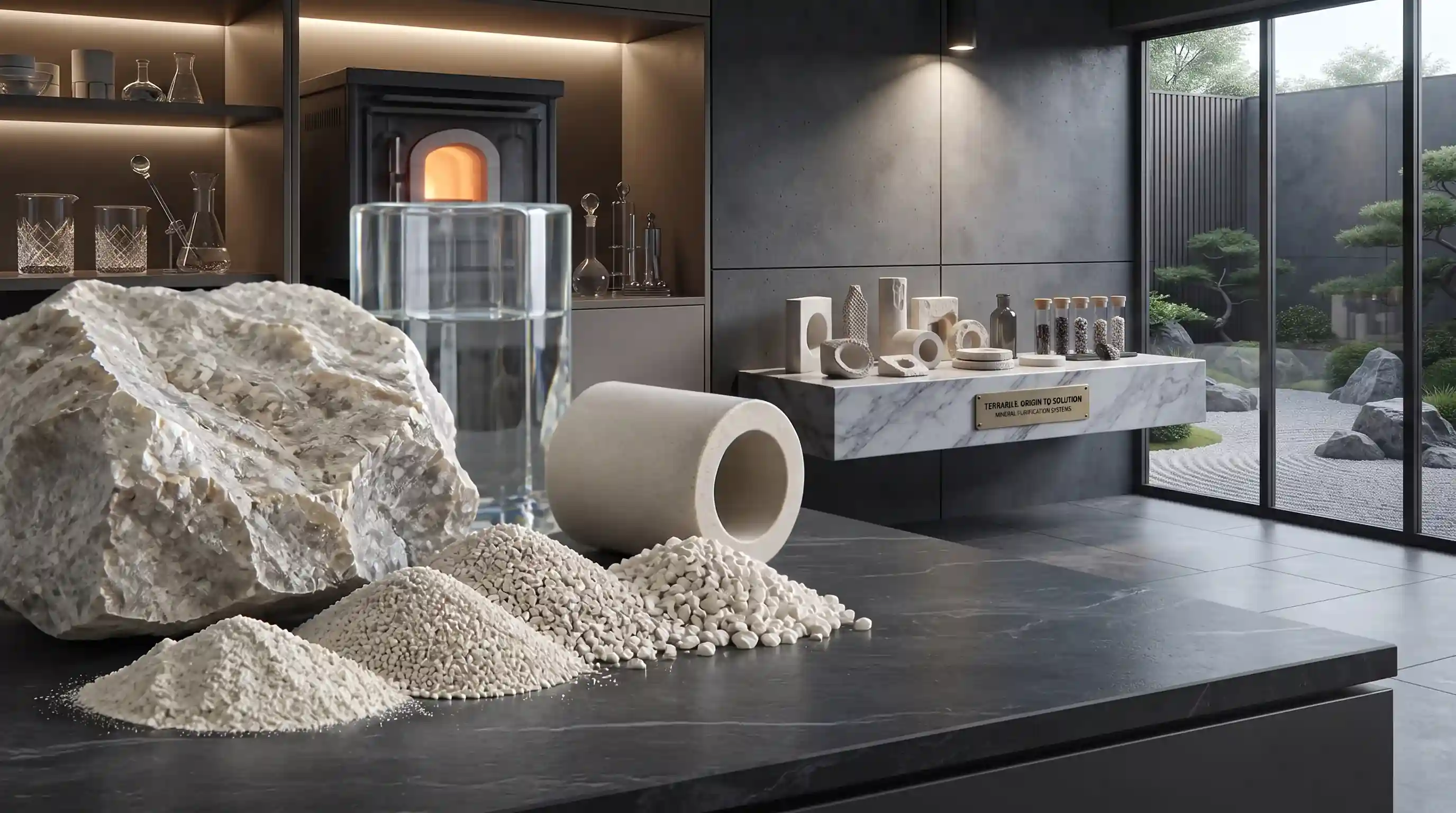
Application of Dolomite in Building Materials and Civil Engineering
Building materials constitute one of the widest fields of consumption for mineral dolomite powder. Due to its chemical stability, suitable adhesion, and compatibility with various types of cements and adhesives, this material is used in the production of dry mortars, special concretes, wall coatings, and various renders.
The presence of particles with a 10 to 40 mesh range in building materials improves texture, increases compressive strength, and reduces drying shrinkage in mortars. As an economical and high-quality mineral filler, this material creates optimal volume in construction mixtures and increases structural durability.
Focusing on the extraction and precise processing of this mineral rock, the Kani Sang Amiran project provides a standard and homogeneous powder for civil and construction projects so that engineers can confidently utilize it in their structures.
Conclusion and Selection Guide for Suitable Dolomite Powder
Possessing unique physical and mechanical characteristics, a chemical composition rich in calcium and magnesium, and a 10 to 40 mesh range, mineral dolomite powder is considered one of the main pillars of the glass, ceramic, and building materials industries. A precise understanding of the specifications of this material allows industrialists to maximize their production efficiency and product quality.
Choosing the appropriate mesh and ensuring chemical purity are key factors in purchasing this mineral. Collaborating with reputable suppliers such as the Kani Sang Amiran project guarantees access to a uniform and high-quality product that meets the technical needs of various industries in the best possible way.
Ultimately, a comprehensive review of the physical and mechanical properties of dolomite showed that this product acts not only as an inexpensive filler, but also as a structural and thermal property enhancer that plays an undeniable role in the advancement of the country's mining and construction industries.
| Question | Answer |
|---|---|
| What is dolomite powder? | It is a mineral material composed of calcium and magnesium carbonate used in the glass, ceramic, and building materials industries. |
| What is the mesh range of the produced dolomite powder? | This product is supplied in a mesh range of 10 to 40. |
| What are the main applications of dolomite? | Glassmaking industries, ceramic product manufacturing, and various building materials. |
| Why is dolomite used in glassmaking? | For chemical stabilization, improving resistance to thermal shock, and increasing glass transparency. |
| What is the role of dolomite in the ceramic industry? | It acts as a melting agent (flux) and reduces the firing temperature. |
| What is the hardness of dolomite on the Mohs scale? | The hardness of this material is between 3.5 and 4. |
| How does the density of dolomite affect its application? | Its standard density helps in designing optimal formulations in building materials. |
| What is the color of dolomite powder? | It is usually white to grayish or light cream. |
| How can this product be procured? | It can be ordered through the dedicated product page on the Kani Sang Amiran website. |
| Does dolomite increase strength in building materials? | Yes, as a resistant filler, it improves the durability and strength of mortars and structures. |
Kani Sang Amiran Project, specialized guide for the extraction and processing of industrial minerals.
برچسب: Dolomite,Specialized Review of Physical and Mechanical Properties of Mineral Dolomite Powder,
نویسنده: رساوب آفرین