
درباره سایت
آخرین مطالب
- Why is using white baryte essential in paint production?
- چرا استفاده از باریت سفید در تولید رنگ ضروری است؟
- راهنمای تخصصی مشاوره خرید و تأمین تالک صنعتی
- لماذا يعتبر استخدام الباريت الأبيض في إنتاج الدهانات ضرورياً؟
- راهنمای انتخاب کائولن مناسب بر اساس نیاز صنعت
- مراجعة معايير تدرج مسحوق الفلدسبار
- دليل استشاري متخصص لشراء وتوريد التلك الصناعي
- مراجعة معايير ومواصفات التلك الصناعي عالي الجودة
- بررسی استانداردها و مشخصات فنی تالک صنعتی مرغوب
- Review of Feldspar Powder Grading Standards
امکانات وب
Introduction to the History and Importance of Red Iron Oxide (Ochre)
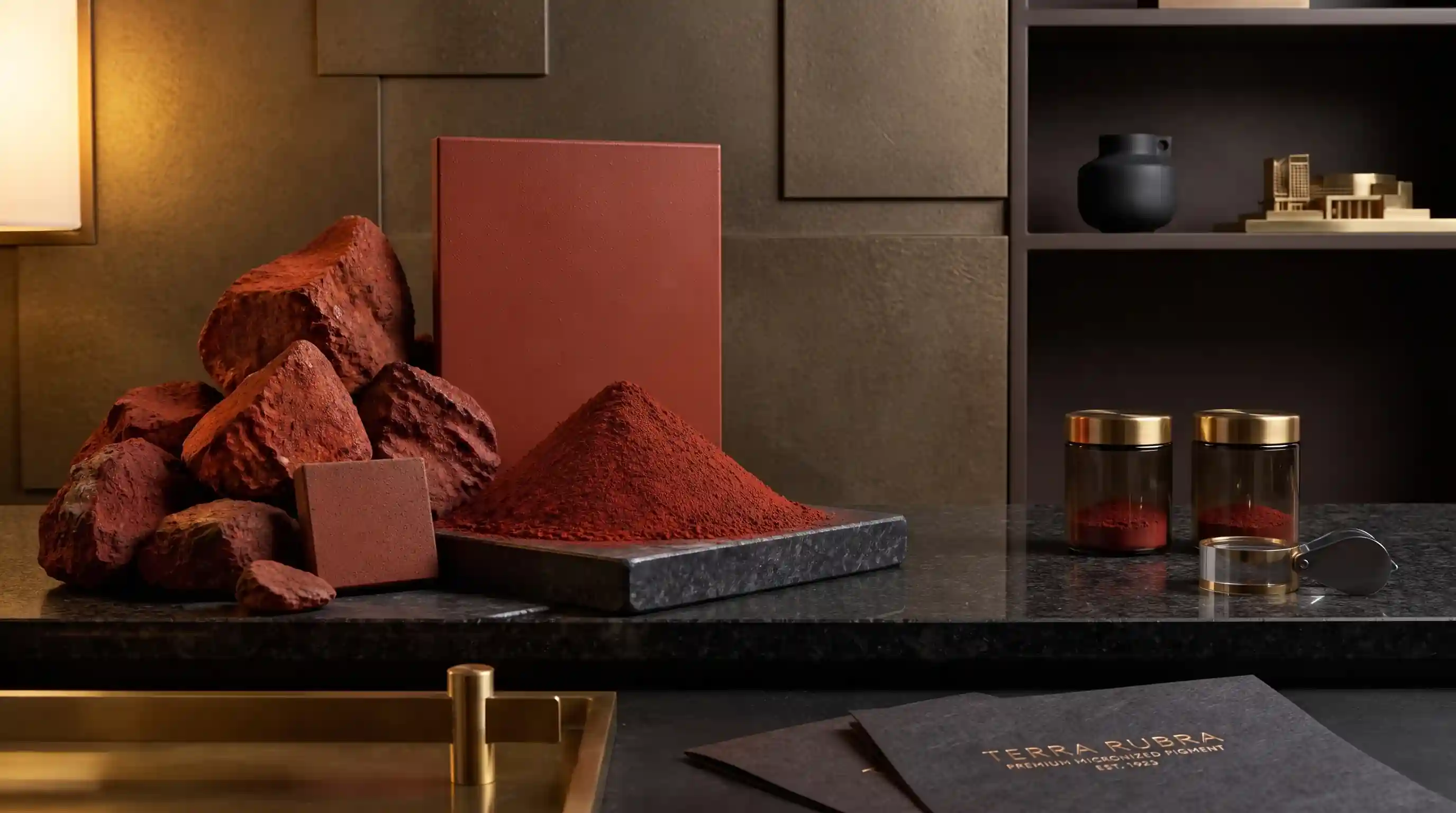
The mineral red iron oxide (ochre) has long been one of the best-known and most widely used natural pigments in human history. From ancient cave paintings to mode industrial applications, this material has always attracted the attention of industrialists, artists, and miners due to its color stability, high hiding power, and abundance in nature. Understanding the historical roots of the extraction and processing of this compound helps us better appreciate its importance in today's world.
Over the centuries, various societies have used surface and underground deposits of this material for coloring, pottery production, and protecting various structures. With the advancement of geological science and extraction technologies, the production process of this industrial pigment has taken on a more precise form, and today its micronized powders are produced to strict standards. For more information regarding the purchase and specifications of this material, you can visit the Red Iron Oxide (Ochre) page on the Amiran Rock Mineral Project website.
As one of the active groups in the field of mineral production, the Amiran Rock Mineral Project provides this product with the highest quality for industrial uses. Understanding the physical and chemical properties of red iron oxide (ochre) is the key to success in related industries such as pigment and building materials production.
Geological Sources and Formation of Ochre Deposits in Nature
The formation of deposits containing red iron oxide (ochre) is the result of long-term geological processes, the weathering of iron-rich rocks, and the gradual oxidation of minerals in the presence of oxygen and water. In nature, these materials are usually found as hematite or iron hydroxides along with clay and siliceous impurities, which undergo separation and processing stages after raw extraction.
Various mines around the world and in Iran contain this valuable material. The chemical composition and purity level of the deposits determine the final color, brilliance, and undertone of the produced pigment. The geological process of the formation of these rocks has created a wide range of color variations from bright red to dark brown, each of which has its own specific application in industry.
Principled mining of these deposits prevents indiscriminate environmental destruction and enables sustainable exploitation. The quality of raw sources directly affects the final properties of the product and determines industrial standards.
Extraction and Mineral Processing Methods of Red Iron Oxide (Ochre)
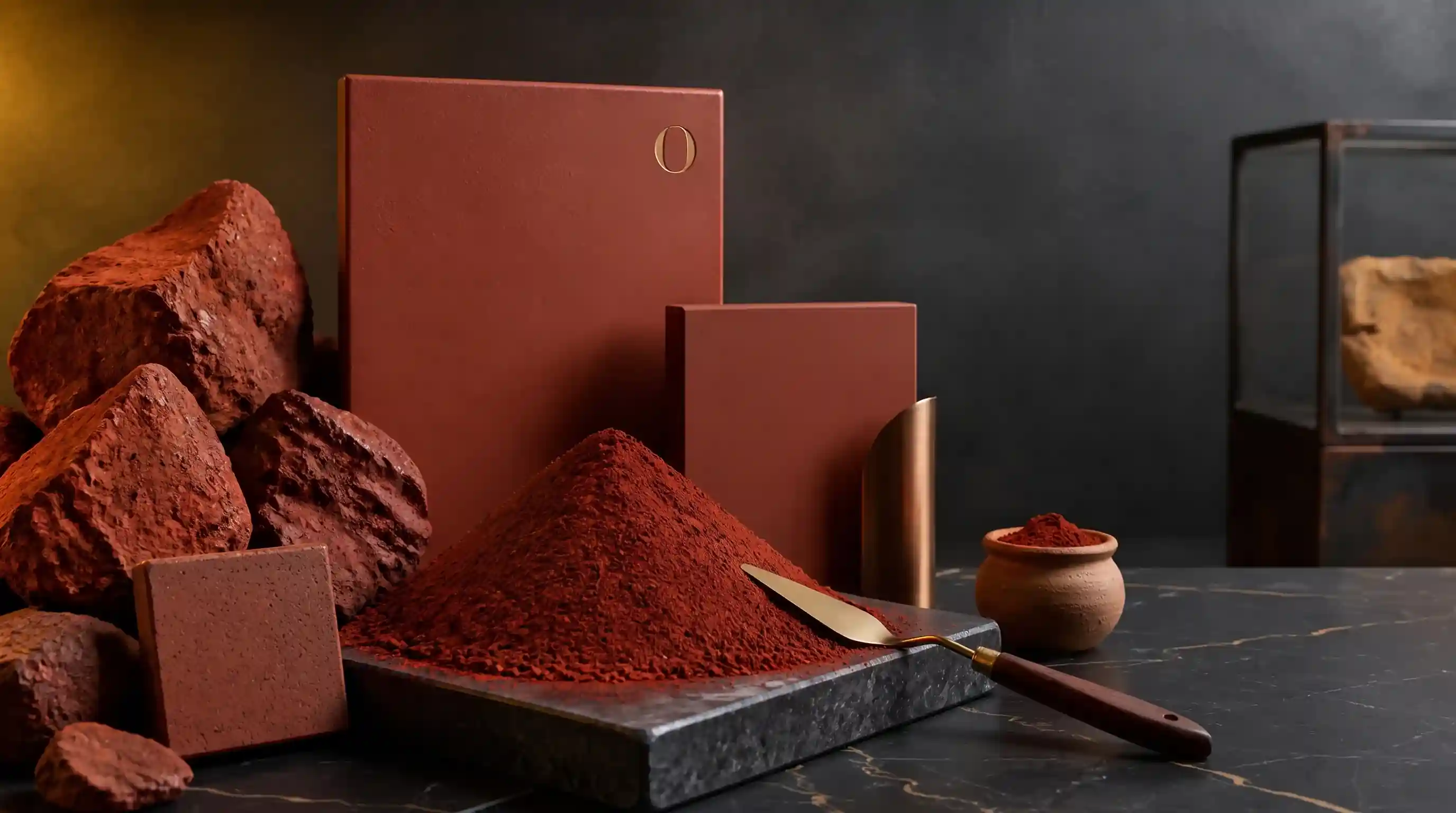
The extraction process of red iron oxide (ochre) begins at the mine, and after blasting or mechanized extraction operations, raw stones are transferred to processing plants. In these units, primary crushing, milling, and precise grading steps are performed to obtain a uniform and homogeneous powder.
The mesh size range of this material plays a vital role in its final quality; so much so that the final product is produced and supplied to the market within the range of 450 to 1500 mesh. The use of advanced micronized milling equipment makes it possible to achieve these very fine particles, which are essential for the coating and paint manufacturing industries.
After the crushing and meshing stage, strict quality control is performed on the samples to ensure the absence of harmful impurities. This standard process ensures that the mineral is ready to enter the industrial production chain.
The Key Role of Red Iron Oxide (Ochre) in the Pigment and Paint Industry
One of the main applications of red iron oxide (ochre) is its use as a high-quality color pigment in various industries. High coloring power, excellent light fastness against solar ultraviolet rays, and resistance to various weather conditions make this material an ideal choice for producing architectural and industrial paints.
To better understand the differences of this material, studying Comparison of Types of Red Iron Oxide (Ochre) in Paint and Resin Industries provides useful information for professionals. The formulation of paints using this natural pigment increases the lifespan of the coating layer and visual beauty.
In addition to architectural paints, in resin industries and metal protective coatings, the presence of this pigment significantly helps prevent rusting and corrosion, which has high economic value.
Application of Red Iron Oxide (Ochre) in Cement and Concrete Manufacturing
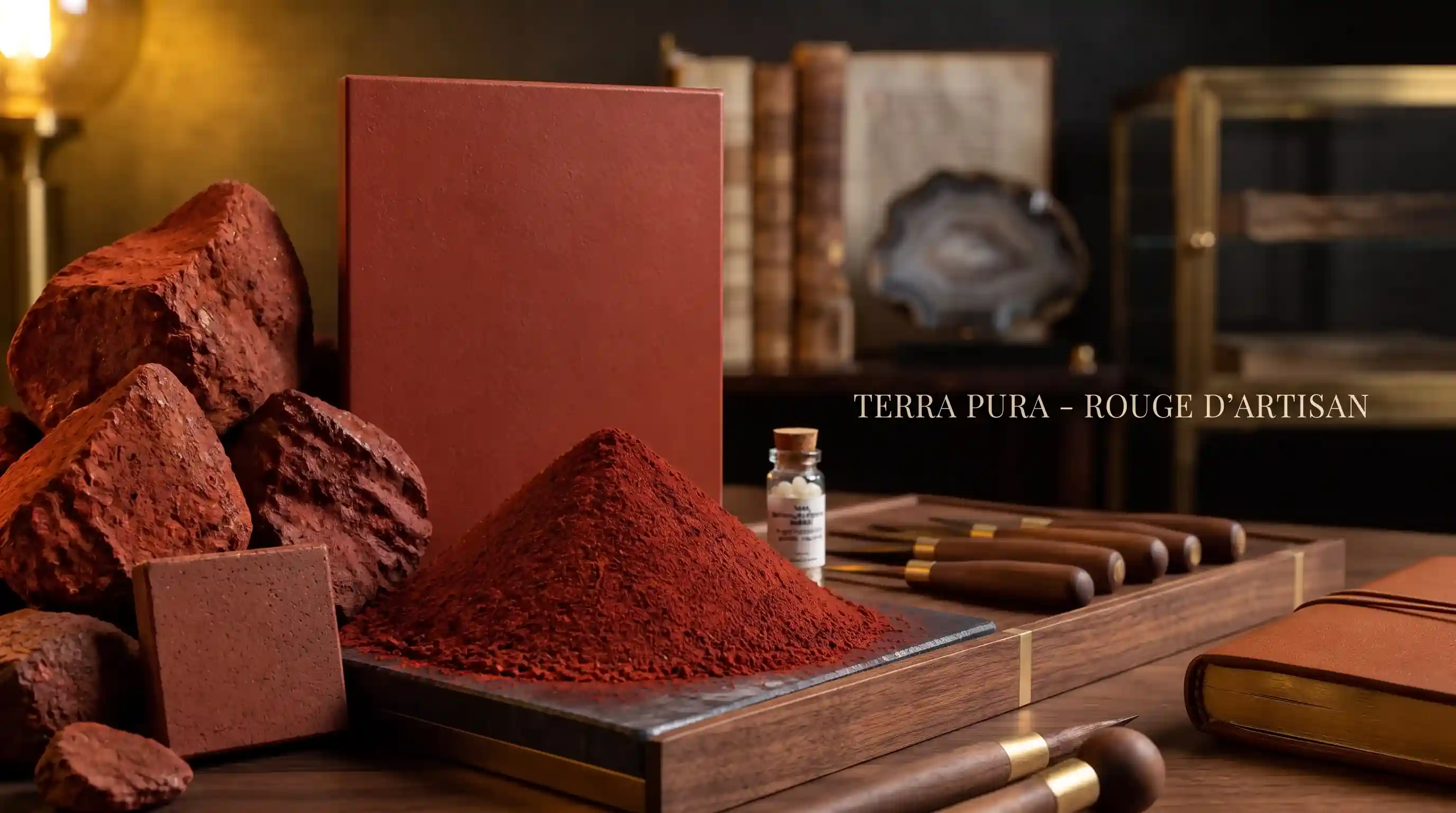
The cement and concrete industry is another major consumer sector of red iron oxide (ochre). Adding this mineral powder to the cement mix enables the production of colored cements, decorative concrete blocks, concrete pavers, and street curbs with stable and attractive colors.
The chemical stability of this pigment in the alkaline environments of cement ensures that the final color does not change due to hydration reactions and shows high resistance to weathering and abrasion. The uniform distribution of particles in the range of 450 to 1500 mesh helps improve the mechanical and appearance properties of cement.
The use of this material in the construction industry, in addition to aesthetics, is fully technically justified and standard due to its lack of negative impact on the compressive strength of cement.
Application of Red Iron Oxide (Ochre) in Ceramic Product Manufacturing
In the ceramics, tile manufacturing, and refractory brick industries, red iron oxide (ochre) is used as a coloring agent and firing property modifier. This material shows excellent stability at kiln temperatures and creates a wide range of red, orange, and brown colors in ceramic glazes and bodies.
The fine particle size of this product in the 450 1500 mesh range allows the pigment to completely melt and distribute within the ceramic matrix, preventing the occurrence of uneveess or unwanted color spots. This significantly increases the final quality of ceramic products.
Ceramic industry professionals achieve their desired color tonalities and high quality standards in their products by precisely controlling the composition percentage of this mineral powder.
Other Industrial Applications of Red Iron Oxide (Ochre)
In addition to its well-known applications, red iron oxide (ochre) plays specialized roles in other industries such as glass and paper production. For example, a more detailed review of the applications of this material is well explained in the article The Role of Red Iron Oxide (Ochre) in Glass Manufacturing Industries.
Also, in cellulosic industries and special product manufacturing, micronized ochre powder has technological applications, the details of which are examined in the article The Role of Red Iron Oxide (Ochre) in Paper Manufacturing Industries. This breadth of application indicates the strategic importance of processed minerals in industrial economy.
By utilizing appropriate meshes including 450 to 1500 mesh, producers best meet the diverse needs of industries that depend on red iron oxide (ochre).
Future Outlook and Quality in Red Iron Oxide (Ochre) Production
With the rapid development of mineral processing technologies, the standardization of red iron oxide (ochre) production has gained special importance. Focusing on optimal extraction and precise micronization of this material in the 450 1500 mesh range, the Amiran Rock Mineral Project has taken a firm step towards supplying the needs of domestic industries.
The future of this industry depends on using environmentally friendly methods in mining, increasing the efficiency of production lines, and upgrading the purity of final products. Adapting to global quality standards guarantees the competitiveness of this Iranian mineral in regional and inteational markets.
Ultimately, a precise understanding of the history, sources, and technical specifications of red iron oxide (ochre) helps engineers and manufacturers make the most optimal use of this valuable gift of nature in pigment, coating, cement, and ceramic product industries.
| Question | Answer |
|---|---|
| What is red iron oxide (ochre)? | It is a natural mineral and widely used pigment utilized in the paint, coating, cement, and ceramic industries. |
| What is the mesh size range of this product? | This product is produced and supplied in the range of 450 to 1500 mesh. |
| What are the main applications of red iron oxide (ochre)? | Pigment, industrial coatings, colored cement, and ceramic products are among its main applications. |
| Is this product used in the cement industry? | Yes, it is used for producing colored cements, concrete blocks, and pavers. |
| How can this product be purchased? | By visiting the Amiran Rock Mineral Project website, you can review the specifications and proceed with the purchase. |
| What is the role of this material in the ceramic industry? | It is used as a coloring agent and quality improver in ceramic glazes and bodies. |
| Is red iron oxide also consumed in the glass industry? | Yes, it is used in specific glass manufacturing processes and related industrial products. |
| Which group is the manufacturer of this product? | The Amiran Rock Mineral Project is the manufacturer of related minerals. |
| What is the advantage of using ochre pigment? | High light stability, excellent hiding power, and resistance to weather conditions are among its advantages. |
| Is this material also used in paper production? | Yes, it is consumed as a filler or specialized pigment in certain cellulosic and papermaking industries. |
Amiran Rock Mineral Project - Producers of mineral and industrial materials.
برچسب: Red Iron Oxide (Ochre),Introduction to the History and Extraction Sources of Red Iron Oxide (Ochre),
نویسنده: رساوب آفرین