
درباره سایت
آخرین مطالب
- اکسید لیمونیت (گل ماش) استاندارد جدید در صنایع پوشش صنعتی
- کائولن باکیفیت کانی سنگ برای کاغذسازی مش 450 تا 1500
- سیلیس باکیفیت کانی سنگ امیران برای صنایع سرامیک با مش ۱۰ تا ۴۵۰
- تالک صنعتی با دانه بندی استاندارد برای کاربردهای صنعتی
- کائولن مرغوب کانی سنگ امیران برای رنگ و لعاب با مش 450 تا 1500
- کائولن درجه یک کانی سنگ امیران برای کاشی و لعاب مش 450 تا 1500
- خرید کائولن اصیل کانی سنگ برای کاشی و کاغذ دانه بندی 450 تا 1500
- دریافت کاتالوگ و آنالیز فنی کربنات کلسیم ۸۰۰ مش
- سیلیس صنعتی کانی سنگ امیران برای صنایع شیشه در مش ۱۰ تا ۴۵۰
- خرید فلدسپات به عنوان مواد اولیه صنایع شیشه و سرامیک
امکانات وب
Introduction to the Importance of Minerals in Composite Engineering and the Key Role of Dolomite
Continuous advancements in engineering industries and materials science require the use of efficient mineral fillers and additives that can significantly improve the mechanical and physical properties of final products. Among these, carbonate minerals hold a special place and are used as structural reinforcers. In this article, we intend to provide a comprehensive review of the role of dolomite in improving the mechanical properties of composites and related industries, and to explore the various dimensions of this valuable material's applications.
Mining and mineral processing have long played a crucial role in supplying raw materials for strategic industries. A precise understanding of the physical and chemical properties of these materials enables engineers to optimize industrial formulations. As seen in a study on the role of white barite in improving the mechanical properties of composites, the correct choice of mineral filler has a direct impact on the tensile and impact strength of the composite. Given the importance of this topic, our main focus will be on the mineral dolomite.
Various industries are constantly looking for cost-effective and high-quality alteatives. Familiarity with this material and its performance in polymer and ceramic matrices provides a better understanding of the reinforcement mechanisms. For further reading regarding the economic aspects of this topic, you can refer to the article the impact of dolomite on reducing production costs in the mineral industry to clarify its financial and economic dimensions as well.
Furthermore, comparing the behavior of this material with other mineral fillers such as talc gives engineers a broader perspective. Reading the specialized article an investigation into the physical and mechanical properties of industrial talc powder clearly reveals the differences and similarities between these widely used additives and helps in making an intelligent material selection.
Understanding the Chemical Structure and Physical Properties of Dolomite
To better understand how this material functions in composite structures, we must first become familiar with its chemical nature and crystal structure. This material is a double carbonate mineral of calcium and magnesium with a specific chemical formula. The presence of magnesium and calcium ions together in the crystal lattice gives this mineral stone unique properties that distinguish it from other carbonates.
Physically, this material possesses suitable hardness and abrasion resistance, making it ready for use in various industries. Granulation and particle size play a decisive role in the final quality of the product. In industrial processes related to this material, the standard mesh range varies between 10 and 40 mesh, which provides optimal efficiency for specific uses such as glass, ceramic products, and building materials.
High thermal stability is another prominent feature of this mineral. At high temperatures, this material exhibits stable behavior, a characteristic of vital importance in the ceramic and glass manufacturing industries. A balanced chemical structure, absence of harmful impurities, and uniform structure are other parameters that guarantee the quality of this mineral.
Mechanical processing of this mineral stone includes crushing, granulation, and strict quality control stages to deliver a product with uniform technical specifications to the consumer. Attention to these characteristics allows consumer industries to utilize this material in their formulations with greater peace of mind.

The Role of Dolomite in Glass Manufacturing Industries and Quality Improvement
The glass manufacturing industry is one of the primary consumer areas for carbonate mineral materials. Adding this material to the raw material batch of glass melting fuaces brings numerous technical and economic benefits. The presence of magnesium oxide and calcium oxide resulting from the melting of this material controls the viscosity of the molten glass at high temperatures and greatly assists the homogenization process.
A common problem in glass production is the phenomenon of devitrification, or unwanted recrystallization during cooling. The presence of this material in the glass composition increases the chemical stability of the final product and prevents this phenomenon. Additionally, the mechanical strength of glass against impact and thermal shocks is improved in the presence of this element.
The use of appropriate granulation of 10 to 40 mesh in certain specific glass manufacturing applications helps dissolve materials in the melt with higher speed and desired quality. This reduces energy consumption in melting fuaces and increases the overall efficiency of the production line.
Finally, the chemical purity of the mineral materials used in glassmaking is extremely vital. With a standard composition free of color impurities, this material guarantees the transparency and optical purity of the produced glass, bringing a high-quality product to the market.
Application of Dolomite in Ceramic Products and Enhancement of Structural Properties
The ceramic industry always requires raw materials that maintain their stability at high firing temperatures and help create desirable glass and crystalline phases. This material acts as a strong thermal flux in ceramic bodies and glazes, lowering the firing temperature without sacrificing quality.
When this material is used in the formulation of ceramic bodies, it creates a denser, less porous structure after firing. This structural density directly leads to increased mechanical strength, flexural strength, and overall durability of ceramic products and tiles. Reduced water absorption in final products is another prominent advantage of this material's presence.
In the ceramic glazes sector, precise adjustment of metal oxides is crucial for creating gloss, surface hardness, and preventing crazing. By supplying the magnesium and calcium required by the glaze, this material minimizes thermal stresses between the body and the glaze, ensuring the product's appearance and durability.
Ceramic production engineers optimize the rheology behavior of ceramic slurries and suspensions by carefully controlling the particle size and mesh range of this mineral, thereby preventing issues during pressing and shaping.
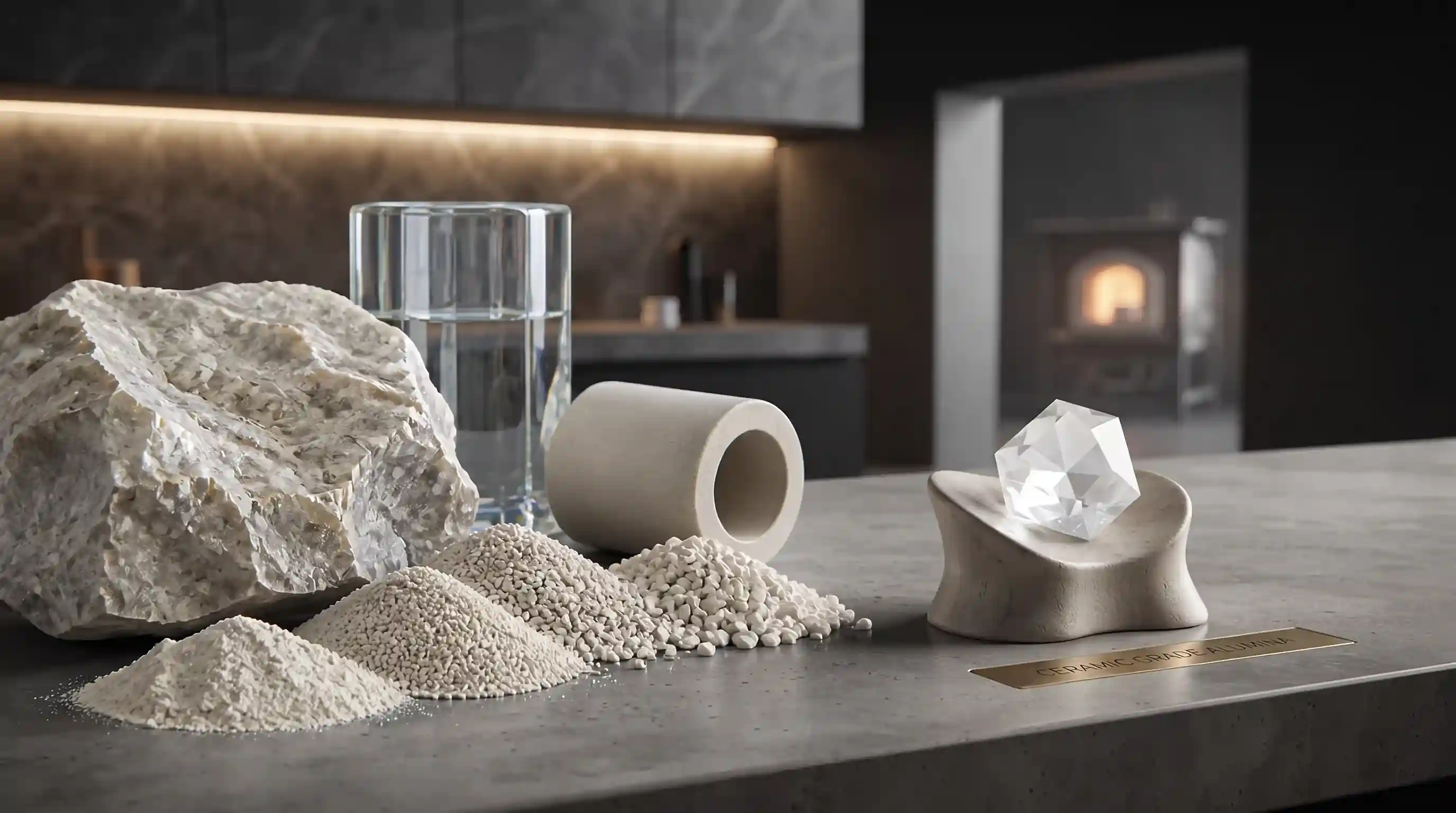
Application of Dolomite in Construction Materials and Civil Engineering
The construction industry is the largest consumer of bulk mineral materials. Due to its abundance, reasonable price, and desirable physical properties, this material holds a special place in the production of mode and traditional building materials. This material is widely used in granulated form in asphalt, concrete, dry mortars, and surface coatings.
In asphalt production, the resistance of aggregates to traffic loading and weather conditions is extremely important. Aggregates derived from this material create good adhesion with bitumen and show good resistance to stripping, which increases the useful life of the pavement.
In the concrete and precast components industry, using suitable mineral fillers helps reduce intergranular void space and, consequently, improves the density, compressive strength, and durability of concrete against environmental factors such as freeze-thaw cycles.
Also, in the production of various building mortars, composite plasters, and base materials, this material acts as a stable filler, improving the workability and application properties of the mortar.
Mechanisms of Mechanical Property Improvement in Composite Matrices
A detailed examination of how mineral fillers affect the mechanical properties of composites shows that uniform particle distribution and the interaction between particles and the matrix play a key role. With a stable crystal structure, this material distributes applied stresses to the structure uniformly and prevents stress concentration.
When this material is placed in various matrices, it acts as a barrier against the growth of microscopic cracks. The fracture energy of materials increases in the presence of these particles, thereby enhancing the toughness and impact resistance of the composite.
The modulus of elasticity and stiffness of composites containing this mineral are improved due to the inherent hardness of the particles. This feature is of paramount importance for applications that require deformation resistance under sustained loads.
Optimization of the interfacial bonding between particles and the substrate is achieved through proper processing and selection of the appropriate mesh (10 to 40 mesh), which ensures the long-term mechanical stability of the composite.
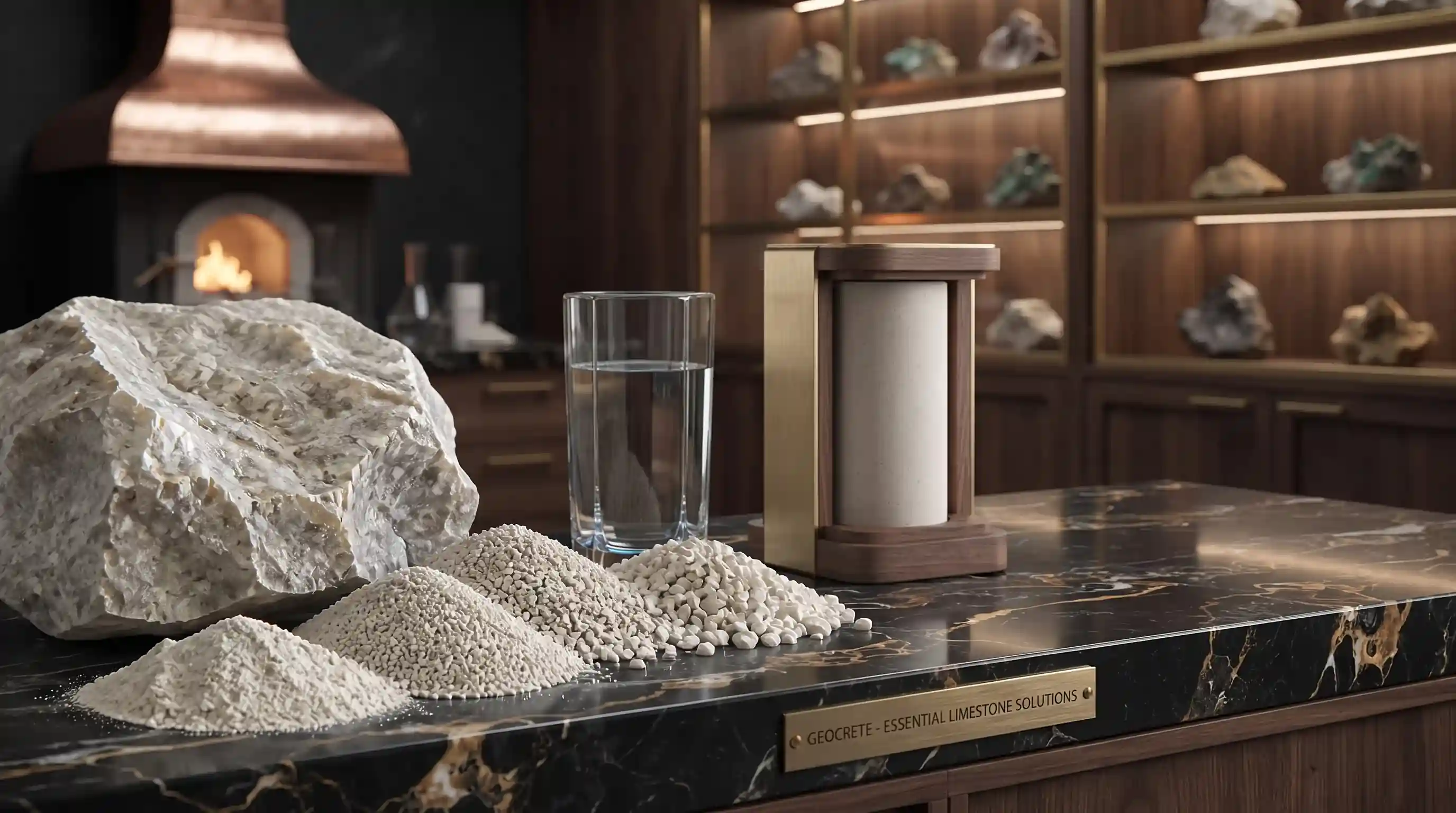
Optimization of Production Processes and Quality Control of Mineral Products
The production of high-quality mineral materials relies on precise mining engineering principles and continuous quality control. By utilizing mode processing, extraction, and granulation equipment, the Kani Sang Amiran project complies with the necessary standards in supplying mineral products to best meet the needs of various industries.
The granulation process within specific ranges such as 10 to 40 mesh requires precision screening tools and mechanized systems to ensure particle size distribution. The presence of out-of-range particles can affect the quality of the final product in the glass and ceramic industries.
Quality control laboratories check product compliance with industrial standards by performing regular chemical tests, such as determining the percentage of calcium and magnesium oxides, thermal drop tests, and mesh measurements.
Supply chain management and proper storage of mineral materials also prevent the entry of moisture and environmental impurities, delivering a high-purity product to consumer industries.
Conclusion and Future Outlook of Dolomite Application in Mode Technologies
In this article, we comprehensively reviewed the role of dolomite in the glass, ceramic, and building materials industries, as well as its role in improving the mechanical properties of composites. It became clear that with its unique chemical and physical properties, this mineral plays a fundamental role in enhancing quality, increasing durability, and optimizing production processes.
Given the continuous growth of material manufacturing technologies and the industry's need for more efficient and environmentally friendly raw materials, the importance of using such mineral fillers becomes even more apparent. The development of novel processing methods and achieving more precise granulations has opened new horizons in the advanced applications of this material.
Investing in research and development and utilizing the technical knowledge of domestic specialists paves the way for greater value creation from the country's rich mineral resources. By continuously producing standard products, the Kani Sang Amiran project has taken an effective step toward self-sufficiency and supplying the needs of mother industries.
It is hoped that this writing has provided a comprehensive and useful insight into the characteristics and applications of this valuable material for engineers, researchers, and practitioners in various industries.
| Question | Answer |
|---|---|
| What is dolomite? | It is a double carbonate mineral of calcium and magnesium used in the glass, ceramics, and construction materials industries. |
| What is the production mesh range of this product? | This product is processed and supplied in the 10 to 40 mesh range. |
| What are the main applications of dolomite? | Main applications include the glass industry, ceramic products, and building materials. |
| How does dolomite improve the properties of composites? | By uniformly distributing stress, preventing crack growth, and increasing the modulus of elasticity and mechanical strength. |
| What is the role of dolomite in glassmaking? | It controls melt viscosity, prevents recrystallization, and increases chemical stability. |
| What is the impact of dolomite on the ceramics industry? | It acts as a thermal flux, lowers firing temperature, and increases product density and strength. |
| Why is dolomite used in construction materials? | Due to its suitable strength, economic price, and improved durability in asphalt, concrete, and mortars. |
| Who is the main producer of this product in the article? | Kani Sang Amiran Project — Mineral Producer. |
| Is the thermal stability of this material high? | Yes, this mineral exhibits stable behavior at high temperatures. |
| How can this product be obtained? | It can be ordered through the dedicated product page on the Kani Sang Amiran website. |
Specialized Reference for Mineralogy and Mineral Materials of Iran, Kani Sang Amiran Project.

برچسب: Dolomite,The Role of Dolomite in Improving the Mechanical Properties of Composites,
نویسنده: رساوب آفرین