
درباره سایت
آخرین مطالب
- انتخاب اکسید آهن قرمز (اخرا) برای بهبود کیفیت پیگمنت و پوششهای رنگی
- تامین کربنات کلسیم با دانهبندی دقیق جهت استفاده در مستربچ
- تأمین تخصصی سیلیس برای مصالح ساختمانی، شیشه و صنایع سرامیک
- ویژگیهای فنی بنتونیت کانی سنگ امیران برای کاربردهای خاص
- فلدسپات کانی سنگ امیران برای شیشه کاشی و سرامیک
- کاربرد تالک سفید درجه یک در فرمولاسیون پیشرفته رنگ و محصولات کاغذی
- اکسید آهن قرمز (اخرا) کاربردی جهت تولید محصولات سرامیکی و پوشش
- مشخصات فنی اکسید آهن قرمز (اخرا) مناسب برای پوشش و تولید پیگمنت
- مشاوره تخصصی خرید کربنات کلسیم بر اساس نیاز دقیق صنعت شما
- انتخاب تالک سفید صنعتی مناسب برای تولیدات کاغذ و مستربچ
امکانات وب
An introduction to Red Iron Oxide (Ochre) and its importance in industries
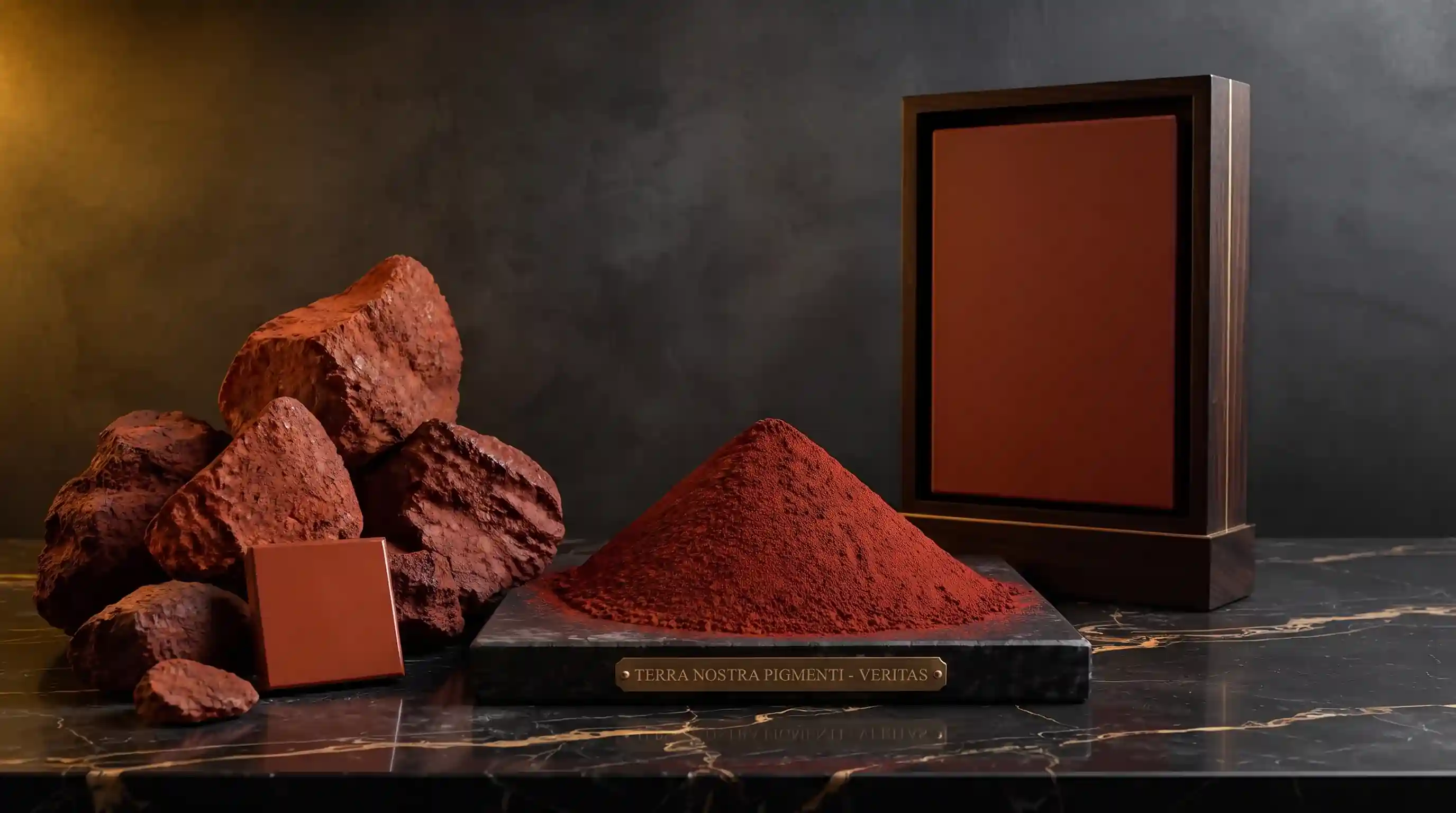
Red iron oxide (ochre) is one of the most functional mineral materials in various industries, known for its outstanding physical and chemical properties. This valuable mineral, which is also used as a natural pigment, plays a significant role in improving the quality of final products. Kani Sang Amiran project, as a mineral producer, offers this product with the highest quality to meet the needs of various industries.
In this article, we will examine in detail the reasons for this material's resistance to sunlight and the factors affecting its light stability. Understanding the structure of this material helps us understand why the pigment derived from it does not change color over the long term and remains intact in harsh atmospheric conditions. For more information, you can visit the Red Iron Oxide (Ochre) page.
Color stability against the sun's ultraviolet rays is one of the most important conces for engineers and industrial designers. When materials are used outdoors, constant sun exposure can break down the chemical bonds of pigments, causing fading. However, this mineral material has been able to set high standards in this field due to its specific crystalline structure.
In addition to traditional applications, technological advancements have led to this material finding a special place in more advanced industries, such as the production of specialized coatings. Examining the behavior of this pigment against environmental factors provides industry experts with a more comprehensive perspective on selecting raw materials.
Chemical and physical structure of Red Iron Oxide (Ochre)
The chemical structure of red iron oxide (ochre) plays a key role in determining its resistance properties. This compound, which is mainly composed of hematite ($Fe_2O_3$), has a stable crystalline structure that does not decompose under the energy of sunlight photons. This inherent stability is a distinctive feature of this mineral that sets it apart from many other pigments.
The particle size of this material is also effective in its final performance. Given that the mesh range of this product is between 450 and 1500 mesh, the particle size distribution is such that it creates uniform coverage and proper structural density. Finer particles can penetrate well into polymer, cement, and ceramic matrices to form a continuous network.
Expert studies show that the crystalline network structure of this compound is such that it dissipates or reflects the energy received from sunlight as negligible heat without any destructive structural change occurring. This unique physical feature is the main reason for maintaining shine and color stability over the years.
Also, the mineral purity and the absence of reactive impurities in this product minimize the possibility of unwanted reactions in response to light exposure. This makes the pigment completely neutral and stable in complex industrial formulations.
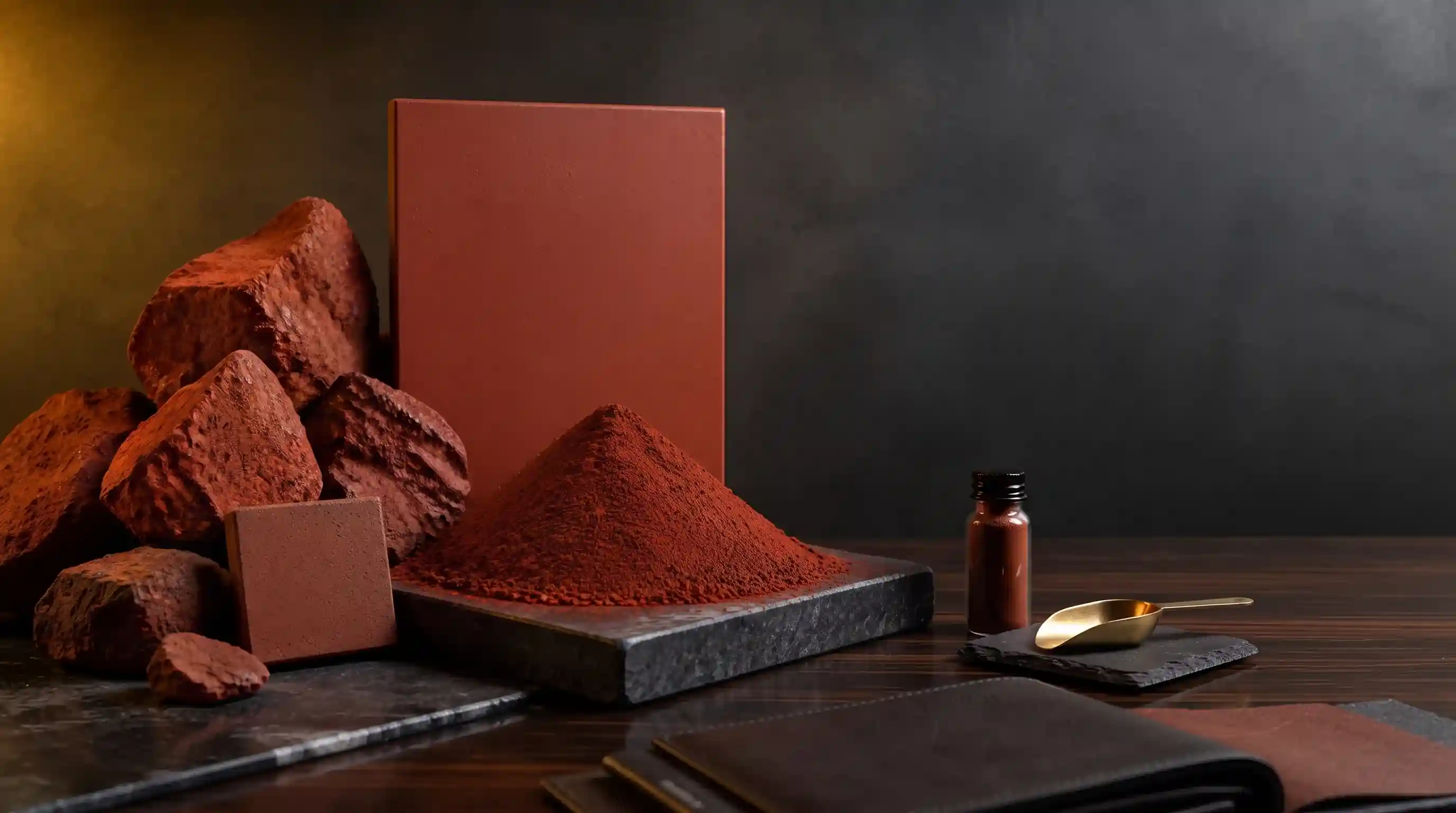
Light resistance mechanism of Red Iron Oxide (Ochre) against UV rays
Sunlight includes a wide range of electromagnetic waves, including ultraviolet (UV) rays, which can destroy the chemical bonds of organic and inorganic materials. However, red iron oxide (ochre), due to its mineral nature, shows extraordinary stability against these radiations. The iron and oxygen bonds in this structure have high bond energy, which is resistant to high-energy UV photons.
When sunlight hits a surface containing this pigment, the light energy is absorbed and re-emitted by the iron's electronic structure instead of destroying the molecular structure. This mechanism prevents phase change or photo-degradation of the material. As a result, the color and coating properties of the product remain intact during long-term exposure to sunlight.
Studying the light behavior of these pigments shows that to better understand their functional differences in various industries, examining the technical details is useful. In this regard, reading the specialized article Comparison of various types of Red Iron Oxide (Ochre) in the paint and resin industries provides valuable information on choosing the best option.
This extraordinary light stability has enabled formulators to safely use this material in the production of building facade paints, industrial structure coatings, and outdoor equipment without worrying about quality loss or color deterioration due to constant sun exposure.
The role of the mesh range (450 1500 mesh) in stability and final quality
One of the key technical specifications of red iron oxide (ochre) offered by the Kani Sang Amiran project is the mesh range of 450 to 1500 mesh. This fine and standard granulation has a direct impact on how the pigment disperses in various matrices, including paint, coating, cement, and ceramic. Finer particles create more surface area and improve structural cohesion.
When particles are distributed in this mesh range, the intermolecular empty space is minimized, and a dense layer is created. This physical density prevents the penetration of moisture, oxygen, and destructive environmental factors to the underlying layers, and as a result, creates excellent alignment with the material's light resistance to double the overall stability of the system.
In paint and coating applications, the use of this granulation prevents orange peel texture or particle agglomeration. The final surface will be completely smooth, uniform, and polished, which optimizes light reflection and prevents local stresses caused by sun heat.
Also, in the cement and concrete industries, particles with this degree of fineness can penetrate well into the tiny pores of the cement matrix and, in addition to creating deep and stable color, contribute significantly to improving mechanical properties and reducing the overall permeability of the structure.
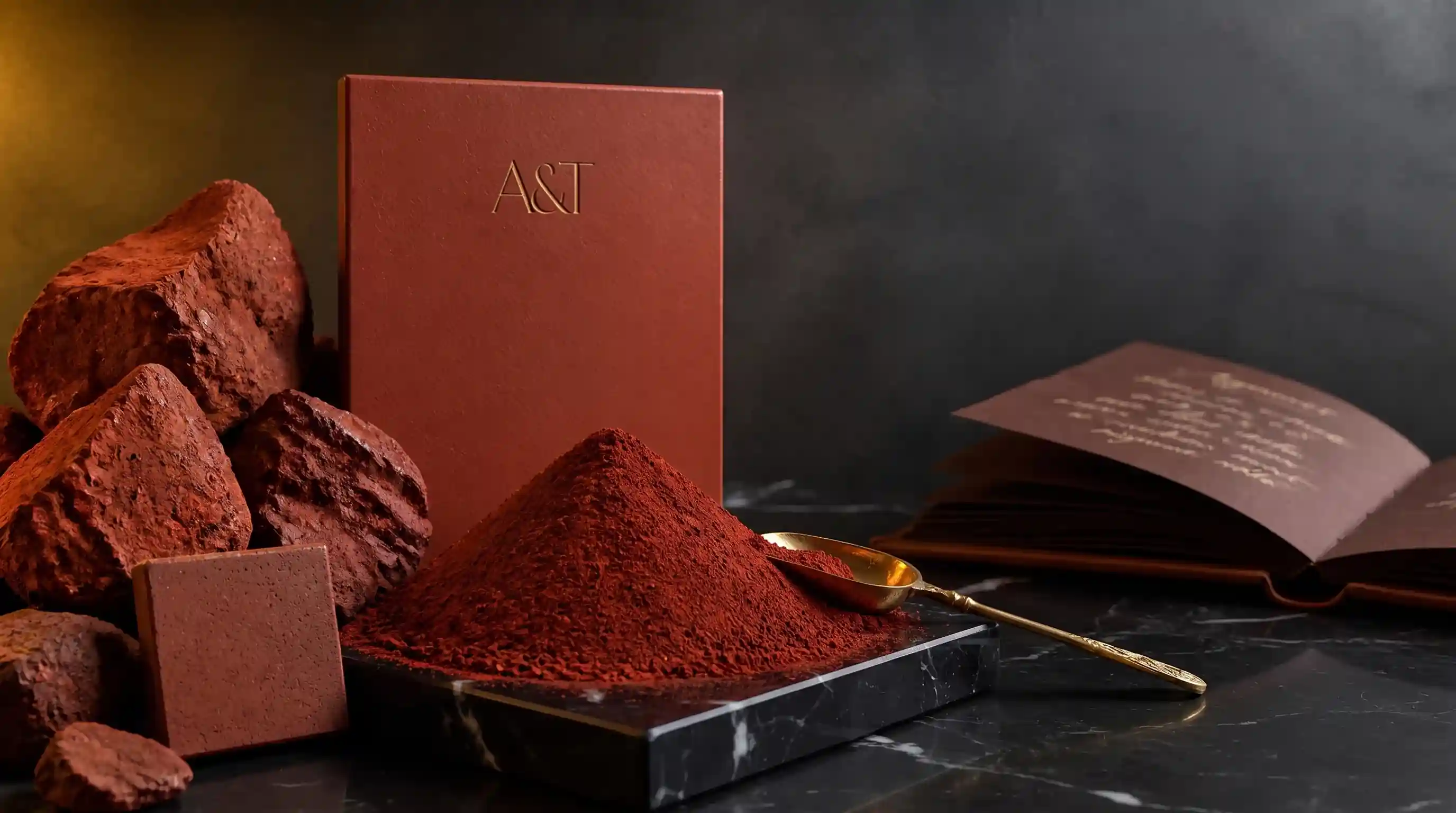
Application as a pigment and coating in outdoor environments
The use of red iron oxide (ochre) as a pigment and coating in outdoor environments requires high resistance to variable atmospheric conditions, rain, moisture, and direct sunlight. Due to its neutrality against weak environmental acids and bases and its excellent color stability, this product is considered a unique option for painting metal structures, tanks, bridges, and building facades.
Coatings containing this mineral pigment do not chalk or peel after years of exposure to intense sunlight. This significantly reduces maintenance and periodic repair costs for structures and brings high economic value to employers and executors of civil and industrial projects.
Examining various aspects of using these materials in construction products shows that their role goes beyond visual beauty. For further study regarding ecological impacts and related assessments, reading the article Environmental impacts of using Red Iron Oxide (Ochre) is suggested, which examines the ecological sustainability dimensions of this mineral material.
Combining this pigment with various resins in industrial coatings creates a powerful protective shield that simultaneously shows resistance to sun UV rays and atmospheric corrosion, significantly increasing the useful life of structures.
Application in cement industries and ceramic products
In addition to the paint industry, red iron oxide (ochre) is widely used in the cement and ceramic industries. In the cement industry, coloring concrete, mosaics, colored blocks, and street curbs is done using this pigment. Since these products are constantly exposed to direct sunlight, the light stability of the pigment is vital.
Cheap or low-quality pigments fade after a short time under the influence of sun rays, but this mineral material, by maintaining its color stability, guarantees the beauty and uniformity of urban and concrete elements in the long term. The stable bond between cement particles and this iron oxide prevents the color from separating from the concrete substrate.
In ceramic products, this compound is also used as a coloring agent in glazes and ceramic bodies. Firing at high temperatures requires a material that does not undergo destructive phase change due to fuace heat and remains resistant to ambient light after production, and this product meets all these expectations in the best way.
The homogeneous mixing of this pigment in the structure of ceramics and cement causes the product's color to be completely deep, and even after gentle surface abrasion, the original color is not lost, and the visual quality is maintained.
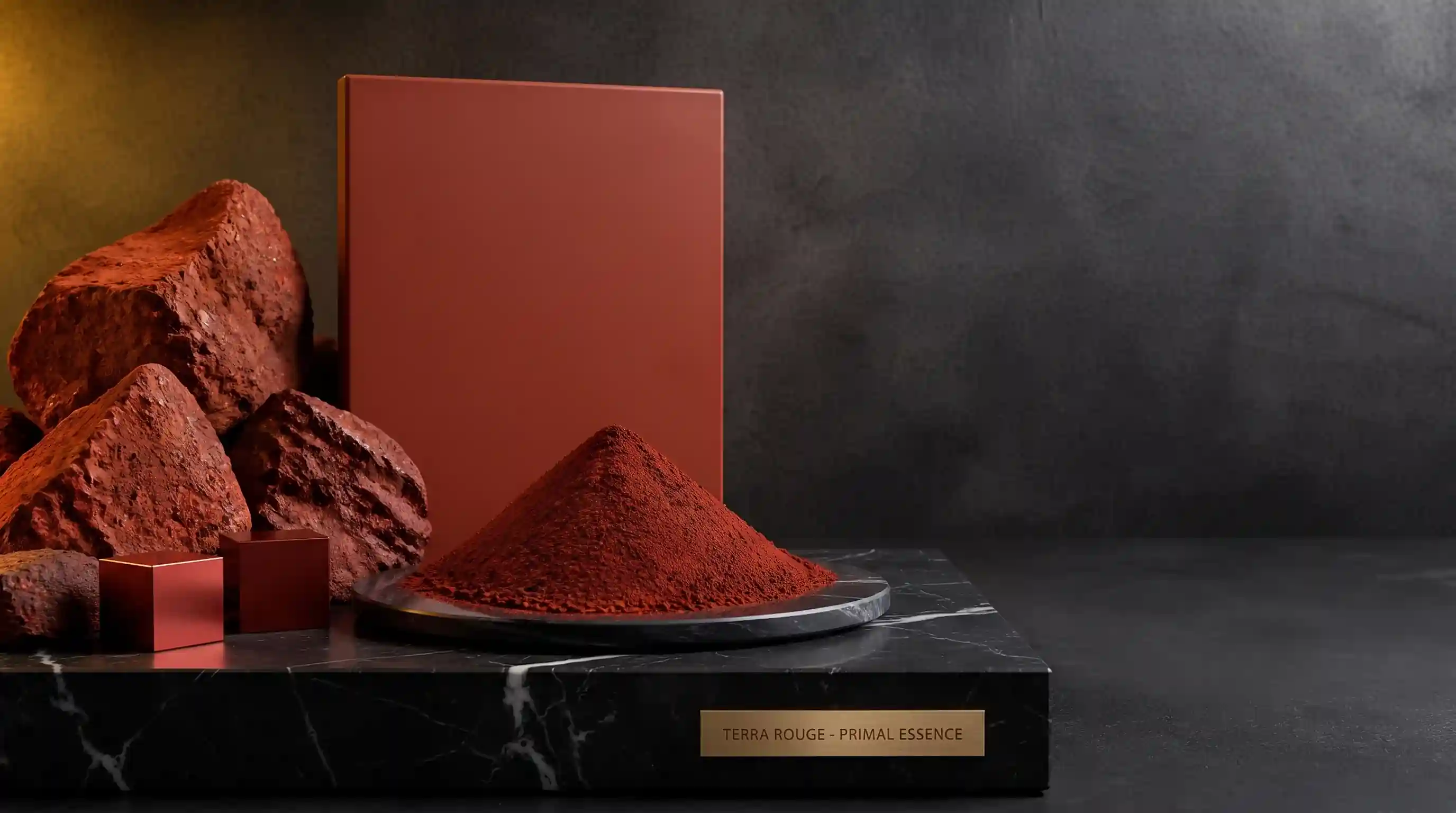
Economic review and advantages of using Red Iron Oxide (Ochre)
From an economic perspective, choosing sustainable and high-quality raw materials is of vital importance. Red iron oxide (ochre), due to its relative abundance in nature and precise processing by the Kani Sang Amiran project, provides a cost-effective solution for producers. The high durability of this material means that the final product needs less repainting or replacement.
Reducing repair and maintenance costs for structures and equipment painted or coated with this pigment is a great economic advantage. Industrial consumers can be sure of the stability of their product's quality for years by spending once on the correct formulation and gain the satisfaction of final customers.
In addition, the high compatibility of this mineral material with various resins, solvents, cement, and ceramic materials reduces storage costs and simplifies production processes. Manufacturing plants can utilize a standard raw material in their different production lines.
These economic features, along with prominent technical specifications such as the 450 to 1500 mesh range, make this product an unrivaled choice in the mineral market, which brings production cost optimization for various industries.
Conclusion and summary on light resistance and applications
In this article, we comprehensively examined the reasons for the resistance of red iron oxide (ochre) to sunlight. It became clear that the stable crystalline structure, strong chemical bonds, and proper particle distribution in the 450 to 1500 mesh range are the main factors in the stability of this material against ultraviolet rays and harsh atmospheric conditions.
The wide applications of this pigment in the paint, coating, cement, and ceramic industries demonstrate its high versatility and proven efficiency. Industries looking for stable quality, long-term durability in outdoor spaces, and economic justification can confidently use this mineral material.
To complete your specialized information in the field of mode building materials, reading the article How is Red Iron Oxide (Ochre) used in brick manufacturing? will also be insightful and will shed light on new dimensions of the applications of this material.
The Kani Sang Amiran project, by offering this high-quality product, has taken an effective step towards meeting the needs of the country's mineral and construction industries. Compliance with production standards, precise granulation, and desired purity will be a guarantee for the flawless performance of this material in all industrial applications.
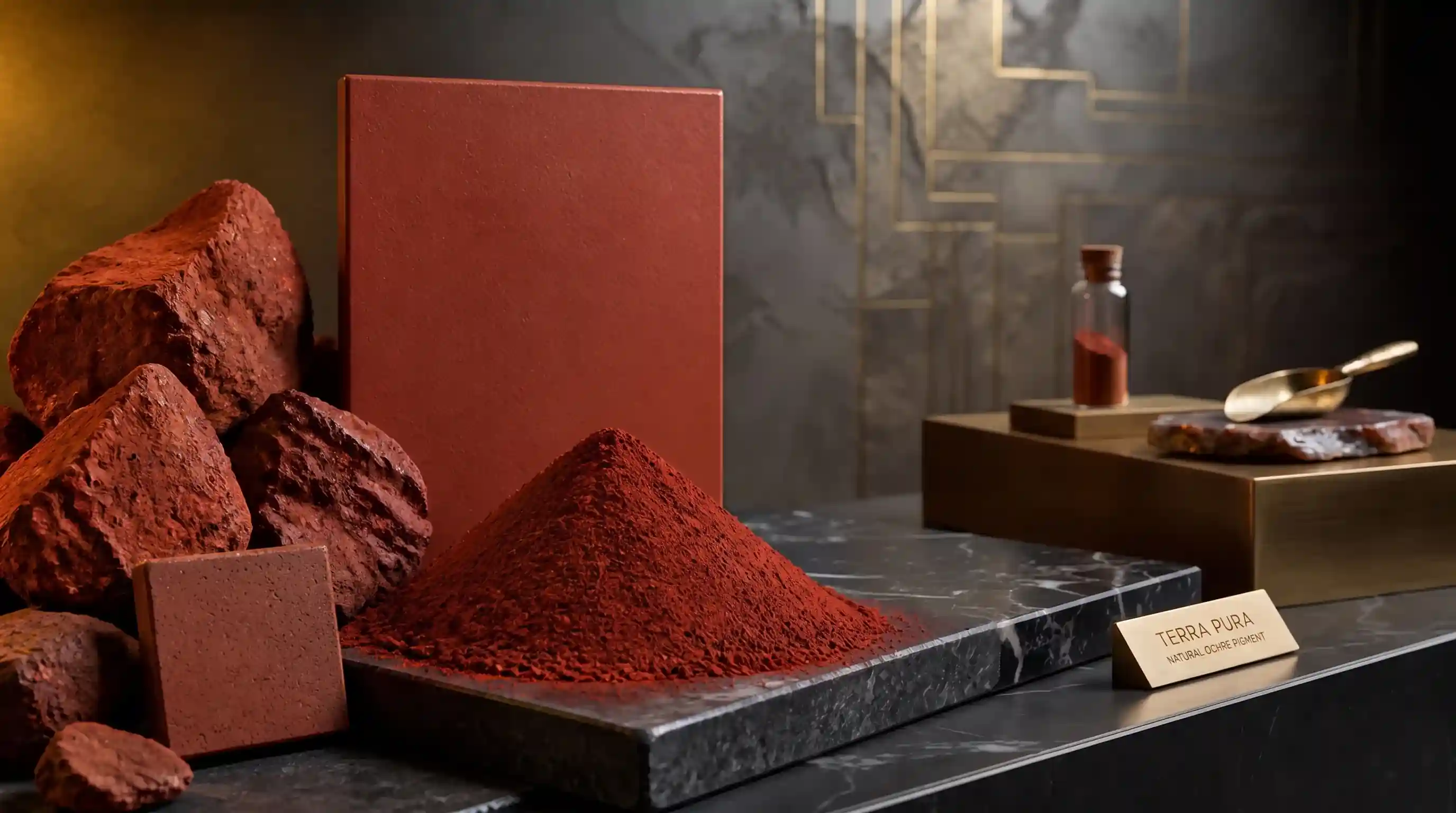
| Question | Answer |
|---|---|
| Why is red iron oxide resistant to sunlight? | Due to having a stable hematite crystalline structure, strong iron and oxygen bonds, and a mechanism of dissipating ultraviolet energy without molecular destruction. |
| What is the mesh range of the offered red iron oxide (ochre)? | This product is produced and supplied in the 450 to 1500 mesh range, which has a very suitable particle distribution. |
| What are the main applications of this mineral material? | It is used as a pigment, coating, in cement industries, and ceramic products. |
| Does this pigment fade in open spaces? | No, due to excellent resistance to UV rays, it has very high color stability in exteal environments. |
| What is the effect of the mesh range on the final quality? | Fine granulation (450-1500 mesh) leads to structural density, uniform coverage, and lower permeability. |
| Can this product be used in the cement industry? | Yes, it is used for coloring concrete, mosaics, blocks, and concrete curbs with excellent light stability. |
| What is its impact on maintenance costs? | Due to durability and no need for frequent repainting, it drastically reduces the maintenance costs of structures. |
| What is its role in ceramic products? | It is used as a stable coloring agent in the body and glaze of ceramics and is resistant to firing heat. |
| Where is the producer of this product? | The Kani Sang Amiran project, as a mineral producer, offers this product. |
| How can one get more information and order the product? | By visiting the product page on the Kani Sang Amiran website, you can receive complete information. |
Specialized reference for mineral data and materials engineering, Kani Sang Amiran project.
برچسب: Red Iron Oxide (Ochre),Why is Red Iron Oxide (Ochre) resistant to sunlight?,
نویسنده: رساوب آفرین