
درباره سایت
آخرین مطالب
- انتخاب اکسید آهن قرمز (اخرا) برای بهبود کیفیت پیگمنت و پوششهای رنگی
- تامین کربنات کلسیم با دانهبندی دقیق جهت استفاده در مستربچ
- تأمین تخصصی سیلیس برای مصالح ساختمانی، شیشه و صنایع سرامیک
- ویژگیهای فنی بنتونیت کانی سنگ امیران برای کاربردهای خاص
- فلدسپات کانی سنگ امیران برای شیشه کاشی و سرامیک
- کاربرد تالک سفید درجه یک در فرمولاسیون پیشرفته رنگ و محصولات کاغذی
- اکسید آهن قرمز (اخرا) کاربردی جهت تولید محصولات سرامیکی و پوشش
- مشخصات فنی اکسید آهن قرمز (اخرا) مناسب برای پوشش و تولید پیگمنت
- مشاوره تخصصی خرید کربنات کلسیم بر اساس نیاز دقیق صنعت شما
- انتخاب تالک سفید صنعتی مناسب برای تولیدات کاغذ و مستربچ
امکانات وب
Introduction to the Importance of Silica Powder in Mode Industries
A comprehensive introduction to the widespread applications of the mineral silica in various industries, especially glass production, foundry, ceramics, and construction materials, is essential. Understanding the physical properties and granulation of this material is the key to improving the quality of final products. In mode industrial processes, selecting high-quality raw materials plays a decisive role in the durability and efficiency of the product. To better understand the importance of minerals in industry, you can read the article on reviewing the physical and mechanical properties of industrial talc powder to familiarize yourself with the principles of industrial material evaluation.
Mineral products have extensive applications in heavy industries due to their stable structure. The use of silica with precise technical specifications ensures the thermal and mechanical stability of structures and manufactured parts. A detailed examination of these properties helps engineers select the best raw material for their production lines. In the continuation of this article, we will professionally examine the physical properties of this valuable material.
The Kani Sang Amiran project helps various industries make more informed choices by providing accurate information. A precise understanding of the mesh range and industrial applications of silica maximizes the efficiency of production lines. As one of the most fundamental mineral compounds, this material holds a special place in the country's industrial economy and elevates production quality standards.
The preparation process for this material requires high precision in the crushing and granulation stages. To lea more about mineral processing techniques, reading the professional review of industrial silica production and processing provides useful information. These backgrounds reveal the importance of silica powder quality more than ever.
Examining the Mesh Range and the Importance of Granulation in White Silica
Granulation is one of the most important physical parameters in evaluating the quality of silica powder. The mesh range of this product varies between 10 and 450 mesh, which covers a wide spectrum of industrial needs. The higher the powder mesh, the finer and softer the particles will be; this property is vital for sensitive applications such as the glass and ceramic industries. On the other hand, lower meshes are used for construction materials and foundry industries.
Precise control of particle size improves the homogeneity of industrial mixtures. In the foundry industry, using the appropriate mesh prevents defects in cast parts. Also, in ceramic industries, uniform granulation significantly helps in better firing and reducing cracking. For a better comparison of mineral powder behavior, taking a look at examining the structural differences between white talc and calcium carbonate provides valuable insights into the differences in granulation and powder structure.
Choosing the right mesh range directly affects the mechanical properties of the final product. Production engineers choose the desired mesh from the available options according to the specific needs of their production line. The Kani Sang Amiran collection has provided high flexibility for industrial consumers by offering this wide range of mesh (10 to 450) so they can operate exactly in accordance with their standards.
Ultimately, a detailed examination of granulation properties helps optimize energy and raw material consumption in factories. A correct understanding of the physical behavior of particles in different sizes is the key to success in industrial processes dependent on silica.
Application of Silica in the Glass Manufacturing Industry
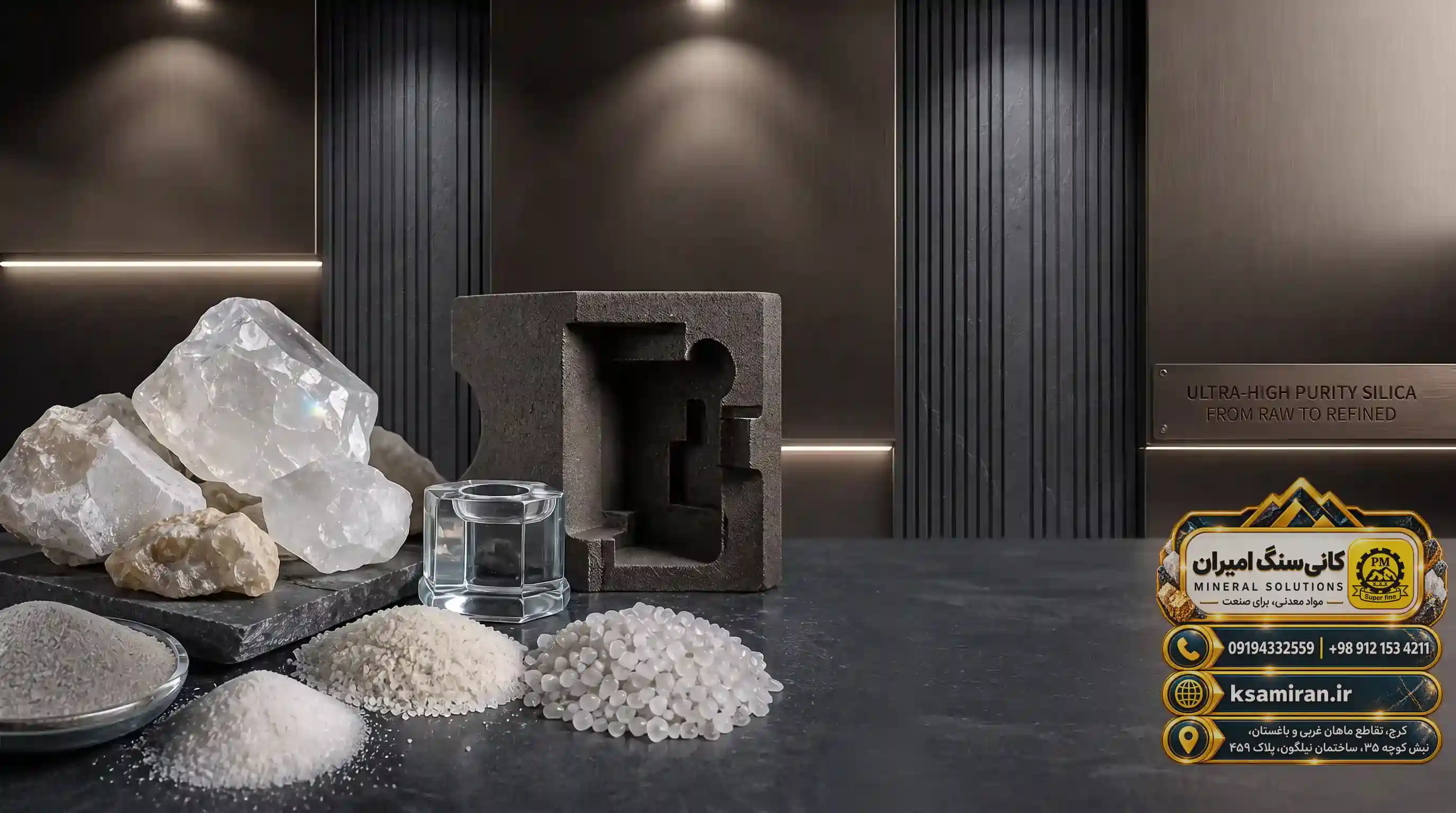
The glass industry is considered one of the main consumers of silica powder worldwide. The purity and physical properties of this material determine the transparency, resistance, and durability of the produced glass. Silica particles with a specific mesh range act as the main ingredient forming the glass network and control the melting point and viscosity of the melt. The quality of the powder used directly affects the final quality of the glass.
For the production of various types of industrial glass, crystal ware, and construction glass, the use of silica with uniform granulation is mandatory. The presence of impure particles or improper sizes can lead to the creation of bubbles or weak points in the glass structure. For this reason, glass manufacturing industries are always looking for reputable suppliers who offer a product with stable technical specifications.
More complete information about this product and how to obtain it can be seen on the dedicated silica page. This page has explained the precise specifications of the mesh range and its applications in detail so that industrialists can make their purchase with peace of mind.
Optimal use of silica in glass melting fuaces also leads to reduced energy consumption and increased useful life of the fuaces. Therefore, paying attention to the physical properties of white silica powder is considered an important investment for glass manufacturers.
The Role of Silica in Foundry Products
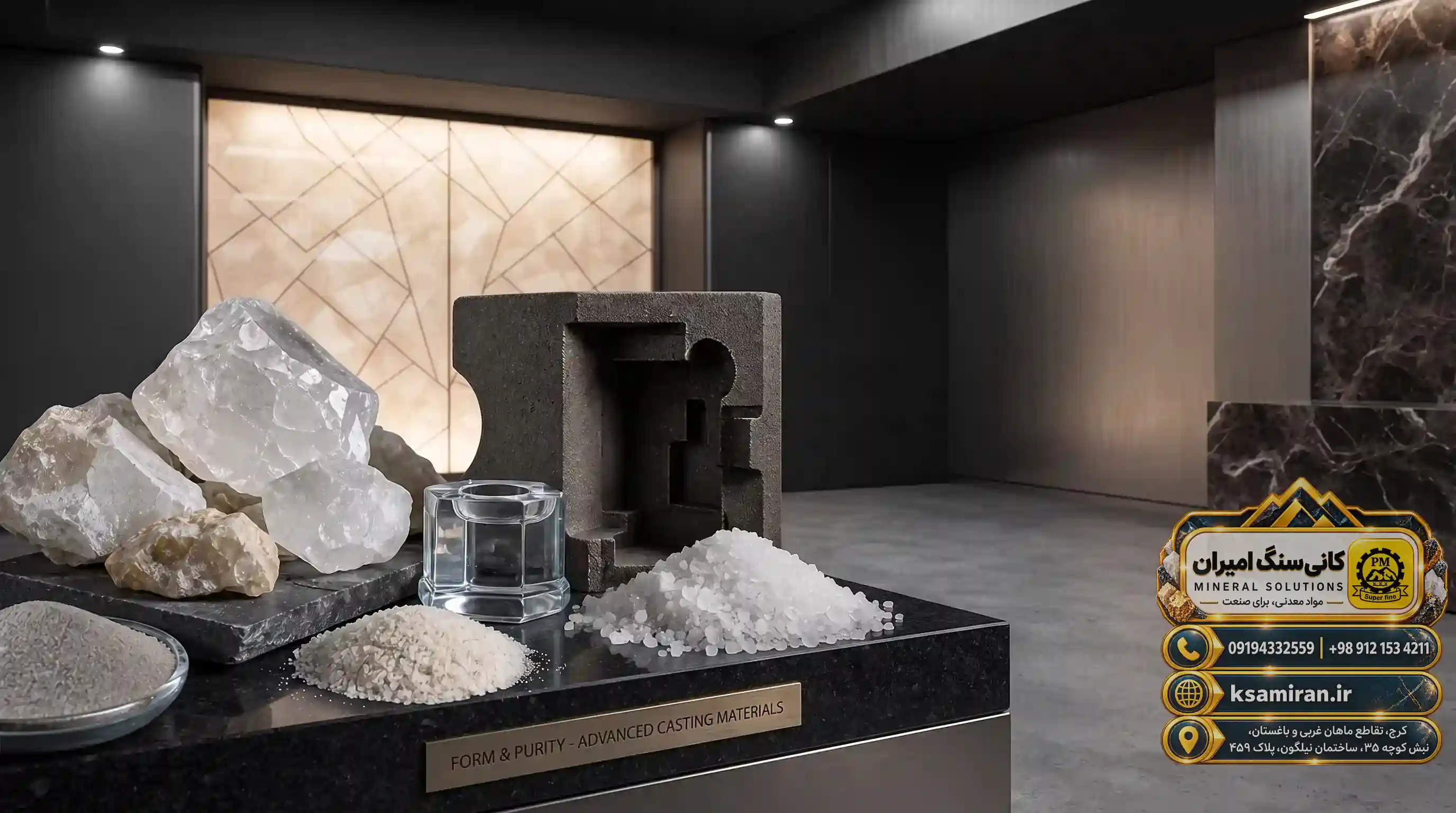
Metal casting requires raw materials that can maintain their stability against very high temperatures. Due to its high melting point and excellent thermal resistance, silica is one of the main pillars in preparing casting molds and molding sands. The appropriate granulation of this powder allows gases resulting from casting to escape easily, preventing the creation of gas cavities in the metal part.
In this industry, the mesh range used depends on the type of metal being cast and the expected surface quality. Using silica with a standard mesh increases the compressive strength of the mold and guarantees the dimensional accuracy of the final part. The thermal stability of this material prevents deformation of the mold when exposed to molten metal.
Manufacturers of casting parts can ensure the quality and uniformity of their raw materials by using the silica powder supplied by the Kani Sang Amiran project. This minimizes production waste and significantly increases the efficiency of foundries.
Adherence to granulation standards in casting also helps to improve the final surface of parts and reduces the need for subsequent machining. This is why silica always has a special place in this industry.
Application of Silica in Ceramic Industries
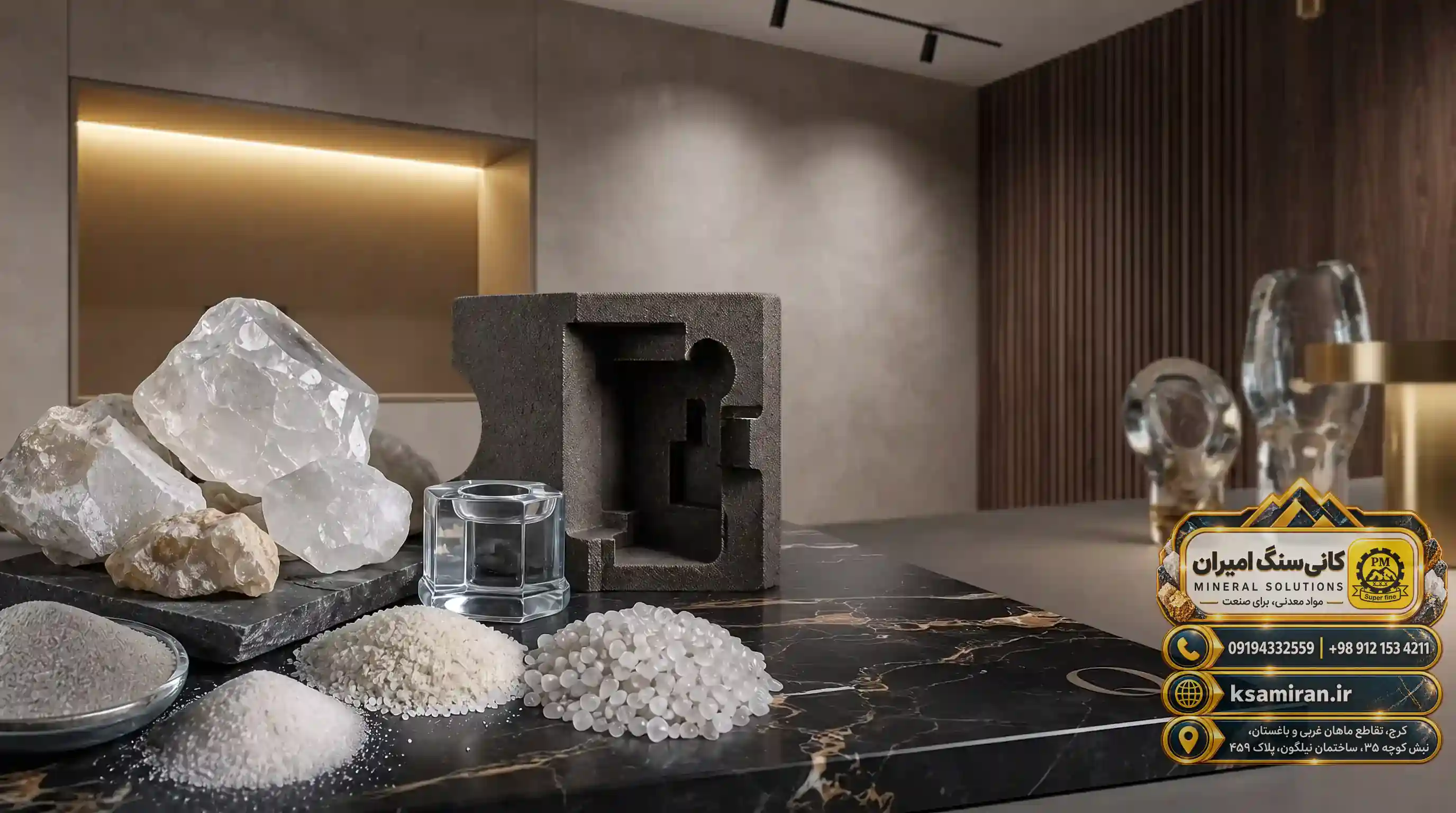
The ceramics industry is another key area of silica consumption, which is used in the production of various types of tiles, ceramics, porcelain, and industrial glazes. This material acts as the structural skeleton of the ceramic body and prevents excessive deformation of the body during the firing process in the kiln. Silica powder improves the density and mechanical strength of the ceramic part by filling the space between other particles.
In the formulation of ceramic glazes, the presence of silica is also essential to create a surface that is smooth, shiny, and resistant to wear. The mesh range of silica powder has a direct effect on the melting temperature of the glaze and the chemical reactions of the ceramic surface. Finer granulation is usually used for glazes, and medium granulation for ceramic bodies.
Choosing silica powder with precise technical specifications controls the thermal shrinkage of ceramics in the firing stage and prevents the creation of micro-cracks (Crazing). These features ensure that the produced ceramic products have the highest quality standards.
The Kani Sang Amiran collection, by supplying high-quality silica for ceramic industries, helps manufacturers offer more resistant and higher-quality products to the market and comply with industrial standards.
Application of Silica in Construction Materials and Civil Engineering
In the construction and civil engineering industry, minerals play a foundational role in the production of concrete, mortars, tile adhesives, and protective coatings. As a high-quality mineral filler, silica significantly increases the compressive strength and durability of construction materials. The particles of this powder reduce the permeability of concrete against water and corrosive agents by filling microscopic pores in the cement matrix.
The use of silica powder in the formulation of self-compacting and high-strength concrete is very common. This material helps improve the workability of mortar and reduces bleeding in fresh concrete. The 10 to 450 mesh range has made it possible to use this material in various construction applications, from bulky materials to thin coatings.
The Kani Sang Amiran project, by supplying the silica needed for civil engineering projects, plays an important role in improving the quality of concrete and construction structures. The long-term durability of structures is highly dependent on the quality of the mineral materials used in them.
A precise understanding of the physical properties of white silica allows civil engineers to have better mix designs and, as a result, build safer structures that are more stable against harsh environmental conditions.
Review of the Physical and Appearance Properties of White Silica Powder
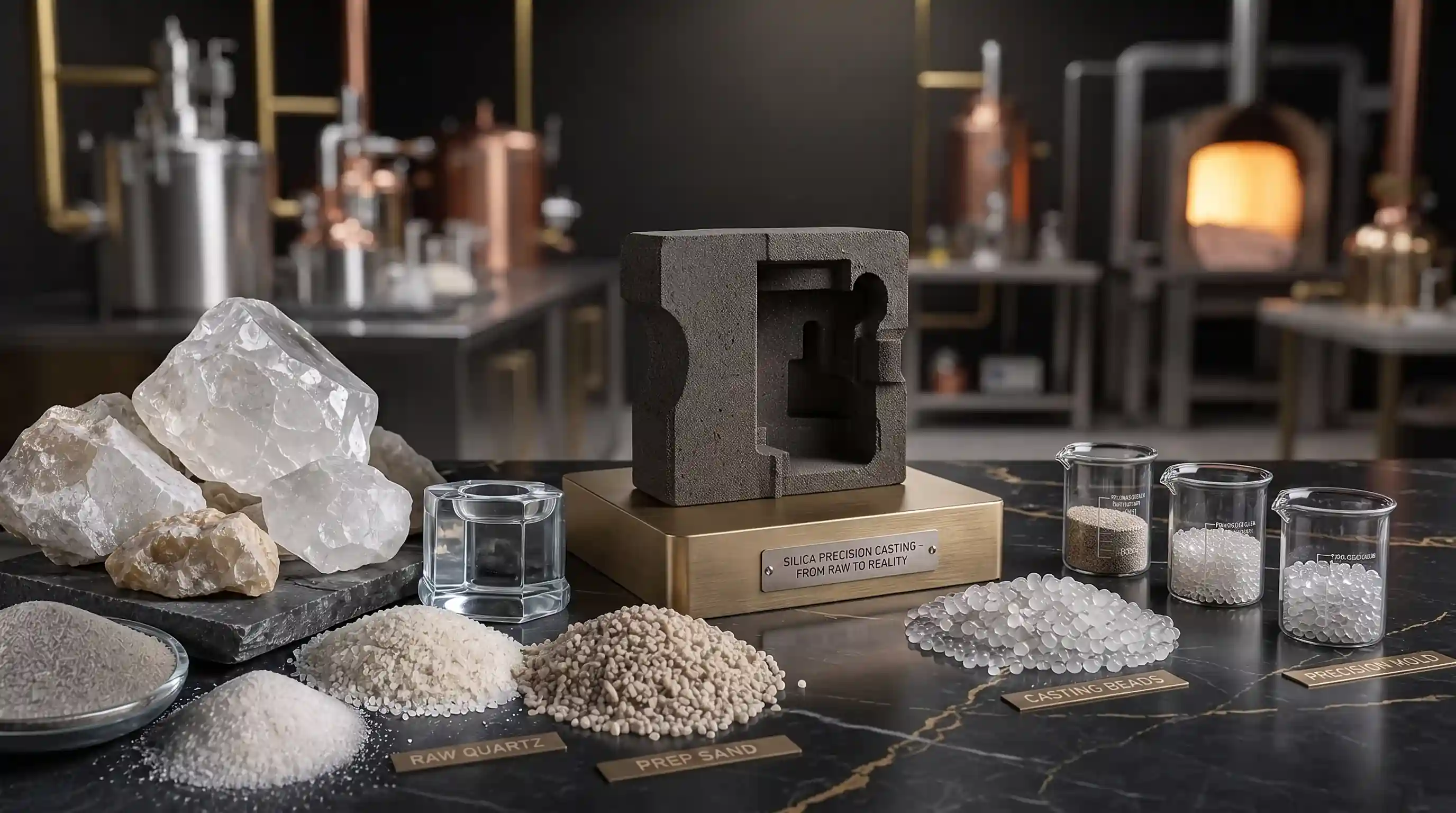
White silica powder has specific appearance and physical properties that distinguish it from other mineral powders. White color and high purity are the most important characteristics of this product, which prevent unwanted color changes in final products such as transparent glass or white ceramic glazes. The stable crystalline structure of this material gives it extraordinary chemical resistance against acids and bases.
Bulk density, angle of repose, and particle size distribution are key physical parameters checked in quality control laboratories. The mesh range of 10 to 450 indicates diversity in particle dimensions, which is precisely adjusted for each industrial application. These features facilitate the process of mixing and homogenization of materials in production lines.
Avoiding metallic and mineral impurities in white silica makes it an ideal option for sensitive industries where transparency and color purity are important. Continuous quality control in the production process guarantees the stability of these features.
The Kani Sang Amiran collection, by utilizing mode processing equipment, supplies silica powder to the market with the highest physical standards so that the needs of various industries are met in the best possible way.
Conclusion and Guide to Selecting and Purchasing Industrial Silica
In this article, we provided a comprehensive review of the physical properties, mesh range, and main applications of silica powder in the glass, foundry, ceramics, and construction material industries. A precise understanding of these parameters helps industrialists upgrade the quality of their final products and optimize production costs by smartly choosing raw materials. As a strategic mineral, silica plays an irreplaceable role in industrial development.
Choosing the appropriate mesh (from 10 to 450 mesh) according to the type of application is the most important step in purchasing this product. Consulting with technical experts before purchasing can prevent problems in the production line. The Kani Sang Amiran project is ready to provide specialized consultations and supply high-quality silica for various industries.
For more information, to inquire about technical specifications, and to place an order, be sure to visit the dedicated silica page. Coecting directly with the sales department will allow you to receive the best services.
We hope this professional review is a useful guide for engineers, production managers, and respected industrialists in the direction of improving production and industrial processes.
| Question | Answer |
|---|---|
| What is white silica powder? | It is a widely used mineral with high purity that is used in glass, foundry, ceramic, and construction material industries. |
| What is the mesh range of silica powder? | This product is produced and supplied in the 10 to 450 mesh range. |
| What are the main applications of silica? | Glass industries, foundry products, ceramic products, and construction materials are its main applications. |
| Why is granulation important in silica? | Appropriate granulation has a direct impact on the quality, thermal stability, strength, and homogeneity of the final product. |
| What is the role of silica in the glass industry? | It acts as the main ingredient forming the glass network and controls transparency and resistance. |
| Why is silica used in foundry? | Due to its high melting point and excellent thermal stability, it is suitable for making casting molds. |
| What is the application of silica in ceramics? | It increases the strength of the ceramic body and controls thermal shrinkage during firing. |
| Is silica used in construction materials? | Yes, it increases the compressive strength of concrete and reduces permeability. |
| How can silica be ordered? | Through the Kani Sang Amiran products page, you can review the specifications and proceed to place an order. |
| What are the important physical properties of silica? | White color, high purity, chemical stability, and diversity in the mesh range are its key features. |
Kani Sang Amiran Project — Mineral Production (ksamiran.ir)
برچسب: Silica,Professional Review of the Physical Properties of White Silica Powder,
نویسنده: رساوب آفرین