
درباره سایت
آخرین مطالب
- مشخصات فنی و آنالیز سیلیس مناسب ریختهگری و سرامیک از امیران
- استعلام قیمت اکسید لیمونیت (گل ماش) مخصوص پیگمنتهای معدنی
- انتخاب دقیق دولومیت برای ارتقای کیفیت مصالح ساختمانی و شیشه
- فلدسپات با دانهبندی دقیق برای تولید شیشه و لعاب
- نقش بنتونیت در افزایش کیفیت چسبانندهها و مواد جاذب صنعتی
- انتخاب تالک صنعتی مناسب برای ارتقای کیفیت محصولات پلیمری و رنگ
- خرید کائولن با مش ۴۵۰ تا ۱۵۰۰ از کانی سنگ امیران برای تولید لعاب
- کائولن مرغوب کانی سنگ امیران؛ انتخابی ایدهآل برای صنعت کاغذ و رنگ
- بهترین تالک سفید صنعتی با مش ۴۵۰ تا ۲۵۰۰ جهت کاربردهای سرامیکی
- کاربرد تخصصی کربنات کلسیم در ساخت چرم مصنوعی و محصولات پلیمری
امکانات وب
An introduction to the importance of recognizing high-quality kaolin
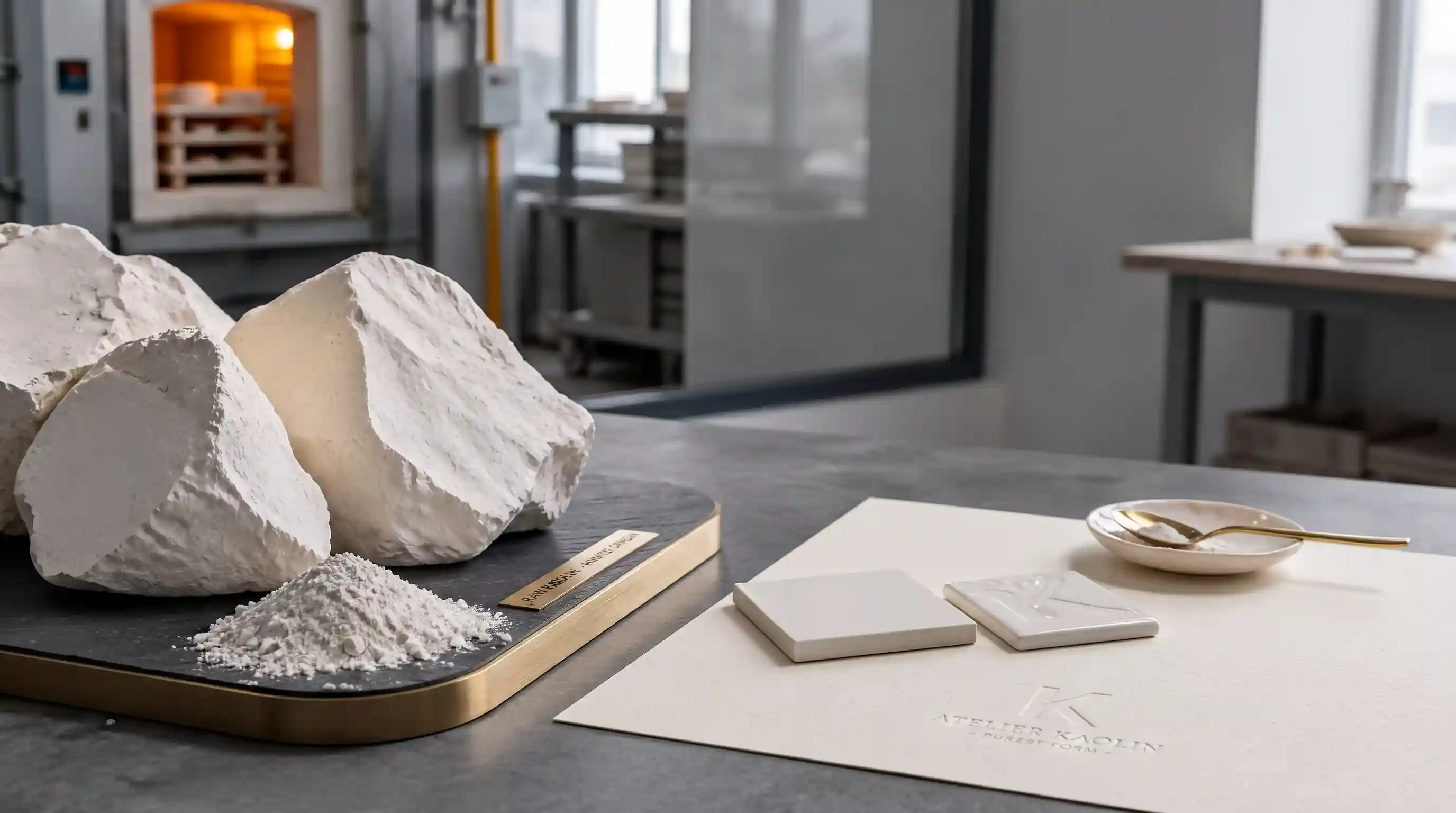
Kaolin mineral is known as one of the most essential industrial clays in various industries, and understanding its quality has a direct impact on improving production processes. This material, also known as china clay, plays a key role in improving the physical and chemical properties of final products. Professionals in various industries are always looking for ways to distinguish high-quality samples from inferior materials; because the use of first-grade materials guarantees the durability and beauty of the final product. For more information regarding this product, you can visit the Kaolin page.
Along with kaolin, other minerals are also widely used in industries. For example, examining the quality of other minerals, such as what is mentioned in the guide to identifying high-quality silica from low-quality samples, shows how important attention to physical details is. This general understanding helps engineers to be more meticulous in choosing raw materials and prevents financial losses and quality degradation.
Industries consuming this mineral require specific standards that must be paid special attention to when purchasing. Impurities can easily reduce the efficiency of the material and have destructive effects on the production line. Therefore, familiarity with visual and laboratory characteristics is considered the first step to success in supplying raw materials.
The role of kaolin in the tile and ceramic industry
The tile and ceramic industry is the largest consumer of micronized mineral powders. In this regard, the use of kaolin with various meshes, including the 450 to 1500 mesh range, has created a major transformation in the production of bodies and glazes. By filling tiny voids, this powder increases structural density and enhances the mechanical strength of the tile. It also provides better thermal stability to components during the firing process.
In addition to this material, other minerals also play a role in the structure of ceramics. Comparing methods of evaluating raw materials, such as the assessments performed in the article How to identify standard feldspar? can give manufacturers a more comprehensive perspective. Harmony between these minerals is the key to achieving a dense ceramic body without cracks.
The quality and granulation of the consumed powder directly affect the firing shrinkage. If the powder contains iron impurities or insoluble compounds, the color of the ceramic body will change after firing, and dark spots will appear on it, which reduces the commercial value of the product.
Application of kaolin in the paint and coating industry
In the paint manufacturing industry, mineral powders are used as fillers and coating property enhancers. Due to its whiteness and high chemical stability, this compound acts as a matting agent and viscosity controller. Proper particle distribution in the 450 1500 mesh range helps the final paint create a smooth, homogeneous surface without roughness.
The evaluation of fillers in paint manufacturing is very similar to other mineral industries. As mentioned in the material related to How to identify original calcium carbonate powder?, chemical purity and the absence of extra coarse grains are key factors in choosing paint raw materials.
The use of low-quality samples in paint leads to reduced covering power, rapid settling in storage, and a drop in the quality of the paint film. For this reason, continuous quality control of incoming materials to the paint factory is vital and undeniable.
Application in the papermaking industry
The papermaking industry requires raw materials that can bring the whiteness, brightness, and smoothness of the paper surface to the desired level. This mineral is used as a core filler and paper coating to fill the empty space between cellulose fibers. This improves printability and reduces ink consumption during printing on paper.
Precision in choosing the appropriate mesh is very important in this industry; because very coarse particles can damage the rollers of papermaking machinery. Paper manufacturers look for powders with very precise particle size distribution to best control the transparency and light transmission of the paper.
The presence of metallic impurities in this material can cause the paper to yellow over time. Therefore, precise monitoring of technical specifications and laboratory tests before large shipments enter the papermaking production line is of great importance.
The effect of mesh size (450 to 1500) on final quality
The 450 to 1500 mesh range indicates the fineness of the mineral powder. Lower meshes have coarser particles, which are suitable for applications requiring high mechanical strength or filling larger spaces. Conversely, higher meshes like 1500 have much finer particles, which are used for glazing, premium paints, and precise paper coatings.
Accurate identification of the powder mesh requires laboratory sieving equipment or laser particle measuring devices. Low-quality samples usually have a heterogeneous particle distribution; meaning a combination of very fine particles and coarse grains is seen in them, which is problematic in the production process.
Uniformity in granulation allows chemical and physical reactions to be completed fully in the fuace or mixing tanks. Any fluctuation in mesh size can severely affect the final quality of products such as ceramics and paints.
Laboratory and visual methods for identifying high-quality samples
To distinguish original samples from low-quality ones, there are various methods, including visual inspection, touch, and precise chemical tests. A high-quality sample has a light milky-white color and is free of unpleasant odors. It also feels soft and uniform under the hand, and no roughness caused by sand grains is felt.
In the laboratory, XRF and XRD analysis are the best tools for determining the percentage of metal oxides and crystal structure. The amount of iron and titanium oxide in high-quality samples should be at the lowest possible level, as these elements are the main cause of stains and discoloration in fired products.
Performing acid resistance tests and determining moisture content are other stages of quality control. Low-quality samples usually absorb more moisture and clump together, which indicates poor processing or mining conditions.
The role of Kani Sang Amiran project in supplying standard minerals
The Kani Sang Amiran project, by utilizing rich mines and advanced production lines, has taken steps to process and supply high-quality minerals. Commitment to maintaining quality standards in the micronization process has enabled this collection's products to meet the precise needs of various domestic industries.
Continuous quality control at all stages of production, from raw rock extraction to final packaging, guarantees the purity and uniformity of the products. Industrial buyers can confidently secure their required raw materials based on the declared technical specifications and prevent losses in production lines.
Technical support and providing a precise analysis sheet for each shipment are other valuable services offered to customers. This information transparency helps various industries to get the best efficiency from the purchased minerals.
Conclusion and golden tips for buying minerals
Accurate knowledge of the characteristics of high-quality kaolin and its difference from low-quality samples is a reliable strategy for optimizing costs and improving the quality of industrial products. Paying attention to the 450 1500 mesh range, examining the percentage of impurities, and chemical purity tests are the most important measures that every purchasing manager must take before signing a contract.
Procuring raw materials from reputable and well-known suppliers such as the Kani Sang Amiran project minimizes the risk of buying low-quality products. Investing in standard minerals will, in the long run, lead to increased customer satisfaction and stabilization of the brand's position in the competitive market.
Finally, documenting the laboratory results of every purchased batch and establishing continuous communication with the supplier's technical unit will guarantee the consistency of quality in the production lines of tiles, ceramics, glaze, paper, and paint.
| Question | Answer |
|---|---|
| What is kaolin and what are its applications? | It is a valuable mineral clay used in the tile, ceramic, glaze, paper, and paint industries. |
| What is the mesh range of this powder? | This product is processed and supplied in the range of 450 to 1500 mesh. |
| How can one distinguish the original sample from a low-quality one? | By examining the bright white color, lack of tactile roughness, XRF laboratory tests, and analysis sheet. |
| Why is the presence of iron impurity harmful in this material? | The presence of iron causes dark spots and undesirable discoloration in ceramic and paint products. |
| Does a high mesh size affect glaze quality? | Yes, higher meshes like 1500 create finer particles and result in a smoother and more uniform surface in the glaze. |
| What is the role of this material in the papermaking industry? | It is used as a core filler and coating, improving the whiteness, brightness, and printability of the paper. |
| Is this material also used in the paint industry? | Yes, it is used as a filler, matting agent, and coating property enhancer for paint. |
| How can one ensure the standard quality of the powder? | By reviewing a valid analysis sheet and purchasing from reputable producers such as the Kani Sang Amiran project. |
| Does kaolin absorb moisture? | Low-quality or unprocessed samples may absorb high moisture and become clumpy. |
| How can I view the product page? | By visiting the kaolin page link on the Kani Sang Amiran website, you can obtain complete information. |
Kani Sang Amiran Project — Mineral Production
برچسب: Kaolin,How to distinguish original kaolin from low,quality samples?,
نویسنده: رساوب آفرین