
درباره سایت
آخرین مطالب
- دليل اختيار تحبيب أكسيد الحديد الأحمر (المغرة)
- نقش کلیدی اکسید آهن قرمز (اخرا) در تولید محصولات بتنی
- Getting to Know the Types of Meshing in Industrial Talc Powder
- دور السيليكا الميكرونية في الصناعات المتقدمة اليوم
- نقش کائولن در تولید محصولات فایبرگلاس باکیفیت
- مراجعة متخصصة للخصائص الفيزيائية لمسحوق السيليكا الأبيض
- Why Do Paper Industries Need Industrial Talc?
- چگونه از کربنات کلسیم کوتد برای بهبود پخششوندگی استفاده کنیم؟
- مقایسه پودر اکسید آهن قرمز (اخرا) با سایر پیگمنتها
- دور الكاولين في إنتاج منتجات الألياف الزجاجية عالية الجودة
امکانات وب
An Introduction to the Importance of Industrial Talc in Manufacturing Industries
Industrial talc is known as one of the most widely used mineral ores in the world, playing a vital role in many manufacturing processes due to its unique physical and chemical properties. As a hydrated magnesium silicate, this material, with its exceptional softness and chemical neutrality, serves as a filler and reinforcing agent in a wide range of industries. To better understand the importance of this material, we suggest you review the physical and mechanical properties of industrial talc powder to lea more about the technical details of this mineral.
Manufacturers attempt to optimize the performance of this material in end products by using various types of granulation and meshing. The Kani Sang Amiran project group, focusing on standard extraction and processing, produces a high-quality product in the 450 to 1000 mesh range that well covers the needs of the polymer and rubber industries.
Getting to Know the Concept of Meshing in Talc Powder
Meshing refers to the particle size of a powdered material, measured based on the number of openings in one square inch of a sieve screen. In the case of industrial talc, the higher the mesh number, the finer and softer the particles will be. This factor is the main determinant of the final product's performance; such that uniform particle distribution can significantly affect the mechanical properties of polymers and paints.
The products offered by our industrial talc are available in the 450 to 1000 mesh range. This range is a smart choice for various industries looking for a balance between quality, efficiency, and cost. Choosing the correct meshing not only affects flow and viscosity but can also play a key role in resin absorption and the tensile strength of the final product.
The Role of Industrial Talc in Polymer Industries
Polymer industries are considered one of the largest consumers of talc powder. In the plastic industry, talc acts as a mineral filler that, in addition to reducing production costs, increases the stiffness and thermal resistance of polymer parts. Micronized talc particles, with their platy structure, act as a nucleating agent and improve the crystallization rate of the polymer.
By using industrial talc in the 450 to 1000 mesh range, manufacturers can precisely control properties such as impact resistance and dimensional stability of injection-molded parts. To ensure final quality, it is always recommended to apply the necessary technical knowledge regarding the processes of combining mineral materials with polymers, as precision in granulation can lead to achieving a smoother surface and a more beautiful finish on plastic parts.
Application of Industrial Talc in the Rubber Industry
In the rubber industry, talc acts as an inteal and exteal lubricant. This material prevents rubber parts from sticking to molds during the curing process and improves the flowability of rubber compounds. Furthermore, the use of industrial talc with appropriate meshing reduces gas permeability in rubber products, which is crucial in the production of tires and sealing components.
Talc particles increase wear resistance and prevent premature deformation of parts by filling empty spaces in the rubber structure. To read more about the importance of granulation in other similar mineral materials used in heavy industries, you can take a look at the comprehensive guide to understanding granulation in industrial barite to better understand the structural differences and the effects of each mineral on rubber products.
The Effect of Talc on the Paint and Industrial Coatings Industry
In the production of various paints, industrial talc is recognized not only as a filler but also as a rheological property improver. Due to its platy structure, talc increases the adhesion of paint to the substrate and prevents the settling of pigments in the can. Additionally, industrial talc in the 450 to 1000 mesh range provides excellent surface coverage and increases corrosion resistance in protective coatings.
The use of high-quality talc powders can control the gloss and matte finish of paint and create a smooth bed for subsequent layers of paint. Paint manufacturers can manage production costs by precisely adjusting the talc mesh, while simultaneously ensuring paint performance under harsh environmental conditions, such as high humidity and direct sunlight.
Standards for Warehousing and Storage of Mineral Powders
Maintaining the quality of industrial talc requires adherence to standard storage protocols. Due to their nature of absorbing moisture or environmental contaminants, these powders must be kept in dry spaces away from polluting agents. Failure to comply with these points can cause the powder to clump and change the quality of the final composition in industrial products.
As mentioned in specialized instructions such as the comprehensive guide to warehousing and storage of industrial white barite powder, controlling the temperature and humidity of the storage environment is vital not only for barite but for all mineral powders. Using high-quality bags and proper ventilation systems increases the shelf life of the product and ensures a flawless production process.
How to Choose the Appropriate Talc Meshing for Your Project?
Choosing the correct meshing for industrial talc depends on the end requirements of your product. For applications requiring higher mechanical strength and a superior surface finish, using higher meshes in the 800 to 1000 range is recommended. In contrast, for projects where filling capacity and cost reduction are the priorities, coarser meshes such as 450 to 600 are more economical options.
The Kani Sang Amiran project offers products in standard ranges, allowing its customers to select the most precise granulation based on their machinery and formulations through technical consultation. A detailed review of the technical data for each mesh is the most critical step in achieving success in industrial production and reducing raw material waste.
Quality Vision in Kani Sang Amiran Project Productions
Our commitment at the Kani Sang Amiran project group is the sustainable supply of industrial talc with the highest standards of extraction and processing. We believe that the quality of raw materials is the coerstone of success in the polymer, rubber, and paint industries. Continuous monitoring of particle size in the 450 to 1000 mesh range is part of our quality control process to ensure excellent product performance in your industrial processes.
Relying on experience and utilizing world-class technology in mineral crushing, our endeavor is to provide a product that plays a constructive role for Iranian businesses, not only in performance but also in value-added services. For more information and to receive a more detailed list of specifications, you can always contact our experts to make the best choice on your path to improving your production processes.
| Question | Answer |
|---|---|
| What is the best talc mesh range for rubber? | The 450 to 1000 mesh range varies depending on the application. |
| Is industrial talc used in paint? | Yes, as a filler and rheological property improver. |
| What is the effect of mesh on polymer quality? | Finer particles enhance mechanical properties. |
| Is talc sensitive to moisture? | Yes, it must be stored in a dry place. |
| What is meant by meshing in mineral powder? | The number of particles in one square inch of a sieve. |
| Is Amiran talc suitable for export? | Yes, the quality of extraction and processing is standard-compliant. |
| What is the difference between 450 and 1000 mesh? | 1000 mesh is softer and finer than 450. |
| Does talc increase thermal resistance? | Yes, it is effective in polymer products. |
| How to place an order for industrial talc? | Through the Kani Sang Amiran website. |
| Is talc a matting agent for the paint industry? | Yes, it can be effective in controlling gloss. |
Specialized reference for supplying industrial mineral materials, Kani Sang Amiran Project.
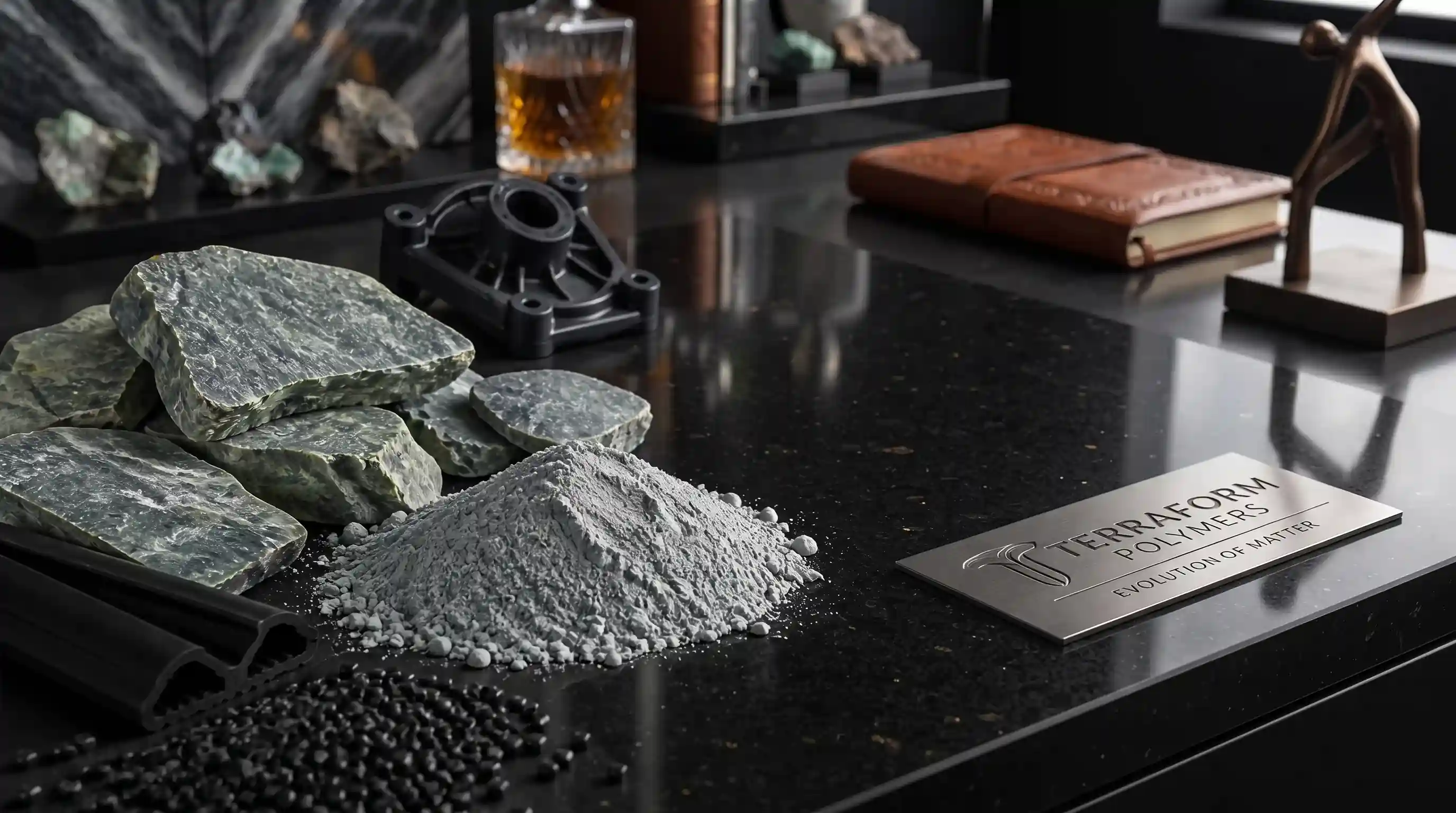
برچسب: Industrial Talc,Getting to Know the Types of Meshing in Industrial Talc Powder,
نویسنده: رساوب آفرین