
درباره سایت
آخرین مطالب
- اکسید لیمونیت (گل ماش) استاندارد جدید در صنایع پوشش صنعتی
- کائولن باکیفیت کانی سنگ برای کاغذسازی مش 450 تا 1500
- سیلیس باکیفیت کانی سنگ امیران برای صنایع سرامیک با مش ۱۰ تا ۴۵۰
- تالک صنعتی با دانه بندی استاندارد برای کاربردهای صنعتی
- کائولن مرغوب کانی سنگ امیران برای رنگ و لعاب با مش 450 تا 1500
- کائولن درجه یک کانی سنگ امیران برای کاشی و لعاب مش 450 تا 1500
- خرید کائولن اصیل کانی سنگ برای کاشی و کاغذ دانه بندی 450 تا 1500
- دریافت کاتالوگ و آنالیز فنی کربنات کلسیم ۸۰۰ مش
- سیلیس صنعتی کانی سنگ امیران برای صنایع شیشه در مش ۱۰ تا ۴۵۰
- خرید فلدسپات به عنوان مواد اولیه صنایع شیشه و سرامیک
امکانات وب
Introduction to Kaolin and Its Role in Industry
Kaolin mineral is known as one of the most important hydrated aluminum silicates, which has numerous applications in various industrial fields. Understanding the physical and chemical properties of this material is a guide for engineers and industrialists to improve the final quality of products. In this article, we intend to examine the various dimensions of this valuable mineral powder.
Kani Sang Amiran project, as a mineral producer, supplies this material with standard technical specifications. To lea more about the features and to place an order, you can visit the buy kaolin page to obtain more complete information.
The prominent feature of this mineral is its high purity, white color, and lamellar structure, which makes it applicable in various industries such as the production of some mineral and construction products. A precise examination of these features requires an understanding of its crystal structure.
In the following sections, we will examine the applications of this material more professionally in the tile and ceramic, glazing, paper, and paint industries so that the various dimensions of using this mineral are revealed more clearly.
Features and Technical Specifications of Kaolin
Kaolin mineral has specific physical and chemical properties that distinguish it from other industrial soils. The standard mesh range of this material is between 450 and 1500 mesh, which makes it possible to use it in precise engineering formulations.
The layered structure of this material improves the mechanical and aesthetic properties of the products in which it is used. Also, suitable thermal stability and resistance to chemical reactions are other technical advantages of this material.
Mineral producers always strive to maintain the granulation of this powder within the standard range by using advanced processing equipment. This has a direct impact on the final quality of the products of consumer factories.
The natural white color and the absence of harmful impurities make this material an ideal option for sensitive industries, which will be discussed in detail in the following sections.
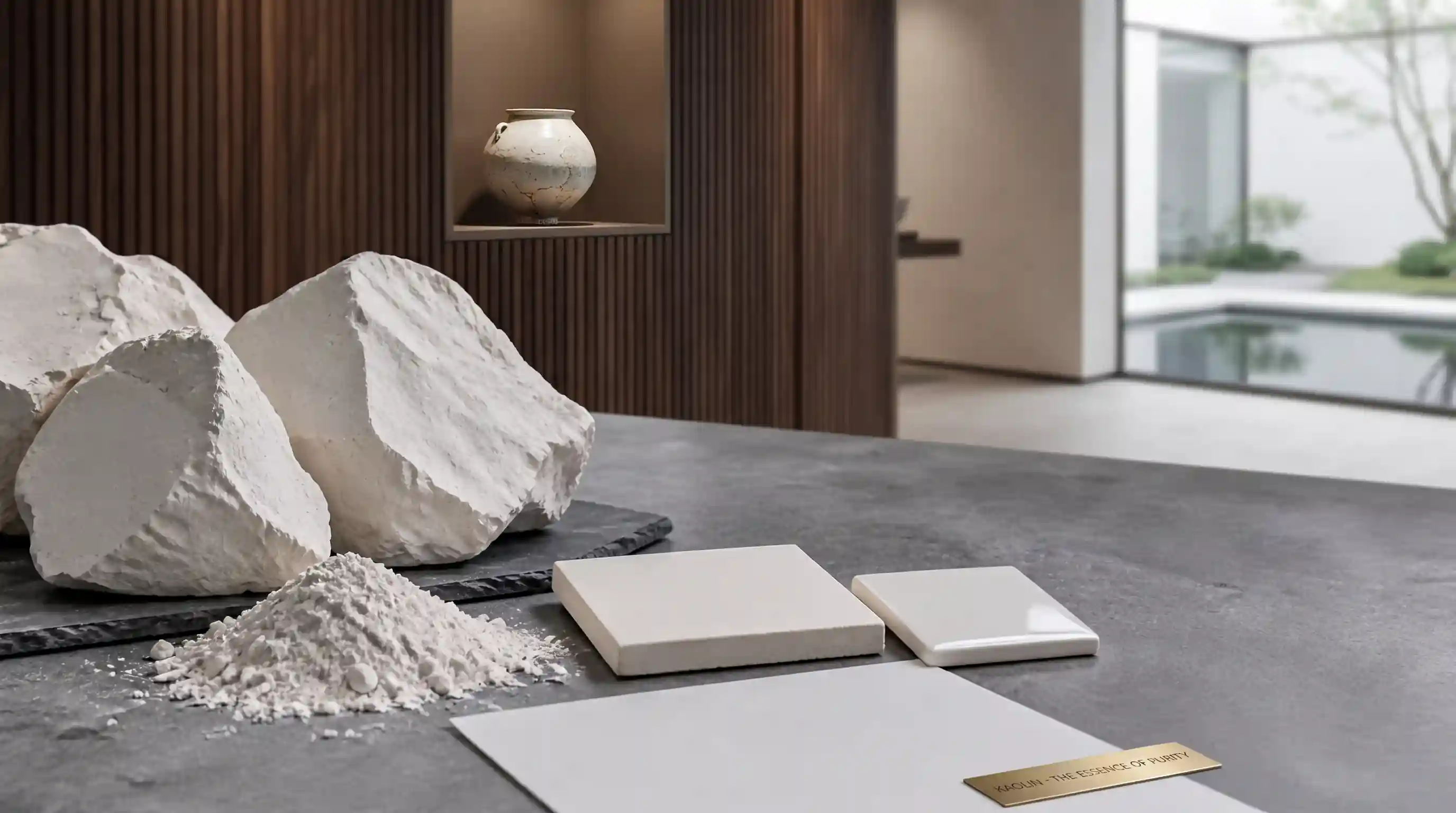
Application of Kaolin in the Tile and Ceramic Industry
The tile and ceramic industry is one of the largest consumers of minerals, and kaolin has a special place in this industry. This material is used as a key component in the body of tiles and ceramics and plays an important role in the dimensional stability and thermal strength of the parts.
For further study on the technical details of this field, it is recommended to read the specialized article Investigating the Technical Benefits of Using Kaolin in Ceramics, which addresses engineering points and optimal formulations.
The presence of this mineral in the ceramic body reduces firing shrinkage and improves the drying process. This feature prevents cracking and deformation of products in firing kilns.
The 450 to 1500 mesh range of this material allows for uniform distribution of particles in ceramic slurry and ultimately provides a smooth and homogeneous surface for products.
Role of Kaolin in the Production of Industrial Glazes
Glazing is one of the sensitive and precise industries that requires high-quality raw materials free of impurities. Due to its excellent suspending property and suitable melting point, kaolin is considered one of the main pillars of making ceramic glazes.
This material helps to keep particles suspended in the glaze slurry and prevents their early sedimentation. Also, after firing, it creates a transparent, uniform, and flawless coating on the ceramic body.
Controlling the amount of iron and other impurities in this mineral is very important to prevent glaze discoloration. Advanced processing projects strive to supply a powder with the highest degree of purity to this industry.
Using the appropriate mesh (450 1500 mesh) in glazing ensures that chemical reactions are carried out in the best way at the firing temperature, resulting in a glaze resistant to abrasion and chemicals.
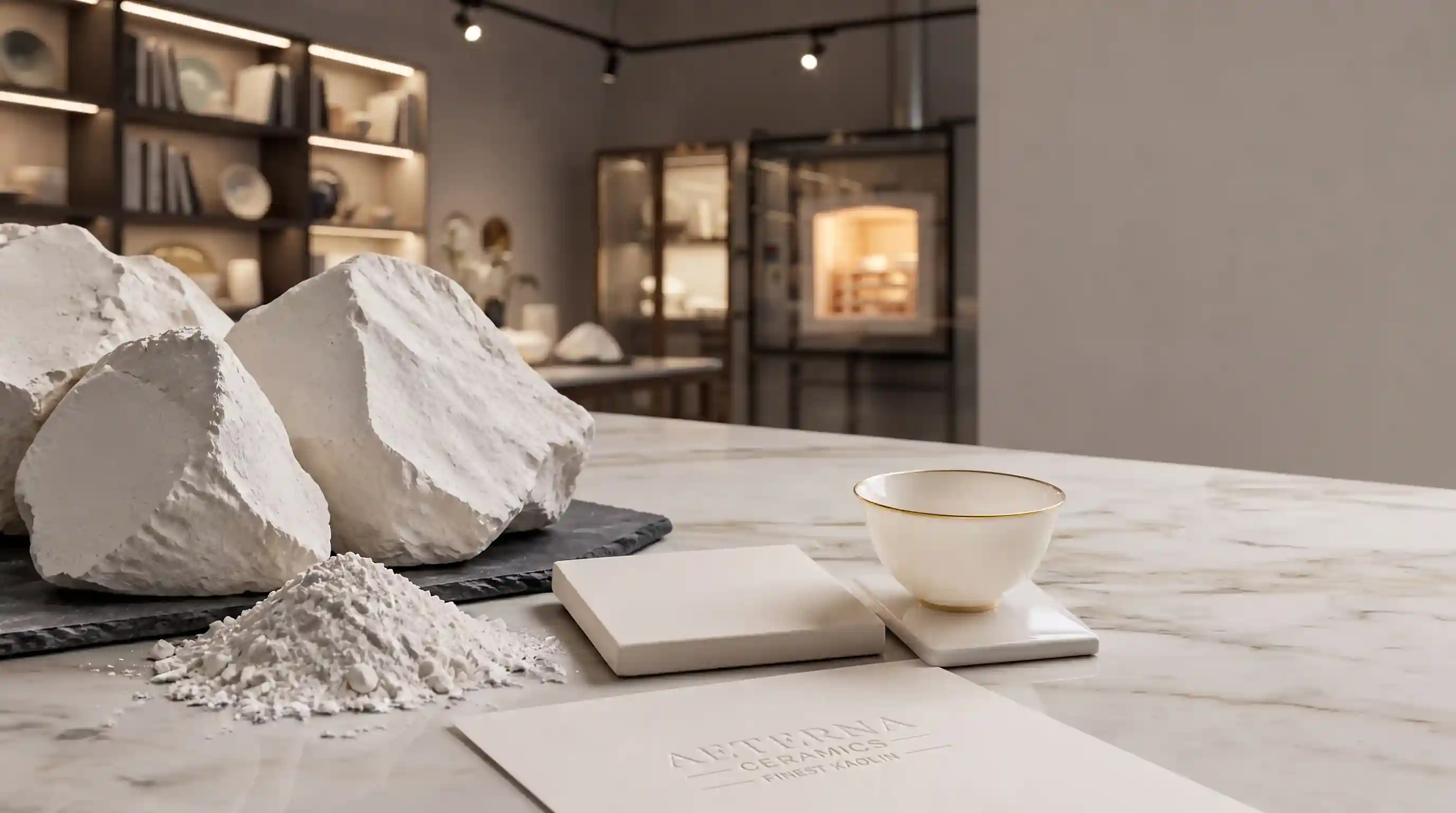
Application of Kaolin in the Paper and Cellulose Industries
The papermaking industry is another major consumer of kaolin, using this material as a filler and paper surface coater. The lamellar structure of this material improves the smoothness, brightness, and printability of paper.
When this mineral powder is added to paper pulp, it fills the void space between cellulose fibers and increases the opacity of the paper and reduces the amount of ink consumed in printing.
In addition, coating the paper surface with this mineral helps significantly improve its whiteness and ink absorption capacity. The precise granulation of this powder prevents uneveess on the paper surface.
By utilizing this standard mineral, paper manufacturers produce products with higher quality suitable for printing and writing uses, which meet inteational standards.
Kaolin in the Paint and Coatings Industry
The paint and industrial coatings industry has an urgent need for high-quality mineral fillers. To lea about more details in this field, reading the article Application of Kaolin in the Paint and Industrial Coatings Industry will be very helpful.
This material is used as an inexpensive but high-quality filler in the formulation of water-based and oil-based paints. The purity and whiteness of this powder help improve the coverage power of the paint and reduce the consumption of titanium dioxide.
The crystal structure of kaolin improves the resistance of the paint film against atmospheric factors, moisture, and abrasion. It also prevents paint sedimentation in storage and imparts suitable viscosity to the product.
The choice of appropriate mesh in this industry depends on the type of paint (matte or glossy), and the 450 to 1500 mesh range provides the necessary flexibility for paint formulators.
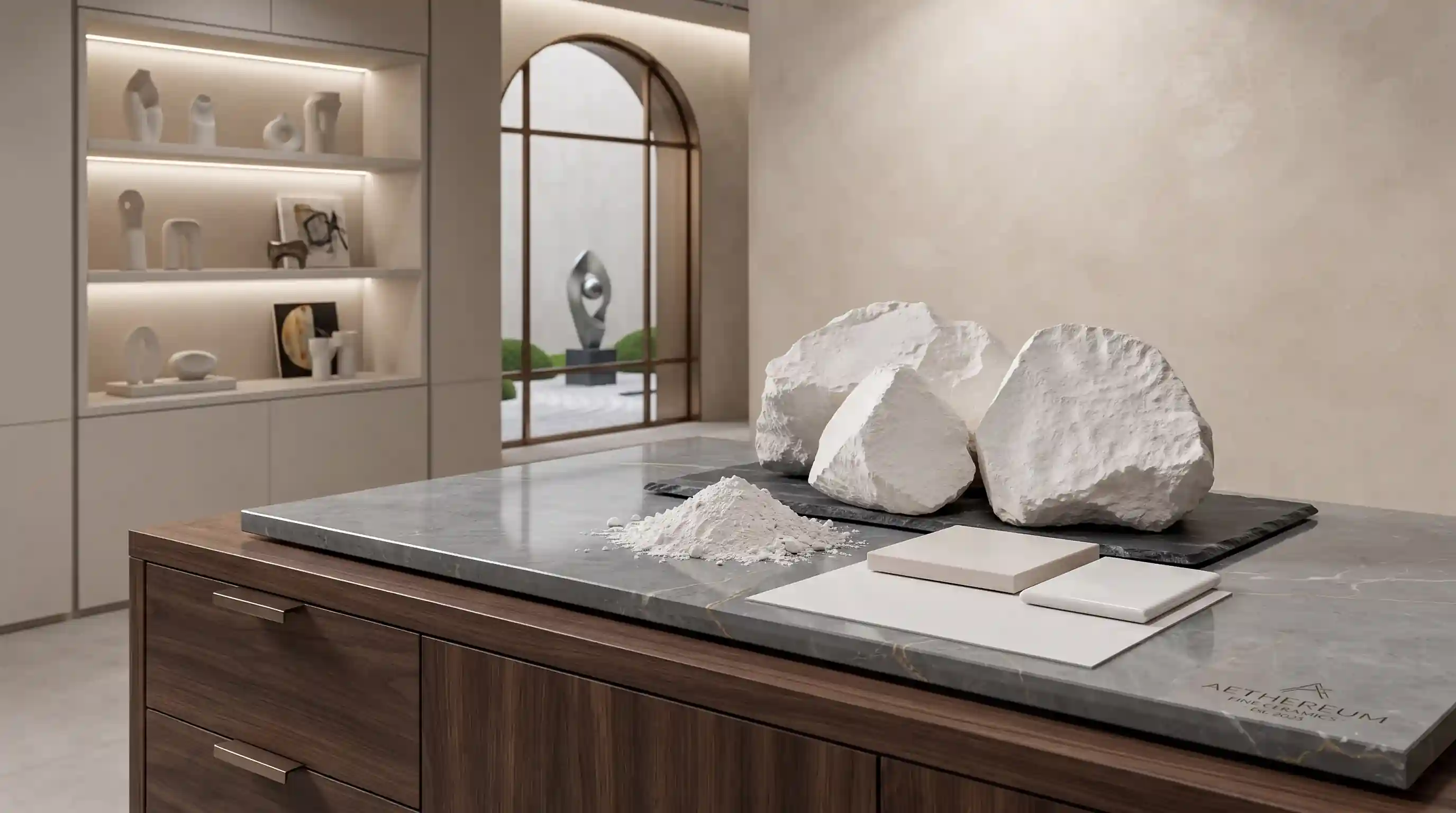
Investigating Other Applications and the Rubber Industry
Although the main applications of kaolin are summarized in the tile, ceramic, glaze, paper, and paint industries, this material is also used in some other side industries. For instance, reading the article Investigating the Application of Kaolin in the Car Tire Manufacturing Industry reveals other dimensions of the uses of this mineral.
In the rubber industry, this material is used as a filler to improve the mechanical properties, tensile strength, and abrasion resistance of rubber products and facilitates the optimization of formulations.
Homogeneous dispersion of this powder in the polymer matrix improves the durability of rubber parts. Kani Sang Amiran project, focusing on quality, supplies minerals tailored to industrial needs.
A precise understanding of the physical and chemical properties of this mineral helps engineers maximize the efficiency of their production lines and enhance the quality of final products.
Conclusion and Summary
In this article, we conducted a comprehensive review of kaolin, its technical specifications, and its wide applications in the tile, ceramic, glaze, paper, and paint industries. It became clear that the 450 to 1500 mesh range of this material plays a key role in aligning it with the specialized needs of production lines.
Adherence to quality standards in the processing of this mineral by the Kani Sang Amiran project guarantees its optimal performance in various industries. Industrialists can improve the quality of their products by relying on these features.
We hope that this article has been able to provide a clear perspective on the importance of this mineral and its role in improving industrial processes. Careful selection of raw materials is always the foundation and basis for producing high-quality products.
To obtain more information and receive specialized advice in the field of mineral supply, communicating with the experts of the Kani Sang Amiran group will be the best path for industrial activists.

| Question | Answer |
|---|---|
| What is Kaolin? | It is a hydrated aluminum silicate mineral with a white color and a layered structure. |
| What are the main applications of Kaolin? | It is used in tile, ceramic products, glaze, paper, and paint industries. |
| What is the mesh range of the supplied Kaolin? | The mesh range of this material is between 450 and 1500 mesh. |
| What is the role of Kaolin in the tile and ceramic industry? | It improves dimensional stability, reduces firing shrinkage, and increases strength. |
| Why is Kaolin used in glazing? | Due to its suspending property and the creation of a transparent and uniform coating after firing. |
| What is the application of Kaolin in the paper industry? | As a filler and coating agent to improve the smoothness, brightness, and opacity of paper. |
| What is the advantage of Kaolin in painting? | Improving coverage power, resistance to moisture, and reducing titanium dioxide consumption. |
| Is Kaolin also used in the rubber industry? | Yes, it is used as a filler to improve mechanical properties and tensile strength. |
| Who is the producer of this mineral? | Kani Sang Amiran project — Mineral production. |
| How can Kaolin be obtained? | It can be ordered through the product page of the Kani Sang Amiran website. |
Kani Sang Amiran Project — Mineral production and specialized mineral resources
برچسب: Kaolin,Investigating the Importance of Kaolin in Casting and Molding Industries,
نویسنده: رساوب آفرین