
درباره سایت
آخرین مطالب
- انتخاب اکسید آهن قرمز (اخرا) برای بهبود کیفیت پیگمنت و پوششهای رنگی
- تامین کربنات کلسیم با دانهبندی دقیق جهت استفاده در مستربچ
- تأمین تخصصی سیلیس برای مصالح ساختمانی، شیشه و صنایع سرامیک
- ویژگیهای فنی بنتونیت کانی سنگ امیران برای کاربردهای خاص
- فلدسپات کانی سنگ امیران برای شیشه کاشی و سرامیک
- کاربرد تالک سفید درجه یک در فرمولاسیون پیشرفته رنگ و محصولات کاغذی
- اکسید آهن قرمز (اخرا) کاربردی جهت تولید محصولات سرامیکی و پوشش
- مشخصات فنی اکسید آهن قرمز (اخرا) مناسب برای پوشش و تولید پیگمنت
- مشاوره تخصصی خرید کربنات کلسیم بر اساس نیاز دقیق صنعت شما
- انتخاب تالک سفید صنعتی مناسب برای تولیدات کاغذ و مستربچ
امکانات وب
An Introduction to Industrial Barite and Its Economic Significance
Industrial barite is recognized as one of the most important high-density mineral ores, with applications in various industries. The Kani Sang Amiran project, as a producer of mineral materials, offers this product with the highest quality. In this article, we will conduct a comprehensive examination of industrial barite prices and the factors affecting its valuation. For more information, you can visit the Industrial Barite page. Due to its unique physical and chemical properties, this mineral holds a special position in the country's mineral economy, and a precise understanding of its market is essential for industrial players.
Fluctuations in the price of mineral materials depend on numerous factors, including extraction costs, processing, crushing, and granulation. A precise examination of these parameters helps buyers and producers plan better for the procurement of their raw materials. In subsequent sections, we will analyze these factors in detail.
A precise understanding of the technical specifications and applications of this mineral is the foundation for grasping its real value in domestic and inteational markets. Mineral companies are constantly striving to reach consumers with high-quality and cost-effective products by optimizing production processes.
The economic importance of this product is not limited to a single specific industry; rather, the supply chain of various industries is directly dependent on it. An examination of price trends in recent years shows that demand for this mineral has always been on an upward trajectory.
The Role and Importance of Industrial Barite in Drilling Fluids
One of the primary applications of this product in the oil and gas industry is its use in drilling fluids. Its high density significantly contributes to controlling well pressure and operational safety. In this context, studying the related article on investigating the impact of industrial barite on production line efficiency can provide a comprehensive perspective for engineers and industrial managers. This sensitive application requires maintaining high-quality standards in the production and granulation process.
Drilling fluids containing this mineral act as a weighting agent for drilling mud and prevent oil and gas well blowouts. Choosing the appropriate mesh range (200 to 450 mesh) plays a direct role in the viscosity and stability of the drilling fluid.
In addition to the drilling industry, other industries such as electrode manufacturing and rubber and plastic products also benefit from this valuable material, each requiring its own specific technical specifications. The quality of drilling mud depends directly on the purity and granulation of this mineral.
By precisely controlling physical parameters, producers strive to provide a homogeneous and standard product for deep drilling operations to minimize operational risks.

Application of Industrial Barite in Electrode Manufacturing Industries
In the electrode manufacturing industry, this mineral is used as a filler and an improver of physical and electrical properties. The presence of this mineral in the formulation of electrodes helps stabilize the electric arc and improve welding quality. Mineral experts always emphasize the supply of raw materials with precise granulation.
Choosing the right mesh for this application is of great importance. The 200 to 450 mesh range can well cover the technological needs of electrode production lines and ensure the uniformity of the final product.
Valuation of this material for electrode industries is performed based on the purity level, the absence of harmful impurities, and the particle size distribution. Adherence to these standards leads to an increase in the lifespan and efficiency of welding electrodes.
Also, for a better understanding of the differences between widely used mineral materials in the industry, comparing it with other fillers such as examining white talc price and factors affecting its valuation provides useful information to readers.
Application of Industrial Barite in Rubber and Plastic Products
Rubber and plastic manufacturing industries are other major consumers of this mineral. In these products, adding mineral powder as a filler leads to increased weight, improved mechanical strength, and a reduction in the final cost of the product. An examination of investigating physical and mechanical properties of industrial talc powder also shows how much the correct selection of fillers is effective in the quality of polymers.
Particles with a 200 to 450 mesh range are well distributed in the polymer and rubber matrix and improve the tensile and abrasive properties of the product. Uniform particle dispersion prevents the creation of weak points in the polymer structure.
Factors affecting the price of this material for plastic industries include whiteness, granulation, and oil absorption levels, which manufacturers strive to offer the best product to the market by controlling quality strictly.
Optimal use of these minerals in polymer industries, in addition to improving mechanical properties, significantly helps in the dimensional stability of manufactured parts against heat and pressure.

Factors Affecting the Determination of Industrial Barite Prices in the Market
The price of this product is influenced by several key factors. Extraction costs from the mine, transportation of raw materials to the processing plant, and energy and fuel costs for milling and granulation are among the most important components making up the final price. The 200 to 450 mesh range requires advanced crushing equipment.
The level of chemical purity, the amount of barium sulfate present, and the absence of iron and free silica impurities are other parameters determining the commercial value of this mineral. Products with higher purity usually have a higher price.
The level of demand in domestic and global markets, especially the boom in oil and gas drilling projects, plays a direct role in the price fluctuations of this product. Exchange rate developments also affect the costs of equipment and spare parts for production lines.
The Kani Sang Amiran project, by optimizing production costs and direct supply, strives to create an appropriate balance between quality and price for its industrial customers.
Production Process, Granulation, and the Importance of the 200 450 Mesh Range
The production process of this mineral includes stages of explosive extraction, primary crushing, washing, drying, and advanced milling. Precise control of particle dimensions in the 200 to 450 mesh range requires the use of air classification systems or mode industrial sieves.
The finer the particle dimensions and the more uniform their distribution, the higher the added value of the final product, and its application in more sensitive industries like plastics and electrodes becomes easier. This stage requires constant laboratory supervision.
Quality control tests include determining density, particle oncology, moisture measurement, and chemical tests to ensure that the final product is prepared exactly according to customer requirements.
Mode crushing equipment in processing plants plays a key role in achieving this standard mesh range and prevents the waste of mineral materials.
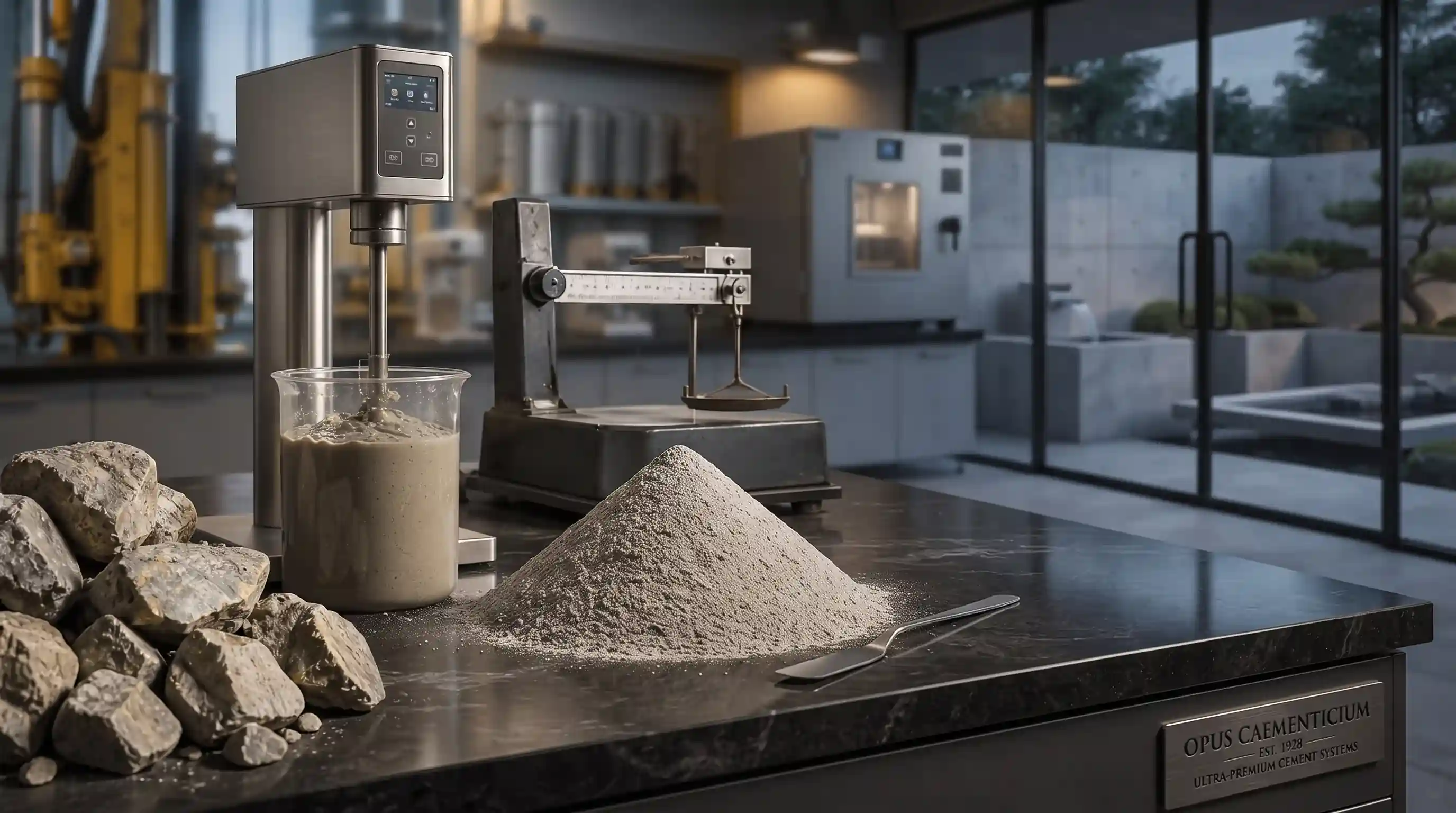
Supply, Packaging, and Logistics in the Industrial Barite Market
The logistics sector and the method of packaging play a significant role in the final price of delivering mineral materials to factories. Packaging in resistant propylene bags (jumbo bags or smaller bags) prevents moisture penetration and damage to the product during transportation.
Transportation costs from the mine and processing plant to the final consumer location vary depending on the distance. Precise logistical plaing can help reduce the final costs for consumer industries.
Stable and timely supply of raw materials is one of the main conces of purchasing managers. Collaborating with reputable producers such as the Kani Sang Amiran project will guarantee the continuity of industrial production lines.
Adherence to safety and environmental standards in storage and transportation of these products is among the legal and professional requirements of the mining industry.
Conclusion and Future Outlook of the Industrial Barite Market
In this article, a comprehensive examination of the price and valuation of this mineral was conducted. It was found that the widespread applications in drilling fluids, electrodes, and rubber and plastic products have always kept the demand for this product at a high level.
The 200 to 450 mesh range, as a common consumer standard, meets the diverse needs of different industries. Economic factors, processing costs, and chemical purity are the most important variables determining the price.
The market outlook shows that with the development of new technologies and the increasing needs of domestic industries, the necessity for access to high-quality mineral materials will be felt more than ever. The Kani Sang Amiran project, relying on technical knowledge and production standards, is ready to serve the industrial sector of the country.
We hope this study is a useful guide for engineers, researchers, and those involved in the field of mining and related industries to make more optimal decisions in their supply chain.

| Question | Answer |
|---|---|
| What is industrial barite? | It is a high-density mineral ore used as a filler and weighting agent in various industries. |
| What are the main applications of industrial barite? | Drilling fluids, electrodes, rubber products, and plastic products. |
| What is the production mesh range for this product? | The mesh range of this product is between 200 and 450 mesh. |
| What factors affect the price of industrial barite? | Extraction costs, crushing, granulation, chemical purity level, and transportation costs. |
| Is this product used in the plastic industry? | Yes, it is used as a filler to improve mechanical properties and reduce final cost. |
| What is the role of barite in drilling fluids? | It acts as a weighting agent for drilling mud to control well pressure. |
| How can this product be purchased? | It can be ordered through the dedicated product page on the Kani Sang Amiran project website. |
| How is this product packaged? | It is packaged in resistant propylene bags and jumbo bags to prevent damage and moisture. |
| Does chemical purity affect the price? | Yes, the amount of barium sulfate and the absence of impurities play a direct role in determining the value. |
| Which group is the producer of this product? | The Kani Sang Amiran project is the producer of this mineral material. |
Kani Sang Amiran Project — Reference for production and processing of industrial mineral materials.

برچسب: Industrial Barite,Examination of Industrial Barite Prices and Factors Affecting Its Valuation,
نویسنده: رساوب آفرین