
درباره سایت
آخرین مطالب
- انتخاب اکسید آهن قرمز (اخرا) برای بهبود کیفیت پیگمنت و پوششهای رنگی
- تامین کربنات کلسیم با دانهبندی دقیق جهت استفاده در مستربچ
- تأمین تخصصی سیلیس برای مصالح ساختمانی، شیشه و صنایع سرامیک
- ویژگیهای فنی بنتونیت کانی سنگ امیران برای کاربردهای خاص
- فلدسپات کانی سنگ امیران برای شیشه کاشی و سرامیک
- کاربرد تالک سفید درجه یک در فرمولاسیون پیشرفته رنگ و محصولات کاغذی
- اکسید آهن قرمز (اخرا) کاربردی جهت تولید محصولات سرامیکی و پوشش
- مشخصات فنی اکسید آهن قرمز (اخرا) مناسب برای پوشش و تولید پیگمنت
- مشاوره تخصصی خرید کربنات کلسیم بر اساس نیاز دقیق صنعت شما
- انتخاب تالک سفید صنعتی مناسب برای تولیدات کاغذ و مستربچ
امکانات وب
Introduction to the Importance of White Talc in Mode Industries
Mineral and chemical industries have always been looking for high-quality and efficient raw materials to enhance the technical and qualitative characteristics of their final products. Among various mineral fillers, white talc is recognized as one of the most practical and valuable raw materials, which has found a special place in mode production lines due to its flaky (layered) structure, extraordinary softness, and high purity. The Kani Sang Amiran project, focusing on the principled extraction and processing of minerals, has made it possible to access this valuable material with optimal quality standards.
Due to its unique physical and chemical characteristics, this mineral not only helps to improve the mechanical and aesthetic properties of products but also plays a significant role in optimizing production costs. A detailed examination of this material's behavior shows how it can be utilized in various specialized fields. To better understand the role of mineral fillers in related industries, reading specialized articles such as Application of Kaolin in Paint and Industrial Coatings provides experts with a comprehensive perspective on the synergy of mineral materials.
The precise selection of raw materials in industries such as paint, masterbatch, and compounding directly affects the durability and performance of the final product. The smart use of this mineral filler allows engineers and industrial designers to achieve an ideal balance between cost price and build quality. In the rest of this article, we will examine the various dimensions of the applications, advantages, and technical features of this widely used mineral powder in detail to serve as a comprehensive guide for those active in this field.
Technical Specifications and Particle Size Analysis of White Talc
Accurate knowledge of the physical and chemical characteristics of raw materials is the first step toward industrial productivity. The white talc supplied by the Kani Sang Amiran project is processed and offered in a wide and practical mesh range of 450 to 2500 mesh. This variety in particle size allows manufacturers to choose the best mesh according to their formulation type and viscosity or coating requirements. Finer particles in this range create a smoother surface and better barrier properties.
The crystal structure of this material is such that its particles easily slide over each other, and this feature reduces inteal friction in polymer compounds and paints. The purity of color and the absence of dark impurities in this particular type of talc make it an ideal option for applications where the final whiteness and brightness of the product are of high importance. This technical feature is exactly what production engineers need to precisely control the physical properties of their parts.
Compared to other mineral carbonates and silicates, talc powder shows different behavior under mechanical and thermal stresses. To supplement the information of material engineers regarding the selection of supplementary mineral fillers, reviewing articles such as Comprehensive Guide to Using Coated Calcium Carbonate in Paint Manufacturing can create a better understanding of how fillers interact in chemical matrices and facilitate formulation optimization.
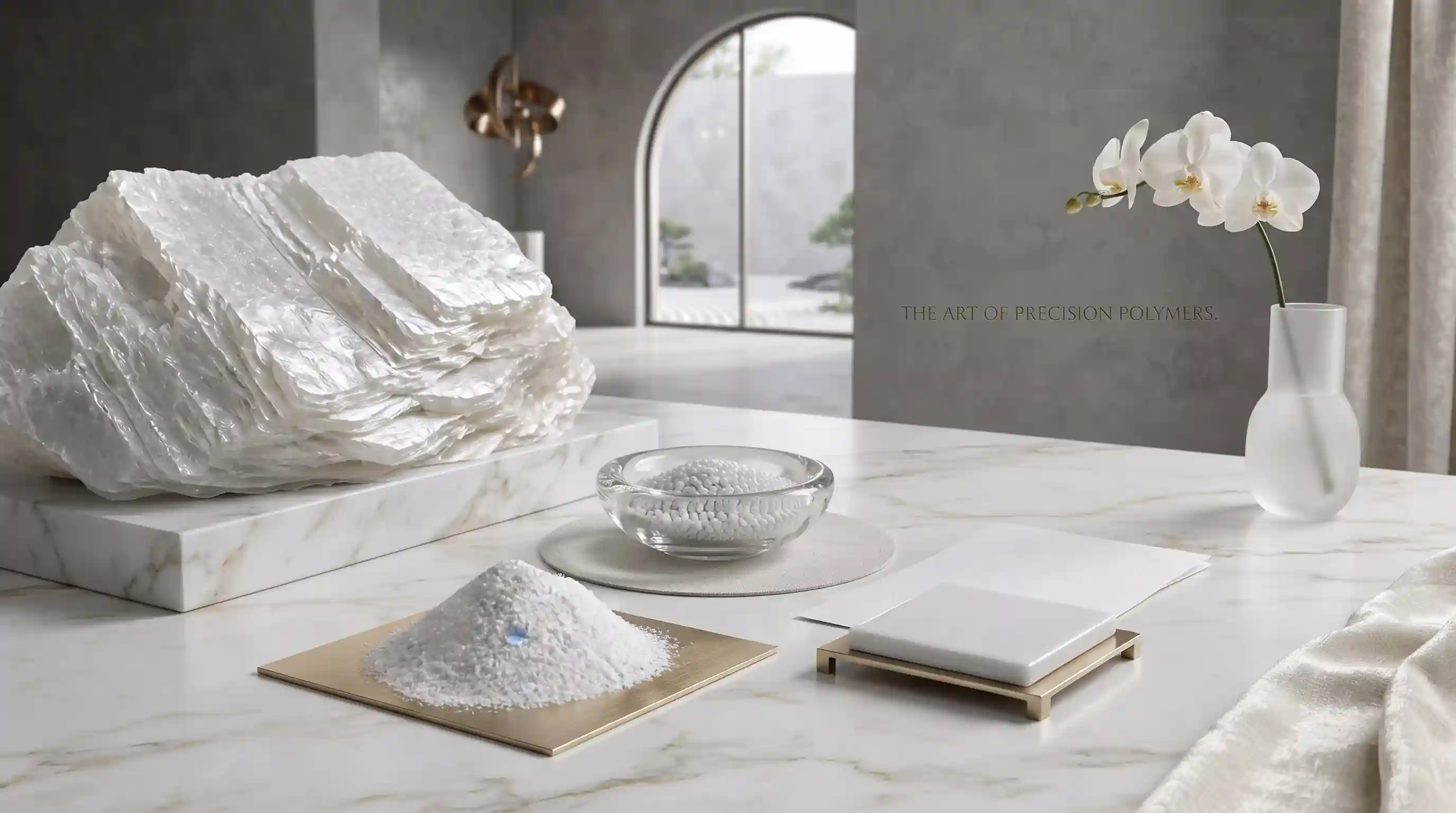
Key Role of White Talc in the Paint and Coatings Industry
The paint and industrial coatings industry is always looking for additives that, in addition to improving covering power, increase the stability of the paint film against atmospheric factors. The use of white talc in the formulation of various architectural and industrial paints brings significant advantages. This material acts as an active extender or filler and contributes significantly to improving the paint's adhesion to the substrate.
One of the most important features of this material in paint manufacturing is preventing the paint layer from peeling and cracking after drying. The flaky particles of this mineral powder make the path of moisture and oxygen penetration into the paint layer longer, consequently significantly increasing the corrosion resistance of metal coatings. Also, controlling the gloss and matting of paints is another prominent function of this material in mode formulations.
Furthermore, the presence of this powder in paints helps improve the sandability and smoothing of surfaces, which is very important for painters and the automotive and wood industries. High chemical stability against weak acids and bases also maximizes the useful life of the paint in industrial environments and reduces maintenance and structure reconstruction costs.
Application of White Talc in Masterbatch and Polymer Compounding Industries
The polymer, masterbatch, and compounding industries require fillers that, in addition to being compatible with various polymer bases such as polypropylene and polyethylene, enhance the mechanical properties of the final product. White talc, due to its high modulus of elasticity, is considered one of the best options for increasing the hardness, heat resistance, and stiffness of manufactured plastic parts. This material helps to distribute stress uniformly within the polymer matrix.
In the engineering compound production process, using this mineral powder with appropriate mesh size reduces mold shrinkage and significantly improves the dimensional stability of injection-molded parts. This feature is of vital importance in the production of automotive parts, home appliances, and electronic casings that require high dimensional accuracy. Also, the natural lubricating property of the particles facilitates the flow of the polymer melt in extruders.
Reducing the final cost of producing masterbatches and compounds without sacrificing quality is another economic advantage of using this mineral. Manufacturers can maintain the surface quality of parts by utilizing high-mesh grades of this powder, while at the same time bringing the tensile and impact properties of their products to the desired standard level.
Application of White Talc in the Paper and Cellulose Industry
The papermaking industry is always faced with challenges such as improving print quality, increasing whiteness, and reducing the consumption of expensive cellulosic fibers. White talc is used as an excellent filler and coating agent in the process of producing various types of paper and cardboard. This material helps to fill the empty spaces between cellulose fibers and provides a smooth, level, and uniform surface for printing.
Improving the optical properties of paper, including whiteness, brightness, and opacity, are direct benefits of using this mineral powder. The fine and flaky particles of this material sit well on the paper surface and prevent ink from bleeding through to the back of the page, which noticeably enhances the quality of double-sided printing. Also, this material optimizes ink absorption on the paper surface.
From a process perspective, adding this powder to paper pulp improves water drainage in papermaking machines and increases the production line speed. Resistance to grease and moisture are other features that the presence of this mineral imparts to cellulose products, making them suitable for specialized and resistant packaging.
The Role of White Talc in the Ceramic and Refractory Industry
The ceramics industry and the production of tiles and ceramics are highly in need of raw materials that have high thermal stability and resist sudden temperature changes. White talc, due to its magnesium silicate-based composition, plays an important role in reducing the firing temperature of ceramic bodies and improving the technical properties of refractory products. This material acts as a mild thermal flux and stabilizes the glassy phases in the ceramic structure.
Using this mineral powder in ceramic body formulations reduces the coefficient of thermal expansion and consequently significantly increases resistance to thermal shock. This feature is of high importance, especially in the production of ceramic tableware, floor and wall tiles, and engineering sections. For engineers interested in developing knowledge of ceramics, reading the article Reviewing the Technical Benefits of Using Kaolin in Ceramics provides complementary and valuable frameworks in the field of combining refractory minerals.
The presence of this material in ceramic glazes also helps to control viscosity and improve the surface quality of the glaze, preventing problems such as crazing. The Kani Sang Amiran project, by offering standard products, has brought a stable supply chain to the country's ceramic factories.
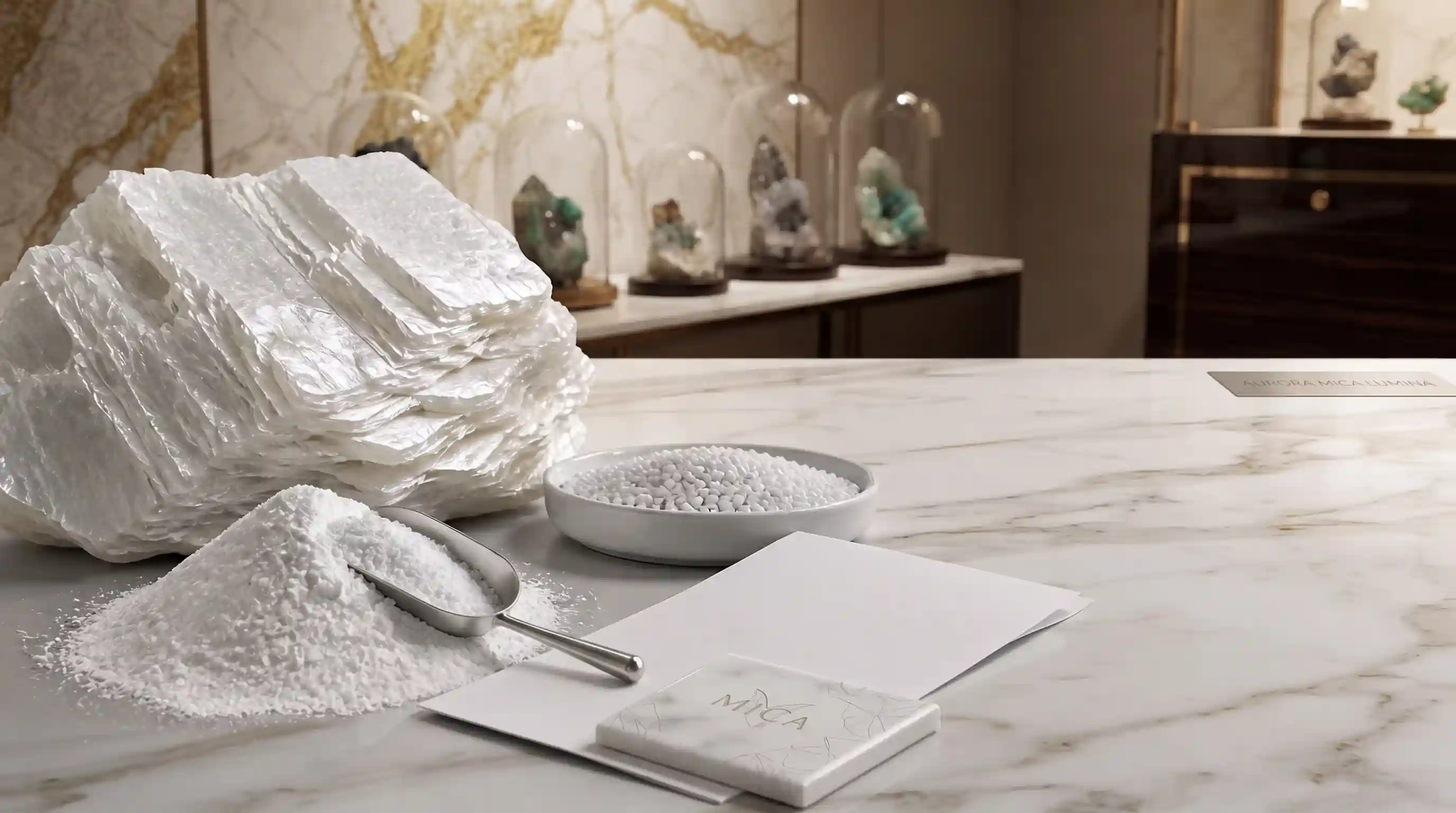
Economic Advantages and Industrial Formulation Optimization with White Talc
In today's industrial economy, managing production costs while maintaining or improving quality is the most vital duty of senior managers and formulation engineers. White talc, as a strategic raw material, by offering high efficiency and a reasonable price, is recognized as a powerful tool in optimizing the cost price of products. Replacing part of the expensive polymer or chemical materials with this mineral filler is done without sacrificing quality.
Optimizing energy consumption in extrusion, firing, and milling processes due to the physical properties of this mineral powder significantly reduces overhead production costs. For example, reducing firing temperature in ceramics or reducing mixing time in masterbatch production are among the direct effects of the smart use of this material. The Kani Sang Amiran project, by guaranteeing continuous quality, assures manufacturers that their formulations will not undergo negative changes over time.
Increasing the efficiency of production lines, reducing waste due to product quality non-compliance, and improving final properties that lead to greater customer satisfaction are all undeniable benefits that justify the investment in this high-quality mineral. Sustainable industrial development is highly dependent on the optimal use of domestic mineral resources.
Conclusion and Purchase Guide for White Talc from Kani Sang Amiran Project
In this comprehensive article, various dimensions of using white talc in key industries such as masterbatch, compound, paint, paper, and ceramics were examined. It became clear that this material, due to its prominent physical features such as its flaky structure, high purity, and precise particle size in the range of 450 to 2500 mesh, has been able to gain an unrivaled position in the engineering of industrial formulations and meet the stringent needs of manufacturers.
The Kani Sang Amiran project, as one of the pioneers in the production and processing of mineral materials, is always committed to providing high-quality and standard products to the country's dear manufacturers. The right choice of mesh size and the use of specialized advice from this collection's experts will guarantee success in production processes. Dear manufacturers can visit the official product page to get more information, request a price, and place an order.
Investing in high-quality domestic mineral materials not only strengthens industrial independence but also guarantees the dynamism and competitiveness of Iranian products in domestic and foreign markets. Amiran white talc is the key to achieving superior quality and economic optimization in your advanced production lines.
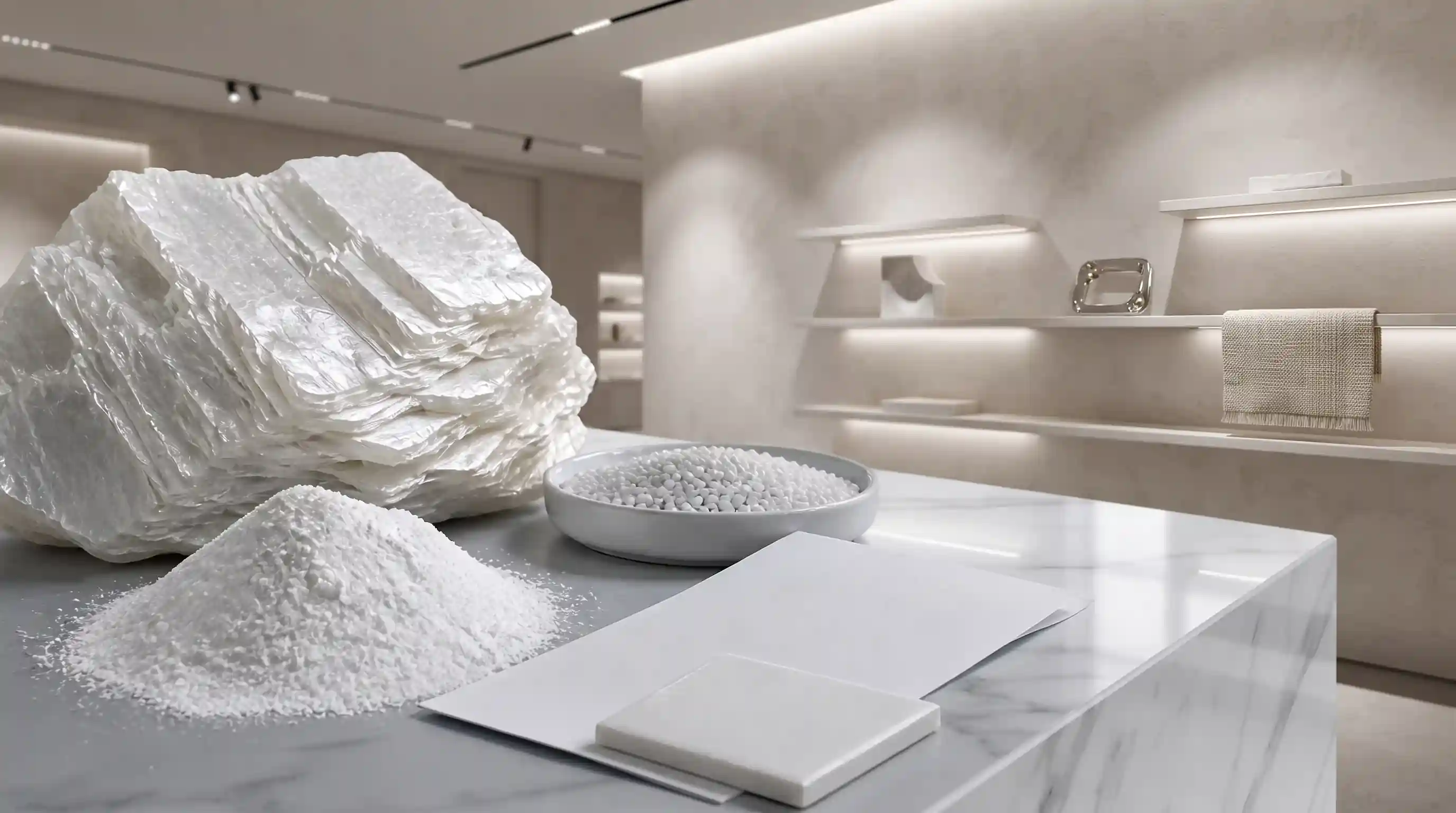
| Question | Answer |
|---|---|
| What is white talc and what are its applications? | White talc is a high-purity mineral filler with a flaky structure used in the masterbatch, compound, paint, paper, and ceramic industries. |
| What is the mesh range of Amiran white talc? | This product is processed and supplied in a practical mesh range of 450 to 2500 mesh. |
| Why is white talc used in the paint industry? | This material improves covering power, increases corrosion resistance, controls gloss, and prevents paint cracking. |
| What is the role of talc in masterbatch and compounding industries? | It increases hardness, heat resistance, dimensional stability, and improves the flow of polymer melt. |
| What is the advantage of using talc in papermaking? | Improving whiteness, opacity, print quality, and increasing drainage speed in paper production lines are its benefits. |
| How does talc help the ceramic industry? | It acts as a mild thermal flux, lowers the firing temperature, and increases resistance to thermal shock. |
| Does white talc help reduce production costs? | Yes, as an economical filler, it reduces costs by reducing the consumption of expensive materials and optimizing energy. |
| How can I choose the right talc for my formulation? | Based on the need for a specific mesh (450 to 2500 mesh) and the type of industrial application, you can consult with Kani Sang Amiran project experts. |
| Does the talc structure affect mechanical properties? | Yes, its flaky structure leads to uniform stress distribution and improved stiffness properties. |
| How can I obtain white talc from the Kani Sang Amiran project? | You can register your order by visiting the official product page on the Kani Sang Amiran website. |
Specialized Reference for Mineral Information and Processing, Kani Sang Amiran Project

برچسب: White Talc,Benefits of Using White Mineral Talc in the Paint Manufacturing Industry,
نویسنده: رساوب آفرین