
درباره سایت
آخرین مطالب
- استخدام أكسيد الليمونيت (الماغش) في صناعات الزجاج
- کاربرد اکسید لیمونیت (گل ماش) در صنایع شیشهسازی
- A Review of Daily Prices for Limonite Oxide (Ocher) in the Market
- چگونه خالص بودن اکسید لیمونیت (گل ماش) را تشخیص دهیم؟
- بررسی قیمت روز اکسید لیمونیت (گل ماش) در بازار
- Application of Limonite Oxide (Gole Mash) in Glassmaking Industries
- كيف تتعرف على نقاء أكسيد الليمونيت (جول ماش)؟
- How to Determine the Purity of Limonite Oxide (Gol Mash)?
- بررسی استانداردهای ایمنی کار با اکسید لیمونیت (گل ماش)
- Comprehensive Guide to Technical Analysis of Limonite Oxide (Gol Mash)
امکانات وب
Complete Introduction to Limonite Oxide (Gole Mash) and Its Position in the Mineral Materials Market
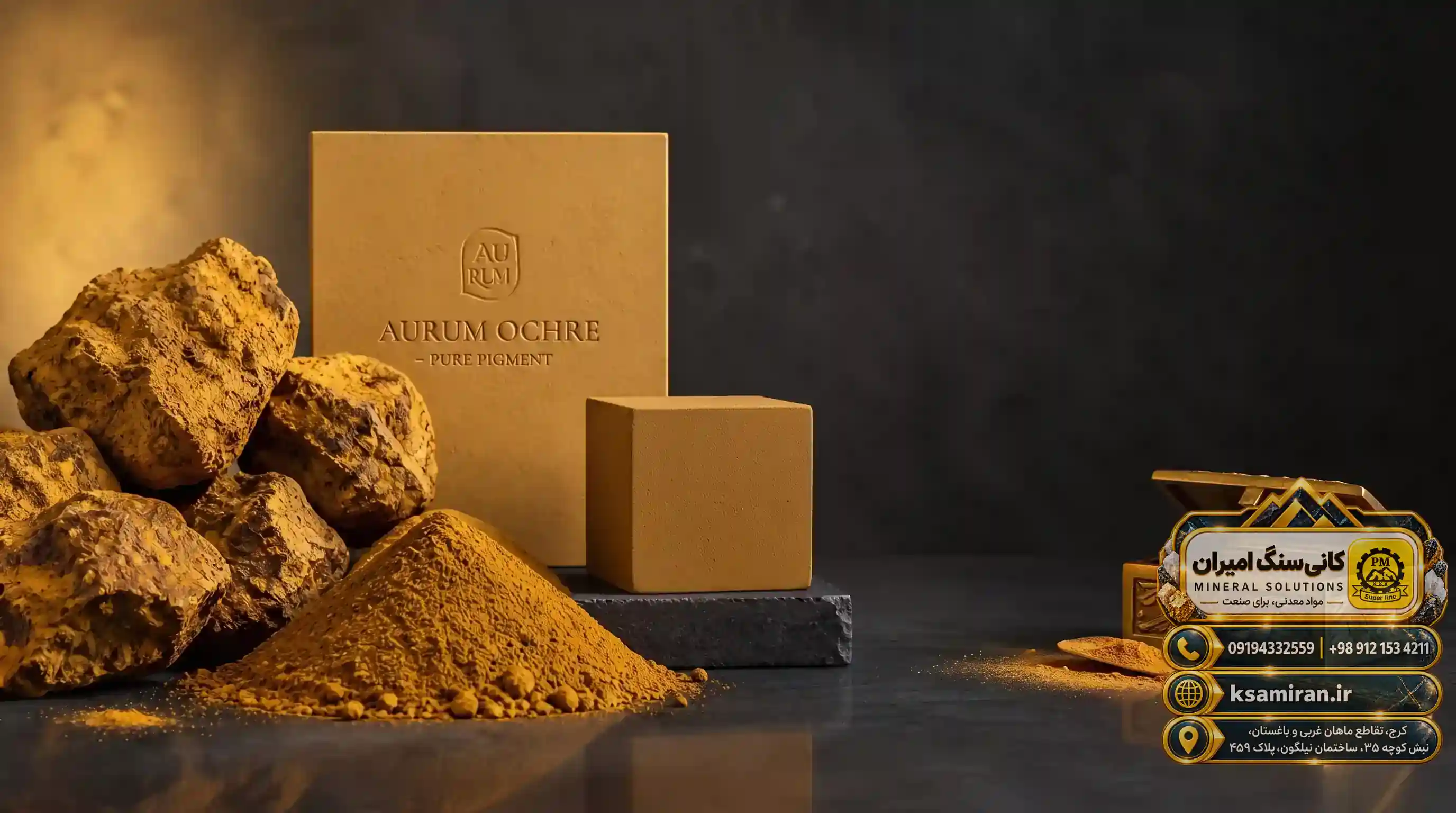
Limonite oxide (Gole Mash) is one of the natural mineral pigments known in the mineral materials market for its distinctive yellow to yellow-brown color. This product falls into the category of iron oxides and, due to its mineral structure, color stability against light and moisture, and environmental compatibility, is used in various industries. In recent years, the increasing tendency of manufacturers to use mineral pigments instead of synthetic colors has further emphasized the importance of this material in domestic and inteational markets. The combination of the technical features and natural nature of this product has made it an attractive option for production lines seeking sustainable and high-quality raw materials.
Reducing the paint industry's dependence on synthetic chemicals, the growing demand for natural raw materials, and stricter environmental requirements have consolidated the position of limonite oxide (Gole Mash) in the supply chain of the paint, coating, and construction industries. Unlike synthetic pigments, which may change color under atmospheric conditions in some applications, natural mineral pigments like limonite usually show higher resistance to environmental factors due to their oxidative nature. These features have led professional buyers to periodically inquire about the price of this product based on their production needs to always stay informed of market conditions.
From a production and supply perspective, this mineral is extracted, dried, milled, and processed, and offered to the market as a powder in the 450 to 1500 mesh range. The variety in particle size is one of the most important factors determining the final price of the product, as the amount of energy, processing time, and precision of milling machines increase significantly at higher meshes. The Kani Sang Amiran Project, as a producer of mineral materials, offers this product to the market focusing on mineral pigments, coatings, and building products, and provides customers with the ability to choose the appropriate particle size.
The purpose of this article is to provide a practical and comprehensive guide for inquiring the price of limonite oxide (Gole Mash). In the following, we will examine the factors affecting the price, the impact of particle size, the role of various applications, the exact steps of price inquiry, supplier selection criteria, and common mistakes in purchasing this product. This guide will help you negotiate with suppliers with a more open and informed perspective and make the best purchasing decision based on the actual needs of your production line. Finally, you can visit the dedicated product page to receive direct product information.
Main Factors Affecting the Price of Limonite Oxide (Gole Mash)
The price of limonite oxide (Gole Mash) is not a fixed number and is influenced by a set of technical, commercial, and market factors. Knowing these factors helps you understand the reason for the difference in prices received from different suppliers and to have a more accurate inquiry. In fact, a professional buyer is someone who, before comparing prices, knows what factors shape that price and which part of the price relates to their actual need and which part relates to side costs.
From a technical perspective, the most important factor affecting the price is the particle size of the product. Processing powder at higher meshes requires more precise mills, longer times, and higher energy consumption, and therefore the price of the product at 1500 mesh will not be the same as its price at 450 mesh. In addition to particle size, the purity level and chemical composition of the product also play a decisive role; pigments that have a more uniform color and fewer impurities gain higher value in more sensitive industries such as paint and coating production. Product moisture, processing method (dry or wet), and particle uniformity are also among the other technical factors affecting the price.
From a commercial perspective, order volume is one of the key factors. High-volume orders usually have different pricing conditions because fixed production and packaging costs decrease per unit of product at higher volumes. The type of packaging (bags, pallets, special packaging for sea or export shipping), the place of delivery, and transportation costs from the factory to the final destination also make up an important part of the final cost. Also, payment terms and the validity period of the price quote can have a direct impact on your purchasing decision.
Ultimately, market factors such as exchange rate fluctuations, changes in fuel and energy costs, demand season, and changes in the global supply of mineral pigments cause the price of limonite oxide (Gole Mash) to change over different time periods. For this reason, a price quote received last month may not be valid today. The important conclusion is that price inquiry should be an up-to-date, documented process based on precise technical specifications, not a simple comparison of a few scattered numbers that do not have the same conditions.
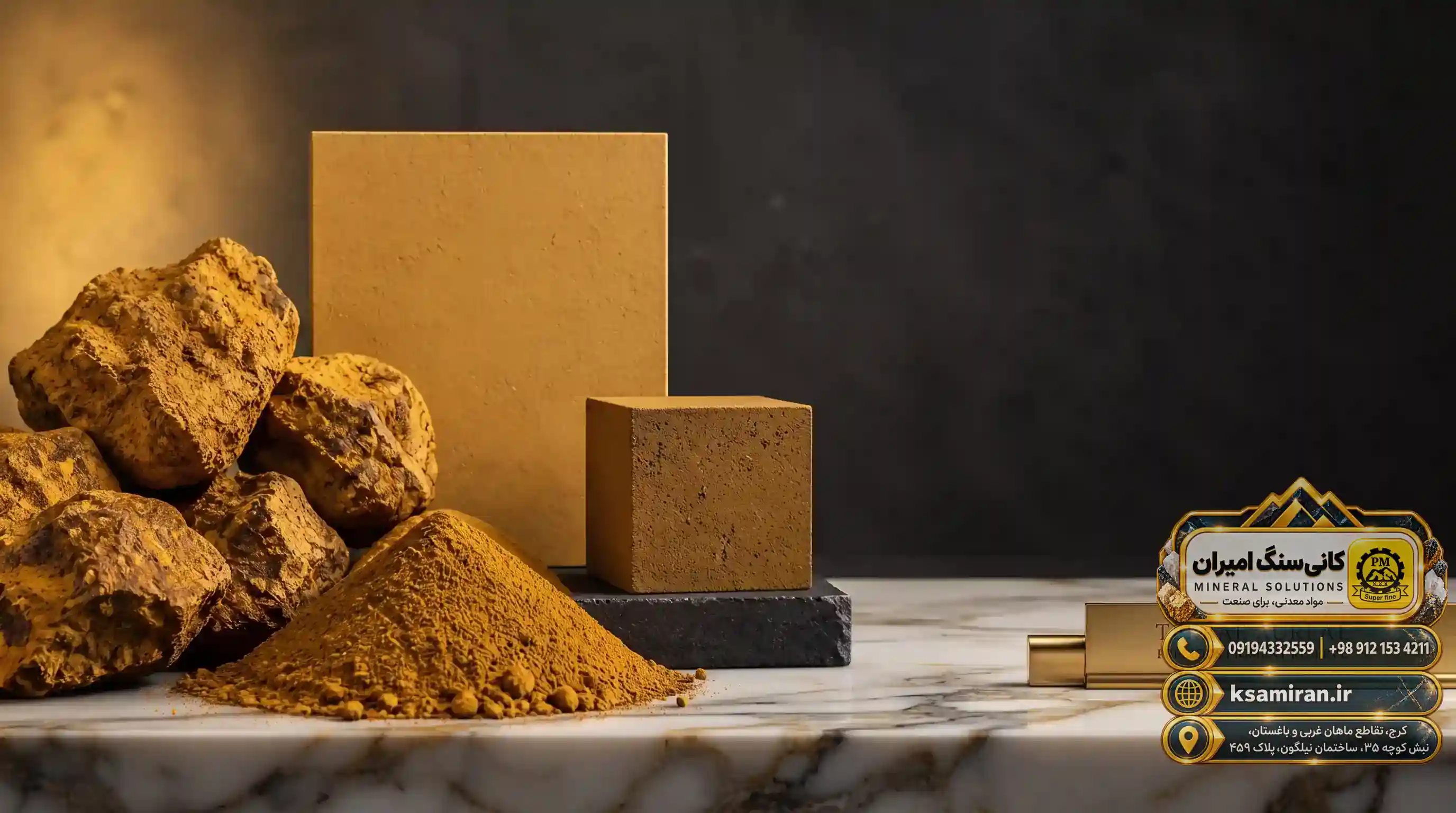
450 to 1500 Mesh Particle Size and Its Effect on the Price of Limonite Oxide (Gole Mash)
One of the most important variables in inquiring the price of limonite oxide (Gole Mash) is the particle size of this product. This product is offered in the 450 to 1500 mesh range, and this wide range shows that the product can cover very different needs. The word "mesh" means the number of holes per inch of the sieve through which the powder passes; the higher the mesh number, the finer the particles and the softer the powder. Therefore, a 1500 mesh product will be considerably softer than a 450 mesh product and will find different applications.
The reason for the price difference in different particle sizes is the production process. To achieve very fine particles, high-power industrial mills, longer processing times, higher energy consumption, and more precise sieves are needed. All of these increase production costs. On the other hand, at lower meshes, production speed is higher and processing cost is lower. For this reason, inquiring the price without precisely determining the desired particle size will definitely not give you an accurate result and may lead to an incorrect comparison of different quotes.
Choosing the right particle size depends entirely on the final application. In mineral pigments and paints that require uniform coverage and a smooth surface, higher meshes and finer particles are usually more suitable because they create better color distribution and a more uniform finished surface. But in building products and some industrial applications where surface appearance is less important, lower meshes can be fully responsive and significantly reduce your costs. Therefore, determining the right mesh is not only a technical issue but also an important economic decision.
To choose the right particle size, you can use the Guide to Selecting the Particle Size of Limonite Oxide (Gole Mash), which provides comprehensive technical and practical tips in this field. Also for non-Persian-speaking users, the Arabic version of this article titled Guide to Selecting the Particle Size of Limonite Oxide (Gole Mash) is available. Before inquiring the price, be sure to specify your desired mesh and ask the supplier to quote the price exactly for that particle size so you can properly compare the offers.
Applications of Limonite Oxide (Gole Mash) and Their Impact on Demand and Price
The applications of limonite oxide (Gole Mash) fall into three main categories: mineral pigments, coatings, and building products. On one hand, this variety of applications is a great advantage of this product, and on the other hand, it causes its demand to be fed simultaneously from several different industries. For a buyer intending to inquire the price, knowing these applications is important because the type of application determines which particle size and quality level is needed and what the final price will look like.
In the field of mineral pigments, limonite oxide (Gole Mash) is used as a natural yellow color in the production of industrial, artistic, and polymer paints. Manufacturers looking for sustainable mineral colors prefer this product due to its light resistance and color stability. In this application, there is usually a need for finer particles and uniform color, which increases the value of the product. The more sensitive the pigment's application, the stricter the quality standards, and the product's price increases accordingly.
In the coating and protective surface paint industry, this product is used to create the final color and resistance to atmospheric factors. Coatings exposed to sun, moisture, and temperature changes benefit from the stability of mineral pigments. In this sector too, the quality of durability and uniformity of the product is important. The market for this application is relatively stable and creates continuous demand for this product, which plays a role in maintaining market dynamics and price transparency.
In building products, this mineral is used for coloring materials, facades, paving, and decorative products. This sector usually has a higher consumption volume and shows less sensitivity to particle fineness, which allows lower meshes and more economical prices to be used in this application. The triple variety of applications causes limonite oxide (Gole Mash) to have broad demand, and the buyer must specify which application they are pursuing before inquiring the price so the supplier can offer the most suitable particle size and price.
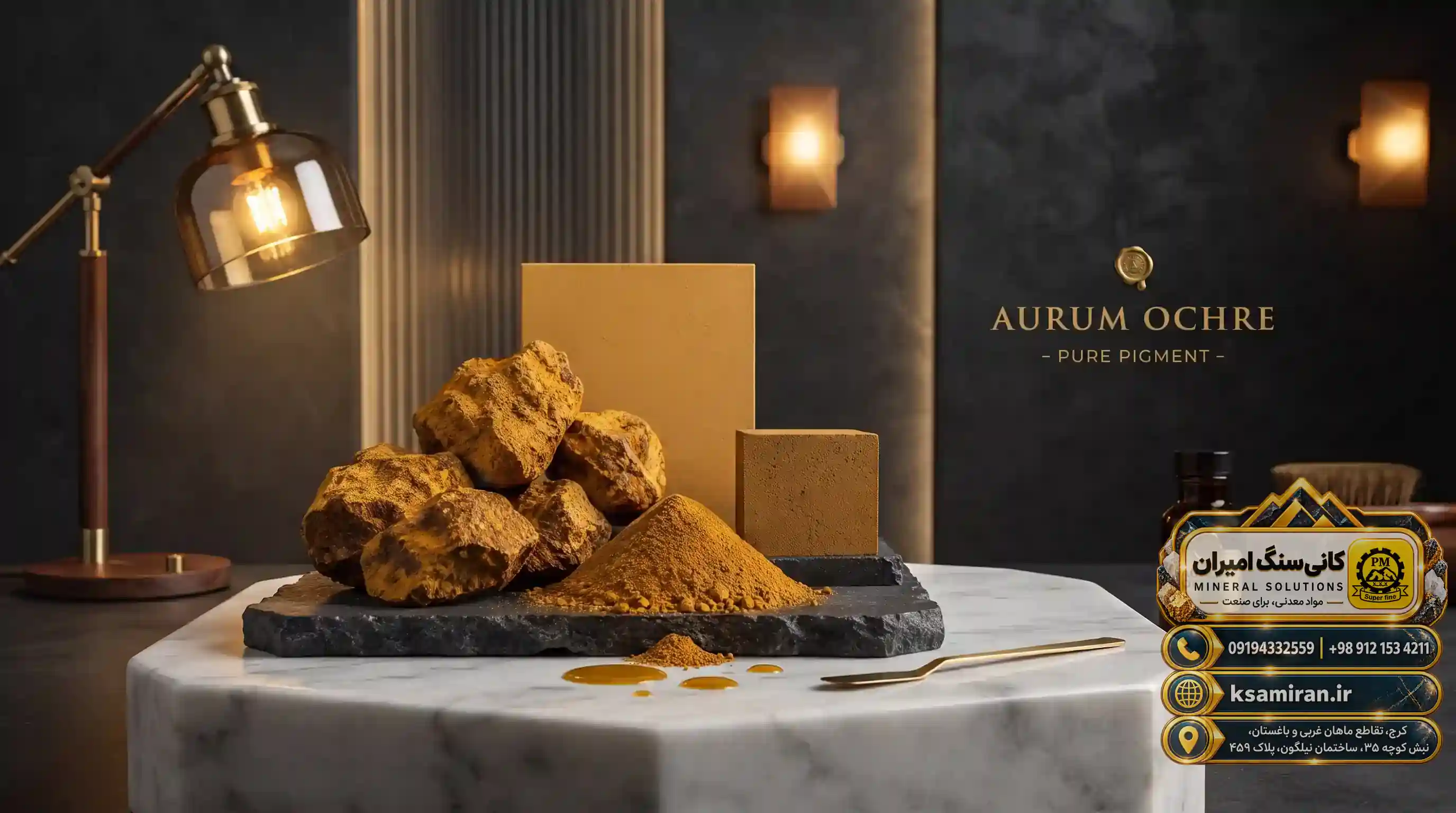
Step-by-Step Guide to Inquiring the Price of Limonite Oxide (Gole Mash)
Inquiring the price of limonite oxide (Gole Mash), if done properly, not only saves your time but also makes the received offers comparable. The first step is to complete your technical information: desired particle size (in the 450 to 1500 mesh range), final application of the product, estimated order volume, and delivery conditions. Without this information, the supplier caot provide an accurate price and you will not be able to compare correctly. This initial preparation bears the main burden of a successful inquiry.
The second step is to prepare a list of relevant suppliers and send an identical request to all of them. Your request should include complete technical specifications, volume, type of packaging, and place of delivery so that the responses are provided based on a single set of conditions. A written and uniform request allows you to compare the responses in a table. Also, ask the supplier to state the price with a specified unit (e.g., per kilogram or ton), the validity period of the quote, and payment terms.
The third step is to request a product sample. Sampling before bulk purchase is one of the most important actions in purchasing mineral materials. The sample shows you whether the color, particle size, and quality of the product match your needs or not. When requesting a sample, specify that the sample must have exactly the particle size of your order. A professional buyer never makes a bulk purchase decision without examining a sample, because quality variation in natural mineral materials is a natural occurrence.
The final step is to compare offers based on total final cost and quality, not just the unit price. Include transportation costs, packaging, payment terms, and quote validity alongside the quality of the sample. To facilitate this path, you can read the Guide to Ordering Limonite Oxide (Gole Mash). These types of guides help you to correctly and flawlessly go through the order registration process after the final selection and to have a clear path ahead from the inquiry stage to receiving the goods.
Criteria for Choosing a Supplier of Limonite Oxide (Gole Mash)
Choosing the right supplier plays a more important role than the price itself in the success of purchasing limonite oxide (Gole Mash). A price offered by an unreliable supplier, even if low, may actually impose much higher costs on you. The first criterion is technical capability and particle size variety. A supplier who can offer the product in a wide range from 450 to 1500 mesh shows that they have flexible processing and quality control over their product and can cover your various needs.
The second criterion is the uniformity of quality across different shipments. In natural mineral materials, the difference between shipments is a known issue, but a professional supplier provides a product with uniform quality through process control and precise blending. To assess this, you can request samples related to different shipments or inquire from their previous buyers. Uniformity of color and particle size is especially vital in pigment-making and coating applications.
The third criterion is transparency in providing information and samples. A supplier who clearly states the technical specifications of their product, advises on particle sizes and applications, and cooperates in providing samples shows that they care about their long-term credibility. Conversely, a supplier who refuses to provide information or samples and only emphasizes low prices will likely cause problems for your production line in the future. In the price inquiry process, this transparency should be evaluated as a main criterion.
The fourth criterion is capability in the areas of packaging, transportation, and after-sales support. Proper packaging prevents the product from absorbing moisture and contamination, and proper transportation delivers the goods intact to the destination. Also, a supplier who has stable production capacity and the ability to respond to large orders is more suitable for buyers with continuous production. The Kani Sang Amiran Project, as a producer of mineral materials, focusing on this product and its applications, is an example of a supplier you can contact through the product page and evaluate the above criteria regarding it.
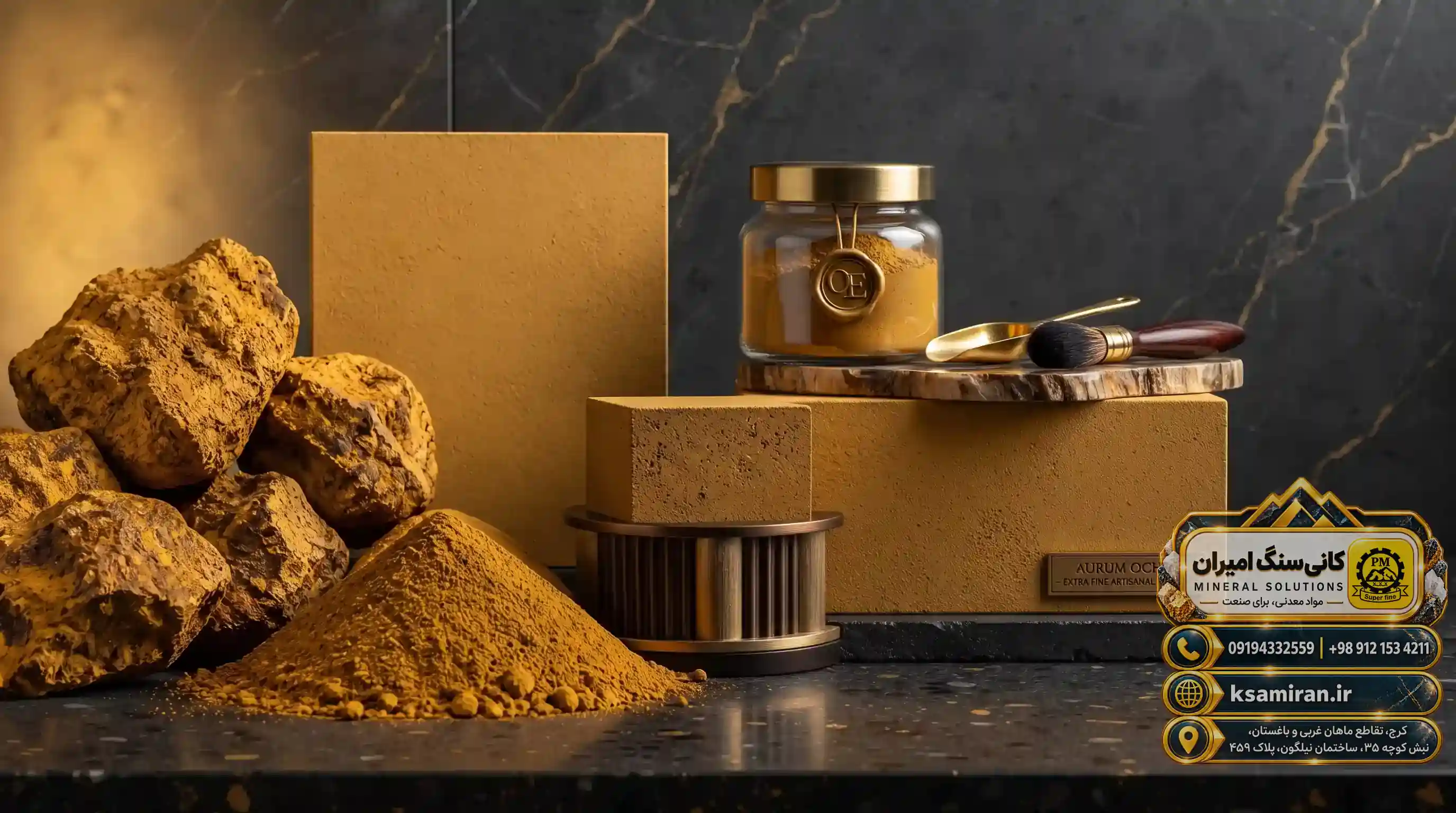
Common Mistakes in Price Inquiry and Purchasing Limonite Oxide (Gole Mash)
One of the most common mistakes in purchasing limonite oxide (Gole Mash) is inquiring the price without specifying the particle size. Many buyers generally ask for the "price of limonite," while the price of this product in the 450 to 1500 mesh range differs significantly. The result of this mistake is that the offers received from different suppliers are actually different products, and comparing them has no correct basis. Always specify your exact desired mesh before requesting a price.
The second mistake is comparing prices without considering side costs. The unit price of the goods is only part of the final cost. Transportation costs from the factory to your warehouse, type of packaging, loading and unloading costs, payment terms, and even the validity period of the price quote should all be taken into account. Sometimes an offer with a higher unit price is a more economical choice due to savings in side costs. A professional buyer always compares the total final cost, not just the number stated in the offer.
The third mistake is focusing too much on the lowest price. In mineral materials, a very low price is often a sign of lower quality: irregular particle size, presence of impurities, non-uniform color, or high moisture. These problems appear in your production line and entail corrective costs or a reduction in the quality of your final product. Therefore, the price should always be evaluated alongside the sample quality and supplier credibility. Purchasing substandard goods is also among these mistakes that can come at a steep price.
The fourth mistake is failing to request a sample and failing to explain technical needs. Sampling before bulk purchase is the only way to ensure the product matches your needs. Also, many buyers do not explain what application they want the product for, while the supplier can suggest the best particle size by knowing the application (pigment, coating, or building product). Ultimately, getting a quote from only one supplier is also a mistake; without comparison, it is impossible to tell if the price is fair. By avoiding these mistakes, your price inquiry will become a real tool for smart purchasing.
Conclusion of the Guide to Inquiring the Price of Limonite Oxide (Gole Mash) and Next Steps
In this guide, we examined that inquiring the price of limonite oxide (Gole Mash) is a multifaceted process that depends on technical, commercial, and market factors. The most important factors affecting the price are: product particle size in the 450 to 1500 mesh range, purity level and uniformity of the product, processing method and precision, order volume, packaging type, transportation costs, and payment terms. Each of these factors can significantly change the final price, and that is why the price inquiry should be based on precise specifications and your actual needs.
We also realized that the applications of this product in the three sectors of mineral pigments, coatings, and building products each require different particle sizes and quality levels. Determining the exact application before inquiring the price helps you to request a product suited to your needs and to avoid paying extra costs for meshes higher than you need. At the same time, attention to sample quality and supplier credibility should not be sacrificed for a low price, because low quality ultimately imposes higher costs on your production line.
The practical steps of purchasing from inquiry to receiving the goods should also proceed in a documented maer: determining technical specifications, requesting written and uniform quotes, requesting samples, comparing the total final cost, and finally registering the order. Using the particle size selection guide and the order registration guide on this path will help you to take the steps in a principled and error-free maer. This systematic approach reduces purchasing risk and ensures that the received product matches your production needs.
If you are now ready to receive precise information and a price quote, you can directly visit the Limonite Oxide (Gole Mash) product page on the Kani Sang Amiran Project website. On that page, you can review the product specifications and, considering your desired particle size and application, take action to receive a price quote and a sample. Remember that a good inquiry is one where everything is transparent, documented, and comparable; and this is the only way to buy smartly in the mineral materials market.
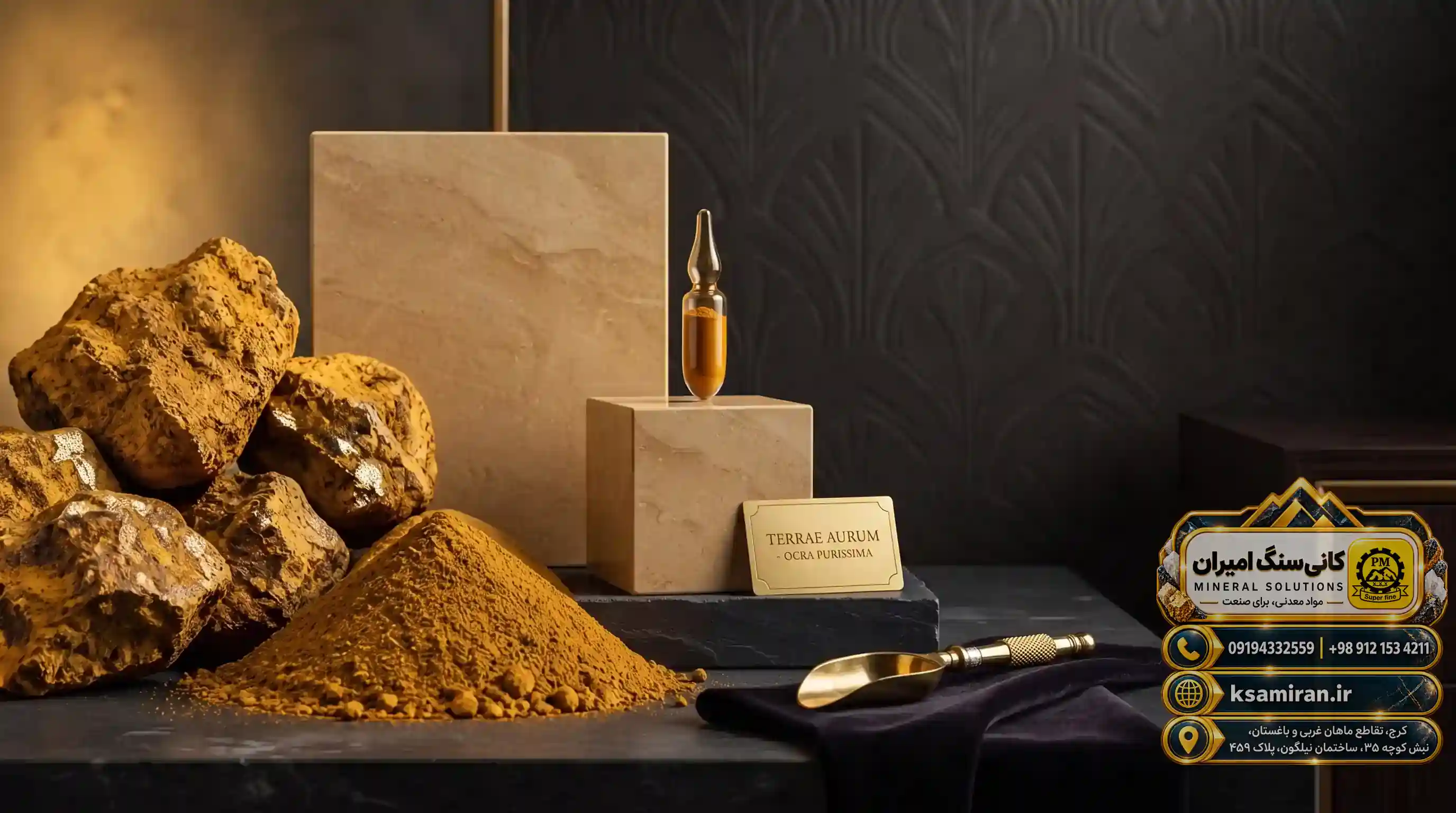
| Question | Answer |
|---|---|
| What is the price of limonite oxide (Gole Mash)? | The price of this product is not a fixed number and depends on particle size, purity, order volume, packaging, and market conditions. To know the price, you must provide your technical specifications to the supplier. |
| Why does the product price differ in various particle sizes? | Processing powder at higher meshes requires more time, energy, and more precise machines, increasing production costs; therefore, the price will vary in the 450 to 1500 mesh range. |
| Which particle size is right for my application? | It depends on the application: for pigments and coatings, higher meshes are usually more suitable, and for building products, lower meshes can be more economical; you can use the particle size selection guide for help. |
| How do I inquire the price correctly? | Specify the technical specifications (particle size, application, volume, delivery location), get identical written requests from several suppliers, and compare the total final cost. |
| Should I get a sample before buying? | Yes, in natural mineral materials, quality variation is natural, and examining a sample with the desired particle size is the only way to ensure the product matches your needs. |
| What is the minimum order volume? | The minimum volume depends on the supplier's policy and is not a fixed amount; state your desired volume and inquire about conditions directly. |
| Does the price change with an increase in purchase volume? | Usually, higher-volume orders have better conditions because fixed production and packaging costs decrease per unit; ask about this during the inquiry. |
| What is the difference between this product and synthetic pigments? | This product is a natural mineral pigment with light stability and resistance to atmospheric factors, and is considered for applications that have environmental requirements and durability. |
| Where is this product produced? | The Kani Sang Amiran Project, a producer of mineral materials, offers this product focusing on mineral pigments, coatings, and building product applications. |
| What should be done to register an order? | After determining the particle size and approving the sample, you can complete the final purchase steps by visiting the product page and reading the order registration guide. |
The technical information in this article is based on the Limonite Oxide (Gole Mash) product page on the Kani Sang Amiran Project website.
برچسب: Limonite Oxide (Gole Mash),Guide to Inquiring the Price of Limonite Oxide (Gole Mash),
نویسنده: رساوب آفرین