
درباره سایت
آخرین مطالب
- مشخصات فنی و آنالیز سیلیس مناسب ریختهگری و سرامیک از امیران
- استعلام قیمت اکسید لیمونیت (گل ماش) مخصوص پیگمنتهای معدنی
- انتخاب دقیق دولومیت برای ارتقای کیفیت مصالح ساختمانی و شیشه
- فلدسپات با دانهبندی دقیق برای تولید شیشه و لعاب
- نقش بنتونیت در افزایش کیفیت چسبانندهها و مواد جاذب صنعتی
- انتخاب تالک صنعتی مناسب برای ارتقای کیفیت محصولات پلیمری و رنگ
- خرید کائولن با مش ۴۵۰ تا ۱۵۰۰ از کانی سنگ امیران برای تولید لعاب
- کائولن مرغوب کانی سنگ امیران؛ انتخابی ایدهآل برای صنعت کاغذ و رنگ
- بهترین تالک سفید صنعتی با مش ۴۵۰ تا ۲۵۰۰ جهت کاربردهای سرامیکی
- کاربرد تخصصی کربنات کلسیم در ساخت چرم مصنوعی و محصولات پلیمری
امکانات وب
Introduction to Limonite Oxide (Gol Mash) and Its Background
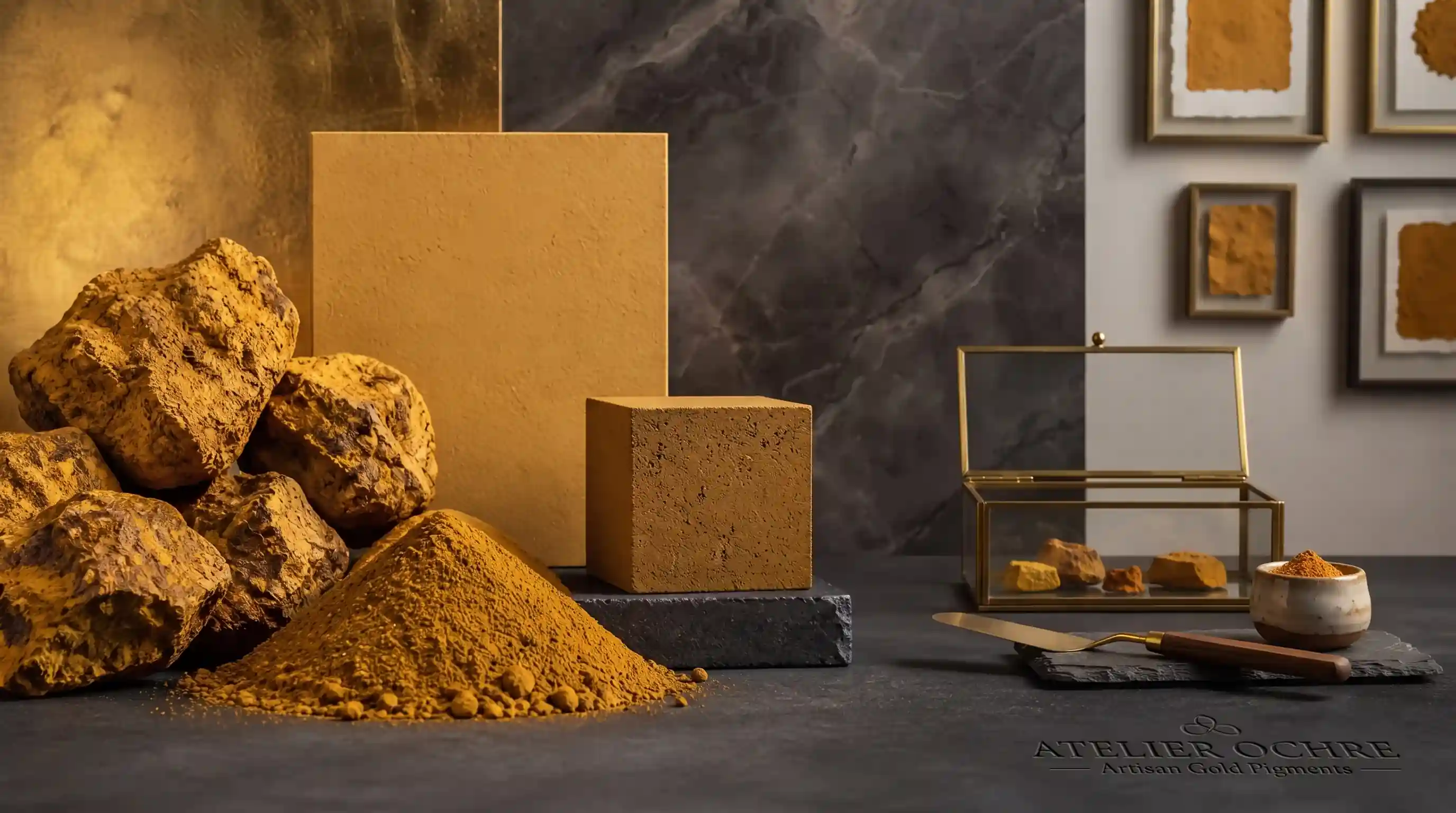
Limonite oxide (Gol Mash) is an iron-based mineral pigment formed in nature through the weathering, oxidation, and hydration of iron-bearing rocks. It has a distinct ochre yellow to brownish-yellow color and is the oldest color used in painting, architectural decoration, and building industries. In the Iranian market, the name “Gol Mash” mostly refers to a yellow powder prepared from natural iron minerals, used both in traditional workshops and mode paint factories.
In the Kani Sang Amiran project, limonite oxide (Gol Mash) is produced with a particle size of 450 to 1500 mesh and offered for three main application groups: mineral pigments, coatings, and building products. This classification shows that the product is aligned with the diverse needs of the paint, coating, and building materials industries, providing an all-purpose solution for manufacturers seeking a stable and natural yellow color.
Structurally, limonite is a collection of hydrous iron oxides that, along with associated minerals, exhibits stable color behavior against UV light and temperature changes. This stability is the main reason for the durability of the ochre yellow color in historical buildings that have been exposed to sun and moisture for centuries and still retain their color.
One of the most important advantages of this pigment is its mineral base. Many synthetic yellow colors contain organic compounds that quickly lose their color when exposed to light and heat. In contrast, limonite oxide (Gol Mash) has a mineral structure that offers higher thermal and light resistance. This feature is highly important in applications such as building exteriors, industrial coatings, and fired ceramic products.
Another important point is the difference between this product and other iron oxides. Red and black iron oxides have their own distinct colors and are used in different applications; but Gol Mash, with its warm yellow color, creates a unique color range in the iron pigment category, which, when combined with other mineral colors, produces a wide spectrum of earthy, cream, and beige colors.
Environmentally, mineral pigments are considered a more eco-friendly option due to their natural origin and the absence of volatile organic compounds (VOCs) in their structure. This feature has gained increasing importance in mode paint and building industry standards, driving many manufacturers toward using mineral pigments.
In addition, the variety of particle sizes from 450 to 1500 mesh allows for selecting the product according to application needs. Coarser particle sizes are more suitable for building materials, while finer sizes are better for pigments with high surface quality. Choosing the correct particle size is a key factor in achieving the desired result, which will be examined in detail in the following chapters.
Application of Limonite Oxide (Gol Mash) in Mineral Pigments
Mineral pigments are a category of colors prepared from natural or synthetic minerals, known for their high stability against light, heat, and chemicals. In this category, limonite oxide (Gol Mash) plays the role of an iron yellow pigment and is used in many mineral paint formulations as the primary source of yellow color.
The most important characteristic of this pigment is its color stability. Unlike organic colors that decompose under UV radiation, the mineral particles of Gol Mash have a stable structure that does not change color over the years. This is particularly important in facade paints, industrial paints, and outdoor coatings, where color durability is directly related to the product's useful lifespan.
In addition to light stability, this product has good thermal resistance. In the ceramic and glass industries, where firing occurs at high temperatures, the pigment must maintain its structure. Due to its mineral nature, limonite oxide (Gol Mash) shows acceptable resistance in these conditions and retains its yellow color after firing.
When combined with other mineral pigments, this product can create a wide range of earthy and warm colors. Combining it with red iron oxide produces orange to brown colors, and combining it with mineral whiteners like titanium dioxide or calcium carbonate creates cream and beige tones. This color flexibility doubles the product's value for color designers.
An important technical point in using mineral pigments is the uniform distribution of particles in the resin or solvent matrix. Agglomerated particles cause color spots and low surface quality. For this reason, choosing the right particle size and the right mixer are two key factors in achieving a uniform result. Using high-speed mixers and, if needed, surfactants ensures better distribution.
Also, the oil absorption rate varies in mineral pigments, and the amount of solvent and resin must be adjusted accordingly in the formulation. Due to its porous structure, limonite oxide (Gol Mash) absorbs a relatively high amount of oil, which must be considered in formulation calculations so the final viscosity remains within the desired range.
In the plastics and rubber industries, this pigment is used as a colorant and, in some cases, as a mineral filler. Compatibility with various polymers and stability at processing temperatures are reasons for using this product in these industries. It is also used in masterbatches as a mineral yellow pigment.
Ultimately, choosing the right mineral pigment requires a precise understanding of application needs. Limonite oxide (Gol Mash) is a suitable option for industries seeking a stable, cost-effective, and eco-friendly yellow color that also harmonizes with mineral materials and processes.
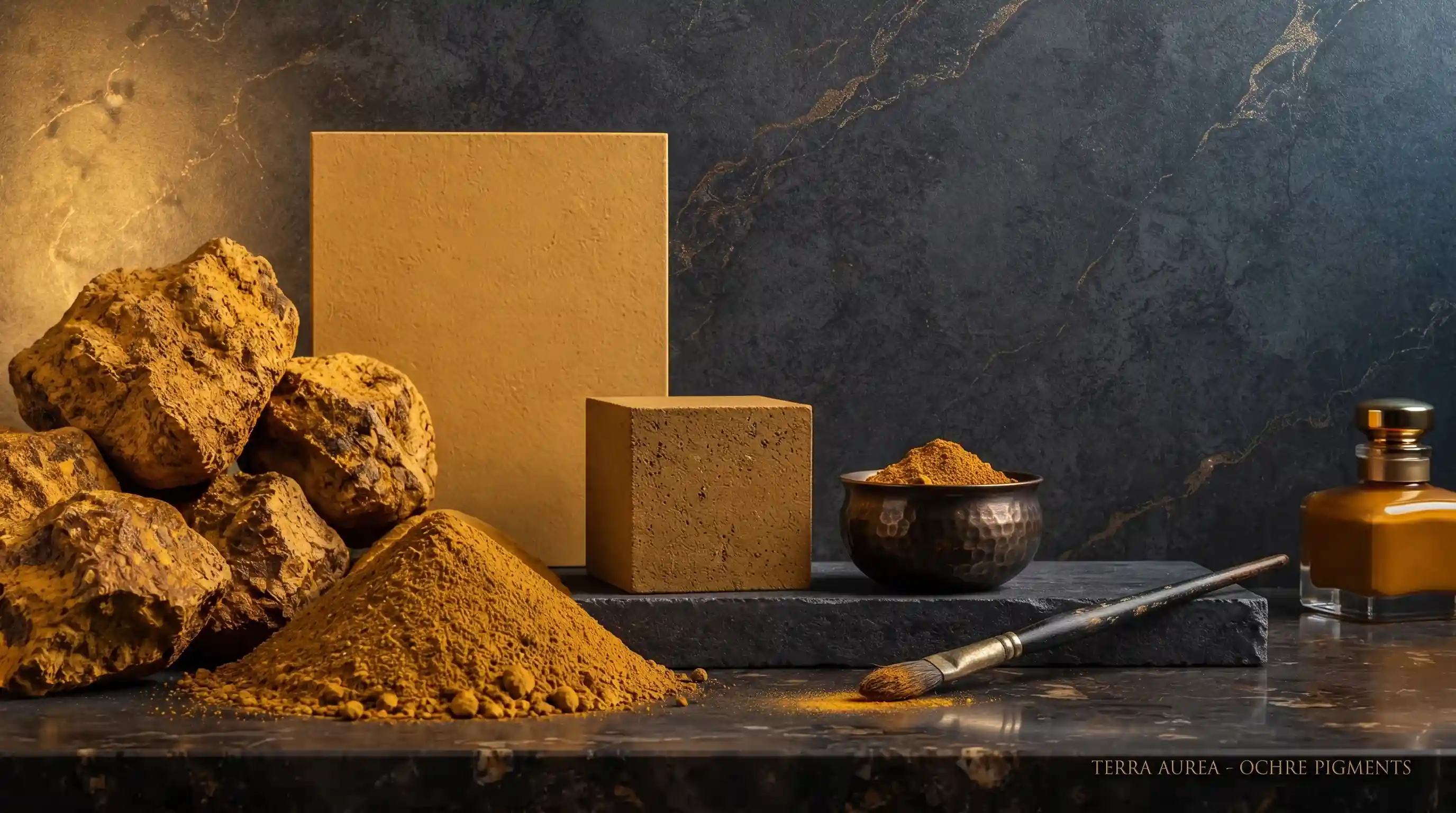
Limonite Oxide (Gol Mash) in the Coatings Industry
The coating industry includes building paints, industrial paints, anti-corrosion coatings, and decorative coatings. In this industry, limonite oxide (Gol Mash) is used as a coloring pigment and, in some cases, as a filler pigment, playing an important role in creating a warm and durable yellow color.
In building paints, this product creates a warm and natural yellow color suitable for interiors and facades. Mineral paints based on Gol Mash are popular in traditional and rustic style architectural projects due to their matte finish and natural appearance, conveying a sense of intimacy and warmth to the space.
In industrial coatings, resistance to weather conditions is important. The ochre yellow color derived from mineral pigments is used in coating agricultural machinery, metal structures, and industrial equipment. These paints have good resistance to moisture, sunlight, and temperature changes, delaying the need for repainting.
One of the key points in using this pigment in coatings is choosing the appropriate particle size. Finer particles create higher surface quality and more gloss, while coarser particles provide better coverage in one layer. The 450 to 1500 mesh range allows the product to be selected according to needs, and this flexibility is considered one of the product's competitive advantages.
Both water-based (acrylic and latex) and solvent-based (alkyd and epoxy) coatings can use this pigment. The important point is wetting and particle distribution in both systems. Using appropriate surfactants and correct mixer speed ensures uniform particle distribution and prevents particle settling and accumulation.
Besides coloring, mineral particles also act as fillers in coatings. These particles can improve the coating's abrasion resistance, hardness, and dimensional stability. Limonite oxide (Gol Mash) is a suitable option in formulations requiring a mineral filler with a yellow color, providing both coloring and filling functions simultaneously.
In anti-corrosion coatings, mineral pigments act as colorants alongside corrosion inhibitors. Although Gol Mash itself is not a strong corrosion inhibitor, in combination with other materials, it provides stable and highly durable color and is used in multi-layer industrial coatings.
In wood coatings, wood stains, and lacquers, this pigment is also used to create warm and natural wood colors. In wood stains, ochre yellow is one of the most commonly used colors that highlights the natural grain of the wood.
Finally, to achieve the best result in the coating industry, it is recommended to prepare a test sample and optimize the formulation based on project needs. Consulting with the supplier and understanding the product's technical specifications are helpful in this regard.
Application of Limonite Oxide (Gol Mash) in Building Products
The building industry is one of the largest consumers of mineral pigments. In these industries, limonite oxide (Gol Mash) is used in a variety of products: colored concrete, mortar, colored plaster, brick, terracotta, ceramics, tiles, artificial stone, and decorative products. This wide range of applications demonstrates the importance of this pigment in the building industry.
In colored concrete, this pigment creates a stable ochre yellow color. Mineral colors in concrete are resistant to weather conditions and UV radiation and, unlike organic colors, do not fade over time. This feature is highly important for facing and facade materials, increasing the useful lifespan of the building's facade.
In colored plaster and mortar, Gol Mash produces a warm yellow color popular in interior decoration and traditional facades. Lime- and cement-based colored mortars have durable color with this pigment and are also used in the restoration of historical buildings.
In the ceramic and tile industries, this pigment is used in glaze and body formulations. At high firing temperatures, the thermal stability of the pigment is important. Due to its mineral structure, limonite oxide (Gol Mash) shows acceptable behavior in these conditions and retains its yellow color after firing.
In bricks and terracotta, this product is used as a colorant mixed into the clay. The color of bricks and terracotta depends on the clay composition and additives, and Gol Mash can shift the final color toward ochre yellow. This method is common in producing facing bricks and decorative terracotta.
In artificial stone and decorative products, this pigment creates natural and warm colors. In these products, the harmony of the pigment color with the base material color plays a role in the final aesthetics, and Gol Mash, due to its earthy color, coordinates well with stone and sand particles.
In mode building products like exposed concrete and decorative concretes, ochre yellow is also a popular choice. These products are typically used in building facades, industrial flooring, and decorative elements, where color durability is vital.
An important technical point in using mineral colors in building materials is the consumption rate and mixing method. Typically, 3 to 5 percent by weight of color relative to cement or plaster suffices, but the exact amount must be determined based on color requirements and project conditions. A suitable mixer and sufficient mixing time guarantee uniform color distribution.
It should also be noted that the water used, cement type, and other additives can affect the final color. A common challenge is the phenomenon of efflorescence, which occurs from the migration of salts to the surface and can affect the color's appearance. Controlling the water-to-cement ratio and using quality pigment helps reduce this problem. It is recommended to prepare a test sample before full application to verify the final color.
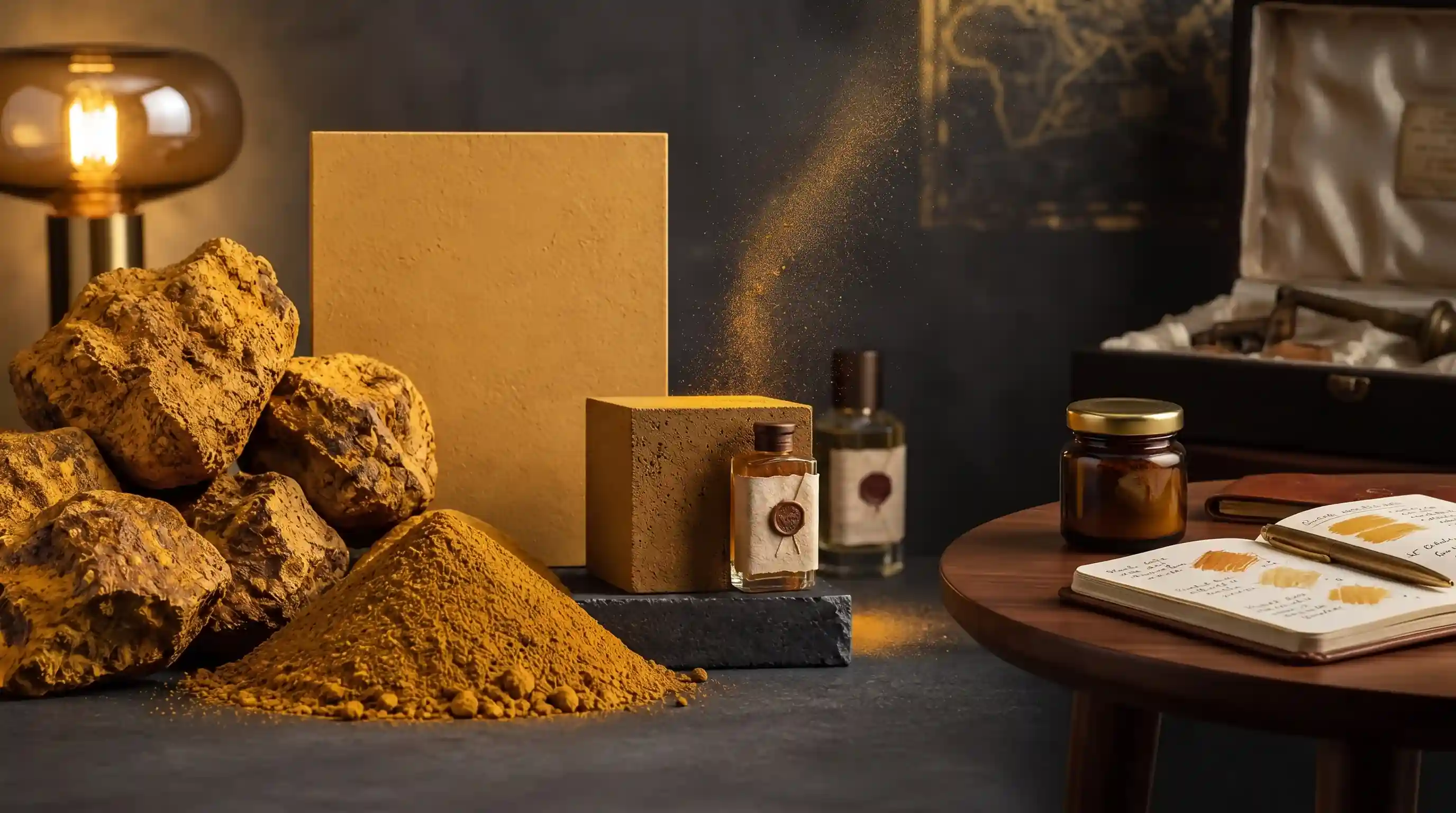
Particle Size of Limonite Oxide (Gol Mash) and the Importance of the 450 to 1500 Mesh Range
Particle size or “mesh” is one of the most important technical specifications of mineral powders. The mesh number indicates the number of holes per inch of screen; the higher the mesh number, the finer the particles. Limonite oxide (Gol Mash) is offered in the 450 to 1500 mesh range, encompassing a wide spectrum of fine to very fine particles.
This wide range allows for selecting the product according to the application. In applications requiring high surface quality and color uniformity (such as industrial paints and coatings), finer particles are more suitable. In applications where coverage and coloring power in one layer matter (such as building materials), coarser particles suffice and are more economical.
Particle size affects several key characteristics:
- Surface quality: Finer particles create a smoother and more uniform surface.
- Coloring power: Finer particles typically have more coloring power per unit weight.
- Transparency and gloss: In coatings, finer particles provide higher gloss.
- Rheological behavior: Particle size affects viscosity and the pumpability of the slurry.
- Mixing method: Finer particles require more mixing energy and time.
Choosing the appropriate particle size based on the application is one of the factors for project success. For more precise guidance in this regard, the article Guide to Choosing the Particle Size of Limonite Oxide (Gol Mash) is a suitable resource. The Arabic version of the Guide to Choosing the Particle Size of Limonite Oxide (Gol Mash) is also available for Arabic-speaking users.
An important point is that particle size only refers to the size of the particles, and the overall quality of the product depends on other factors such as purity, uniformity, and particle size distribution. Uniform particle distribution (narrow distribution) usually offers better performance than a wide distribution and is preferred in high-quality paints.
When working with fine powders, safety precautions must be observed. Very fine particles can become airboe and, if inhaled, be harmful to the respiratory system. Using a mask, goggles, and proper ventilation is essential. Also, fine powders absorb moisture due to their high surface area and may clump together. Storage in a dry environment and proper packaging reduces this problem.
Finally, it is recommended to test a sample with the selected particle size in your process before purchasing large quantities. This ensures that the chosen particle size aligns with your quality and process requirements, preventing production stoppages or quality drops.
Key Tips for Choosing and Buying Limonite Oxide (Gol Mash)
Choosing the right mineral pigment plays an important role in the final product quality. When buying limonite oxide (Gol Mash), several key points must be considered to select a product suited to the project's needs.
First, precisely determine the application need. Will the product be used for mineral pigments, coatings, or building products? Each of these applications has different formulation requirements, and understanding this difference is the correct starting point.
Second, choose the appropriate particle size. As mentioned, the 450 to 1500 mesh range covers a wide spectrum. Choosing finer particles for coatings and coarser ones for building materials is more logical. A specialized particle size selection guide can be helpful at this stage.
Third, check the product quality. Color uniformity, purity, and particle size distribution are among the quality factors. Requesting a sample and testing it in your formulation is the best way to ensure product quality.
Fourth, check storage and packaging conditions. Mineral powders must be stored in appropriate packaging and a dry environment to prevent moisture absorption and caking. Sealed packaging and standard palletizing prevent damage during transport.
Fifth, price and supply terms. Although price is important, the quality and consistency of the product are more valuable in the long run. Changing suppliers if the color changes can lead to undesirable results and require formulation adjustments.
Sixth, request a technical catalog and full product specifications from the supplier. This information includes particle size, moisture, density, and other parameters, forming the basis for technical decision-making.
To view the full specifications of limonite oxide (Gol Mash), you can visit the product page on the Kani Sang Amiran project website.
When testing the sample, consider the following points:
- Test the final color on the intended surface or mixture.
- Check the uniformity of color distribution.
- Evaluate the product's behavior in the process (mixing, spreading, firing).
- If possible, conduct a weathering test.
Also, if you are using this product for the first time, it is recommended to prepare a small test sample first and optimize the formulation. This prevents issues in mass production and reduces potential costs. Finally, collaborating with a supplier who provides transparent technical information and enables sample testing contributes to project success.
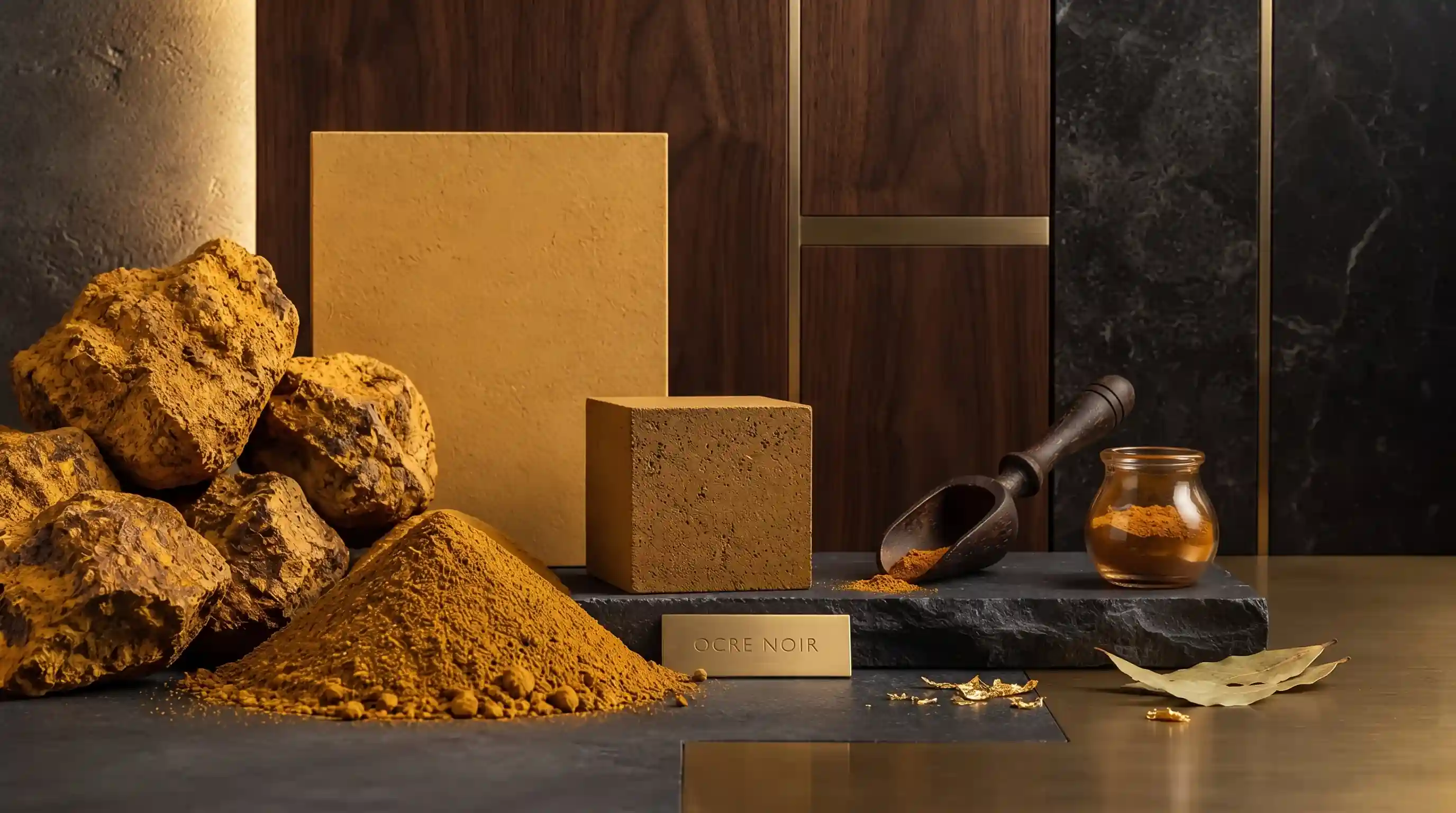
Storage, Safety, and Handling Tips for Limonite Oxide (Gol Mash)
Proper storage of mineral pigments ensures quality retention and prevents waste. As a mineral powder, limonite oxide (Gol Mash) requires specific storage conditions whose observance increases the product's useful lifespan.
Storage conditions:
- Dry environment without moisture
- Ambient temperature, away from extreme heat and severe cold
- Sealed and impermeable packaging
- Away from reactive chemicals
- On pallets, kept at a distance from the floor and walls
Moisture is one of the biggest enemies of mineral powders. Wet powder clumps together (caking), particles coarsen, and they disrupt uniform distribution during mixing. If the powder becomes wet, re-drying and screening are usually necessary to retu it to its original state.
In terms of safety, working with fine powders requires personal protective equipment:
- Appropriate respiratory mask
- Safety goggles
- Gloves
- Appropriate work clothing
- Local exhaust ventilation in the mixing area
If inhaled, airboe mineral powder particles can cause coughing, sneezing, and respiratory tract irritation. When handling large quantities, local exhaust ventilation is essential. After work, hands and face must be washed, and work clothing cleaned.
Handling tips:
- Before use, stir the powder to make it uniform.
- Add the powder to the mixture slowly to minimize airboe dust.
- Use a mixer with appropriate speed for uniform distribution.
- Avoid direct contact of the powder with skin and eyes.
If the powder contacts the eyes, rinse immediately with plenty of water. If large amounts are inhaled or respiratory symptoms appear, consult a doctor. Having the product's Material Safety Data Sheet (MSDS) available at the workplace is one of the requirements of safety standards.
Regarding waste disposal, mineral pigments are generally not considered hazardous but must be disposed of according to local regulations. Avoid dumping them directly into the sewage system, as mineral particles can clog pipes and damage treatment systems.
Finally, employees must be trained on proper handling, safety, and storage. Simple but continuous training prevents accidents and product waste, increasing production efficiency.
Summary and Conclusion
In this article, a comprehensive guide to limonite oxide (Gol Mash) was presented. As an iron-based mineral pigment, this product produces an ochre yellow to brownish-yellow color and is used in three main application groups: mineral pigments, coatings, and building products.
The key points of this article are:
- Limonite oxide (Gol Mash) is a mineral pigment with suitable light and thermal stability.
- The 450 to 1500 mesh particle size range allows selection tailored to the application.
- This product is used in architectural paints, industrial coatings, ceramics, tiles, bricks, and artificial stone.
- Observing safety and storage guidelines maintains the product's quality over time.
The color stability of this product, unlike organic colors, is the main reason for its widespread use in outdoor applications. This feature, along with its mineral base and eco-friendliness, makes this product an attractive option for industries seeking stable and natural colors.
The benefits of using limonite oxide (Gol Mash) include economic efficiency, color durability, compatibility with mineral materials, and resilience in harsh conditions. Additionally, the guide to choosing the particle size of limonite oxide (Gol Mash) helps you select the right product for your application. This guide is specifically designed for users who are unsure about selecting a particle size.
It is recommended to prepare a test sample and carefully examine project needs before purchasing. This not only prevents issues but also helps optimize formulations and reduce costs. Using mineral pigments requires technical knowledge and experience; if you have experience in paint or building material formulation, this product can be a valuable addition to your product portfolio.
Given the boom in the construction industry and rising demand for stable and natural colors, the importance of mineral pigments like Gol Mash is expected to grow in the coming years. Familiarity with these products and how to use them is a long-term investment for businesses.
Finally, to view product specifications and lea more, you can visit the limonite oxide (Gol Mash) page on the Kani Sang Amiran project website. By offering high-quality mineral products with various particle sizes, this company is ready to meet the needs of different industries.
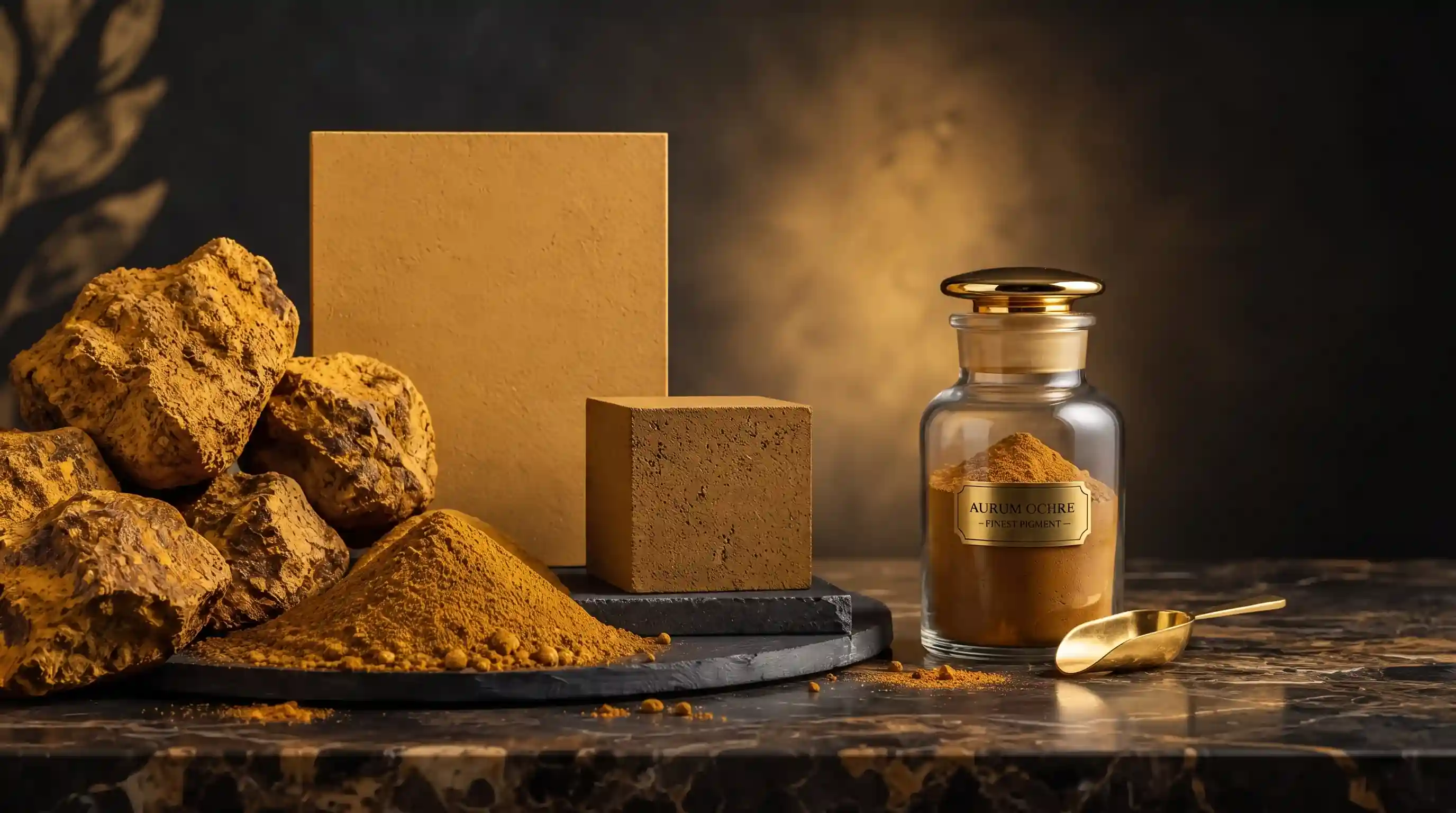
| Question | Answer |
|---|---|
| What is limonite oxide (Gol Mash)? | It is an iron-based mineral pigment that produces an ochre yellow to brownish-yellow color and is derived from natural iron minerals. |
| What is the mesh range of this product? | The product is offered in a particle size range of 450 to 1500 mesh. |
| What are the main applications of limonite oxide (Gol Mash)? | Mineral pigments, coatings, and building products are the three main applications of this product. |
| What color does this product produce? | It creates a warm and natural ochre yellow to brownish-yellow color. |
| Is it suitable for outdoor use? | Yes, the mineral base of this pigment has high light and thermal stability, making it suitable for outdoor use. |
| Is it compatible with cement and plaster? | Yes, this product is used in colored concrete, mortar, and colored plaster, and has good compatibility with mineral materials. |
| What is the difference between particle sizes? | Finer particles provide higher surface quality and gloss, while coarser particles are more suitable for building materials and single-layer coverage. |
| How should this product be stored? | It must be stored in a dry environment, in sealed packaging, away from moisture, and on pallets. |
| Does working with this product require special safety measures? | Yes, using a mask, goggles, and proper ventilation is essential due to the fine particles. |
| Where can this product be obtained? | It can be obtained through the Kani Sang Amiran project, and the product page is available on their website. |
Specifications of limonite oxide (Gol Mash), Kani Sang Amiran Project — https://ksamiran.ir/products/limonite-oxide/
برچسب: Limonite Oxide (Gol Mash),Comprehensive Guide to Using Limonite Oxide (Gol Mash),
نویسنده: رساوب آفرین