
درباره سایت
آخرین مطالب
- اکسید لیمونیت (گل ماش) استاندارد جدید در صنایع پوشش صنعتی
- کائولن باکیفیت کانی سنگ برای کاغذسازی مش 450 تا 1500
- سیلیس باکیفیت کانی سنگ امیران برای صنایع سرامیک با مش ۱۰ تا ۴۵۰
- تالک صنعتی با دانه بندی استاندارد برای کاربردهای صنعتی
- کائولن مرغوب کانی سنگ امیران برای رنگ و لعاب با مش 450 تا 1500
- کائولن درجه یک کانی سنگ امیران برای کاشی و لعاب مش 450 تا 1500
- خرید کائولن اصیل کانی سنگ برای کاشی و کاغذ دانه بندی 450 تا 1500
- دریافت کاتالوگ و آنالیز فنی کربنات کلسیم ۸۰۰ مش
- سیلیس صنعتی کانی سنگ امیران برای صنایع شیشه در مش ۱۰ تا ۴۵۰
- خرید فلدسپات به عنوان مواد اولیه صنایع شیشه و سرامیک
امکانات وب
What is Industrial Barite? Complete Introduction and Key Characteristics of this Mineral
Industrial barite is one of the most important and widely used non-metallic minerals in mode industries, which is chemically known as barium sulfate (BaSO4). Due to its very high specific gravity, suitable whiteness, and chemical inertness, this mineral has become a base material in dozens of industrial processes. The name of this mineral is derived from the Greek word "baros" meaning heavy, and this same prominent feature is the main reason for its widespread use in the production of heavy concrete, drilling fluids, electrodes, and rubber and plastic products.
In nature, barite is found in the form of veins and dense masses alongside minerals such as quartz, calcite, and dolomite. After extraction from mines, barite stone goes through crushing, grinding, and particle classification processes to be tued into powders with different meshes. In the mineral materials market, industrial barite is usually offered in the mesh range of 200 to 450; a range whose particles have suitable size and uniformity for sensitive applications such as drilling mud and electrode coating. The higher the mesh number, the finer the particles and the greater their contact surface with other materials; an issue of great importance in the formulation of rubber and plastic products.
One of the most important characteristics of industrial barite is its high density, which usually varies between 4.2 and 4.5 grams per cubic centimeter. This density is about one and a half times that of ordinary aggregates in concrete, and for this reason, replacing part of the aggregates with barite leads to the production of heavy concrete with special performance. In addition, barite has the property of absorbing ionizing radiation and provides a completely reliable performance in the production of radiation-shielding mortars and concretes.
From an appearance point of view, industrial barite powder is usually seen in white, yellowish-white, or light gray colors. Its whiteness and purity directly affect the quality of the final product; so that in applications such as electrode coating and light plastic parts, whiteness above 90% is expected. In contrast, for uses such as heavy concrete aggregate and drilling mud, purity and specific gravity are more important than color. Kani Sang Amiran Project, relying on high-quality reserves and mode production lines, offers a uniform powder in the mentioned mesh range, which meets the needs of various industries.
Application of Industrial Barite in Heavy Concrete Production; From Theory to Practice
Heavy concrete is a category of special concretes whose density is usually more than 2600 kilograms per cubic meter due to the use of heavy mineral aggregates. Meanwhile, industrial barite plays the role of a key aggregate; because in addition to significantly increasing the specific weight of concrete, due to the shape of the particles and their crystalline structure, it creates a good bond with the cement paste and minimizes the loss of workability. In fact, designing a heavy concrete mix without considering the characteristics of barite is practically impossible.
The most important application of barite-containing heavy concrete is the construction of radiation protective shields. In hospitals, radiology clinics, nuclear laboratories, reactors, and nuclear fuel services, walls and ceilings must significantly attenuate gamma and X radiation. Due to the high atomic number of the barium element, barite particles shorten the path of radiation and absorb its energy. For this reason, concrete walls containing barite with less thickness than ordinary concrete can provide the same level of protection; an issue that in the design of medical and industrial spaces means saving space and execution cost.
In large civil projects, industrial barite is also used to produce high-weight concretes in order to increase the stability of structures against floating forces, wave impacts, and dynamic loads. For example, in the foundations of offshore platforms, foundations of large bridges, and foundations of heavy industrial equipment, increasing the mass of concrete is done with the help of barite aggregates. In addition, in the production of blocks and prefabricated parts for banks, vaults, and safe rooms, high weight is considered a physical deterrent factor against unauthorized intrusion.
In the mixing process of heavy concrete, several executive points should be considered: first, uniform distribution of barite particles in the mixture to prevent segregation and accumulation at the bottom of the mold; second, adjusting the water-cement ratio due to the different contact surface of fine particles in the 200 to 450 mesh range; and third, choosing a suitable compaction method so that air bubbles do not cause a decrease in the final density. Along with the important application of dolomite in construction and manufacturing industries as aggregate and filler, barite has maintained its distinguished position in special concretes. Observing these points guarantees that the final product, while having high density, shows the necessary compressive strength and durability during the service life of the structure.

The Role of Industrial Barite in Drilling Fluids; Well Pressure Control with a Mineral
Drilling fluids, which are called "drilling mud" in industrial terms, are one of the most vital components of oil, gas, and water well drilling operations. This fluid is responsible for transferring cuttings to the surface, cooling and lubricating the drill bit, stabilizing the well wall, and most importantly, controlling the pressure of formation fluids. Meanwhile, industrial barite is known as the main weighting agent; a material that by increasing the mud density, prevents sudden blowouts and unstable entry of hydrocarbons into the well.
The reason for choosing barite for this application is a unique combination of characteristics: high density, low chemical reactivity, suitable hardness, availability, and a relatively reasonable price compared to synthetic alteatives. This mineral is used in water-based and oil-based muds, and while maintaining stability at high well temperatures and pressures, it does not adversely affect the rheological properties of the fluid. Barite is also compatible with viscosity and filtration control additives due to its inert nature.
The particle size of barite plays a decisive role in drilling mud. Very coarse particles settle quickly and cause a decrease in density in the lower regions of the well, while overly fine particles increase the fluid viscosity and reduce pumping capacity. The 200 to 450 mesh range defined for industrial barite is exactly the range that provides an optimal balance between settling velocity and suspension stability. In addition, particles of these dimensions, while passing through the drill bit holes and tubular paths, form a good mud cake on the surface of the well wall and prevent excessive filtration of the fluid into the earth's layers.
In advanced drilling operations, barite is also used in fluids with special applications, such as cleaning muds, hydraulic fracturing fluids, and pressure-balancing fluids. The quality of barite in these applications is directly related to well safety and the reduction of the risk of unwanted events. Kani Sang Amiran Project, by offering barite powder in the standard mesh range, helps drilling service companies to prepare muds with controlled density and stable behavior. To check the product specifications and offered particle dimensions, you can refer to the industrial barite page.
Application of Industrial Barite in the Production of Welding Electrodes
Welding electrodes consist of several parts: a metallic core, a coating, and in some types, a protective layer. Among these components, the electrode coating has a very important duty: creating a protective atmosphere around the welding arc, stabilizing the arc, preventing oxidation of the molten metal, and shaping the weld bead. Industrial barite is one of the key compounds in the formulation of these coatings and plays multiple roles during the welding process.
The first role of barite in electrode coating is facilitating ignition and arc stability. Barium-containing compounds decompose at arc temperature and produce ions that help reduce the electrical resistance of the gas in the arc area. The practical result of this process is a smooth and stable welding arc that the welder can maintain with good control; especially in alkaline and low-hydrogen electrodes, where the quality and stability of the arc directly affect the quality of the joint. Also, the presence of barite helps reduce spatter of molten metal droplets and form a smoother and more uniform bead.
The second prominent role is the production of protective slag. After the weld cools, a layer of slag sits on the joint surface and prevents the molten metal from contacting oxygen and nitrogen in the air. Barium compounds in the slag structure adjust its freezing temperature and viscosity so that the slag easily detaches after the weld is completed while blocking oxidation until the end of the process. This delicate balance allows barite-containing electrodes to produce welds with high mechanical strength and low porosity.
The 200 to 450 mesh range is of particular importance in this application; because the particles must form a completely homogeneous mixture alongside other mineral compounds such as feldspar, quartz, carbonates, and metal oxides. Uniform particles cause the coating spray on the metallic core to be uniform, its adhesion sufficient, and the arc behavior constant during welding. In addition, in hardfacing and wear-resistant electrodes, barite is used as a source of barium to form wear-resistant phases in the weld metal. The quality and purity of the consumed barite directly affect the production waste percentage, coating efficiency, and final electrode performance, and for this reason, reliable suppliers play a key role in this industry's production chain.
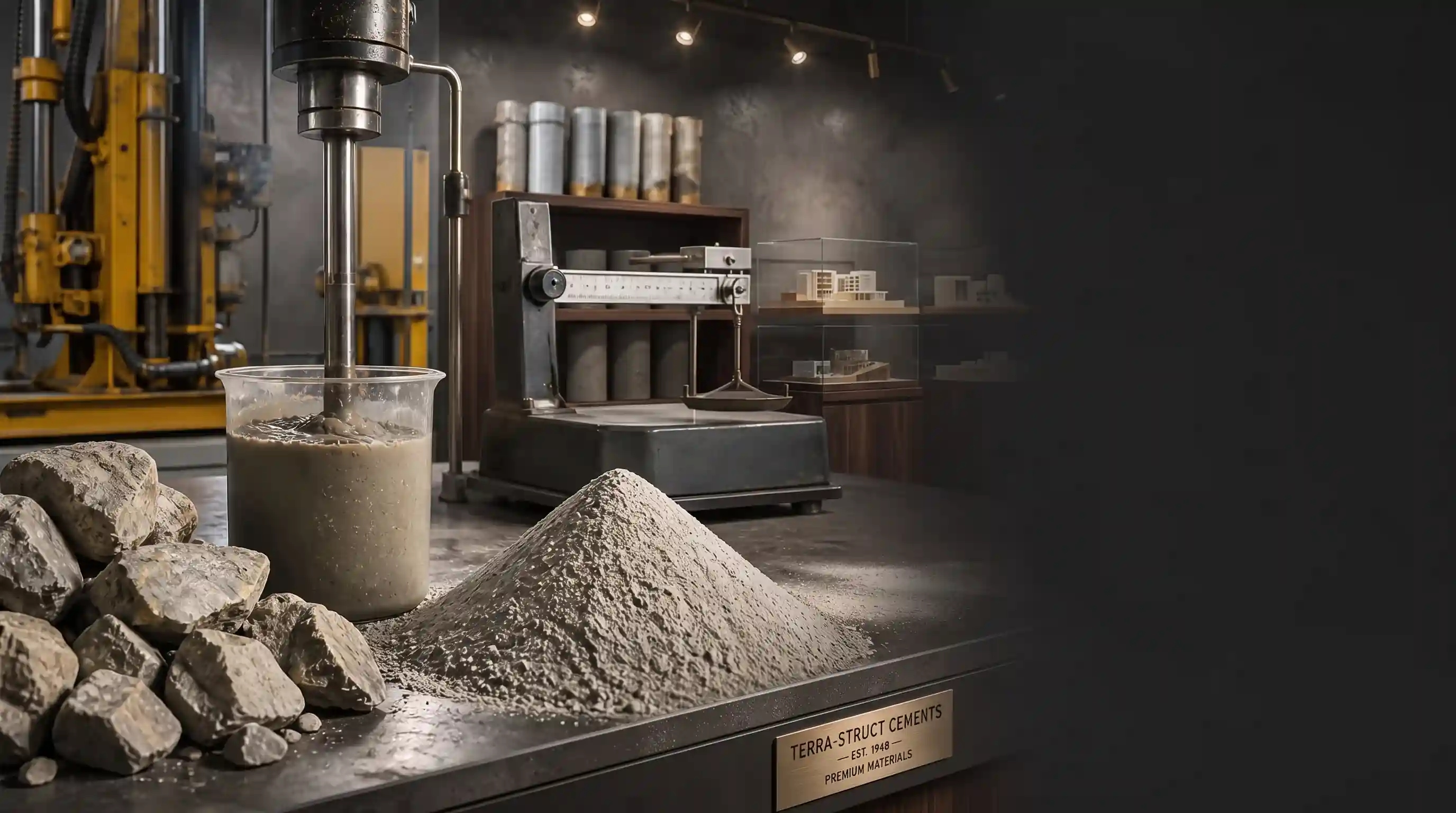
Industrial Barite in Rubber and Plastic Products; A Filler with Added Value
The rubber and plastic industries are always looking for materials that improve the properties of the final product while reducing formulation costs. Industrial barite in these industries is known as a functional mineral filler that, due to its high density and low chemical reactivity, meets special requirements in technical products. The use of barite powder in these products is not just a simple substitution to reduce polymer consumption; it is an engineering choice to achieve special performance.
In the rubber industry, barite is mainly used for the production of belts, wear-resistant rubbers, technical plates, and parts exposed to oils and chemicals. Barium sulfate, with its stable chemical structure, shows good resistance to acids, bases, and organic solvents, and as a result, rubber parts containing this filler have a longer life in corrosive environments. In addition, barite particles play a role in protecting against X-rays in special rubber parts; a category of technical products used in the medical and nuclear industries.
In the plastic industry, industrial barite is used to increase density, improve surface properties, and control shrinkage in injection molding processes. Plastic products filled with barite gain suitable hardness and strength, while their final surface is better prepared for painting and coating. In the production of sheets and plastic parts needed in the construction and fuiture sectors, this filler contributes greatly to reducing the total product cost. Particles with a higher mesh (near 450) have better dispersion in the polymer matrix due to their larger contact surface and are preferred for delicate products with high surface quality.
One of the key points in using barite in these industries is the surface treatment of the particles and the uniformity of distribution. Accumulation of particles in the polymer matrix causes stress concentration points and a loss of mechanical properties. For this reason, controlling particles in a specific mesh range and using appropriate homogenization methods are two essential quality conditions in this application. Kani Sang Amiran Project, by offering industrial barite powder in the 200 to 450 mesh range, supports an industry where particle uniformity is directly tied to the final product quality and customer satisfaction.
The Role of Industrial Barite in Construction Industries and Its Technical Advantages
The construction industries always need materials that increase safety and productivity in structures while meeting technical requirements. Industrial barite in these industries is mainly used as a raw material for the production of special mortars and concretes; products that provide effective solutions when facing challenges such as noise pollution, radiation, the need for high weight, and chemical resistance. For this reason, in mode construction projects, the presence of barite in the material supply chain is completely natural.
One of the valuable applications of barite in construction is the production of sound and thermal insulation products and materials. The high mass and dense structure of barite particles help reduce the transmission of sound waves and prevent heat transfer through the mass of the materials. For a more specialized study in this field, you can read the article Application of Industrial Barite in the Production of Sound and Thermal Insulations. Alongside insulations, barite-based mortars are used to coect heavy concrete blocks and build protective walls, and due to the continuity of mass throughout the wall, they create uniform protection performance.
In the construction material production industries, various minerals are used together. Along with the application of barite, the role of industrial talc in gypsum and building material industries is also prominent and shows how each mineral, with its unique characteristics, has found a place in the formulation of materials. The scientific combination of these minerals helps produce materials with optimal performance and controlled cost.
The technical advantages of using barite in the construction industries can be summarized as follows: increasing the density and mass of the structure, reducing the thickness of radiation protective walls, improving the acoustic behavior of spaces, resistance to chemicals and wear, and finally increasing the durability of parts and mortars. These advantages are especially important in hospital, laboratory, industrial, and military buildings. Also in the mixing and execution process, barite is compatible with other additives and industrial resins, and this compatibility provides a wide scope for designing specialized products for engineers.

Key Points in Selecting, Buying, and Storing Industrial Barite
Choosing the right industrial barite for any industry requires attention to a set of technical specifications that guarantee the final product quality. The first criterion is the particle mesh range. As previously mentioned, barite powder is offered in the 200 to 450 mesh range, and each application requires its own specific range within this interval. For example, drilling mud requires particles in the standard range to maintain the balance between suspension stability and sedimentation, while in delicate plastic products, finer particles are preferred for better dispersion in the polymer matrix.
The second criterion is the specific gravity and purity of the mineral. The higher the density of the particles, the lower the material consumption to reach a specific density in the final product, and the economic efficiency of the process increases. Along with specific gravity, the whiteness degree of the powder is also important for applications where the color of the final product matters (such as light plastic parts and electrode coating). Impure particles, accompanying minerals, and high moisture are all factors that affect the quality of the process and should be considered when inspecting product specifications.
The third important point is packaging and storage. Barite powder is stored in durable bags and standard pallets to prevent moisture penetration and exteal contamination. High moisture can cause particle agglomeration, changes in mixing behavior, and consequently a loss of formulation quality. Warehouses must be dry, covered, and properly ventilated. Also, moving pallets must be done carefully so the powder is not compressed and the uniform distribution of particles is maintained during transport.
The fourth criterion is sourcing from a reliable supplier. Kani Sang Amiran Project, as a producer of mineral materials, serves various industries by offering products in the standard mesh range and with continuous quality control. When procuring the product, you can refer to the industrial barite page to check full specifications and contact methods. Finally, it is recommended to test samples in your production line before bulk purchasing and make the final purchase decision based on real results.
Conclusion and Market Outlook for Industrial Barite
In this article, the various applications of industrial barite in the production of heavy concrete and construction industries, as well as other key industries, were examined. From the role of this mineral as a weighting agent in drilling fluids to its application in welding electrode coatings and its use as a specialized filler in rubber and plastic products, in all these cases, there is a common theme: the quality and uniformity of particles directly affect the performance of the final product.
In the field of construction and heavy concrete, industrial barite has an irreplaceable position. Its high density allows engineers to design structures with greater safety against radiation and dynamic loads, while the high specific weight leads to a reduction in the thickness of protective elements and consequently better use of space. In the oil and gas industry as well, without heavy barite-based drilling mud, operations in high-pressure wells would be accompanied by very high risk. In the welding, rubber, and plastic industries too, this mineral provides unique solutions by combining its chemical and physical characteristics.
With the expansion of the medical, nuclear, oil and gas industries, and mode infrastructure, the demand for heavy and protective materials is increasing. This trend shows that the importance of industrial barite will continue to grow in the coming years, and suppliers who can provide stable quality, particle uniformity in the standard mesh range, and reliable services will be more successful in the competitive market.
On the other hand, the development of processing methods, quality control, and more precise particle classification allows producers to offer more specialized products tailored to the needs of each industry. Kani Sang Amiran Project, understanding these needs, has taken steps towards developing high-quality mineral products and is ready to serve domestic industries. Ultimately, choosing the right mineral is not a simple purchasing decision; it is an engineering decision that directly affects the quality, safety, and economics of large projects. It is recommended to match the technical specifications of the product with your production line's requirements before any final decision.
| Question | Answer |
|---|---|
| What are the main applications of industrial barite? | The main applications of this mineral include drilling fluids, welding electrodes, and rubber and plastic products; it is also used in the production of heavy concrete and construction mortars. |
| What is the mesh range of industrial barite? | This product is produced and offered in the 200 to 450 mesh range, which is suitable for various industries including drilling mud and polymeric products. |
| Why is barite used in the production of heavy concrete? | Due to its high density and radiation absorption property, replacing part of the aggregates with barite produces heavy concrete suitable for radiation protection and increasing the structure's mass. |
| What role does barite play in drilling fluids? | This mineral acts as a weighting agent, increasing the mud density and helping to control well pressure and prevent sudden blowouts. |
| Why is barite used in welding electrode coating? | This mineral helps stabilize the welding arc, form protective slag, and reduce the oxidation of molten metal, producing higher-quality welds. |
| What is the application of barite in rubber and plastic products? | It is used as a mineral filler to increase density, improve chemical resistance, control shrinkage, and reduce formulation costs. |
| What are its advantages in the construction industries? | Increasing the structure's mass, reducing the thickness of protective walls, improving sound and thermal insulation, and resisting chemicals are among its most important advantages. |
| What points should be observed for storing this product? | It should be stored in a dry, covered environment with proper ventilation to prevent moisture penetration and particle agglomeration. |
| How can this product be procured? | To check the specifications and purchase, you can refer to the product page on the Kani Sang Amiran Project website and contact them. |
| How is the quality of this product controlled? | The production process includes controlling the mesh range, purity, and particle uniformity to offer a product with stable quality tailored to the needs of various industries. |
Kani Sang Amiran Project — Mineral Materials Production; Industrial Barite Product Page: https://ksamiran.ir/products/industrial-barite/

برچسب: Industrial Barite,Application of Industrial Barite in Heavy Concrete Production and Construction Industries,
نویسنده: رساوب آفرین