
درباره سایت
آخرین مطالب
- انتخاب اکسید آهن قرمز (اخرا) برای بهبود کیفیت پیگمنت و پوششهای رنگی
- تامین کربنات کلسیم با دانهبندی دقیق جهت استفاده در مستربچ
- تأمین تخصصی سیلیس برای مصالح ساختمانی، شیشه و صنایع سرامیک
- ویژگیهای فنی بنتونیت کانی سنگ امیران برای کاربردهای خاص
- فلدسپات کانی سنگ امیران برای شیشه کاشی و سرامیک
- کاربرد تالک سفید درجه یک در فرمولاسیون پیشرفته رنگ و محصولات کاغذی
- اکسید آهن قرمز (اخرا) کاربردی جهت تولید محصولات سرامیکی و پوشش
- مشخصات فنی اکسید آهن قرمز (اخرا) مناسب برای پوشش و تولید پیگمنت
- مشاوره تخصصی خرید کربنات کلسیم بر اساس نیاز دقیق صنعت شما
- انتخاب تالک سفید صنعتی مناسب برای تولیدات کاغذ و مستربچ
امکانات وب
Introduction to White Barite; A Valuable Mineral Filler in Advanced Industries
White barite is one of the most important industrial minerals in the sulfate class, whose chemical composition mainly consists of barium sulfate (BaSO4). Due to its light color, high purity, and unique physical properties, this mineral is used in various industries including paint, coatings, and polymer products containing mineral fillers. In recent years, the demand for high-quality barite has increased sharply, and manufacturers are looking for materials that both improve the quality of the final product and are economically cost-effective.
White barite is found in nature as a mineral accompanying other minerals, and after extraction, it is supplied to the market through concentration, grinding, and classification processes in different size ranges. The mesh range of 450 to 2500 mesh offered for this product indicates a very wide variety of dimensions, which allows precise selection based on the needs of each industry. This size variety is especially important in the ink manufacturing and printing products industry, because particle size distribution directly affects print quality, transparency, and ink performance on various surfaces.
One of the prominent features of white barite is its high density, which distinguishes it from other mineral fillers. This property is used as a high specific gravity filler in the production of paints and coatings and can help improve coating efficiency, increase abrasion resistance, and reduce production costs. Also, its chemical inertness makes it suitable for use in different dyeing and polymeric systems.
In the ink manufacturing and printing products industry, white barite plays the role of a high-performance mineral filler. This material can act as a viscosity controlling agent, bulk density regulator, and improver of the optical properties of ink. Printing inks that use this mineral usually have better stability in the printing process and higher printed image quality.
Amiran Stone Mineral Project, as a mineral materials producer, supplies white barite in the mesh range of 450 to 2500 mesh for paint, coating, and polymer products containing mineral fillers. The variety of size ranges of this product allows users to choose the most precise material for their needs. For more information, you can visit the product page of this mineral: White Barite.
Ultimately, choosing the right mineral filler has a direct impact on the quality, cost, and performance of final products. White barite, with a combination of desirable chemical and physical properties, is known as a reliable option in advanced industries, and in the following chapters, we will discuss more details about its role in the ink manufacturing and printing products industry.
Chemical Structure and Physical Properties of White Barite
Accurate understanding of the chemical structure and physical properties of white barite is essential for its optimal use in the ink manufacturing and printing products industry. Chemically, this mineral is known as barium sulfate, and its crystal structure is crystallized as orthorhombic. Its crystals can appear as tabular, prismatic, or dendritic, and in nature, they are often found in white to yellowish, gray, or brown colors. The high purity of this mineral in processed samples makes it an ideal option for sensitive applications.
One of the most important physical properties of barite is its very high density or specific gravity, which ranges from 4.3 to 4.6 grams per cubic centimeter. This value is significantly higher than most common mineral fillers such as calcium carbonate, talc, or kaolin. The high density of this material allows it to exhibit outstanding performance in applications where there is a need to increase product bulk density, control weight, or improve coating efficiency. In the production of paints and printing inks, this property helps precise control of viscosity and settling.
In addition to high density, this mineral has low hardness on the Mohs scale, ranging from 3 to 3.5. This relative softness, along with its inherent toughness, makes it a suitable option for applications that require reduced wear on processing and printing equipment. Also, its neutral chemical property causes it not to react with most resins, solvents, and organic additives, and to show high stability in various polymeric and dyeing systems.
Other important properties of this product include a high percentage of light reflectance, brightness, and appropriate transparency in fine particles. These properties are very important in the printing industry, because printing inks must be able to reflect light well so that colors appear clear and vivid on the paper surface or printing substrate. The mesh range of 450 to 2500 mesh offered for this product indicates the ability to produce very fine particles, which are of great importance in the production of high-quality inks.
Particle size distribution is a critical factor in the performance of mineral fillers. Finer particles in this range, due to increased specific surface area, can interact more effectively with resins and solvents and improve the rheological properties of the ink. In contrast, coarser particles are more suitable for applications that require cost control and creating a specific texture. Choosing the right mesh depends on the type of final product, printing method, and desired properties.
Also, this material has a specific oil absorption property, which is important in determining the amount of resin and solvent required in ink and paint formulation. Its low oil absorption means less need for expensive solvents, which can help reduce production costs. Alongside these properties, resistance to acids and bases and stability against various environmental conditions are among other advantages of using this mineral filler in various industries.
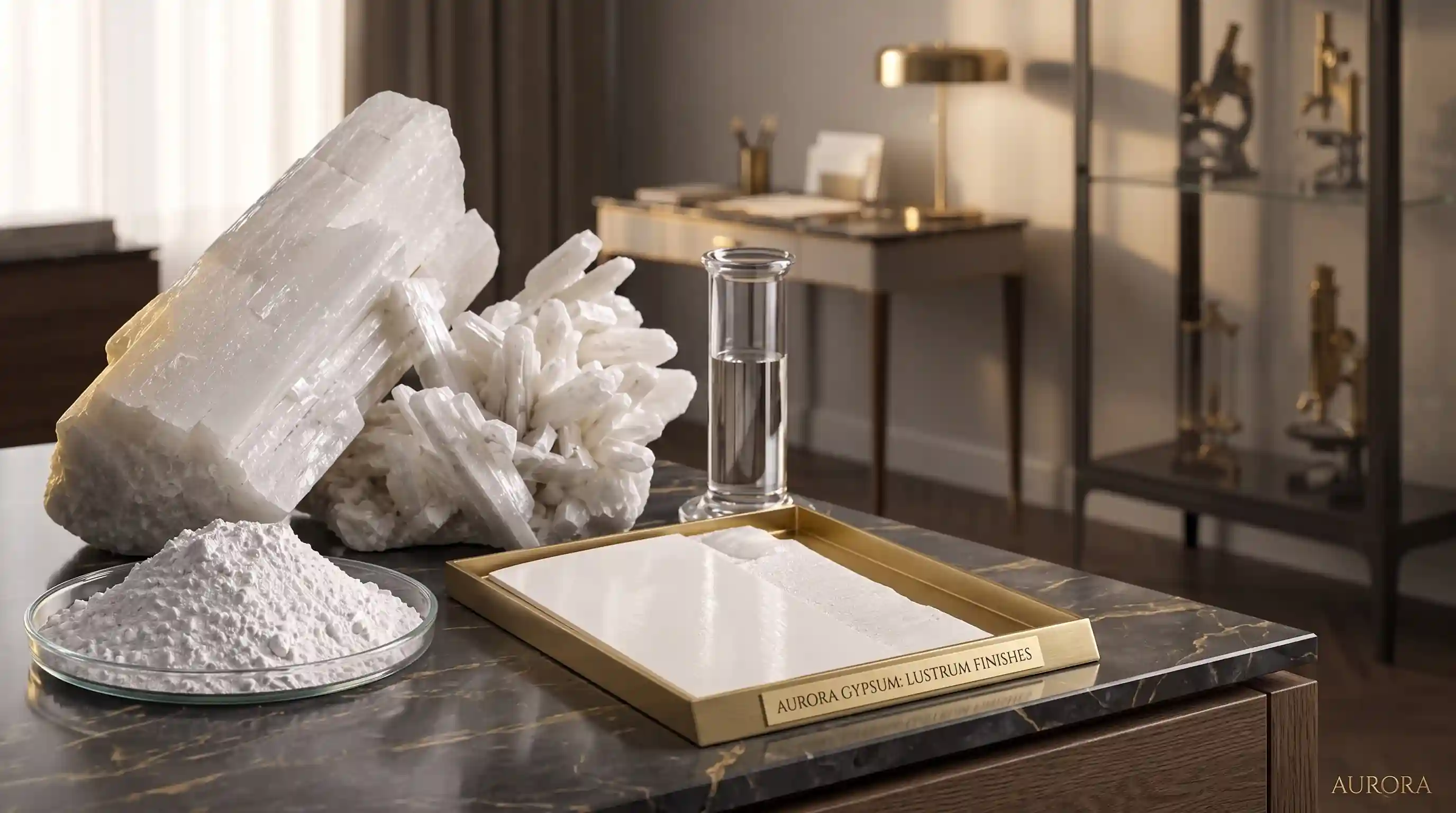
The Role of White Barite in the Ink Manufacturing and Printing Products Industry
The ink manufacturing and printing products industry is one of the fields where the quality of raw materials plays a decisive role in the quality of the final product. Printing ink, as a complex material, consists of a combination of pigments, resins, solvents, and various additives, and each of these components must be carefully selected to create desired performance in the printing process and on various surfaces. Meanwhile, white barite, as a mineral filler with unique properties, plays a very important role in improving the quality and performance of printing inks.
One of the main functions of this mineral in ink production is viscosity and rheological properties control. Printing ink must have appropriate viscosity to pass well through the printing machine and spread evenly on the paper surface or printing substrate. The very fine particles of this filler, offered in the mesh range of 450 to 2500 mesh, act as a regulating agent in the formulation and help achieve the desired viscosity and stability in the printing process.
In addition to viscosity control, this mineral helps improve the optical properties of printed ink. The particles of this mineral, having a high percentage of brightness and light reflectance, can help increase the transparency and clarity of printed colors on the surface. This property is especially important in high-quality color image printing and in the production of inks that must be used on dark surfaces or with low thickness.
Another advantage of using this filler in printing inks is increased abrasion resistance and durability of the printed layer. The hard and high-density particles of this material, after the ink dries on the surface, create a resistant layer that shows more resistance to abrasion, scratching, and rubbing. This property is very valuable for printed products that are exposed to frequent use or harsh conditions, such as packaging, labels, and promotional printed materials.
Also, using this material as a filler can help reduce ink production costs. By replacing part of the expensive pigments or resins with this cost-effective mineral filler, manufacturers can reduce the final product price without compromising its quality. This is one of the main reasons for the attractiveness of this mineral to ink manufacturers worldwide.
Besides printing inks, this mineral is also used in the production of other printing products such as printer toners, printing vaishes, and paper surface coatings. In toner production, its fine particles act as a flow control agent and improver of electrostatic properties, contributing to uniform and high-quality printing. In printing vaishes and paper surface coatings, this mineral can help create a smooth, bright surface suitable for high-quality printing.
Ultimately, the chemical stability of this material ensures that inks containing it retain their quality under various storage conditions, including exposure to moisture, temperature changes, and contact with chemicals. This stability is an important advantage for producers of printed products that require long shelf life. This is why white barite is known as a key component in many advanced ink and printing product formulations.
Advantages of Using White Barite in Industrial Paints and Coatings
The paint and coating industry is one of the largest consumers of mineral fillers in the world, and among them, white barite has found a special place in this industry due to its unique physical and chemical properties. Industrial paints and coatings must be able to protect various surfaces against harsh environmental conditions, corrosion, abrasion, and contact with chemicals, and using the right filler plays a vital role in achieving this goal. To better understand the importance of this topic, the article Why is Using White Barite Essential in Paint Production? provides useful information.
One of the most important advantages of using this mineral in paint is its high density. This property causes paints containing it to have a higher ability to create a thick and uniform coating on surfaces. In industrial applications such as painting metal structures, pipelines, marine equipment, and automobiles, there is a need for coatings with high thickness and covering power, and this mineral can help meet this need. Also, due to their shape and appropriate size distribution, particles of this material can help fill voids and create a compact and flawless layer on the surface.
Another advantage of this mineral filler is its high resistance to chemicals and corrosive conditions. Paints that use this material in their formulation show greater resistance to acids, bases, salts, and industrial chemicals. This property is very important for coatings used in industrial environments, chemical plants, and processing facilities, because protecting surfaces in these environments depends on the lifespan of equipment and facility safety.
In addition, this mineral can help improve the abrasion resistance and durability of paints. Its hard and high-density particles, after the paint dries on the surface, create an abrasion and scratch-resistant structure, which increases the coating's lifespan. This property is very important for industrial floors, painting heavy equipment and machinery, and production line coatings.
Alongside mechanical and chemical properties, this product, due to its high brightness and transparency of fine particles, can help create high-quality and beautiful paints. In the production of white and light-colored paints, the particles of this mineral can act as a brightening and coating-improving agent. This is especially valuable in the production of architectural paints, decorative painting, and wood coatings. Also, its low oil absorption helps reduce the need for expensive solvents and lowers the final cost of paint.
Another reason for the popularity of this filler in the paint industry is its usability in different dyeing systems. This material can be used in water-based, solvent-based, powder, and epoxy paints, and shows compatibility with most resins and additives. This versatility allows manufacturers to use a single filler in a variety of products, which helps inventory management and cost reduction.
The mesh range of 450 to 2500 mesh offered for this product allows precise selection based on the needs of each application. For high-quality paints and fine coatings, higher and finer meshes are used, while for thicker coatings and structural applications, lower meshes are used. This size variety gives paint manufacturers great flexibility in formulating their products and enables the development of better-performing paints.
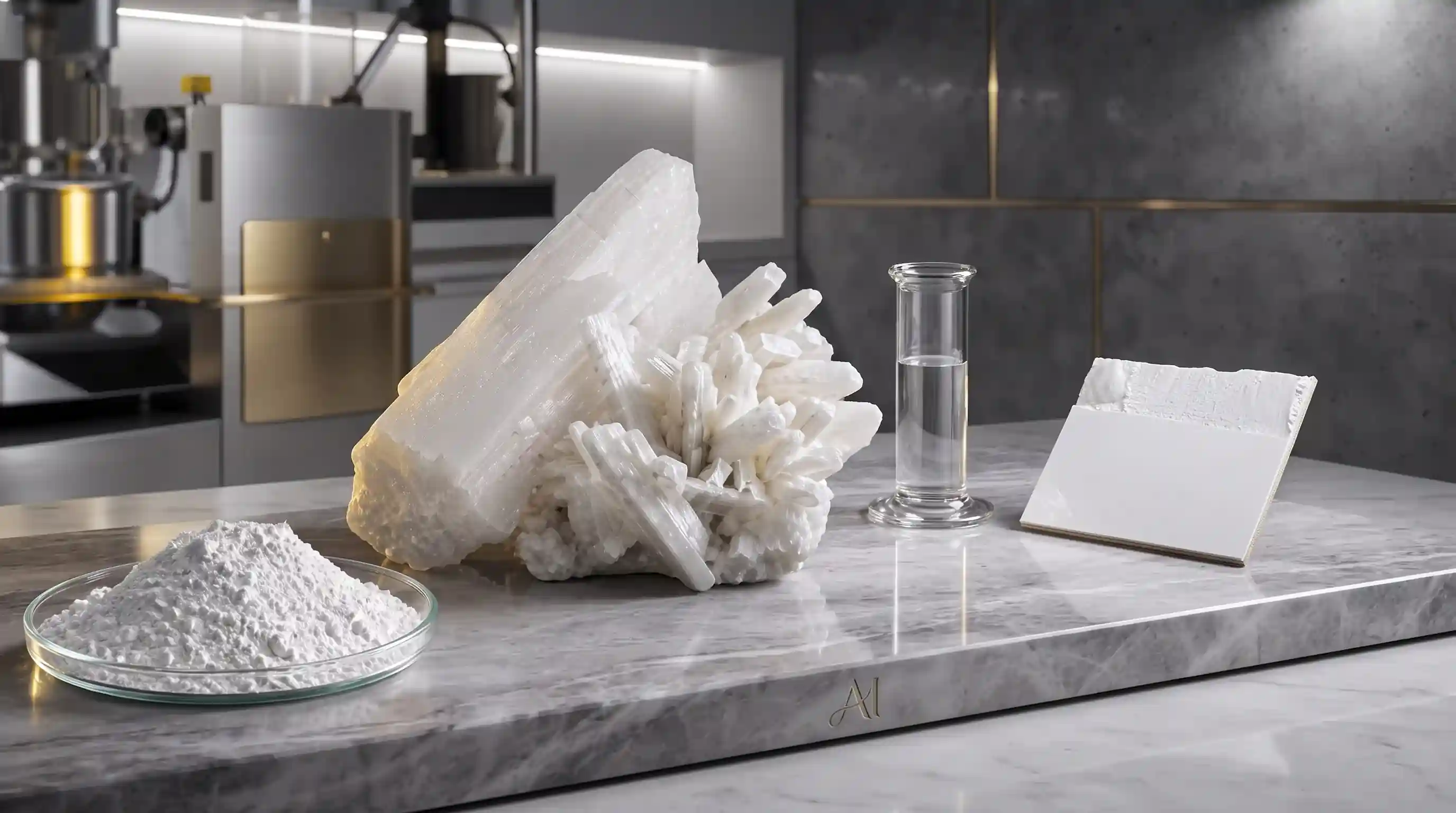
Application of White Barite in Polymer Products Containing Mineral Fillers
The polymer industry is one of the fastest-growing industries in the world, and polymer products are used in a wide range of applications, from automotive parts and household appliances to packaging and building materials. In the production of these products, the use of mineral fillers is one of the main methods to improve properties, reduce costs, and increase process efficiency. White barite, as a mineral filler with high density and desirable chemical properties, has gained an important position in polymer products containing mineral fillers.
One of the most important reasons for using this material in the polymer industry is increasing the density and weight of products. In applications where heavy parts with a high-quality feel and appropriate mechanical stability are needed, adding this filler can help achieve these goals. For example, in the production of interior car parts, panels, and household appliances, using this mineral can give parts a greater sense of heaviness and strength while reducing the final cost.
In addition to increasing density, this mineral can help improve the mechanical properties of polymer products. The particles of this mineral, with proper distribution in the polymer matrix, can act as a reinforcer and increase the tensile strength, flexural strength, and hardness of the parts. This property is very important for parts exposed to mechanical loading or abrasion, such as polymer gears, bearings, and industrial parts.
Another advantage of using this filler in the polymer industry is dimensional stability. Polymer products may shrink or expand due to temperature and humidity changes, which can affect the dimensional accuracy of parts. Adding particles of this mineral with a low thermal expansion coefficient can help reduce these dimensional changes and maintain part accuracy over time. This property is very valuable in producing parts with low dimensional tolerances, such as electronic components and precision industrial parts.
This mineral is also used in the production of plastics with sound and thermal insulation properties. The high density of its particles can help improve sound insulation properties in panels, coverings, and interior building products. In addition, its chemical stability ensures that polymer products containing this filler show greater resistance to chemicals, moisture, and various environmental conditions, which increases the product's lifespan.
Alongside technical properties, using this material as a filler can significantly reduce the production cost of polymer products. By replacing part of the expensive resins with this mineral filler, manufacturers can reduce the final cost while maintaining or improving product properties. This is especially important in industries facing intense price competition, such as packaging, toys, and consumer goods.
The mesh range of 450 to 2500 mesh offered for this product allows the selection of particles with appropriate sizes for each polymer process. In extrusion and injection molding processes, uniform distribution and appropriate particle size are very important to prevent processing problems, such as nozzle blockage or reduced part surface quality. Finer particles can create better surface quality, while coarser particles are more suitable for applications requiring economical fillers. Amiran Stone Mineral Project supplies this product in the mentioned size range for polymer applications, and more information is available on its product page.
Comparison of White Barite with Other Mineral Fillers
In the paint, coating, ink, and polymer industries, various mineral fillers are used, each with its own specific properties, advantages, and limitations. Choosing the right filler depends on multiple factors, including the required properties of the final product, processing method, cost, and availability. To better understand the position of white barite, comparing it with other mineral fillers such as talc, kaolin, and calcium carbonate would be useful.
One of the main differences between this material and other fillers is its very high density. While the density of calcium carbonate is about 2.7, talc about 2.7 to 2.8, and kaolin about 2.6 grams per cubic centimeter, the density of this mineral ranges from 4.3 to 4.6 grams per cubic centimeter. This striking difference makes it a superior option for applications requiring high density, weight control, or improved coating efficiency. To lea about the applications of talc in manufacturing industries, the article The Key Role of Industrial Talc in Improving Manufacturing Product Quality is a comprehensive guide.
In terms of chemical properties, this mineral, due to its stable sulfate structure, has very high resistance to acids and bases. This property makes it suitable for applications exposed to corrosive chemicals. In contrast, calcium carbonate caot be used in acidic environments due to its reaction with acids, and kaolin may lose its stability in highly alkaline environments. High chemical stability ensures this material performs better in industrial paints, long-lasting printing inks, and polymer products in chemical environments.
In terms of brightness and transparency, the fine particles of this product in the 450 to 2500 mesh range can offer good transparency and brightness, but compared to coarser kaolin and calcium carbonate, they may show less transparency in thick layers. However, in applications where high density and chemical stability are required, this is an acceptable trade-off. Kaolin, due to its high brightness and good transparency, is widely used in the production of paper, white paints, and ceramics; for more information, you can read the article The Role of Kaolin in the Pipe Making and Concrete Products Industry.
In terms of price and availability, calcium carbonate is usually the cheapest mineral filler and is used in a wide range of applications. Talc and kaolin also have medium prices. This mineral, due to its high density and need for precise processing, may have a higher price, but in applications where its properties are vital, it can create more added value. For example, in industrial anti-corrosion paints, high-quality printing inks, and sensitive polymer parts, using this filler can help improve product quality and lifespan, which will be cost-effective in the long run.
In terms of mechanical properties, the hardness of this mineral ranges from 3 to 3.5 on the Mohs scale, and its relative softness reduces wear on processing and printing equipment. This property is considered an important advantage compared to harder fillers like silica. However, for applications requiring very high abrasion resistance in the final product, combining it with harder fillers may be necessary.
Ultimately, choosing the right filler is a multi-dimensional decision that should be made based on the specific needs of each application. This mineral, with a combination of high density, excellent chemical stability, appropriate brightness, and wide size variety, is considered a prominent option in many advanced applications. Where specific requirements exist, a combination of multiple fillers can be used to achieve the best result.
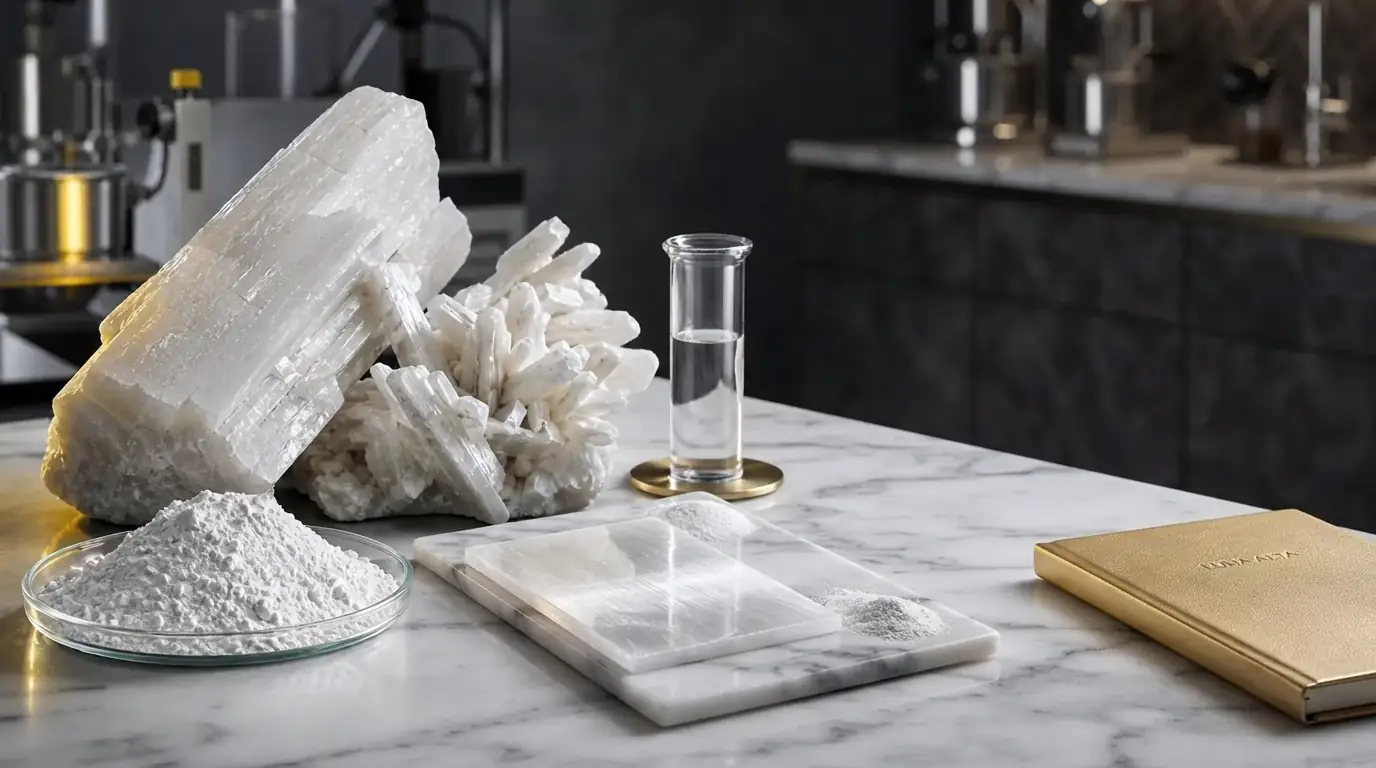
Guide to Choosing and Buying High-Quality White Barite
Choosing and buying high-quality white barite is one of the important decisions that manufacturers in the paint, ink, coating, and polymer industries must make carefully. The quality of this mineral directly affects the performance of the final product, and choosing incorrectly can lead to quality loss, increased production costs, and process problems. In this section, we will discuss the key points for choosing and buying this product.
The first factor in choosing this mineral is its dimensional specifications or mesh range. The mesh range of 450 to 2500 mesh offers a very wide variety, and choosing the right mesh depends on the final application. For producing high-quality printing inks and fine paints, higher meshes and finer particles are usually needed because these particles can offer better optical and rheological properties. In contrast, for applications such as thick coatings, large polymer parts, or structural applications, lower meshes are used. Accurately determining dimensional needs before purchase is essential.
The second factor is the brightness and purity of the product. This mineral with high brightness is more suitable for applications requiring light colors, transparency, or high-quality inks. Chemical purity is also important, because impurities such as iron oxides, silica, or organic compounds can affect the color, stability, and performance of the final product. Requesting an analysis sheet and quality specifications from the supplier is an essential step to ensure product quality.
The third factor is the uniformity and particle size distribution. Uniform particle distribution leads to better performance in mixing, spraying, and molding processes. In printing inks, inappropriate particle distribution can lead to blockage of printer nozzles, irregular printing, or reduced image quality. Reputable suppliers usually provide information on particle size distribution, which can be helpful in decision-making.
The fourth factor is the oil absorption and moisture content of the product. Low oil absorption means less need for solvents and resins in the formulation, which can reduce production costs. Low moisture is also important to prevent particle clumping and maintain stability in the mixing process. Also, in sensitive industries like printing inks and high-quality paints, the presence of moisture can affect the shelf life and quality of the product.
The fifth factor is packaging and shipping conditions. Due to its high density, this mineral has significant weight and must be supplied in sturdy and transport-appropriate packaging. Proper packaging prevents moisture penetration, contamination, and damage during transport. Also, accurate labeling with information on mesh, weight, and product specifications helps inventory management and quality control.
The sixth factor is choosing a reputable supplier. A reliable supplier must be able to provide the product with consistent quality, on time, and with technical support. Amiran Stone Mineral Project, as a mineral materials producer, supplies this product in the 450 to 2500 mesh range for paint, coating, and mineral-filled polymer product applications, and its full specifications are presented on the White Barite product page.
Ultimately, buying quality requires carefully examining needs, comparing available options, and collaborating with a supplier who understands your requirements. Investing in initial quality can yield significant retus in the long run through reduced production problems, improved final product quality, and increased customer satisfaction. This approach ensures your final products have a stronger position in the competitive market.
Future of the White Barite Market and Conclusion
The global market for industrial minerals has undergone extensive changes in recent decades, and white barite is no exception to these changes. The growth of construction, automotive, packaging, and digital printing industries has increased the demand for high-quality mineral fillers. Industry analysts believe this trend will continue in the coming years, as manufacturers look for materials that can improve their product quality at cost-effective prices.
One of the important trends in the market for this product is the increasing demand for very fine particles with precise size distribution. With the advancement of digital printing technologies, high-quality inks, and advanced paints, the need for finer and more uniform particles has increased. The mesh range of 450 to 2500 mesh offered by Amiran Stone Mineral Project meets this widespread need and enables the production of better-performing inks and paints.
Another trend is the shift towards minerals with greater environmental sustainability. Manufacturers worldwide are looking for ways to reduce the use of harmful chemicals and replace them with natural and safe minerals. Due to its chemical inertness, non-toxicity, and availability in nature, this mineral is an attractive option for manufacturers seeking more sustainable solutions. This could strengthen the market for this product in the future.
In addition, the development of emerging industries such as 3D printing, advanced materials, and smart coatings has created new opportunities for using this mineral filler. In 3D printing, inks and printing materials with special properties require fillers with precise size distribution and chemical stability. In advanced materials and smart coatings, the high density and stability of this material can help improve mechanical, thermal, and chemical properties. These emerging fields could generate significant demand for this product in the future.
Alongside these opportunities, the market for this mineral also faces challenges. Variable quality of natural reserves, high processing costs to achieve required purity and dimensions, and competition with other mineral fillers are among these challenges. Manufacturers who can manage these challenges by investing in processing technology, quality control, and product development will be more successful in the competitive market.
In conclusion, it must be said that this mineral, with a combination of unique physical and chemical properties, has gained an important position in the paint, coating, ink, and polymer industries. High density, excellent chemical stability, appropriate brightness, and wide size variety make it a prominent option for manufacturers looking to improve their product quality. In the ink manufacturing and printing products industry, the role of this mineral as a high-performance filler is quite evident, and its use can help improve viscosity, optical properties, abrasion resistance, and production costs.
For manufacturers looking to upgrade their product quality, choosing a reputable supplier and accurately understanding technical needs are fundamental steps. Amiran Stone Mineral Project, by supplying this product in the 450 to 2500 mesh range for paint, coating, and mineral-filled polymer product applications, is a reliable option for supplying this mineral. Complete information and specifications of this product are available to interested parties on the White Barite page. By making the right choice and using this mineral properly, higher-quality products can be produced and perform more successfully in TODAY's competitive markets.

| Question | Answer |
|---|---|
| What is white barite and where is it used? | White barite is a barium sulfate mineral used as a mineral filler in the paint, coating, ink, and polymer product industries. |
| What is the mesh range of this product? | This product is offered in the mesh range of 450 to 2500 mesh, which provides great variety for different applications. |
| What is the role of this material in printing ink production? | This mineral helps control viscosity, improve optical properties, increase abrasion resistance, and reduce ink production costs. |
| Why is this material important in the paint and coating industry? | Its high density, chemical stability, and abrasion resistance improve coating efficiency, corrosion resistance, and paint durability. |
| Does this material react with chemicals? | No, this mineral is chemically inert and has high stability against acids, bases, and various environmental conditions. |
| How is the density of this product compared to other fillers? | Its density ranges from 4.3 to 4.6 grams per cubic centimeter, which is much higher than calcium carbonate, talc, and kaolin. |
| What advantages does this product have in the polymer industry? | Increased density, improved mechanical properties, dimensional stability, and reduced production costs are among its advantages in polymer products. |
| How to choose the right mesh? | For fine applications such as high-quality ink, higher meshes are used, and for thick coatings and large parts, lower meshes are used. |
| Which company supplies this product? | Amiran Stone Mineral Project produces this product in the mesh range of 450 to 2500 mesh for paint, coating, and polymer applications. |
| Where can more information about this product be found? | Complete specifications of this product are available on the page https://ksamiran.ir/products/white-barite/ |
https://ksamiran.ir/products/white-barite/
برچسب: White Barite,The Role of White Barite in the Ink Manufacturing and Printing Products Industry,
نویسنده: رساوب آفرین