
درباره سایت
آخرین مطالب
- Why is choosing Limonite Oxide (Gole Mash) important for industries?
- چگونه بهترین فرمولاسیون با اکسید لیمونیت (گل ماش) بسازیم؟
- لماذا يعد اختيار أكسيد الليمونيت (أوكر أصفر/كلماش) مهماً للصناعات؟
- دور أكسيد الليمونيت (الجول ماش) في إنتاج الطوب والفخار
- Examining the Effect of Limonite Oxide (Gol Mash) on Color Stability
- مراجعة مزايا الشراء بالجملة لأكسيد الليمونيت (غل ماش)
- دور أكسيد الليمونيت (الغل ماش) في الصناعات الدوائية ومستحضرات التجميل
- بررسی میزان سختی و سایش اکسید لیمونیت (گل ماش)
- Application of Limonite Oxide (Gole Mash) in Anti-Rust Industries
- نقش اکسید لیمونیت (گل ماش) در تولید پوششهای محافظ
امکانات وب
Introduction and Familiarity with Limonite Oxide (Gol Mash)
The construction products and mode building materials industries are constantly searching for high-quality, durable raw materials with natural and sustainable color palettes. Among these, mineral pigments hold a special place, being extracted and processed from the heart of nature. One of the most well-known and widely used of these pigments is a mineral substance called Limonite Oxide (Gol Mash), which, with its unique characteristics, has managed to play a key role in various industries. Featuring a yellow-to-brown color spectrum, this material imparts a special appeal to final products.
Amiran Mineral Stone Project Company, through the precise processing of this mineral stone, supplies a high-quality powder to the market, produced in a mesh range of 450 to 1500. This precise particle sizing ensures that the resulting powder provides excellent coverage in various industrial formulations. A thorough understanding of the physical and chemical properties of this material helps engineers and manufacturers achieve maximum efficiency in their production lines.
In addition to the widespread application of this pigment in the construction industry, it is interesting to note that this material is also effective in other fields; for example, examining the role of limonite oxide (gol mash) in polymer industries shows how effective this mineral pigment can be in improving the quality of polymer products. In this article, we intend to comprehensively examine the role and application of this valuable material in the mosaic manufacturing industry and analyze its various technical dimensions.
Technical Features and Structural Specifications of Limonite Oxide (Gol Mash)
To optimize the use of any mineral material in industrial production lines, awareness of its technical and physical specifications is essential. Limonite Oxide (Gol Mash), as a natural mineral pigment, possesses a stable structure that exhibits remarkable resistance to weathering and continuous sunlight exposure. This color stability stems from the presence of stable iron-bearing compounds in the limonite structure, which prevents premature discoloration of products.
One of the most important quality parameters of this mineral powder is its mesh range, which falls between 450 and 1500 mesh. This means the material particles are extremely fine and uniform, creating a high surface contact area. As a result, when mixed with cement, concrete, or other base materials in mosaic production, a homogeneous dispersion is achieved, preventing unwanted color spots. This feature is of vital importance for manufacturers of luxury and pressed mosaics.
In addition to construction applications, the versatility of this material in engineering formulations is very high. For instance, studying the role of limonite oxide (gol mash) in adhesive production indicates the breadth of this pigment's application in various chemical industries. However, the primary focus of this article is on its unparalleled efficiency in the mosaic manufacturing industry, which will be discussed in detail in subsequent sections.
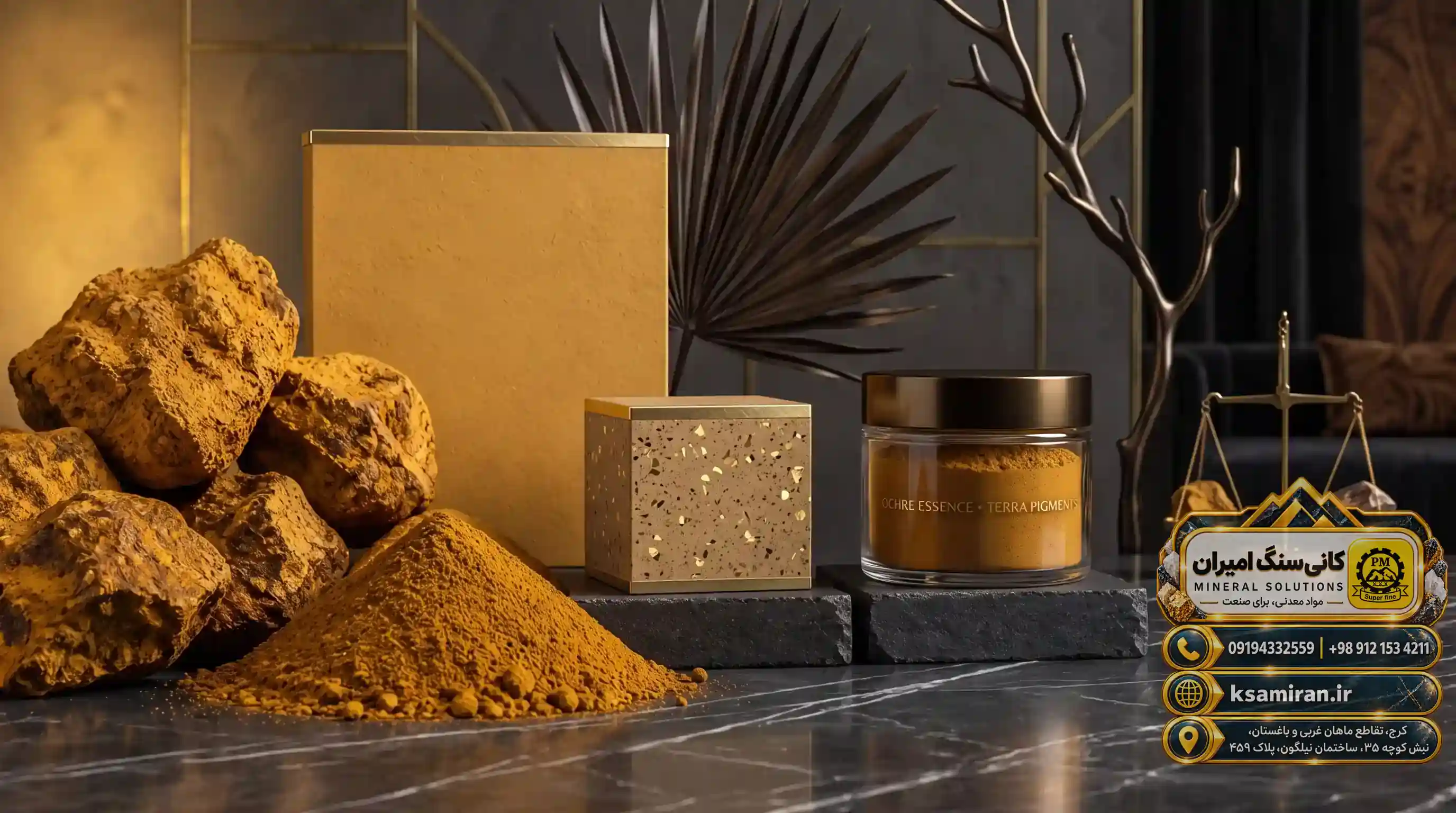
The Role of Limonite Oxide (Gol Mash) in Mosaic Manufacturing Industries
Mosaics, as one of the most widely used floor coverings in landscaping, sidewalks, and building construction, require a durable and beautiful finish. The use of low-quality pigments can ruin the beauty of these products after some time. In this context, Limonite Oxide (Gol Mash) emerges as a reliable solution for coloring and strengthening the top layer of mosaics. Due to its high compatibility with cementitious compounds, this mineral pigment creates a natural, warm, and long-lasting color.
Mosaic manufacturers are always looking for raw materials that, in addition to beauty, do not harm the overall structure of the product. Limonite Oxide (Gol Mash) powder with a mesh range of 450 to 1500 easily penetrates the cement matrix, creating a uniform, streak-free color. This product is introduced on the limonite oxide (gol mash) product page with the highest quality standards, effectively meeting manufacturers' needs.
Furthermore, just as this pigment has shown brilliant performance in other related industries, such as reviewing the role of limonite oxide (gol mash) in the ceramic industry, it is also recognized in mosaic manufacturing as a key element for achieving yellow, earthy, and cream color spectrums, noticeably elevating the final quality of floor coverings.
Coloring Mechanism and Light Stability in Colored Mosaics
One of the biggest challenges in producing colored mosaics is color stability against intense ultraviolet (UV) solar radiation and various weather conditions. Chemical and synthetic pigments usually fade after a while; however, natural mineral pigments such as Limonite Oxide (Gol Mash), due to their tectonic structure, exhibit extraordinary resistance to sunlight and oxidizing agents.
The coloring mechanism of this pigment is such that its very fine particles (within the 450 to 1500 mesh range) completely embed themselves among the cement and aggregate particles. This ensures that the pigment does not detach from the mosaic surface over time and maintains its underlying tone even with gradual surface erosion. This high light stability guarantees the visual durability of the manufactured mosaics.
In addition to light stability, the homogeneous distribution of this powder within the concrete volume or the top layer of the mosaic creates mechanical stability. Since this material is introduced for mineral pigments, coatings, and construction products, it possesses the necessary standards for resistance against the alkaline environments of cement and does not cause any negative chemical reactions, which significantly helps maintain the structural strength of the mosaic.
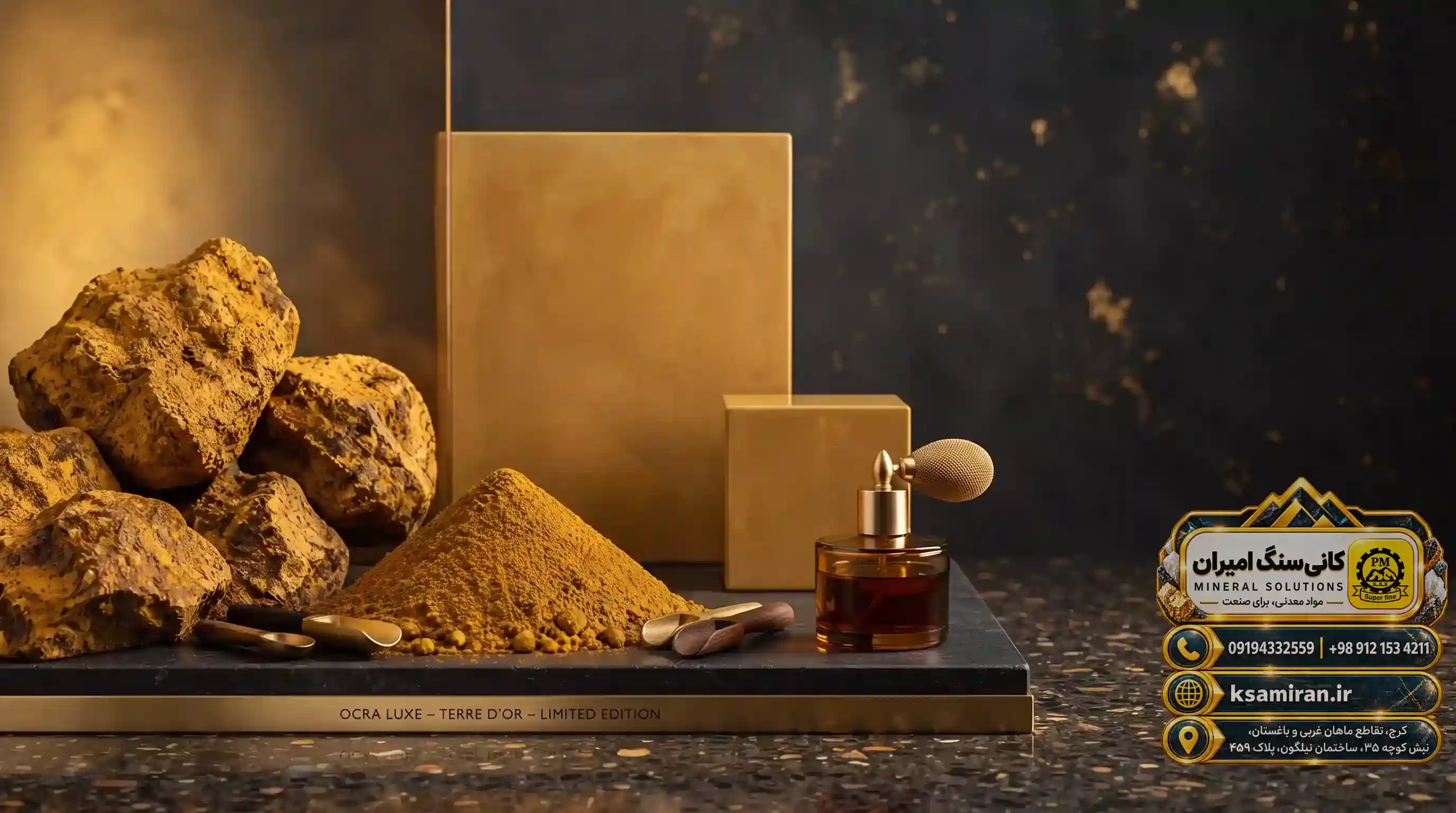
Economic and Technical Advantages of Using Limonite Oxide in Mass Production
In industrial and mass-production lines, economic justification alongside technical quality is of special importance. Using Limonite Oxide (Gol Mash), due to its relative abundance in domestic mines and optimal processing by Amiran Mineral Stone Project, is considered a very cost-effective option for mosaic manufacturers. Compared to many imported or synthetic pigments, this material has a lower finished price without causing any drop in the quality of the final product.
From a technical perspective, the high coverage and strong coloring power of this pigment mean that factories can achieve their desired color intensity using a smaller amount of powder. This feature optimizes formulation and reduces warehousing and raw material purchasing costs. The 450 to 1500 mesh range also allows for the selection of optimal granulation according to the type of mosaic pressing or casting machines.
The chemical stability of this material against the alkali present in cement prevents the occurrence of efflorescence or unwanted color changes over time. These technical and economic features together have made the use of this mineral pigment a common and profitable standard in advanced construction material manufacturing plants.
Optimal Mixing and Formulation Methods in Mosaic Production Lines
Achieving the best results in mosaic production using Limonite Oxide (Gol Mash) requires adherence to strict principles in formulation and raw material mixing. Since this pigment has a mesh range of 450 to 1500, the mixing time in the mixer must be adjusted so that the powder is distributed completely uniformly throughout the entire volume of mortar or slurry. Insufficient mixing can lead to unevenly colored spots on the mosaic surface.
In mode production methods, mineral pigments are usually first mixed with a percentage of water or lubricating additives and then added to the cement and aggregates to prevent caking. For the top layer of pressed mosaics or wash concrete, precision in the consumption rate of this pigment is vital to ensure that while maintaining the desired color tone, the compressive and abrasive strength of the top layer is not reduced.
Additionally, quality control experts must carefully monitor moisture levels and the water-to-cement ratio, as changes in water volume can affect the final color intensity of the mosaic after drying. Observing these technical tips ensures that the final product has an immaculate appearance and high quality standards.
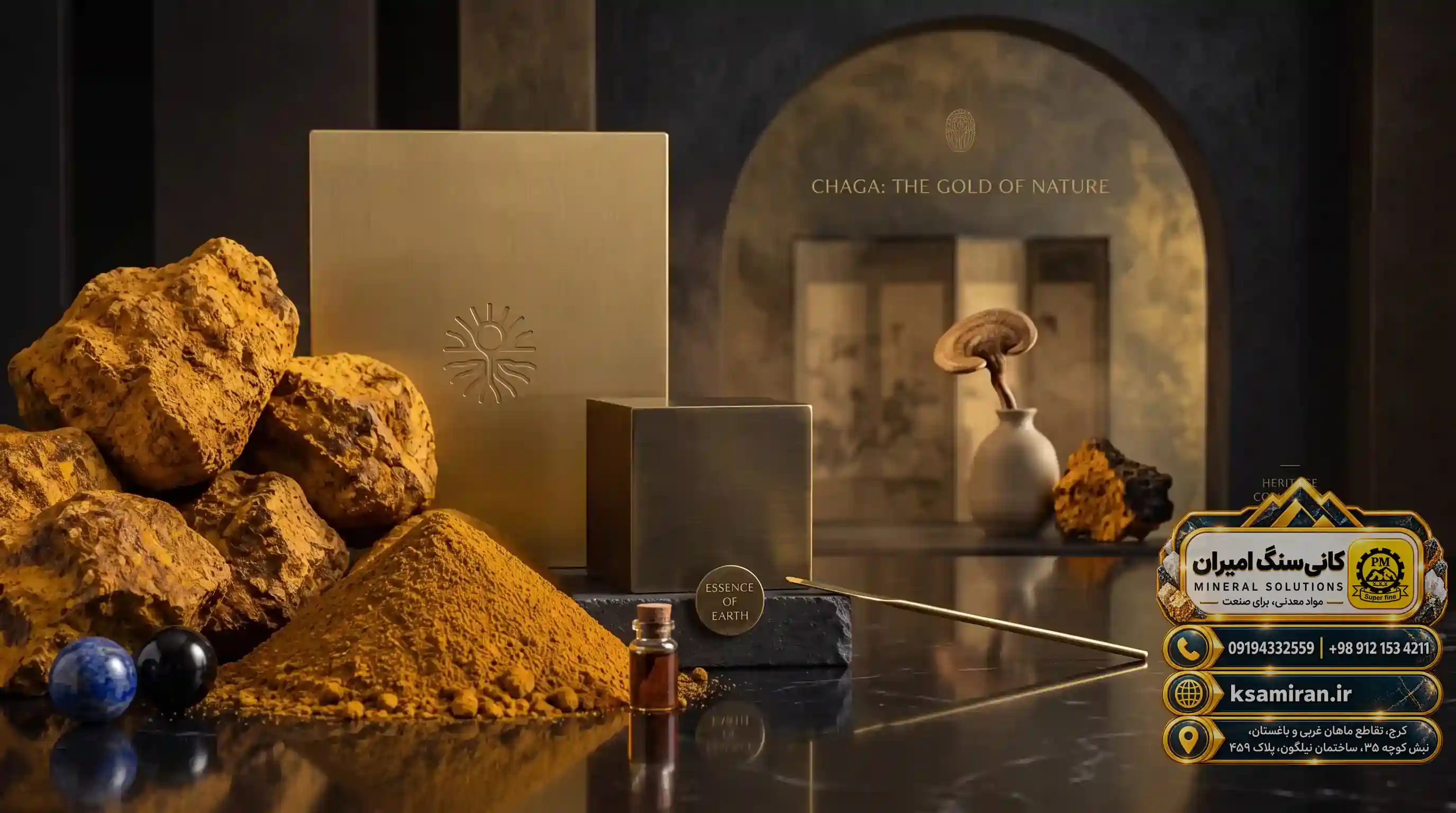
Quality Control and Evaluation Standards for Mineral Pigments
Quality assurance in the construction industry, from the initial stages of mineral extraction to the final product, is an undeniable necessity. Limonite Oxide (Gol Mash) produced by Amiran Mineral Stone Project undergoes strict quality control supervision to fully meet the required standards for mineral pigments, coatings, and construction products. Particle size analysis within the 450 to 1500 mesh range is among the routine tests performed on this product.
Alkali resistance color tests, moisture content measurement tests, iron oxide purity determination, and particle size distribution (PSA) analysis are among the measures that guarantee the quality of this mineral powder. The existence of these strict standards gives mosaic manufacturers peace of mind that they are utilizing a uniform product without quality fluctuations in their production lines.
Strict quality control not only prevents financial losses resulting from mosaic color defects but also enhances manufacturers' brand reputation in the market. For this reason, choosing reputable suppliers who transparently declare the technical specifications of their products is the most fundamental step in producing high-quality building materials.
Conclusion and Future Outlook of the Mosaic and Mineral Pigment Market
The construction and building materials industry is moving day by day toward the use of environmentally friendly, sustainable, and high-quality raw materials. Along this path, mineral pigments have secured a much firmer position than chemical colorants. Limonite Oxide (Gol Mash), as one of the most prominent examples of these materials, has managed to capture a significant share of the mosaic coloring market by offering an attractive color spectrum and extraordinary stability.
Considering features such as the 450 to 1500 mesh range, high covering power, unparalleled light stability, and complete compatibility with cementitious compounds, this material will continue to be a priority choice for manufacturers. Relying on technical knowledge and precise processing, Amiran Mineral Stone Project has paved a smooth path for various industries to access this valuable material.
Ultimately, investing in raw material quality and employing mode standards in mosaic production lines will guarantee the durability and beauty of urban and construction spaces in the future, and limonite oxide will undoubtedly play a lasting role in this transformation.
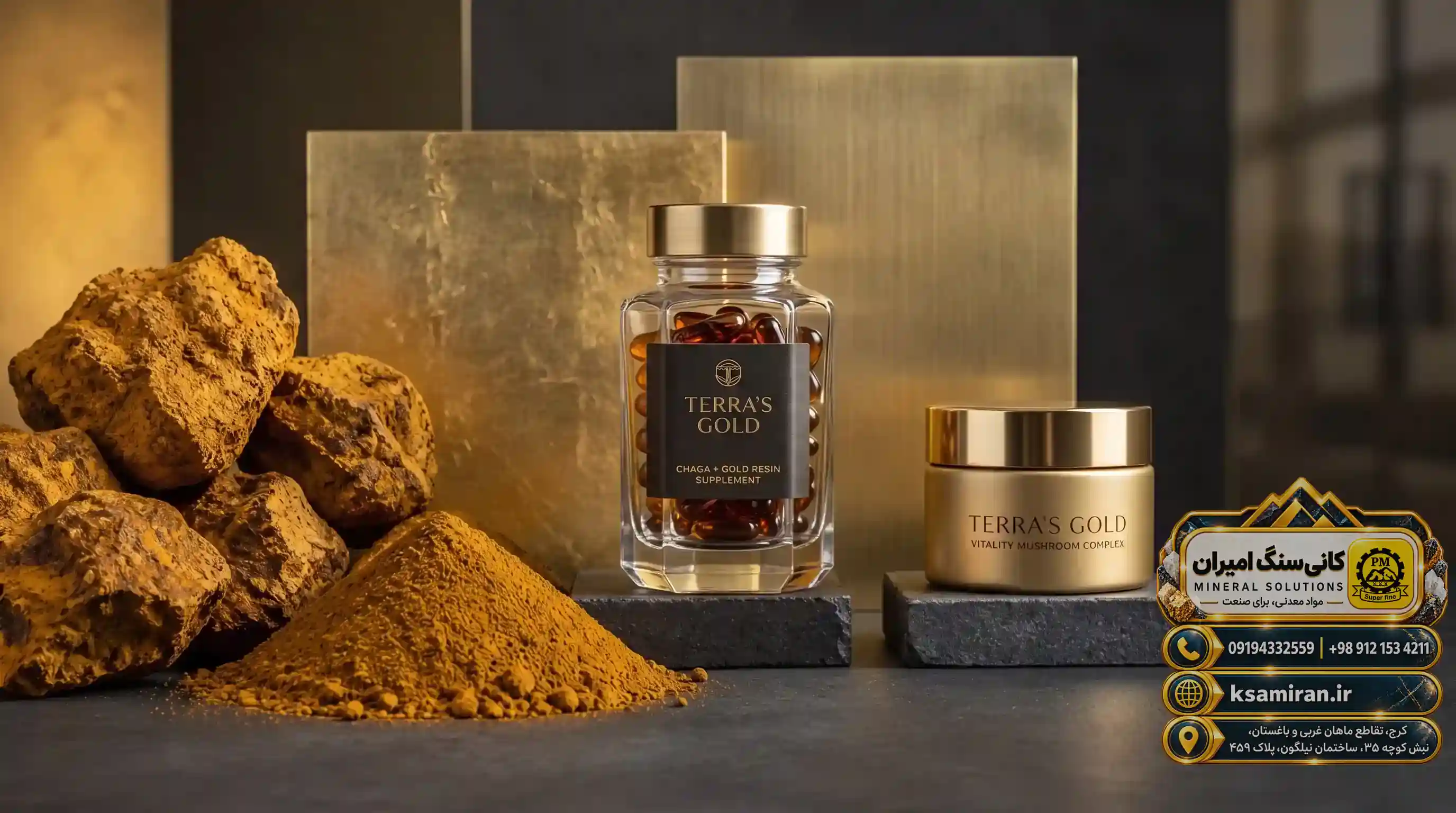
| Question | Answer |
|---|---|
| What is Limonite Oxide (Gol Mash)? | It is a natural mineral pigment with a yellow-to-brown color spectrum used in construction and coating industries. |
| What is the mesh range of this product? | This mineral powder is produced and supplied in a mesh range of 450 to 1500. |
| What are the main applications of limonite oxide? | Its main applications include mineral pigments, coatings, and construction products such as mosaics. |
| Why is this pigment used in mosaic production? | Due to its high light stability, compatibility with cement, and creation of a natural, long-lasting color in mosaics. |
| Does this material change color under sunlight? | No, due to its natural mineral structure, it has very high resistance to UV radiation and fading. |
| How can this product be procured? | You can visit the dedicated product page on the Amiran Mineral Stone Project website. |
| Is this pigment compatible with the alkaline environment of cement? | Yes, it is fully compatible with alkaline environments and does not cause any negative reactions. |
| Which supplier company offers this product? | Amiran Mineral Stone Project is the manufacturer and supplier of this mineral material. |
| Does this powder cause efflorescence in mosaics? | No, if formulation principles are followed, it does not cause any efflorescence or unwanted color changes. |
| What is the reason for using a high mesh range in this product? | The fineness of the particles leads to homogeneous dispersion, better coverage, and higher final color quality. |
Amiran Mineral Stone Project — Reference for the production and processing of minerals and industrial pigments.
برچسب: Limonite Oxide (Gol Mash),The Role of Limonite Oxide (Gol Mash) in Mosaic Manufacturing Industries,
نویسنده: رساوب آفرین