
درباره سایت
آخرین مطالب
- استخدام أكسيد الليمونيت (الماغش) في صناعات الزجاج
- کاربرد اکسید لیمونیت (گل ماش) در صنایع شیشهسازی
- A Review of Daily Prices for Limonite Oxide (Ocher) in the Market
- چگونه خالص بودن اکسید لیمونیت (گل ماش) را تشخیص دهیم؟
- بررسی قیمت روز اکسید لیمونیت (گل ماش) در بازار
- Application of Limonite Oxide (Gole Mash) in Glassmaking Industries
- كيف تتعرف على نقاء أكسيد الليمونيت (جول ماش)؟
- How to Determine the Purity of Limonite Oxide (Gol Mash)?
- بررسی استانداردهای ایمنی کار با اکسید لیمونیت (گل ماش)
- Comprehensive Guide to Technical Analysis of Limonite Oxide (Gol Mash)
امکانات وب
Introduction to the Importance of Identifying Fraud in Purchasing Limonite Oxide (Gol Mash)
The market for minerals and industrial pigments has always been one of the most sensitive markets for manufacturers across various industries. Meanwhile, limonite oxide (Gol Mash) holds a special position as one of the most widely used mineral pigments in the production of pigments, coatings, and construction products. The importance of this material stems from its key role in determining the quality, color, and final durability of products supplied to the market. Given the high economic value and widespread application of this mineral powder, unfortunately, some profiteers attempt to supply fake, impure, or low-quality samples in the market, which can cause irreparable damage to factory production lines.
To combat this phenomenon, awareness of fraudulent methods and ways to verify product authenticity is of high importance. Industrial buyers must gather sufficient information regarding the technical specifications, physical characteristics, and standards of this material before finalizing their orders. A precise understanding of the physical and chemical properties of limonite oxide (Gol Mash) helps industrialists avoid mistakes when dealing with dishonest suppliers and procure a high-quality, standard product. In this article, we intend to examine strategies for preventing fraud when purchasing this product and scrutinize its various dimensions.
One of the fundamental steps in the smart purchasing process is reading specialized guides. For example, reading the article How to choose the best limonite oxide (Gol Mash)? can give you a more comprehensive view of quality indicators and evaluation criteria. Furthermore, a careful review of the specifications provided by reputable manufacturers, such as what is presented on the official page of limonite oxide (Gol Mash), will provide greater peace of mind for the buyer and prevent any financial loss.
Familiarity with Technical Specifications and Standard Features of Limonite Oxide (Gol Mash)
To be able to distinguish counterfeit products from genuine samples, we must first become familiar with the structural and technical characteristics of limonite oxide (Gol Mash). This material is a natural mineral pigment that produces a color spectrum ranging from yellow to yellowish-brown due to its iron-bearing compounds. One of the most important technical specifications of this mineral powder is its mesh range, which is typically standardized between 450 and 1500 mesh. This fine particle size plays a key role in the coverage rate and uniform dispersion of the pigment within construction materials and coatings.
The quality of this mineral pigment is directly related to its degree of purity and the uniformity of its granulation. If the purchased powder has particles larger than the specified range or contains earthy impurities, it will lose its efficiency in the construction and coating industries. Profiteers usually mix this material with cheap soils or low-quality synthetic pigments to sell an inferior product under the name of limonite oxide (Gol Mash), the detection of which requires high precision and laboratory testing.
Therefore, before bulk purchasing, a careful review of the Technical Data Sheet (TDS) is mandatory. Any discrepancy between the specifications aounced by the seller and the physical reality of the powder is the first red flag indicating potential fraud in the delivered cargo. Buyers must always match mesh values, moisture content, and ignition loss against accepted standards to ensure the authenticity of the mineral material.
Understanding the Most Common Fraud Methods in the Mineral and Pigment Market
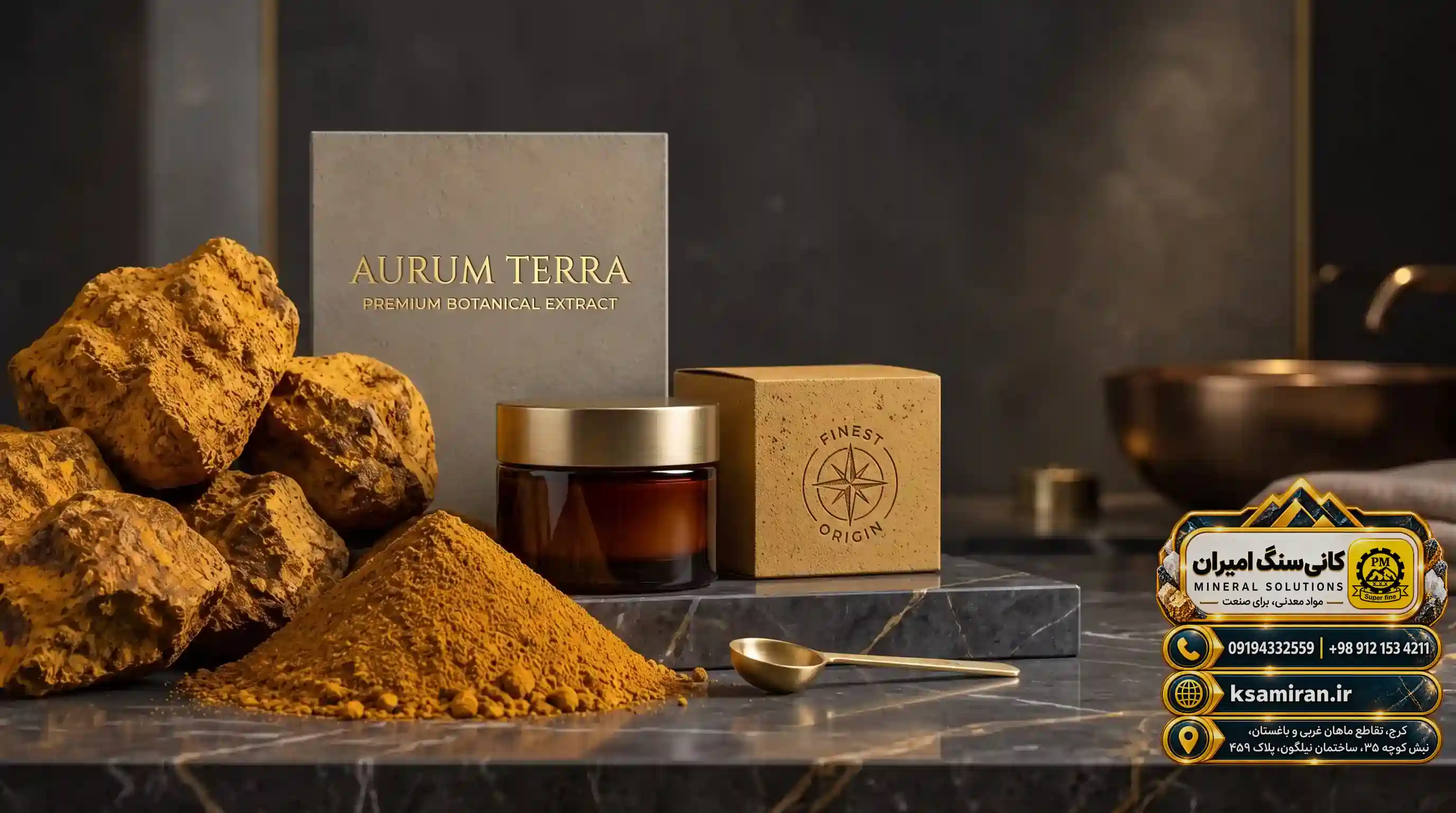
The mineral market witnesses various tricks employed by profiteers to reduce production costs and increase false profits. In the case of limonite oxide (Gol Mash), fraud is usually carried out through a few main methods. One of the most common methods is diluting the primary pigment with cheap fillers such as calcium carbonate, barite, or clay soils lacking coloring value. This practice reduces the tinting strength and causes a severe drop in the final quality of construction products and industrial coatings.
Another method of fraud is using artificial dyes and inferior chemical bases to compensate for the drop in color quality in impure powders. These fake pigments may have an attractive color at first glance, but they lack the necessary stability against sunlight, weather conditions, and alkaline substances present in building materials, quickly suffering from discoloration or peeling. Additionally, manipulating the mesh size and selling powders with irregular granulation outside the 450 1500 mesh range as micronized and premium products is another tactic used by offenders in the market.
A precise understanding of these tactics helps buyers act with greater vigilance. Awareness of how profiteers reduce quality by adding inferior materials doubles the importance of specialized purity checks. In this regard, reading the detailed and practical article How to detect limonite oxide (Gol Mash) purity? provides you with the necessary mental and scientific tools to identify these impurities so you do not fall into the trap of profiteers.
Main Applications of Limonite Oxide (Gol Mash) and Their Quality Sensitivities
Understanding the main applications of limonite oxide (Gol Mash) helps us comprehend why the presence of fraud in this material is so dangerous for consumer industries. This mineral pigment is mainly used in three key areas: mineral pigment production, coating industries, and construction product manufacturing. In the construction industry, this powder is used for coloring concrete, cement blocks, mosaic tiles, colored facade bricks, and flooring. In the coating sector, it is also used as an anti-corrosion and protective pigment.
Quality sensitivity in these applications is extremely high. For example, if a fake pigment is used in the production of construction products, the concrete or cement mortar will experience reduced strength, uneven fading, or efflorescence after a while. This issue severely undermines the credibility of the end-product manufacturer. For this reason, construction industries and coating manufacturers must be completely certain of the color stability and chemical durability of the pigment they consume.
The use of high-quality and standard raw materials guarantees the durability and quality of civil and industrial projects. Therefore, familiarity with the principles of applying this material across various industries becomes vital. To gain more information in this area, reading the comprehensive guide on using limonite oxide (Gol Mash) can point industrialists in the right direction to maximize the utilization of this product and prevent costly errors.
The Role of the Technical Data Sheet (TDS) and Laboratory Tests in Product Authenticity Verification
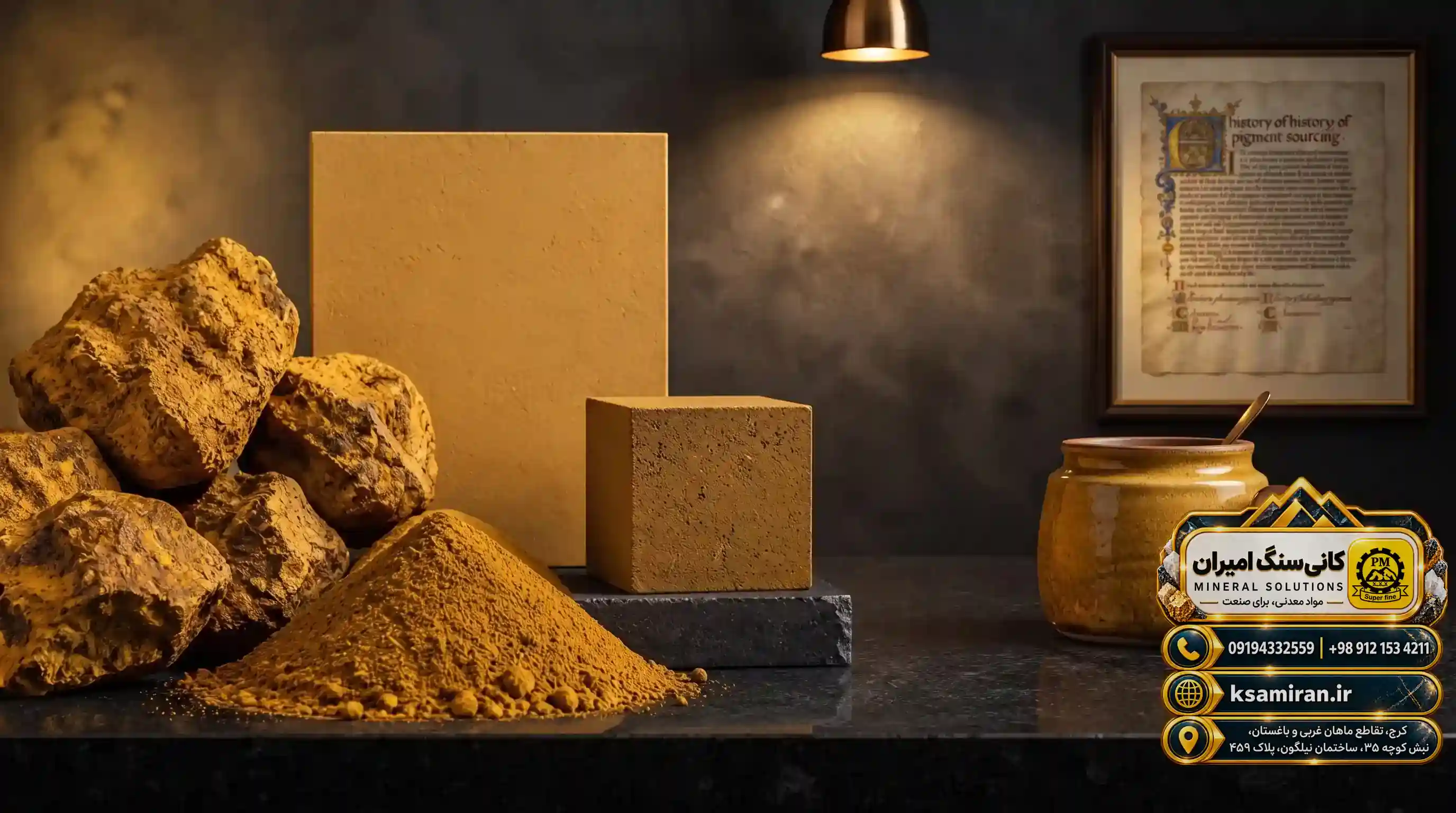
One of the most reliable strategies to prevent fraud when purchasing limonite oxide (Gol Mash) is referring to the technical information sheet, known as the TDS. Reputable and committed mineral producers supply their products along with detailed laboratory analyses that include the percentage of metal compounds, moisture content, pH, granulation, and mesh size. A professional buyer never purchases high volumes of powder without reviewing this sheet and matching it against industrial standards.
In addition to reviewing the analysis sheet, performing simple physical and chemical tests in the workshop or factory laboratory can also be very helpful. For example, testing tinting strength compared to a standard reference sample, checking solubility in water or industrial solvents, and measuring the residue on laboratory sieves corresponding to the 450 1500 mesh range are among the quick tests that any quality control unit can perform.
If a seller refuses to provide a valid analysis sheet or avoids sending an initial sample for laboratory testing, their product's authenticity should be doubted. Insisting on receiving a test sample and laboratory approval is a strong defense shield against purchasing fake and low-quality products, minimizing commercial risks.
Challenges of Bulk Purchasing and the Importance of Choosing Reputable Mineral Suppliers
Bulk purchasing of minerals is always accompanied by major challenges. When high toages of limonite oxide (Gol Mash) are involved, the slightest drop in quality or presence of fraud in the shipment can inflict heavy financial losses on the buyer's organization. Many buyers fall into the trap of counterfeit products due to being attracted by the lower prices of certain unknown suppliers; whereas a low price usually indicates the use of impurities or non-compliance with processing standards.
To overcome this challenge, the best strategy is to cut ties with unknown intermediaries and cooperate directly with established, reputable producers and suppliers in the mineral field. A supplier with a clear track record, mechanized production lines, and a commitment to quality will never jeopardize its reputation by supplying counterfeit products. These companies typically guarantee quality consistency across all dispatched batches.
Kani Sang Amiran project, as a mineral producer, has strived to reduce industrialists' conces regarding raw material supply by offering standard products and transparency in technical specifications. Purchasing from reliable sources brings peace of mind to production lines and ensures that the final product reaches the end customer with the highest standards.
Examining the Appearance and Physical Signs of High-Quality Limonite Oxide (Gol Mash)
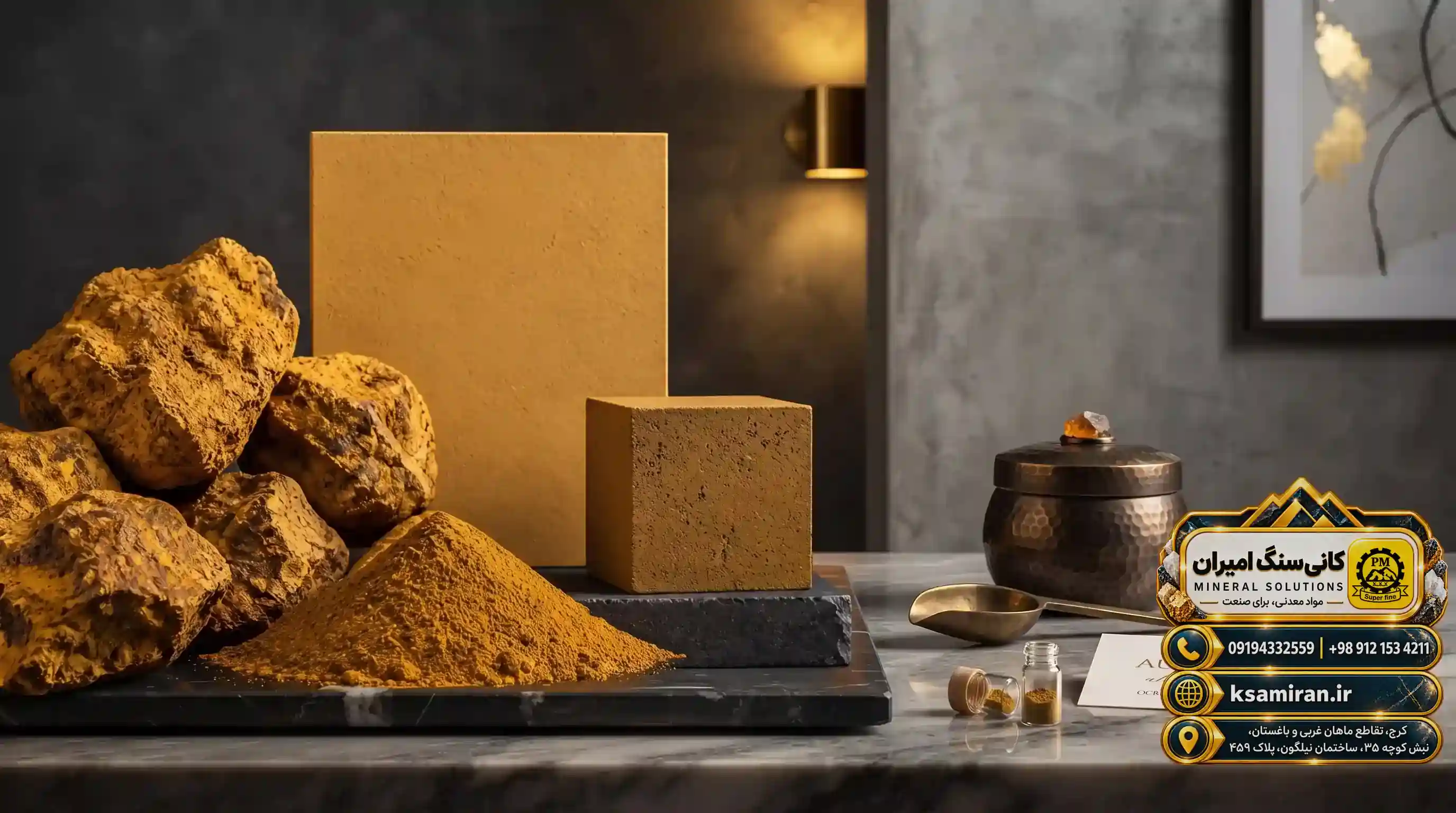
Although laboratory tests are the most accurate method for determining authenticity, inspecting the appearance and physical signs of limonite oxide (Gol Mash) can also provide valuable information to the buyer at first glance. The high-quality powder of this mineral pigment should have a uniform color, free from unusual dark or light spots, and a completely soft and consistent texture. The presence of hard lumps in the bags that do not easily powder under hand pressure indicates high moisture or improper storage of the goods.
The smell of the powder can also be an important sign. Pure and natural limonite oxide should not have an unpleasant chemical or petroleum odor. Additionally, touching a small amount of the powder should create a distinct softness under the fingers; because having particles in the standard mesh range (450 1500 mesh) means they are fine and lack noticeable particle roughness. If the powder creates a strong rough feeling under the fingers, the declared mesh size is likely incorrect or coarse-grained impurities have been mixed into it.
Paying attention to the type of packaging, printing complete product specifications on the bags, and the absence of tears or moisture traces in the packaging are other appearance points that must be checked upon delivery. Following these simple yet vital tips will prevent the acceptance of fake and defective shipments in the factory warehouse.
Conclusion and Final Checklist for a Safe and Reliable Purchase
In this article, we examined various aspects of preventing fraud when purchasing limonite oxide (Gol Mash) and it became clear that given the widespread application of this pigment in pigment manufacturing, coating, and construction products, precision in product selection is of high importance. Recognizing technical features, being aware of fraud tactics, reviewing the analysis sheet, and purchasing from reputable sources form the four main pillars of a safe and successful industrial purchase.
In conclusion, following a simple checklist including the following items can ensure a risk-free purchase for you: 1) inquiring about technical specifications and matching the mesh range (450 1500 mesh) with production line requirements, 2) obtaining a valid analysis sheet (TDS) prior to settlement, 3) acquiring a test sample and conducting comparative coloring strength and purity tests, 4) visually inspecting the powder for color uniformity and the absence of hard lumps, and 5) purchasing directly from reputable and experienced mineral producers.
By following these principles and remaining vigilant against abnormal market prices, you can prevent counterfeit materials from entering your production line and guarantee the quality of your final products. Investing in high-quality raw materials will ultimately lead to the enhancement of your brand position and customer satisfaction.
| Question | Answer |
|---|---|
| What is limonite oxide (Gol Mash)? | It is a natural mineral pigment with a yellow to brown color spectrum used in construction industries, coatings, and pigment manufacturing. |
| What is the standard mesh range of this mineral powder? | The standard mesh range of this product is between 450 and 1500 mesh. |
| What are the main applications of limonite oxide? | Main applications include producing mineral pigments, various coatings, and construction products such as concrete and colored blocks. |
| What is the most common method of fraud in this material? | Mixing the pigment with cheap fillers such as calcium carbonate or clay soils to reduce the final cost. |
| How can one ensure product authenticity? | By obtaining the analysis sheet (TDS), conducting comparative color laboratory tests, and purchasing from reputable suppliers. |
| Is a low price a sign of high quality? | No, uncommonly low prices are usually a sign of impurities, quality reduction, or a counterfeit product. |
| Why is checking the mesh range important? | Because particle size has a direct impact on the coverage rate, dispersion, and final quality of the construction product. |
| Is this material resistant to weather conditions? | Genuine and standard samples possess high color stability and resistance against sunlight and alkaline substances. |
| How can one obtain a test sample? | By directly contacting the sales unit of reputable mineral producers to request a sample shipment. |
| Why does purchasing from intermediaries carry a high risk? | Due to a lack of sufficient quality oversight and a high probability of tampering or impurity in the brokerage network. |
Kani Sang Amiran Project — Mineral Production
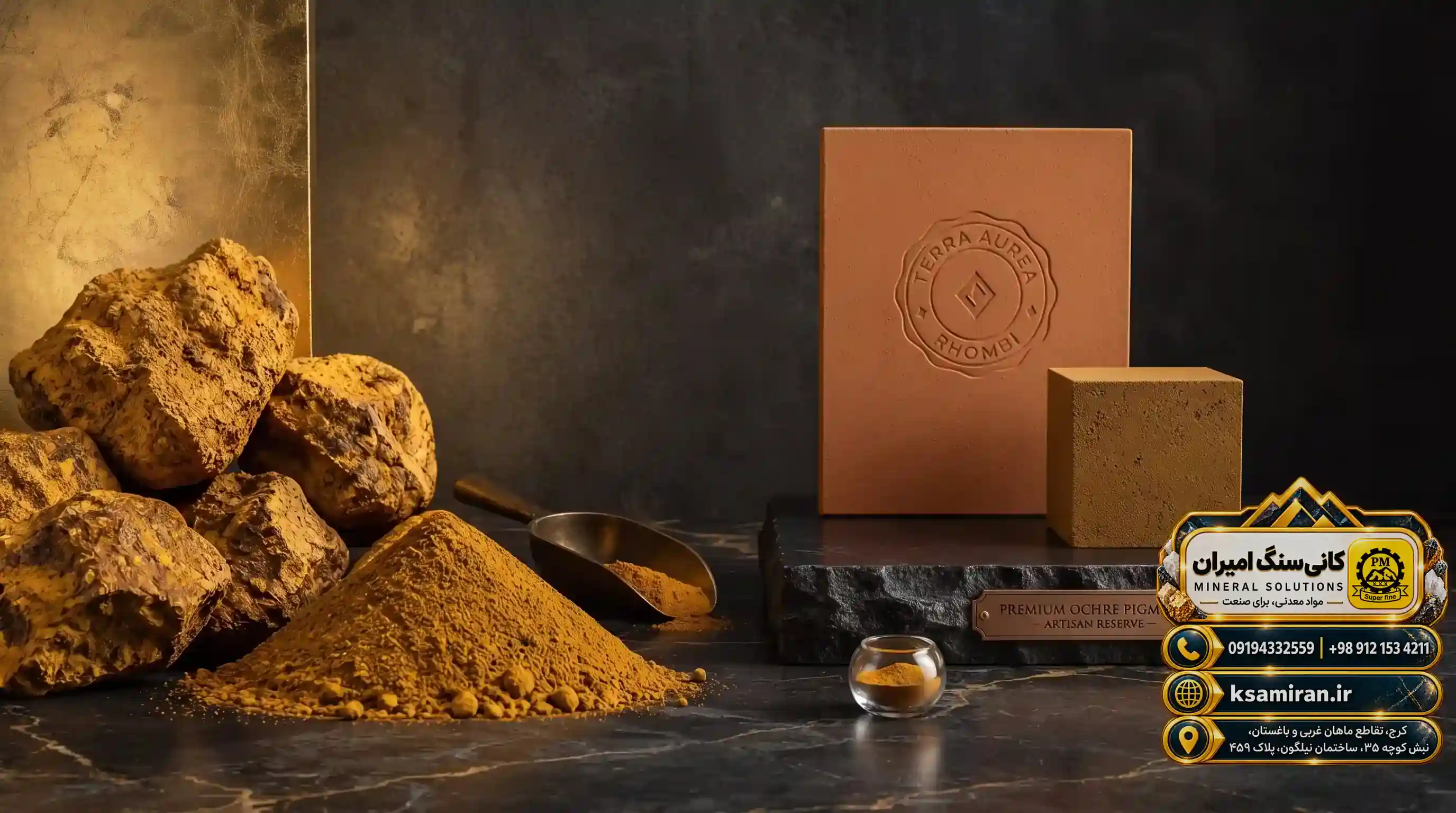
برچسب: Limonite Oxide (Gol Mash),How to Prevent Fraud When Purchasing Limonite Oxide (Gol Mash)?,
نویسنده: رساوب آفرین