
درباره سایت
آخرین مطالب
- اکسید لیمونیت (گل ماش) استاندارد جدید در صنایع پوشش صنعتی
- کائولن باکیفیت کانی سنگ برای کاغذسازی مش 450 تا 1500
- سیلیس باکیفیت کانی سنگ امیران برای صنایع سرامیک با مش ۱۰ تا ۴۵۰
- تالک صنعتی با دانه بندی استاندارد برای کاربردهای صنعتی
- کائولن مرغوب کانی سنگ امیران برای رنگ و لعاب با مش 450 تا 1500
- کائولن درجه یک کانی سنگ امیران برای کاشی و لعاب مش 450 تا 1500
- خرید کائولن اصیل کانی سنگ برای کاشی و کاغذ دانه بندی 450 تا 1500
- دریافت کاتالوگ و آنالیز فنی کربنات کلسیم ۸۰۰ مش
- سیلیس صنعتی کانی سنگ امیران برای صنایع شیشه در مش ۱۰ تا ۴۵۰
- خرید فلدسپات به عنوان مواد اولیه صنایع شیشه و سرامیک
امکانات وب
Introduction to the Role of Industrial Talc Powder in the Paint Manufacturing Industry
The paint manufacturing industry is one of the most advanced industrial sectors requiring high-quality mineral raw materials to enhance product quality. Among these, industrial talc is recognized as one of the most functional fillers and improvers of physical and chemical properties. Kani Sang Amiran Project, by supplying this valuable mineral material, plays a key role in improving the performance of industrial formulations.
With its flaky structure and unique properties, this material has a direct impact on features such as gloss, coverage, weather resistance, and paint viscosity. Engineers and paint formulation designers are constantly looking for raw materials that not only reduce production costs but also elevate the final product quality. Due to its structural characteristics, industrial talc has secured a special position in this industry.
In addition to the paint industry, this material has widespread applications in other fields such as polymer products, rubber products, paint, and industrial products. The variety in the mesh range from 450 to 1000 mesh allows formulators to select the most precise and appropriate granulation according to their needs. To lea more about specialized products, you can visit the Industrial Talc page.
A detailed examination of the impact of the color and whiteness of talc powder on the final paint shade is of high importance. The whiteness of this mineral powder directly affects the consumption rate of titanium dioxide and significantly helps optimize production costs. In the continuation of this article, we will examine the various dimensions of this topic.
The Importance of Whiteness and Purity of Industrial Talc in Paint Formulation
In the production of architectural and industrial paints, the factor of whiteness and purity grade of talc powder is of vital importance. Industrial talc with an optimal whiteness grade can act as a brightener and coating enhancer. When high-whiteness talc powder is added to the paint matrix, it helps better reflect light, resulting in a brighter and more uniform final coating.
Kani Sang Amiran Project, through precise mineral processing, offers talc with a mesh range of 450 1000 mesh, featuring a very homogeneous particle distribution. This homogeneity in particle size ensures that the powder's whiteness is evenly distributed throughout the paint volume, preventing dark spots or unwanted shadows. This feature is doubly important, especially in the production of white and pastel paints.
In addition to color, the quality of other mineral materials is also considered in the coating and paint-making industries. For example, in topics related to architectural and mineral coatings, examining <ق>Examining the Application of Dolomite in Paint and Resin Industries | URL: https://ksamiran.ir/dolomite-application-in-glass-ceramic-and-construction-industries/ can provide useful supplementary information. Nevertheless, industrial talc remains the primary choice for improving the mechanical properties of paint due to its specific layered structure.
The appropriate substitution of industrial talc for other pigments helps reduce the consumption of expensive materials like titanium dioxide without causing a noticeable drop in whiteness or covering power. This is economically very significant for manufacturers.

The Impact of Particle Size Distribution and Mesh Size (450 1000 Mesh) on Paint Quality
The particle size of mineral powder is one of the key parameters in determining the final properties of paint. Industrial talc is produced and supplied in the mesh range of 450 1000 mesh, where each segment of this range injects a specific application and feature into the paint system. Finer particles with higher mesh (close to 1000) create a larger contact surface, thereby improving gloss and abrasion resistance.
On the other hand, lower meshes (close to 450) are more suitable for applications requiring high filling capacity and controlled viscosity. In polymer products, rubber products, paint, and industrial products, selecting the appropriate mesh ensures optimal performance of the final product. Due to their plate-like morphology, industrial talc particles align parallel within the paint layer, preventing moisture and corrosive agents from penetrating the underlying surface.
Compared to other filler minerals, such as discussed in the article How to Identify Original Calcium Carbonate Powder?, talc imparts different properties to the paint, including higher flexibility and thermal resistance. Identifying powder purity and quality during purchase plays a decisive role in preventing agglomeration and ensuring better dispersion in solvents.
Paint manufacturers, being aware of the impact of precise mesh sizing, can accurately control the gloss and matting levels of the paint. With its standard mesh range, industrial talc provides chemical engineers with the tools necessary for this precise control.
The Role of Industrial Talc in Improving Mechanical Properties and Weather Resistance of Paint
Industrial and architectural paints are exposed to harsh environmental conditions such as ultraviolet radiation, extreme temperature fluctuations, rainfall, and corrosive agents. Industrial talc acts as a structural reinforcing agent that dramatically increases the resistance of the paint film against these factors. The flaky or layered structure of talc creates a long, tortuous path for the penetration of water molecules and gases, known as the Barrier Effect.
This feature prevents paint peeling, blistering, and corrosion of substrate metals. By providing this high-quality product, Kani Sang Amiran Project helps various industries increase the durability of their products in outdoor environments. In addition to paint, the use of this powder in rubber products and polymer products has also proven to improve mechanical properties and tensile strength.
Alongside weather resistance, some industries require advanced acoustic and thermal insulation. In this regard, familiarizing yourself with The Application of Industrial Barite in the Production of Acoustic and Thermal Insulation can provide a comprehensive perspective on the synergy of various mineral materials in coating and insulation formulations. However, the role of industrial talc in improving flexibility and reducing paint cracking is unparalleled.
Combining talc with various resins reduces the inteal stresses of the paint film during drying. This prevents hair-line cracks and maximizes the useful lifespan of the coating.
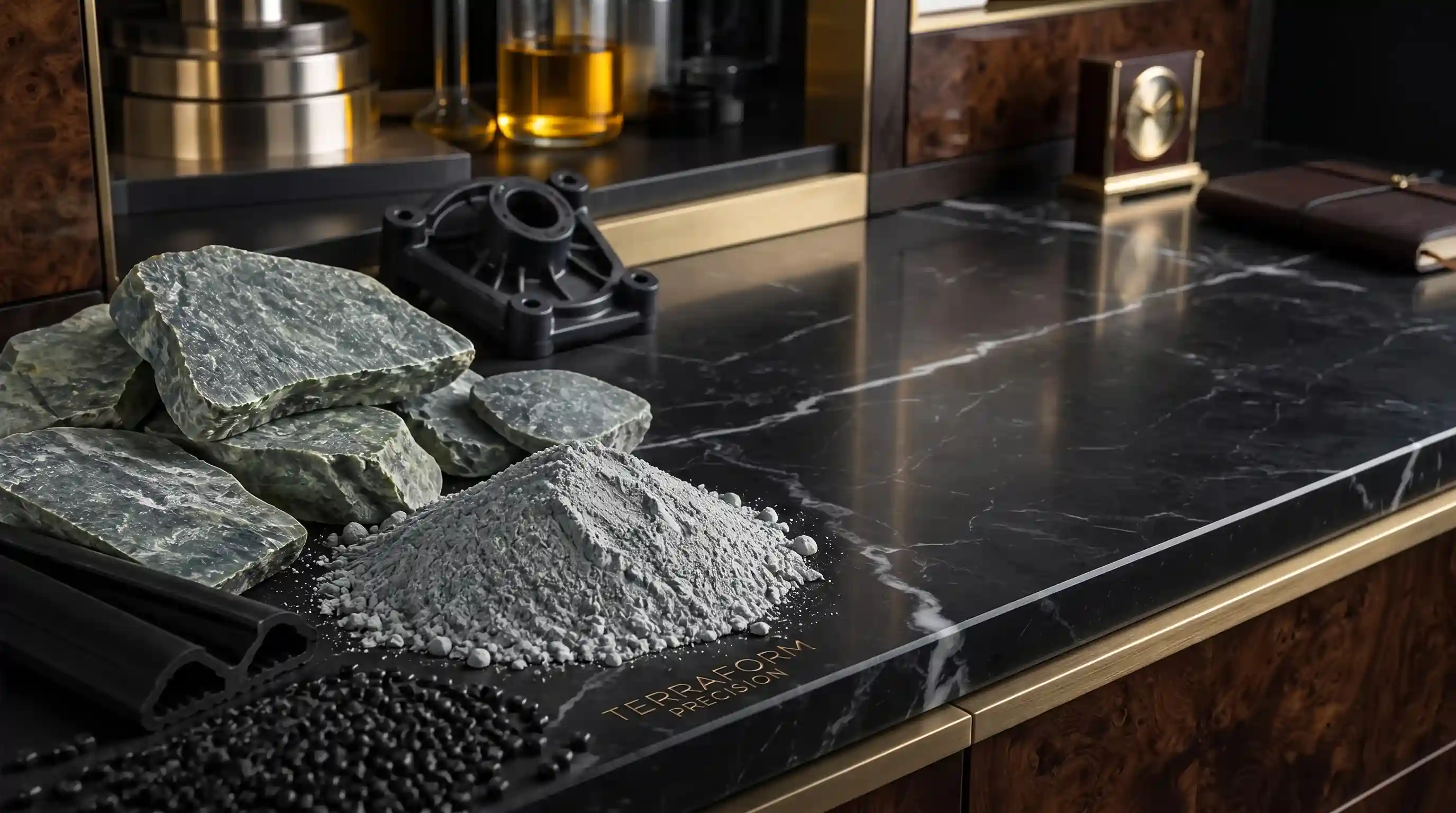
Economic Review and Reduction of Formulation Costs Using Talc
Cost management in industrial production lines is one of the main conces of managers and formulation engineers. As a cost-effective filler material, industrial talc allows for reduced final paint production costs without sacrificing quality. Replacing a percentage of expensive pigments or resins with high-quality industrial talc improves manufacturers' profit margins.
One of the important economic advantages of talc is its ability to improve the dry and wet hiding power of paint. Thanks to its desirable whiteness grade, the need for excessive use of titanium dioxide is reduced, which itself constitutes a major economic saving in the paint manufacturing industry. This product is selected for polymers, rubber, paint, and industrial applications and exhibits high efficiency in cost optimization.
The 450 1000 mesh range allows manufacturers to select the optimal granulation precisely tailored to their budget and technical requirements. By ensuring a continuous and stable supply of these mineral materials, Kani Sang Amiran Project guarantees price stability and quality for consuming industries.
Energy consumption optimization during the grinding and mixing process of paint is another economic benefit of using talc with appropriate particle size distribution. Finer and more homogeneous particles require less time for dispersion in the system, which means reduced electricity consumption and equipment wear.
Diverse Applications of Industrial Talc in Polymer and Rubber Products
Although the primary focus of this article is on the paint industry, the extensive applications of industrial talc in the polymer and rubber industries caot be overlooked. In polymer products, adding talc as a reinforcer increases the elastic modulus, improves hardness, and enhances Heat Distortion Temperature. These features are critical in automotive parts and plastic household appliances.
In rubber products, talc plays an important role as an active filler in improving the processing properties of rubber compounds, reducing tackiness, and increasing tear resistance. The flaky structure of talc improves the impermeability of rubber to gases, which is useful in the manufacture of tires and ier tubes.
This material is recognized as a multi-purpose additive for polymers, rubber, paint, and industrial applications, and this diversity of applications testifies to its high quality. By offering the 450 1000 mesh range, Kani Sang Amiran Project optimally covers the diverse needs of these industries.
The use of talc in plastics also helps improve the dimensional stability of injection-molded parts and prevents shrinkage and warping during cooling. This engineering advantage brings high dimensional accuracy to the production of industrial parts.

Technical Tips on Storage, Dispersion, and Processing of Industrial Talc in Paint Plants
Paint production line managers and operators must be familiar with the correct principles of storing and dispersing talc powder to achieve the best results. Due to its mineral nature, industrial talc must be stored in a dry environment away from moisture to prevent particle agglomeration. Atmospheric humidity can negatively affect the flowability and dispersion of the powder in the resin.
During the production stage, the process of dispersion or wetting of talc particles by solvents and resins requires appropriate equipment such as a dissolver or high-shear agitators. The 450 1000 mesh range determines how much mixing time is required to achieve the desired finish and granulation (Hegman Grind). Finer particles may require more time for complete wetting.
Paying attention to the oil absorption rate of talc is also very important in paint formulation. High oil absorption can rapidly increase paint viscosity, making it necessary to precisely adjust its usage amount alongside other fillers and solvents.
Observing workshop safety standards, such as wearing appropriate respiratory masks when emptying bags of talc powder, ensures operator health. Kani Sang Amiran Project supplies its products in standard packaging to ensure transportation and unloading in factories are carried out with the minimum amount of dust.
Conclusion and Outlook for the Use of Industrial Talc in Mode Industries
In conclusion, industrial talc is recognized as one of the most strategic mineral materials in various industries, including paint manufacturing, polymers, and rubber. Studies have shown that the impact of the color and whiteness of this powder on the final paint shade, the reduction in the need for expensive pigments, and the improvement of mechanical and weather resistance make it an irreplaceable option.
By supplying this mineral material in the 450 1000 mesh range, Kani Sang Amiran Project meets the quality and standards required by advanced industries. The applicability of this material for polymers, rubber, paint, and industrial products demonstrates its high flexibility in various formulations.
With the advancement of paint manufacturing technologies and specialized coatings, the demand for high-purity mineral powders with engineered granulation is increasing day by day. By carefully selecting raw materials, manufacturers can maintain their competitiveness in domestic and foreign markets.
To obtain more information, inquire about prices, and place an order, you can visit the dedicated Industrial Talc page right now and coect with the experts at Kani Sang Amiran Project to receive the best technical advice.
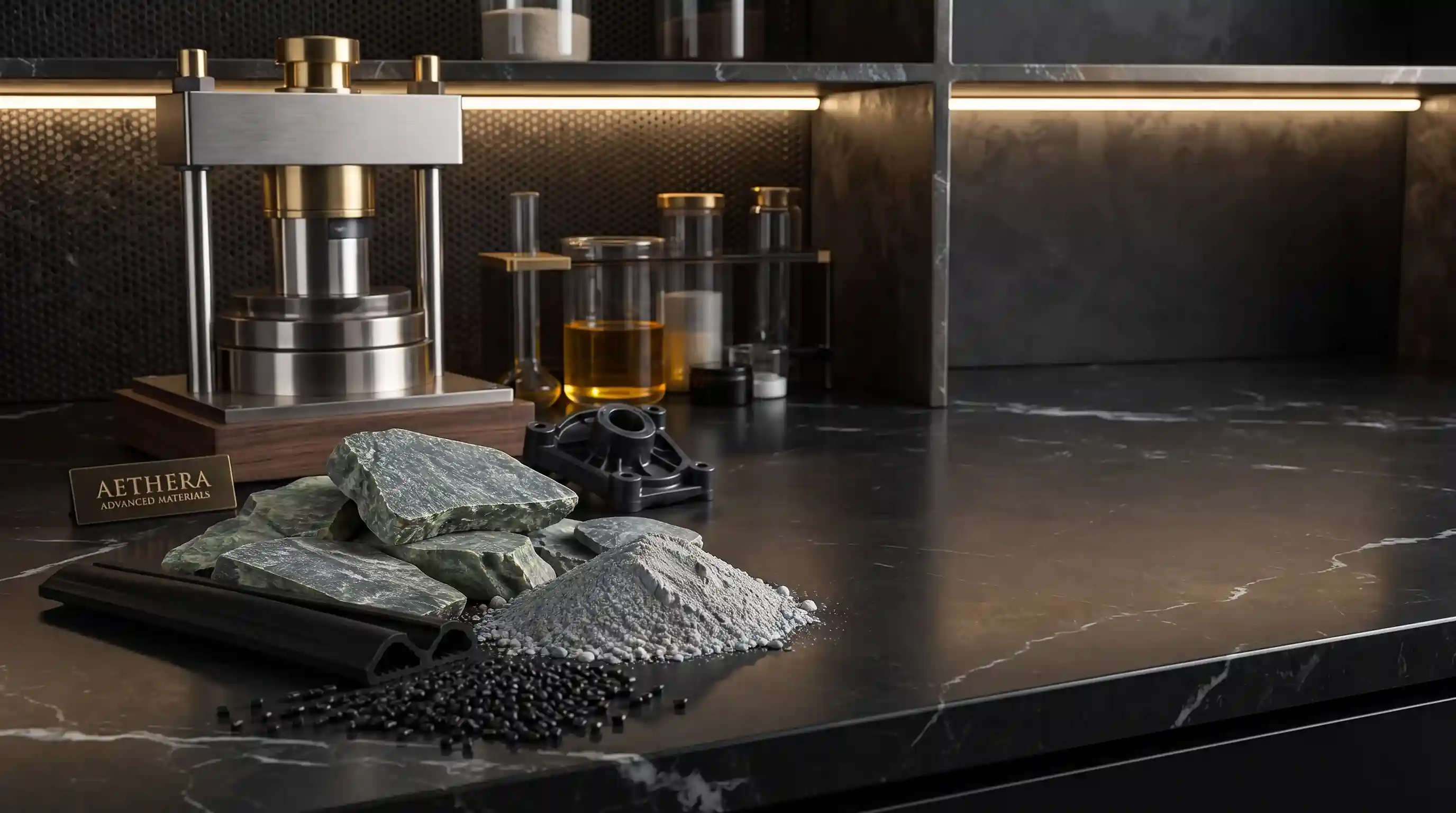
| Question | Answer |
|---|---|
| What is industrial talc? | It is a flaky mineral material used as a filler and property improver in paint, polymers, and rubber. |
| What is the mesh range of Amiran industrial talc? | This product is supplied in the range of 450 to 1000 mesh. |
| What are the main applications of industrial talc? | Polymer products, rubber products, paint, and industrial products. |
| What is the effect of talc whiteness on paint? | High whiteness helps reflect light and reduces the consumption of titanium dioxide. |
| How can industrial talc be ordered? | Orders can be placed by visiting the product page on the Kani Sang Amiran website. |
| Does talc increase paint resistance against weather? | Yes, its layered structure prevents the penetration of moisture and atmospheric agents. |
| What is the effect of mesh sizing on paint gloss? | Higher (finer) meshes improve gloss and abrasion resistance. |
| Why does talc reduce costs? | Due to its affordable price and replacement of a portion of expensive pigments. |
| What are the storage conditions for industrial talc? | It must be stored in a dry environment away from moisture to prevent agglomeration. |
| Is this material used in the plastics industry? | Yes, it increases the hardness and dimensional stability of polymers. |
Kani Sang Amiran Project — Reference for Industrial Mineral Supply
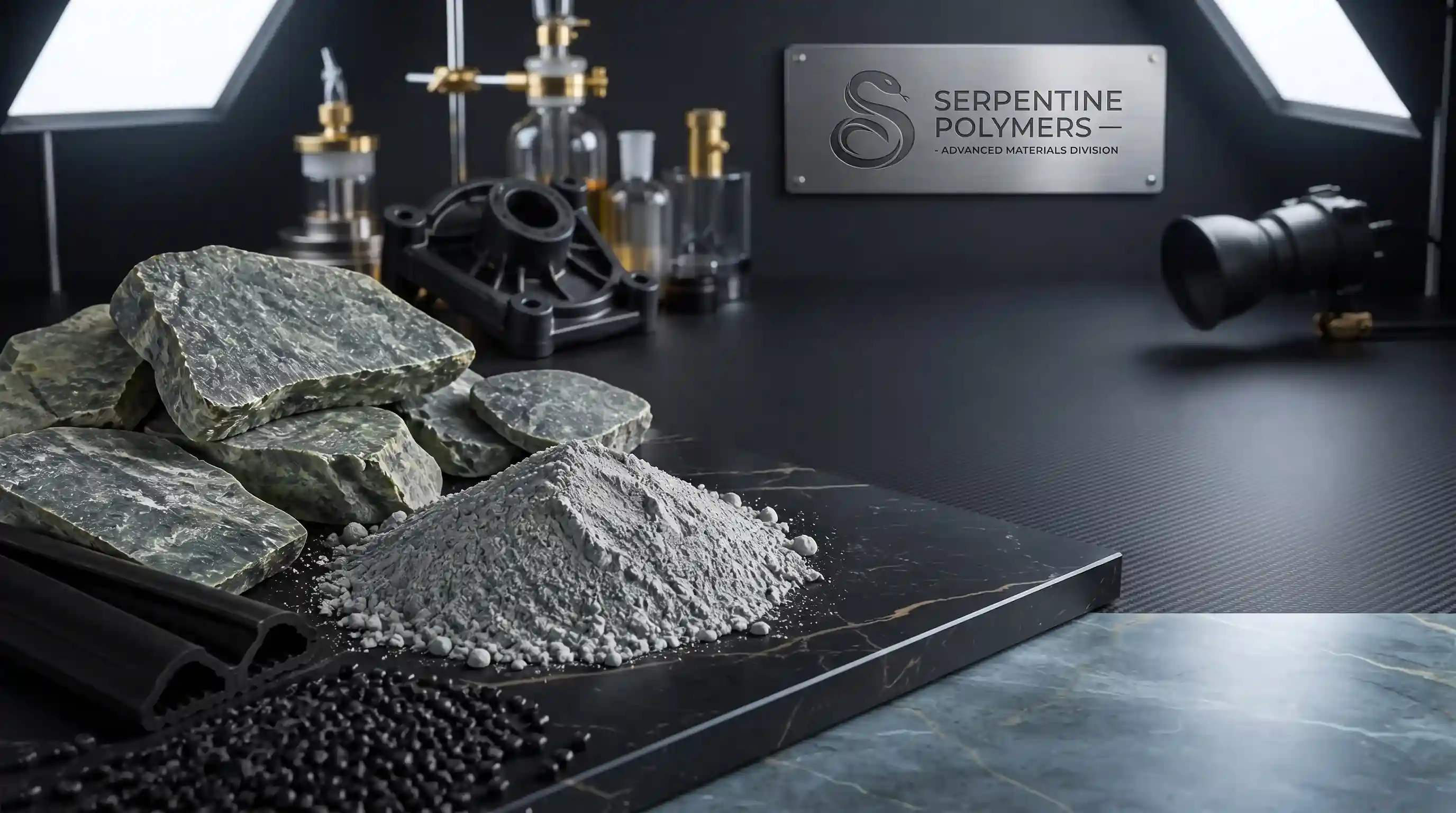
برچسب: Industrial Talc,The Impact of Color and Whiteness of Industrial Talc Powder in the Paint Industry,
نویسنده: رساوب آفرین