
درباره سایت
آخرین مطالب
- استخدام أكسيد الليمونيت (الماغش) في صناعات الزجاج
- کاربرد اکسید لیمونیت (گل ماش) در صنایع شیشهسازی
- A Review of Daily Prices for Limonite Oxide (Ocher) in the Market
- چگونه خالص بودن اکسید لیمونیت (گل ماش) را تشخیص دهیم؟
- بررسی قیمت روز اکسید لیمونیت (گل ماش) در بازار
- Application of Limonite Oxide (Gole Mash) in Glassmaking Industries
- كيف تتعرف على نقاء أكسيد الليمونيت (جول ماش)؟
- How to Determine the Purity of Limonite Oxide (Gol Mash)?
- بررسی استانداردهای ایمنی کار با اکسید لیمونیت (گل ماش)
- Comprehensive Guide to Technical Analysis of Limonite Oxide (Gol Mash)
امکانات وب
Introduction to the Role of Silica in Various Industries
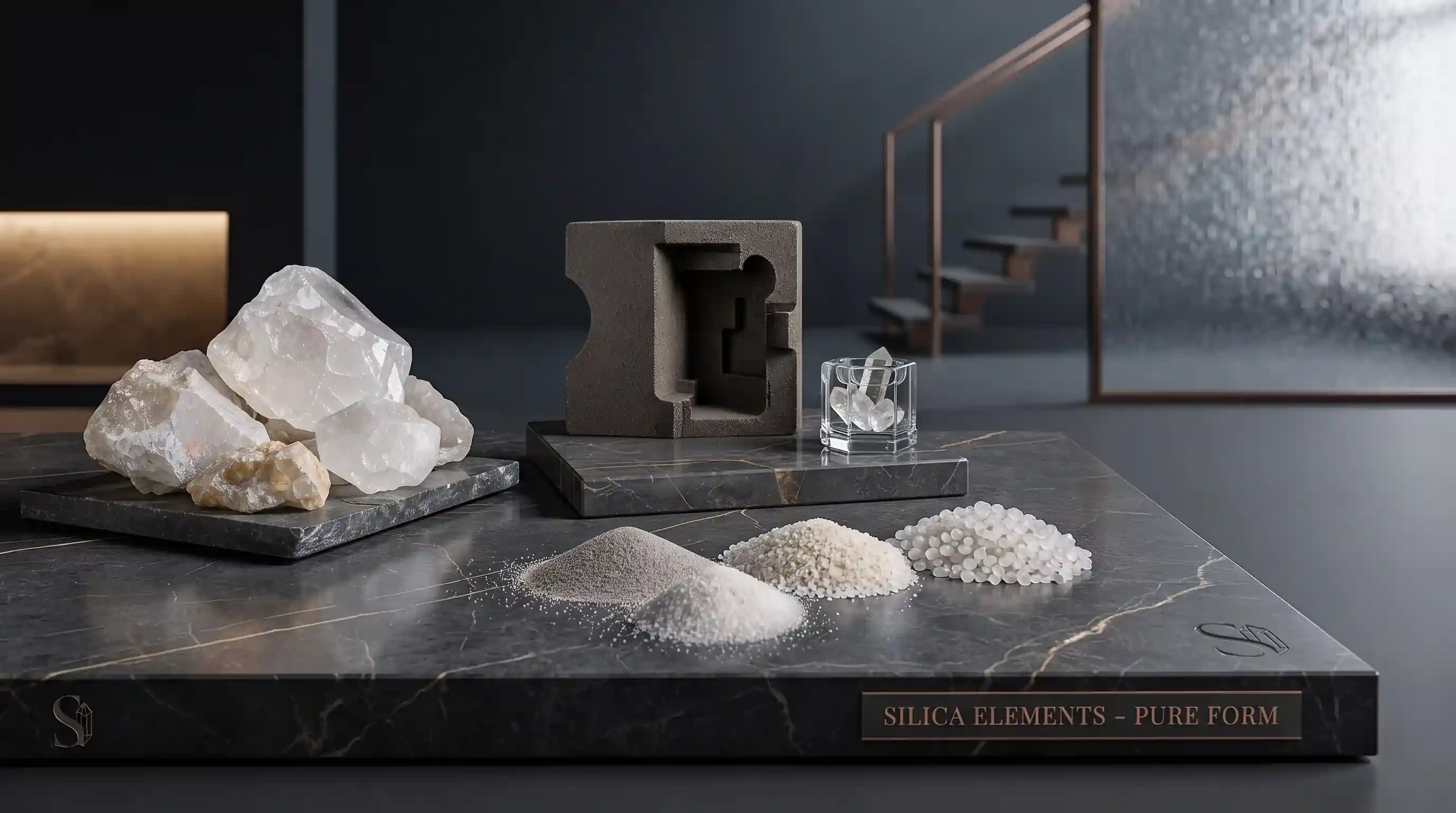
An introduction to the role of silica in various industries initiates a path where minerals are recognized as vital elements in improving the quality of final products. The mineral silica is one of the most widely used compounds in mode industries, holding a special place due to its unique physical and chemical properties. The Kani Sang Amiran mineral project plays a key role in supplying the needs of diverse industries by producing and processing this mineral. With a wide mesh range from 10 to 450 mesh, this material enables its use in a variety of applications.
Understanding the importance of this mineral requires a careful examination of its structure and characteristics. Different industries are constantly looking for raw materials that enhance the thermal stability, mechanical resistance, and durability of their products. Possessing these traits, silica is recognized as a core component in industrial formulations. In the following sections of this article, we will examine the various dimensions of this material's application in the glass, foundry, ceramic, and building materials industries in greater detail.
Technical Characteristics and the Importance of Mesh Range in Industrial Applications
The technical characteristics and the importance of the mesh range in industrial applications determine the efficiency of the mineral in manufacturing processes. The mesh range of 10 to 450 mesh for silica allows industrialists to choose the appropriate granulation based on the exact requirements of their process. Coarser granulations are typically used in building materials andfoundries, whereas ultra-fine powders with high mesh are applied in sensitive industries such as glass and ceramics. This diversity in particle size creates high flexibility in production lines.
In addition to particle size, the purity and uniformity of this material are of high importance. Utilizing advanced equipment, the Kani Sang Amiran mineral project complies with the necessary quality standards in processing this product. A precise understanding of meshing characteristics helps material engineers create the best reactions and properties in their final products. To lea more about other applicable minerals, reading the article The Key Role of Industrial Talc in Improving the Quality of Manufactured Products is also recommended.
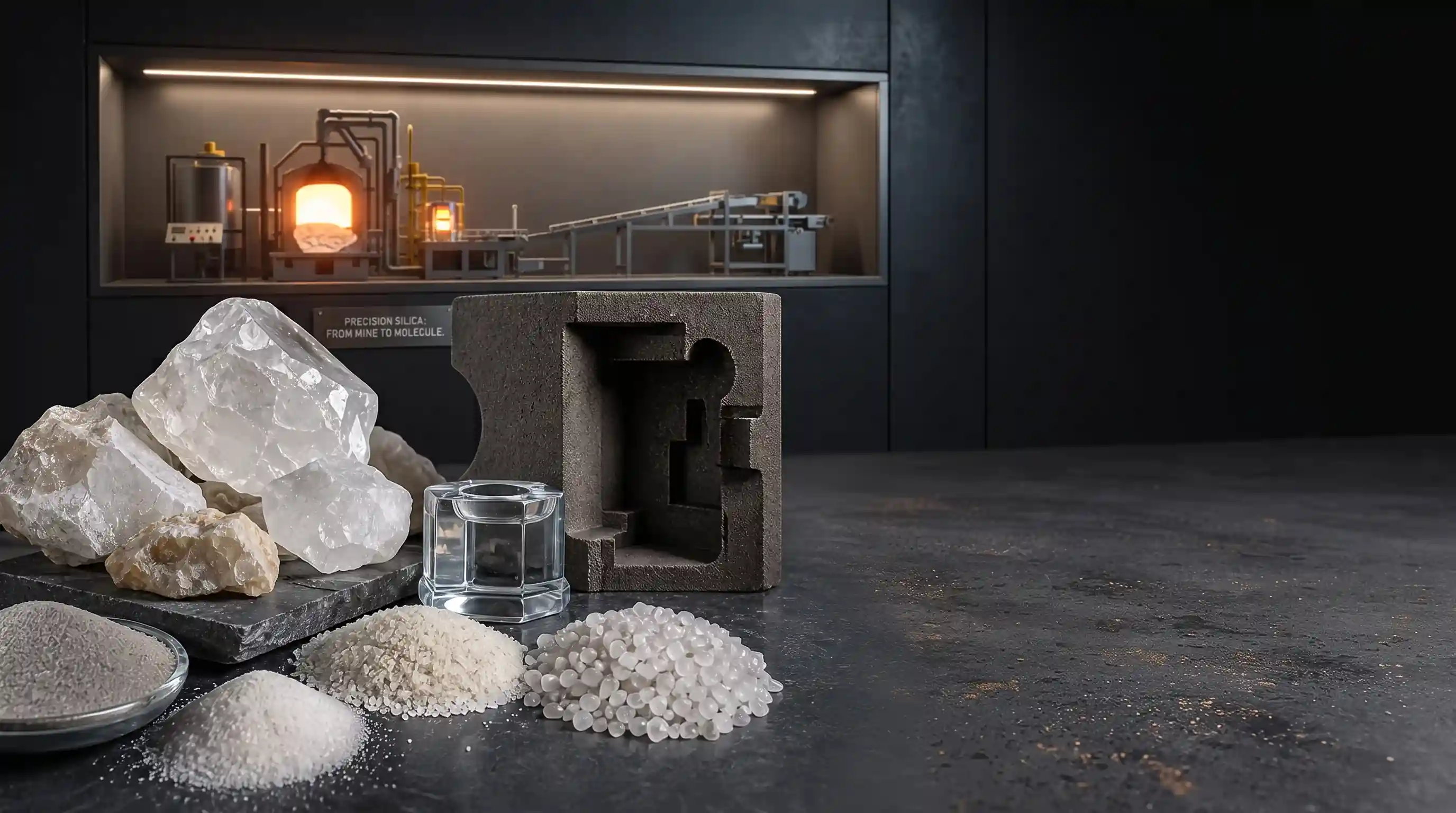
Application of Silica in the Glass and Crystal Manufacturing Industry
The application of silica in the glass and crystal manufacturing industry stands out as one of the oldest and primary consumers of this mineral. As the main raw material in the glass structure, this compound provides the appropriate melting point and necessary stability to form the glass network. Precise selection of particle meshing in this industry is crucial to prevent the formation of bubbles and impurities in the final product and to achieve the desired transparency.
Glass manufacturers look for a material that has a stable chemical composition free of troublesome contaminants. The use of processed minerals by the Kani Sang Amiran project guarantees quality stability in glass melting fuaces. By creating appropriate viscosity in the melt, this material significantly helps in shaping glass containers and sheets and plays an irreplaceable role in this industry.
The Role of Silica in Improving the Quality of Foundry Products
The role of silica in improving the quality of foundry products is very prominent due to the extraordinary thermal resistance and refractory properties of this mineral. In foundry processes, sand molds must withstand very high temperatures without undergoing deformation or collapse. Various granulations of this material, from medium to coarse meshes, are used as molding and core-making sand in foundry workshops to create a smooth and accurate surface for metal parts.
Dimensional stability and favorable compactability are other features that this material imparts to foundry molds. This prevents foundry defects such as porosity and cracking in manufactured parts. Alongside this material, other minerals such as Examining the Role of White Barite in Improving the Mechanical Properties of Composites also have important applications in mold-making and composite material-related industries, which is worth exploring.
Application of Silica in the Ceramic and Tile Manufacturing Industries
The application of silica in the ceramic and tile manufacturing industries includes improving the structural properties of the body and glaze of ceramic products. This material acts as the skeleton and heat-resistant phase in the body of tiles, ceramics, and chinaware, preventing products from deforming during the firing process in the kiln. Furthermore, its presence in glaze formulations helps increase the gloss, hardness, and chemical resistance of the ceramic surface.
Precise control of thermal shrinkage in the ceramic industry depends on the presence of this mineral. By offering high-quality products within an appropriate mesh range, the Kani Sang Amiran mineral project fulfills the need of tile and ceramic factories for this strategic material. Combining this material with other mineral additives, such as what is discussed in the article The Role of Kaolin in Advanced Chemical Catalyst Production, expands materials engineering capabilities in advanced industries.
Silica in the Construction Industry and Building Materials
Silica is recognized in the construction industry and building materials as a mineral filler and a compressive strength reinforcing agent for mortars and concrete. The use of appropriate granulations of this material in the production of various specialized concretes, dry mortars, tile adhesives, and construction coatings improves adhesion, reduces permeability, and increases the durability of structures against weathering agents.
The long-term durability and strength of building materials depend on the quality of the raw materials used. The presence of this mineral in the composition of construction products optimizes their physical and mechanical properties. By continuously and standardly supplying this material, the Kani Sang Amiran project supports construction industry professionals in offering safer and higher-quality structures to society.
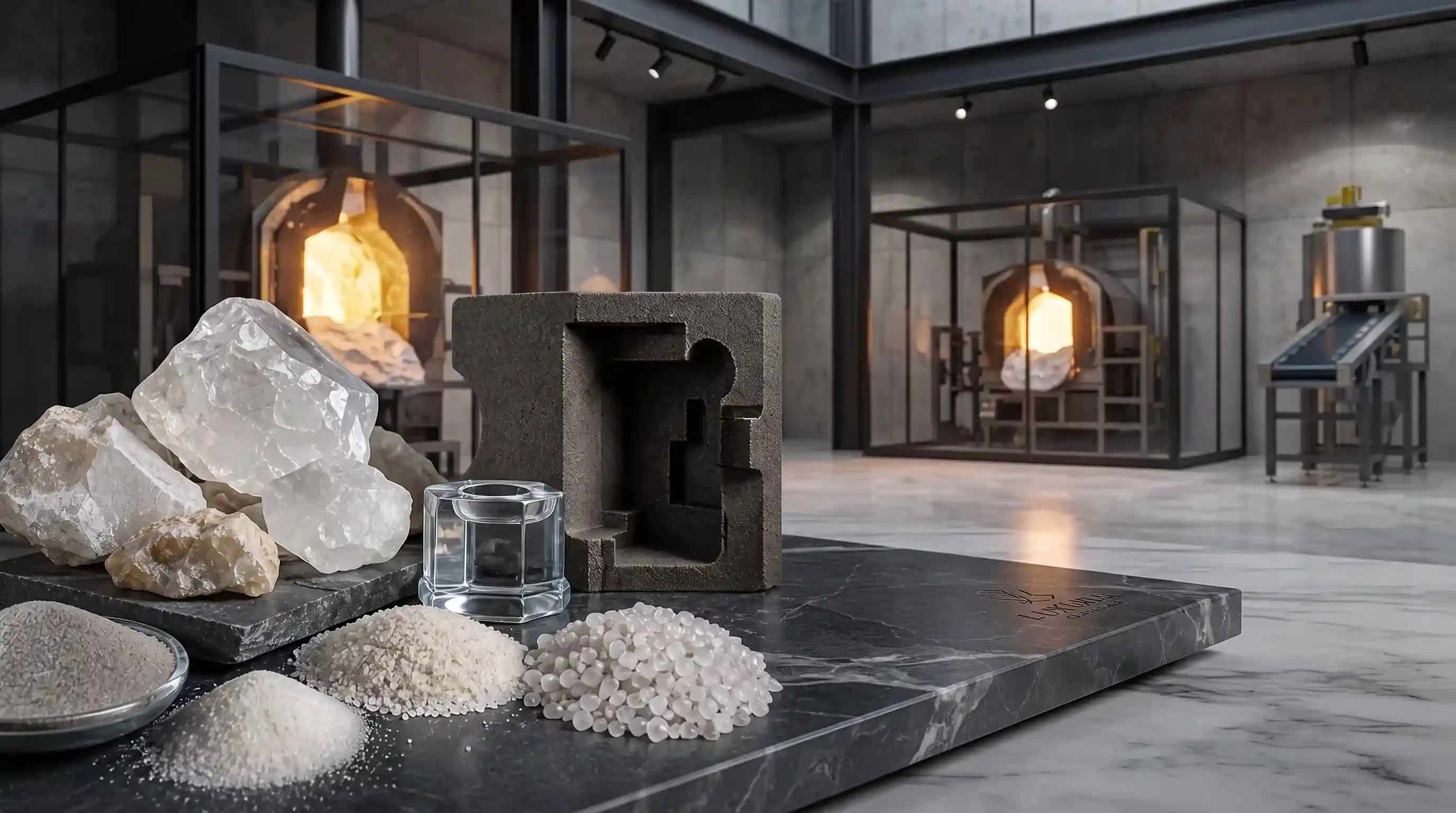
Economic and Industrial Advantages of Using Processed Silica
The economic and industrial advantages of using processed silica include reducing production costs, increasing fuace productivity, and improving the final quality of products. When minerals with high purity and precise meshing are provided to industries, the rate of waste is minimized, and the efficiency of production lines increases dramatically. For factories operating on a mass scale, this is considered a major competitive advantage.
Choosing the correct mesh from the 10 to 450 mesh range allows industrialists to reduce energy consumption in the grinding and preparation section. Consequently, sourcing this material from reliable domestic sources, such as the Kani Sang Amiran project, while ensuring supply chain continuity, prevents capital outflow and aids the national economy and the country's industrial development.
Conclusion and Future Outlook of Silica Consumption
The conclusion and future outlook of silica consumption indicate that this valuable mineral will remain one of the main pillars of industrial and construction development. With technological advancements and the need of industries for higher-quality materials, the importance of purity, precise granulation, and standard processing becomes more apparent than ever. Relying on technical knowledge and rich mineral resources, the Kani Sang Amiran project has established itself as a reliable supplier in this field.
Ultimately, a precise understanding of the applications of this material in glass, foundry, ceramics, and building materials helps specialists make more optimal decisions in selecting raw materials. Continued research and development in optimizing meshing and increasing the purity of this mineral promises a brighter and more efficient future for related industries.
| Question | Answer |
|---|---|
| What is silica and what are its applications? | It is a widely used mineral used in the glass, foundry, ceramic, and building materials industries. |
| What is the mesh range of silica produced by Kani Sang Amiran? | This product is offered in a mesh range of 10 to 450 mesh. |
| What is the role of silica in the glass industry? | It is used as the main raw material to create thermal stability and transparency in the glass structure. |
| Why is silica used in foundries? | Due to its high thermal resistance and refractory properties, it is suitable for making sand molds. |
| What is the application of silica in the ceramic industry? | It is used to improve the skeleton of the ceramic body and increase glaze resistance. |
| What is the role of silica in building materials? | It increases compressive strength, reduces permeability, and improves the durability of mortars and concrete. |
| What is the advantage of using the 10 to 450 mesh range? | It allows the optimal use of the material in various applications ranging from coarse-grained aggregates to fine industrial powders. |
| Which entity is the main supplier of this product? | The Kani Sang Amiran project supplies this product as a mineral producer. |
| How can this product be procured? | It can be ordered through the dedicated product page on the Kani Sang Amiran website. |
| Does purity affect the final quality of glass and ceramics? | Yes, high purity prevents defects and impurities in the final products. |
Specialized Geology and Materials Engineering Resources, Kani Sang Amiran Project.
برچسب: Silica,The Role of Silica in Improving the Performance of Protective Coatings,
نویسنده: رساوب آفرین