
درباره سایت
آخرین مطالب
- بررسی تاثیر ذرات اکسید آهن قرمز (اخرا) بر مقاومت پوششها
- Guide to Identifying Various Types of White Calcium Carbonate Powder
- نقش سیلیس در تولید محصولات فایبرگلاس باکیفیت
- The Role of Silica in Producing High-Quality Fiberglass Products
- دليل التعرف على أنواع مسحوق كربونات كالسيوم الأبيض
- دراسة تأثير جزيئات أكسيد الحديد الأحمر (الأوكر) على مقاومة الطلاءات
- دور السيليكا في إنتاج منتجات الألياف الزجاجية عالية الجودة
- Examining the Impact of Red Iron Oxide (Ochre) Particles on Coating Resistance
- راهنمای شناخت انواع پودر کربنات کلسیم سفید
- كيفية تحديد الاستخدام المناسب لكربونات الكالسيوم؟
امکانات وب
Introduction to Feldspar and Its Position in the Mineral Industries
Feldspar is one of the most important silicate mineral groups with numerous applications in various industries including glass, tile, ceramics, and glazes. Kani Sang Amiran Project, as a mineral producer, supplies this valuable material with unique structural features. Familiarity with the chemical and physical properties of feldspar helps industrialists significantly increase their production efficiency. This mineral acts as a strong thermal flux and lowers the melting point of materials.
In the paint-making and coating industries, the use of mineral fillers is also of high importance. For a better understanding of this topic, you can refer to the comprehensive guide to using coated calcium carbonate in paint making, which provides useful information about related mineral materials. Mineral ores, with their diverse characteristics, provide a solid foundation for improving the final quality of industrial products.
Due to its sodium, potassium, and calcium aluminosilicate compositions, feldspar imparts high thermal and chemical stability to products. This material is abundant in nature, and its processing into various mesh ranges makes it usable in diverse industries. Precise knowledge of feldspar characteristics is the first step toward optimizing production processes.
Consumer industries of feldspar are always seeking to supply raw materials with high purity and precise granulation. Production complexes properly meet these needs through principled extraction and mechanized processing. In the rest of this article, we will examine the technical and practical dimensions of this valuable material to clarify its various aspects.
The Role and Mesh Range of Feldspar in Various Industries
The mesh range of feldspar is one of the key parameters in determining its quality and efficiency in various industries. Based on the provided technical specifications, this product is processed and supplied in the mesh range of 10 to 450 mesh. This diversity in granulation allows manufacturers to select the appropriate mesh based on the exact requirements of their production process. Coarser meshes are typically used in the glass-making industry, and finer meshes in the production of glazes and advanced ceramics.
To supply this vital material with desirable quality standards, you can visit the dedicated feldspar page and obtain more complete information. Choosing the appropriate mesh has a direct impact on the dissolution rate, melting speed, and homogenization of molten materials, which ultimately guarantees the quality of the final product.
Using advanced grinding and granulation equipment, the Kani Sang Amiran Project prepares feldspar in various mesh ranges to best cover the diverse needs of the glass, tile, and ceramic industries. Precision in controlling particle size prevents structural defects in the final products.
Precise adjustment of the feldspar mesh also greatly helps in improving rheological properties and viscosity in industrial formulations. Being aware of these characteristics, industrialists can maximize the efficiency of their production lines and minimize process waste.
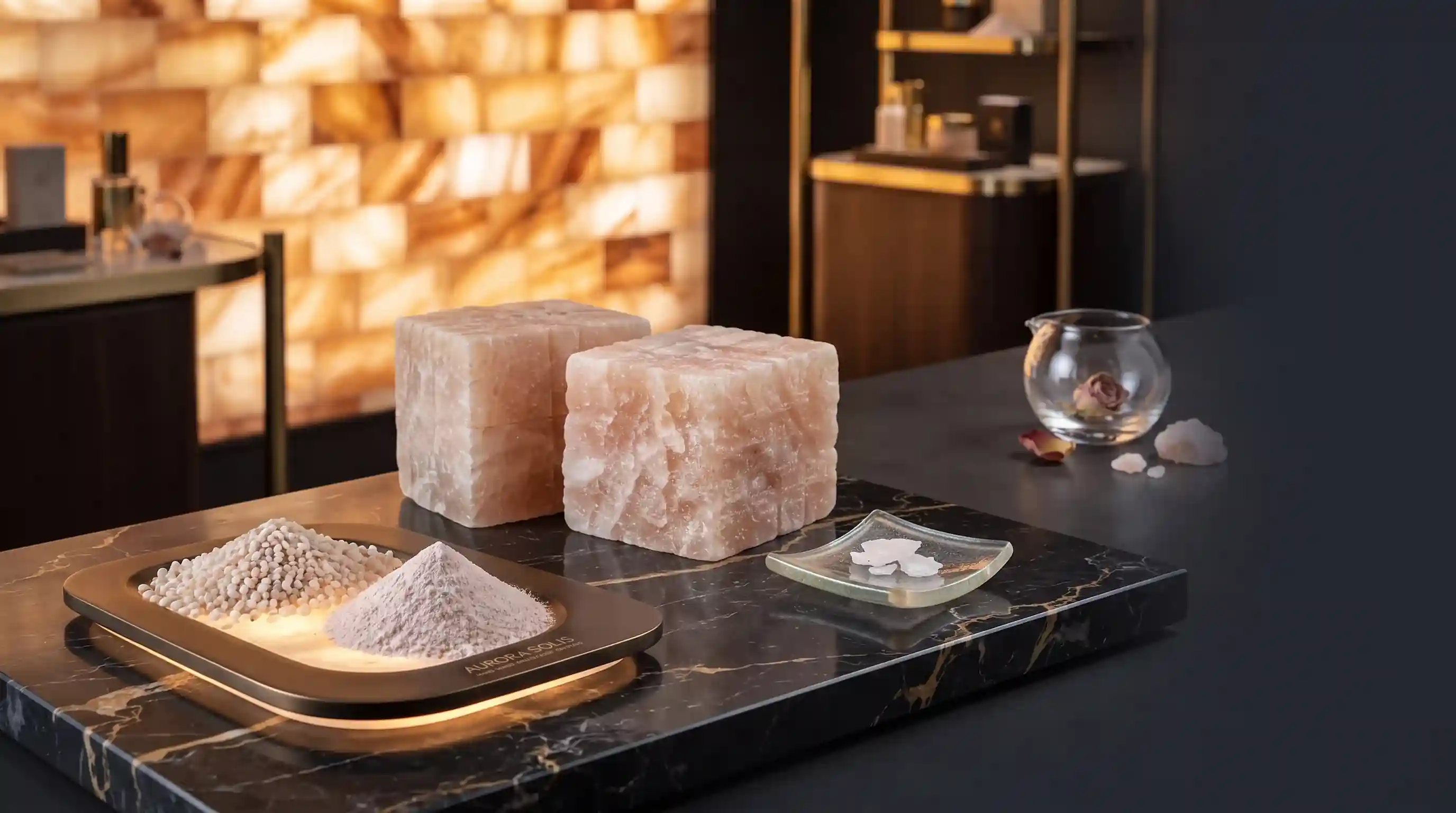
Main Applications of Feldspar in the Glass-Making Industry
The glass-making industry is considered one of the largest consumers of feldspar worldwide. The alumina present in the structure of feldspar increases the glass's resistance to thermal shocks, chemical corrosion, and impact. Additionally, the presence of alkaline oxides such as sodium and potassium in this mineral lowers the melting temperature of the glass mixture and significantly reduces fuace energy consumption.
Optimal use of mineral raw materials plays an important role in enhancing the quality of ceramic and structural products. In this regard, studying the article technical benefits of using kaolin in ceramics provides a comprehensive perspective on the interaction of various minerals in the body structure of products.
In the production process of flat glass, glass containers, and glass fibers, the presence of feldspar as a source of silica and alumina is vital. This material helps with the transparency and uniformity of the glass structure and prevents the formation of air bubbles and inteal impurities.
By utilizing high-quality feldspar, glass manufacturers can produce more durable and higher-quality products. Focusing on precise extraction and processing, the Kani Sang Amiran Project provides standard mineral materials for the glass industry so that the industrial production cycle continues with complete stability.
Feldspar in the Tile and Ceramic Products Industries
The production of tiles and ceramic products requires raw materials that form a suitable glassy phase at firing temperatures. Feldspar acts as a strong fluxing agent in the ceramic body. When the ceramic body is heated, feldspar melts and fills the voids between refractory particles, resulting in high density, reduced porosity, and increased mechanical strength of the product.
In addition to feldspar, other minerals are also used in the construction industry. For example, studying the article benefits of using kaolin in architectural paints can provide useful information about the application of similar minerals in the coating and construction industries.
Correct selection of feldspar in wall and floor tile bodies prevents warping and deformation of the product during firing. The precise proportion of sodium and potassium compounds in the consumed feldspar controls thermal shrinkage and keeps the dimensions of the final product stable.
By supplying suitable feldspar for the tile and ceramic industries, the Kani Sang Amiran Project helps manufacturers upgrade the quality standards of their products. This mineral plays a key role in lowering the fuace firing temperature, which in tu reduces production energy costs.
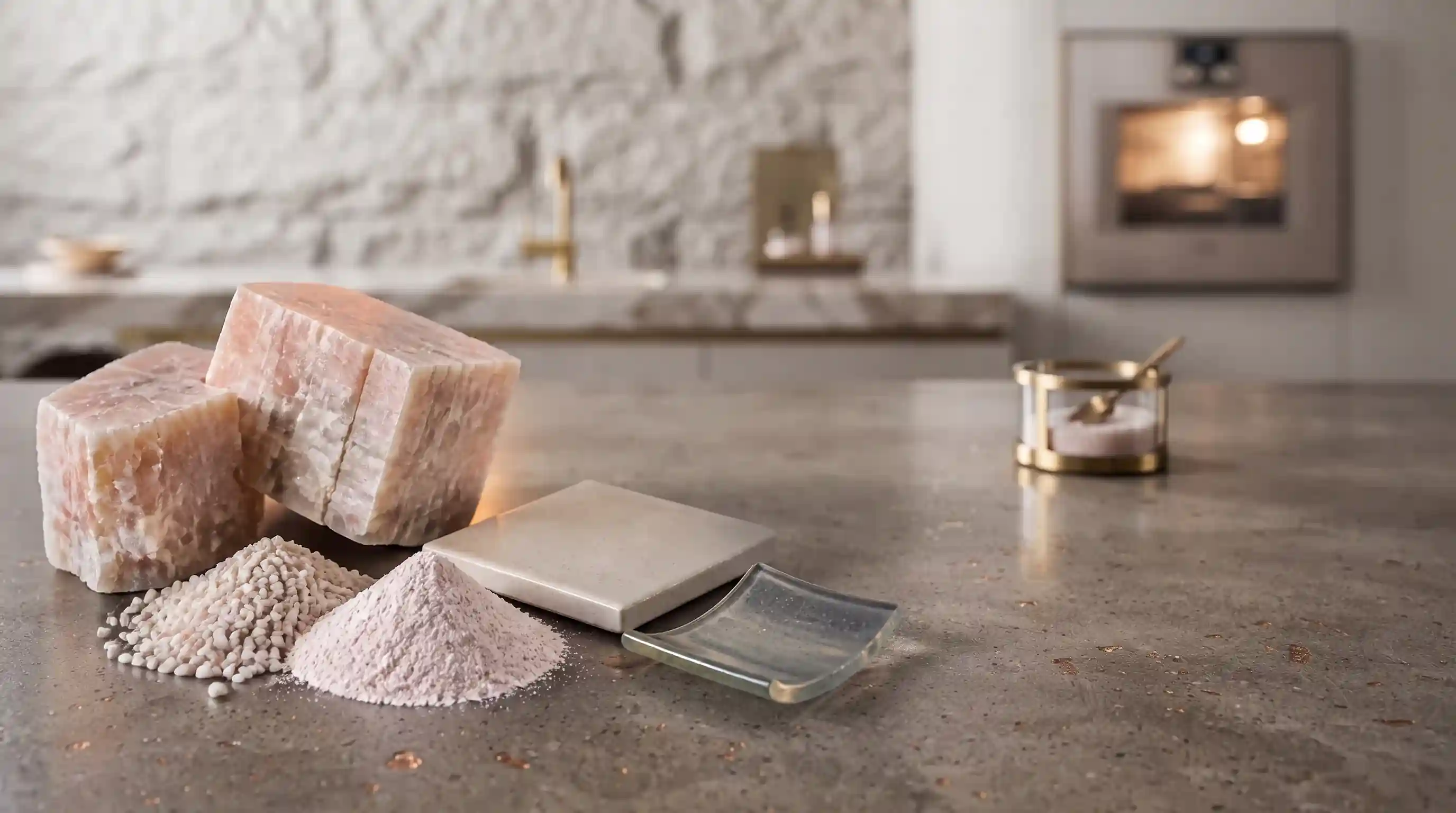
The Vital Role of Feldspar in the Glaze-Making Industry
Glaze-making is one of the most sensitive branches of the ceramic industry, directly dealing with the beauty, finish, and protective coating of ceramic products. As the main component of the glaze formulation, feldspar is responsible for creating a smooth, glossy, and flawless glassy surface. By melting at glaze firing temperatures, this material creates a uniform and adhesive coating on the ceramic body.
The fluxing properties of feldspar cause the glaze to achieve suitable fluidity at lower temperatures and cover all the micro-pores of the body. This dramatically increases the chemical resistance and impermeability of the glaze against water and detergents.
Precise adjustment of the mesh of the feldspar used in glazes (typically finer meshes) causes faster and more complete dissolution during firing. This feature prevents the formation of unwanted spots, surface bubbles, and uneveess in the glaze layer.
By offering feldspar with appropriate purity, the Kani Sang Amiran Project supplies the needs of glaze-making factories in the best possible way. The presence of this material in the glaze results in lasting brilliance and wear resistance of the final products.
Chemical and Physical Properties of Kani Sang Amiran Feldspar
Precise knowledge of the chemical and physical properties of feldspar is of vital importance for materials engineers and industrial manufacturers. Feldspars are a group of potassium, sodium, and calcium aluminosilicates whose general chemical formula includes alkali elements. The presence of these alkaline oxides acts as a flux or melter and lowers the melting point of materials.
Utilizing rich mineral resources, the Kani Sang Amiran Project offers feldspar with minimal iron and titanium impurities. This feature is a major advantage for the glass and white ceramics industries, where the transparency and color of the final product are important.
The crystal structure of feldspar and its appropriate hardness on the Mohs scale (about 6) make it behave predictably during grinding and preparation processes. The proper particle size distribution in the range of 10 to 450 mesh guarantees the efficiency of this mineral in various applications.
Continuous quality control in the extraction and production process guarantees the chemical stability of the delivered feldspar shipments. This stability allows industrialists to run their production lines continuously and steadily without worrying about formulation changes.
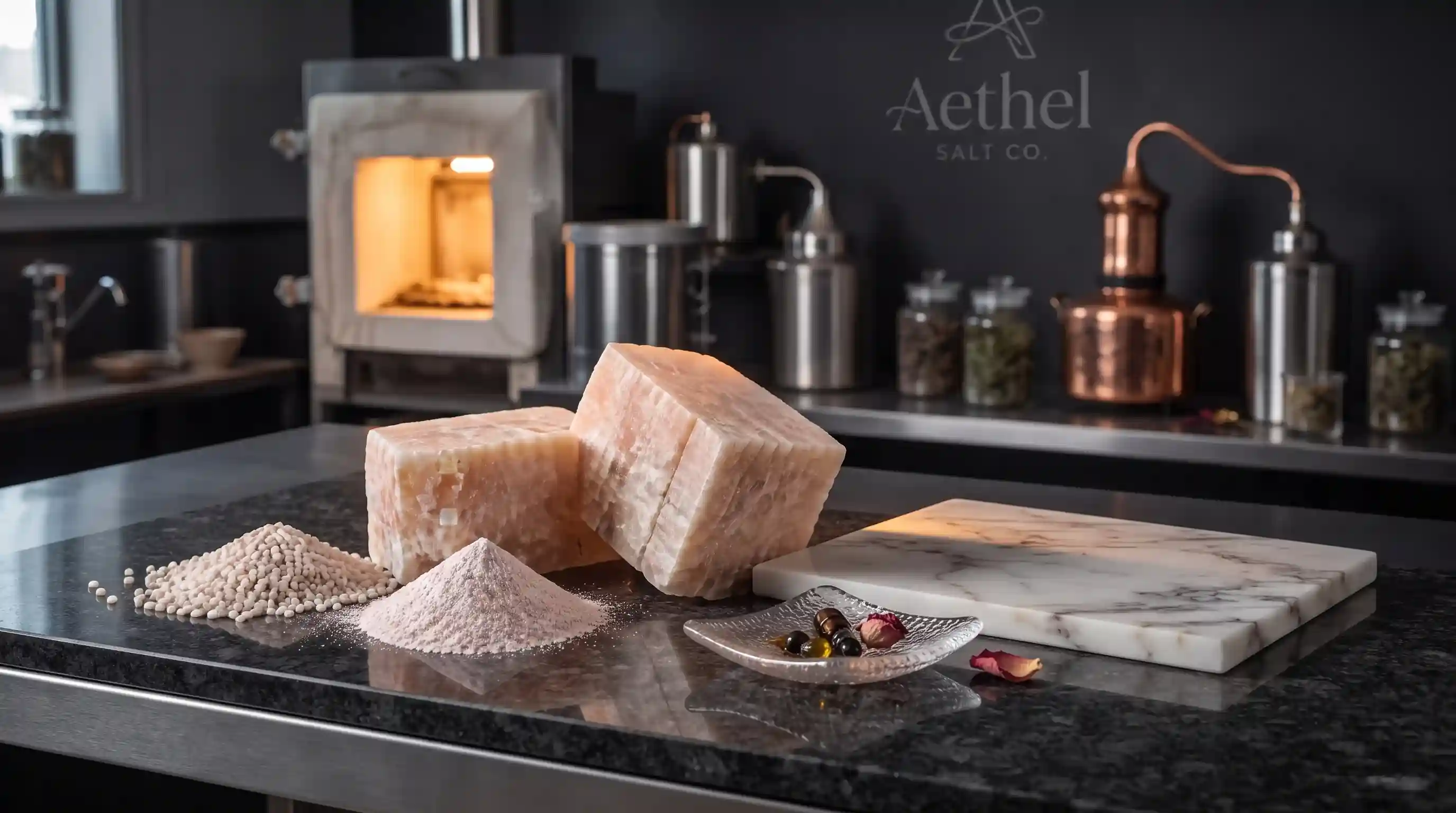
Economic and Industrial Benefits of Using Feldspar
Using feldspar in the glass, tile, ceramic, and glaze industries brings significant economic added value in addition to technical benefits. Since this material acts as a thermal flux, it reduces the temperature required for firing fuaces. Lowering the firing temperature means dramatic savings in fuel and energy consumption, as well as an increase in the lifespan of fuace refractories.
The relative abundance of feldspar in domestic mines and stable access to it optimizes raw material procurement costs for production units. By continuously supplying this mineral, the Kani Sang Amiran Project has strengthened the supply chain of related industries.
Improving the final quality of products, reducing production waste, and increasing manufacturing line productivity are other economic benefits of using high-quality feldspar. Products manufactured with standard feldspar have higher mechanical and thermal resistance and hold a better position in the competitive market.
Optimal management of mineral raw materials is the key to the success of mode manufacturing industries. Choosing the right feldspar with precise granulation from the Kani Sang Amiran Project is a reliable investment for upgrading the quality and profitability of industrial units.
Conclusion and Future Outlook of Feldspar Application
As a strategic and widely used mineral, feldspar plays an undeniable role in the glass, tile, ceramic, and glaze industries. The unique characteristics of this material, such as a suitable melting point, supplying alumina and silica, and having strong fluxing properties, have made it an irreplaceable option in industrial formulations. Producing and supplying feldspar in the range of 10 to 450 mesh, the Kani Sang Amiran Project meets the diverse needs of these industries.
With the advancement of production technologies and the growing need of industries for higher-quality and more energy-efficient products, the importance of using processed minerals becomes more apparent than ever. Precise quality and granulation control of feldspar plays a direct role in reducing energy costs and increasing production efficiency.
The future outlook of the mineral industries depends on the sustainable and scientific supply of raw materials. Cooperating with reputable suppliers such as the Kani Sang Amiran Project provides the necessary peace of mind for industrialists to develop their products with complete ease.
Ultimately, the smart choice of feldspar based on the technical needs of each industry will guarantee superior quality and durability of the final products in domestic and inteational markets.
| Question | Answer |
|---|---|
| What is feldspar? | Feldspar is a group of silicate minerals containing sodium, potassium, and calcium aluminosilicates, acting as a thermal flux. |
| What are the main applications of feldspar? | The main applications of this material include glass, tile, ceramic products, and glazes. |
| What is the mesh range of the supplied feldspar? | Feldspar is processed and supplied in the 10 to 450 mesh range by the Kani Sang Amiran Project. |
| Why is feldspar used in glass making? | Due to supplying alumina and silica, increasing thermal resistance, and lowering the melting temperature of glass. |
| What is the role of feldspar in tiles and ceramics? | It acts as a fluxing agent, fills voids, and increases density and mechanical strength. |
| What is the effect of feldspar in glaze making? | It creates a smooth, glossy, resistant, and flawless glassy surface at firing temperatures. |
| Does feldspar reduce fuace energy consumption? | Yes, due to fluxing properties and lowering the melting point, it lowers firing temperatures and saves energy. |
| Where can we procure the feldspar product? | You can visit the dedicated feldspar page on the Kani Sang Amiran Project website. |
| What is the advantage of Kani Sang Amiran feldspar? | Desired purity, precise granulation in various meshes, and stable supply for various industries. |
| How do we choose the appropriate feldspar mesh? | It is selected from the 10 to 450 mesh range based on the needs of your production process in the glass, ceramic, or glaze industries. |
Specialized reference for mineral and industrial materials of Kani Sang Amiran Project.
برچسب: Feldspar,Benefits of Using Feldspar Powder in Paint Making,
نویسنده: رساوب آفرین