
درباره سایت
آخرین مطالب
- استخدام أكسيد الليمونيت (الماغش) في صناعات الزجاج
- کاربرد اکسید لیمونیت (گل ماش) در صنایع شیشهسازی
- A Review of Daily Prices for Limonite Oxide (Ocher) in the Market
- چگونه خالص بودن اکسید لیمونیت (گل ماش) را تشخیص دهیم؟
- بررسی قیمت روز اکسید لیمونیت (گل ماش) در بازار
- Application of Limonite Oxide (Gole Mash) in Glassmaking Industries
- كيف تتعرف على نقاء أكسيد الليمونيت (جول ماش)؟
- How to Determine the Purity of Limonite Oxide (Gol Mash)?
- بررسی استانداردهای ایمنی کار با اکسید لیمونیت (گل ماش)
- Comprehensive Guide to Technical Analysis of Limonite Oxide (Gol Mash)
امکانات وب
An Introduction to the Importance of Feldspar in the Mining Industry
Mining and mineral processing have always been recognized as one of the main pillars of countries' industrial development. Meanwhile, industrial minerals play an irreplaceable role in supplying raw materials to manufacturing plants. Accurate understanding of the physical and chemical properties of mineral materials paves the way for optimizing production processes. Kani Sang Amiran project, focusing on precise extraction and processing, provides the best products for various industries.
Among all industrial minerals, feldspar is recognized as one of the most common and widely used silicates of potassium, sodium, and calcium aluminum. Due to its rich composition of alkaline oxides, this valuable material acts as a strong thermal flux in material firing industries. In-depth market research and smart selection of this mineral material have a direct impact on the quality of the final product.
For industrial operators looking to upgrade the quality level of their products, access to reliable and high-quality sources is of high importance. Using expert guidance can be very helpful along this path; therefore, reading the comprehensive guide to choosing suitable feldspar for the industry is recommended to all engineers and purchasing managers so they can make choices with a more comprehensive perspective.
In addition to traditional applications, extensive research has shown that this mineral material also has numerous applications in more specialized fields. For example, a detailed examination of its application in various industries requires understanding specific technical parameters. Gaining more information in this field helps various industries maximize the productivity of their production lines.
The Vital Role of Feldspar in the Glassmaking Industry
The glassmaking industry is one of the largest consumers of mineral materials in the world, and the quality of the raw materials used in it directly affects the transparency, durability, and thermal resistance of glass. Meanwhile, feldspar, as a rich source of alumina and alkalis, plays a key role in lowering the melting point of the glass batch. This property leads to reduced energy consumption in the fuace and increases the melting speed of raw materials.
The presence of aluminum oxide in the structure of feldspar improves the mechanical and chemical resistance of the final glass products against environmental factors and impacts. Also, the presence of potassium and sodium in it adjusts the viscosity of the molten glass within an optimal range so that the glass forming and molding process can be performed with higher precision and speed. By supplying this high-quality material, Kani Sang Amiran well covers the needs of glassmaking plants.
Choosing the appropriate granulation of this mineral material for the glass industry is of utmost importance. Inappropriate granulation can cause bubbles or impurities in the glass structure. For this reason, production engineers are always looking for suppliers who offer their products in the standard mesh range and with the lowest percentage of impurities to preserve the final transparency of the glass.
Besides glass, other industries such as rubber manufacturing also require specialized mineral materials that improve the physical properties of compounds. To lea how to use related minerals in these industries, reading the article How to find suitable feldspar for rubber industries? provides valuable technical insights that greatly help in optimizing formulations.
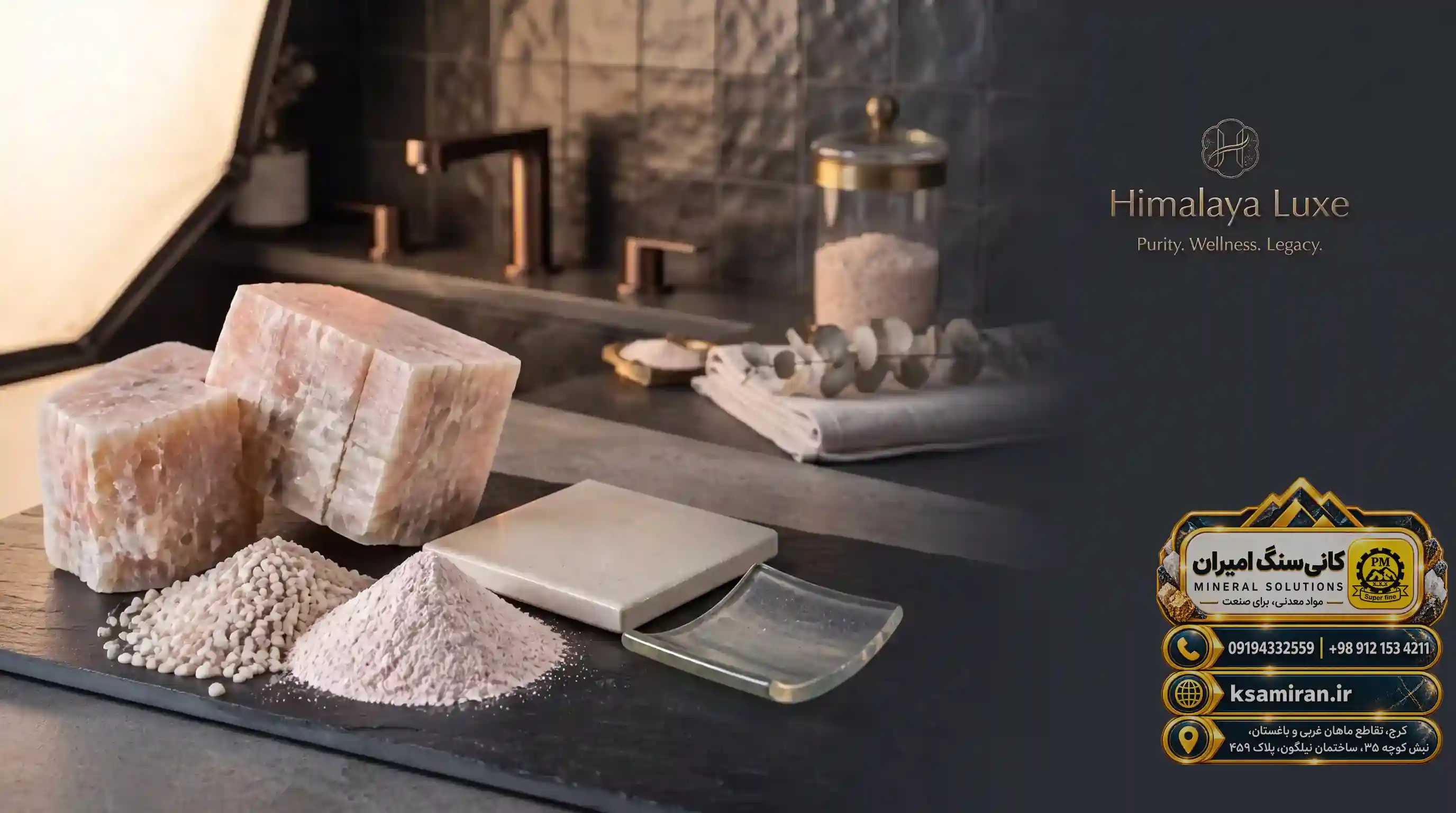
Application of Feldspar in Tile and Ceramic Production
The tile and ceramic industry, as one of the most dynamic industries dependent on mining, requires a continuous supply of high-quality raw materials. Feldspar acts as a primary material in the body of tiles and ceramics, which melts during firing in industrial kilns and forms a glassy phase. This molten phase causes the filling of pores, bonds the refractory particles together, and consequently results in the densification and final strength of the ceramic body.
By offering diverse products, the Kani Sang Amiran project has provided tile and ceramic industries with access to the best raw materials. The unique properties of this mineral material are very effective in improving firing and reducing water absorption of tiles. To become more familiar with the specifications of the offered product, you can visit the dedicated feldspar page and check its exact details.
In addition to the role of this material in the ceramic body, its granulation also has a direct impact on the final quality of the product. The standard mesh range from 10 to 450 mesh allows producers to choose the appropriate mesh depending on the needs of their production line, whether dry presses or casting slips. This flexibility in granulation allows precise control of firing shrinkage and prevents tiles from warping in the kiln.
Alongside using this valuable material, ceramic manufacturing plants sometimes need other supplementary mineral materials such as calcium and magnesium double carbonate. Understanding alteatives and industrial supplementary materials helps production managers create more optimized formulations. Examining the benefits of other minerals like what is stated in the article Why Kani Sang Amiran dolomite is the best industry choice doubles the importance of careful raw material selection.
The Key Role of Feldspar in Industrial Glaze Formulation
Glazing the surface of ceramic and earthenware products is one of the most sensitive stages in the production of decorative and sanitary products, which relates to both aesthetic aspects and protecting the body against the penetration of liquids and chemicals. Meanwhile, feldspar is used as a very strong fluxing or melting agent in glaze compositions to lower the firing temperature of the glaze.
The main function of this material in glaze is to create a uniform, shiny, and flawless glassy coating. When the glaze containing feldspar is heated in the kiln, the particles melt quickly and adjust the viscosity of the melt to a desirable level so that it does not run off the ceramic body and creates a smooth coating. This material significantly helps improve the adhesion of the glaze to the ceramic body and prevents the glaze from flaking or cracking after cooling.
Glaze manufacturers are strictly sensitive to the chemical purity of their raw materials because the presence of impurities such as iron oxide can darken or stain the final color of the glaze. Therefore, reputable suppliers like Kani Sang Amiran strive to supply a product with the lowest amount of impurities to the market through precise processing to preserve the color stability and transparency of glazes.
Using various mesh ranges from 10 to 450 mesh allows glaze formulators to control the speed of chemical reactions during firing. Finer particles create a larger contact area and increase reactivity, which is essential for achieving transparent and high-quality glazes.
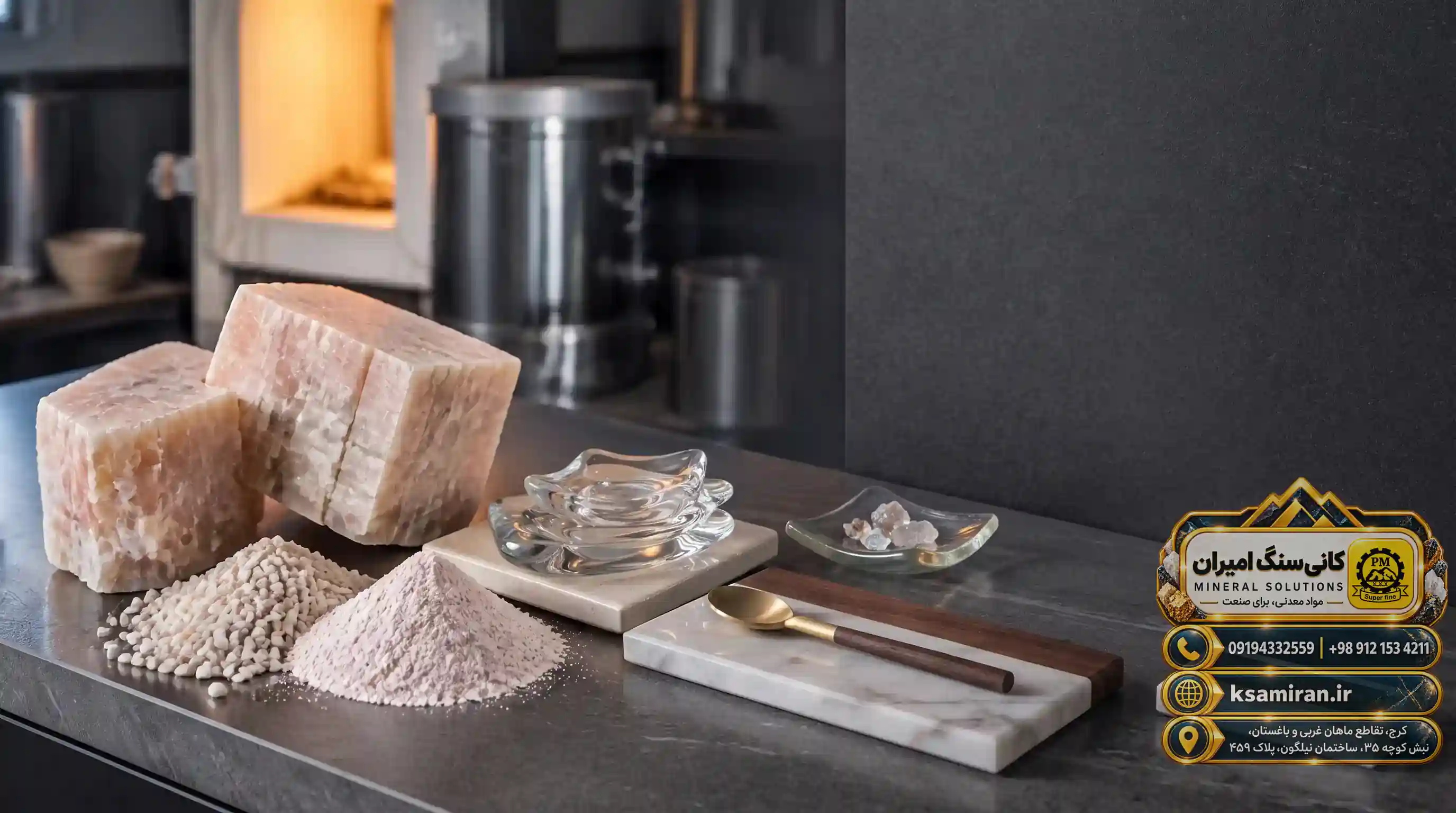
Examining the Mesh Range and Its Impact on Processing Quality
Granulation and sizing are among the most important technical parameters when purchasing processed mineral materials. Feldspar is produced and supplied in a wide range from 10 to 450 mesh, with each part of this range meeting the needs of a specific industry. For example, coarser meshes are usually used in flat or container glass manufacturing industries to prevent excessive dust generation and fuace feeding problems.
In contrast, very fine meshes (up to 450 mesh) prepared by mode crushing equipment in the Kani Sang Amiran project are mainly used in tile, ceramic, and glaze industries. Micronized and fine particles provide a very high contact area in solid and liquid state reactions, which leads to a reduction in the final firing temperature and remarkable energy savings in factories.
Choosing an inappropriate mesh can bring about multiple problems such as incomplete combustion, uneven mixing in industrial mixers, and a drop in the quality of the final product. Therefore, quality control specialists in consumer factories always examine incoming samples in terms of particle size distribution to ensure that the product is delivered in accordance with the requested standards.
The grinding and precise granulation process requires advanced equipment and continuous control. By utilizing state-of-the-art technologies in mineral processing, Kani Sang Amiran has been able to produce and release products with a completely homogeneous particle size distribution matching the precise needs of industrial customers to the consumer market.
Key Criteria in Choosing a Reputable Feldspar Supplier
Choosing a reliable supplier for industrial raw materials is one of the strategic decisions made by purchasing managers and production engineers. Undesirable quality or fluctuation in the chemical composition of mineral materials can throw million-dollar factory production lines into crisis. Therefore, accurate evaluation of suppliers based on technical and commercial indicators is of special importance.
The first criterion in choosing a supplier is continuity in quality and production toage. A top supplier like the Kani Sang Amiran project must be able to supply products with stable chemical analysis and in the volumes required by the industry in all seasons of the year. Stability in the amount of alkaline oxides and the lowest amount of iron impurities are proof of the supplier's commitment to quality.
The second criterion is having mode processing equipment and the ability to offer products in diverse sizing from 10 to 450 mesh so that various glass, tile, and ceramic industries can receive the exact product matching their formulation. In addition, providing a valid Certificate of Analysis (COA) for each sent shipment provides the necessary peace of mind for the factories' quality control team.
Finally, commitment to delivery schedules, technical support services, and fair pricing are other characteristics of an ideal business partner in the mining sector. Establishing a transparent and long-term relationship between the mineral producer and consumer industries will lay the foundation for sustainable industrial growth and development in the country.
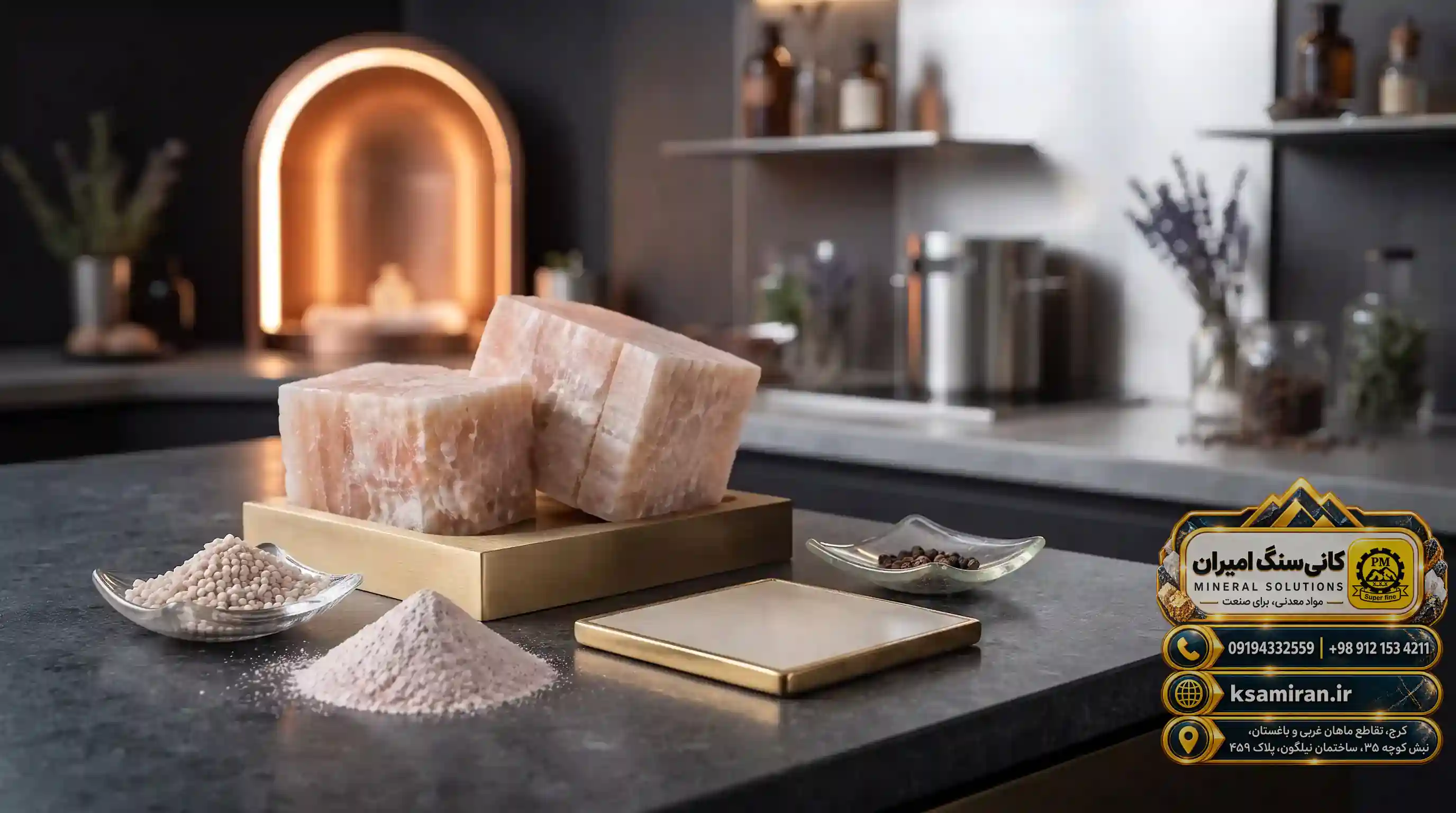
Chemical Analysis and Quality Parameters of Industrial Feldspar
Precise understanding of the chemical analysis of feldspar is the coerstone of its optimal use in industrial formulations. This mineral mainly consists of aluminum silicates along with potassium, sodium, and lesser amounts of calcium. The ratio of these alkaline elements determines the thermal behavior of the material in glass, tile, and ceramic firing kilns.
One of the most important quality parameters in the analysis of this material is the percentage of iron oxide (Fe2O3). For glassmaking industries and white tiles, the amount of iron must be at the lowest possible level so as not to cause unwanted colored spots or discoloration of the final product. With careful consideration in extracting from high-grade mines, Kani Sang Amiran offers a product with minimum iron impurities.
The presence of an appropriate amount of alumina (Al2O3) in the structure of feldspar also helps increase the mechanical strength and thermal stability of the ceramic body and glass. Metallurgy and ceramic engineers calculate exact material mixing ratios by carefully examining the oxide analysis of raw materials to guarantee the final quality of produced products.
Performing continuous quality control tests in well-equipped laboratories is an inseparable part of the mineral supply process. Industrial buyers should always examine laboratory samples before bulk purchasing and confirm the compliance of their chemical analysis with the standards defined by their factory.
Market Outlook and the Future of Industrial Mineral Supply
Industrial minerals and raw material processing industries are evolving day by day in step with technological advancements and the increasing quality standards of consumer products. The demand for higher quality products in glass, tile, ceramic, and glaze industries has caused mines and processing units to upgrade their standards as well to respond to the complex needs of the mode market.
By accurately monitoring market trends and assessing the needs of domestic industries, the Kani Sang Amiran project has focused its investments on improving crushing technologies, precise granulation in the 10 to 450 mesh range, and strict quality control. This approach helps manufacturing plants reduce their production costs and increase the competitiveness of their products in domestic and foreign markets by relying on high-quality domestic resources.
Sustainable development in mining, optimal use of natural reserves, and reduction of production waste are other important goals facing the mineral industry. Utilizing mode processing methods not only increases economic productivity but also greatly helps protect the environment and wisely use God-given resources.
Finally, smart raw material selection and cooperation with reputable suppliers like Kani Sang Amiran is the key to the success of industrial factories on the path of development and iovation. The continuation of these cooperations promises a bright future for the country's glass, tile, ceramic, and glaze industry.
| Question | Answer |
|---|---|
| What is feldspar and what are its applications? | Feldspar is an aluminum silicate mineral containing potassium, sodium, and calcium, which is used as a thermal flux in glass, tile, ceramic, and glaze industries. |
| In what mesh range is Kani Sang Amiran's feldspar product supplied? | This product is produced and supplied in the standard mesh range of 10 to 450 mesh depending on the needs of various industries. |
| Why is feldspar used in the glassmaking industry? | This material is a rich source of alumina and alkalis, which lowers the melting point of glass raw materials and improves its transparency and resistance. |
| What is the role of feldspar in tile and ceramic production? | This material melts in firing kilns, forms a glassy phase, and causes the densification of the body and increased tile strength. |
| How can the best feldspar supplier be chosen? | Examining quality continuity, stable chemical analysis, diversity in sizing, providing a valid analysis certificate, and production toage are the main selection criteria. |
| What factors determine feldspar quality? | The percentage of alkaline oxides, low amount of iron oxide (Fe2O3), and homogeneity in granulation are the main factors determining quality. |
| What is the application of feldspar in industrial glaze? | This material acts as a strong melting agent and creates a smooth, glossy, and adhesive glassy coating on ceramic products. |
| Is it possible to order feldspar with custom granulations? | Yes, considering the processing equipment, it is possible to supply this mineral material in various meshes matching the request of factories. |
| How can one get more accurate information or purchasing consultation? | By visiting the Kani Sang Amiran website and the dedicated product page, you can obtain complete information. |
| Are other minerals also supplied by Kani Sang Amiran? | Yes, in addition to this product, other practical industrial minerals are also supplied and offered with the highest quality. |
Kani Sang Amiran Project — Reference for specialized production and processing of industrial minerals.
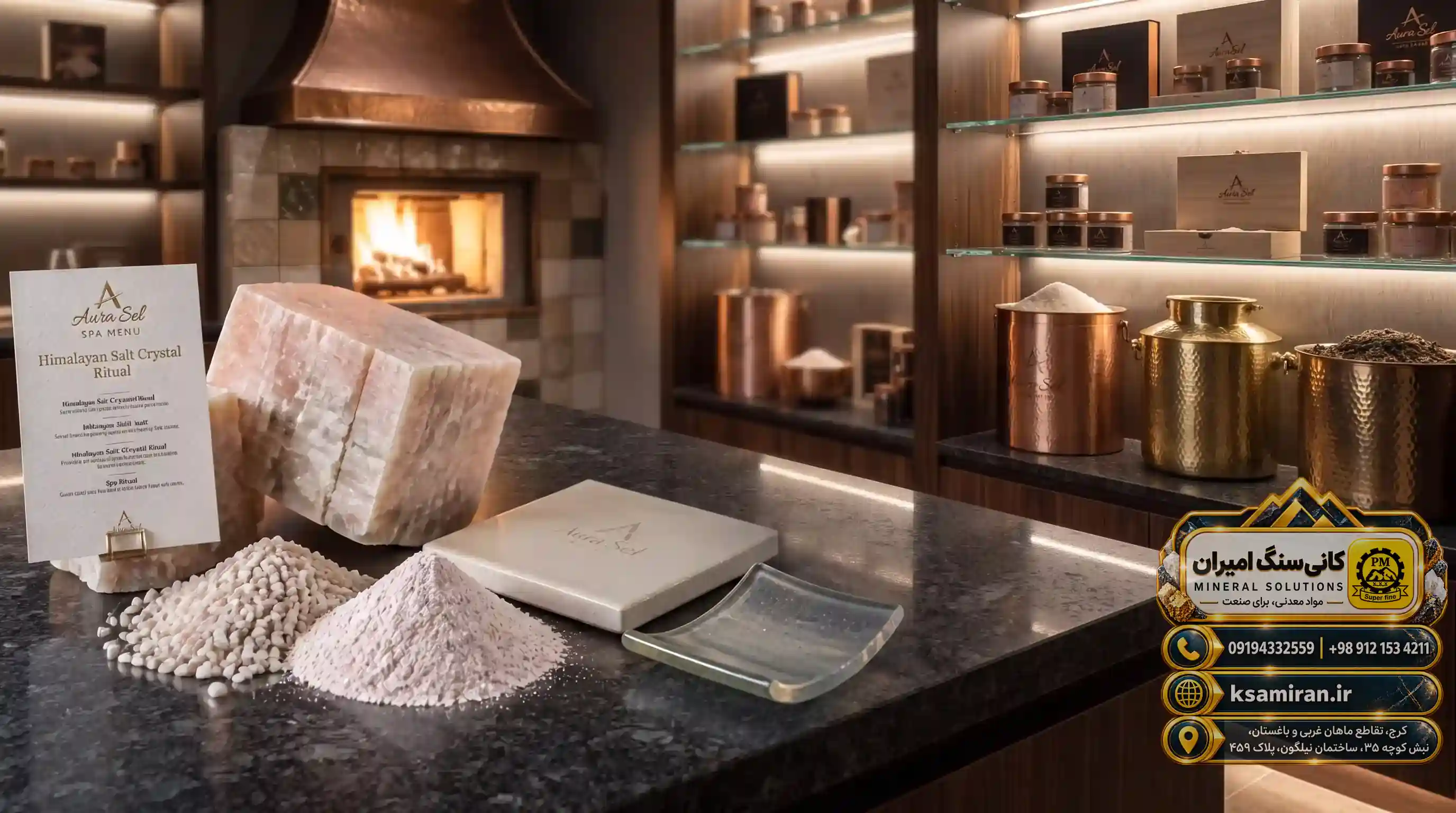
برچسب: Feldspar,How to Choose the Best Feldspar Supplier?,
نویسنده: رساوب آفرین