
درباره سایت
آخرین مطالب
- استخدام أكسيد الليمونيت (الماغش) في صناعات الزجاج
- کاربرد اکسید لیمونیت (گل ماش) در صنایع شیشهسازی
- A Review of Daily Prices for Limonite Oxide (Ocher) in the Market
- چگونه خالص بودن اکسید لیمونیت (گل ماش) را تشخیص دهیم؟
- بررسی قیمت روز اکسید لیمونیت (گل ماش) در بازار
- Application of Limonite Oxide (Gole Mash) in Glassmaking Industries
- كيف تتعرف على نقاء أكسيد الليمونيت (جول ماش)؟
- How to Determine the Purity of Limonite Oxide (Gol Mash)?
- بررسی استانداردهای ایمنی کار با اکسید لیمونیت (گل ماش)
- Comprehensive Guide to Technical Analysis of Limonite Oxide (Gol Mash)
امکانات وب
An Introduction to Limonite Oxide (Ochre) and Its Industrial Significance
Limonite oxide (ochre) is one of the most important and applicable mineral materials, which has found a special place in various industries due to its unique physical and chemical properties. This valuable mineral, known as a natural pigment, plays a key role in improving the quality and appearance of final products. In today's mode industries, a precise understanding of the structure and characteristics of this material is essential for engineers and manufacturers. The Kani Sang Amiran project, focusing on the production of high-quality mineral materials, plays a significant role in supplying this valuable raw material.
Historical studies show that the use of natural pigments has roots deep in history, but today, with the advancement of technology, the processing of these materials is carried out industrially and with high precision. Limonite oxide (ochre) has always been of interest to various industries due to its color stability and environmental compatibility. This material acts as an efficient mineral additive and has been able to serve as a suitable replacement for harmful synthetic and chemical pigments.
In this comprehensive article, we intend to examine the traditional application of limonite oxide (ochre) and scrutinize various aspects of its use in the fields of mineral pigments, coatings, and construction products. Familiarity with this mineral not only helps in better understanding production processes but also paves the way for further iovations in related industries. For more information regarding the technical specifications and purchase of this product, you can visit the Limonite Oxide (Ochre) page.
Optimal use of mineral materials requires technical knowledge and a precise understanding of their particle size and characteristics. Limonite oxide (ochre) is produced in a mesh range of 450 to 1500, and this breadth in particle size allows for its use in diverse industrial applications. In the following sections of this article, more details about each of these applications and how this mineral affects the quality of final products will be discussed.
Technical Characteristics and Particle Size Specifications of Limonite Oxide (Ochre)
Understanding the technical characteristics of mineral materials is the first step toward their proper utilization in various industries. Limonite oxide (ochre) has specific physical properties that make it ready for particular industrial applications. One of the most prominent features of this product is its mesh range, which varies between 450 and 1500 mesh. This wide range of mesh sizes indicates high precision in the grinding and micronization process of this mineral in processing units.
Particles with different meshes in limonite oxide (ochre) show different behaviors when combined with other materials. For example, finer particles (higher meshes towards 1500 mesh) create a larger surface area and have better penetration in coatings and paints, while lower meshes may be used in heavier construction products. This flexibility in granulation is a great advantage for manufacturers to choose the desired product precisely tailored to their formulation needs.
Mineral pigments derived from this material have suitable optical and thermal stability, which significantly increases the lifespan of the final products. The Kani Sang Amiran project, utilizing advanced equipment, produces and supplies this material according to optimal quality standards. Strict quality control during various production stages ensures that the limonite oxide (ochre) particles are homogeneous and free from harmful impurities.
In addition to granulation, the natural yellow to brownish-yellow color of this material makes it an unrivaled choice in the paint industry and coating production. This natural pigment does not undergo severe color changes under the influence of sunlight and shows desirable resistance to weather conditions. A precise examination of these technical characteristics helps professionals get the best efficiency from this valuable mineral material.
The Role of Limonite Oxide (Ochre) in the Production of Mineral Pigments
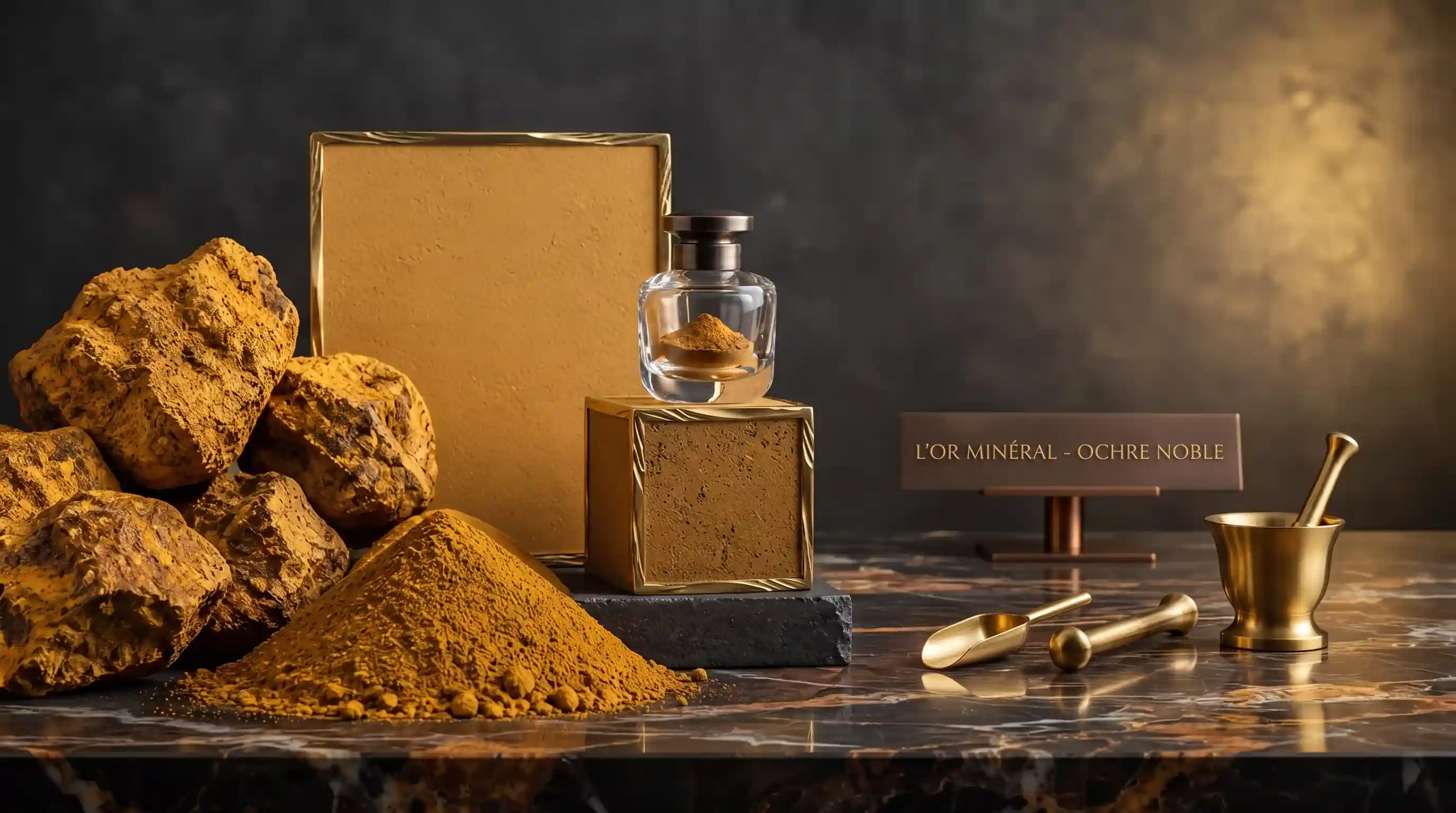
Mineral pigments have always been of interest to the paint and resin industries due to their high durability and stability under harsh environmental conditions. Limonite oxide (ochre) is known as one of the main natural sources for supplying yellow and brown pigments. With its hydrated iron oxide structure, this material creates a warm and natural color tone, which is difficult and expensive to replicate with chemical and synthetic materials.
The process of converting this mineral into pigments includes extraction, grinding, classification based on mesh, and micronization. The 450 to 1500 mesh range helps reduce pigment particles to a size small enough to easily disperse in various solvents, resins, and bases without causing clumping or rapid settling. This feature is of vital importance for manufacturers of construction and industrial paints.
The use of limonite oxide (ochre) in mineral pigments improves the coverage and tinting power of paints. These pigments have high environmental compatibility, and unlike some chemical pigments containing toxic heavy metals, they pose no risk to human health or nature. For this reason, today's strict environmental laws have increased industry interest in using these natural minerals.
The Kani Sang Amiran project, through precise processing of this material, brings high-purity pigments to the market that best meet the needs of the domestic paint industry. Creating diverse and stable color tones in final products is due to the principled use of this mineral pigment, which has maintained its position from the past to the present.
Traditional and Industrial Application of Limonite Oxide (Ochre) in Various Coatings
Industrial and construction coatings require additives that, in addition to aesthetics, protect underlying surfaces against destructive factors. Limonite oxide (ochre) is used as a key raw material in the formulation of various coatings. By creating a homogeneous protective layer, this material prevents moisture and oxygen from penetrating metal and concrete surfaces, thereby significantly increasing the lifespan of structures and components.
In the field of powder coatings, the properties of this mineral are very helpful. To read more about this, it is recommended to study the specialized article on The Application of Limonite Oxide (Ochre) in Powder Coatings to lea more about the technical details and benefits of using it in this industry. Color powders containing this mineral oxide create uniform coverage and excellent adhesion on surfaces.
In addition to powder paints, limonite oxide (ochre) has also been widely used as a corrosion inhibitor in traditional coatings and old anti-rust paints. This material has good affinity with various resins, and due to the uniform distribution of particles in the 450 to 1500 mesh range, it creates a smooth and flawless surface after the coating dries.
The dynamism of the construction and industrial coatings market necessitates that manufacturers move toward using sustainable and high-quality raw materials. Limonite oxide (ochre) simultaneously provides visual beauty, mechanical strength, and chemical stability in coatings, and this feature makes it a traditional yet mode choice.
Application of Limonite Oxide (Ochre) in Construction Products and Materials
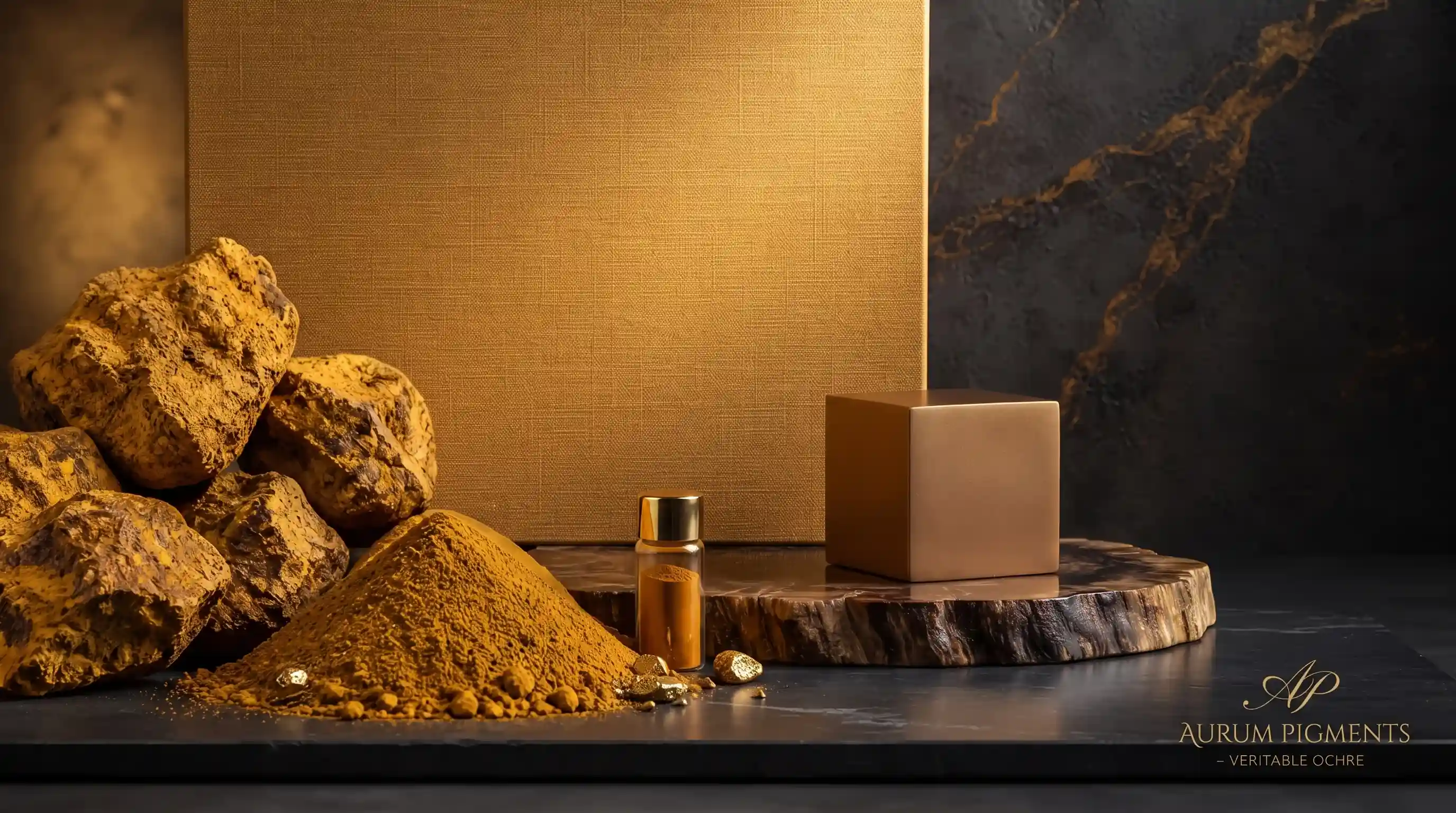
The construction industry is one of the largest consumers of mineral materials in the world. Due to its coloring and filling properties, limonite oxide (ochre) has extensive applications in the production of various construction products. This material is widely used for coloring concrete, producing colored bricks, mosaics, street curbs, and cement blocks. The natural color of this oxide does not change or fade under the high alkalinity of cement.
One of the important areas of consumption for this material is the concrete industry. For a deeper understanding of this pigment's role in concrete structures, reviewing the article Specialized Application of Limonite Oxide (Ochre) in Concrete provides very valuable information to those involved in this industry, demonstrating its positive effects on the durability and beauty of concrete.
Also, in the production of precast concrete and cement components, there is a need for pigments that are fully compatible with the cement matrix structure. In this regard, reading the article Application of Limonite Oxide (Ochre) in Precast Materials serves as a comprehensive and complete guide for improving the quality and visual appearance of these materials. Due to the presence of limonite oxide in their texture, these materials take on a natural and attractive appearance.
The Kani Sang Amiran project, by consistently and high-quality supplying this mineral, has met the needs of construction material production units. The use of the appropriate mesh range (450 to 1500 mesh) in these products improves the density of the material's texture, reduces voids, and consequently increases their compressive strength.
Reviewing the Environmental and Economic Benefits of Using Limonite Oxide
In today's world, attention to environmental issues and resource sustainability has become one of the main conces of industries. The use of natural mineral pigments and additives such as limonite oxide (ochre) is considered an important step toward reducing negative effects on the environment. Unlike synthetic chemical pigments, whose production process is accompanied by hazardous waste and pollutants, natural minerals are ready for use after extraction and mechanical processing.
From an economic perspective, the use of limonite oxide (ochre) is highly justified for manufacturers due to the relative abundance of mines and the cost-effectiveness of the production process. By minimizing the need for expensive chemical additives, this material reduces the finished costs of producing paint, coatings, and construction products while simultaneously enhancing the quality of the final product.
Stability against various weather conditions means that products containing this pigment deteriorate later and do not require premature repair or replacement; this itself is considered a major economic and environmental advantage. The Kani Sang Amiran project, focusing on the principled and optimal exploitation of mines, strives to deliver this valuable material to consumers with minimal environmental damage and the highest economic efficiency.
The application of limonite oxide with a mesh range of 450 to 1500 in various industries shows that natural mineral materials can well meet the complex needs of mode technologies without posing any risk to human health or nature.
Processing Methods and Quality Control of Limonite Oxide (Ochre)
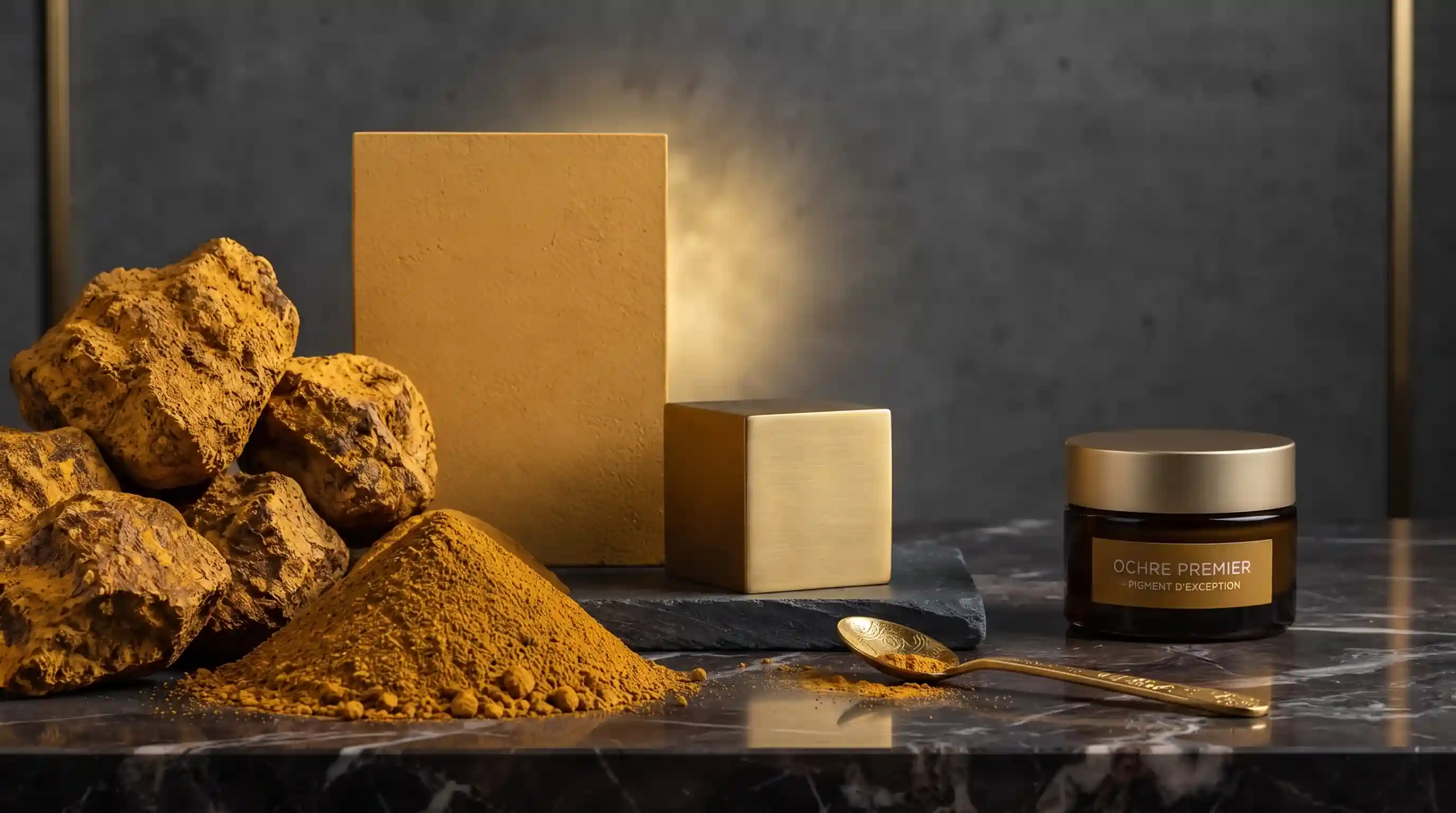
The final quality of limonite oxide (ochre) has a direct dependence on the processing and quality control procedures performed at the factory. After extracting the ore from the mine, primary and secondary grinding stages are carried out to reduce the dimensions of the pieces. Then, the materials enter specialized mills to reach the desired mesh range, i.e., 450 to 1500. Precision at this stage will determine the fineness and uniformity of the final powder.
Quality control during all stages of limonite oxide (ochre) production is of special importance. Equipped laboratories, using mode equipment, continuously measure various parameters such as particle size distribution, moisture percentage, iron oxide purity, and color tone. This precise monitoring ensures that the shipments sent to various industries always have consistent quality.
The Kani Sang Amiran project, relying on the technical knowledge of domestic experts and strict quality control standards, offers a standardized product to the market. The powder resulting from this process is free of large lumps and heavy impurities, which makes its application in sensitive paint and coating systems very easy.
Strict adherence to granulation standards in the 450 to 1500 mesh range ensures that industrial formulations are executed with minimal error and maximum efficiency. This technical and specialized support provides peace of mind for wholesale buyers and industries consuming this mineral material.
Future Outlook and Summary of Limonite Oxide (Ochre) Applications
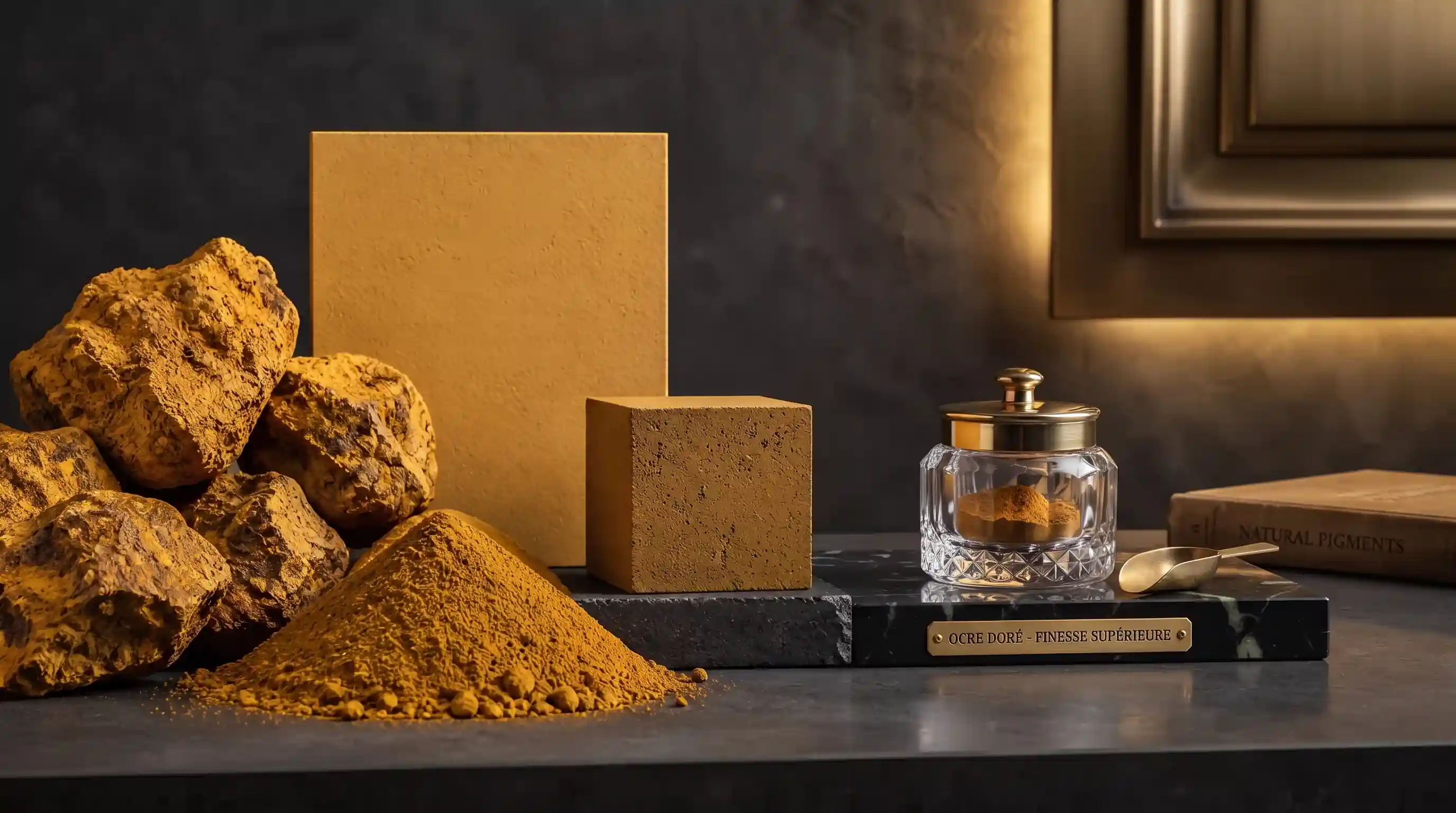
Limonite oxide (ochre), relying on a rich history of traditional application and alignment with the needs of mode industries, continues to be recognized as one of the vital and widely used mineral materials. Examining the various dimensions of using this material in mineral pigments, coatings, and construction products showed that its physical and chemical properties are the key to solving many production challenges. The breadth of the mesh range from 450 to 1500 provides high flexibility to formulation designers.
Given the growing demand for environmentally friendly and sustainable materials, the importance of natural pigments is more evident than ever. Various industries are looking for clean and efficient alteatives, and limonite oxide (ochre) as an ideal option has been able to meet this need. The Kani Sang Amiran project, by standard extraction and processing of this mineral, plays an effective role in supplying the needs of domestic industries.
In the future, with the development of new technologies in the field of micronization and surface modification of mineral materials, we will witness newer and more specialized applications of limonite oxide. Continuous research and development in this field can bring higher added value to this valuable mineral. Careful study of technical specifications and its principled use in paint, concrete, and construction material industries will be a firm step toward improving the quality of national products.
We hope this comprehensive article has been able to provide a clear perspective on the applications, characteristics, and benefits of limonite oxide (ochre) to dear readers and serves as a useful guide for better choices in industrial processes.
| Question | Answer |
|---|---|
| What is limonite oxide (ochre)? | It is a natural pigment and mineral based on hydrated iron oxide, used for industrial, painting, and construction purposes. |
| What is the mesh range of limonite oxide (ochre)? | This product is used in the 450 to 1500 mesh range. |
| What are the main applications of this mineral? | Mineral pigments, various coatings, and construction products are its main applications. |
| Is this material dangerous for the environment? | No, as a natural pigment, it is free of toxic heavy metals and has high environmental compatibility. |
| What is the role of this material in concrete? | It is used as a pigment resistant to cement alkalinity and as an enhancer of concrete density and visual beauty. |
| How can this product be obtained? | You can proceed through the dedicated product page on the Kani Sang Amiran website. |
| What is the advantage of high meshes (near 1500 mesh)? | It provides better dispersion, higher coverage, and easier penetration in resins and coatings. |
| Why is it called a traditional pigment? | Because it has long been used as a pigment in handicrafts and traditional industries due to its natural warm color tone. |
| What colors are created by this material? | It creates natural color tones from yellow to brownish-yellow. |
| Is it also used in powder paints? | Yes, it is used as a pigment and filler in the powder paint industry. |
Kani Sang Amiran Project — Specialized reference for the production and processing of mineral materials and industrial pigments.
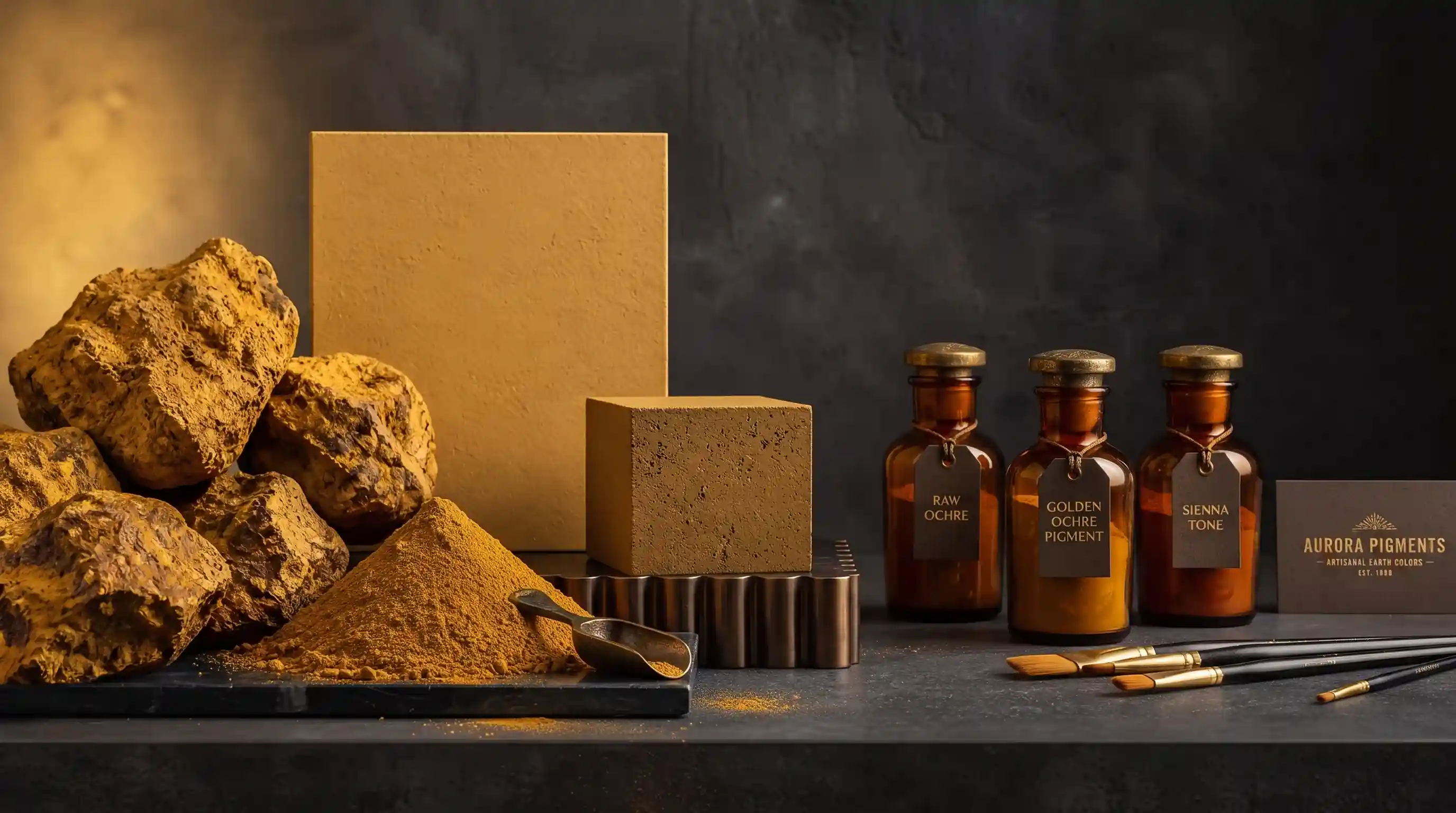
برچسب: Limonite oxide (ochre),A Review of the Traditional Application of Limonite Oxide (Ochre),
نویسنده: رساوب آفرین