
درباره سایت
آخرین مطالب
- راهنمای ثبت سفارش آنلاین و استعلام قیمت کائولن
- چگونه بهترین اکسید آهن قرمز (اخرا) را برای پروژه انتخاب کنیم؟
- بررسی جامع خواص اکوستیک و وزن مخصوص باریت سفید صنعتی
- نقش کائولن در کاهش هزینههای تولید در صنایع معدنی
- نقش سیلیس در افزایش مقاومت حرارتی مواد نسوز
- چرا اکسید آهن قرمز (اخرا) قدرت پوشانندگی بالایی دارد؟
- The role of industrial barite in the papermaking and specialty coatings industries
- How to find the best kaolin supplier in the country?
- How to properly examine feldspar analysis?
- ما هي استخدامات التالك الصناعي في صناعة البلاستيك والمطاط؟
امکانات وب
Introduction to the Importance of Silica in Core Industries
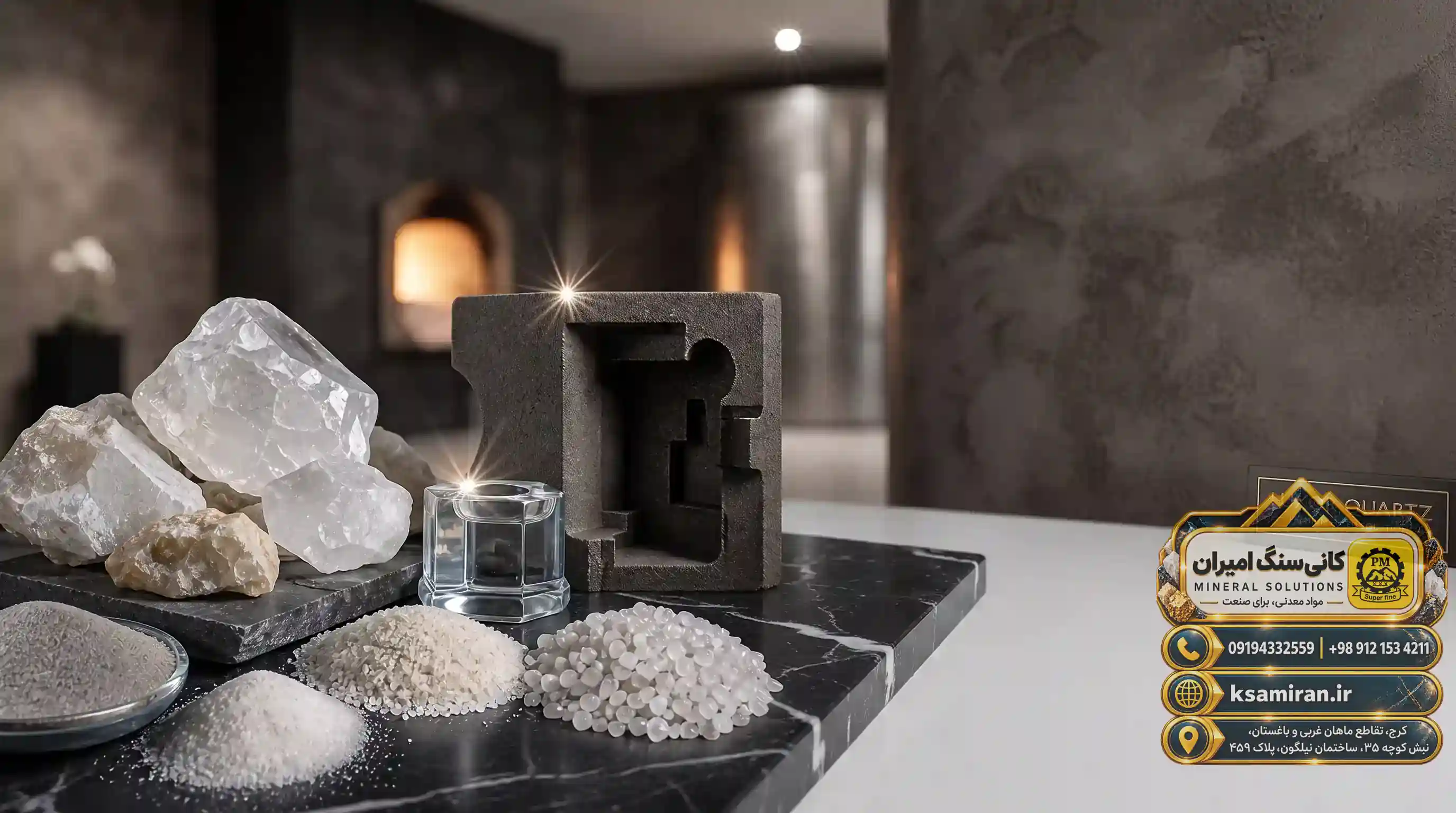
In today's world, minerals form the backbone of industrial development, and among them, silica is recognized as one of the most abundant and versatile mineral compounds. Composed of silicon dioxide, this material plays a vital role in various industries. From the production of transparent glass to precise casting operations, all depend on the quality and purity of this material. The Kani Sang Amiran Mineral Project company, specializing in the production of mineral materials, has made it possible for industries to access the highest quality type of this product.
Metal industries, in particular, depend heavily on the use of silica in molding and melting processes to achieve high-quality and durable parts. The physical and chemical properties of this material, including a high melting point and excellent thermal resistance, make it an unrivaled choice. In this article, we take a detailed look at the technical features, industrial applications, and the importance of choosing the right granulation.
Physical Properties and the Importance of Mesh Grading in Mineral Products
Granulation, or mesh grading, determines how a material behaves during the production process. For products like silica, a range of 10 to 450 mesh demonstrates the high flexibility of this material for various applications. While coarse meshes are used in construction materials, ultra-fine meshes are essential for the ceramic and glazing industries. As observed in the review of standard mesh grading in various coated calcium carbonate types, maintaining precision in this parameter guarantees the final product quality.
Using advanced screening machines, manufacturers separate particles into specific ranges to ensure the final output has the necessary uniformity. This uniformity ensures that chemical reactions in melting fuaces proceed correctly and production waste is minimized. Applying technical knowledge in selecting the right mesh is the key to optimizing production costs.
Application of Silica in the Glass and Crystal Industry
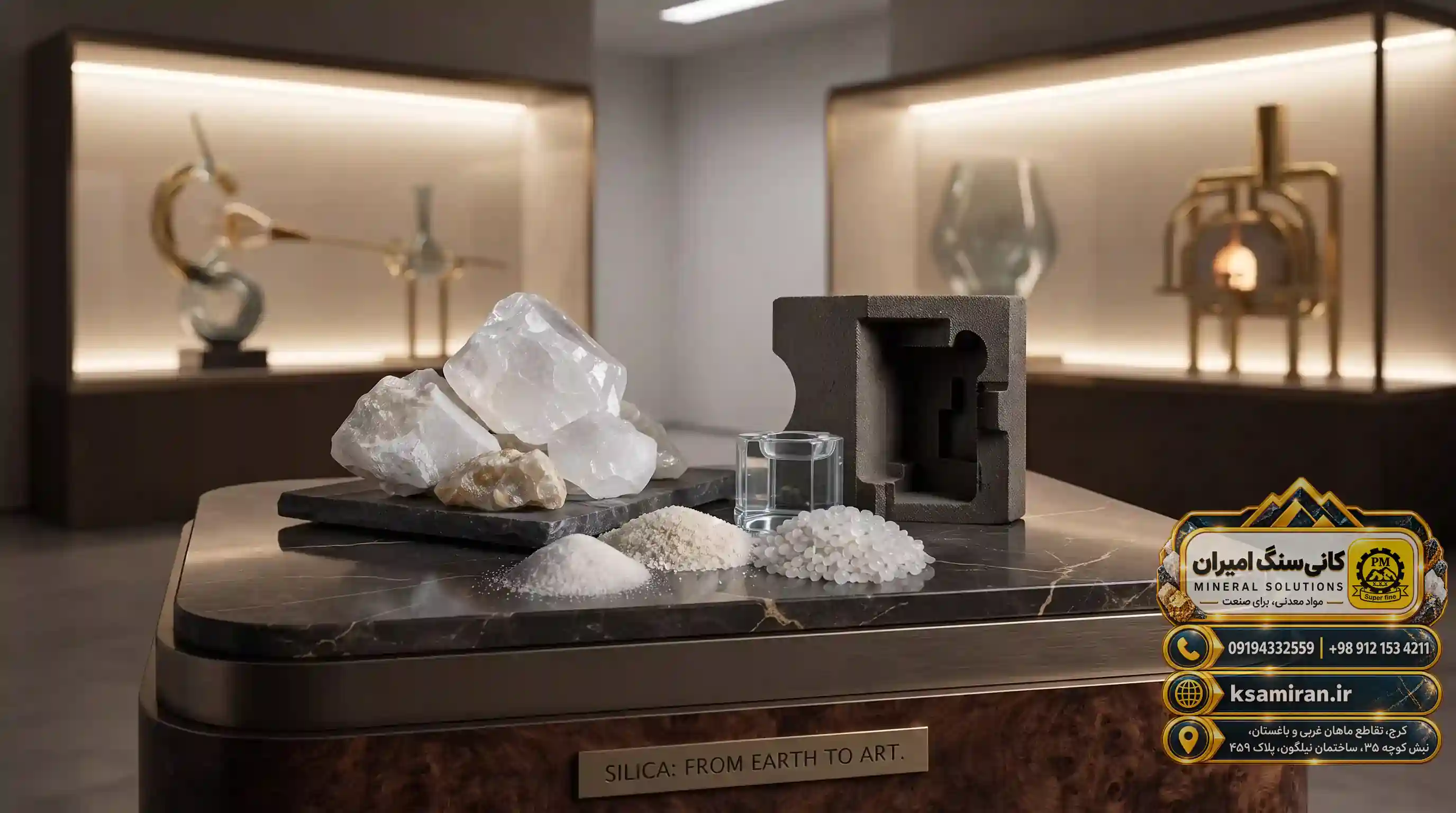
As the largest consumer of silica, the glass industry requires a high purity of this material. In fact, this substance is the primary component forming the body of glass. Melting this material at high temperatures and combining it with fluxing agents results in the production of transparent and durable glass. Any impurity in this material can lead to discoloration or reduced transparency in the final product.
Compared to other minerals, this material forms a strong network structure, imparting features such as impact resistance and thermal shock resistance to glass. Engineers in this field manage the melting speed of the materials by precisely controlling the granulation, which directly affects the efficiency of glass-making fuaces.
The Role of Silica in Metal Casting and Molding
In the casting industry, the refractory properties of this material are of vital importance. Sand molds used for pouring molten metal must be able to withstand the extremely high temperatures of steel or cast iron without deforming or reacting with the metal. Due to its remarkable thermal resistance, silica is the best choice for making foundry sands.
As explained in the comprehensive guide to understanding granulation in industrial barite, controlling particles is essential to create a porous space for gases to escape. In casting as well, the correct sand granulation ensures that gases generated from casting are easily evacuated, resulting in a final part free of bubbles and cavities.
Application in Ceramic and Coating Materials
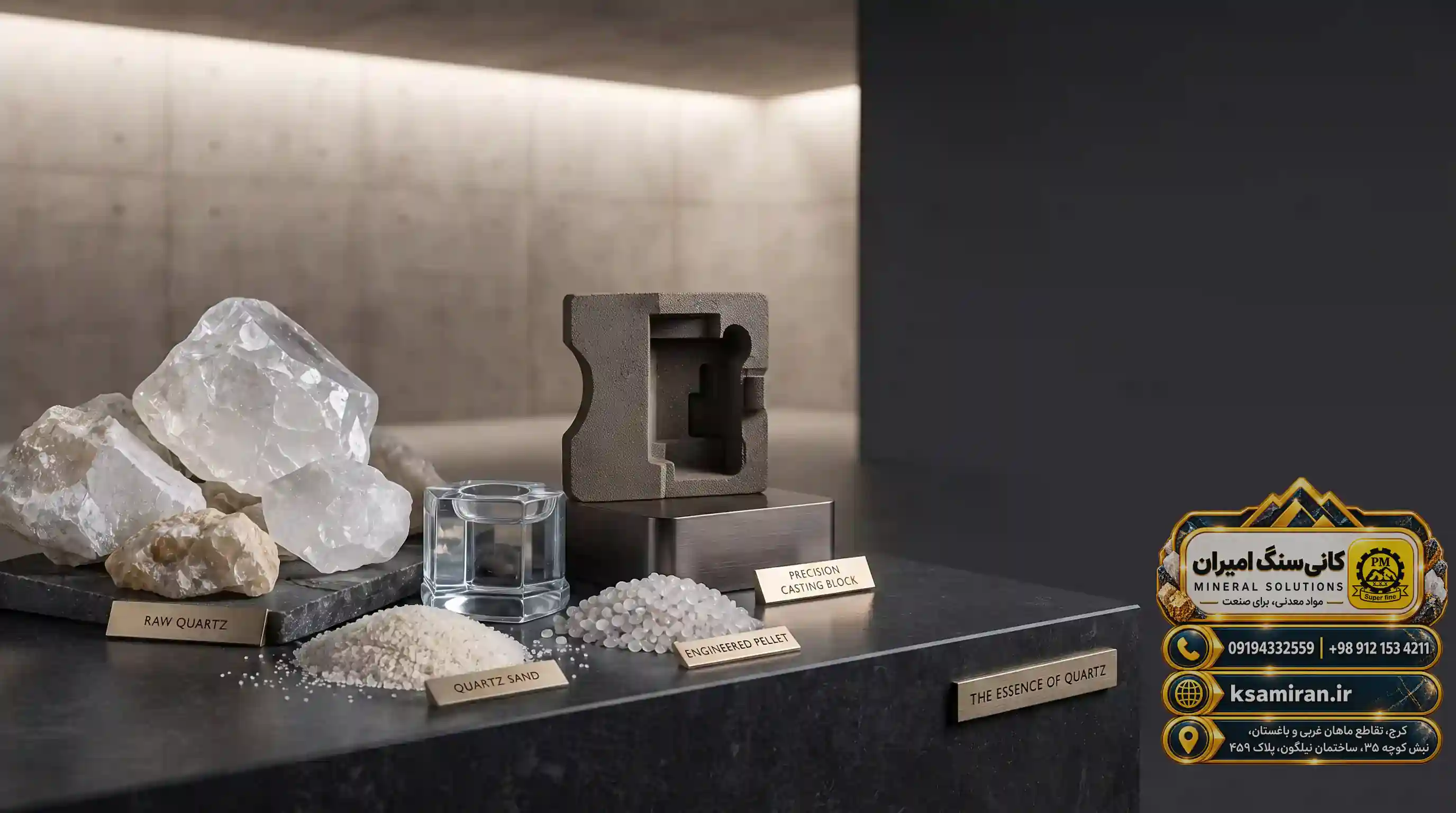
In the ceramics industry, this material is used as part of the body and glaze. It increases the mechanical strength of the product and helps control thermal expansion during firing. The use of micronized silica (in higher meshes) in glazes creates a smooth, glossy, and wear-resistant surface.
The variety in mesh grading from 10 to 450 mesh allows ceramic manufacturers to formulate an optimal combination of materials depending on the type of product (tiles, porcelain tableware, or industrial ceramics). This precision in selecting raw materials is the same expertise discussed as a fundamental principle in quality assessment within the comparison of various red iron oxide (ochre) types in the paint and resin industries.
The Importance of Silica in Construction Materials and Infrastructure
Mode construction materials rely heavily on the filling and strengthening properties of this material. Combined with cement, it increases the compressive strength of concrete and reduces its moisture permeability. Using coarser granulation in heavy-duty concrete makes the structure resistant to mechanical loads.
In addition to concrete, this material plays a role in producing dry mortars, tile adhesives, and architectural paints. The chemical stability of this material ensures that it does not corrode in the alkaline environments of concrete, thereby increasing the service life of the structure. Utilizing processed minerals by Kani Sang Amiran Project ensures confidence in the final project quality.
Why is Precise Granulation Vital for Metal Industries?
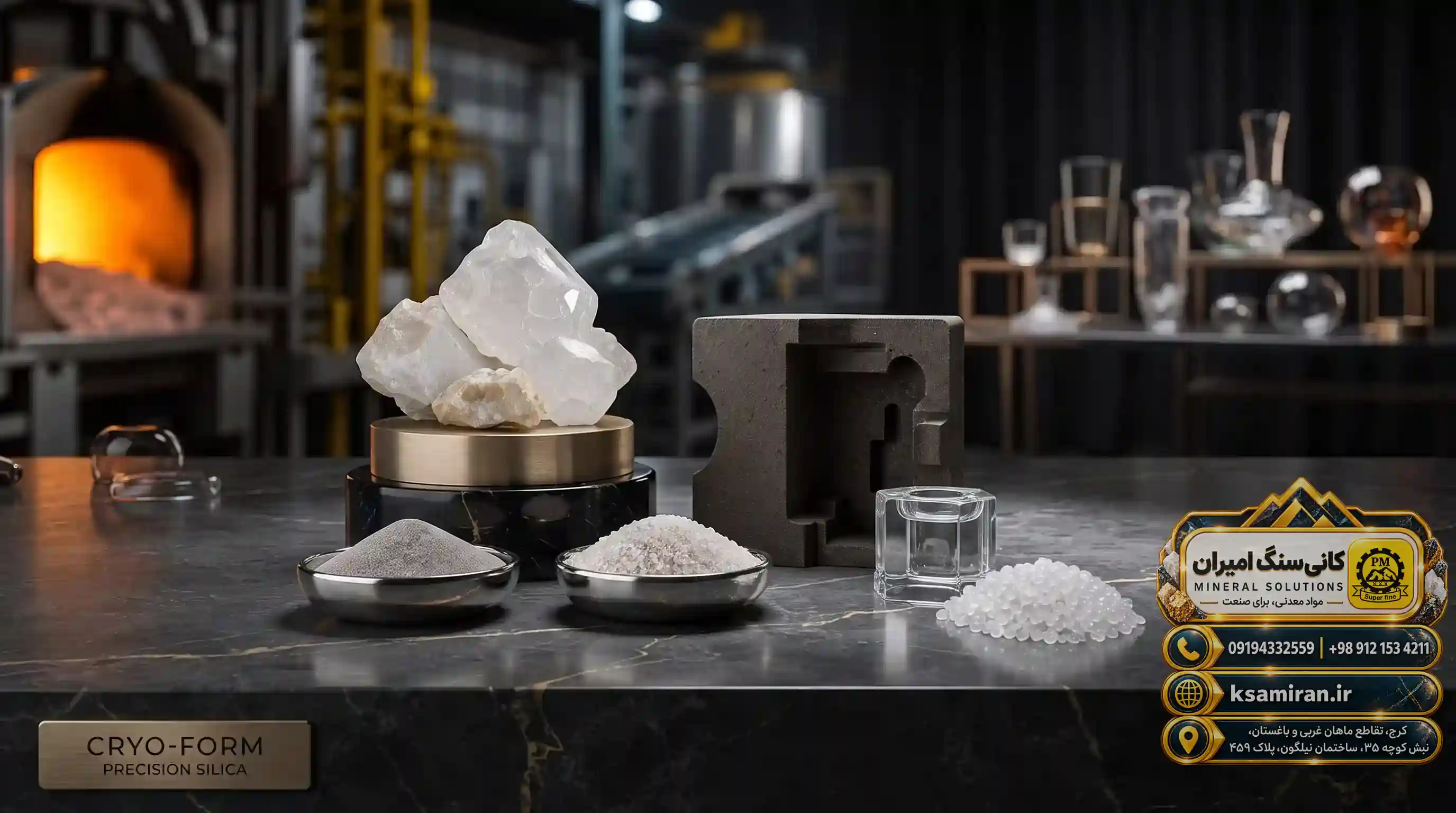
Metal industries strive for precision in details. Using silica with non-uniform granulation can lead to improper heat distribution in the fuace, creating hot or cold spots. In sensitive metalworking processes, even a small change in the particle contact surface can alter metallurgical reactions.
Relying on a wide mesh grading range, manufacturers can achieve high precision in manufacturing complex parts. Choosing the right mesh regulates the cooling rate of the part and influences the final mechanical properties of the metal, including hardness and toughness. Managing this supply chain guarantees efficiency in melting and casting plants.
Conclusion and Future Outlook in Mineral Supply
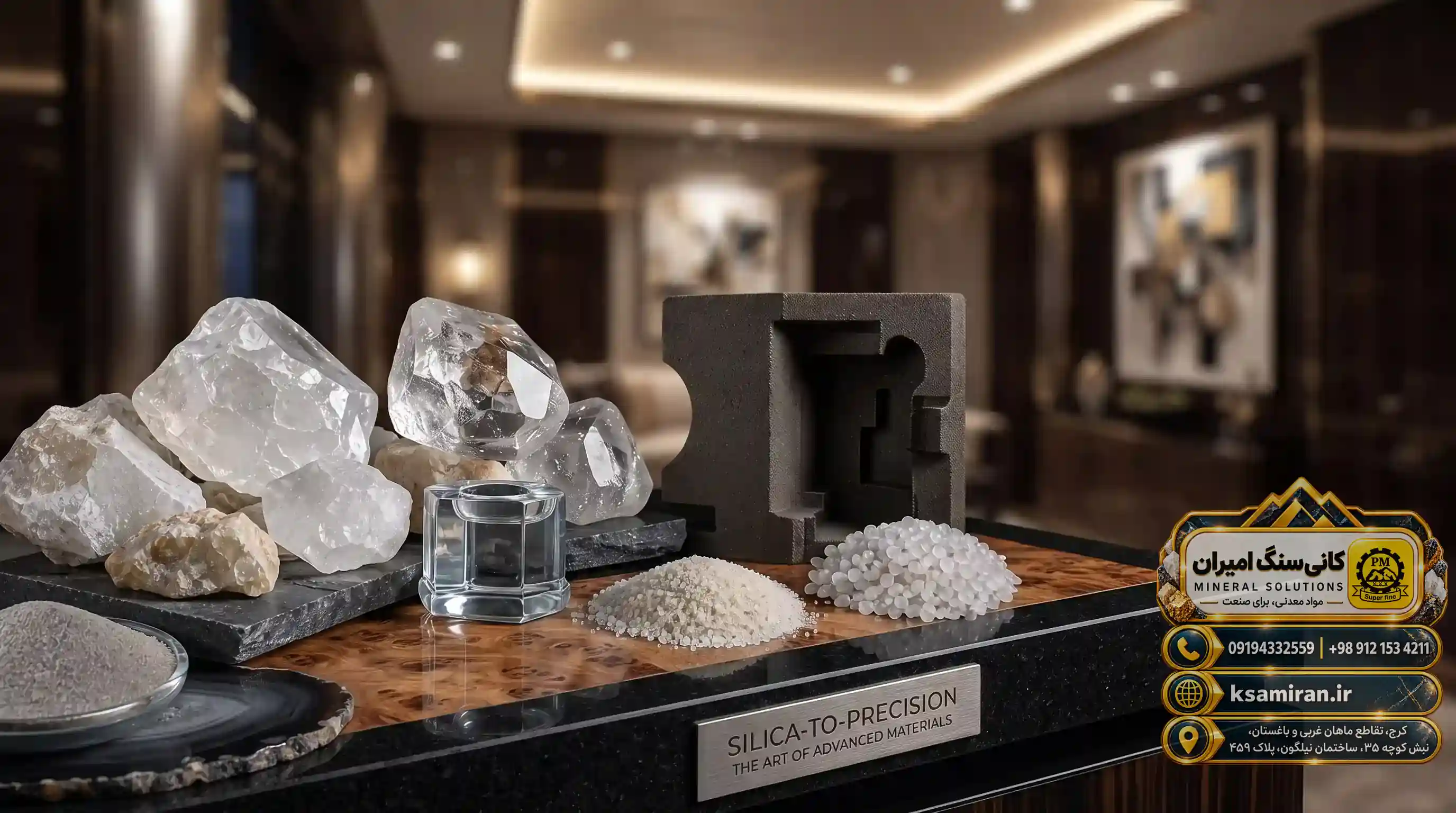
Choosing a reputable supplier for minerals depends above all on understanding the technical needs of the industry. Given the wide range of applications for silica and the importance of mesh grading in final product quality, Kani Sang Amiran Project is committed to providing products that comply with industrial standards. The use of mode production technologies guarantees the purity and quality consistency of this valuable material.
In the future, with the expansion of construction technologies and the demand for higher purity materials, the demand for processed mineral products will increase. A deep understanding of the characteristics of this material and its diverse applications helps industrialists achieve products with global standards by properly utilizing these resources. Silica will continue to remain a key element in industrial development.
| Question | Answer |
|---|---|
| What is silica? | A silicon dioxide mineral with wide applications in the glass and casting industries. |
| What is the mesh grading range of silica? | Kani Sang Amiran mineral products are produced in the 10 to 450 mesh range. |
| What is the application of silica in casting? | It is used to make sand molds due to its thermal resistance. |
| Why is mesh grading important? | To ensure precise performance in chemical and thermal reactions. |
| Is silica used in concrete? | Yes, it increases compressive strength and reduces permeability. |
| Which company is the manufacturer? | Kani Sang Amiran Project. |
| Can it be used for the ceramic industry? | Yes, it is used for both the body and glazing. |
| What is the advantage of using high-quality silica? | Reducing waste and increasing the quality of the final product. |
| Is purity important in the glass industry? | Yes, it is vital for the ultimate transparency of glass. |
| How to order? | Through the official website of Kani Sang Amiran. |
Kani Sang Amiran Mineralogy and Industrial Data Science Center.
برچسب: Silica,Why is Granulated Silica Widely Used in the Metal Industries?,
نویسنده: رساوب آفرین