
درباره سایت
آخرین مطالب
- راهنمای ثبت سفارش آنلاین و استعلام قیمت کائولن
- چگونه بهترین اکسید آهن قرمز (اخرا) را برای پروژه انتخاب کنیم؟
- بررسی جامع خواص اکوستیک و وزن مخصوص باریت سفید صنعتی
- نقش کائولن در کاهش هزینههای تولید در صنایع معدنی
- نقش سیلیس در افزایش مقاومت حرارتی مواد نسوز
- چرا اکسید آهن قرمز (اخرا) قدرت پوشانندگی بالایی دارد؟
- The role of industrial barite in the papermaking and specialty coatings industries
- How to find the best kaolin supplier in the country?
- How to properly examine feldspar analysis?
- ما هي استخدامات التالك الصناعي في صناعة البلاستيك والمطاط؟
امکانات وب
Introduction to the Importance of Minerals in Mode Industries
Today's various industries depend heavily on using high-quality raw minerals to achieve desired quality, improve the final properties of products, and optimize their production processes. The right choice of these materials can make a dramatic difference in the durability, efficiency, and economics of a production unit. Among a wide range of functional minerals, minerals play a vital role in various sectors, including construction, glass manufacturing, and the ceramics industry.
One such valuable material is dolomite, which is known as a double calcium and magnesium carbonate. Due to its specific chemical and physical structure, this mineral has eaed a special place in industrial processes. A precise understanding of the characteristics of this material helps engineers and manufacturers use it in the most optimal way possible in production lines.
The Kani Sang Amiran project, as one of the active entities in the field of mineral supply and processing, strives to provide the best materials with standard specifications to consumer industries. In this article, we intend to comprehensively examine the features and applications of this mineral in various industrial fields and scrutinize its different dimensions.
A detailed examination of mineral compounds also acquaints us with the supply chain of other related minerals. For example, in civil and engineering processes, familiarity with the role of kaolin in pipe making and concrete products is also of high importance, which we have covered in related articles.
In general, understanding the physical characteristics and granulation of these minerals is a primary prerequisite for success in large-scale industrial projects and significantly helps upgrade the quality level of final products.
Understanding the Chemical and Physical Structure of the Mineral
To better understand industrial applications, we must first become familiar with the structural nature of this material. Chemically, this mineral is a calcium and magnesium carbonate with a specific structural formula. The simultaneous presence of calcium and magnesium ions in its crystal lattice creates stable mechanical and thermal characteristics that distinguish it from ordinary limestones.
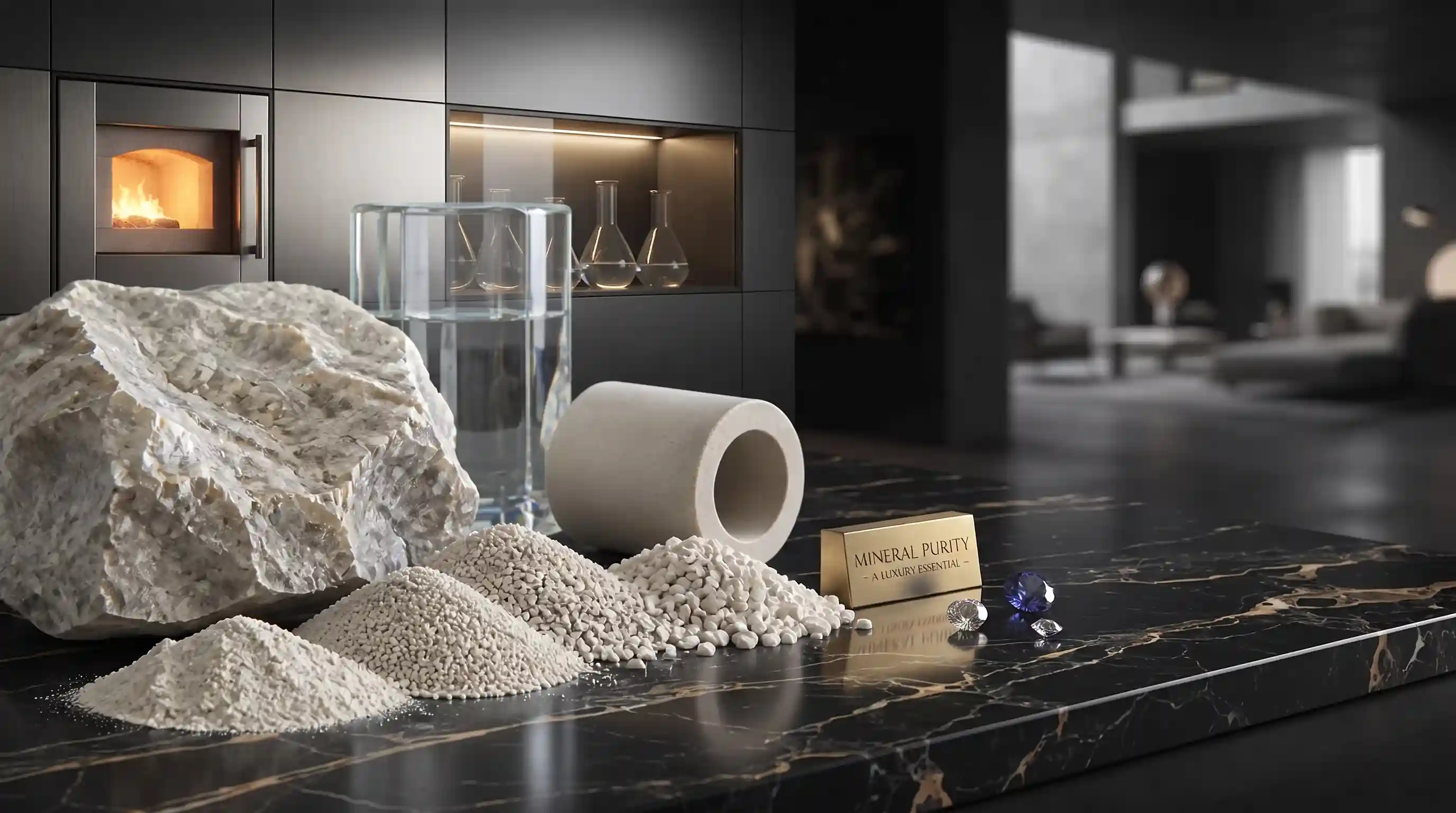
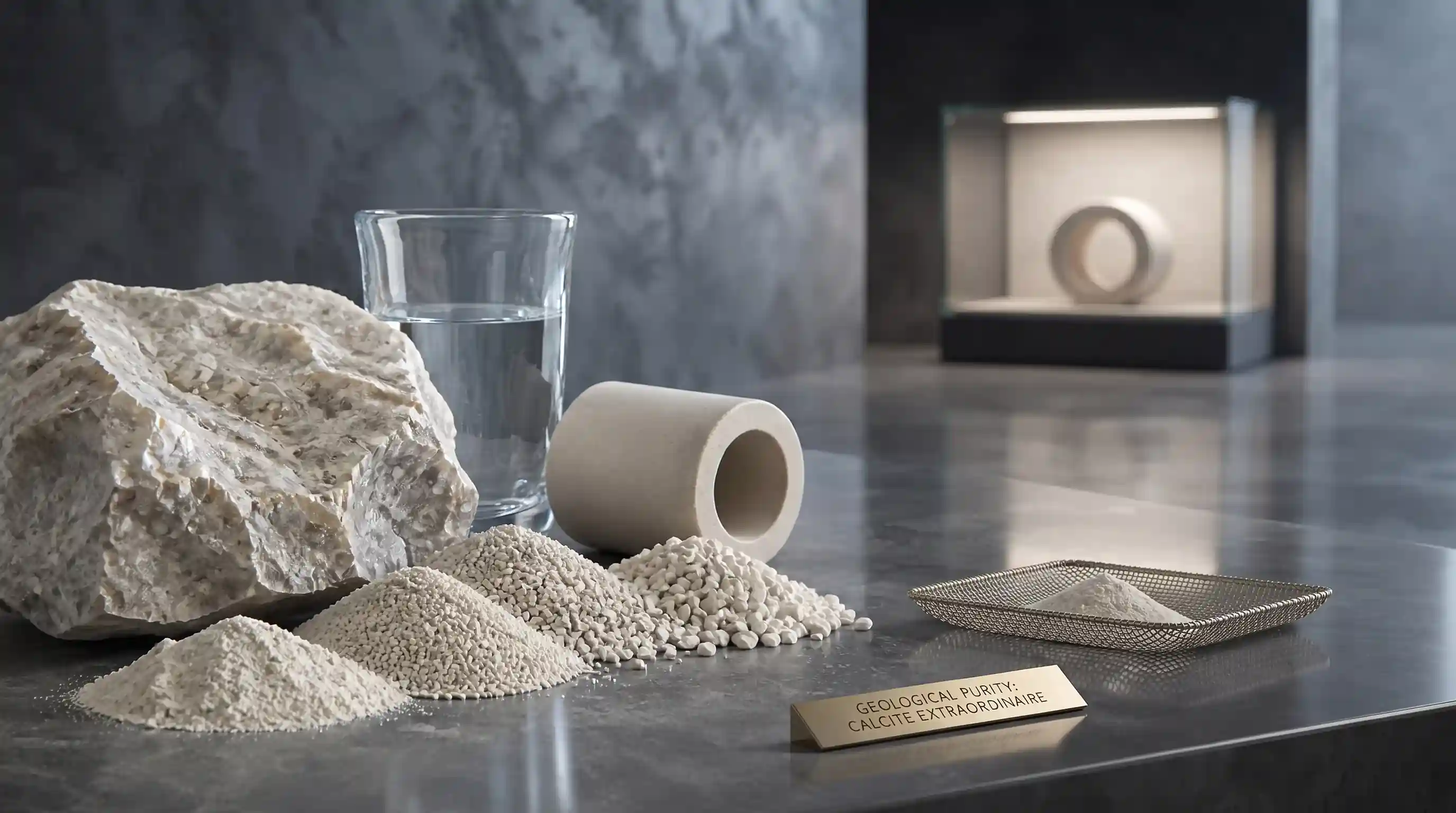
Physically, this material has appropriate hardness and resistance, allowing it to be processed in various mesh ranges. This processed mineral is usually produced and supplied in the 10 to 40 mesh range, and this granulation is precisely adjusted to meet the specific needs of different industries.
Choosing the appropriate granulation within the specified range plays a key role in the reactivity of the material in fuaces and chemical reactions. Finer grains create a larger contact surface, while coarser grains bring different physical stability.
In addition to this material, other industrial minerals also possess unique structural characteristics. For example, examining the key role of industrial talc in improving the quality of manufactured products shows how each mineral can revolutionize industrial performance based on its specific structure.
With precision in the extraction and crushing process, the Kani Sang Amiran project applies the necessary quality standards to these products so that consumer industries face minimal technical challenges in the production process and achieve maximum productivity.

Primary Application in the Glassmaking Industry and Improving Melting Quality
The glassmaking industry is one of the main consumers of carbonate minerals, and this mineral has a well-established position in this industry. Adding this material to the batch of glass raw materials brings multiple benefits, including reducing the melting point of the glass mixture, improving the chemical stability of the final product, and increasing resistance to atmospheric factors.
The presence of magnesium oxide in the composition of this material allows the viscosity of the molten glass to be better controlled at high temperatures, which facilitates the glass shaping and blowing process. It also prevents the phenomenon of alkaline vaporization in glass melting fuaces.
Glass manufacturers are always looking for raw materials that make fuace navigation easier and enhance the optical quality of the glass. Due to its proper purity and physical compatibility with other glass raw materials, this material is considered an ideal choice for this purpose.
Strict quality control of glass raw materials entails monitoring chemical and physical parameters. This process bears a strong resemblance to purification and quality control processes in other industries; just as strict water quality standards are applied in the topic of the role of bentonite in water and industrial wastewater treatment.
Therefore, the presence of this mineral in the glass formulation is not only a technical necessity, but also greatly helps optimize energy consumption in melting fuaces and reduce overall operating costs of glass factories.
Essential Role in Ceramic Products and Glazing
The ceramics industry is always looking for additives that improve the firing properties of the ceramic body and the quality of the glaze. To achieve high mechanical resistance and thermal dimensional stability, ceramic products require balanced combinations of alkaline earth oxides, and this material covers all these needs.
In the formulation of tile, ceramic, and porcelain bodies, this material acts as a thermal flux that lowers the firing temperature and causes better particle densification during firing in the kiln. This, in tu, leads to a reduction in water absorption and an increase in the compressive strength of the final product.
In addition to the ceramic body, this mineral is also used in the preparation of certain types of glazes to improve the gloss, hardness, and thermal shock resistance of the glaze. The simultaneous combination of calcium and magnesium has a positive synergistic effect on the melting behavior of the glaze.
By offering standard products, the Kani Sang Amiran project supplies the needs of ceramic factories for this vital material. The compliance of these products' quality with the needs of the ceramic industry has enabled manufacturers to offer more homogeneous and higher-quality products to the market.
Ultimately, the optimal use of this mineral alongside other specialized additives will guarantee the progress and competitiveness of ceramic production units in domestic and foreign markets and elevate quality standards.

Application in Building Materials and the Civil Engineering Industry
In addition to the chemical and thermal industries, building materials are one of the traditional yet high-consumption areas for this mineral. The favorable physical properties and long-term stability of this mineral have given it a special place in the production of various mortars, concretes, and artificial stones.
In the construction industry, this material is used in powdered form across various mesh ranges to improve the rheological properties of mortars, increase adhesion, and reduce shrinkage during drying. These characteristics contribute to greater durability of building structures.
This material is also used as an aggregate or filler in the production of types of concrete blocks and prefabricated materials, which improves the thermal and acoustic properties of walls and structures. Appropriate resistance against atmospheric factors is another of its advantages.
Civil engineers well know that the careful selection of raw materials is the foundation of a structure's strength. The application of this material alongside other specialized construction materials guarantees the final quality of civil projects.
Through precise processing of this ore, the Kani Sang Amiran project provides builders with materials featuring homogeneous granulation so they can utilize it with greater confidence in their construction projects and comply with national standards.
Technical Specifications and Mesh Range (10 to 40 Mesh)
Technical specifications and the granulation of minerals are among the most important factors that production engineers consider before purchasing any material. Granulation determines the behavior of the material in thermal and mechanical processes and must be carefully controlled.
This product is processed and supplied in the 10 to 40 mesh range. This specified range means that the product particles pass through or remain on standard sieves with a specific number of holes per inch, which imparts distinct geometric dimensions to the particles.
Granulation in the 10 to 40 mesh range is very ideal and practical for applications that require relatively coarser particles with appropriate flowability and a controlled contact surface (such as certain melting fuaces and building material industries).
Compliance with granulation standards at the Kani Sang Amiran mineral processing plant is carried out using mode screening and crushing equipment to deliver a uniform product free of mechanical impurities to the customer.
An accurate understanding of these technical specifications helps purchasing managers and industrial engineers match their production line needs precisely with the product specifications, preventing any waste of time and capital and maximizing overall factory efficiency.
Economic Benefits and Optimization of Industrial Processes
Using high-quality domestic minerals, in addition to technical benefits, has significant impacts on the macroeconomics of production units. Reducing raw material supply costs is one of the main conces of industrial managers, which can be resolved by relying on domestic resources.
As a rich and cost-effective source of calcium and magnesium oxides, this material is considered a very suitable substitute for other expensive compounds in the glass and ceramics industries. Stable access to this material within the country minimizes supply chain risks.
Optimizing energy consumption in melting and firing fuaces is another economic benefit of using this mineral. Lowering the melting temperature and improving the speed of chemical reactions mean lower fuel consumption and, consequently, reduced energy costs for factories.
Focusing on quality and supply stability, the Kani Sang Amiran project has endeavored to provide a reliable chain for consumer industries so they have no conces regarding raw material supply.
Therefore, investing in the correct use of this processed mineral brings a rapid retu on investment and greatly helps improve the overall profitability of industrial units.
Conclusion and Future Outlook of the Mining Industry
In this article, we comprehensively examined the characteristics, technical specifications, and key applications of this mineral. It became clear that with its unique chemical and physical properties, this mineral plays an irreplaceable role in the glassmaking industry, the production of ceramic products, and building materials.
The precise granulation of this product in the 10 to 40 mesh range has enabled its optimal use in various production lines. These features, alongside stable supply, have made it one of the important pillars in the industry.
Leveraging up-to-date technical knowledge and advanced processing equipment, the Kani Sang Amiran project constantly strives to elevate the quality standards of minerals and respond to the growing needs of the country's industries.
Looking to the future, with the development of mode technologies in the melting and ceramics industries, the applications of this material are expected to expand and its importance to become even more evident. In step with these developments, mineral suppliers must also develop the quality of their products in line with global standards.
It is hoped that this writing has been able to provide a complete insight into the added value of this valuable mineral to esteemed industrial actors, engineers, and researchers, and serve as a guide for their industrial decision-making.
| Question | Answer |
|---|---|
| What is dolomite? | It is a natural mineral consisting of double calcium and magnesium carbonate that has numerous applications in industry. |
| What are the main applications of this mineral? | Its main applications are in the glass, ceramic products, and building materials industries. |
| What is the mesh range of this product? | This product is processed and supplied in the 10 to 40 mesh range. |
| Which industries use this material in glassmaking? | Glass manufacturing factories utilize it to improve chemical stability and adjust melt viscosity. |
| What is the role of this material in the ceramic industry? | It acts as a thermal flux and reduces the firing temperature of the ceramic body. |
| Is it used in building materials? | Yes, it is used in the production of mortars and to improve the properties of concrete and prefabricated materials. |
| Who is the main supplier of this product? | The Kani Sang Amiran project operates as a producer and supplier of these minerals. |
| Why is 10 to 40 mesh granulation important? | Because it creates appropriate flowability and contact surface for melting fuaces and industrial reactions. |
| Does this material help reduce energy consumption? | Yes, by lowering the melting point of raw materials in fuaces, it helps optimize energy consumption. |
| How can this product be obtained? | It can be ordered through the dedicated product page on the Kani Sang Amiran website. |
Specialized reference for mineral processing and supply, Kani Sang Amiran Project.

برچسب: Dolomite,The Role of Dolomite in the Metallurgy and Heavy Metal Melting Industry,
نویسنده: رساوب آفرین