
درباره سایت
آخرین مطالب
- راهنمای ثبت سفارش اکسید لیمونیت (گل ماش)
- Guide to Ordering Limonite Oxide (Gol Mash)
- التعرف على الخصائص الفيزيائية لكربونات كالسيوم الصناعية
- Examining the Rising Demand for High-Quality Industrial Talc
- بررسی ویژگیهای ظاهری و کیفیت پودر سفید دولومیت
- Guide to Choosing the Best Type of Red Iron Oxide (Ochre)
- دليل شراء أكسيد الحديد الأحمر (أخيرا) عالي الجودة والنقاء
- دراسة المعايير الوطنية والدولية في إنتاج التلك الأبيض
- دراسة الاتجاه التصاعدي للطلب على التالك الصناعي عالي الجودة
- بررسی استانداردهای ملی و بینالمللی در تولید تالک سفید
امکانات وب
Introduction to the Importance of White Talc in Mode Industries
In the industrial world, choosing the right raw material can make the difference between a high-quality product and an ordinary one. White talc, as one of the most widely used mineral fillers, plays a vital role in improving the physical and chemical properties of final products. With its flaky structure and unique softness, this mineral is considered an ideal option for a wide range of industries. For a more detailed review of features and technical specifications, you can visit the white talc page on the Kani Sang Amiran website.
Various industries, including masterbatch producers, paint manufacturing, and papermaking, are always looking for a supplier that can guarantee uniform quality and precise granulation. In this article, we examine the key parameters for smartly ordering this material.
Understanding Meshing and Its Impact on Production Quality
One of the most fundamental factors in purchasing this material is choosing the appropriate mesh. The mesh range of 450 to 2500 is designated for white talc, each optimized for a specific application. Lower meshes are suitable for industries requiring structural strength, while higher meshes (micronized) are used to create transparency and a smooth surface in final products.
If you are in doubt about identifying the quality of this powder, we suggest reading the article How to Identify the Purity and Quality of Industrial Talc? to familiarize yourself with the principles of laboratory evaluation for this material.
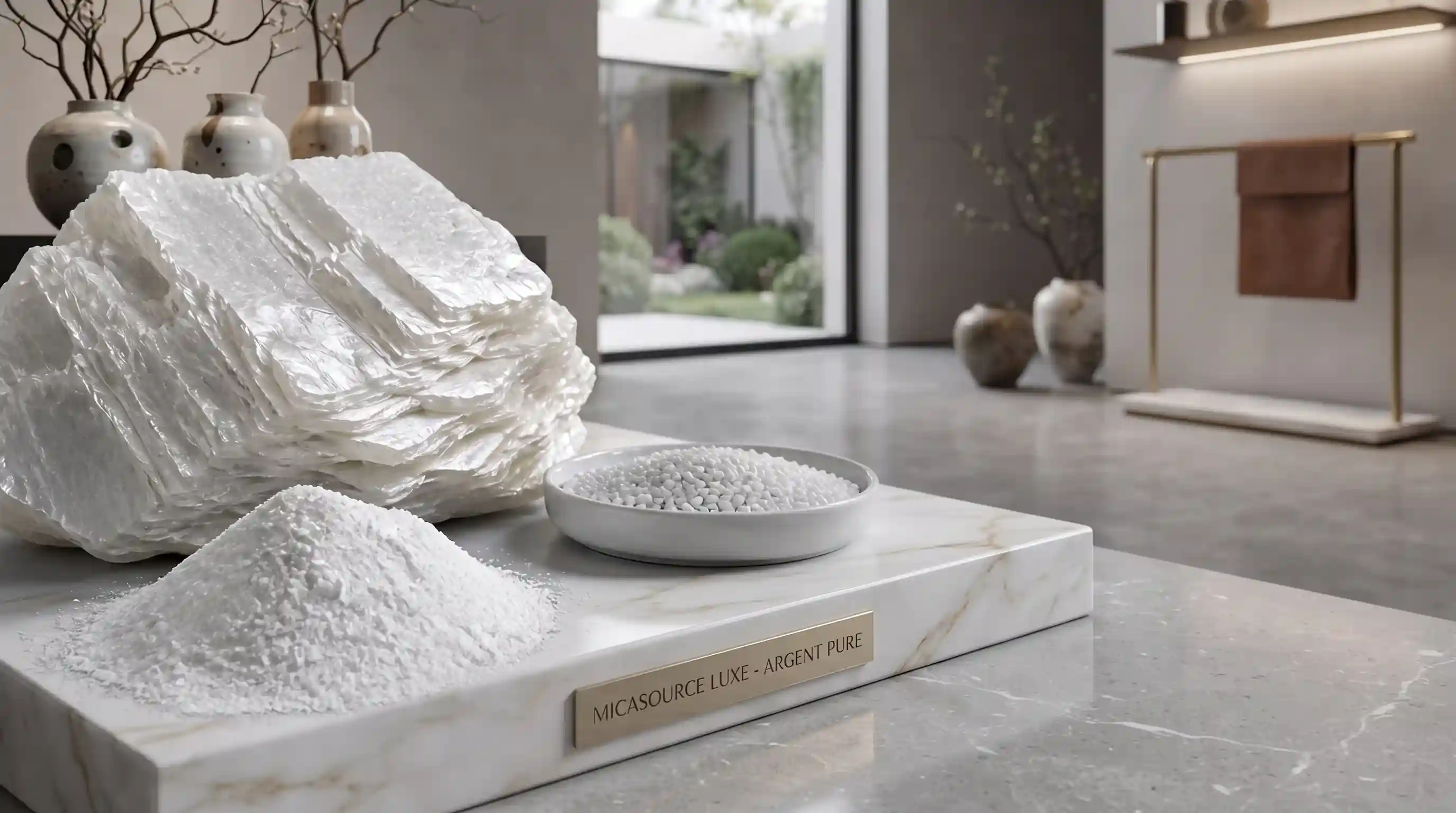
Application of White Talc in the Masterbatch and Compound Industry
In the polymer industry, using white talc as a mineral filler is very common. This material increases flexural modulus, improves thermal stability, and reduces the shrinkage of plastic parts. Masterbatch producers use high-purity talc to maintain color and mechanical characteristics, preventing any discoloration of the final product.
Due to its natural lubricating property, this material facilitates the compound manufacturing process and increases production rates. Choosing the appropriate mesh size is vital to prevent clogging of extruder filters in masterbatch factories.
The Role of Talc in the Paint and Protective Coatings Industry
White talc acts as a suspending and matting agent in paint formulations. Due to its high chemical resistance, this material increases the lifespan of paint coatings against environmental factors. It also prevents pigments from settling in the paint can and improves the final coverage.
For paint factories, the stability of the white color and the chemical inertness of talc when combined with resins are of high importance, which is best achieved when sourced from high-quality mineral reserves.
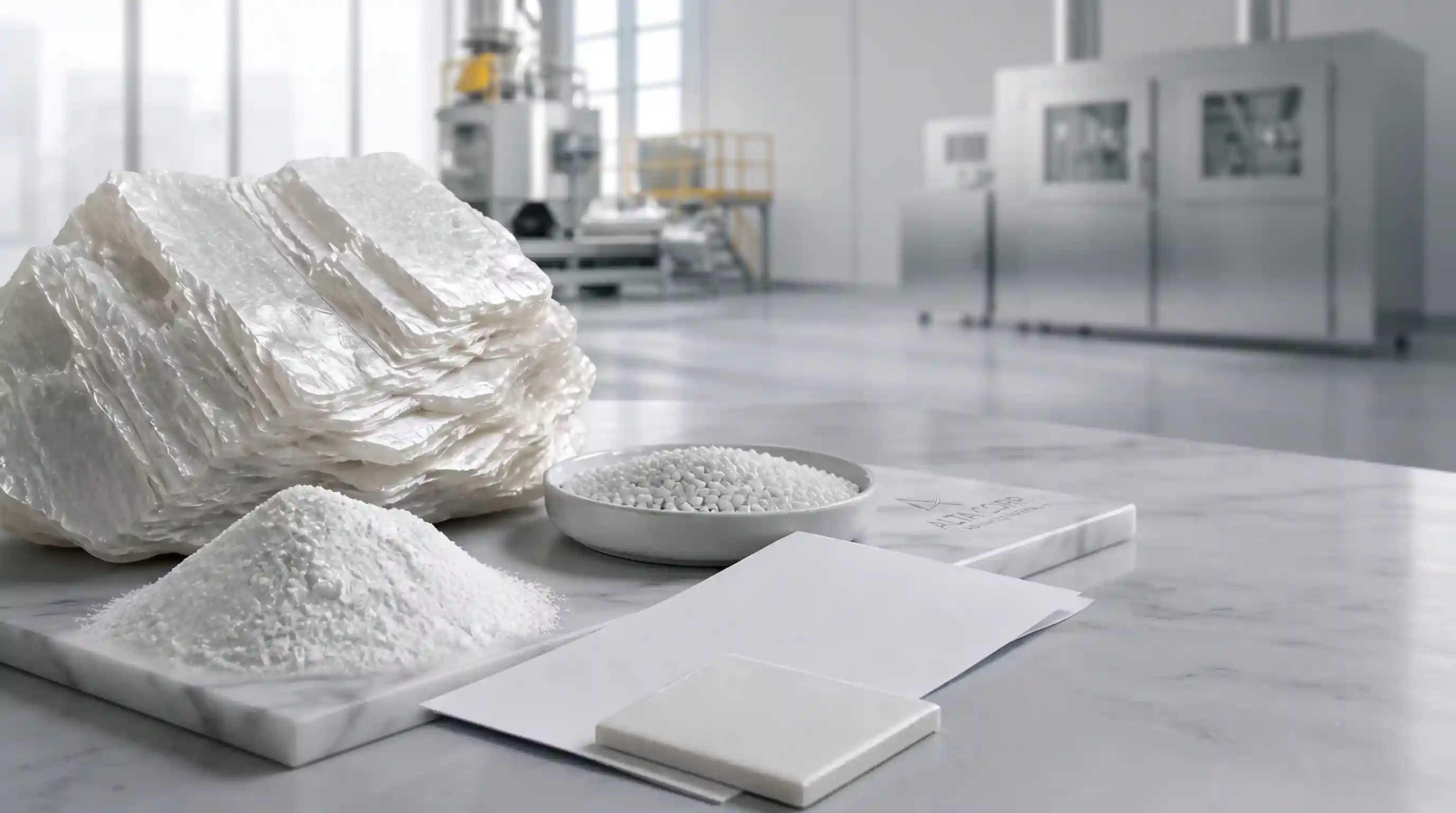
Application in the Paper and Ceramics Industries
In the paper industry, this material improves surface quality and paper brightness while controlling ink penetration. In ceramic products, white talc acts as a fluxing agent and lowers the firing temperature. This not only helps reduce energy consumption but also increases the strength of ceramic parts and reduces thermal cracking.
Attention to mesh size and the purity of this powder is of double importance in the ceramics industry, as iron impurities can lead to unwanted spots in the final product.
The Ordering and Price Inquiry Process at Kani Sang Amiran
Ordering high toages of this mineral requires precise plaing and coordination with the supplier. To ensure a smooth purchasing process, we have gathered all the necessary steps for customers in the article Guide to Placing Orders and Price Inquiry for Purchasing White Talc.
The expert team of Kani Sang Amiran is always ready to provide the best analysis based on your factory's technical needs (mesh size and order volume) to minimize incidental production costs.

Comparison with Other Minerals and Industrial Purchasing Management
Sometimes factories need other minerals alongside talc. For example, barite might be required for specific productions. If your facility requires barite alongside talc, reading the Guide to Placing Bulk Orders of White Barite for Large Factories can greatly help optimize your supply chain.
Proper management of mineral purchasing has a direct correlation with the profit margins of large manufacturing plants, and focusing on purity and consistent toage is the key to success in today's competitive market.
Quality Outlook in Amiran Mineral Productions
Our commitment at the Kani Sang Amiran project is to supply white talc with maximum purity and in compliance with the mode needs of industries. Understanding manufacturers' conces regarding quality fluctuations, we strive to offer a product with global standards by utilizing mode separation and granulation technologies. Our goal is to create a reliable foundation for the continuous operation of domestic factories so that, relying on high-quality minerals, they can offer competitive products to inteational markets.

| Question | Answer |
|---|---|
| What is the best talc mesh for masterbatch? | Generally, 600 to 1200 meshes are recommended. |
| Is sampling possible before purchase? | Yes, samples can be sent to confirm the analysis. |
| What is the effect of talc on color? | It improves whiteness and matting properties. |
| Does Amiran talc have high purity? | Yes, processing is carried out according to industrial standards. |
| What is the minimum toage order? | Refer to the ordering guide for exact information. |
| Why is mesh sizing important? | It has a direct impact on the physical properties of the final product. |
| Is talc heat resistant? | Yes, white talc has very good thermal stability. |
| What is the cargo delivery time? | It varies depending on the toage. |
| What is the application of talc in the paper industry? | Increasing paper surface smoothness and brightness. |
| How to inquire about the daily price? | Act through the order guide links in the text. |
Data extraction sources: Kani Sang Amiran Technical Information Center and Industrial Powder Metallurgy Reports.

برچسب: White Talc,How to Order the Best White Talc Toage for Your Factory?,
نویسنده: رساوب آفرین