
درباره سایت
آخرین مطالب
- دليل اختيار تحبيب أكسيد الحديد الأحمر (المغرة)
- نقش کلیدی اکسید آهن قرمز (اخرا) در تولید محصولات بتنی
- Getting to Know the Types of Meshing in Industrial Talc Powder
- دور السيليكا الميكرونية في الصناعات المتقدمة اليوم
- نقش کائولن در تولید محصولات فایبرگلاس باکیفیت
- مراجعة متخصصة للخصائص الفيزيائية لمسحوق السيليكا الأبيض
- Why Do Paper Industries Need Industrial Talc?
- چگونه از کربنات کلسیم کوتد برای بهبود پخششوندگی استفاده کنیم؟
- مقایسه پودر اکسید آهن قرمز (اخرا) با سایر پیگمنتها
- دور الكاولين في إنتاج منتجات الألياف الزجاجية عالية الجودة
امکانات وب
Introduction to the Application of Silica in Various Industries
An introduction to the application of a valuable and strategic mineral in mode industries, especially those requiring high-quality mineral raw materials. Due to its unique physical and chemical properties, this mineral has found a special place in industrial production. In this article, we intend to examine the applications and technical characteristics of this material and analyze its role in various industries. For more information, you can visit the Silica page.
In the industrial production process, choosing the right raw materials has a direct impact on the quality of the final product. Therefore, a precise understanding of the characteristics of this material helps engineers and manufacturers maximize the efficiency of their production lines. Mode mining projects are always looking to provide high purity and precise granulation to meet industrial standards.
An examination of industrial processes shows that this material acts as a functional filler and strengthener. Its correct use leads to improved mechanical properties, increased thermal stability, and reduced production costs. That is why large industries are always looking for reliable sources of supply.
Along with this material, other minerals such as kaolin are also used in coating industries. To lea more about this, take a look at The Application of Kaolin in the Paint and Industrial Coatings Industry to become familiar with the synergy of these materials.
The Role of Silica in the Glass and Crystal Industry
The glass industry is one of the main consumers of this mineral. High purity and the absence of color impurities, especially iron oxide, are essential requirements for the production of transparent and high-quality glass. This material acts as the main builder of the glass network and controls the melting point and viscosity of the melt.
In flat glass, glassware, and glass fiber production lines, precise granulation is of great importance. Using standard granulation ensures that the melting of materials in the fuace is homogeneous and prevents bubbles and structural defects in the final product.
In addition to ordinary glass, there is an urgent need for this material in the production of specialized and laboratory glass. The high thermal resistance and chemical stability of the produced glass are directly dependent on the quality of the raw materials entering the fuace.
The Kani Sang Amiran collection plays an important role in meeting the needs of this industry by providing standard products and guarantees stable raw material quality for manufacturers.
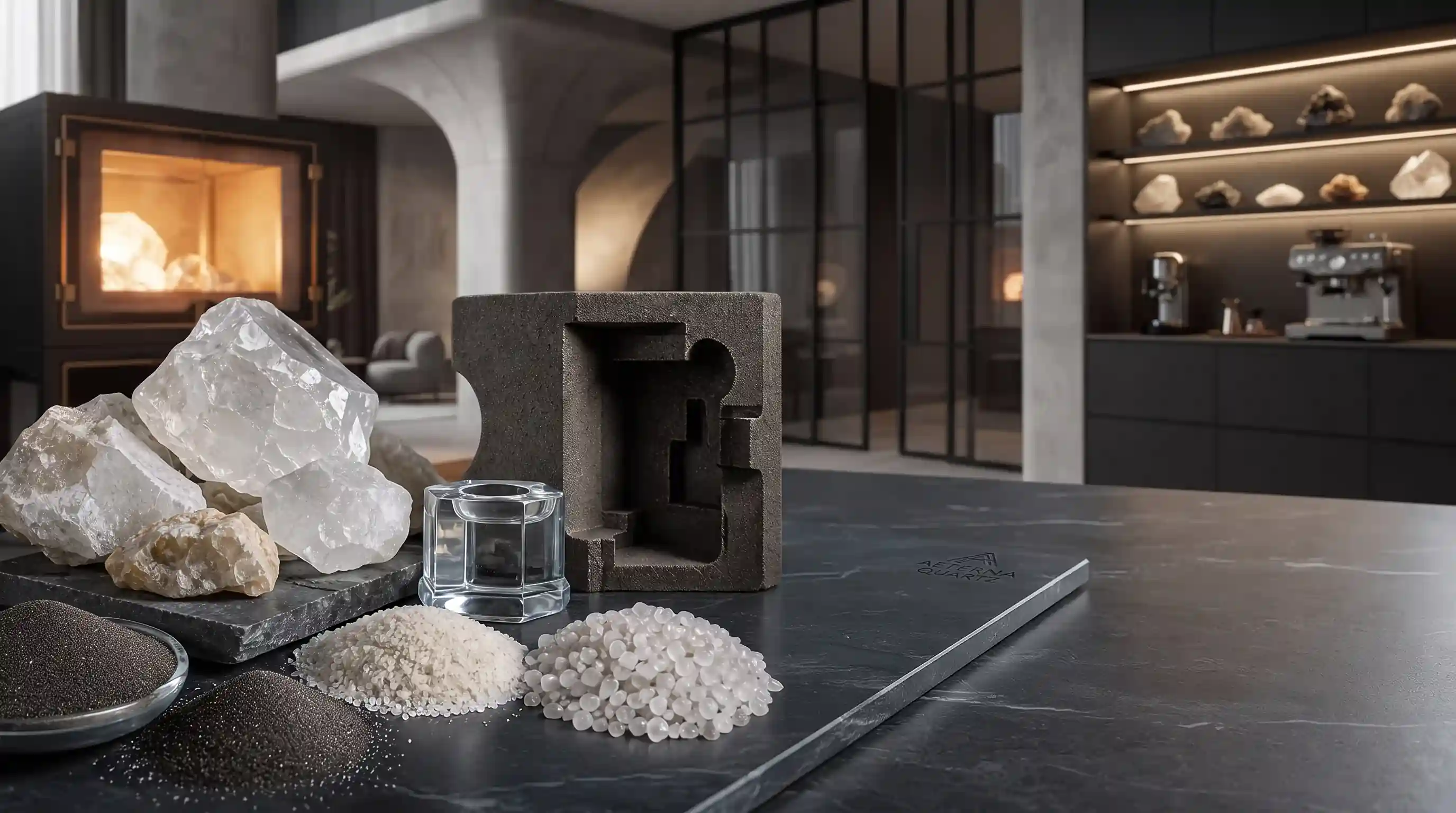
Key Applications of Silica in Casting
The casting industry is heavily dependent on high-quality refractories and molding materials. Due to its high melting point and stability against extreme heat, this mineral is used as the main component of molding sands and core making in the casting of ferrous and non-ferrous metals.
The suitable thermal properties of this material prevent mold deformation when pouring hot melt. Also, the proper density and gas permeability in casting sands containing this material prevent defects such as gas holes in cast parts.
The 10 to 450 mesh range allows for precise selection of granulation according to the type of part and casting method. This flexibility allows casting engineers to create a smoother and higher-quality surface for their metal parts.
Adherence to granulation standards in casting leads to reduced waste, increased mold life, and improved overall productivity of industrial casting workshops.
The Importance of Silica in the Ceramic and Pottery Industry
In the ceramic, tile, porcelain, and refractory industries, this material is used as a structural frame for the body and as a thermal shrinkage controller during firing. The presence of appropriate amounts of it prevents severe deformation of the ceramic body in firing kilns.
Also, in the formulation of ceramic glazes, this material plays an important role in creating a glassy, shiny, and wear-resistant surface. Precise adjustment of the chemical composition of the glaze using high-quality minerals significantly increases the durability of the final product.
To optimize industrial and coating formulations, familiarity with other additives is also important. For example, reading the article Examining the Benefits of Using Kaolin in Architectural Paints provides you with a better perspective on the combination of mineral materials.
Manufacturers of ceramic products can offer products with high mechanical strength and a flawless appearance to the market by using high-quality raw materials.
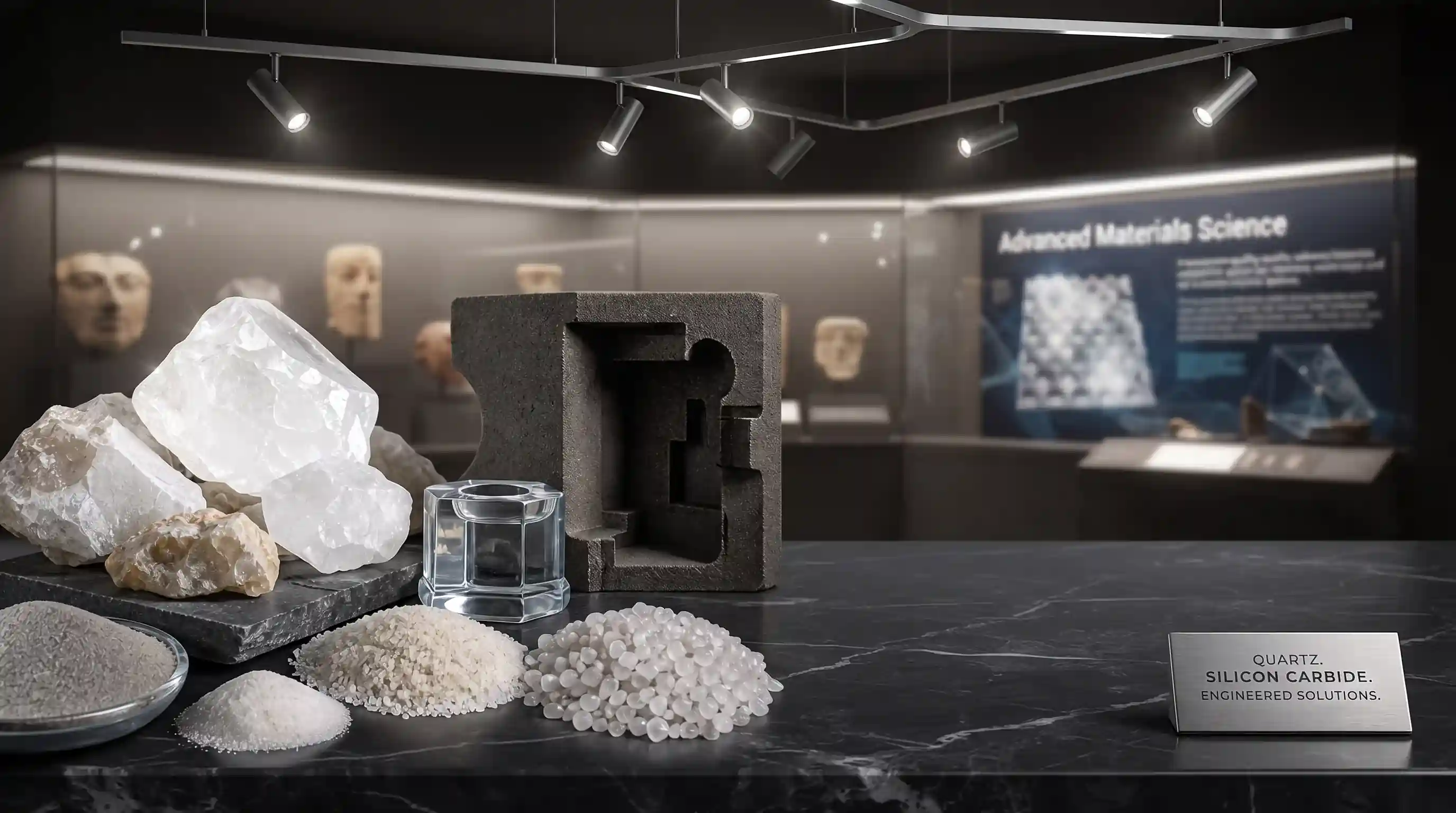
Application of Silica in Construction Materials and Concrete
The construction industry is another extensive field of consumption for this mineral. In the production of high-strength concrete, dry mortars, industrial floorings, and various adhesives, this material acts as a mineral filler and improves compressive strength.
The suitable granulation of this material in the 10 to 450 mesh range allows the void space between other particles to be filled, and as a result, the density and durability of concrete structures against environmental factors are increased.
The use of standard mineral fillers also prevents excessive shrinkage of mortar during drying and prevents surface cracking.
The Kani Sang Amiran project, by providing various granulations, meets the diverse needs of the construction and civil engineering industries and improves the quality of project implementation.
Technical Characteristics and Mesh Range of Mineral Products
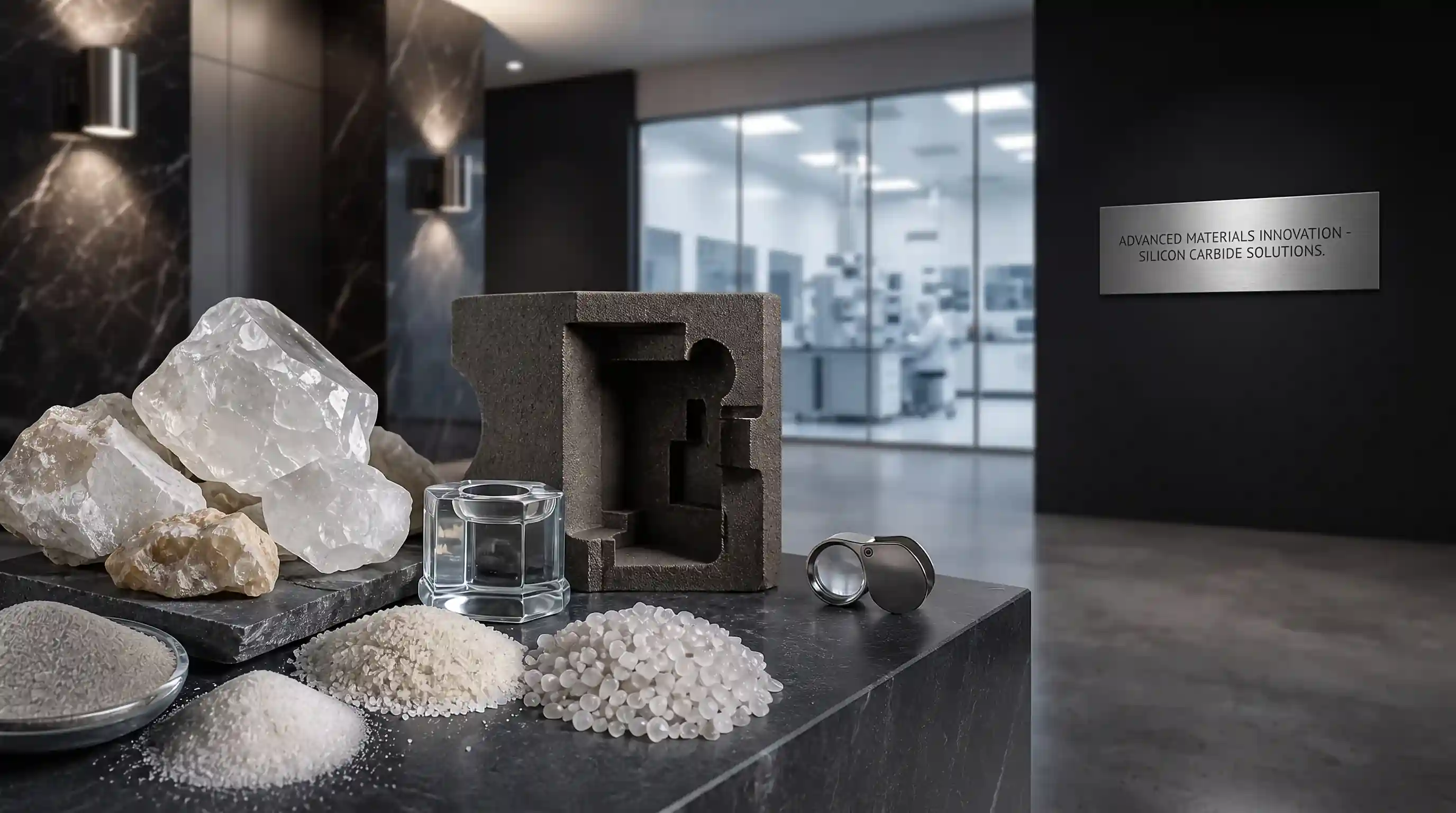
A precise understanding of the technical specifications and mesh range of this mineral is the key to choosing correctly for any industrial application. The 10 to 450 mesh range covers a wide spectrum of coarse particles to very micronized powders.
Coarser granulation is usually used in casting and construction materials, while finer and micronized meshes are used in the production of advanced ceramics and specialized glass.
Strict quality control in the crushing and particle classification process ensures that the particle size distribution is perfectly in line with customer requirements and industrial standards.
Adherence to these standards allows manufacturers to maintain consistent quality in their final products and prevent technical problems on the production line.
Advantages of Using Coated Calcium Carbonate and Practical Comparison
Along with traditional minerals, the use of modified materials and specialized fillers has become common in coating and composite industries. Familiarity with the properties of these materials helps formulators choose the best combination.
To better understand the role of coating and modified fillers, reading the specialized article Comprehensive Guide to Using Coated Calcium Carbonate in Paint Making will be very useful and practical.
Combining the use of different minerals such as this material and calcium carbonate can improve the final properties of products such as coatings and composites and bring their functional features to the desired level.
Manufacturers can manage production costs by relying on scientific and technical information while maintaining the highest level of product quality.
Conclusion and Silica Buying Guide
In this article, we conducted a comprehensive review of the applications of this mineral in the glass, casting, ceramic, and construction materials industries. It became clear that the correct selection of granulation in the 10 to 450 mesh range plays a vital role in the success of industrial processes.
The Kani Sang Amiran project, with a focus on quality and standards, is ready to provide consultation and supply the mineral materials needed by various industries with the best price and quality.
To place an order and inquire about the precise specifications of the products, it is suggested that you always stay in touch with the technical experts of the collection so that the most suitable option is chosen according to the needs of your production line.
We hope this practical guide has been able to clarify the various dimensions of using this valuable material for you and has been effective in optimizing your production processes.
| Question | Answer |
|---|---|
| What are the main applications of silica? | Glass industries, casting products, ceramic products, and construction materials. |
| What is the mesh range of the offered products? | The mesh range varies from 10 to 450 mesh. |
| What is the role of silica in the glass industry? | Main builder of the glass network and controller of melting point and transparency. |
| Why is this material used in casting? | Due to its high melting point and thermal stability for molding sands. |
| Is this material used in ceramics? | Yes, for thermal shrinkage control and body and glaze structure. |
| How is it applied in construction materials? | As a filler in concrete, dry mortars, and industrial floorings. |
| Which collection is the supplier of this product? | Kani Sang Amiran Project — Production of mineral materials. |
| How can the product be ordered? | Through the dedicated product page on the Kani Sang Amiran website. |
| Are different mesh sizes available? | Yes, it can be supplied in the 10 to 450 mesh range. |
| Why is the purity of mineral materials important? | To prevent structural defects and increase the quality of the final product. |
Kani Sang Amiran, Specialized Mineral Materials Reference
برچسب: Silica,Practical Guide to Using Silica in the Paint Industry,
نویسنده: رساوب آفرین