
درباره سایت
آخرین مطالب
- راهنمای ثبت سفارش اکسید لیمونیت (گل ماش)
- Guide to Ordering Limonite Oxide (Gol Mash)
- التعرف على الخصائص الفيزيائية لكربونات كالسيوم الصناعية
- Examining the Rising Demand for High-Quality Industrial Talc
- بررسی ویژگیهای ظاهری و کیفیت پودر سفید دولومیت
- Guide to Choosing the Best Type of Red Iron Oxide (Ochre)
- دليل شراء أكسيد الحديد الأحمر (أخيرا) عالي الجودة والنقاء
- دراسة المعايير الوطنية والدولية في إنتاج التلك الأبيض
- دراسة الاتجاه التصاعدي للطلب على التالك الصناعي عالي الجودة
- بررسی استانداردهای ملی و بینالمللی در تولید تالک سفید
امکانات وب
Introduction to Kaolin and Its Importance in Mode Industries
Mining and mineral processing are always recognized as one of the main foundations of industrial development. Among these materials, kaolin holds a special place in mode factory production lines due to its unique physical and chemical properties. This valuable material, also known as china clay, plays a key role in enhancing the quality of final products. Understanding the technical characteristics of this material is the first step for various industries looking to optimize their production processes. Kani Sang Amiran project, focusing on precise extraction and processing, has made this material ready for supply with standard specifications for various industries.
For factories looking to source high-quality raw materials, familiarity with granulation variety is of great importance. You can read the article about a guide to choosing the right industrial kaolin granulation to lea more about the technical details. This knowledge helps to maximize production line efficiency and minimize waste.
An important point in using this mineral is matching its characteristics with the specialized needs of each industry. From optimal coloring to thermal stability, every parameter has a direct impact on the final product. In the following sections of this guide, we will examine various aspects of using this material in different industries so that you have a clear picture of the process of price inquiry and supply.
Role of Kaolin in the Tile and Ceramic Industry
The tile and ceramic industry is considered one of the largest consumers of powdered minerals in the world. In this context, the use of kaolin as one of the main components of tile and ceramic bodies is very common due to its mechanical strength, dimensional stability, and improved colorability. This material exhibits stable behavior at high firing temperatures and prevents product deformation. Manufacturing plants are always looking for suppliers who can guarantee the consistency of powder quality in high toages.
In the production process of ceramic products, the purity and granulation of the powder have a direct impact on the final quality of the glaze and body. For more information on how to source this material in industrial volumes, you can visit the page regarding the guide for bulk kaolin ordering for industrial factories. Adherence to quality standards in this industry significantly helps reduce cracking and increase the thermal resistance of products.
Choosing the right mineral in ceramic body formulation also improves the rheological properties of the slip. For this reason, purchasing managers of tile and ceramic factories always pay special attention to the technical specifications and mesh range of received products to prevent any defects in the production line.

Application of Kaolin in Industrial Glaze Production
Glazing is one of the most sensitive stages in the production of ceramic dishes and tiles, which gives the product a beautiful appearance and a resistant surface. In the structure of the glaze, kaolin is responsible for suspending particles, initial adhesion to the raw body, and adjusting viscosity. The adhesive properties of this material ensure that the glaze layer is placed uniformly on the surface before firing, and after firing, it creates a smooth, glossy, and flawless surface.
The main applications of this mineral in various industries include cases such as tiles, ceramic products, glaze, paper, and paint. The presence of this powder in glaze formulation leads to a reduction in the gradual melting point and improves the bond between the glaze and the underlying body. The firing process in the kiln requires raw materials that are resistant to thermal shocks, and this material provides this feature well.
For industrial units active in glaze production, access to accurate information about technical specifications and price inquiry for this material is vital. The Kani Sang Amiran project covers part of the needs of this specialized industry by providing high-quality products. Quality control experts emphasize that choosing the right mesh for glazing requires high precision to avoid creating unwanted granulation on the glaze surface.
Application of Kaolin in the Paper Industry
The paper industry is another area that consumes large quantities of powdered minerals as filler and coating. In this industry, kaolin significantly helps improve paper whiteness, opacity, surface smoothness, and printability. Filling the empty spaces between cellulosic fibers with this mineral leads to a reduction in paper pulp consumption while simultaneously increasing print quality and paper durability.
The powder used in papermaking must have an appropriate particle size distribution and a low yellowing index. The 450 to 1500 mesh range is very ideal for these applications because it maximizes surface coverage. Paper manufacturing factories are always looking for a sustainable supply of their raw materials by carefully examining technical specifications and inquiring about prices so that the production line can continue to work without interruption.
Using this material in paper surface coating improves ink absorption and prevents it from spreading, which is of great importance for high-quality printing. The Kani Sang Amiran project has made it possible for the paper industry to access this practical material by supplying various minerals.

Role of Kaolin in the Paint and Industrial Coatings Industry
In the paint manufacturing industry, the choice of fillers and functional pigments directly affects coverage, durability, and paint adhesion. Kaolin is used as a high-quality extender and filler in the production of various water-based paints, oil-based paints, and industrial coatings. Due to its platy structure, this material creates barrier properties against moisture and atmospheric agents, which leads to an increase in the lifespan of the paint on various surfaces.
In addition to paint, industries sometimes look for complementary minerals to improve coating properties; for example, checking the purchase conditions and prices of other minerals such as what is mentioned in the guide for placing orders and price inquiry for buying white talc can give paint formulation experts a more comprehensive view. However, kaolin still holds an unparalleled position due to its controlled gloss, chemical stability, and improvement of paint flow properties.
Paint formulators can accurately control the gloss level and the abrasion resistance of the paint film by adjusting the percentage of this material used. This has caused the demand for purchasing micronized powders with high meshes to always be thriving in the paint market.
Technical Review of the 450 to 1500 Mesh Range and Its Impact on Quality
One of the most important technical parameters in the buying and selling of powdered minerals is particle size, or mesh. The 450 1500 mesh range indicates the fineness and micronization of the powder, which directly affects the final properties of the product. Lower mesh particles are usually used in applications that require structural mechanical strength, while higher meshes (such as 1500) are used to create very smooth surfaces in paint, glaze, and precise paper coatings.
The grinding and granulation process of these materials requires advanced industrial equipment so that the particle size distribution (PSD) is maintained within the standard range. Manufacturers, by using mode technologies, offer a homogeneous powder without mechanical impurities to the market. Industrial buyers must determine their required mesh based on the type of final application before inquiring about the price to optimize product efficiency.
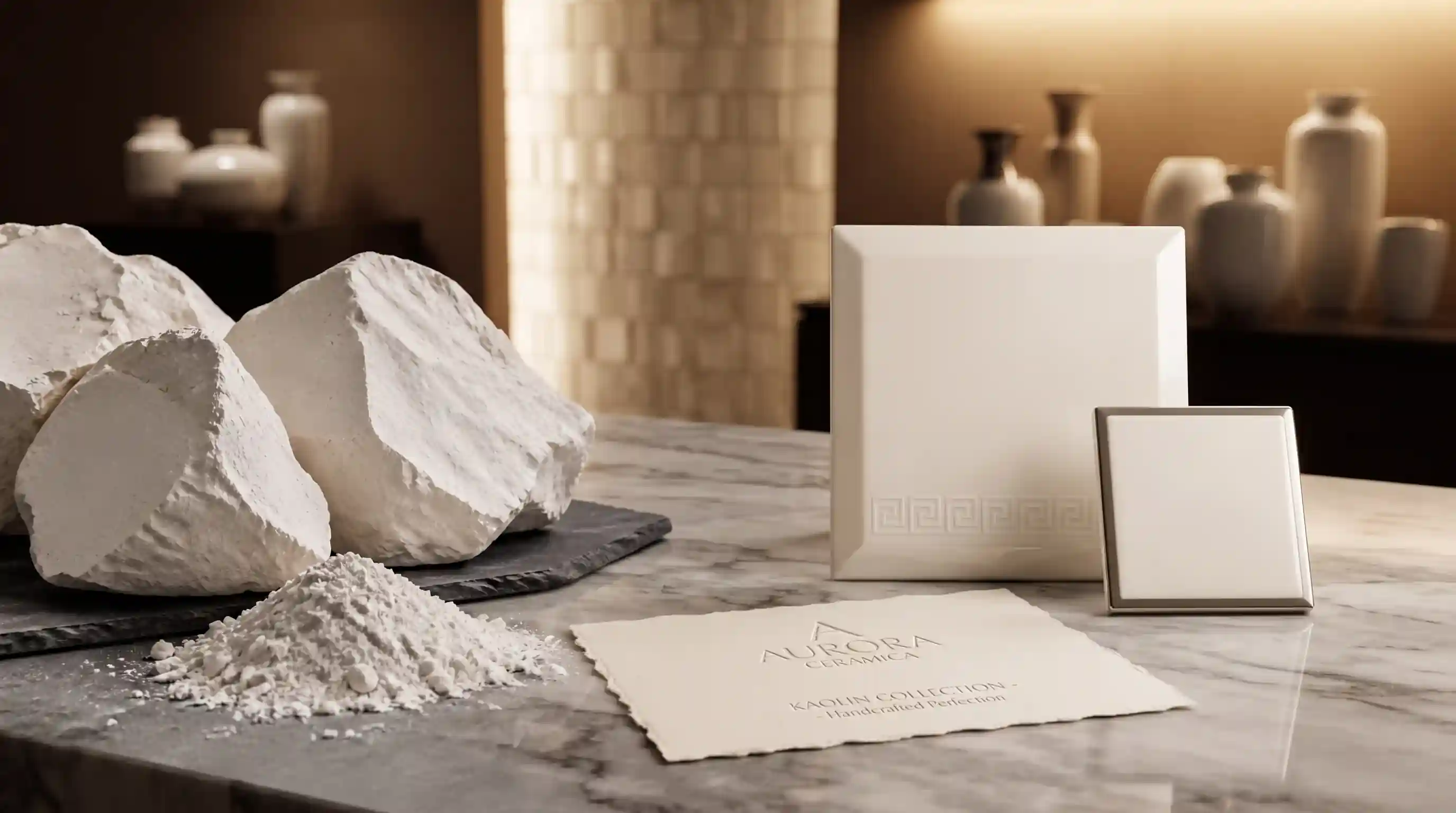
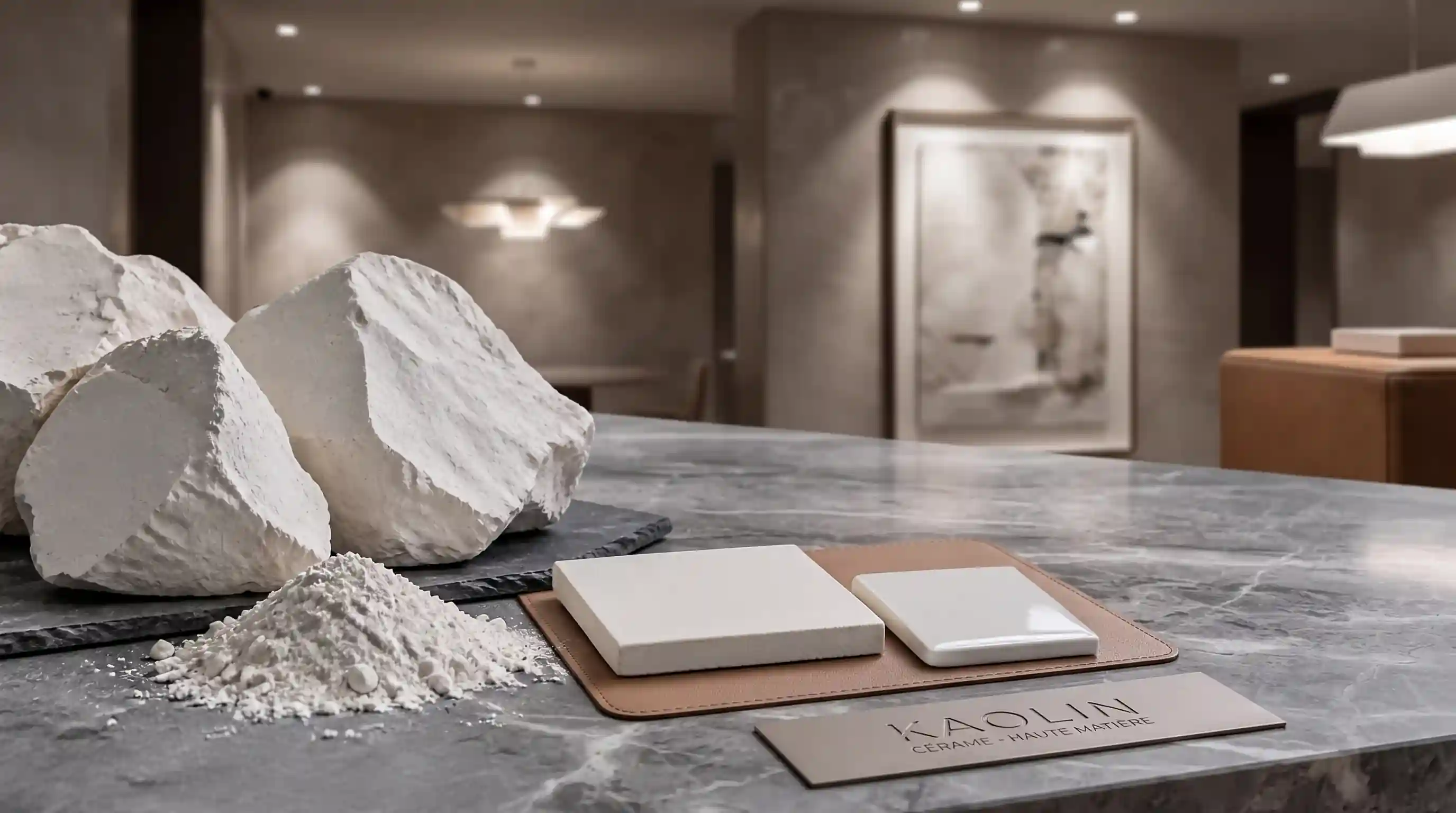
To obtain more information and view details related to this specialized product, you can visit the official Kaolin page and check its complete specifications. This transparency of information helps purchasing managers make more informed decisions.
Factors Affecting Industrial Kaolin Price Inquiry
The price of minerals is determined under the influence of several factors, awareness of which is essential for every industrial unit. Chemical purity, the amount of iron and titanium present in the powder structure, brightness, moisture, and mesh range are among the most important price-determining factors for kaolin. Powders with a higher degree of brightness and finer meshes require more complex processing, which consequently affects the final price.
Order volume and packaging type (25kg bags, jumbo bags, or bulk) are also other economic factors affecting the purchase invoice. Factories that need to supply high toage usually benefit from bulk purchase conditions. Price stability and guaranteed on-time delivery from the supplier are the main conces of purchasing managers, to which the Kani Sang Amiran project responds with its professional approach.
To obtain an accurate price inquiry, declaring items such as the required chemical analysis, the requested toage, and the destination of the shipment helps the sales department issue an accurate proforma invoice tailored to the needs of the production line. Transparency in stating technical specifications is the main pillar of a successful commercial transaction in the field of minerals.
Conclusion and Comprehensive Guide to Industrial Raw Material Supply
In this comprehensive article, we examined the various dimensions of using kaolin in the tile, ceramic products, glaze, paper, and paint industries. It became clear how much this valuable mineral can be effective in improving the quality, durability, and efficiency of final products. Understanding the 450 to 1500 mesh range and matching it with production line standards is the key to success in optimal utilization of this material.
Sustainable supply of high-quality raw materials is a great competitive advantage for industrial factories. Cooperation with reputable suppliers such as the Kani Sang Amiran project gives production managers the assurance that mineral powders reach them with standard technical specifications and competitive prices. It is suggested that before finalizing the order, be sure to consult with technical experts and choose the best granulation based on the type of application.
We hope this guide has been able to answer all your uncertainties regarding the features, applications, and price inquiry process of this product. The dynamism of your production line requires precision in choosing each of the components forming the formulation, and high-quality minerals are the foundation of this dynamism.
| Question | Answer |
|---|---|
| What is kaolin and what are its applications? | Kaolin or china clay is a powdered mineral whose main applications are in the tile, ceramic products, glaze, paper, and paint industries. |
| What is the supplyable mesh range of kaolin? | This product can be supplied and offered to various industries in the range of 450 to 1500 mesh. |
| What factors affect the price of kaolin? | Purity level, degree of brightness, mesh range, moisture content, and order volume are the main determinants of price. |
| How can one inquire about the price of kaolin? | By specifying the requested toage, mesh range, and required analysis, you can get a price inquiry through the sales department of the Kani Sang Amiran project. |
| Is it possible to place bulk orders for factories? | Yes, industrial factories can coordinate with the sales department to supply high toages. |
| What is the role of kaolin in the tile and ceramic industry? | As a component of the tile body, this material increases mechanical strength, dimensional stability, and improves firing. |
| Why is kaolin used in the paint industry? | Due to its platy structure, it acts as an extender and leads to improved coverage, resistance to moisture, and color stability. |
| What is the application of kaolin in papermaking? | It is used as a filler and surface coating for paper and improves whiteness, smoothness, and printability. |
| What is the role of kaolin in glaze? | It is responsible for suspending particles, adjusting viscosity, and improving the adhesion of the glaze to the raw body. |
| How do we choose the right granulation for the production line? | According to the type of industry (paint, paper, ceramic, or glaze) and consultation with technical experts, you can choose the appropriate mesh. |
Specialized reference for industrial mineral processing and price inquiry - Kani Sang Amiran Project

برچسب: Kaolin,Comprehensive Guide to Kaolin Price Inquiry for Various Industries,
نویسنده: رساوب آفرین