
درباره سایت
آخرین مطالب
- راهنمای انتخاب دانه بندی اکسید لیمونیت (گل ماش)
- راهنمای ثبت سفارش اکسید لیمونیت (گل ماش)
- Guide to Ordering Limonite Oxide (Gol Mash)
- التعرف على الخصائص الفيزيائية لكربونات كالسيوم الصناعية
- Examining the Rising Demand for High-Quality Industrial Talc
- بررسی ویژگیهای ظاهری و کیفیت پودر سفید دولومیت
- Guide to Choosing the Best Type of Red Iron Oxide (Ochre)
- دليل شراء أكسيد الحديد الأحمر (أخيرا) عالي الجودة والنقاء
- دراسة المعايير الوطنية والدولية في إنتاج التلك الأبيض
- دراسة الاتجاه التصاعدي للطلب على التالك الصناعي عالي الجودة
امکانات وب
Introduction to the Importance of Feldspar in Advanced Construction Industries
The mode construction industry and the production of advanced materials rely deeply on high-quality primary mineral raw materials. In this regard, feldspar, as one of the most abundant igneous minerals, plays a vital and irreplaceable role. Containing a composition rich in potassium, sodium, and calcium aluminosilicates, this mineral acts as a powerful flux and melting agent in industrial processes. The Kani Sang Amiran project, by focusing on the principled extraction and processing of this material, has provided a suitable platform for meeting the needs of various industries.
The unique physical and chemical properties of this mineral have led to its application in various industries, including glass, tile, and ceramic production. Engineers and manufacturers of advanced construction materials are always looking for raw materials that guarantee thermal stability, mechanical strength, and final product quality. A precise understanding of the properties of this mineral helps industrial designers develop more optimized formulations for their products and maximize the efficiency of production lines.
The diversity in applications and the possibility of using different mesh sizes, ranging from 10 to 450 mesh, give industrialists the flexibility for precise selection based on technological needs. Additionally, a detailed study of the role of other minerals, such as the role of kaolin in the production of advanced chemical catalysts, shows how much the synergy between different minerals is effective in improving the final quality of construction materials and industrial products. In the remainder of this article, we will examine the various dimensions of this material's application in different sectors.
The Role of Feldspar in the Glass Industry and Mode Glassmaking
The glassmaking industry is one of the largest consumers of this valuable mineral worldwide and in Iran. When this mineral is added to the raw materials of a glass fuace, it acts as the primary source of alumina and alkalis. The presence of alumina in the glass structure improves chemical stability, increases resistance to impact and thermal shock, and prevents the phenomenon of glass weathering or clouding over time.
In addition to alumina, the alkali oxides in this material significantly reduce the melting temperature of the glass mixture. This leads to significant energy savings in fuaces and increases the melting speed of raw materials. In this regard, glass manufacturers must use raw materials with precise and homogeneous particle sizing to maintain the final product's quality. As observed in the role of red iron oxide (ochre) in the glass production industry, the precise combination of various minerals is the key to producing high-quality industrial and construction glass.
To obtain this vital material with the highest purity and industrial standards, referring to reputable production and processing sources is essential. Engineers can check the dedicated feldspar page on the Kani Sang Amiran website for more detailed information and to procure this material. Using the appropriate mesh sizes of this material ensures uniform melting without defects in industrial fuaces.
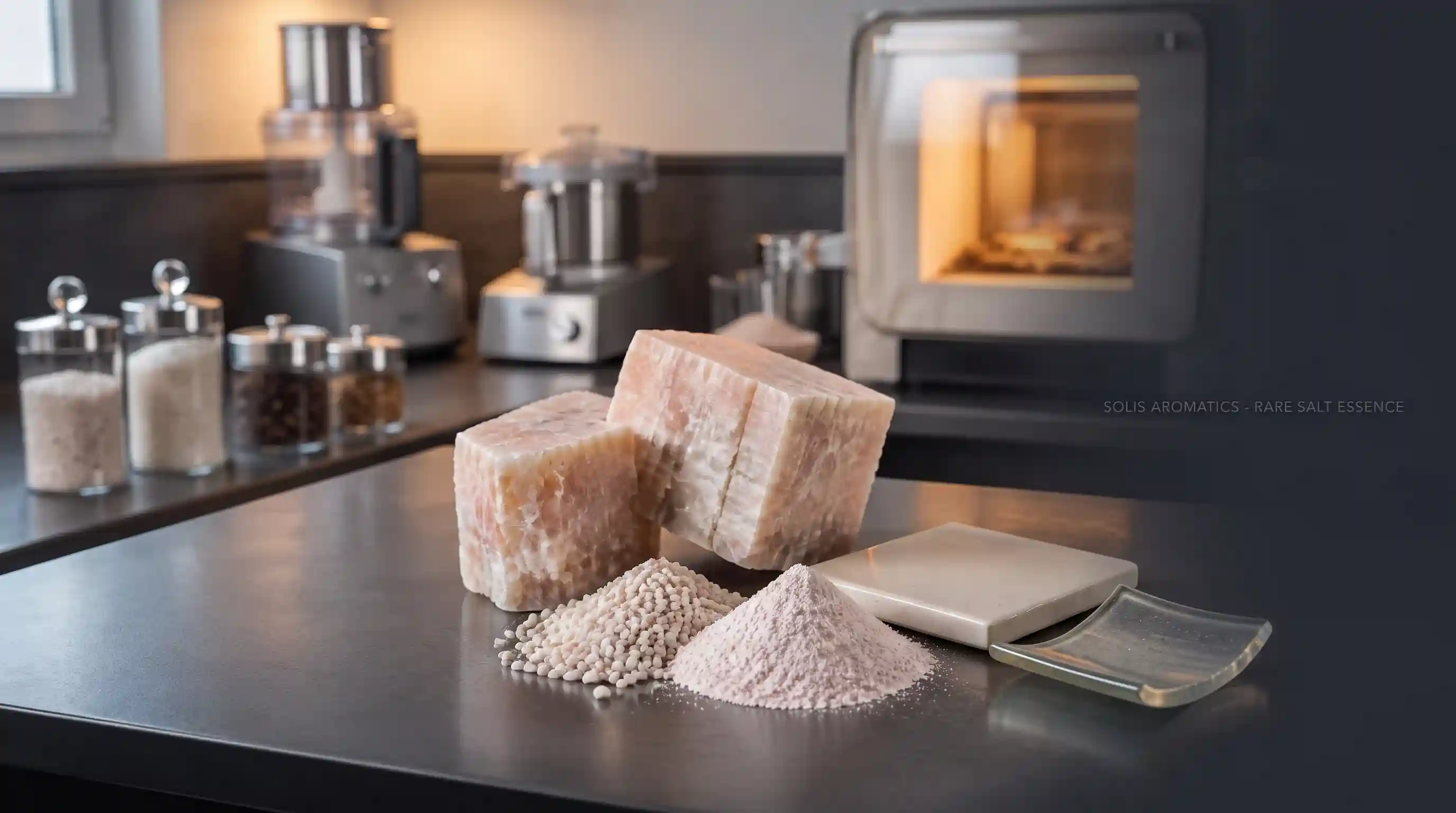
Application of Feldspar in the Tile and Ceramic Industry
Tiles and ceramics are among the most widely used materials in the construction industry, and their beauty and durability largely depend on the raw materials consumed. In the body of tiles and ceramics, this material acts as a thermal flux and melts at high temperatures. This partial melting process of the ceramic body creates a glassy phase that welds other refractory particles together, thereby minimizing the body's porosity and dramatically increasing its mechanical strength.
The precise selection of the mesh range, which varies between 10 and 450 mesh for this product, has a direct role in the speed of phase reactions during tile firing. Finer meshes create a larger surface area and increase reactivity, while coarser meshes are suitable for other specific applications. The presence of this mineral in the ceramic body reduces the overall firing temperature of the fuace, which is a major economic and technical advantage for manufacturing plants.
By using this mineral, manufacturers can produce products with very low water absorption, completely stable dimensions, and high abrasion resistance that pass the strict standards of the construction industry. This material is recognized as the backbone of mode ceramic body formulations, guaranteeing manufacturing quality.
Improving Glaze Quality Using Feldspar
Glazing the surface of tiles and ceramics is not only done for appearance and gloss, but also plays a vital protective role against the penetration of moisture, chemicals, and stains. In the formulation of ceramic glazes, this mineral plays a key role as the main melting agent and regulator of melt viscosity. This material helps the glaze reach the desired flow during the firing temperature and sit well on the ceramic body.
The alkali elements in this material cause transparency, brilliance, and the creation of a smooth surface without pinholing in the final glaze. Furthermore, the distribution of particles with appropriate mesh sizing (up to 450 mesh) ensures that no coarse grains remain in the glaze, resulting in a completely uniform coating. This becomes doubly important in the production of specialized and decorative glazes.
On an industrial scale, strict quality control of glaze raw materials prevents problems such as crazing. Using this high-quality mineral allows industrialists to produce glazes with high chemical and mechanical resistance that show extraordinary resistance to abrasion and atmospheric factors.

Technical Review of the 10 to 450 Mesh Range in Industrial Processing
Granulation or mesh sizing of minerals is one of the most important technical parameters in consumer industries. This product is offered with a range of 10 to 450 mesh, which covers a wide range of needs for various industries. Coarser meshes (such as 10 to 50 mesh) are mostly used in applications that require lower melting rates or specific flowability in large fuaces, while finer meshes (up to 450 mesh) are used for glazing, engineering ceramics, and specialized glass.
The micronization and precise granulation process of this mineral require advanced crushing, grinding, and air classification equipment. The Kani Sang Amiran project, by utilizing mode equipment, prepares and supplies this material in the standard meshes requested by customers. Precision in maintaining the Particle Size Distribution (PSD) has a direct impact on the rheological behavior of ceramic slurries and the reaction speed during firing.
Production engineers, understanding the importance of particle size, select the appropriate mesh for their process to prevent problems such as rapid sedimentation of particles in the slurry or incomplete combustion in fuaces. This flexibility in granulation creates a competitive advantage for related industries.
The Role of Industrial Minerals in the Supply Chain of Advanced Materials
The supply chain of advanced construction materials requires precise coordination between mines, processing units, and consumer factories. Industrial minerals like this material are the foundation for producing a wide range of final products used in building facades, flooring, insulation, and sanitary equipment. Without stable access to homogeneous and high-quality raw materials, maintaining uniform quality in mass production would be impossible.
In addition to this mineral, other minerals are also used in related industries, the study of which gives industrialists a comprehensive perspective. For example, examining the industrial applications of other minerals like the role of red iron oxide (ochre) in the paper production industry shows how precise mineral processing can have a positive impact on various industries. The synergy of geological knowledge and materials engineering creates high added value for the country's industrial economy.
Optimal supply chain management in the Kani Sang Amiran project guarantees the continuity of production and access to quality minerals with consistent technical specifications. This allows manufacturing factories to focus on improving construction processes and developing new products without worrying about fluctuations in raw material quality.

Economic and Industrial Benefits of Using Domestic Minerals
Relying on domestic mineral resources and their standard processing brings significant economic benefits to the country's manufacturing industries. Easy access to rich mines of this mineral within the country drastically reduces logistics and raw material procurement costs, and adjusts the final price of advanced construction materials. This competitive advantage allows Iranian manufacturers to have more room to maneuver in domestic and regional markets.
The high quality of processing this material domestically eliminates the need for imports of similar foreign raw materials and prevents currency outflow. Also, the quality control standards applied in processing units ensure full compliance of the final product with the technological needs of tile, ceramic, and glass factories. This leads to an improvement in the quality level of the entire construction industry.
Investing in mode crushing and mesh-sizing (up to 450 mesh) technologies indicates the dynamism of the country's mining industry. Sustainable and reliable supply of these minerals provides peace of mind for production managers and helps the sustainable development of construction and industrial industries.
Future Outlook and Iovations in Feldspar Application
With the rapid advancement of construction technologies and the need for materials with technical specifications beyond traditional standards, the importance of pure and engineered minerals becomes more apparent than ever. In the near future, the use of nanoparticles and much more precise meshes of this mineral will expand in the production of advanced composites, high-performance refractory ceramics, and smart glass. Continuous research and development in improving the chemical and physical properties of this material will open new doors to mode industries.
The Kani Sang Amiran project, by monitoring current market needs and applying up-to-date knowledge in mineral processing, moves in line with global standards. The main goal is to provide products with high purity, homogeneous particle distribution, and responsiveness to the customized requests of the glass, tile, ceramic, and glaze industries.
Ultimately, sustainable development in the construction industry is not possible without paying attention to the responsible supply of raw materials. As one of the pillars of the ceramic and glass industry, this mineral will continue to maintain its pivotal role and, by adapting to mode technologies, will help build a more mode and higher-quality world.
| Question | Answer |
|---|---|
| What is feldspar and what are its applications? | It is a mineral rich in potassium, sodium, and calcium aluminosilicates used in the glass, tile, ceramic, and glaze industries. |
| What is the mesh range of this product? | This product is produced and supplied in the 10 to 450 mesh range. |
| What is the role of this material in the glassmaking industry? | It acts as a source of alumina and alkalis, reduces melting temperature, and increases the thermal stability of glass. |
| Why is this mineral used in the tile and ceramic industry? | It acts as a thermal flux and, by creating a glassy phase during firing, reduces body porosity and increases mechanical strength. |
| What is the effect of this material in ceramic glaze? | It regulates melt viscosity and creates a smooth, brilliant surface without pinholing in the final glaze. |
| How can this product be obtained? | You can visit the feldspar page on the Kani Sang Amiran website for more information. |
| Is this material effective in reducing fuace energy consumption? | Yes, due to its fluxing properties, it reduces the overall melting temperature of the fuace and saves energy. |
| What standards are followed in processing this mineral? | Precise processing with mode equipment is applied to maintain homogeneity and proper particle size distribution. |
| Is this material domestically produced? | Yes, it is extracted and processed domestically by the Kani Sang Amiran project. |
| Why is choosing the right mesh important? | The right mesh has a direct effect on reaction speed, slurry rheological behavior, and final product quality. |
Kani Sang Amiran Project — Specialized authority in the production and processing of mineral and industrial materials.
برچسب: Feldspar,The Role of Feldspar in the Production of Advanced Construction Materials,
نویسنده: رساوب آفرین