
درباره سایت
آخرین مطالب
- دليل تقديم طلب شراء أكسيد الليمونيت (جول ماش)
- مزایای استفاده از اکسید لیمونیت (گل ماش)
- نقش تالک صنعتی در صنایع گچ و مصالح ساختمانی
- Benefits of Using Limonite Oxide (Gol Mash)
- دور التلك الصناعي في صناعات الجبس ومواد البناء
- The Impact of Silica Quality on the Durability and Strength of Industrial Concrete
- دور الكاولين في صناعة اللحام وإنتاج الأقطاب الكهربائية
- The Role of Industrial Talc in the Gypsum and Building Materials Industry
- تأثير جودة السيليكا على متانة وقوة الخرسانة الصناعية
- نقش کائولن در صنعت جوشکاری و تولید الکترود
امکانات وب
Complete Introduction to Limonite Oxide (Gol Mash) and What It Is
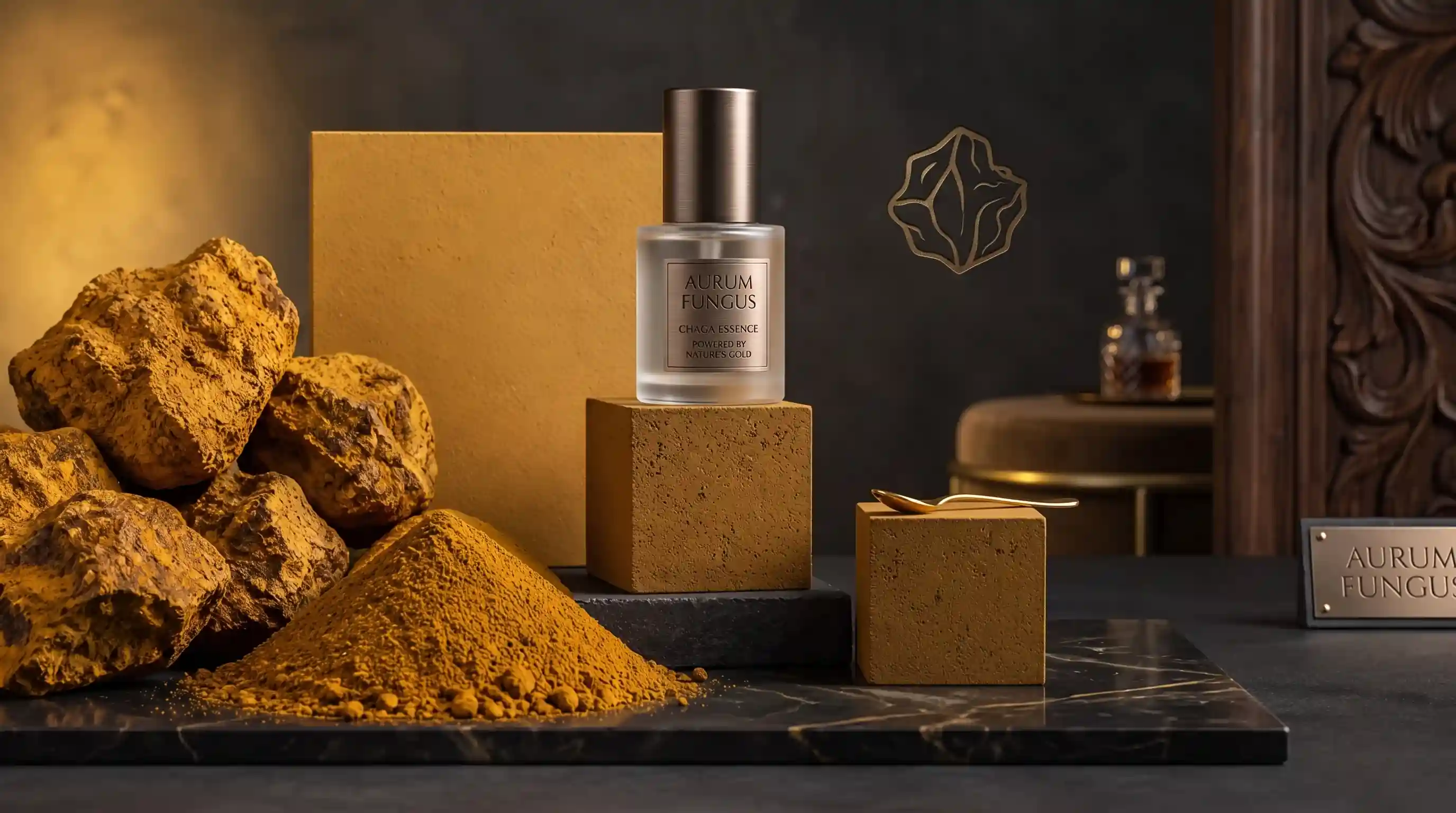
Limonite oxide (gol mash) is one of the natural mineral pigments that has been known in the paint, coating, and building materials industries for years. This material is actually a type of hydrated iron oxide with a yellow to light brown color, found in nature as the limonite mineral. In the Iranian market, this product is also known as "gol mash" and due to its warm color, high stability, and reasonable price, it has attracted the attention of many manufacturers of paint, ceramics, concrete, and decorative products.
Limonite is actually a semi-dry and hydrated iron oxide mineral whose chemical composition mainly consists of iron oxides (Fe₂O₃) along with water of crystallization. The natural color of this mineral varies from ochre yellow to brown, and for this reason, it has been used for centuries as a natural pigment in painting, pottery, and the decoration of historical monuments. Today, with the extraction and processing of this mineral in domestic mines, its powder is offered in the market with standard mesh sizing.
One of the most important features of limonite oxide (gol mash) is its naturalness. Unlike synthetic colors that are synthesized in the laboratory, this pigment is extracted directly from the mine and only undergoes crushing, classification, and packaging processes. This issue causes the product to not only have a lower production cost but also to be a very attractive option in projects that look at nature and the environment.
Visually, this product is a soft powder with a yellowish-brown color, and depending on the mesh grade and mine source, its color intensity can vary. The smaller the particle size, the higher the covering power and color uniformity. For this reason, manufacturers of building pigments usually prefer higher meshes (finer), while for building materials and concrete, medium meshes also have the necessary efficiency.
In the Kani Sang Amiran project, this product is offered with a high-quality base and in the mesh range of 450 to 1500 for various applications. The wide mesh range allows for precise selection based on the needs of each industry; from delicate paints and decorative walls to colored concretes and decorative bricks. To become more familiar with the sources and mines of this product, you can read the article Introduction to the Sources and Mines of Limonite Oxide (Gol Mash).
Ultimately, limonite oxide (gol mash) can be considered a bridge between industry and nature; a product that, while maintaining its mineral authenticity, meets the painting and coating needs of mode industries and at the same time keeps the finished cost of projects at a competitive level.
Features and Technical Specifications of Limonite Oxide (Gol Mash)
To better understand the benefits of limonite oxide (gol mash), it is necessary to become familiar with its features and technical specifications. The most important technical parameter of this product is its mesh grade or size, which directly affects color quality, covering power, and how it is used. This product is offered in the mesh range of 450 to 1500; that is, from relatively coarse particles for building materials to very fine particles for mineral pigments and delicate applications.
The higher the mesh number, the smaller the particle size. For example, a 1500 mesh produces particles in the range of a few microns, which is ideal for paint making, thin coatings, and surfaces that require high uniformity. In contrast, 450 to 800 meshes are more suitable for things like colored concrete, brick, pottery, and thicker coatings, because in addition to a more suitable price, they provide a desirable structure in combination with mortars and adhesives.
Other prominent features of this pigment include the following:
- High color stability: The yellow to ochre color of this material has good resistance to sunlight and UV rays and does not fade quickly outdoors.
- Heat resistance: Iron oxides are generally stable against high temperatures, and for this reason, they are used in ceramics and pottery.
- No undesirable reactions: This material does not cause destructive reactions when combined with cement, lime, polymer adhesives, and common solvents.
- Proper dispersion: The particles of this pigment disperse well in water, oil, and organic bases, ensuring color uniformity.
- Density and covering power: The mineral structure of this material allows it to create a complete and uniform coverage on surfaces with a reasonable consumption percentage.
The final color of the product also depends on factors such as the mine source, iron oxide percentage, and degree of processing. For this reason, in large projects, it is usually recommended to use a source with supply stability and a specified analysis so that the color of the entire project remains uniform. Awareness of these specifications helps engineers, designers, and manufacturers make a more precise choice and predict the final result of their project.
Also, the fine particles of this product, due to their high contact surface, create a better combination with resins and paint bases, resulting in increased stability and durability of the coating. Together, these technical features have made limonite oxide (gol mash) a versatile pigment for various industries.
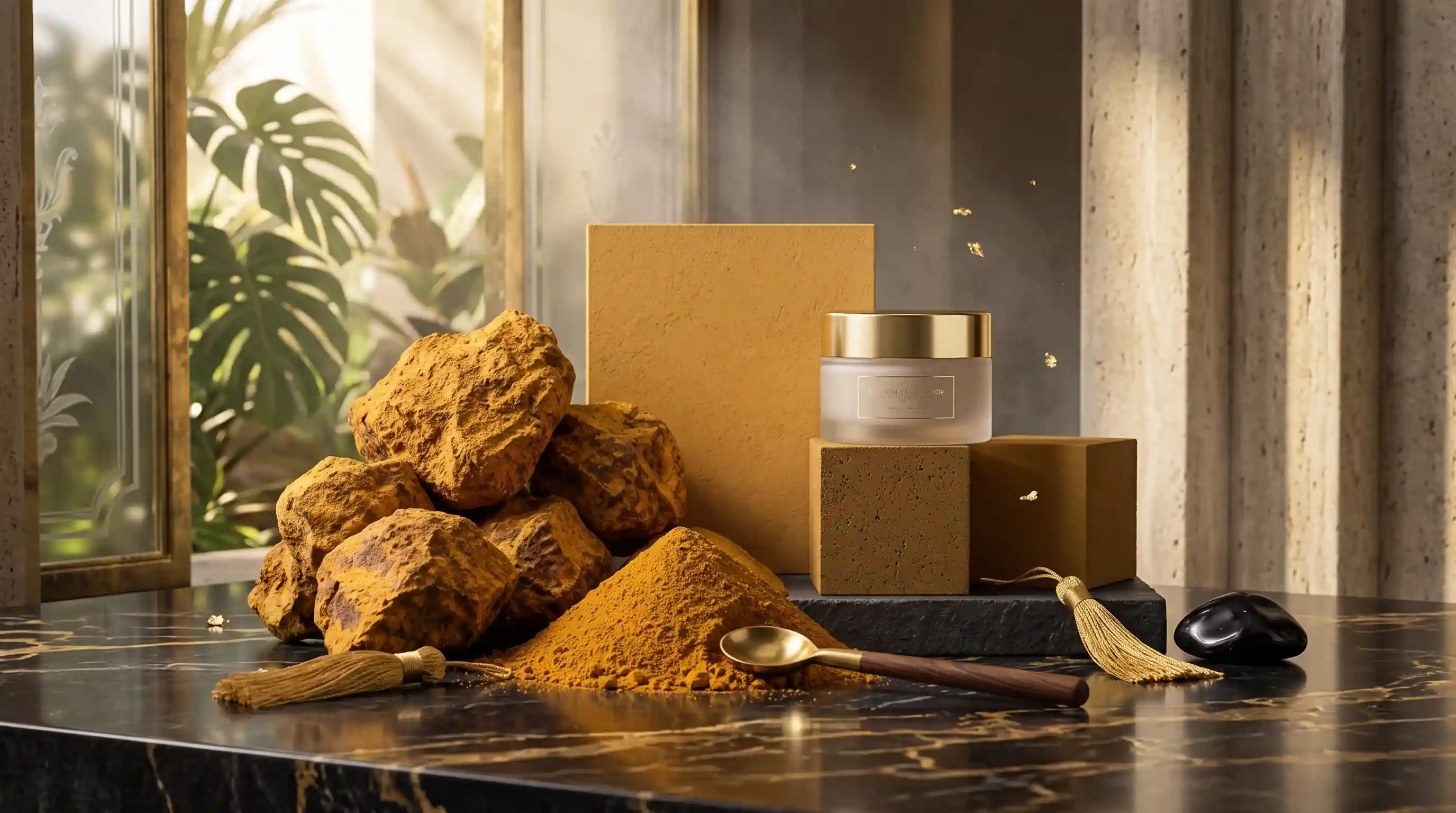
Application of Limonite Oxide (Gol Mash) in Mineral Pigments
One of the main applications of limonite oxide (gol mash) is its use in the production of mineral pigments. Mineral pigments are colorants derived from natural materials or mineral compounds and have higher stability against light, heat, and chemicals compared to organic colors. Limonite oxide, as a natural yellow and ochre colorant, has a special place in this category.
In the production of mineral pigments, limonite oxide particles are combined with different paint bases after processing and mesh sizing. These bases can be aqueous (for plastic and paper paints), oily (for industrial and building paints), or polymeric (for decorative coatings). In any case, due to their suitable shape and size, the particles of this material create uniform dispersion and give a stable and warm color to the final product.
Some of the most important applications of this pigment in the paint industry include the following:
- Production of building paints with yellow, cream, and ochre varieties
- Coloring and pigmenting in the ceramics and pottery industries
- Pigments used in plastics, rubber, and masterbatches
- Coloring paper pulp and cellulosic products
- Artistic colorants and paints produced for painting and decoration
One of the main reasons for manufacturers' inclination towards this product is its lower cost compared to synthetic pigments with a similar color. Synthetic yellow and ochre colors are usually produced from complex chemical compounds that have a high finished cost, while limonite oxide, being natural and simply processed, significantly reduces production costs.
In addition, in recent decades, attention to natural and environmentally friendly products has increased. Many architectural and interior design projects prefer to use natural mineral colors that have fewer adverse effects on the environment. Limonite oxide (gol mash), due to its mineral origin and the lack of toxic compounds in its production, is fully aligned with this approach.
Also, the color stability of this material over time causes the final product (whether wall paint, ceramics, or a decorative piece) to maintain its appearance for years. This feature is of particular importance for large construction projects and public places where repainting is costly. This is why limonite oxide is known as one of the main bases of mineral pigments in domestic and regional markets.
The Role of Limonite Oxide (Gol Mash) in Industrial Coatings and Paints
In the coatings industry, limonite oxide (gol mash) plays a very important role. Coatings are layers applied to protect and decorate various surfaces, and mineral pigments like limonite oxide, in addition to creating beautiful color, also contribute to the protective properties of these coatings. Iron oxide particles in coatings act as a protective layer against environmental factors and prevent corrosion and surface degradation.
In building coatings, this product is used as the main or supplementary pigment. For example, in waterproof facade paints, roof coatings, acid-wash paints, and decorative coatings, the yellow to brown color of limonite oxide gives designers a very good variety. In addition to color, due to their mineral structure, the particles of this material increase the coating's resistance to UV rays, moisture, and temperature changes.
Coatings in which limonite oxide is applied include the following:
- Building and facade coatings with a warm and natural color variety
- Industrial paints for machinery, equipment, and metals
- Floor and parking coatings that require high abrasion resistance and colorability
- Anti-corrosion coatings used in marine and petrochemical industries
- Guidance paints and traffic signs with reflective properties
One of the interesting features of this pigment is its ability to combine with other iron oxides. By combining limonite oxide with red, black, or other pigments, a wide range of earthy, cream, coffee, and woody colors can be produced. This flexibility allows coating manufacturers to offer several products with diverse colors using one raw material, reducing their warehousing and supply costs.
Also, the role of mesh in coating quality should be mentioned. In thin, high-quality coatings (such as automotive or decorative coatings), fine particles of 1200 to 1500 mesh create a smooth and uniform surface. In thicker coatings like building and floor paints, 450 to 800 meshes have more desirable performance, and the finished cost of the project is also reduced.
Ultimately, the use of limonite oxide (gol mash) in coatings, due to its high durability, warm and natural color variety, reasonable price, and environmental compatibility, is a smart choice for manufacturers seeking quality and economy in their products.
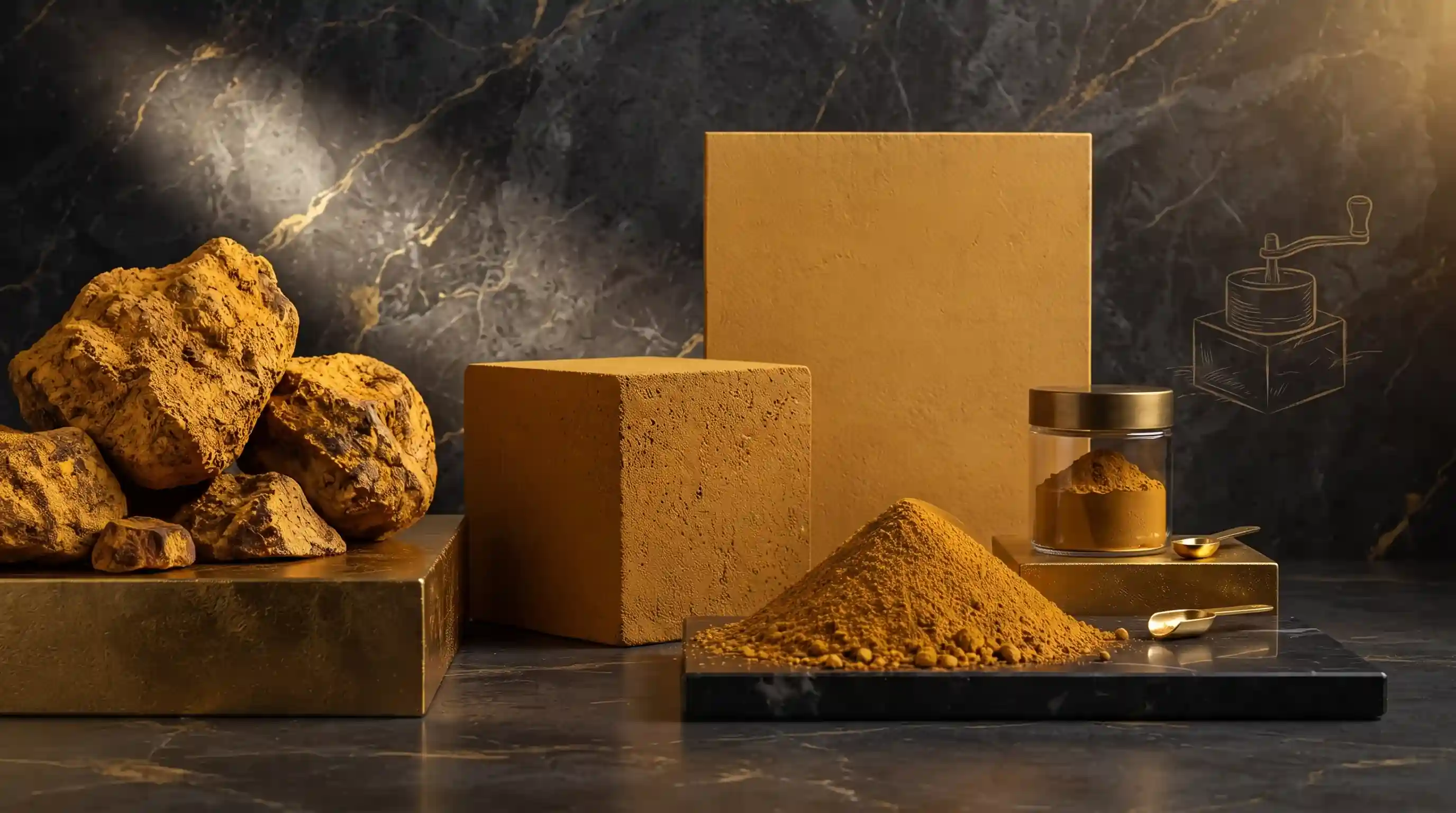
Application of Limonite Oxide (Gol Mash) in Building Products
The construction industry is one of the largest consumers of limonite oxide (gol mash). This material is used in various building products, from wall paint to colored concrete, brick, pottery, mosaics, and artificial stones. The warm and natural color of this pigment transforms the interior and exterior spaces of buildings into a classic and pleasant appearance while also imparting good technical properties to the products.
One of the most important applications of this product is in building paint production. Paints based on limonite oxide are used for interior and exterior walls, building facades, courtyard walls, and open spaces. Due to their high color stability, these paints have good resistance against sunlight and weather conditions and maintain their beauty for years.
In addition to paint, limonite oxide is also used in the following building products:
- Colored concrete: For the production of decorative blocks, concrete paving stones, and colored walls, this pigment is directly combined with the concrete mix.
- Colored brick and pottery: In the production of facade bricks and decorative pottery, this material creates a natural and warm color.
- Mosaic and artificial stone: In the production of patteed mosaics and artificial stones, this pigment creates color variety.
- Colored mortar and plaster: This product is used in decorative mortars and decorative plasters.
- Ceramics and tiles: In ceramic and tile glazes, this material creates a stable yellow to ochre color.
One of the main reasons for the widespread use of this product in the construction industry is its resistance in alkaline environments. Cement, lime, and plaster have alkaline environments, and many organic colors lose their color or react in these environments. But limonite oxide, as a mineral material, is completely stable in these environments and retains its color.
Also, the use of this pigment in concrete and building materials, in addition to creating color, contributes to the texture and beauty of the products. For example, in artificial stones with a natural appearance, the yellow-brown color of limonite oxide creates a strong resemblance to natural stones like marble and granite, making the final product more attractive.
Economically, the use of this product in construction projects reduces the finished cost compared to synthetic and imported colors. This advantage is very important for large construction projects, residential complexes, and govemental civil projects that need a large volume of pigment at a reasonable price. The combination of beauty, durability, and competitive price has made limonite oxide (gol mash) a popular choice in the construction industry.
Competitive Advantages of Limonite Oxide (Gol Mash) Over Alteatives
When it comes to yellow and ochre pigments, limonite oxide (gol mash) competes with numerous alteatives; from synthetic iron oxides to organic colors and imported pigments. However, this product is superior to many of these alteatives for several reasons and is considered the first choice of manufacturers in a large sector of industries.
One of the most important advantages of this product is its lower finished cost. Synthetic oxides and organic colors require complex chemical processes, imported raw materials, and high energy, while limonite oxide is extracted directly from domestic mines and has relatively simple processing. This issue keeps its price at a competitive and accessible level for domestic manufacturers.
The second advantage is that this product is natural and environmentally friendly. In today's world where environmental protection and the reduction of pollutants are of increasing importance, using natural pigments instead of chemical products is considered an added value. This product is free of toxic compounds and harmful chemicals, and few industrial pollutants are produced in its manufacturing.
The third advantage is color stability and durability. Iron oxides generally have high stability against UV light, moisture, temperature changes, and chemicals. This feature is very vital for projects located outdoors (facades, roofs, paving stones), as it minimizes the need for repainting and repairs.
- Versatility of application: From building paints and ceramics to plastics and paper
- Resistance in alkaline environments: Suitable for combining with cement, lime, and plaster
- Easy dispersion: Suitable combination with water, oil, and polymeric bases
- Wide mesh range: From 450 to 1500 mesh for various applications
- Stable domestic supply: Reduced dependence on imports and currency fluctuations
Another advantage is reduced dependence on imports. Given currency fluctuations and supply problems for imported products, using a raw material produced domestically drastically reduces the risk of raw material supply and helps with more stable production plaing.
Of course, it should be noted that the choice between limonite oxide and alteatives depends on the project's needs. In cases where very specific colors or special transparency are required, synthetic pigments may be a better option. But for most industrial, constructional, and decorative applications, limonite oxide (gol mash) offers a very good balance between quality, price, and durability, and this is the main reason for its increasing popularity in domestic and regional markets.
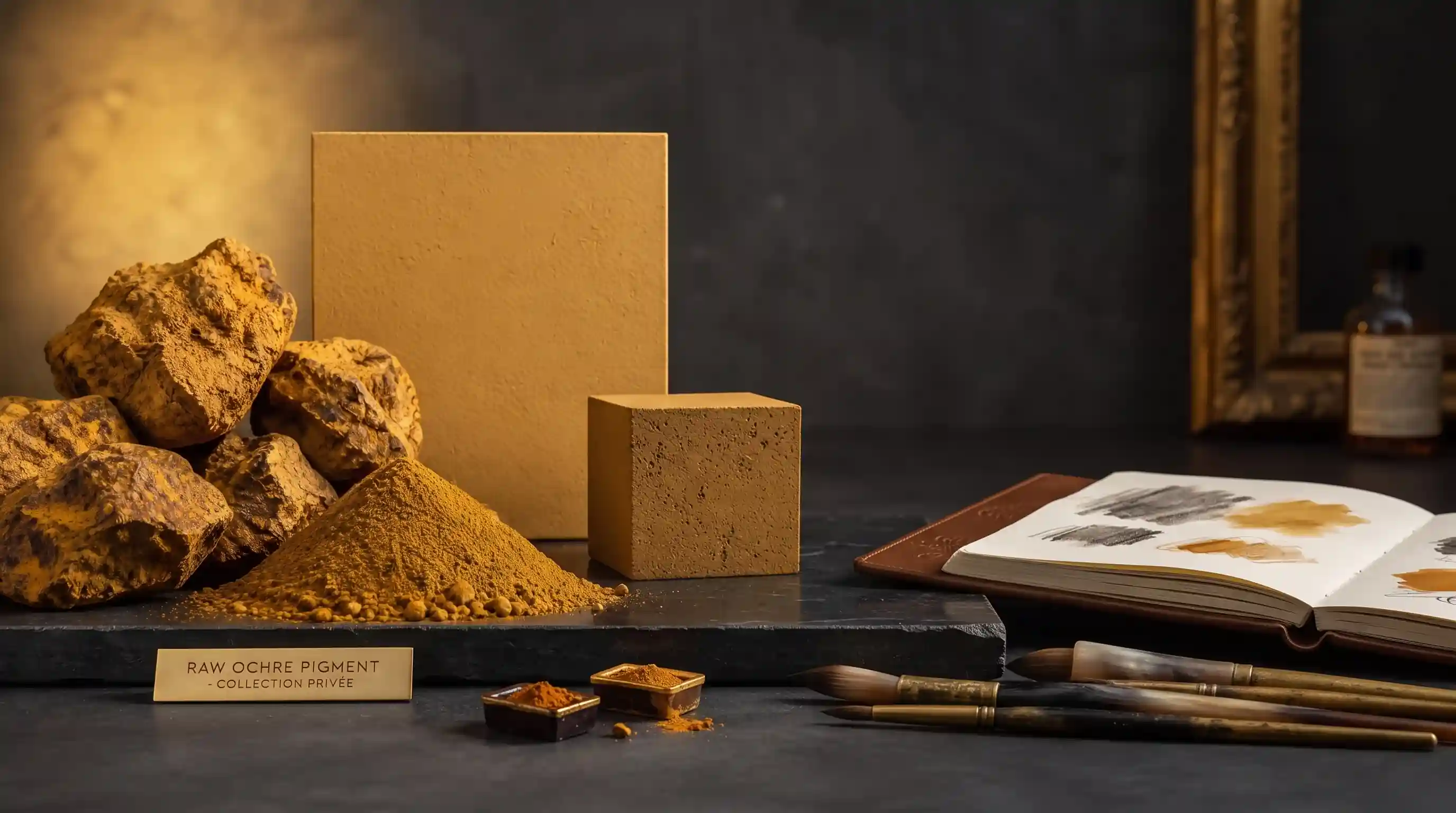
Selection Criteria and Quality Control of Limonite Oxide (Gol Mash)
Choosing the right limonite oxide (gol mash) plays an important role in the quality of the final product. Since this product is extracted directly from mines, its quality can vary based on the source, processing method, and mesh grade. For this reason, familiarity with selection criteria and quality control is essential for buyers and manufacturers.
The first and most important criterion is selecting the appropriate mesh grade. It should be noted that the final application of the product determines which mesh is more suitable. For paint making and high-quality coatings, 1200 to 1500 meshes, which have very fine particles, are the best choice. For building materials, concrete, and brick, 450 to 800 meshes are usually sufficient and have a better price. Choosing the wrong mesh can cause a drop in color quality, surface roughness, or uecessary cost increases.
The second criterion is color uniformity and stability. In large projects, color consistency throughout the project is very important. To ensure this, a supplier must be used who sources its product from a fixed source and applies strict quality control to it. Color fluctuations can cause non-uniform stains in the final product and sharply increase correction costs.
The third criterion is the analysis and chemical composition of the product. The percentage of iron oxide, moisture content, impurities, and other chemical parameters affect the quality and efficiency of the product. For sensitive projects and mass productions, obtaining a Certificate of Analysis from the supplier and reviewing it is very important. To better understand how to check these parameters, reading the article Guide to Analyzing Limonite Oxide (Gol Mash) is recommended.
Other important criteria include:
- Dispersion and laboratory testing: Conducting dispersion tests in the desired paint base before bulk purchase
- Appropriate packaging: Using moisture-resistant bags to maintain product quality
- Proper storage: Storing in a dry, cool place away from moisture
- Reputable supplier: Choosing a company with a history and experience in mineral processing
In addition, knowing the sources and mines is also important. The quality obtained from a particular mine may be different in another mine. Therefore, familiarity with supply sources and visiting the processing facility (if possible) can give the buyer a lot of confidence. The article Introduction to the Sources and Mines of Limonite Oxide (Gol Mash) provides useful information in this regard.
Ultimately, a professional approach is to receive a test sample before bulk purchase and test it in real production conditions. This minimizes the risk of an inappropriate purchase and ensures that the selected product is fully aligned with your project's needs. Following these criteria helps you benefit from the advantages of limonite oxide (gol mash) in the best possible way.
Market, Purchasing, and Conclusion
The market for limonite oxide (gol mash) has experienced significant growth in recent years. Increased demand for natural pigments, the development of the construction industry, and the need to reduce production costs are among the factors that have contributed to the growth of this market. Paint, ceramic, plastic, and building material manufacturers are increasingly tuing to this product, and this trend continues.
In the domestic market, this product has found a good position due to production from domestic mines and its competitive price. Unlike imported pigments that face currency fluctuations and supply problems, domestically produced limonite oxide has access to stable supply and a relatively stable price. For a more accurate analysis of this market's situation, please read the article Review of the Limonite Oxide (Gol Mash) Sales Market.
When purchasing this product, several key points should be considered: selecting the appropriate mesh grade based on the application, checking color quality and uniformity, obtaining the product analysis from the supplier, examining the packaging method, and ensuring the ability to supply steadily throughout the project. Following these points ensures a safe and economical purchase.
If you are looking for a reliable source to supply this product, you can obtain complete information about the product, technical specifications, and how to order through the Limonite Oxide (Gol Mash) page on the Kani Sang Amiran project website. This product is offered for use in mineral pigments, coatings, and building products with a mesh range of 450 to 1500, and it meets diverse industrial needs.
In conclusion, it can be said that limonite oxide (gol mash) is a product that offers a combination of natural beauty, high durability, competitive price, and application versatility. This product not only meets the painting and coating needs of various industries but also, due to being natural and domestically produced, is a suitable option for projects that care about the environment and the country's economy. By correctly selecting the mesh grade and a reputable supplier, one can benefit from all the advantages of this mineral pigment and produce high-quality products that save time and money while maintaining their beauty and durability for years.
| Question | Answer |
|---|---|
| What is limonite oxide (gol mash)? | It is a natural mineral pigment and hydrated iron oxide with a yellow to light brown color, used in the paint, coating, and building materials industries. |
| What is the mesh range of this product? | This product is offered in the mesh range of 450 to 1500 to meet various applications, from building materials to delicate pigments. |
| What are the main applications of limonite oxide (gol mash)? | The main applications of this product include mineral pigments, coatings, and building products such as paint, ceramics, colored concrete, and brick. |
| What is the difference between different meshes? | The higher the mesh number, the finer the particles, making them more suitable for paint making and high-quality coatings; lower meshes are used for building materials and concrete. |
| Is this product resistant to sunlight? | Yes, iron oxides have good stability against UV rays and retain their color outdoors for a long time. |
| Is limonite oxide compatible with cement and lime? | Yes, this material is stable in alkaline environments such as cement, lime, and plaster and does not lose its color. |
| What is the advantage of this product over synthetic colors? | Its main advantages include a lower finished cost, being natural and environmentally friendly, high color stability, and no dependence on imports. |
| How to choose the appropriate mesh grade? | For delicate applications and high-quality coatings, 1200 to 1500 meshes are recommended, and for building materials and concrete, 450 to 800 meshes are recommended. |
| What points are important when purchasing this product? | Choosing the right mesh, checking color uniformity, obtaining product analysis, appropriate packaging, and ensuring stable supply are the most important purchasing points. |
| Where can I purchase this product? | This product can be ordered through the product page on the Kani Sang Amiran project website, and complete information is provided on the product page. |
https://ksamiran.ir/products/limonite-oxide/
برچسب: Limonite Oxide (Gol Mash),Benefits of Using Limonite Oxide (Gol Mash),
نویسنده: رساوب آفرین