
درباره سایت
آخرین مطالب
- The Role of Industrial Barite in the Automotive and Parts Manufacturing Industry
- Introduction to the Application of Bentonite in Various and Important Industries
- کاربرد سیلیس در صنایع مختلف و بررسی مزایای آن
- بررسی نقش کربنات کلسیم کوتد در تولید لولههای فاضلابی
- كيف يزيد كربونات الكالسيوم المغلف من قوة الشد في البلاستيك؟
- Getting to Know Safety Tips When Working with White Barite Powder
- Application of Silica in Various Industries and Examination of Its Benefits
- راهنمای جامع بررسی کاتالوگ فنی باریت صنعتی
- کاربرد اکسید آهن قرمز (اخرا) در صنعت چرمسازی
- کاربرد تالک صنعتی در تولید کابلهای برق و مخابرات
امکانات وب
Introduction to Dolomite and Its Industrial Importance
The mineral dolomite is one of the most important and widely used double carbonates of calcium and magnesium, holding a special place in various industries. Understanding the characteristics of this material is the first step toward its optimal utilization in industrial production lines. In Iran's mining industries, the extraction and processing of this material are widespread, and for more information in this regard, you can read the article Introduction to Mines and Extraction of Dolomite Stone in Iran. With its stable structure, this material has essential applications in industries such as glass manufacturing, ceramics, and construction materials.
Focusing on meeting industrial needs, the Kani Sang Amiran project supplies this material with appropriate quality. A detailed examination of the crushing and micronization process of dolomite shows how different gradations of it can be prepared for various uses. Due to containing calcium and magnesium elements, this mineral plays an important role in improving the physical and chemical properties of final products, and its thorough understanding greatly helps engineers and manufacturers.
In the field of construction materials, the use of dolomite is very common due to its high durability and resistance to environmental factors. Also, in industries like glass and ceramic production, the presence of this material acts as a flux or stabilizer. For purchasing and specialized review of this product, it is suggested to visit the Dolomite page and view its complete specifications.
The importance of the preparation and crushing process of dolomite becomes apparent when we know that the final quality of the product directly depends on how it is ground and graded. For this reason, a detailed review of crushing techniques and related equipment is one of the fundamental topics in mineral processing engineering, which will be discussed in detail in subsequent sections.
Physical and Chemical Properties of Dolomite in Industry
As a double carbonate of calcium and magnesium, dolomite possesses unique physical and chemical properties that distinguish it from other carbonates. The hardness of this mineral stone is usually between 3.5 and 4 on the Mohs scale, and its density is about 2.8 to 2.9 grams per cubic centimeter. These physical properties ensure that dolomite exhibits good resistance to abrasion and can be well processed into desired mesh sizes during grinding and crushing processes.
Chemically, the structural formula of dolomite includes balanced proportions of calcium carbonate and magnesium carbonate. This stable chemical composition makes it serve as an excellent source for supplying magnesium and calcium oxides in the glass and ceramics industries. The presence of magnesium in the dolomite structure improves the melting point and viscosity of the glass melt, which strongly influences the quality of the final product.
Compared to other industrial minerals, such as what is seen in the review Introduction to the Features of Industrial Limonite Oxide (Gol Mash), dolomite exhibits different thermal and mechanical behaviors that make it ideal for construction and ceramic applications. High thermal stability and controlled reactivity in firing kilns are among the other prominent features of this material.
Understanding these key properties, the Kani Sang Amiran project strives to provide dolomite to consumer industries with the highest standards within the standard mesh range of 10 40 mesh. Knowing these technical specifications accurately helps industrialists maximize the efficiency of their production lines by selecting the correct gradation.
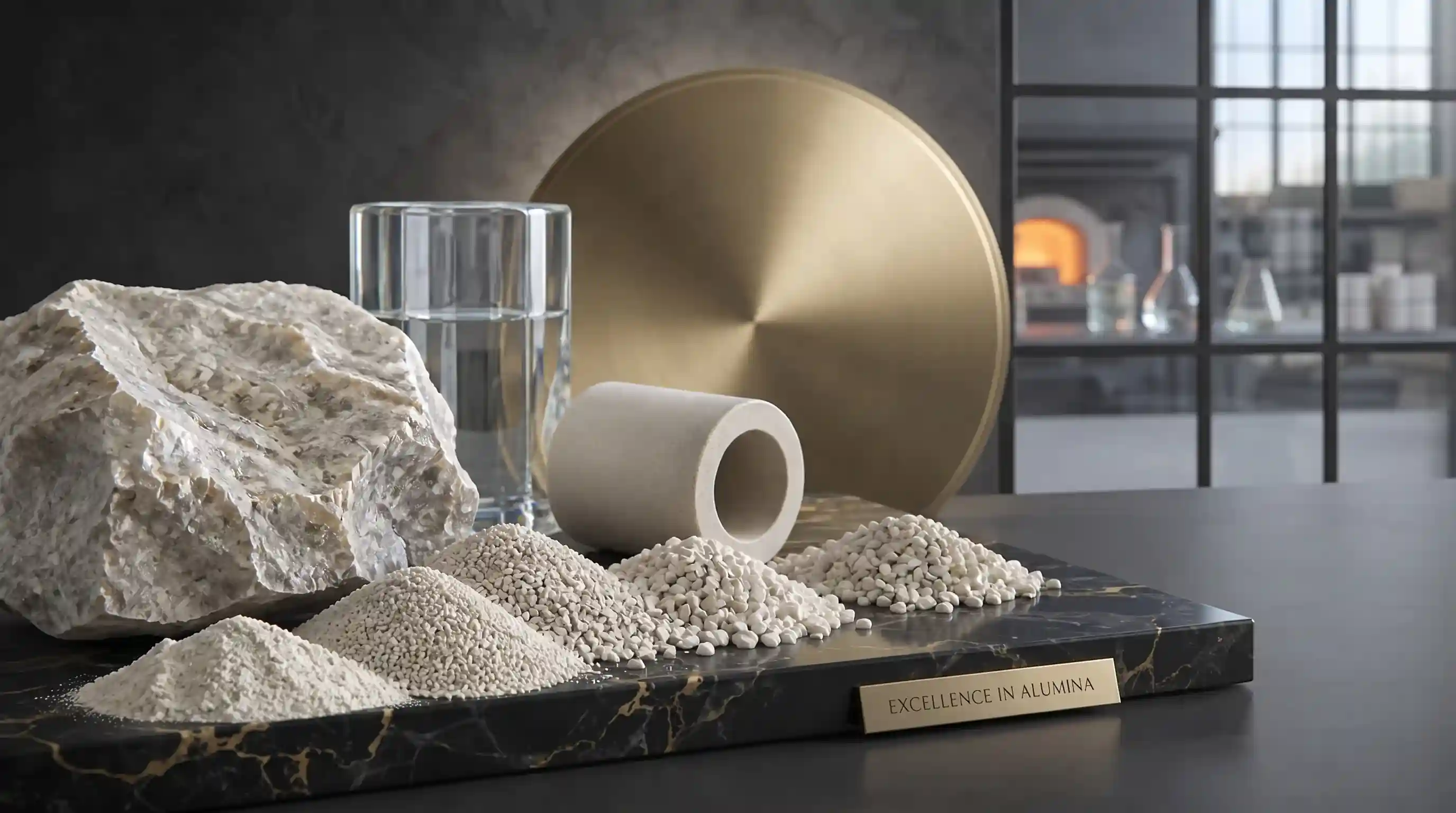
Initial Stages of Extraction and Preparation of Dolomite Stone
The production and processing process of dolomite begins with the extraction of raw stone from mines. Mining operations include controlled blasting, loading, and transporting the extracted stones to processing plants. At this stage, dolomite stones enter the processing sites as lumps and in large sizes. Initial quality control at the mine is of utmost importance to ensure that the input stones are free from excessive impurities.
After the raw stone enters the plant, the primary crushing stage begins. At this stage, jaw or impact crushers are used to reduce large pieces of stone into smaller and more manageable dimensions for subsequent grinding stages. This preliminary stage plays a decisive role in reducing the load imposed on secondary grinders and micronization equipment.
Following primary crushing, materials are transferred via conveyor belts to the primary sizing section. In this section, industrial screens are used to separate materials based on different dimensions and sizes. The purpose of this separation is to prepare the materials for entering specialized grinding sections so that the crushing process can be carried out with maximum efficiency.
Utilizing mode equipment in its production lines, the Kani Sang Amiran project ensures that after undergoing initial preparation stages, dolomite stone is of optimal quality and ready for advanced grinding and micronization stages. This systematic approach guarantees a high-quality output for glass, ceramic, and construction material applications.
Technologies and Equipment for Grinding Dolomite
Grinding dolomite is one of the most sensitive stages in the mineral production line, requiring advanced and precise equipment. To achieve the desired 10 40 mesh range, various industrial grinders such as hammer mills, roller mills, and ball mills are used. The choice of mill type depends directly on the hardness of the stone, moisture content, and the required final mesh range.
In the dolomite grinding process, abrasion and impact mechanisms play the primary role. Hammer mills use continuous impacts to break down stones and reduce them to smaller sizes. In contrast, roller mills apply continuous mechanical pressure to carefully grind dolomite particles and create a uniform gradation, which is extremely vital for the glass and ceramics industries.
Controlling particle dimensions during the grinding process is of special importance. Compressed air systems and precise separators are installed alongside the grinders to separate particles that have reached the desired size (10 40 mesh) and retu coarser particles for re-grinding. This closed control loop guarantees the quality and uniformity of the final product.
By employing cutting-edge technologies in grinding and micronization systems, the Kani Sang Amiran project has been able to produce dolomite with precise technical specifications. This advanced equipment not only increases production efficiency but also prevents material waste, offering a homogeneous and high-quality product to the market.

Micronization Process and Gradation Control (10 40 Mesh Range)
Dolomite micronization is a process during which mineral particles are converted into very fine dimensions and specific gradations. In this part of the production line, precise particle size control is performed based on industrial standards. The 10 40 mesh range is one of the most important gradation categories for industrial uses of dolomite, having widespread applications in various industries.
To achieve the 10 40 mesh range, sizing equipment and air classification systems are precisely adjusted. Vibrating screens with various meshes are responsible for separating particles. In this process, particles smaller than the allowed limit or coarser than the desired range are separated, yielding a completely standard product. This precision in gradation is very critical for industries requiring homogeneous raw materials.
Industrial reviews show that precision in mineral micronization has a direct impact on improving the final properties of products such as plastics (similar to applications reviewed in the article Introduction to Coated Calcium Carbonate Applications in the Plastic Industry) as well as glass and ceramics. The homogeneity of dolomite particles prevents the creation of porosity or weak points in the final product structure.
By establishing advanced quality control systems in its dolomite production lines, the Kani Sang Amiran project evaluates each batch of the product with precision to ensure that the 10 40 mesh range is produced and packaged in a completely standard and fluctuation-free maer.
Applications of Dolomite in Glass and Ceramics Industries
Glass and ceramics industries are among the main consumers of dolomite worldwide and in Iran. In the glass-making industry, adding dolomite to the glass batch (raw material mixture) brings numerous advantages. The magnesium present in this material reduces the melting point of silica and facilitates the melting process in kilns, which in tu significantly reduces energy consumption.
Furthermore, the presence of dolomite in the glass structure increases the chemical and mechanical resistance of the final product against impact and thermal changes. Glass produced with this mineral has higher transparency and durability and is more resistant to corrosion caused by environmental factors. The appropriate gradation of this material plays a key role in its rapid and uniform dissolution in the glass melt.
In the ceramic industry, dolomite is also used as an important raw material in the body and glaze of tiles, ceramics, and porcelain. This material acts as a flux, forming glass phases at firing temperatures, which leads to higher density and reduced water absorption of ceramic pieces. The quality of dolomite grinding and micronization is of vital importance in this industry because heterogeneous particles can cause surface defects in ceramics.
By supplying high-quality dolomite tailored to the needs of the glass and ceramics industries, the Kani Sang Amiran project has managed to secure a special position in the country's mineral market. The precise and controlled specifications of this product have facilitated the production process for ceramic and glass-making factories.

Application of Dolomite in Construction Materials and Civil Engineering
Construction materials are another traditional yet mode domain of dolomite consumption. Due to favorable mechanical properties, high durability, and abundance in nature, this mineral stone is widely used as a filler, aggregate in concrete, asphalt, and cement production. The use of crushed dolomite in the 10 40 mesh range as a filler in construction materials increases structural strength.
In the cement manufacturing industry, dolomite is used as a source of magnesium and calcium in clinker. Also, in road asphalt construction, the use of dolomitic aggregates significantly improves the lifespan of traffic pavements due to high resistance to wear and traffic load. Stability against various weather conditions is another advantage of this material in civil engineering.
Construction material manufacturers require raw materials that have a consistent gradation and uniform quality. Variations in particle size or impurities present in dolomite can compromise the quality of concrete or construction mortars. For this reason, the precise grinding and micronization process is of high importance for these industries.
By offering standard dolomite, the Kani Sang Amiran project well covers the needs of the construction industry. The use of this high-quality mineral in civil projects guarantees the strength, safety, and durability of mode structures against environmental and mechanical challenges.
Quality Control, Packaging, and Supply of Standard Dolomite
The final stage in the dolomite production cycle is comprehensive quality control, safe packaging, and standard supply to the market. After completing the grinding and micronization process, systematic sampling from the production line is performed to carefully review and verify parameters such as chemical analysis, moisture content, and gradation compliance with the 10 40 mesh range.
Appropriate packaging plays a significant role in preserving the quality of dolomite during transportation and warehousing. Micronized and graded materials are usually packaged in durable polypropylene bags ( jumbo bags or small bags) to prevent the penetration of moisture and environmental contaminants. Printing accurate technical specifications on the packages helps consumers use the product with complete confidence.
Compliance with safety and environmental standards in all production stages, from extraction to packaging, is considered a key principle in mode processing units. Adhering to these principles, the Kani Sang Amiran project has always strived to offer its customers a first-class product matching the daily needs of the glass, ceramics, and construction materials industries.
To obtain more information, inquire about technical specifications, and place orders, the experts of the Kani Sang Amiran project are ready to respond to industrial activists. Relying on precise engineering processes and strict quality control, this collection guarantees a sustainable and high-quality supply of dolomite for various industries across the country.
| Question | Answer |
|---|---|
| What is dolomite? | Dolomite is a double carbonate mineral of calcium and magnesium used in the glass, ceramics, and construction materials industries. |
| What is the mesh range of the supplied dolomite? | The dolomite product is produced and supplied in the 10 40 mesh range. |
| What are the main applications of dolomite in industry? | Main applications include glass manufacturing, ceramic products, and construction materials. |
| What is the role of dolomite in the glass-making industry? | The magnesium present in dolomite reduces the melting point of silica and improves the mechanical resistance of glass. |
| Why is the dolomite grinding process important? | Precise grinding is essential to achieve homogeneous gradation and optimal quality in consumer industries. |
| How can dolomite be ordered? | You can proceed by visiting the Kani Sang Amiran website and the dedicated product page. |
| Does dolomite play a flux role in the ceramic industry? | Yes, it acts as a flux and causes a reduction in water absorption of pieces during ceramic firing. |
| How is dolomite packaging done? | Products are packaged in standard durable bags to prevent moisture. |
| What are the physical properties of dolomite? | It has a hardness between 3.5 and 4 and a density of about 2.8 to 2.9 grams per cubic centimeter. |
| Which organization supplies the dolomite product? | Kani Sang Amiran Project — Mineral Production. |
Specialized reference for mineral processing and analysis, Kani Sang Amiran.
برچسب: Dolomite,Introduction to the Grinding and Micronization Process of Dolomite,
نویسنده: رساوب آفرین