
درباره سایت
آخرین مطالب
- راهنمای ثبت سفارش آنلاین و استعلام قیمت کائولن
- چگونه بهترین اکسید آهن قرمز (اخرا) را برای پروژه انتخاب کنیم؟
- بررسی جامع خواص اکوستیک و وزن مخصوص باریت سفید صنعتی
- نقش کائولن در کاهش هزینههای تولید در صنایع معدنی
- نقش سیلیس در افزایش مقاومت حرارتی مواد نسوز
- چرا اکسید آهن قرمز (اخرا) قدرت پوشانندگی بالایی دارد؟
- The role of industrial barite in the papermaking and specialty coatings industries
- How to find the best kaolin supplier in the country?
- How to properly examine feldspar analysis?
- ما هي استخدامات التالك الصناعي في صناعة البلاستيك والمطاط؟
امکانات وب
Introduction to Limonite Oxide (Gole Mash) and Its Importance in the Ceramic Industry
Limonite oxide (gole mash) is one of the most widely used mineral pigments, holding a special place in various industries including ceramics and tile making due to its color stability and high resistance. Kani Sang Amiran has taken an important step toward improving the quality of building products by producing this material with high quality. Understanding the chemical and physical properties of this oxide is essential for ceramic engineers. To lea more about the features of this product, you can visit the Limonite Oxide (Gole Mash) page.
Technical and Physical Features of Limonite Oxide (Gole Mash)
This mineral substance, also known in the industry by the trade name gole mash, has a mesh range between 450 and 1500 mesh. This variety in mesh size allows producers to use it in various processes, from the ceramic body to glaze. The fine particles of this material cause uniform color distribution and better stability during kiln firing.
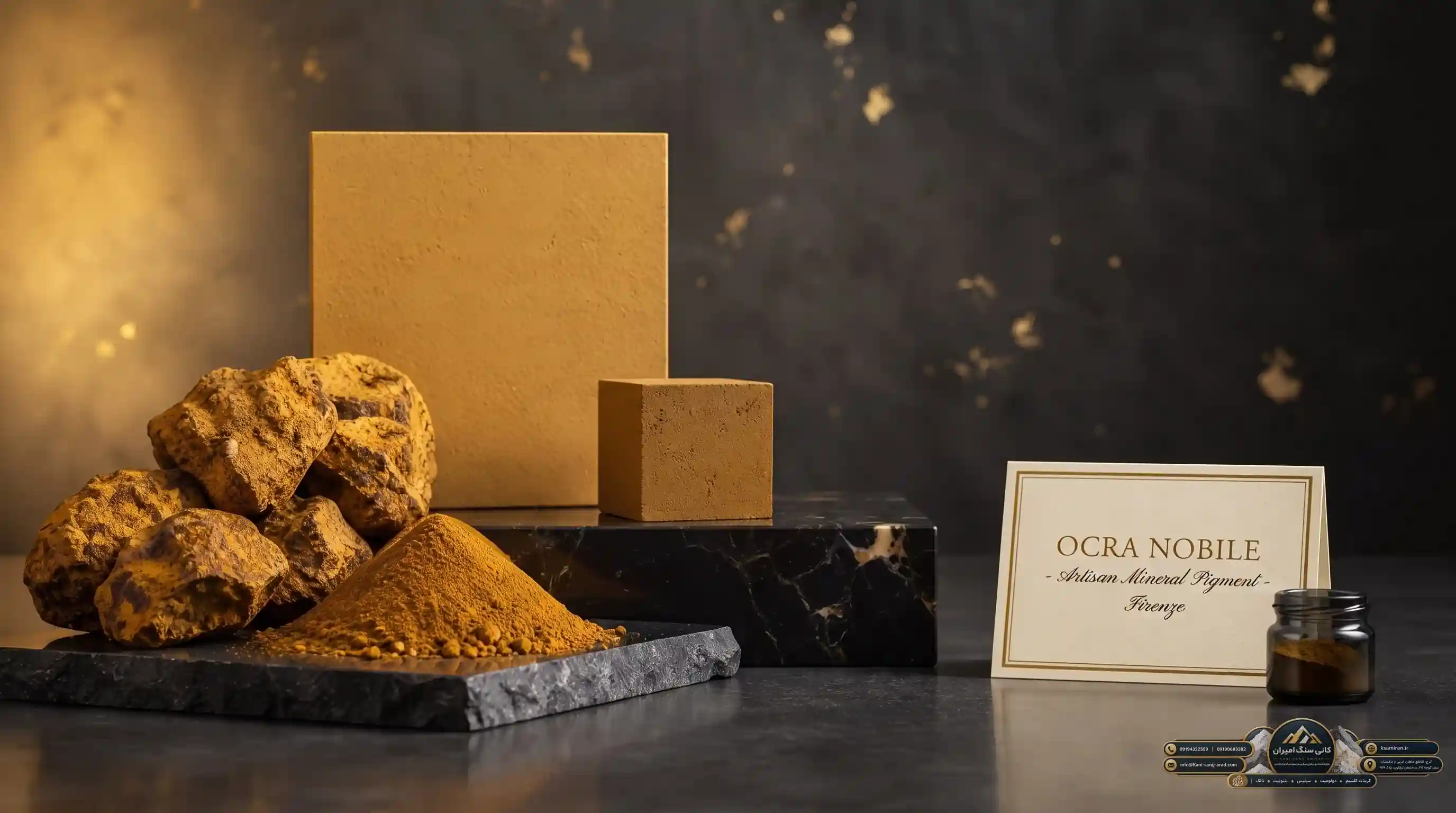
The Role of Limonite Oxide (Gole Mash) in Mineral Pigments
Limonite oxide (gole mash), as a base pigment, creates a wide range of yellow, mustard, and brown colors. Compared to synthetic pigments, this mineral material is more environmentally friendly. Manufacturers of building paints can benefit from the maximum coloring capacity of this product in their products by studying The Role of Limonite Oxide (Gole Mash) in Producing Building Paints.
Application of Limonite Oxide (Gole Mash) in the Ceramic and Tile Industry
In the tile and ceramic industry, this material is used to create natural coloring in the body. In addition to the body, using limonite oxide (gole mash) in engobes is also common to guarantee the thermal resistance and color stability of the final product. With proper purity, this material prevents unexpected color change in firing kilns.
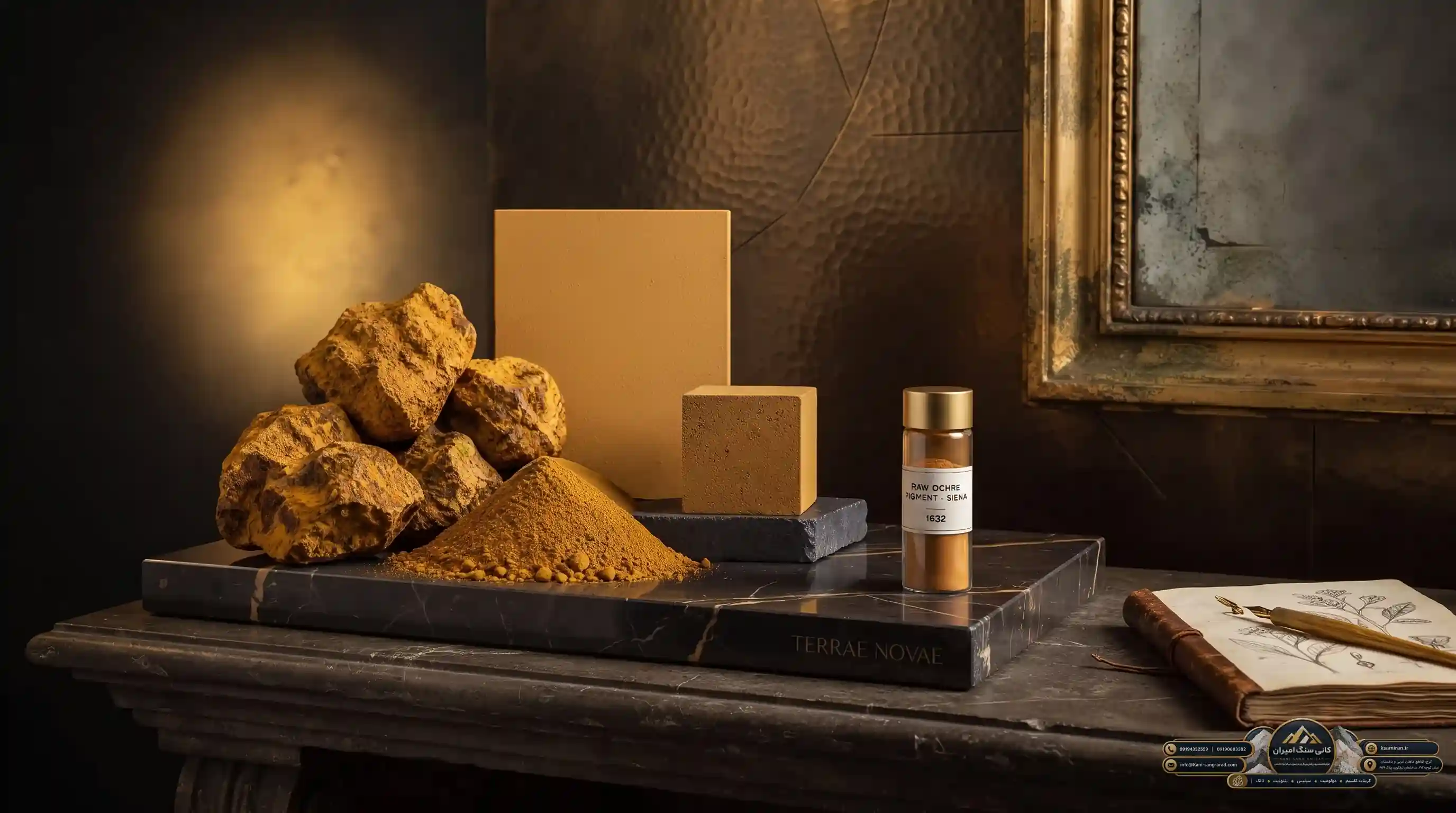
The Effect of Limonite Oxide (Gole Mash) in Building Products and Mosaic Making
In addition to ceramics, this pigment plays a pivotal role in the production of concrete and mosaic products. For manufacturers of cement floorings, technical knowledge of The Role of Limonite Oxide (Gole Mash) in the Mosaic Production Industry is very important so that the abrasion resistance and visual beauty of mosaics are preserved in various weather conditions.
Examining the Application of Limonite Oxide (Gole Mash) in the Glassmaking Industry
Few people may know that limonite oxide (gole mash) can also be used in the glassmaking industry as a color modifier. Of course, care must be taken that the purity percentage and the amount of iron in it are precisely controlled. More details about The Application of Limonite Oxide (Gole Mash) in the Glassmaking Industry can be found in Kani Sang Amiran's specialized articles.
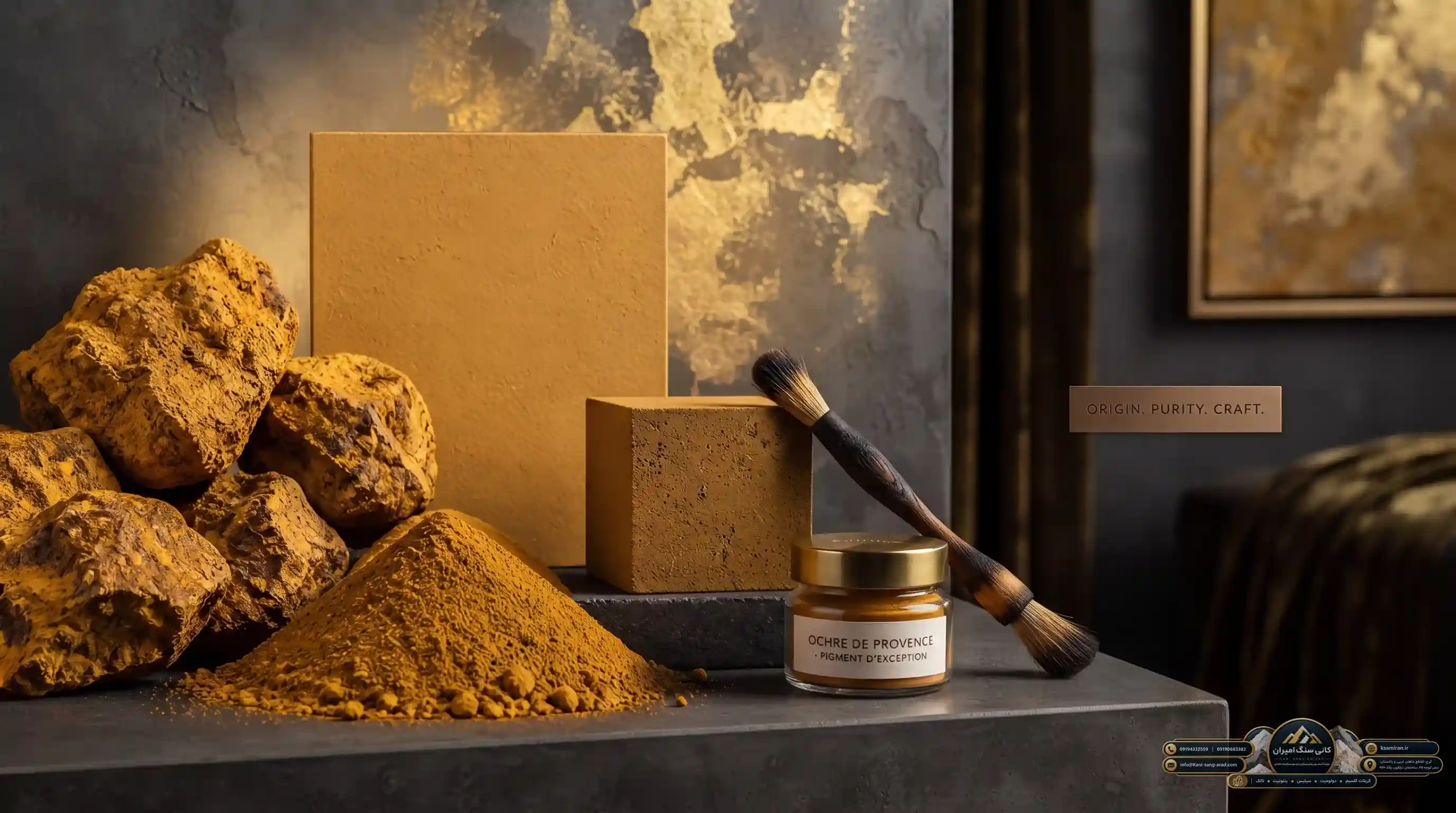
Advantages of Using Kani Sang Amiran's Mineral Materials
Kani Sang Amiran's products, produced in compliance with grading standards from 450 to 1500 mesh, assure consumers that they are using a uniform material with high purity. This high quality in limonite oxide (gole mash) directly affects reducing production costs and increasing the final product quality (without the need for additional additives).
Conclusion and Future Outlook on the Use of Limonite Oxide
Ultimately, limonite oxide (gole mash) will remain in the ceramic and construction industry as an economic and high-performance pigment. Given the growing demand for durable building materials with natural color, using Kani Sang Amiran's quality products can provide a significant competitive advantage for the tile and mosaic industries.
| Question | Answer |
|---|---|
| What is the mesh range of this product? | This product is produced in the range of 450 to 1500 mesh. |
| Is limonite oxide suitable for the tile industry? | Yes, it is excellent for creating natural and resistant colors in the ceramic body. |
| What is the most important feature of gole mash? | High color stability and excellent resistance under thermal firing conditions. |
| Does it have applications in building paints? | Yes, it is used as a base mineral pigment. |
| Is it also used in the mosaic industry? | Yes, it is widely used in the production of colored mosaics. |
| Who is the main producer of this product? | Kani Sang Amiran. |
| Does it also have applications in glassmaking? | Yes, as a color modifier in specific processes. |
| What is the difference between high and low meshes? | Higher mesh is suitable for finer applications such as glaze, and lower mesh for the body. |
| How can this product be obtained? | Through the Kani Sang Amiran website. |
| Is this material environmentally friendly? | Yes, due to its mineral nature, it has good stability and compatibility. |
Kani Sang Amiran's technical information center for mineral materials (ksamiran.ir).
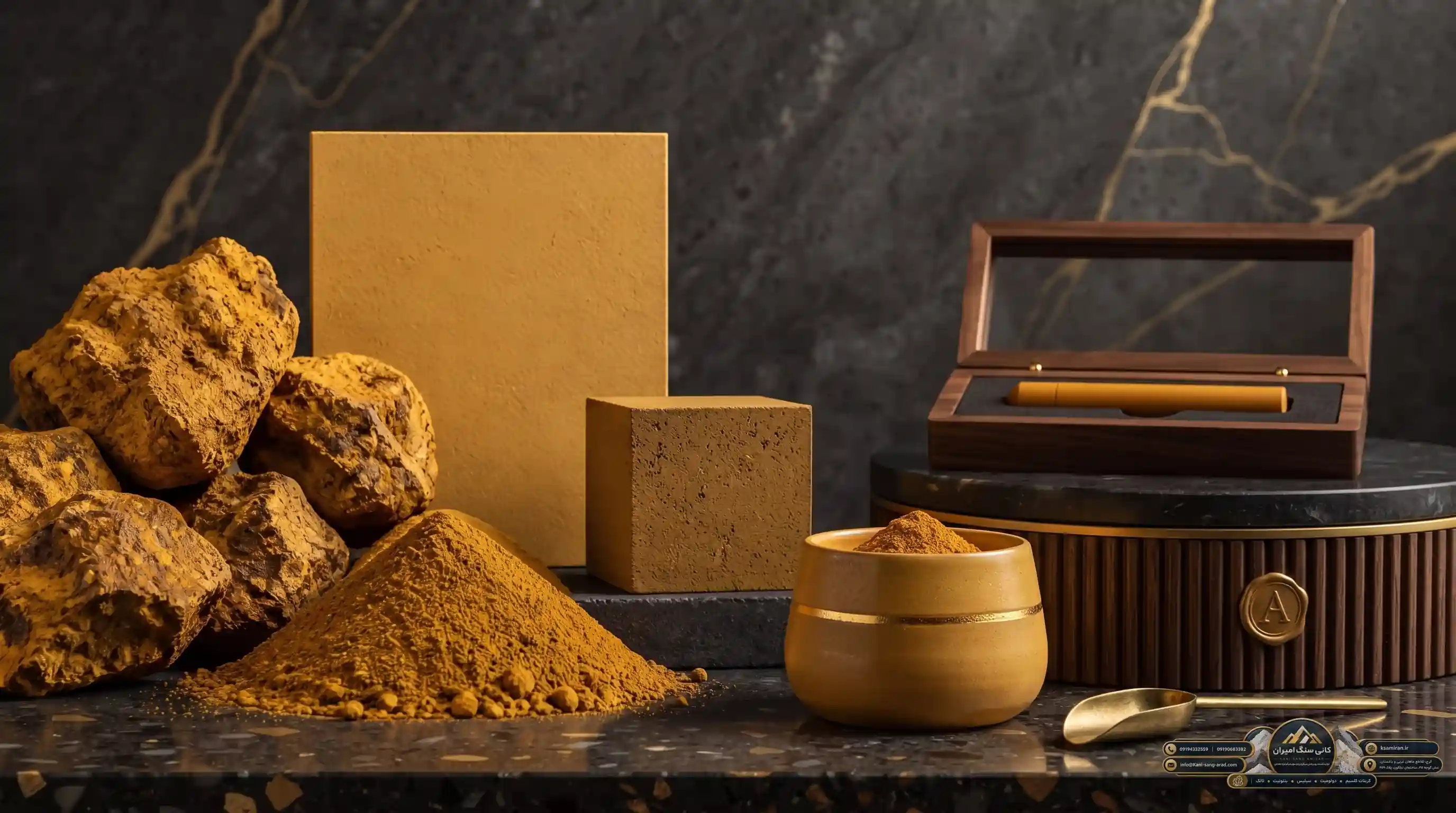
برچسب: Limonite Oxide (Gole Mash),The Role of Limonite Oxide (Gole Mash) in the Ceramic and Tile Industry,
نویسنده: رساوب آفرین