
درباره سایت
آخرین مطالب
- استخدام أكسيد الحديد الأحمر (المغرة) في إنتاج الأسمدة الزراعية
- Why is feldspar known as a thermal flux?
- دراسة استخدام التلك الأبيض في صناعات الألياف الزجاجية
- The Application of Red Iron Oxide (Ochre) in the Production of Agricultural Fertilizers
- كيف تجد أفضل أنواع الفلسبار لمصنعك؟
- استخدام التالك الأبيض في صناعات مستحضرات التجميل، الصحة، والأدوية
- راهنمای جامع کاربرد تالک سفید در صنعت پلاستیک
- Review of the Appearance and Whiteness Features of Premium Coated Calcium Carbonate
- راهنمای کامل خرید اینترنتی سیلیس و مواد معدنی
- الدلیل الشامل لصيانة وتخزين أنواع التلك الصناعي
امکانات وب
Introduction and Familiarity with Industrial Dolomite Powder and Its Position in Mines
Dolomite powder is one of the most important and widely used mineral materials in various industries, holding a special place due to its specific chemical composition. The mineral dolomite is a double carbonate of calcium and magnesium, found in nature in the form of sedimentary rocks. Kani Sang Amiran Project, focusing on the extraction and processing of this valuable material, caters to the needs of various industries. Accurate knowledge of this material is of high importance for any artisan looking for high-quality raw materials. In this article, we intend to comprehensively examine the characteristics, technical specifications, and applications of this mineral to serve as a complete guide for its selection and purchase.
The processing of this mineral involves various stages including extraction, crushing, and sizing. The standard mesh range of this product has a direct impact on its efficiency in different industries. To get more acquainted with similar mineral products and compare their features, reading the Industrial Talc Buying Guide will certainly be useful. Careful selection of the mineral type based on industrial needs assessment is a crucial step towards increasing productivity and reducing production costs.
In the following sections, we will discuss in detail the physical and chemical characteristics, mesh sizing range, and consuming industries. We will also examine storage standards and key points when purchasing this product so that you can make an informed and reliable purchase. Kani Sang Amiran Project always strives to pave the way for industrialists in selecting the best minerals by providing accurate information.
Technical Specifications, Chemical Structure, and Standard Mesh Range of Dolomite
Chemically, dolomite is a calcium and magnesium carbonate with a specific general formula, and its hardness on the Mohs scale is between 3.5 and 4. Due to having magnesium in its structure, this mineral differs significantly from ordinary limestone. The physical specifications of this material can vary depending on factory processing methods, but the production standards at Kani Sang Amiran Project guarantee uniform quality. Careful examination of the chemical analysis of this material helps engineers gauge the purity of calcium and magnesium to suit their production line requirements.
The mesh range of this product falls within a specific and practical limit. The 10 to 40 mesh range is the main characteristic of this product category, which is designed and produced for specific uses. This particle size is very suitable for processes that require coarser sizing and stable physical properties. In addition, in warehousing and raw material management, accurate knowledge of physical features is of great importance, and similar to the Comprehensive Guide to Warehousing and Storage of Industrial White Barite Powder, observing the warehousing principles of this powder is also mandatory to preserve its quality.
Quality control of sizing and mesh uniformity is observed in all stages of production so that the final product reaches the consumer without impurities. Diversity in the mesh range allows different industries to benefit from this material precisely tailored to their formulation. Next, we will take a closer look at the applications of this material in the glass-making industry.
Application of Dolomite in the Glass-Making Industry and Its Advantages
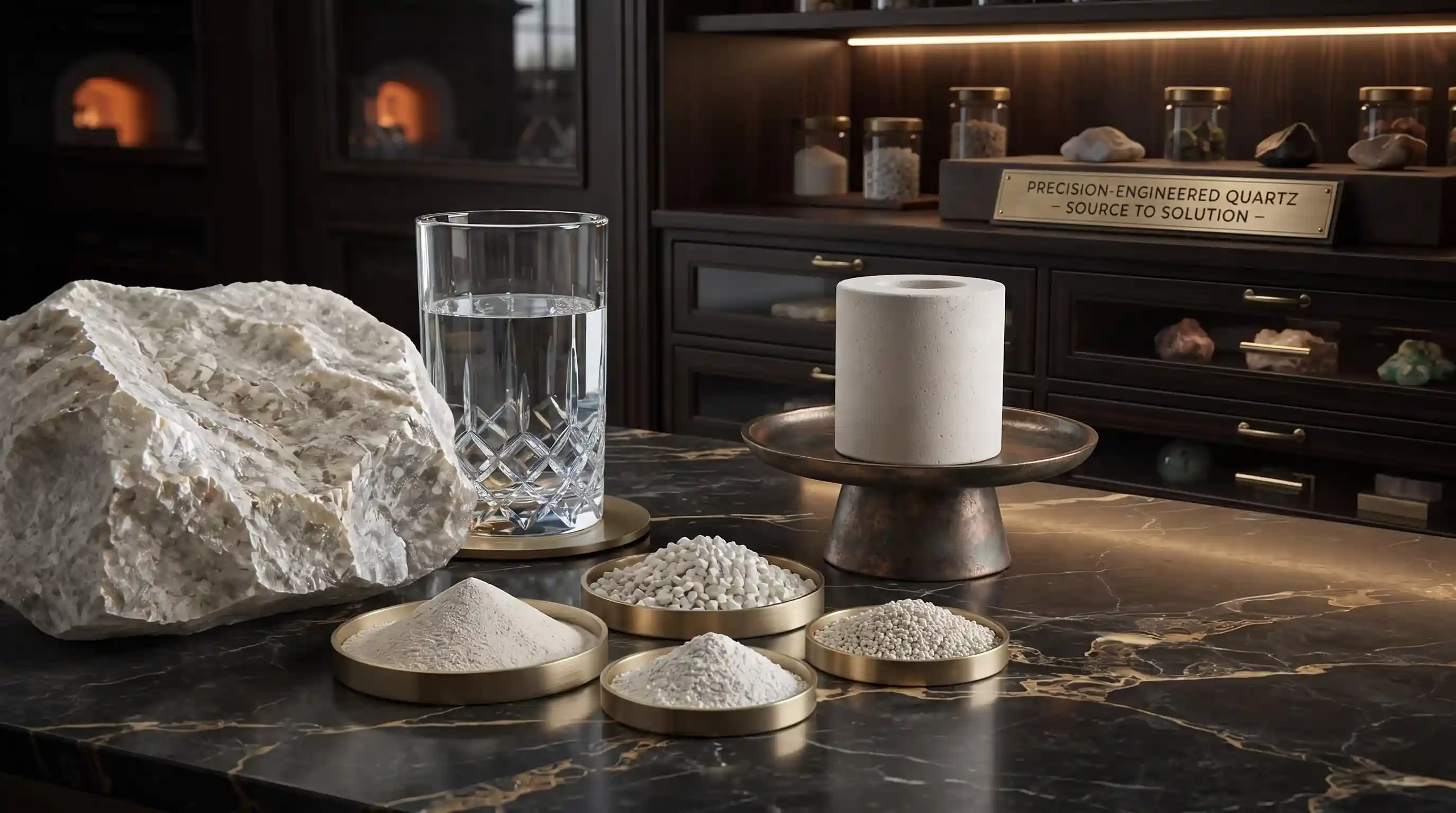
The glass-making industry is one of the largest consumers of mineral materials, including dolomite powder. The presence of magnesium oxide in the structure of this mineral acts as a stabilizer and improves the physical and chemical properties of molten glass. The use of this material in the composition of glass raw materials reduces the melting point, resulting in significant energy savings in fuaces. Furthermore, the resistance of the produced glass against thermal shocks and atmospheric factors increases due to the presence of this material.
Kani Sang Amiran Project meets the needs of glass-making factories in the best possible way by supplying this high-quality mineral material. High purity and freedom from harmful impurities such as iron are vital parameters in the glass industry, which are possessed by the products offered by this collection. Appropriate sizing in the 10 40 mesh range helps the melting process take place homogeneously and uniformly in the fuace, preventing the formation of bubbles or inhomogeneity in the final product.
In addition to improving thermal properties, the use of this mineral powder also enhances the mechanical durability of glass containers and sheets. Glass manufacturers can guarantee the quality of their final products by carefully selecting their raw materials. In the next chapter, we will examine the role of this key material in the ceramic industry.
The Role of Dolomite Powder in the Ceramic and Tile-Making Industries
The ceramic and tile-making industry is heavily dependent on calcium and magnesium-containing minerals. This material acts as a strong flux or melting agent in the ceramic body and glaze. When dolomite powder is used in ceramic firing, it reacts at high temperatures and forms glass phases that contribute to higher density and strength of the ceramic body. This process reduces the water absorption rate in the produced tiles and ceramics.
The correct selection of raw materials in the ceramic industry has a direct impact on the final color, dimensional stability, and mechanical strength of the product. By providing standard products, Kani Sang Amiran Project enables precise control of production parameters for tile and ceramic factories. Thermal stability and reduction of firing shrinkage are other prominent advantages of using this mineral material in the ceramic body formulation.
The mesh range of this product has been chosen in such a way that it is well ground and mixed in combination with other raw materials. To optimize industrial processes and maintain the quality of similar minerals, studying material storage principles such as the Comprehensive Guide to Storage of Coated Calcium Carbonate can also provide useful information to quality control managers.

Application of Dolomite in Construction Materials and the Civil Engineering Industry
Construction materials are a vast field where dolomite powder is widely used as a filler, pigment, and additive. This mineral is used in the production of various mortars, special concretes, asphalt, and precast concrete products. The presence of this material in construction materials helps improve mechanical properties, increase adhesion, and reduce cracking caused by thermal expansion and contraction. Kani Sang Amiran Project supplies this product with the highest quality standards for civil projects.
The stable chemical properties of this mineral make it resistant to environmental factors, rainfall, and weather changes. Architects and civil engineers are always looking for materials that guarantee the durability of the structure over time. The use of processed minerals in asphalt and concrete mixes significantly increases the useful life of roads and structures. Standard sizing in the 10 40 mesh range helps achieve optimal particle distribution within the concrete or asphalt matrix.
Monitoring the quality of raw materials used in civil projects is of high importance. For this reason, reputable suppliers strive to offer a homogeneous product that complies with the needs of the construction market. In the next chapter, we will discuss the economic benefits and production standards of this product.
Economic Benefits, Quality, and Production Standards in Kani Sang Amiran Project
Choosing a reputable supplier for minerals plays a key role in profitability and production cost optimization. Utilizing rich mines and advanced processing lines, Kani Sang Amiran Project offers dolomite powder to the market with the highest quality and competitive prices. Uniform product quality, reduction of raw material waste in the production line, and complete compliance with declared technical specifications are among the most important advantages of cooperating with this collection.
Observing national and inteational standards in the extraction, sizing, and packaging process of this mineral guarantees that the buyer receives a flawless product. A reasonable finished price coupled with high quality makes this material an economical choice for glass, ceramic, and construction material factories. Industrialization and the need for mass production dictate that the raw material supply chain must be completely stable and reliable.
To purchase the best type of this product and lea about more details, you can visit the dedicated product page and obtain complete information. The guaranteed quality of this mineral material allows various industries to manufacture high-quality products with peace of mind. Next, we will point out important points to consider when purchasing.
Industrial Dolomite Buying Guide and Key Tips for Selecting the Proper Mesh Range
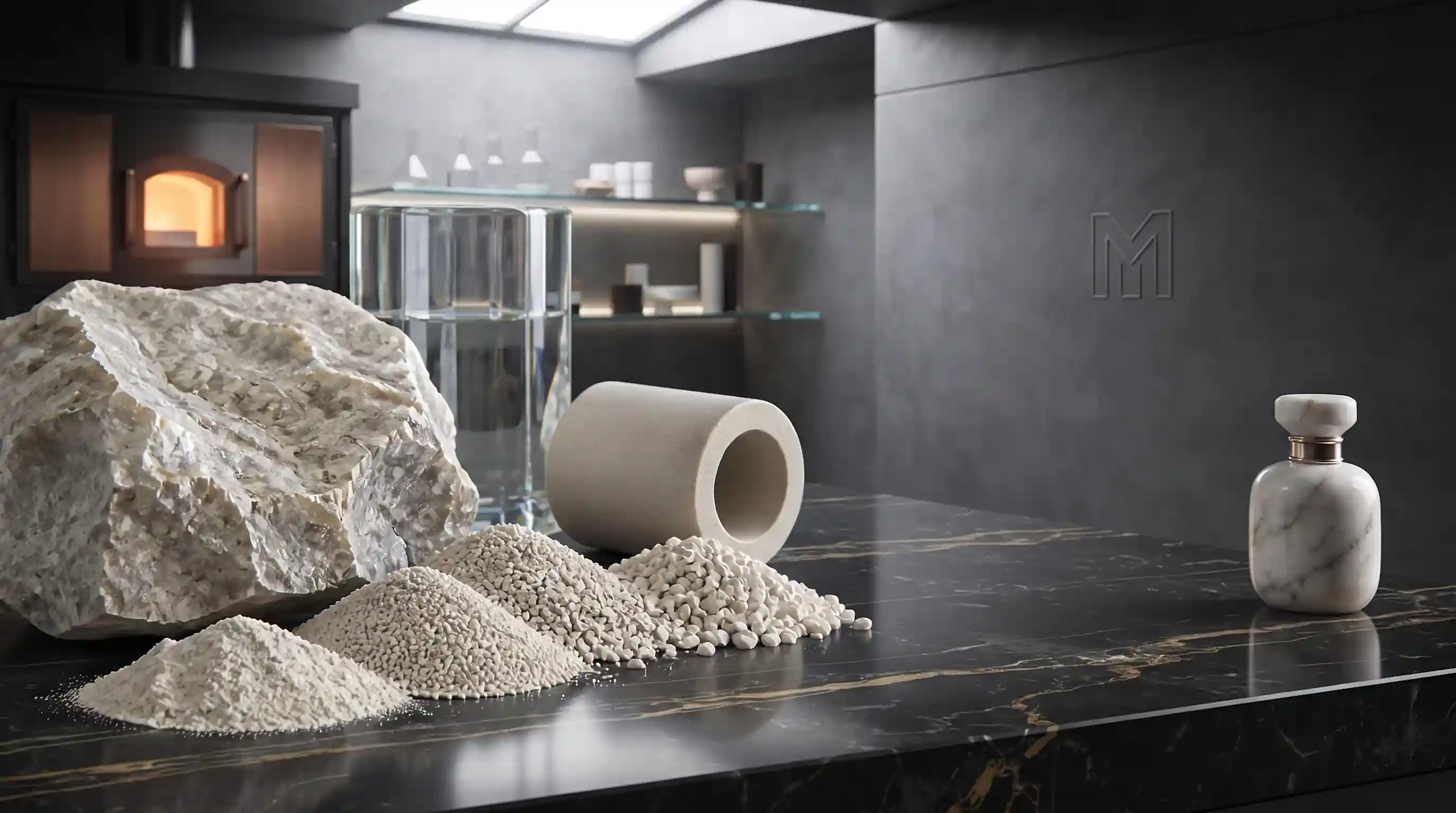
Purchasing industrial minerals requires technical knowledge and careful examination of quality parameters. Before proceeding to buy dolomite powder, you must perform a precise needs assessment of your production line. Factors such as chemical purity, percentage of magnesium and oxide calcium, moisture percentage, and mesh range are among the most important factors that must be examined. The 10 40 mesh range is designed for specific applications, and incorrect particle size selection can reduce final efficiency.
The technical consultants of Kani Sang Amiran Project are ready to provide the necessary guidance in accurately selecting the product type suited to your industry. Reviewing laboratory analyses before finalizing the order guarantees the product's compliance with your factory's standards. Also, the type of packaging and shipping conditions are other items that must be considered in purchase contracts to prevent the powder from getting damaged or moist during transportation.
Investing in the purchase of standard raw materials reduces equipment maintenance and repair costs and upgrades the quality of the final product. In the final chapter, we will address frequently asked questions surrounding this product to clear up any potential ambiguities.
Frequently Asked Questions and Final Conclusion Regarding Applications and Storage of Dolomite Powder
In this article, we comprehensively examined dolomite powder, its technical specifications, the 10 40 mesh range, and its applications in the glass, ceramic, and construction materials industries. Accurate knowledge of this mineral helps industrialists make the best decision in supplying their raw materials. Kani Sang Amiran Project always strives to ea customer satisfaction by providing quality products and technical support.
Proper storage of mineral powders in warehouses is essential to prevent caking and moisture absorption. Observing safety tips when working with these powders also contributes to employee health and improving work environment conditions. We hope this comprehensive guide has been able to provide you with useful information in the field of selecting and purchasing the best minerals.
For more information, to receive a proforma invoice, or for expert consultation, you can get in touch with our sales experts. Smart selection of raw materials is the foundation of manufacturing quality products in any mode industry.
| Question | Answer |
|---|---|
| What is dolomite powder? | It is a double carbonate mineral of calcium and magnesium used in the glass, ceramic, and construction materials industries. |
| What is the mesh range of this product? | The mesh range of this product is between 10 and 40 mesh. |
| What are the main applications of dolomite? | Glass-making industries, ceramic product manufacturing, and construction materials are its main applications. |
| What is the difference between limestone and dolomite? | Unlike ordinary limestone, dolomite contains a high percentage of magnesium in its chemical structure. |
| Why is dolomite used in glass-making? | It is used to lower the melting point, increase resistance to thermal shock, and provide chemical stability to glass. |
| What is the role of this material in ceramics? | It acts as a strong flux and melting agent, increasing the density and strength of the ceramic body. |
| How can this product be purchased? | You can place an order through the product page of Kani Sang Amiran Project. |
| Does the mesh range affect quality? | Yes, particle size must be selected precisely in accordance with the requirements and formulation of the production line. |
| What are the storage conditions for this powder? | It should be stored in a dry environment, away from moisture, and in standard packaging. |
| Does Kani Sang Amiran offer buying advice? | Yes, the technical experts of the collection are ready to provide expert consultation before purchase. |
Kani Sang Amiran Project — Specialized reference for the production and processing of mineral and industrial materials.

برچسب: Dolomite,Comprehensive Guide to Purchasing and Selecting the Best Industrial Dolomite Powder,
نویسنده: رساوب آفرین