
درباره سایت
آخرین مطالب
- تعرف على التحليل الكيميائي والفيزيائي لمختلف أنواع التالك الصناعي
- The Role of Coated Calcium Carbonate in Reducing Product Density and Weight
- استخدام الدولومیت في صناعة السيراميك وإنتاج المواد الحرارية
- دراسة تحديات توريد الباريت الصناعي للوحدات الإنتاجية
- لماذا يُعد التحليل الدقيق للفلسبار أمراً بالغ الأهمية للمهندسين؟
- Daily Price Inquiry for Quality Calcium Carbonate
- Comparison of Industrial Barite Types and Technical Specifications of Each in the Market
- راهنمای انتخاب بهترین سیلیس برای صنایع شیمیایی
- الدليل الشامل للتعرف على أنواع المساحيق الميكرونية وخاصة الباريت الأبيض
- دور السيليكا في تحسين أداء الطلاءات الواقية
امکانات وب
Introduction to the Importance of Minerals and the Role of Silica in Industry
Mineral industries and raw material processing form the foundation of many manufacturing and infrastructural industries in the mode world. Meanwhile, industrial minerals, with their unique physical and chemical characteristics, play a vital role in the development of various technologies. A precise understanding of these materials and their diverse applications helps engineers and manufacturers significantly enhance the quality of their final products. For instance, as seen in the article Examining the Role of White Barite in Improving the Mechanical Properties of Composites, the correct selection of a mineral has a direct impact on improving the mechanical properties of structures. Among these, silica is recognized as one of the most abundant and efficient mineral compounds in the Earth's crust, utilized in numerous industries due to its stable structure.
Kani Sang Amiran, as an active manufacturer in the field of minerals, supplies this valuable mineral with high quality standards and various mesh sizes. This material has essential applications not only in traditional industries but also in advanced technologies. Its electrical, thermal, and mechanical properties have positioned it as an unrivaled raw material in industrial processes. In the remainder of this article, we will examine the various dimensions of this material's application in filtration, glassmaking, casting, ceramics, and building materials.
The diversity in the mesh range of this material allows for its use in applications ranging from very fine to heavy industrial uses. This enables various industries to select the most appropriate particle size based on their exact technical requirements. In the following sections, we will delve into more details regarding the technical specifications, production methods, and application areas of this valuable material to provide a comprehensive picture of its position in industry.
Comprehensive Understanding of Silica and Its Technical Specifications
Silica, with the chemical formula silicon dioxide, is one of the most stable mineral compounds found in nature. It is found in crystalline and amorphous forms and exhibits very high resistance to heat, acids, and mechanical erosion. One of the most important parameters in determining the quality of this mineral for industrial uses is its particle size, or mesh range. The products offered by the Kani Sang Amiran project are produced and supplied in a wide mesh range including 10 to 450 mesh, meeting the needs of a vast spectrum of industries.
Choosing the appropriate particle size for each industry is of paramount importance. For example, coarser meshes are typically used in filtration industries and building materials, while very fine meshes (up to 450 mesh) are utilized in ceramics, glaze production, glassmaking, and precision casting. Precision in the crushing and sizing process ensures that the purity and particle size distribution are maintained at a standard level, maximizing the material's efficiency in the final product.
In addition to particle size, the chemical purity of this material plays a decisive role in its performance. The level of impurities such as iron oxide must be within the allowable limit so as not to cause issues in sensitive industries such as clear glass production or engineering ceramics. Relying on technical knowledge and advanced equipment, this mineral is processed with the highest quality and made available to consuming industries to maintain the quality standards of industrial production.

Application of Silica in the Glassmaking Industry
The glassmaking industry is one of the oldest and yet most key consumers of silica worldwide. This material is recognized as the main and constituent component of the glass network structure and makes up more than half of the initial glass batch composition. The high melting point of this material and its ability to create a transparent and stable structure after cooling make it an irreplaceable option in the production of various glass containers, architectural glass, and solar panels.
For use in the glassmaking industry, the purity of particle sizing and the absence of color impurities (especially iron) are of vital importance. The presence of iron in the initial mixture can cause an unwanted green or yellow tint in clear glass. For this reason, the processed mineral must be prepared with high precision and under strict quality supervision. Alongside this material, other minerals are also used in related industries; as discussed in the article The Role of Feldspar in Improving the Resistance of Porcelain Products, the synergy between various minerals guarantees the final quality of products.
By supplying this high-quality raw material to glass manufacturing plants, the Kani Sang Amiran project plays an important role in this industry's supply chain. The appropriate and uniform particle sizing of this material helps with uniform melting in the fuace and prevents the formation of bubbles and instability in the glass structure. This increases the efficiency of melting fuaces and improves the final quality of glass products.
The Key Role of Silica in Casting and Molding
The casting industry is heavily dependent on refractory and molding materials to produce precise and high-quality metal parts. Meanwhile, silica, due to its very high melting point, excellent thermal stability, and suitable mechanical strength, is used as the primary material in the manufacture of molding sands and casting cores. Molds made with this material can withstand the intense heat of molten metals and maintain the geometric shape of the part without alteration.
Choosing the right mesh for casting applications is of great importance. Medium to coarse meshes are typically used to prepare molding sand so that gas permeability through the mold is properly achieved, preventing defects such as gas cavities in the cast part. The compressive and tensile strength of the molding sand is improved using this standard material, and the surface quality of metal parts after the completion of the casting process is significantly enhanced.
In addition to sand molds, this material is also used in the manufacture of refractory mold and fuace coatings. The chemical stability of this material against molten metals minimizes unwanted reactions at the metal-mold interface. This feature greatly helps reduce post-casting machining costs and increases the efficiency of industrial production lines.
Silica in the Ceramic Industry and Ceramic Product Manufacturing
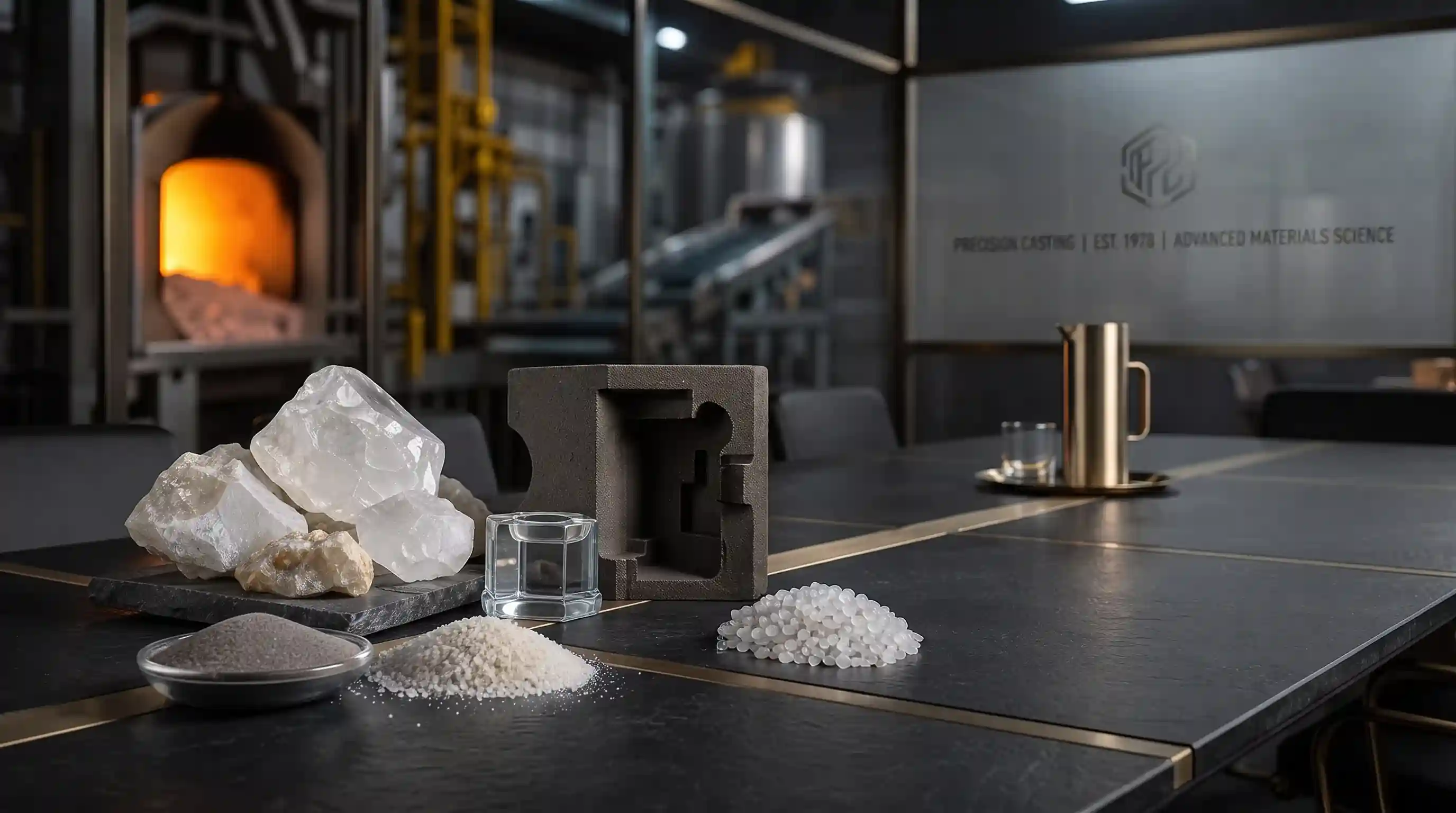
The ceramic industry is another traditional and advanced field where silica is used as an essential component of ceramic bodies and glazes. In the manufacturing of tile, ceramic, sanitary ware, and tableware bodies, this material acts as a non-plastic skeleton that prevents excessive shrinkage and deformation of the product during the drying and firing stages in the kiln. This material guarantees the dimensional stability and mechanical strength of ceramic parts.
In the formulation of ceramic glazes, this material also plays an important role in adjusting the melting point, transparency, glossiness, and chemical resistance of the surface layer. To achieve uniform and flawless glazes, the use of finer meshes (such as high meshes in the 10 450 mesh range) is essential so that particles dissolve and disperse well in the slurry. Alongside this material, other minerals are also used to improve the properties of coatings; as mentioned in the article Application of Kaolin in Paint and Industrial Coatings Industries, the correct combination of minerals enhances production efficiency.
By offering this high-quality mineral, the Kani Sang Amiran project supplies the raw material needs of tile and ceramic manufacturers. Precision in sizing and chemical purity allows producers to offer ceramic products with the highest quality standards, high mechanical strength, and a flawless appearance to the market.
Application of Silica in Building Materials and Civil Engineering
The construction industry and the production of mode building materials constantly require raw materials with high durability and suitable physical properties. Silica is used as a durable mineral filler and high-quality aggregate in the production of various specialized concretes, dry mortars, tile adhesives, industrial stone powders, and composite materials. The presence of this material in building material formulations increases compressive strength, reduces water permeability, and improves the durability of structures against harsh weather conditions.
In the production of high-performance concrete (HPC) and self-compacting concrete (SCC), the precise sizing of this material helps improve density and fill the voids between cement particles. This reduces porosities—meaning capillary pores—in concrete and significantly increases the lifespan of concrete structures. Additionally, in the production of industrial epoxy and polyurethane flooring, this material is used as a wear-resistant filler.
By supplying this material in various meshes, the Kani Sang Amiran project has enabled its optimal use in civil engineering projects and building material manufacturing plants. Leveraging the mechanical and chemical characteristics of this mineral, structural engineers and designers can construct safer, more durable, and higher-quality structures.
The Role of Silica in Water and Wastewater Filtration Systems
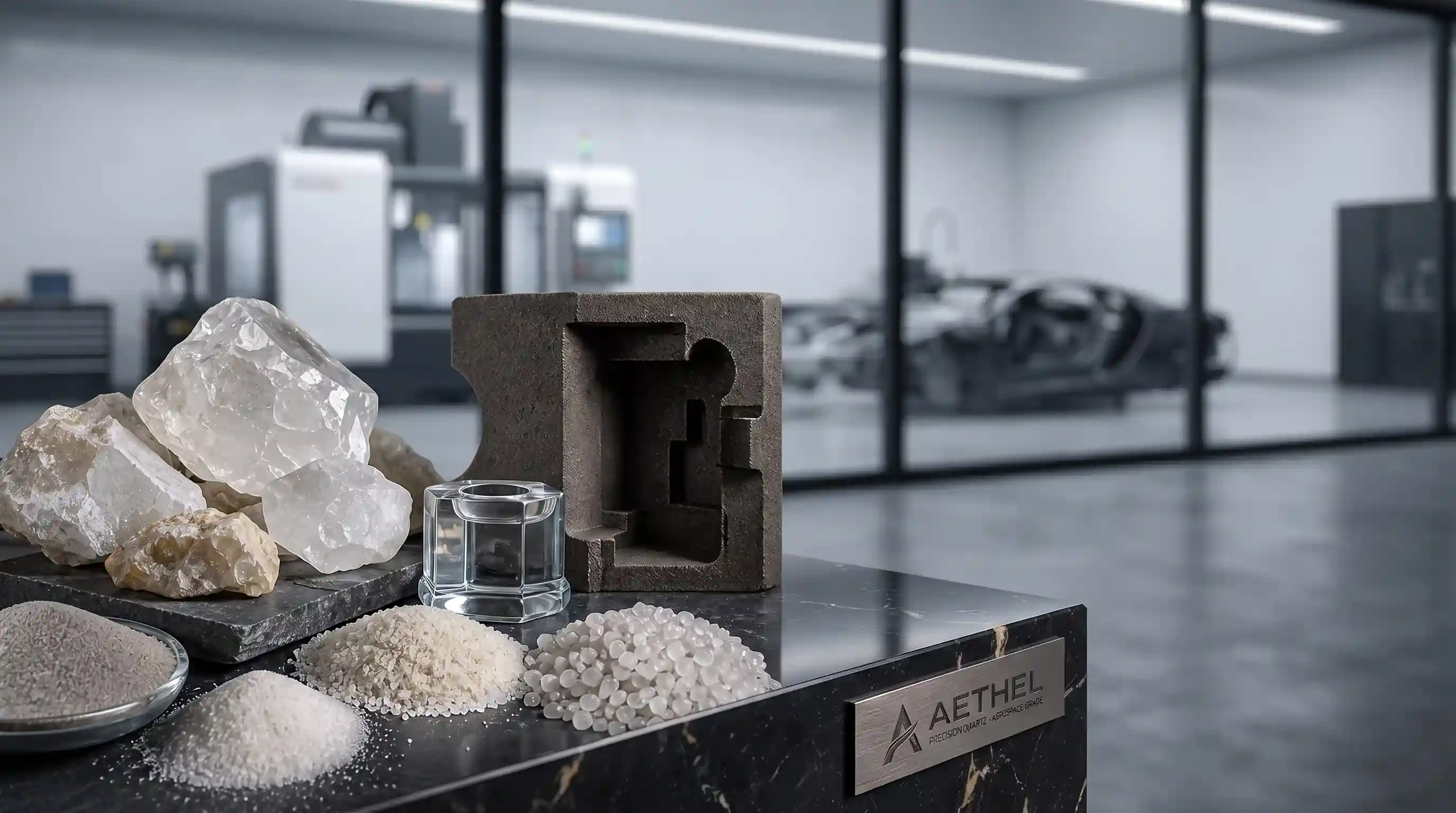
In addition to industrial and construction applications, silica is one of the most effective and widely used materials in water treatment and filtration systems. Multilayer sand filters used in municipal water treatment plants, swimming pools, and industrial wastewater treatment units owe a major part of their efficiency to the specific particle sizing of this mineral. The geometric shape of the particles and the high hardness of this material allow it to function as an efficient filtering bed.
In these systems, suspended particles, mud, turbidity agents, and physical impurities present in the water are trapped when passing through the sized bed of this material. The specified and controlled mesh range of this material in filters ensures that the water pressure drop remains at a standard level while the separation efficiency of suspended particles reaches the maximum possible limit. This feature is of vital importance for clarifying swimming pool water and drinking water.
Through precise processing and standard sizing of this material for filtration industries, the Kani Sang Amiran project provides a product free from harmful pollutants and with a suitable particle size distribution. Easy washing of the filter bed (backwashing) and the high durability of this material compared to other filtration media make it the most economical option for facility managers and treatment plants.
Prospects for Supplying and Purchasing High-Quality Silica from Kani Sang Amiran
Choosing a reputable supplier for industrial minerals guarantees production line continuity and the final product quality. Silica, as a strategic raw material in the glass, casting, ceramics, building materials, and filtration industries, requires strict quality control during the extraction, crushing, and sizing stages. Utilizing rich mines and advanced processing technologies, the Kani Sang Amiran project has been able to supply a comprehensive range of this product in the 10 to 450 mesh range to the market.
To obtain more information about technical specifications, stock inquiries, and order placement for this product, you can visit the dedicated Silica page and communicate with the sales experts of the group. The goal of this collection is to provide expert consulting and timely supply of raw materials with the highest quality standards for various industries across the country.
Continued iovation in production processes, ongoing quality control in equipped laboratories, and responsiveness to custom customer needs have made Kani Sang Amiran a reliable partner for manufacturing industries. By investing in premium raw materials, domestic industries can upgrade product quality and solidify their position in domestic and inteational markets.
| Row | Frequently Asked Question | Short Answer |
|---|---|---|
| 1 | What is silica and what are its applications? | It is a stable mineral compound with the formula silicon dioxide, used in glassmaking, casting, ceramics, building materials, and filtration. |
| 2 | What is the mesh range of silica produced by Kani Sang Amiran? | This product is processed and supplied in the range of 10 to 450 mesh. |
| 3 | What is the role of silica in the glassmaking industry? | This material is the main and essential component of the glass network structure and adjusts the melting point and product transparency. |
| 4 | Why is this material used in casting? | Due to its high melting point, thermal stability, and suitable strength, it is used for making sand molds and refractories. |
| 5 | What is the application of silica in filtration and swimming pools? | It is used as a sand filtering bed to separate suspended particles and clarify water in treatment plants and swimming pools. |
| 6 | What is the role of this material in ceramic and tile industries? | It acts as a non-plastic skeleton in the body and a property adjuster in ceramic glazes. |
| 7 | Is this material also used in building materials? | Yes, it is used in the production of specialized concretes, dry mortars, tile adhesives, and industrial fillers. |
| 8 | How can this product be purchased? | By visiting the Kani Sang Amiran website and the dedicated product page, you can place your order. |
| 9 | What is the advantage of using Kani Sang Amiran products? | High quality, precise sizing, optimal chemical purity, and compliance with industrial standards. |
| 10 | Do different mesh sizes have different effects on applications? | Yes, coarse meshes are used for filtration and materials, while fine meshes are used for glass, ceramics, and precision casting. |
Specialized Reference for Processing and Supplying Industrial Minerals Kani Sang Amiran
برچسب: Silica,The Role of Silica in Filtration and Swimming Pool Industries,
نویسنده: رساوب آفرین