
درباره سایت
آخرین مطالب
- استخدام أكسيد الحديد الأحمر (المغرة) في إنتاج الأسمدة الزراعية
- Why is feldspar known as a thermal flux?
- دراسة استخدام التلك الأبيض في صناعات الألياف الزجاجية
- The Application of Red Iron Oxide (Ochre) in the Production of Agricultural Fertilizers
- كيف تجد أفضل أنواع الفلسبار لمصنعك؟
- استخدام التالك الأبيض في صناعات مستحضرات التجميل، الصحة، والأدوية
- راهنمای جامع کاربرد تالک سفید در صنعت پلاستیک
- Review of the Appearance and Whiteness Features of Premium Coated Calcium Carbonate
- راهنمای کامل خرید اینترنتی سیلیس و مواد معدنی
- الدلیل الشامل لصيانة وتخزين أنواع التلك الصناعي
امکانات وب
An Introduction to White Talc and Its Importance in Industry
White talc is recognized as one of the most important and practical mineral materials in various industries, holding a special place due to its unique physical and chemical properties. With high purity and a brilliant white color, this mineral plays a key role in improving the quality of final products. The Kani Sang Amiran project, focusing on the production and supply of high-quality mineral materials, has brought standard products to the market that best meet the needs of various industries.
The use of high-quality micronized powders in production processes, in addition to improving aesthetic properties, helps significantly in optimizing costs and increasing efficiency. For more information about the details of this product, you can visit the dedicated white talc page and read its full specifications. Possessing a layered structural characteristic, this material is used as a filler and performance enhancer in industrial formulations.
Mode industries are always looking for high-quality raw materials to upgrade the quality standards of their products. Relying on strict production standards, Amiran White Talc has been able to satisfy professionals in various industrial sectors. In the rest of this article, we intend to examine in more detail the technical specifications, mesh ranges, and specialized applications of this valuable mineral to provide you with a comprehensive view.
Technical Specifications and Mesh Range of Standard White Talc
A precise understanding of technical specifications and granulation ranges is the first step in selecting the right mineral materials for production units. The mesh range of white talc produced by the Kani Sang Amiran project is in the range of 450 to 2500 mesh, a wide range that allows its use in a broad spectrum of industries. Micronized powders with higher mesh have finer particles and a larger specific surface area, which has a direct impact on the final properties of the product.
To gain more specialized information regarding the correct selection of these powders, reading the industrial talc buying guide with the best quality and reasonable price is recommended, as it provides you with valuable tips. Variety in mesh sizing allows engineers and formulation designers to choose the most appropriate granulation based on the precise needs of their process and ensure uniform distribution of particles in the material matrix.
The physical properties of white talc include high softness, a platy structure, and appropriate purity, which distinguishes it from other mineral fillers. Precise control of particle size in the micronization process ensures that the final product is free of coarse impurities and demonstrates the highest efficiency in sensitive industrial applications. These features play a significant role in the stability and uniformity of produced products.

Application of White Talc in Masterbatch and Compound Industries
Polymer industries and the production of masterbatches and compounds always require high-quality mineral fillers to improve the mechanical, thermal, and dimensional properties of plastic products. Due to its excellent compatibility with various polymers, white talc is known as one of the most widely used additives in this industry. The use of this material in compounds results in increased hardness, improved dimensional stability against heat, and reduced shrinkage of manufactured parts.
In the production of polymer masterbatches, the uniform distribution of white talc particles plays an important role in the final quality of the masterbatch and its coverage. Industrial activists can visit the guide to placing an order and inquiring about the price of white talc to lea how to supply and register an order for this product and go through the cooperation process easily. The proper combination of this mineral powder with various polymers significantly improves the performance of plastic parts.
Engineering studies show that the simultaneous use of different mineral materials can improve the properties of composites; for example, the study of the role of white barite in improving the mechanical properties of composites also clarifies other dimensions of mineral reinforcements. However, white talc remains the first choice for many compound and masterbatch manufacturers due to its layered properties and lightweight nature.
The Role of White Talc in the Paint and Industrial Coating Industry
In the paint and resin manufacturing industry, choosing the right filler has a direct effect on features such as coverage, durability, weather resistance, and matting. Due to its platy structure, white talc creates an impermeable layer against moisture and corrosive agents, which greatly increases the durability of the paint. This mineral acts as a high-quality paint extender and optimizes the consumption of titanium dioxide.
Micronized white talc powder is easily dissolved in base formulations and regulates the viscosity and flowability of the paint. The platy structure of the particles causes the paint film to have higher resistance to cracking after drying and to tolerate mechanical stresses well. These features have caused manufacturers of decorative and industrial paints to always include standard talc in their basket of raw materials.
By supplying white talc in the standard mesh range, the Kani Sang Amiran project has met the needs of paint factories for a uniform and high-quality powder. The high purity of this material prevents changes in the final color of the coating and maintains the whiteness and brilliance of the paint. The use of this mineral filler in primers and topcoats significantly upgrades production quality standards.
Application of White Talc in the Papermaking Industry
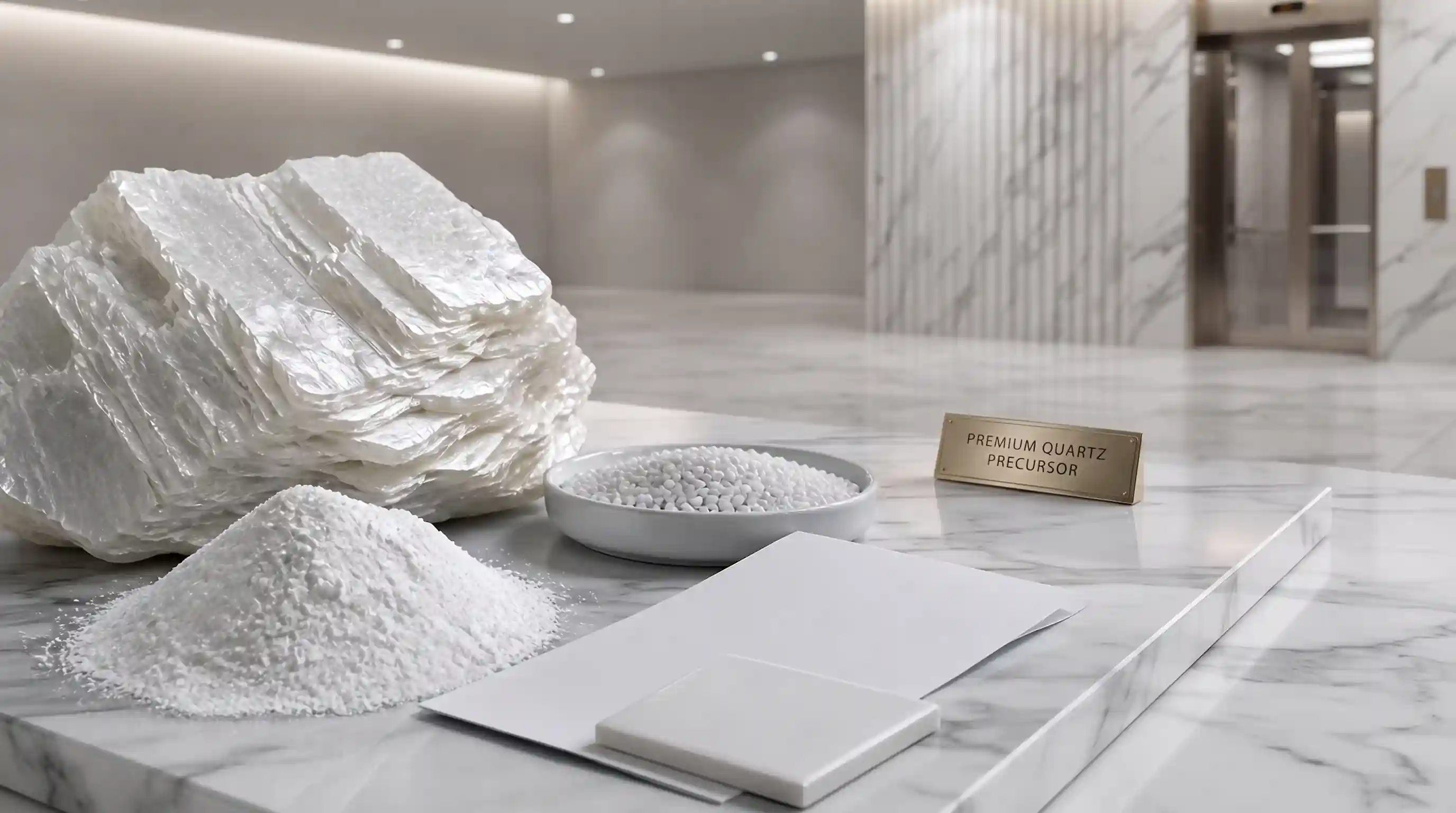
The papermaking industry is one of the major consumers of micronized minerals, using them as fillers and surface coaters for paper. Due to its desirable whiteness, degreasing, and improvement of the paper's printability, white talc has a special place in this industry. This material helps significantly in reducing ink permeability and increasing the degree of whiteness and smoothness of the paper surface.
Micronized white talc particles are placed between the cellulose fibers of the paper and fill the voids, which improves the uneveess of the paper surface and increases its opacity and matte finish. This feature is of high importance for the production of high-quality printing and writing paper. Also, the use of this material leads to a reduction in wood pulp consumption and, consequently, the optimization of production costs.
Through precise processing of mineral materials, the Kani Sang Amiran project produces powders that are free of abrasive impurities and do not cause any damage to paper machinery equipment. The proper distribution of particles in the provided mesh range guarantees the stability of the paper production process and introduces a product with high-quality standards to the market.
Application of White Talc in Ceramic and Tile Products
In the ceramic and porcelain industries, controlling thermal shrinkage and improving the strength of the fired body are major conces for production engineers. White talc is used as a fluxing agent and firing improver in the formulation of ceramic bodies and glazes. The presence of specific amounts of this mineral in the ceramic body reduces the firing temperature and results in the homogeneity of the crystal structure after firing.
The use of white talc in ceramics also prevents the occurrence of micro-cracks (crazing) in the glaze layer and increases the thermal stability of the part. Amiran's micronized powders, with appropriate purity, show ideal reactivity in ceramic firing kilns. This feature improves the mechanical and aesthetic properties of tiles, ceramics, and industrial and sanitary porcelain.
Care in selecting the appropriate white talc mesh in the ceramic industry plays a decisive role in the dissolution rate and solid-state reactions. Supplying this high-quality mineral material from a reputable source like Kani Sang Amiran assures production units that the final product will have high quality stability and that production waste will be minimized.
Economic and Qualitative Benefits of Using Amiran White Talc
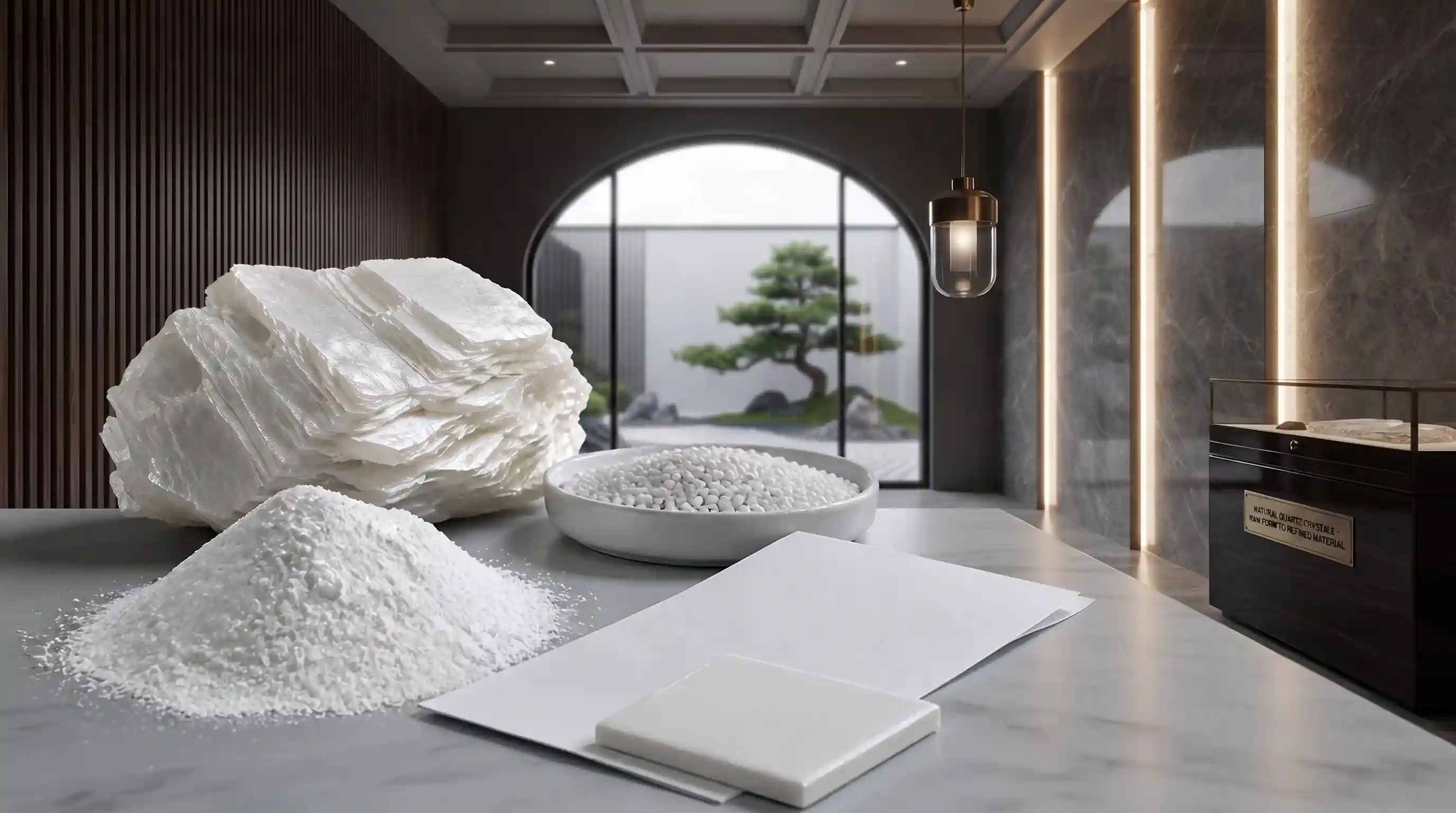
Selecting high-quality raw materials always has a direct impact on the profitability and competitiveness of industrial units. In addition to meeting the necessary technical standards, the white talc produced in the Kani Sang Amiran project is an affordable option for consumer industries. Stable access to high-quality mineral materials has resolved a major conce for many production managers.
The uniform quality and stability in the physical and chemical properties of Amiran's micronized powders ensure that production lines work without interruption and with the least amount of variation in process parameters. This quality stability prevents losses caused by fluctuations in raw materials and helps maintain the reputation of industrial brands. The 450 to 2500 mesh range allows for complete adaptation to the specific needs of each industry.
Investing in standard mineral materials significantly reduces overhead production costs and the amount of waste. Relying on technical knowledge and using advanced processing equipment, the Kani Sang Amiran collection has always tried to supply the best white talc on the market to various industries with the highest level of support services.
Summary and Conclusion
As a strategic mineral, white talc plays an unparalleled role in upgrading the quality of products in various industries such as masterbatch, compound, paint, paper, and ceramic. Features such as a platy structure, high purity, brilliant white color, and a wide mesh range (450 to 2500 mesh) have made this material the first choice for formulation engineers.
By supplying standard and high-quality white talc, the Kani Sang Amiran project has been able to cover some of the vital needs of the country's industries and act as a reliable partner alongside our dear producers. Compliance with production standards and strict quality control guarantees the high performance of this product in various industrial applications.
We hope this article has provided you with comprehensive information about the technical specifications and applications of this valuable mineral. To receive specialized advice, examine prices in more detail, and register an order, you can communicate with our sales experts through the communication chaels available on the Kani Sang Amiran website and make the best choice for your industry.

| Question | Answer |
|---|---|
| What is white talc and what are its applications? | White talc is a high-purity micronized mineral used as a filler in the masterbatch, compound, paint, paper, and ceramic industries. |
| What is the mesh range of white talc produced by Kani Sang Amiran? | This product is produced and supplied in the range of 450 to 2500 mesh. |
| Is white talc used in the plastic and compound industry? | Yes, it is very practical for increasing hardness, thermal stability, and improving the mechanical properties of compounds and masterbatches. |
| What is the role of white talc in the paint industry? | It acts as a paint extender, improves coverage, and creates resistance against moisture and cracking. |
| Why is white talc used in papermaking? | It is used to increase whiteness, surface smoothness, opacity, and to improve the printability of paper. |
| What is the application of white talc in ceramics? | It is used as a fluxing agent, to reduce firing temperature, and to prevent micro-cracks in the ceramic body and glaze. |
| How can I order Amiran white talc? | By visiting the Kani Sang Amiran project website and the ordering guide section, you can inquire about prices and make a purchase. |
| What is the advantage of using micronized white talc powder? | Uniform particle distribution, high purity, brilliant whiteness, and improving the final quality of industrial products are its main advantages. |
| Does the color of white talc affect the final product? | No, due to its high whiteness and lack of impurities, it does not cause any undesirable color change in the product. |
| How can I read the full specifications of this product? | Full specifications can be viewed on the dedicated white talc page on the Kani Sang Amiran website. |
Kani Sang Amiran Project — The specialized reference for the production and processing of mineral materials and standard micronized powders.

برچسب: White Talc,Getting to Know the Analysis and Technical Specifications of Standard White Talc,
نویسنده: رساوب آفرین