
درباره سایت
آخرین مطالب
- تأثیر تالک صنعتی در کاهش وزن نهایی قطعات پلاستیکی
- تاثیر دانهبندی میکرونیزه باریت سفید بر کیفیت نهایی محصول
- نقش کائولن در صنعت فایبرگلاس و کامپوزیتسازی
- تأمین اکسید لیمونیت (گل ماش) با مش ۴۵۰ تا ۱۵۰۰ برای صنایع
- چگونه مشخصات فنی تالک صنعتی را بررسی کنیم؟
- Introduction to the Largest Mines for Extraction and Processing of White Barite
- دليل الاستشارة المهنية لشراء كربونات الكالسيوم
- Golden Tips for Choosing the Right Silica for Your Production Line
- Investigating the Effect of Moisture on the Final Quality of Industrial Barite
- The Role of Silica in Improving the Rheological Properties of Industrial Materials
امکانات وب
Introduction to the Importance and Status of Silica in Mode Industries
Minerals are recognized as the backbone of industrial and economic development in communities, and among them, silica is one of the most widely used and vital elements in the Earth's crust, playing an irreplaceable role in advancing various technologies. Due to its unique physical and chemical properties, this valuable mineral has made its way into a wide range of manufacturing and engineering industries. A precise understanding of the characteristics, grain sizing, and processing methods of this material is the key to optimizing production processes in large industrial factories.
At the Kani Sang Amiran project, the primary focus is on supplying and processing a variety of high-quality minerals, including silica, to best meet the needs of various industries. The importance of this material becomes even more apparent when we know that the final quality of strategic products such as glass, ceramics, and construction materials directly depends on the purity and grain size characteristics of this mineral. A deep understanding of this relationship prompts producers to act with greater precision when selecting raw materials.
To better understand the related industrial processes, it is suggested that you read A Specialized Review of the Production and Processing Trend of Industrial Silica to become more familiar with the technical details and preparation stages of this mineral. The production process of this material includes crushing stages, precise granulation, and impurity separation to prepare a homogeneous and high-quality product ready for use in sensitive industries.
Technical Characteristics and Mesh Size Range of Produced Silica
Technical specifications and particle dimensions are the main determinants of the application of minerals in various production lines. The silica supplied in the collections has a standard mesh range of 10 to 450 mesh, and this wide span makes it possible to use in the most diverse industrial processes. The granulation of this material plays a direct role in the mechanical, thermal, and chemical properties of the final product.
Choosing the appropriate mesh for each industrial application requires technical knowledge and careful review. For example, coarser meshes may be used in construction materials and sandblasting, while very fine meshes (up to 450 mesh) are required for sensitive industries such as advanced ceramic production and specialized glassmaking. Granulation quality and particle size uniformity are among the key parameters in determining production efficiency.
By utilizing mode granulation equipment, Kani Sang Amiran Company offers a product with precise industrial standards. For more complete information about its technical specifications, you can visit the specialized Silica page. Compliance with granulation standards will reduce waste in production lines and improve the quality of the final product.
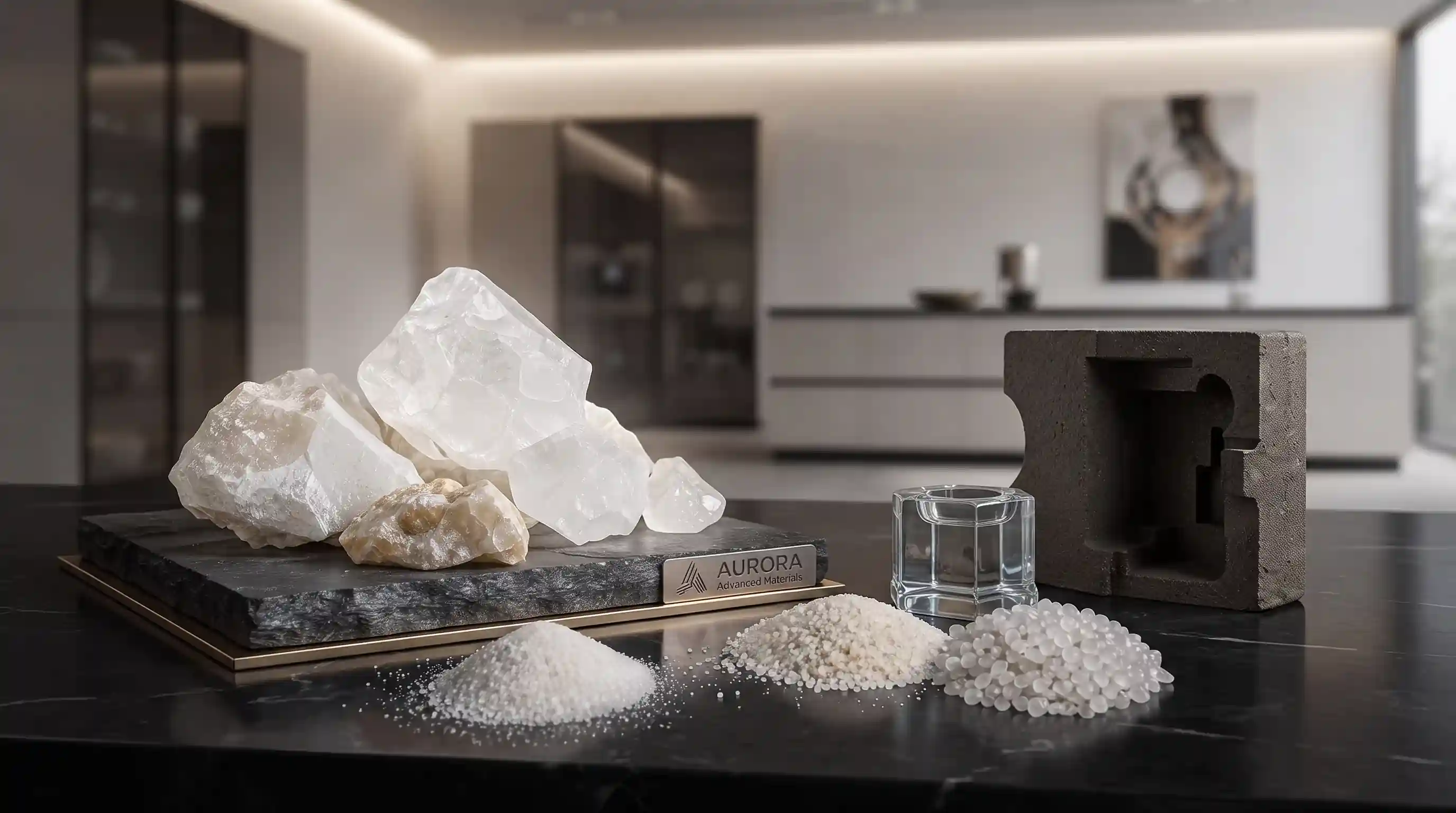
Widespread Application of Silica in the Glassmaking Industry
The glass industry is one of the oldest yet most advanced consumer fields of silica. This mineral acts as the main structural component in forming the glass network and guarantees the melting point, mechanical strength, and chemical stability of glass products. Without the presence of this high-quality material, the production of various flat glasses, packaging bottles, and transparent containers is practically impossible.
In the glass production process, the chemical purity of the raw material is of paramount importance because the presence of impurities such as iron oxide can impart an undesirable color to the glass or weaken its structure. For this reason, mineral suppliers strive to provide a product with the lowest amount of impurities and in compliance with the strict standards of the glass industry through precise processing.
In addition to ordinary glass, this material also plays a decisive role in the production of various specialized glasses, glass fibers, and optical products. The precise matching of the mesh size of this material with the requirements of glass melting fuaces increases thermal efficiency and reduces energy consumption in production units.
The Vital Role of Silica in Foundry Products
The foundry industry is heavily dependent on refractory materials that are stable against high temperatures, and silica, due to its high melting point and excellent thermal stability, is used as one of the main components in molding and foundry sands. This material helps in the precise shaping of metal parts and prevents mold deformation during the injection of molten metal.
The physical properties of this mineral are such that it gives suitable flowability to the molding sand and easily separates from the surface of the part after casting. Precise control of its granulation is extremely vital in the foundry industry, because the appropriate porosity of the mold for escaping gases resulting from casting depends directly on the sand granulation.
Alongside the use of this material, other mineral industries are also employed to improve the properties of composites and coatings; among these materials, we can point to the study of the role of white barite in improving the mechanical properties of composites in Reviewing the Role of White Barite in Improving the Mechanical Properties of Composites, which has extensive applications in materials engineering. The appropriate combination of these minerals enhances the overall quality of industrial parts.
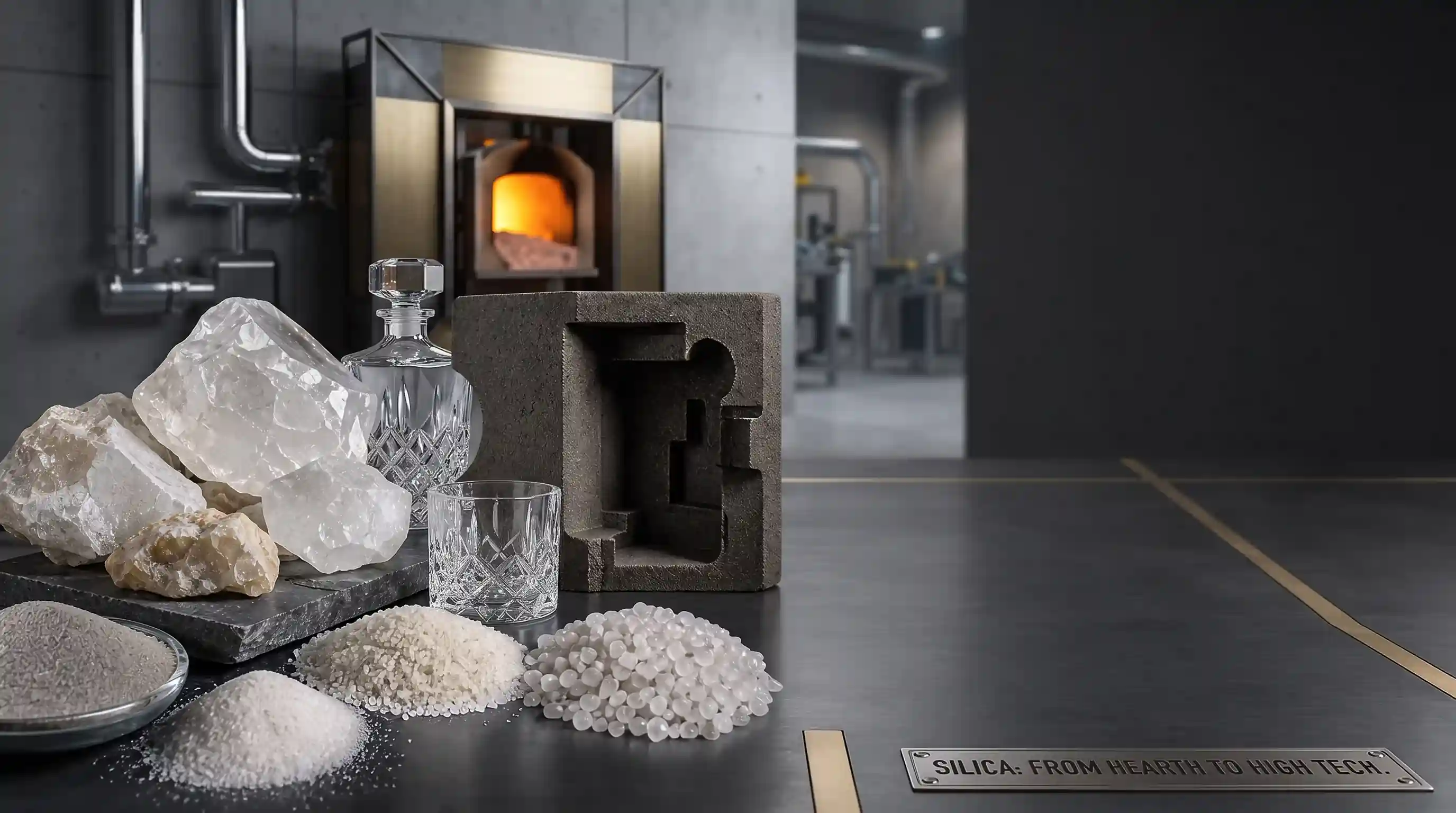
Application of Silica in the Production of Ceramic Products
Industrial ceramics is an industry that requires extremely homogeneous and high-quality raw materials, and silica accounts for a major share in the body and glaze formulation of ceramic products. This material acts as a non-plastic skeleton in the ceramic body, which prevents severe product deformation during the firing process in the kiln.
The presence of this material in ceramic glazes also significantly helps in creating a glassy, glossy, and wear-resistant surface. Precise adjustment of its proportion with other raw materials such as clay and feldspar controls the final properties of the product, including thermal expansion coefficient and mechanical strength.
In the field of coatings and related industries, minerals also play important complementary roles; for example, studying the article Reviewing the Effect of Kaolin on Gloss and Durability of Industrial Coatings provides useful information about the synergy of minerals in the coating and ceramic industries, which can be very insightful in industrial formulations.
Application of Silica in Construction Materials and Civil Engineering
The construction and civil engineering industry is another major consumer of silica, utilizing this material in the production of high-strength concrete, dry mortars, lime-sand bricks, and various resistant coatings. The pozzolanic and filler properties of this material improve adhesion, increase density, and enhance the durability of concrete structures against environmental factors.
In the production of specialized concrete, the use of fine mesh sizes of this mineral causes the micro-pores to be filled and drastically reduces concrete permeability, which plays a significant role in increasing the lifespan of structures in corrosive environments. The quality and purity of the sand used in massive concrete pouring are of vital importance.
By supplying various meshes of this mineral, the Kani Sang Amiran project answers the needs of contractors and construction material producers for standard raw materials so that national and inteational standards are best observed in civil projects.

Production Process, Crushing, and Quality Control of Silica
Converting raw mineral rocks into standard silica powders and granulations requires an advanced processing chain including extraction, primary and secondary crushing, washing, grinding, and precise granulation. Throughout all these stages, continuous quality control is performed to prevent the entry of impurities into the final product.
The use of mode magnetic separation equipment to remove free iron particles and precise control of particle size distribution using advanced vibrating screens guarantee the high purity and quality of the final product. Industrial standards dictate that the output product must be completely homogeneous and free from organic matter or excess moisture.
This meticulous attention to detail in Kani Sang Amiran's production lines has made this collection known as a reliable mineral supplier, and various industries use these products with complete peace of mind in their sensitive production lines.
Guide to Selecting and Purchasing Silica Based on Industrial Needs
The correct selection of the type and mesh size of silica based on the final application has a direct impact on production costs and the quality of the output product. Before placing an order, buyers and production managers must carefully examine parameters such as chemical purity percentage, mesh distribution (from 10 to 450 mesh), and allowable moisture content to procure a product that completely matches their needs.
The technical consultants of the Kani Sang Amiran project are ready to assist various industries in choosing the best option by providing accurate information and specialized analyses. Communicating with sales experts and examining laboratory samples will guarantee a secure and optimal purchase for manufacturing factories.
Relying on quality standards and a commitment to the sustainable supply of minerals, this collection strives to create high added value for industries dependent on glass, foundry, ceramics, and construction materials, and to be a reliable partner for the country's industrial development.
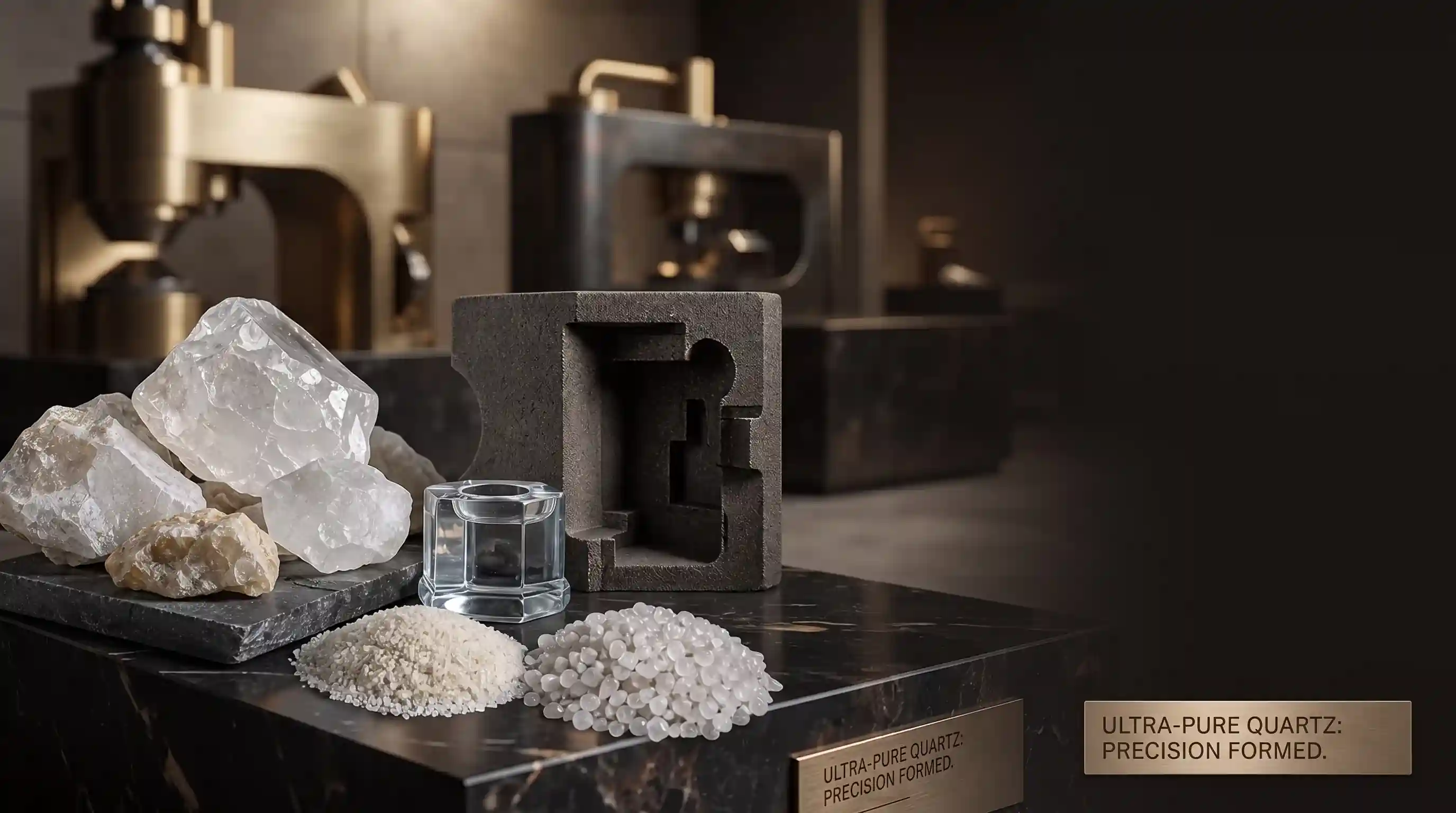
| Question | Answer |
|---|---|
| What is silica and what are its applications? | Silica is a valuable mineral that has widespread applications in the glass, foundry, ceramic, and construction materials industries. |
| What is the mesh size range of the provided silica? | This mineral is supplied and offered in the range of 10 to 450 mesh. |
| Does silica purity affect glass quality? | Yes, high purity and being free of iron oxide are vital for glass transparency and quality. |
| What is the role of silica in the foundry industry? | It is used as molding sand and a refractory material due to its high melting point and thermal stability. |
| Why is silica used in ceramic manufacturing? | It is used as a non-plastic skeleton in the body and a gloss-imparting agent in ceramic glaze. |
| What is the application of silica in construction materials? | It is consumed in the production of high-strength concrete, dry mortars, and lime-sand bricks to improve density. |
| How can the appropriate mesh be chosen? | It is selected based on the production line's requirements and with the consultation of Kani Sang Amiran's technical experts. |
| Is Kani Sang Amiran a mineral producer? | Yes, the Kani Sang Amiran project operates in the field of production and processing of minerals. |
| How can one gain more information about silica production? | By studying the specialized article on reviewing the production and processing trend of industrial silica on the Kani Sang Amiran website. |
| How can one proceed to purchase silica? | It is possible through visiting the silica product page on the Kani Sang Amiran website. |
Specialized reference for supply and processing of minerals, Kani Sang Amiran.

برچسب: Silica,Specialized Review of Silica Types and Their Key Applications,
نویسنده: رساوب آفرین