
درباره سایت
آخرین مطالب
- Benefits of Using White Talc in Paint and Resin Formulations
- كيفية اختيار التلك الصناعي المناسب لصناعتك
- سیلیس چیست؟ راهنمای جامع کاربردهای این ماده معدنی در صنایع مختلف
- السيليكا أم البنتونيت؟ أي معدن مناسب لصناعتك؟
- 7 Applications of Industrial Talc in Various Industries You Should Know
- مزایای استفاده از تالک سفید در فرمولاسیون رنگها و رزینها
- التطبيق المتخصص لكربونات الكالسيوم المغلفة في صناعة أعمدة الأبواب والنوافذ
- What is White Talc? Applications and Benefits of This Mineral in Industries
- What is the Difference Between Silica and Calcium Carbonate in Manufacturing Industries? A Complete Review
- تالک صنعتی یا کربنات کلسیم؟ مقایسه کاربرد و قیمت در صنعت
امکانات وب
Introduction to the Importance of Standards in Kaolin Production and Processing
Precise understanding of national and inteational standards for minerals, especially kaolin, plays a key role in ensuring the quality and efficiency of final products. As a hydrated aluminum silicate, kaolin has secured a special position in various industries due to its unique physical and chemical characteristics. The process of extraction, sizing, and micronizing of this mineral must be carried out based on specific regulations to best cover the needs of consumer industries.
In the Amiran Mineral Stone project, efforts are made to observe quality standards in the processing of this mineral by utilizing mode technologies. Familiarity with these standards helps engineers and producers make the best choices for their production lines and prevent capital waste. The importance of this issue becomes even more apparent when we realize that even minor changes in the purity or particle size distribution of kaolin can affect the quality of the final product.
Review of Physical and Chemical Characteristics of Standard Kaolin
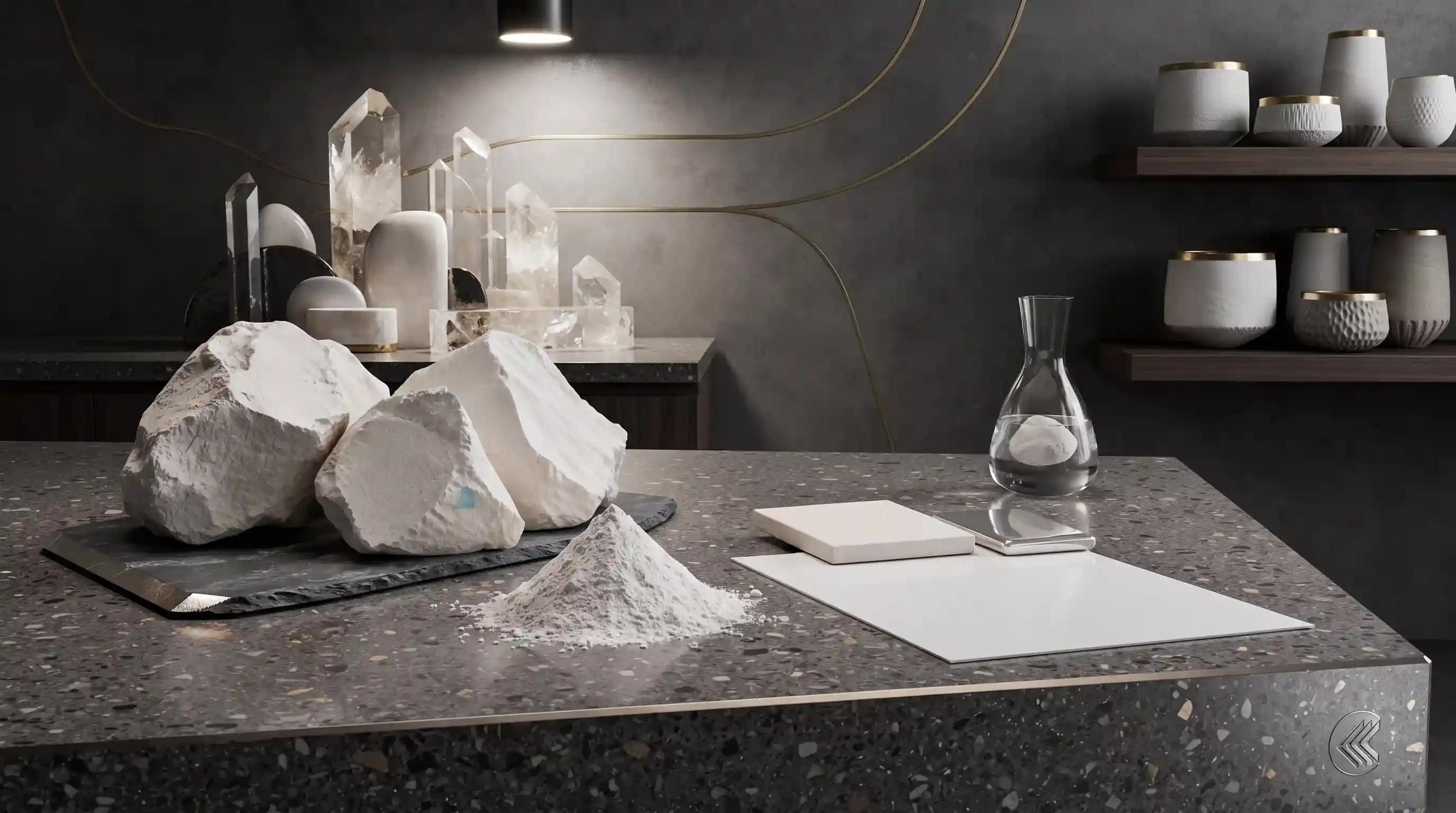
Standard kaolin possesses specific characteristics that distinguish it from other industrial clays. A white color, high chemical stability, appropriate plasticity, and the absence of harmful impurities are considered the most important quality parameters of this material. The standard mesh range of this product typically varies between 450 to 1500 mesh, indicating the high precision of the micronization process in its production.
To better understand the behavior of this powder in industrial processes, a careful study of technical specifications is important. For example, in the Reviewing the Technical Benefits of Using Kaolin in Ceramics, important points regarding how this material interacts with other formulation components are pointed out. These characteristics help ensure that the manufactured products have the highest resistance and quality.
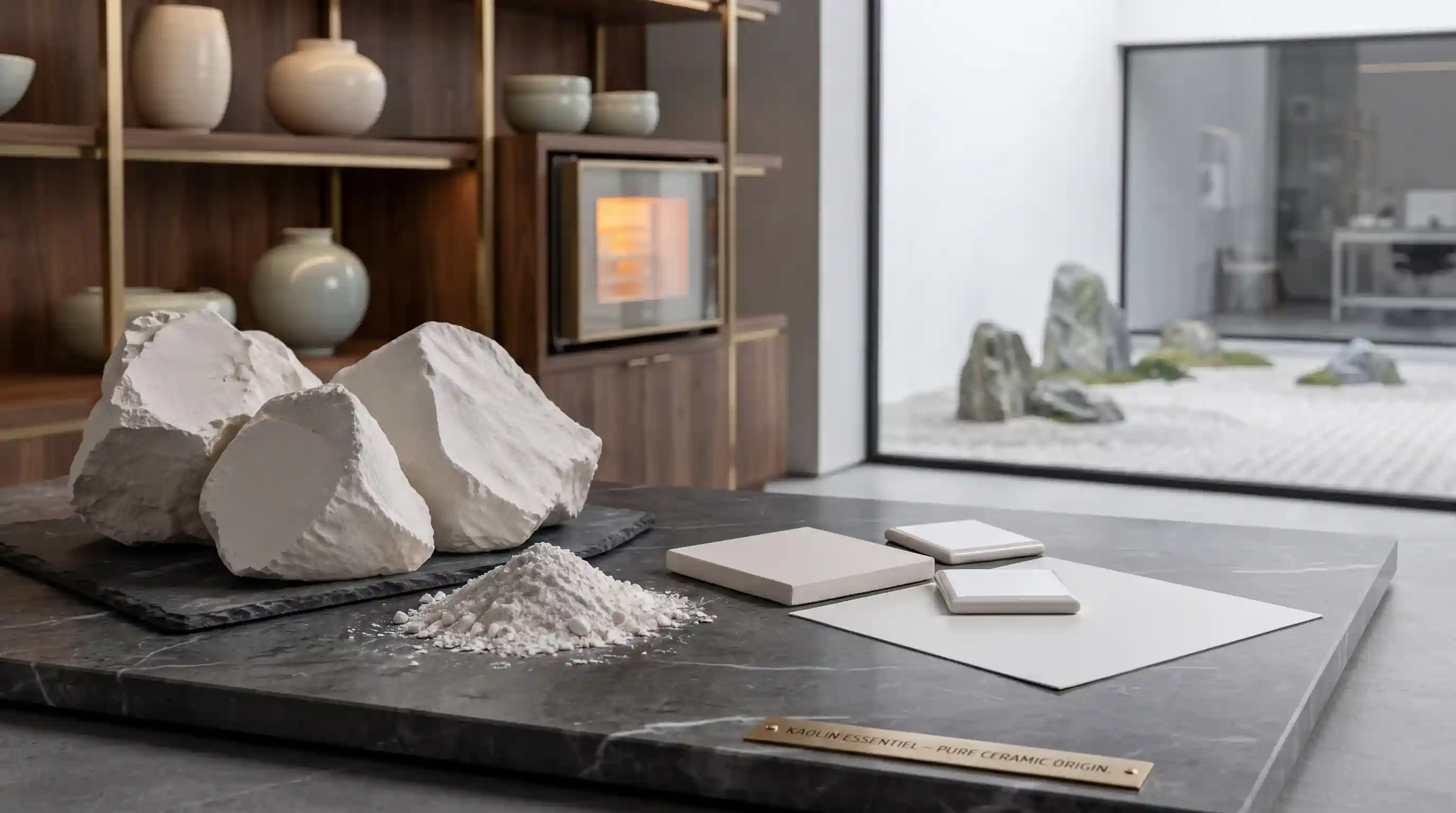
Kaolin Mesh Grading and Sizing Standard (450 to 1500 Mesh Range)
One of the most important factors in evaluating the quality of kaolin powder is its particle size and mesh. The 450 to 1500 mesh range covers a wide spectrum of applications, each requiring a specific degree of fineness. Lower meshes are typically used in applications requiring coarser fillers, while high meshes (up to 1500 mesh) are used to create very smooth surfaces and uniform coatings.
Precise control of mesh grading in production lines requires advanced separation and classification equipment. Interestingly, comparing sizing standards in other minerals follows similar pattes; as also examined in detail in Reviewing Mesh Grading Standards in Various Coated Calcium Carbonates. Adhering to these standards guarantees quality consistency across high-volume production runs.
Application of Kaolin in the Tile, Ceramic, and Glaze Industry
The tile and ceramic industries are among the largest consumers of kaolin. The presence of this material in tile bodies and ceramic products improves mechanical strength, reduces firing shrinkage, and increases the whiteness of the final product. Additionally, in glaze formulations, kaolin acts as a suspending agent and a glaze adhesion enhancer.
To access more complete information and purchase this high-quality product for your ceramic and tile industries, you can visit the dedicated Kaolin page. There, the exact specifications of the 450 1500 mesh range are fully mentioned, which will meet the requirements of the most demanding ceramic and glaze production lines.
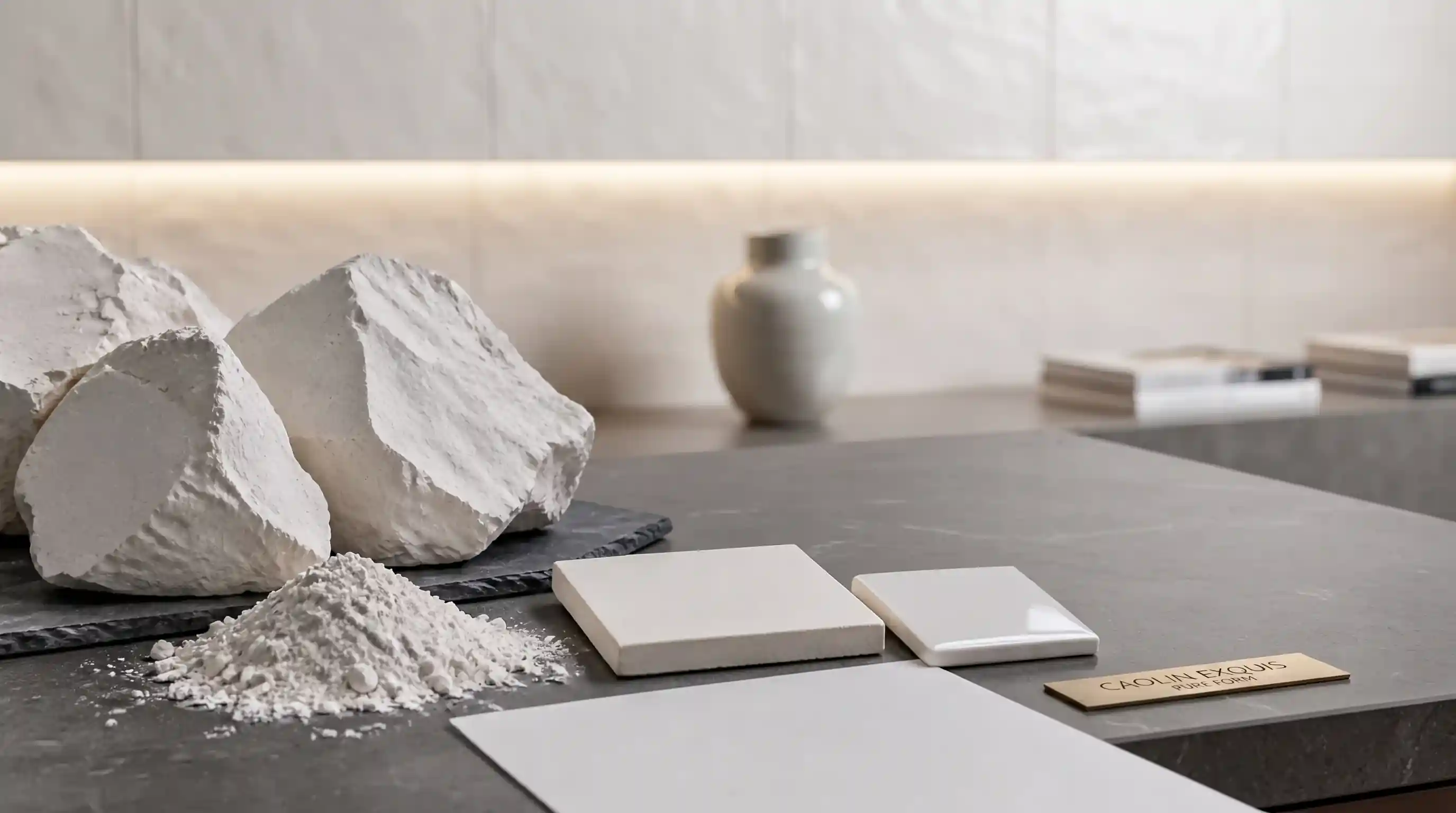
The Role of Kaolin in the Papermaking Industry and Its Quality Standards
In the papermaking industry, kaolin plays a vital role as a filler and coating. The use of high-mesh kaolin powder fills the voids between cellulose fibers, resulting in a dramatic increase in paper surface smoothness, brightness, opacity, and printability.
Inteational papermaking standards require kaolin with a minimum of iron and titanium impurities to preserve the final whiteness of the paper. The micronized powder supplied by the Amiran Mineral Stone project is produced with high precision and provides the necessary stability for use in advanced papermaking industries without causing any issues in the coating processes.
Kaolin Standards in the Paint and Architectural Coatings Industry
The paint and architectural coatings industry is another domain where kaolin is widely applied. This material acts as a bulking pigment and a rheological property improver for paint, and significantly helps reduce titanium dioxide consumption.
To lea about the profound impacts of this mineral on the final properties of paints, reading the article Reviewing the Benefits of Using Kaolin in Architectural Paints will be very helpful. Using kaolin with an appropriate mesh in paint formulations increases abrasion resistance, improves coverage, and enhances the optical stability of the paint film.
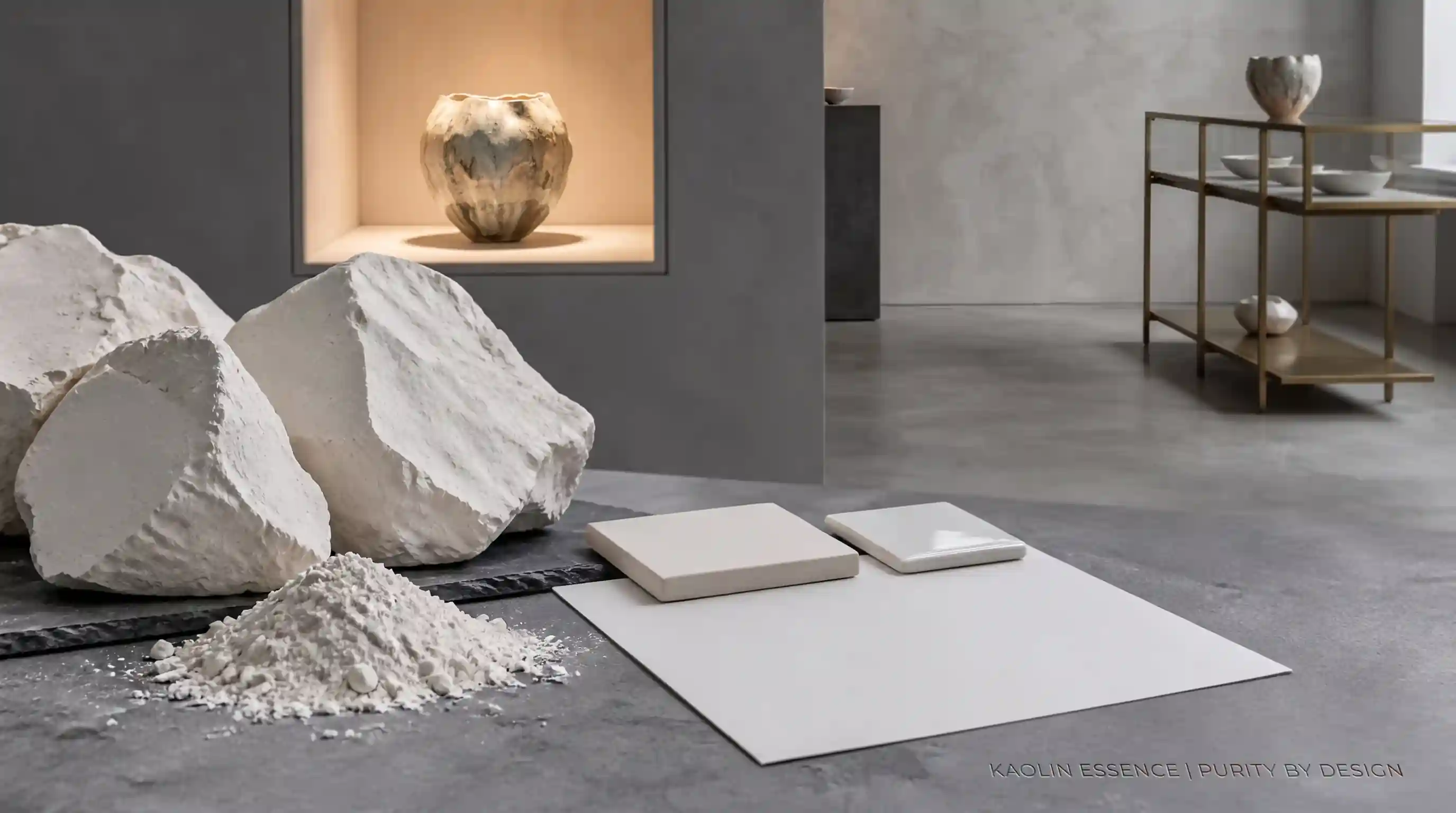
Quality Control and Laboratory Methods for Kaolin
Ensuring the compliance of kaolin with national and inteational standards requires performing strict quality control tests across all stages of production. These tests include determining particle size distribution (PSA), measuring whiteness levels with spectrophotometer devices, measuring moisture, and determining chemical composition through X-ray fluorescence (XRF) methods.
By continuously monitoring these parameters within the 450 1500 mesh range, the Amiran Mineral Stone project supplies a uniform and reliable product to the market. These tests guarantee that the delivered powder precisely matches the technical needs of the tile, ceramic, glaze, paper, and paint industries, without causing any fluctuations in final quality.
Market Outlook and the Importance of a Reliable Kaolin Supplier
Choosing a reliable supplier for basic mineral raw materials like kaolin ensures continuous production and the preservation of final product quality. Given the daily expansion of consumer industries and the need for stricter quality standards, mineral producers must move in step with mode technologies.
As a mineral producer focusing on the precise processing of kaolin across various mesh ranges, the Amiran Mineral Stone project has successfully met the country's key industrial demands in the best possible way. Observing production standards and adhering to quality is the primary strategy for sustainable development in today's competitive market.
| Question | Answer |
|---|---|
| What is the mesh range of Amiran kaolin powder? | The mesh range of this product varies between 450 to 1500 mesh. |
| What are the main applications of kaolin? | Tiles, ceramic products, glazes, paper, and paint. |
| Is kaolin used in the paint industry? | Yes, it is used as a filler and to improve coating properties. |
| What is the role of kaolin in ceramics? | Improving mechanical strength and reducing firing shrinkage. |
| What is the effect of kaolin on the papermaking industry? | Increasing surface smoothness, brightness, and printability. |
| Where is the kaolin product introduced? | On the website of the Amiran Mineral Stone project. |
| Is the kaolin mesh grading adjustable? | Yes, it is offered in the 450 to 1500 mesh range. |
| How can kaolin be ordered? | Through the dedicated product page on the Amiran Mineral Stone website. |
| What is the appearance characteristic of standard kaolin? | White color and high chemical stability. |
| What is the advantage of using kaolin in glazes? | Acting as a suspending agent and improving adhesion. |
Reference: National and inteational standards for mineral quality control and kaolin processing.
برچسب: Kaolin,Review of National and International Standards for Kaolin Powder,
نویسنده: رساوب آفرین