
درباره سایت
آخرین مطالب
- تأثیر کیفیت سیلیس بر دوام و استحکام بتن صنعتی
- انتخاب بهترین دولومیت مش 10 تا 40 کاربردی در تولید شیشه
- انتخاب بهترین دولومیت مش 10 تا 40 کاربردی در تولید شیشه
- بهترین دولومیت صنعتی برای مصارف شیشه و مصالح ساختمانی
- دليل تقديم طلب شراء أكسيد الليمونيت (جول ماش)
- مزایای استفاده از اکسید لیمونیت (گل ماش)
- نقش تالک صنعتی در صنایع گچ و مصالح ساختمانی
- Benefits of Using Limonite Oxide (Gol Mash)
- دور التلك الصناعي في صناعات الجبس ومواد البناء
- The Impact of Silica Quality on the Durability and Strength of Industrial Concrete
امکانات وب
An Introduction to the Role of Coated Calcium Carbonate in the Automotive Industry
The automotive industry has always been a pioneer in using advanced materials, compounds, and lightweight, durable polymer parts. Improving quality, reducing final vehicle weight, enhancing mechanical properties, and lowering production costs are considered the primary goals for materials engineers and automotive part designers. In this context, the use of modified minerals and functional fillers plays a very prominent role. Coated calcium carbonate has found a special place in the formulation of automotive parts due to its unique surface properties and exceptional compatibility with polymer matrices. This processed material significantly contributes to improving the physical properties of parts.
In the process of manufacturing automotive polymer parts, uniform distribution of fillers and the absence of particle agglomeration are of vital importance. Coating particles with specific substances significantly improves the dispersion process. For a better understanding of the chemical and physical mechanisms affecting this improvement, reading the article Investigating the Impact of Stearic Acid in Coated Calcium Carbonate Coating provides invaluable information for professionals that leads to the optimization of industrial formulations.
The Kani Sang Amiran project, as a specialized producer of minerals, supplies this material with precise specifications for various industries. Choosing the correct mesh and high-quality processing has a direct role in the efficiency of final polymer parts. In the following chapters, we will examine the technical, mechanical, and economic dimensions of this material in the automotive industry.
Technical Characteristics and Mesh Range of Coated Calcium Carbonate
Accurately understanding the technical characteristics and physical specifications of raw materials is the foundation of engineering design in advanced industries. The material coated calcium carbonate, with a wide mesh range between 450 and 3500 mesh, provides high flexibility for engineers. This mesh range is selected according to the type of application, the base polymer type, and the mechanical requirements of the final part to achieve the best performance.
Diversity in mesh sizing allows manufacturers to use this material in producing compounds, polymer granules, and precise profiles. The fineness of the particles in high meshes (up to 3500 mesh) leads to an increase in surface area and an improvement in impact resistance and the appearance of the parts. This feature becomes doubly important for inteal and exteal automotive parts that require a polished and flawless surface.
The high processing quality at the Kani Sang Amiran project ensures the purity and uniformity of the products. To lea more about the full range of products and technical specifications, you can visit the official page for Coated Calcium Carbonate and receive documented information. Matching particle size with the needs of the production line is the key to success in automotive plastic extrusion and injection molding.
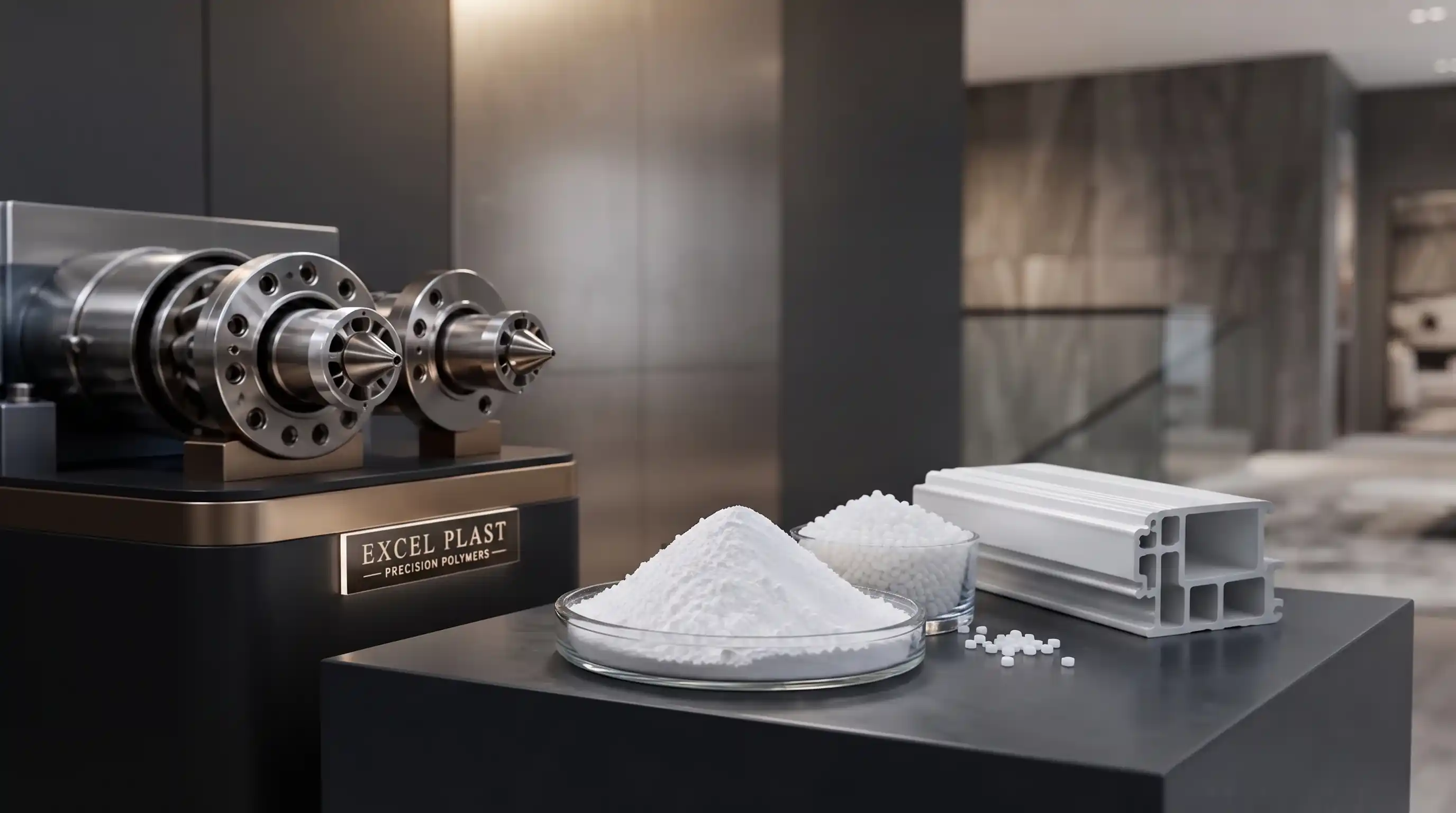
Application of Coated Calcium Carbonate in Automotive Compounds and Polymer Granules
Compounds and polymer granules are the raw materials for manufacturing a large portion of dashboard parts, bumpers, hubs, and under-the-hood components of a car. The presence of coated calcium carbonate in these compounds improves the modulus of elasticity, dimensional stability, and reduces part shrinkage during cooling. The surface coating of the particles prevents them from clumping and causes the particles to be dispersed completely homogeneously in the polymer matrix.
In the process of producing engineering granules, melt viscosity and the flow behavior of the materials are very important. Adding this modified mineral improves the rheological behavior of the compound and makes the extrusion process smoother. This significantly helps reduce extruder pressure and increases the useful life of production equipment.
Manufacturers of polymer parts, by utilizing appropriate meshes (from 450 to 3500 mesh), can create an unparalleled balance between mechanical properties, weight, and final price. This scientific approach to formulation enables automotive components to successfully pass the stringent standards of the automotive industry.
The Role of Coated Calcium Carbonate in the Production of Automotive Profiles and PVC Parts
Profiles, sealing strips, hoses, and PVC parts are widely used in the automotive industry. Resistance to weather conditions, ultraviolet rays, temperature changes, and mechanical stresses are the primary requirements for these parts. Using coated calcium carbonate in rigid and soft PVC formulations significantly increases impact resistance and thermal stability.
The hydrophobic property of coated particles prevents the filler from absorbing moisture, and as a result, the electrical and mechanical properties of polymer parts are maintained over time. Technical reviews show that this material plays a direct role in improving the surface quality of automotive profiles and prevents peeling or uneveess in the cross-section.
To maximize productivity in profile and extruded part production lines, studying specialized documentation is important. In this regard, the article Investigating the Technical Benefits of Coated Calcium Carbonate in Extrusion provides key scientific tips regarding the improvement of the production process.
Improving Automotive Wiring Systems and Cables
The electrical system and wiring of a car require high-quality and safe insulation coatings. Automotive cables must have complete resistance against engine heat, industrial oils, abrasion, and constant bending. Coated calcium carbonate is used as a premium mineral filler in the polymer insulation of cables to improve the dielectric properties and tensile strength of the cable sheath.
The surface coating of the particles creates a strong bond between the filler and the insulating polymer, which prevents moisture penetration and short circuits. Also, using the appropriate mesh (usually finer meshes) in cable compounds provides the necessary flexibility for wiring in various angles of the car body.
The Kani Sang Amiran project, by supplying standard mineral powders, covers the automotive cable industry's need for high-quality raw materials. This has significantly contributed to the production of standard and safe wiring in the national and inteational automotive industry.
Application in Automotive Flooring and Interior Parts
The interior section of a car and parts such as floor mats, molded carpets, and dashboards require raw materials that, in addition to high durability, are free of unpleasant odors and have form stability. Coated calcium carbonate, due to its high purity and negligible amount of volatile substances, is considered an ideal option for these categories of applications.
Adding this material to the formulation of automotive flooring increases resistance to wear caused by passenger traffic, improves tear resistance, and preserves the initial appearance of the product in the long term. Also, the homogeneous distribution of particles prevents the creation of local weak points in the structure of the part.
Choosing the right mesh in these applications helps determine the final texture and the softness or rigidity of the flooring. Manufacturers, relying on the available mesh diversity (450 to 3500 mesh), are able to precisely achieve desired engineering properties and send high-quality, standard products to the market.
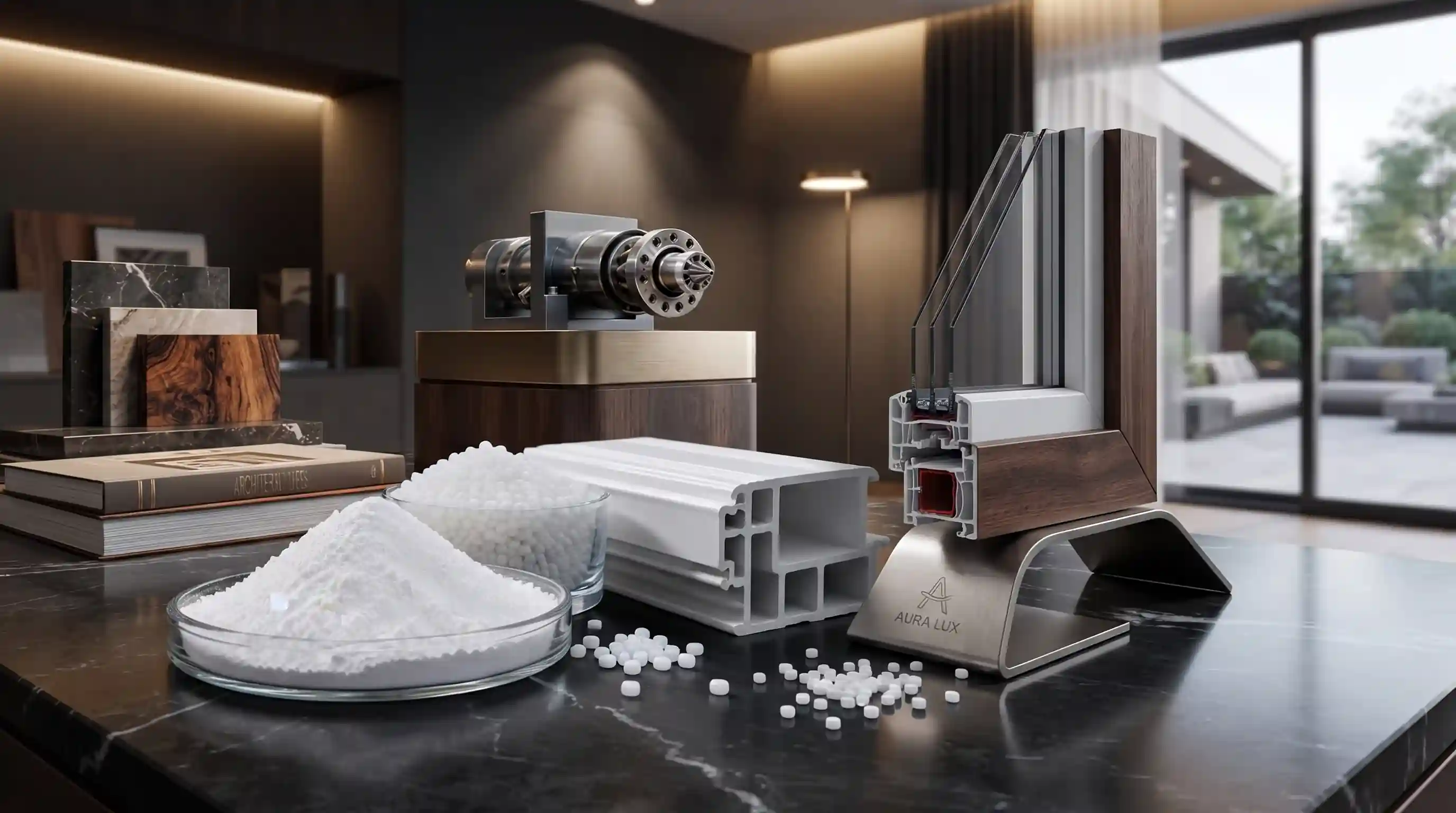
Economic Benefits and Optimization of Production Costs
In addition to technical and mechanical benefits, economic justification is one of the pillars of decision-making for industrial managers in the automotive industry. Using coated calcium carbonate as an engineered filler makes it possible to reduce the consumption of expensive base polymers without losing final quality, which leads to a significant reduction in the final cost of parts.
Improving production efficiency, reducing extrusion waste, increasing the useful life of molds, and reducing energy consumption in injection and extruder machines are other economic benefits of using this mineral material. Automotive part manufacturing factories can gain higher competitiveness in the market by optimizing their formulations.
To obtain more comprehensive information about the financial dimensions and profitability of using this mineral technology, reading the article Investigating the Economic Benefits of Using Coated Calcium Carbonate in Manufacturing is recommended to provide managers with a well-rounded perspective.
Conclusion and Future Outlook for the Application of Minerals in Automobiles
The automotive industry is moving with unprecedented speed toward lightweighting, increasing safety, reducing emissions, and improving the quality of parts. In this path, processed minerals play a key role in achieving engineering goals. Coated calcium carbonate, with superior surface characteristics, excellent compatibility with various polymers, and mesh diversity between 450 and 3500, has established its position as a strategic additive in compounds, granules, profiles, cables, flooring, and PVC parts.
The Kani Sang Amiran project, by focusing on the production and supply of standard mineral products, supports the country's polymer and automotive industries. Adherence to quality standards in the production of this material will pave the way for the development of more advanced and higher-quality parts in the future.
With the development of new technologies in the field of polymers and minerals, it is expected that the applications of this material will expand and take a larger share in the construction of lighter and more resistant car parts; an endeavor that will be for the benefit of the industry, the consumer, and the environment.
| Question | Answer |
|---|---|
| What is coated calcium carbonate? | It is a processed version of calcium carbonate with a surface coating (usually stearic acid) that is produced to improve compatibility with polymers. |
| What is the mesh range of coated calcium carbonate? | This product is offered in a mesh range of 450 to 3500 mesh, depending on the needs of industries. |
| What are the main applications of this product in the automotive industry? | Compounds, polymer granules, profiles, cables, flooring, and PVC parts are its main applications. |
| Why is the coated type used in compounds? | Because of improved dispersibility, prevention of clumping, and increasing the mechanical properties of the polymer matrix. |
| Is this material effective in reducing costs? | Yes, by reducing the consumption of expensive polymers and improving production efficiency, it has high economic justification. |
| What is the role of surface coating? | It increases the hydrophobicity of particles and strengthens the bond between the filler and the polymer. |
| Which mesh is more suitable for sensitive automotive parts? | Finer meshes (up to 3500 mesh) are used for parts with a polished surface and high impact properties. |
| Which company is the producer of this product? | Kani Sang Amiran project — Mineral production. |
| Is this material used in the production of automotive cables? | Yes, it is effective in improving the dielectric properties and strength of the insulation sheath of automotive cables. |
| How can more technical information be obtained? | By visiting the product page on the official Kani Sang Amiran website or related specialized articles. |
Kani Sang Amiran Project — Reference for production and supply of specialized minerals (https://ksamiran.ir)

برچسب: Coated Calcium Carbonate,Investigating the Special Application of Coated Calcium Carbonate in the Automotive Industry,
نویسنده: رساوب آفرین