
درباره سایت
آخرین مطالب
- چگونه بهترین تامینکننده دولومیت صنعتی را بیابیم
- How to Ensure the Quality of Red Iron Oxide (Ochre) Cargo?
- كيف نضمن جودة شحنة أكسيد الحديد الأحمر (المغرة)؟
- چگونه از کیفیت بار اکسید آهن قرمز (اخرا) مطمئن شویم؟
- كيفية العثور على أفضل مورد للدولوميت الصناعي
- كيف نحدد نقاء أكسيد الليمونيت (صبغة الجولماش)؟
- چگونه خلوص اکسید لیمونیت (گل ماش) را تشخیص دهیم؟
- How to Find the Best Industrial Dolomite Supplier
- How to Determine the Purity of Limonite Oxide (Gol Mash)?
- تأثیر تالک صنعتی در کاهش وزن نهایی قطعات پلاستیکی
امکانات وب
Introduction to Dolomite and Calcium Carbonate in Industry
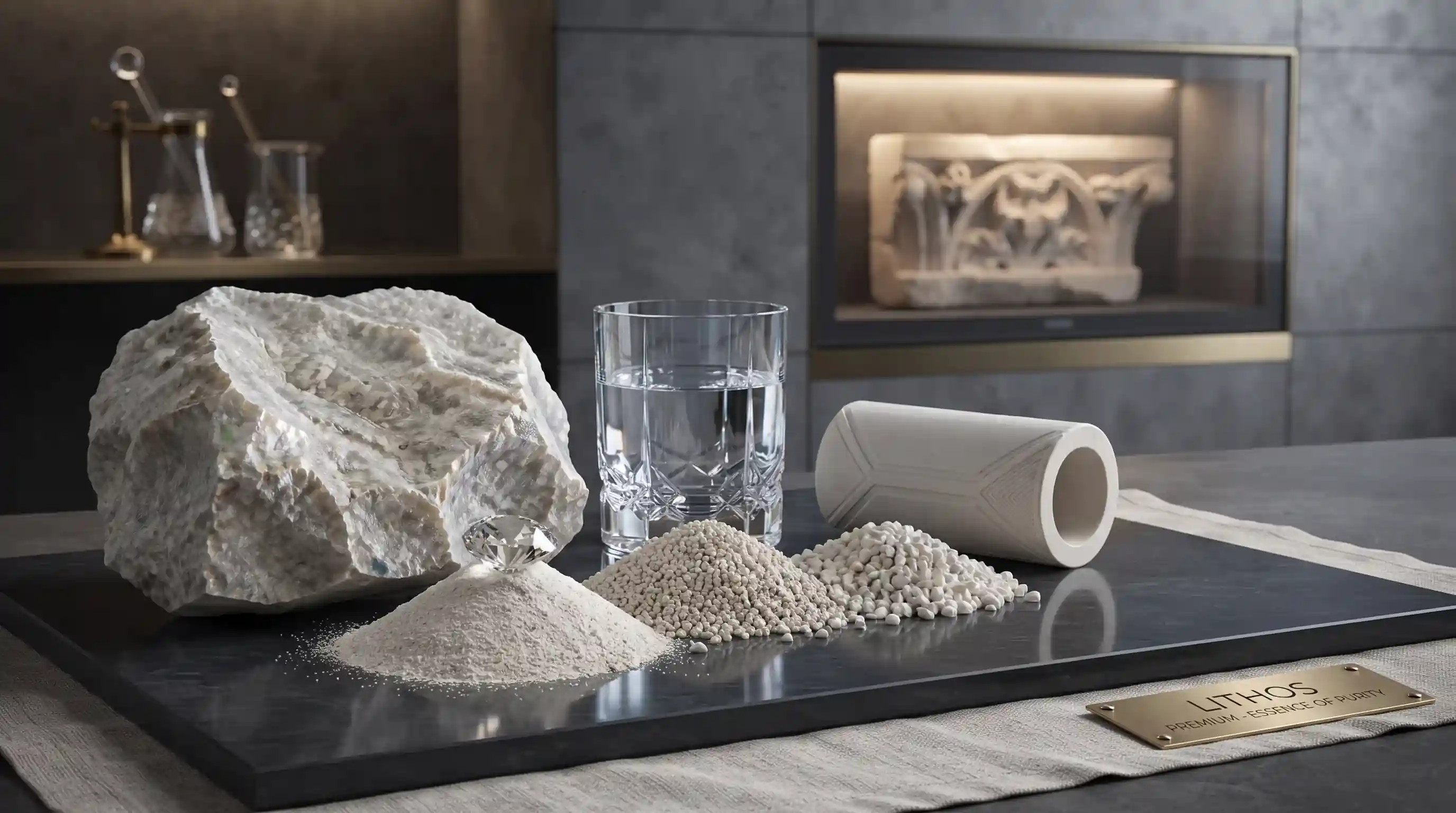
In the mineral and raw material processing industries, choosing between calcium-bearing and magnesium-bearing compounds plays a key role in determining the quality of the final product. The mineral dolomite, as a double carbonate of calcium and magnesium, holds a special place alongside calcium carbonate. Understanding the structural, physical, and chemical differences between these two materials enables engineers and manufacturers to make more optimal choices for their industrial processes. The Kani Sang Amiran project, by specializing in the production and supply of these materials, provides a suitable foundation for optimizing industrial production lines.
Examining the geological and mineralogical structure of these compounds shows that pure calcium carbonate (calcite) contains only calcium ions, whereas the crystal structure of the dolomite mineral is such that the simultaneous presence of magnesium alongside calcium imparts different thermal and mechanical properties to it. This fundamental difference causes each of these materials to exhibit different efficiencies in specific applications such as glass manufacturing, ceramics, and construction materials.
Various industries are constantly seeking to upgrade the quality level of their products at the lowest cost. Familiarity with the properties of these materials helps experts better manage challenges related to warehousing and storage. For example, studying topics related to the storage of similar mineral materials such as the comprehensive guide to storage and warehousing of industrial coated calcium carbonate provides valuable insights regarding the prevention of caking and the preservation of material quality in industrial warehouses, which is also applicable to this field.
In the continuation of this comprehensive article, an effort is made to examine various dimensions of their application—including the 10 to 40 mesh particle size range—through a precise comparison between these two widely used materials. A thorough understanding of the technical and behavioral specifications of these mineral compounds will guarantee success in production processes and allow various industries to proceed with full awareness when purchasing and utilizing raw materials.
Chemical Structure and Structural Differences Between Dolomite and Calcium Carbonate
Chemically, calcium carbonate is known by the formula CaCO₃, and its structure is primarily based on calcium. In contrast, the dolomite mineral has the chemical formula CaMg(CO₃)₂ and is defined as a double carbonate of calcium and magnesium. The presence of the magnesium element in the crystal lattice structure of this material makes its specific gravity, hardness, and thermal stability somewhat distinct compared to pure calcium carbonate.
The difference in chemical structure directly affects the behavior of these materials at high temperatures. In industrial processes dealing with high heat, the presence of magnesium in the dolomite mineral can create different melting points and reactivity. This feature is particularly important in the glassmaking and ceramics industries, because the stability of mineral phases in firing kilns plays a decisive role in the quality of the final product.
In addition to thermal properties, the physical behavior of these materials in grinding and sizing processes also differs from one another. The mesh range of mineral products indicates their particle dimensions. For example, the products offered by the Kani Sang Amiran project are produced in a mesh range of 10 to 40 mesh, which is ideal for specific uses in construction materials, ceramics, and glass industries. The difference in hardness between these two materials can also affect the wear and tear of grinding and crushing equipment.
Ultimately, a precise examination of chemical parameters helps engineers choose the appropriate material tailored to their formulation type. Sometimes there is a need to add magnesium alongside calcium, in which case using dolomite is considered an unrivaled option, whereas in other formulations pure calcium carbonate may be preferred.

Industrial Applications of Dolomite in the Glass and Ceramics Industries
The glassmaking and ceramics industries are among the most important consumers of calcium- and magnesium-rich minerals. Among them, the dolomite mineral is recognized as a strategic raw material due to its magnesium oxide and calcium oxide content. The presence of magnesium in this material's composition helps lower the melting temperature of glass and adjusts the viscosity of the melt to an optimal level.
In the ceramic manufacturing industry, the use of dolomite acts as a flux or melting agent. This material reacts at ceramic firing temperatures and assists in the formation of the desired glass and crystal phases in the ceramic body and glaze. Particle size control, especially within the 10 to 40 mesh range, plays an important role in the uniformity of the initial mixture and prevents defects in ceramic products.
Furthermore, mode technologies in the chemical and mineral industries require high precision in the selection of additives. Although the main application of calcium carbonate and its derivatives is also widespread in industries such as coatings and paint making (as explained in specialized topics like the comprehensive guide to using coated calcium carbonate in paint making), in industries with an urgent need for magnesium oxide, the dolomite mineral will be the primary and main choice for process engineers.
The Kani Sang Amiran project strives to meet the needs of production units with acceptable standards by supplying this high-quality mineral for the glass, ceramic products, and construction materials industries. Uniform quality and precise particle sizing are among the main advantages of using these products in industrial kilns.
The Role of Dolomite in Construction Materials and Concrete Product Manufacturing
Construction materials represent one of the broad application areas for carbonate rocks. Among them, the dolomite mineral is widely used as an aggregate, filler, and raw material in the production of various mortars, concrete, and precast building products. The favorable mechanical strength and high durability of this stone against atmospheric factors make it a suitable choice for civil engineering projects.
The particle sizing of these products has a direct impact on the physical properties of construction materials. The 10 to 40 mesh range defined for the offered products allows this material to be used in various dry mortars, wall coatings, and concrete sub-bases. The proper distribution of particle dimensions improves compaction and reduces void space in the material structure.
A functional performance comparison between calcium carbonate and the dolomite mineral in construction materials shows that the presence of magnesium in dolomite's structure can provide greater hardness and abrasion resistance in certain applications. This feature gains special importance particularly in the production of industrial flooring and concrete components subject to wear.
Civil engineers and building material manufacturers are always looking for raw materials that, in addition to economic justification, also comply with technical standards. Reputable suppliers such as the Kani Sang Amiran project guarantee sustainable access to premium raw materials for the country's construction industry by supplying these products.

Technical and Economic Evaluation of Calcium Carbonate Compared to Dolomite
When making decisions to select mineral raw materials, technical and economic evaluations are of special importance. Due to its high abundance and easier extraction process, calcium carbonate is usually one of the cheapest fillers in the industry. On the other hand, the dolomite mineral, in addition to having similar properties, also introduces magnesium elements into the system, which is vital for industries such as glassmaking and ceramics.
From a technical standpoint, the choice between these two materials depends on the final product formulation. If the production process does not require magnesium, calcium carbonate will be a more economical option. However, in applications where the simultaneous presence of calcium and magnesium is mandatory, using dolomite is more cost-effective than purchasing magnesium-bearing compounds separately.
In the mineral market, familiarity with various types of these compounds and their purity grades helps buyers make smarter choices. Similarly, careful market analysis is important in the field of calcium carbonate; as analyzed in the specialized guide to comparing types of coated calcium carbonate available in the market, understanding the types of minerals and their coatings plays a key role in optimizing production costs.
Therefore, by providing transparent information regarding the main applications in glass, ceramic products, construction materials, and the technical specifications of its products, the Kani Sang Amiran project helps industrial owners strike an optimal balance between cost and product quality performance.
Physical Characteristics and Particle Sizing (10 to 40 Mesh Range)
The physical specifications of mineral powders and granules play a decisive role in their behavior during mixing, conveying, and firing processes. One of the prominent specifications in the supplied products is the 10 to 40 mesh range. This sizing range indicates that the particles fall within the coarse-to-medium category and are highly suitable for applications that do not require extremely fine (micronized) particles.
Particles in the 10 to 40 mesh range possess better flowability characteristics and are less prone to phenomena such as caking or severe dust in the workshop environment. This feature is considered a major advantage for construction material manufacturing plants and glass and ceramic batching preparation units, as material transfer systems will encounter fewer problems.
After undergoing extraction, crushing, and sizing stages within this mesh range, the dolomite mineral is ready for shipment to various industries. Rigorous quality control in the processing plants of the Kani Sang Amiran project ensures that the final product is free from harmful impurities and that the particle size distribution is maintained within the standard range.
Compared to micronized calcium carbonate powders, using coarser gradations such as 10 to 40 mesh causes chemical reactions in kilns to take place at a more controlled speed, which in tu noticeably improves the quality of glass and ceramic firing.

Standards, Quality Control, and Advantages of Using Kani Sang Amiran Products
Compliance with national and inteational standards in mineral production lays the foundation for the quality of final products in downstream industries. Relying on rich mines and advanced processing equipment, the production unit of the Kani Sang Amiran project strives to supply high-quality products aligned with the actual needs of the market. A thorough understanding of the specifications of the dolomite mineral is the key to success in this path.
Quality control is carried out at various stages from raw stone extraction to final crushing within the 10 to 40 mesh range so that the purity percentage and the level of compounds such as calcium and magnesium oxides remain within the desired range. This continuous monitoring minimizes quality fluctuations in customer production lines.
The diversity of applications ranging from glass and ceramic products to construction materials demonstrates the high flexibility of these products in meeting industrial needs. Purchasing engineers can optimize their production formulations and increase productivity with confidence in the consistent quality of Kani Sang Amiran project products.
Ultimately, commitment to quality and the provision of precise technical information about each product serve as a reliable guide for various industries to prevent secondary costs and production waste by choosing the right raw materials.
Conclusion and Summary in Selecting Industrial Minerals
Selecting the appropriate raw material between dolomite and calcium carbonate has always been one of the strategic decisions in materials engineering and the mineral industries. As examined, the dolomite mineral, possessing a double calcium and magnesium carbonate structure, plays an irreplaceable role in industries that require the presence of magnesium.
By supplying this product in the 10 to 40 mesh range, the Kani Sang Amiran project has covered the essential needs of active units in the fields of glass, ceramic products, and construction materials in the best possible way. Precision in sizing, chemical purity, and compliance with industrial standards are among the prominent advantages of this supplier.
Overall, a precise understanding of the chemical, physical, and economic differences of these compounds allows production managers to proceed with raw material selection with an open mind. The principled use of these domestic mineral resources, in addition to upgrading the quality of final products, will also significantly contribute to the sustainable development of the country's industries.
Therefore, industrial experts can obtain supplementary information by referring to reputable sources and specialized product pages, and make the most optimal decision based on the specific needs of their production line.

| Question | Answer |
|---|---|
| What is dolomite? | A mineral from the category of double calcium and magnesium carbonates with a specific chemical formula. |
| What is the main difference between dolomite and calcium carbonate? | Dolomite contains magnesium in addition to calcium, whereas pure calcium carbonate only includes calcium. |
| What is the mesh range of Amiran dolomite product? | These products are supplied in a particle sizing range of 10 to 40 mesh. |
| What are the main applications of this mineral? | Glass, ceramic products, and construction materials are considered its main applications. |
| Is this material used in the glassmaking industry? | Yes, the magnesium oxide present in it adjusts the melting temperature and viscosity of glass. |
| What is the role of dolomite in ceramics? | It acts as a flux and melting agent in the firing of ceramic bodies and glazes. |
| Why is this material used in construction materials? | It is used due to its favorable mechanical strength, high durability, and improved compaction of mortars and concrete. |
| Which entity is the manufacturer of this product? | The Kani Sang Amiran project is the producer and supplier of these mineral materials. |
| How can this product be procured? | It can be ordered via the official product page on the Kani Sang Amiran project website. |
| What are the advantages of 10 to 40 mesh sizing? | It provides better flowability, reduced dust, and proper control of thermal reactions in kilns. |
Scientific sources of economic geology and specialized publications on mineral processing in Iran.
برچسب: Dolomite,Comprehensive Comparison of Dolomite and Calcium Carbonate in Industrial Applications,
نویسنده: رساوب آفرین