
درباره سایت
آخرین مطالب
- Applications of White Talc in Plastic Production and Industrial Polymer Industries
- Applications of Coated Calcium Carbonate in Chemical and Plastic Industries
- What is Coated Calcium Carbonate? A Guide to Its Application in the Construction Industry
- كيفية اختيار كربونات الكالسيوم المطلي بناءً على التدرج الحبيبي
- How to Choose High-Quality White Barite: Key Purchasing Tips
- استانداردهای دانهبندی تالک سفید برای مصارف گوناگون در صنایع
- White Talc in the Construction Industry: Its Applications and Key Features
- Industrial Barite or Calcium Carbonate? A Complete Comparison of Applications and Benefits
- استانداردهای کیفیت باریت صنعتی و روشهای آزمایش و کنترل آن
- Application of White Barite in Producing Paint and Durable Industrial Coatings
امکانات وب
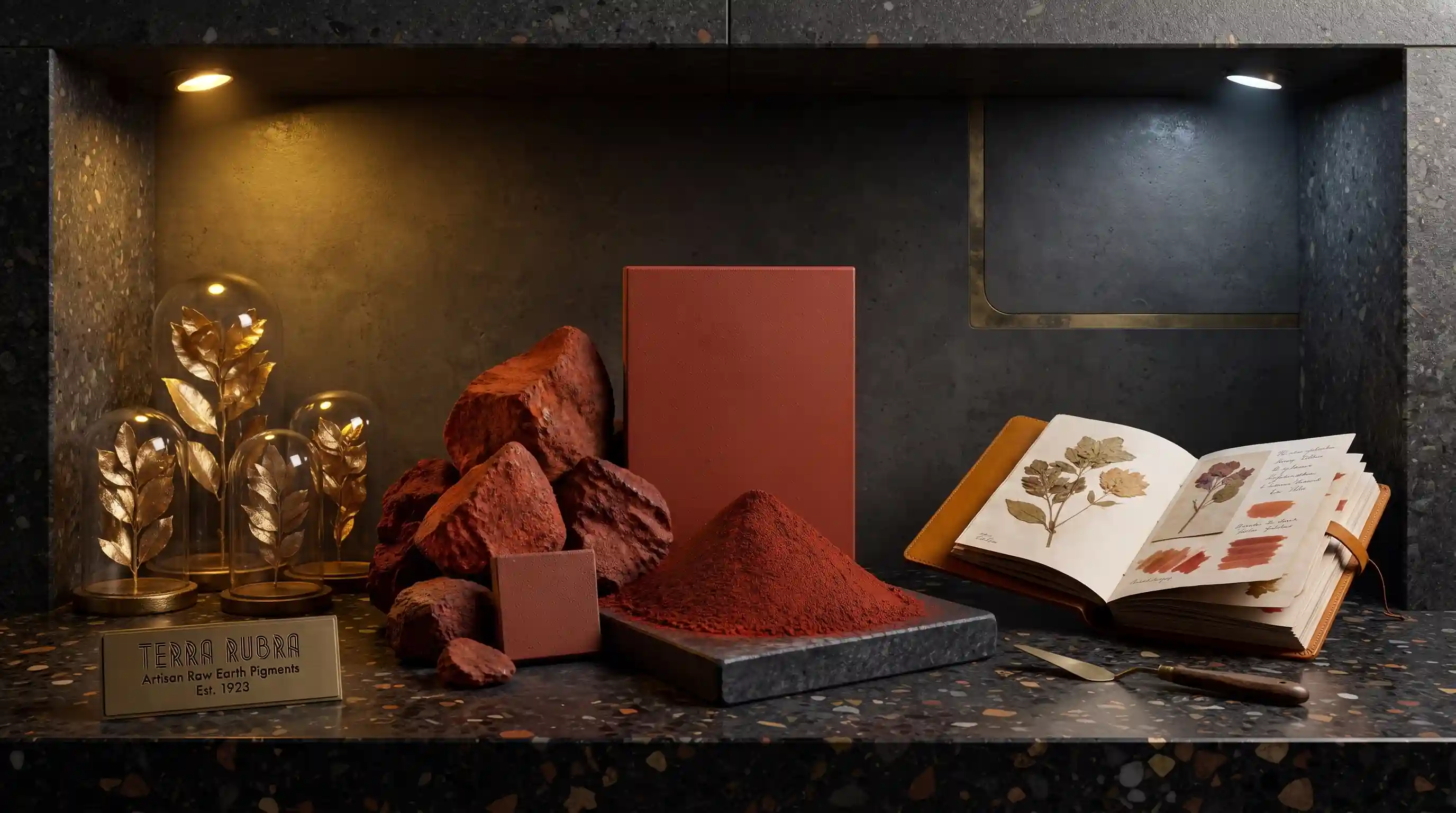
Introduction to the Importance of Quality Assessment for Red Iron Oxide (Ochre)
The mineral red iron oxide (ochre) is one of the most widely used pigments and additives in various industries, including paint manufacturing, coatings, cement industries, and the production of ceramic products. Understanding the quality characteristics of this material is of vital importance to engineers and manufacturers because the final quality of products such as concrete, tiles, ceramics, or industrial coatings is heavily influenced by the purity and physical specifications of this pigment. Kani Sang Amiran project, as a mineral producer, supplies this product to the market with standard technical specifications.
In this comprehensive article, we will examine how to ensure the quality of the received cargo. Quality assurance not only reduces production costs but also prevents irreparable damage to production lines. Given the importance of this mineral powder in various industries, studying related articles such as Comparison of Red Iron Oxide (Ochre) Types in the Paint and Resin Industries will provide you with a more comprehensive view of selecting the appropriate type of this pigment.
To begin quality assessment, it is necessary to examine key parameters such as particle size, percentage of purity, moisture content, and the material's behavior in the final formulation. Professional manufacturers are always looking for high-quality raw materials to maximize the efficiency of their products. A careful examination of the physical and chemical specifications of the received cargo is the first step in this path.
Ensuring the quality of red iron oxide (ochre) cargo requires a precise understanding of laboratory and field methods. In the following sections of this article, we will examine the various dimensions of this assessment in a specialized maer so that you can purchase with greater peace of mind and benefit from high-quality products in your industrial processes.
Examination of Appearance and Particle Size (Mesh) of Red Iron Oxide (Ochre)
One of the first steps in mineral quality control is to examine the physical appearance and particle size. The red iron oxide (ochre) product is produced and supplied in the range of 450 to 1500 mesh. This wide range of mesh indicates the diversity in the fineness and particle size of the powder, which directly affects its coverage rate and tinting strength. To lea more about how to use this powder in specific industries, it is recommended to read the article How is red iron oxide (ochre) used in brick manufacturing?
The particle size should be uniform, and the presence of hard lumps or coarse impurities can indicate a lack of precision in the milling process or the presence of inferior materials in the cargo. When receiving cargo, sampling from different points of the bags or pallets is of high importance for checking the uniformity of granulation. Powder that has suitable granulation in the specified mesh range creates better dispersion in various matrices.
The apparent color and brightness of the powder are also other visual signs of quality. High-quality ochre must have a warm, stable red undertone without sudden color changes across different shipments. Severe color variations are usually a sign of a change in the mineral source or the presence of other metal oxide impurities, which must be verified by a laboratory.
To prepare this product with standard specifications, you can visit the dedicated page for Red Iron Oxide (Ochre) and review the complete information regarding the supply of this mineral by the Kani Sang Amiran project. Visual inspection should always be supplemented by more precise laboratory tests to ensure complete peace of mind.
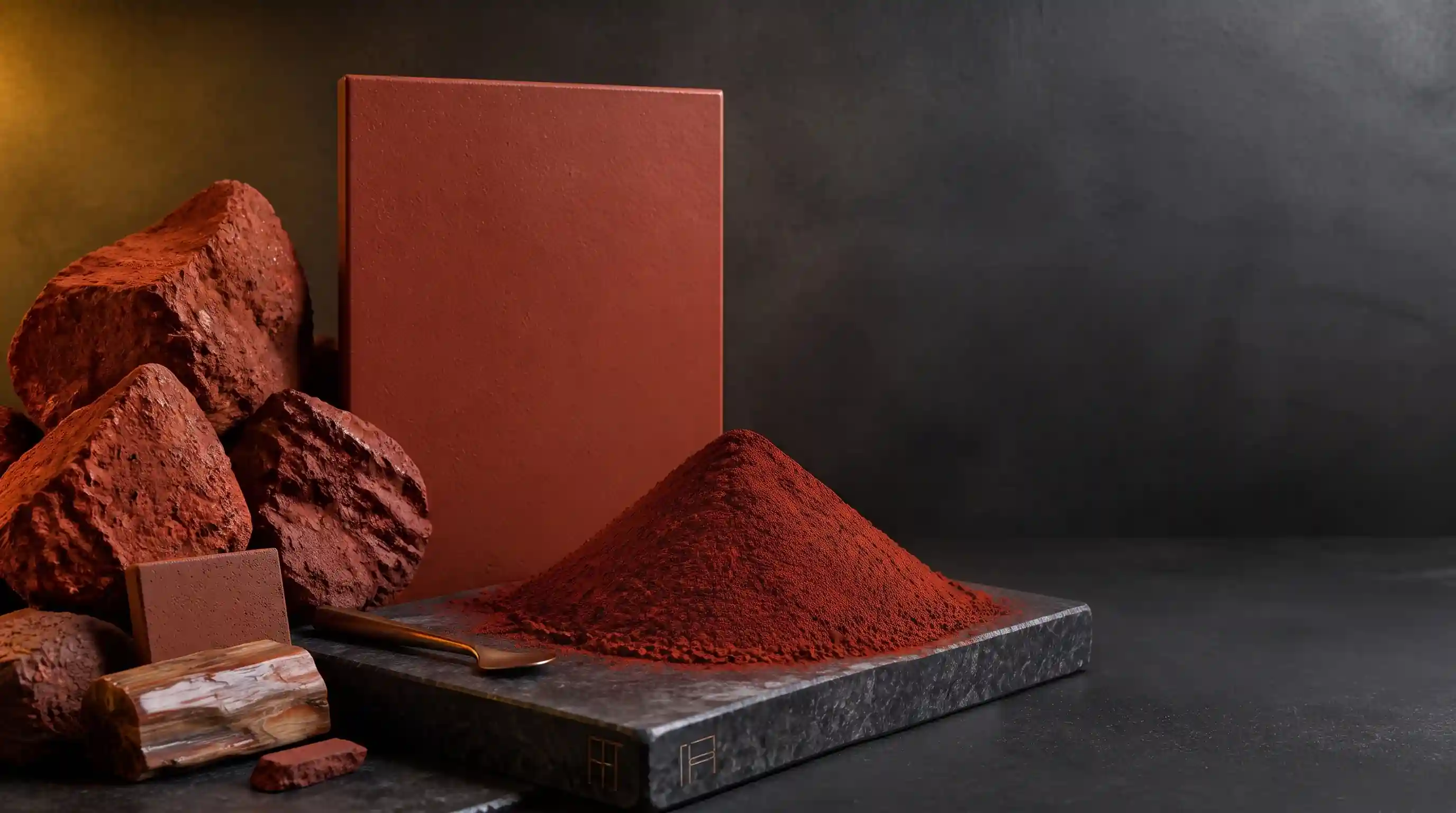
The Role of Red Iron Oxide (Ochre) in the Pigment and Coating Industries
The paint, resin, and industrial coating industries are major consumers of mineral pigments. In these industries, tinting strength (coloring power), covering power, and light stability are considered key factors in quality assessment. Red iron oxide (ochre), due to its excellent stability against sunlight and atmospheric factors, is a unique option for producing various architectural and industrial paints.
Pigment quality depends directly on the particle size distribution in the 450 to 1500 mesh range. Finer particles usually create a larger contact surface, thereby improving the gloss, integrity, and coverage power of the paint film. Conversely, the presence of coarse particles or impurities can cause an orange-peel effect or reduce the adhesion of the final coating.
Evaluating the chemical stability of the pigment against weak acidic and alkaline environments is another quality test performed by color formulation experts. Quality ochre should not undergo phase changes or lose color when reacting with resins or solvents. The thermal stability of this pigment is also very important in coatings that undergo thermal curing.
Investigating the environmental impacts of the production and application processes of these materials is also an important topic, which is discussed in detail in the article Environmental Impacts of Using Red Iron Oxide (Ochre). Adherence to environmental standards indicates quality and responsibility in mineral production.
Application in Cement and Ceramic Industries and Quality Tests
In the cement industry and the production of ceramic products, the color and durability of the final products are of special importance. Red iron oxide (ochre) is used as a stable mineral pigment in colored cements, mosaics, concrete blocks, and tile manufacturing. The quality of this material must be such that it is compatible with the alkaline compounds of cement and does not lead to discoloration or a decrease in the mechanical strength of the concrete.
One of the methods of measuring quality in the cement and ceramic industries is the test of color resistance against the severe alkaline environments of cement. If the pigment does not have the necessary quality, it will lose its color over time or suffer from efflorescence due to cement hydration and the presence of free lime. Therefore, the alkaline stability test is an inseparable part of quality control in this field.
In ceramic products, thermal stability in firing kilns is also a vital factor. Quality ochre must be able to withstand the high temperatures of ceramic firing without structural decomposition or undesirable color change. The 450 to 1500 mesh range helps the powder disperse completely homogeneously in the ceramic body or glaze, creating a smooth surface without spots.
Strict quality control by leading producers such as the Kani Sang Amiran project ensures that the final product is free from harmful impurities such as excessive soluble salts or obstructive heavy grains, which maximizes the productivity of cement and ceramic production lines.
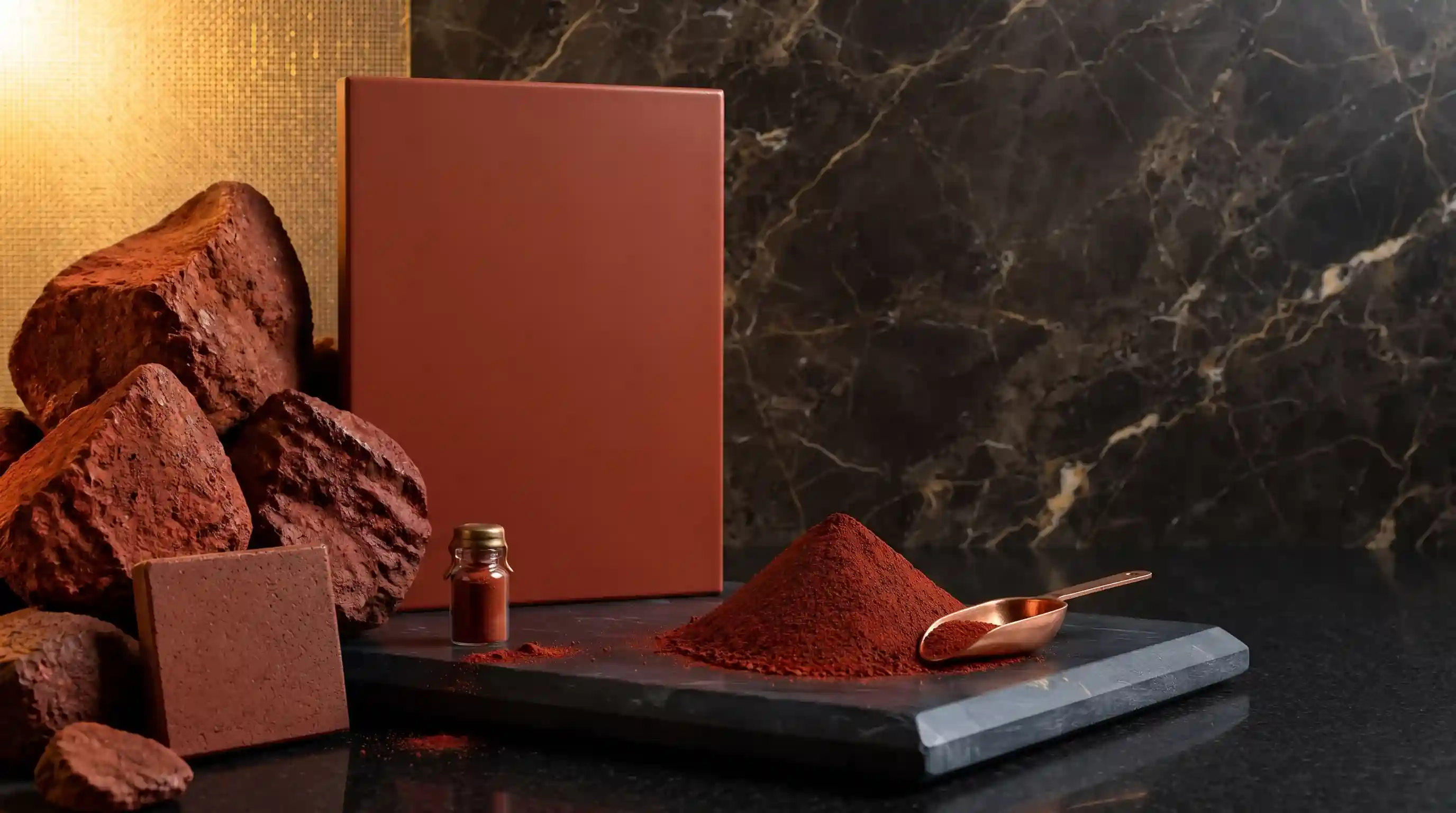
Sampling and Laboratory Methods for Purity Assessment
To ensure 100% of the quality of the received cargo, having a standard sampling protocol is mandatory. When a shipment of red iron oxide (ochre) arrives at the factory, sampling must be done from different parts of the shipment (top, middle, and deep parts of the bags or bulk toage) to obtain a truly representative sample of the entire cargo.
Quality control laboratories usually perform chemical analyses such as determining the percentage of iron oxide ($Fe_2O_3$), moisture content, Loss on Ignition (LOI), and the amount of water-soluble salts on the samples. High purity indicates superior quality and the absence of inert or harmful mineral impurities.
Checking the particle size distribution using laser devices or industrial standard sieves is also done to match the cargo with the 450 to 1500 mesh range. These tests determine whether the purchased powder has excessive coarse grains or undesirable fine grains. Matching laboratory results with the analysis sheet provided by the producer is the main criterion for accepting or rejecting the cargo.
Paying attention to the moisture content of the cargo is also very important; high moisture, in addition to causing problems in accurate weighing, can cause the powder to clump during long-term storage. Therefore, accurate measurement of physical and chemical parameters plays a key role in supply chain management.
Standards and Key Factors in Choosing a Reputable Supplier
Choosing a reputable and well-known supplier is the shortest and most reliable path to obtaining high-quality raw materials. In the mineral market, consistency of quality in successive shipments is of extraordinary importance. A professional supplier like the Kani Sang Amiran project always strives to supply a product with stable technical specifications consistent with the needs of various industries.
When evaluating suppliers of red iron oxide (ochre), pay special attention to items such as providing a valid Certificate of Analysis, market activity history, packaging quality, and customer support services. Proper packaging prevents the penetration of moisture and environmental contaminants during transportation.
Furthermore, checking the satisfaction level of previous customers and the continuous presence of the supplier in large industrial projects is a testament to that organization's commitment to quality. Reputable suppliers provide the necessary technical advice to select the best mesh range (from 450 to 1500) according to your specific application.
Compliance with safety and hygiene standards in the processing and packaging of minerals also indicates the professionalism of the production unit. By considering all these factors, buyers can confidently proceed to place an order and fulfill the needs of their production line.
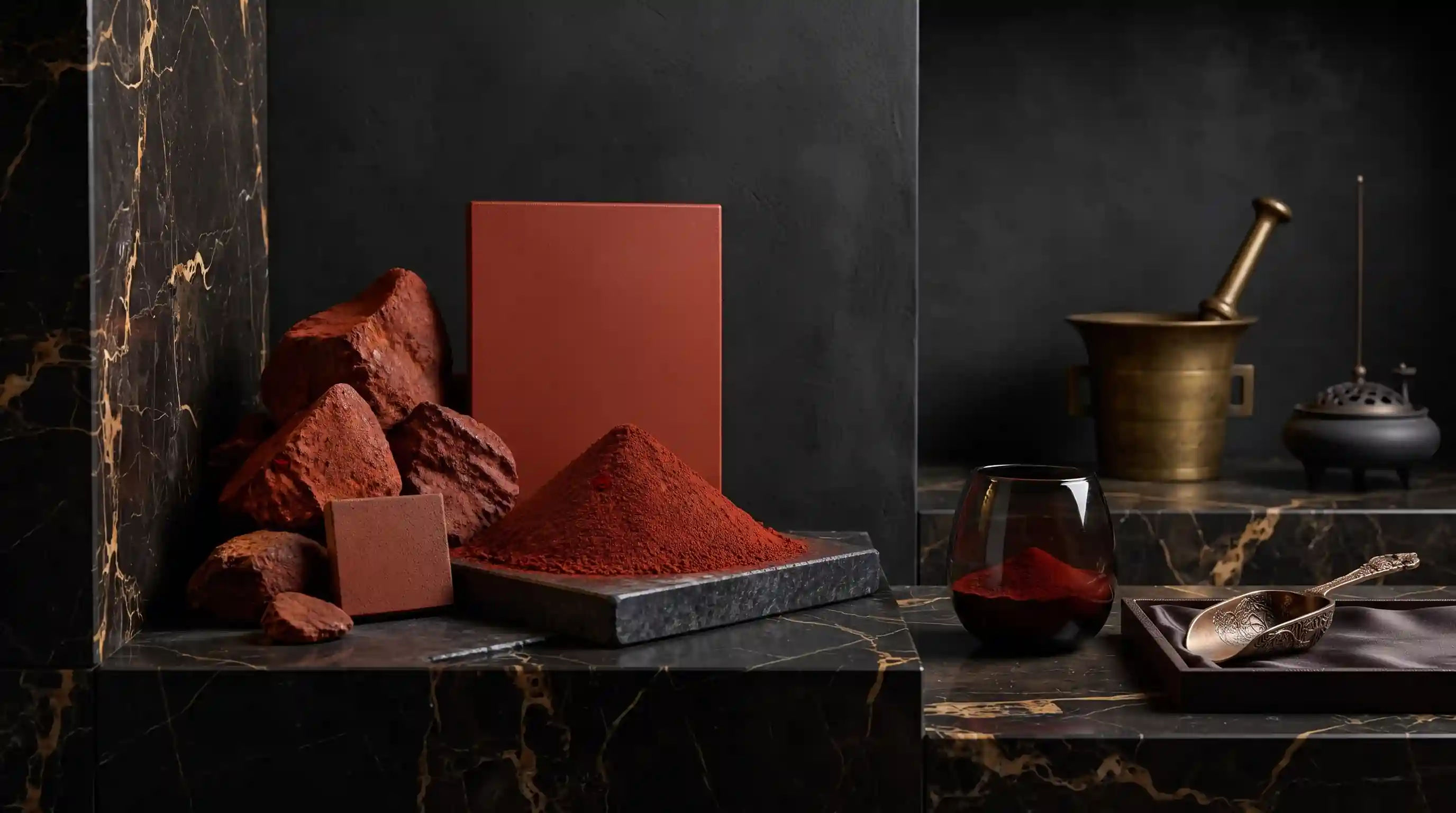
Storage, Maintenance, and Safety Tips for Ochre Powder
Maintaining the quality of red iron oxide (ochre) after delivery and in the factory warehouse requires observing specific principles. Since this material is supplied as micronized powder, it is susceptible to absorbing environmental moisture under improper storage conditions. Bags should be kept on pallets and away from walls and the warehouse floor to prevent moisture penetration.
An inventory rotation system (FIFO - First In, First Out) must be implemented in the warehouse to prevent long-term storage and possible clumping of particles. Also, tearing of bags due to improper handling can cause material waste and contamination of the workshop environment.
From the perspective of personal safety, working with micronized powders requires the use of appropriate personal protective equipment such as anti-dust masks, safety glasses, and gloves. Constant inhalation of suspended mineral powder particles can be harmful to workers' respiratory systems, therefore, proper ventilation of the warehouse and production halls is a safety requirement.
Observing these simple but vital tips helps ensure that the physical and chemical properties of the ochre powder are fully preserved until the final consumption on the production line, achieving the best work efficiency.
Conclusion and Summary on Ochre Quality Assessment
In this article, we conducted a comprehensive review of methods and factors for ensuring the quality of red iron oxide (ochre). It became clear that accurate assessment of physical appearance, granulation in the 450 to 1500 mesh range, performing laboratory purity tests, and choosing a well-known supplier like the Kani Sang Amiran project are the main pillars of success in using this valuable mineral pigment.
The quality of raw materials directly affects the quality of final products in the pigment, coating, cement, and ceramic industries. Investing in quality control and buying from reputable sources reduces hidden production costs and significantly increases the added value of the final product.
We hope the points raised in this guide will assist you in optimizing your purchasing and quality control processes. Always remember that constant inspection of shipments and constructive interaction with the producer are the keys to quality stability in manufacturing industries.
| Question | Answer |
|---|---|
| In which industries is red iron oxide (ochre) used? | This material is mainly used in the pigment, coating, cement, and ceramic production industries. |
| What is the mesh range of the ochre powder produced by Kani Sang Amiran? | This product is produced and supplied in the 450 to 1500 mesh range. |
| How can one be sure of the purity of the received cargo? | By performing standard sampling and laboratory tests to determine the percentage of iron oxide and moisture. |
| Does ochre powder change color in the cement industry? | If its purity and alkaline stability are standard, it is stable against cement alkali. |
| What is the best storage method for ochre powder? | Storing on pallets, away from moisture, and following the inventory rotation system (FIFO). |
| Is this product resistant to the heat of ceramic kilns? | Yes, high-quality ochre has suitable thermal stability for the ceramic industry. |
| How can one view the product page? | By referring to the link to the Kani Sang Amiran product page in the article text. |
| Does ochre powder cause clumping in the warehouse? | It may clump if exposed to high humidity; therefore, a dry warehouse is essential. |
| What are the safety tips when working with the powder? | Using an anti-dust mask, goggles, and proper ventilation of the production hall. |
| Which group is the main supplier of this product? | Kani Sang Amiran Project — Mineral production. |
Kani Sang Amiran Project — Mineral production and specialized sources for mineral powder quality control.
برچسب: Red Iron Oxide (Ochre),How to Ensure the Quality of Red Iron Oxide (Ochre) Cargo?,
نویسنده: رساوب آفرین