
درباره سایت
آخرین مطالب
- تأثیر کیفیت سیلیس بر دوام و استحکام بتن صنعتی
- انتخاب بهترین دولومیت مش 10 تا 40 کاربردی در تولید شیشه
- انتخاب بهترین دولومیت مش 10 تا 40 کاربردی در تولید شیشه
- بهترین دولومیت صنعتی برای مصارف شیشه و مصالح ساختمانی
- دليل تقديم طلب شراء أكسيد الليمونيت (جول ماش)
- مزایای استفاده از اکسید لیمونیت (گل ماش)
- نقش تالک صنعتی در صنایع گچ و مصالح ساختمانی
- Benefits of Using Limonite Oxide (Gol Mash)
- دور التلك الصناعي في صناعات الجبس ومواد البناء
- The Impact of Silica Quality on the Durability and Strength of Industrial Concrete
امکانات وب
Introduction to the Importance of Silica in Mode Industries
In today's world, industrial development is heavily dependent on basic mineral materials that serve as the coerstone of many manufacturing processes. Among these, silica is recognized as one of the most abundant and versatile mineral elements in the Earth's crust, playing an irreplaceable role in optimizing industrial processes. Kani Sang Amiran project, focusing on the precise extraction and processing of minerals, has made it possible to use this valuable material with standard technical specifications for various industries.
The unique properties of this material have given it a special place in heavy and high-tech industries. From past to present, improving the quality of final products has been tied to using appropriate gradings and purities of this mineral. To better understand the importance of minerals in materials engineering, reading the article Examining the Physical and Mechanical Properties of Industrial Talc Powder can provide a comprehensive perspective on the behavior of similar mineral materials.
Industrialists are always looking for raw materials that enhance the thermal stability, mechanical resistance, and durability of their products. Due to its stable structure, this mineral is a reliable answer to these needs. In the rest of this article, we will examine in detail the various dimensions of this material's application and its impact on production line optimization to reveal its strategic importance more than ever.
The Vital Role of Silica in the Glassmaking Industry
The glass industry is considered one of the primary consumers of silica globally. Silicon dioxide, as the main material forming the glass network, plays a fundamental role in determining the transparency, thermal resistance, and chemical stability of the final product. Choosing the appropriate grain size and being free of metallic impurities is the main condition for producing high-quality glasses, which are pointed out on the dedicated silica page of Kani Sang Amiran.
The process of melting raw materials in glassmaking fuaces requires a homogeneous and precise composition. The standard particle grading of this mineral helps accelerate the melting process and prevents the formation of air bubbles or heterogeneity in the glass structure. This directly reduces fuace energy costs and significantly optimizes the overall efficiency of the production line.
In addition to ordinary construction glass, the presence of this vital material is also essential in the production of specialized glasses, laboratory glassware, and fiberglass. Precise control of mesh size and purity grade allows engineers to adjust the optical and mechanical properties of the glass precisely in accordance with market standards and deliver a safe and durable product to the consumer.
Application of Silica in Founding and Molding Industries
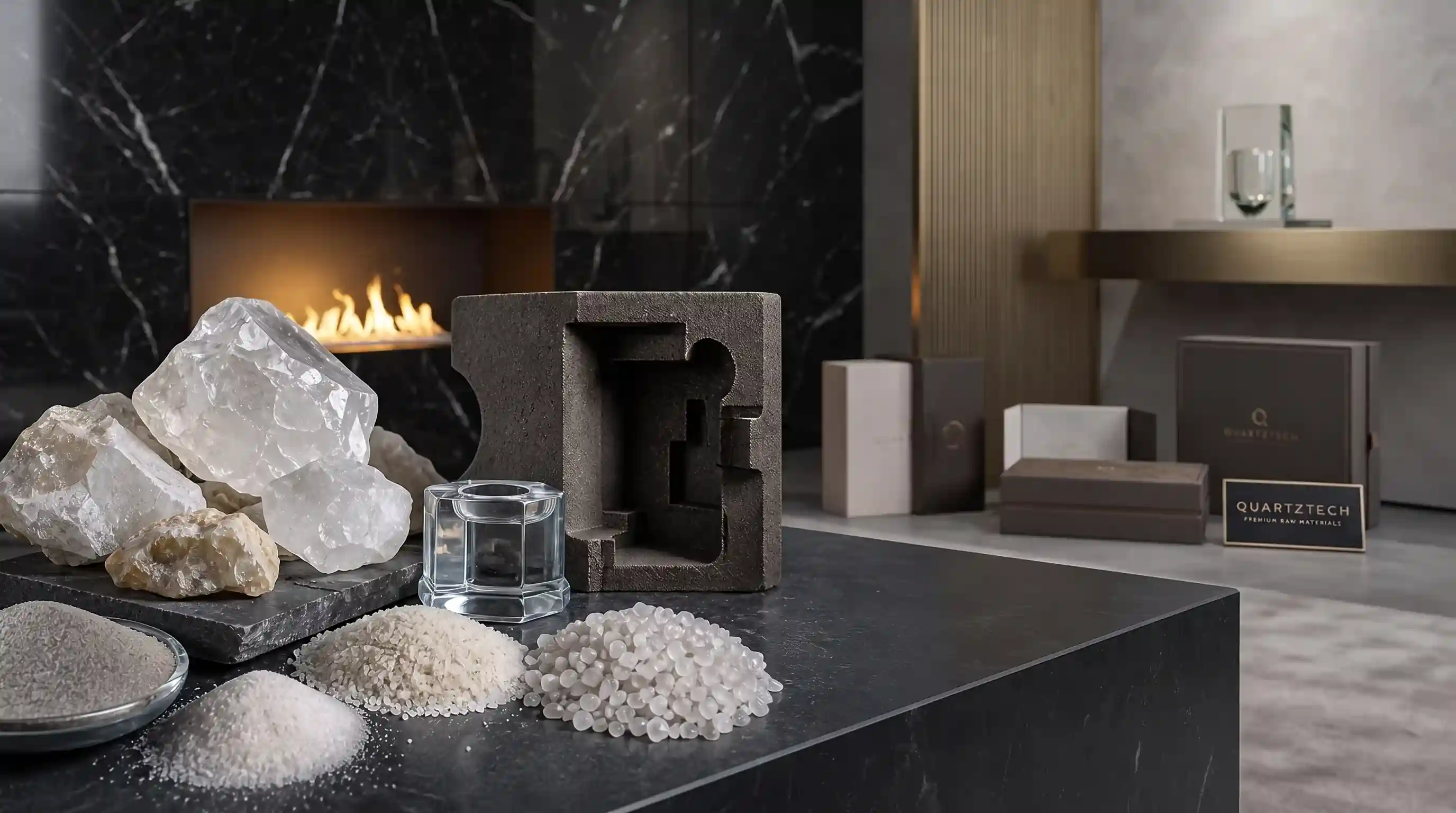
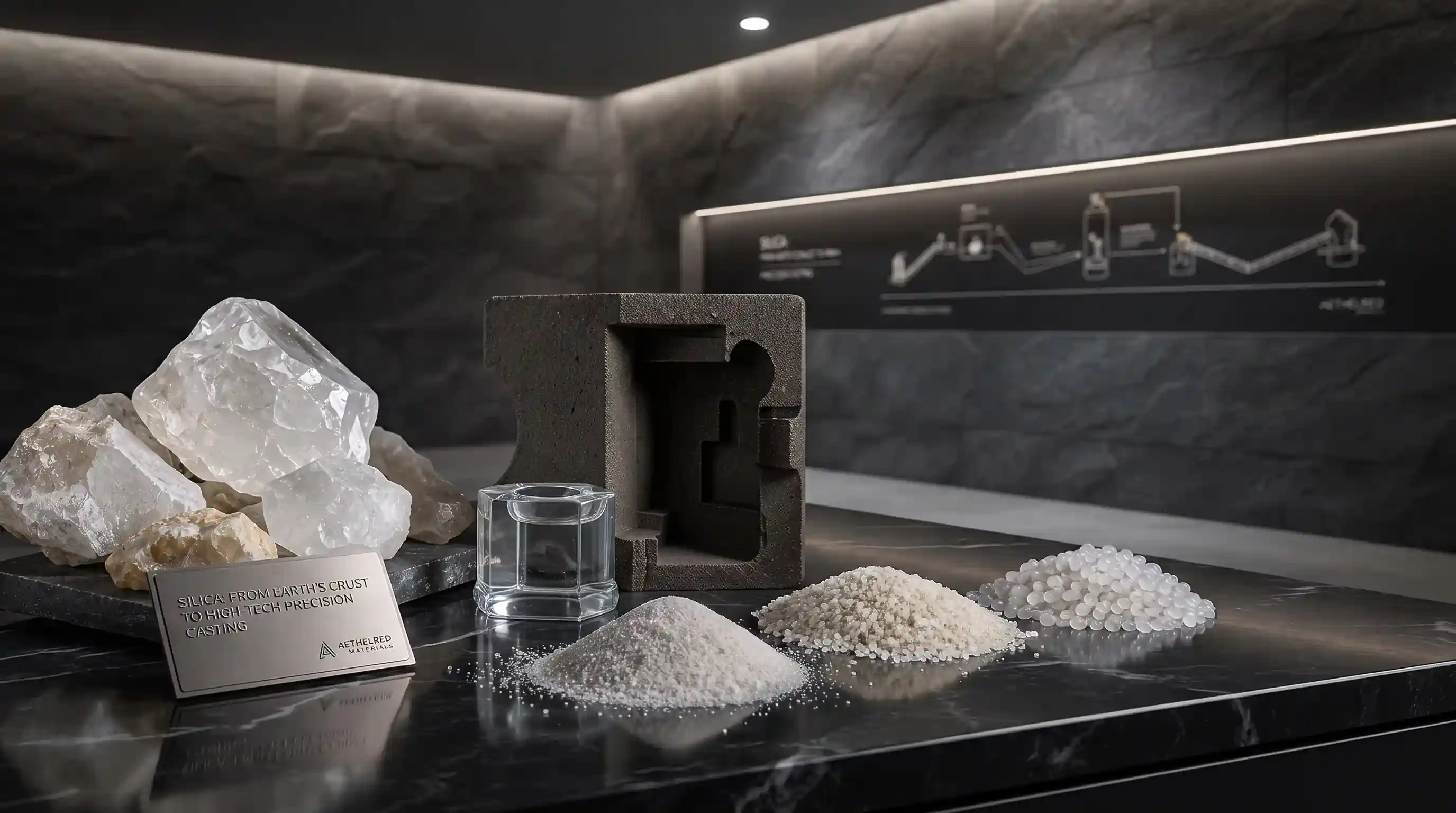
In the foundry industry, achieving high-quality, defect-free metal parts is directly dependent on the quality of molding materials. The use of silica in preparing foundry sands is an industrial necessity due to its high melting point and exceptional thermal stability. This material resists thermal shocks caused by molten metal pouring and prevents mold deformation.
In addition to thermal stability, the proper permeability of sand containing this mineral allows gases generated from casting to escape easily, preventing the formation of gas cavities or blowholes in the cast piece. This feature plays an important role in reducing production waste and increasing the efficiency of foundry workshops.
Choosing the appropriate mesh range for casting applications is of high importance. The available mesh range from 10 to 450 mesh allows industrialists to choose the best grading composition depending on the type of metal (ferrous or non-ferrous) and the dimensions of the piece. This flexibility in selection guarantees optimal surface quality and dimensional accuracy of the produced parts.
The Impact of Silica on the Ceramic and Glazing Industry
The ceramic and tile production industry is another field where silica plays a key role. This material acts as the skeleton of the ceramic body and prevents excessive shrinkage and deformation of products during the drying and kiln firing stages. It is also present in the structure of glazes as a vitrifying and stabilizing agent.
To better understand the behavior of powdered mineral materials in similar structural industries, reviewing the application of other materials is also insightful; for example, studying the article The Role of Kaolin in Pipe Making and Concrete Products can clarify the differences and synergies of various minerals in industrial formulations. These comparisons greatly assist engineers in optimizing body formulation.
The presence of this mineral in the ceramic body composition increases the mechanical strength and hardness of the final product. Precise control of its grading and purity ensures that the glaze on the ceramic surface is completely smooth, crack-free, and resistant to wear and chemical agents, which doubles the lifespan and beauty of ceramic products.
Silica and Its Role in Improving Construction Materials
In the construction industry, the quality of raw materials determines the durability and safety of structures. silica is used as a filler and performance enhancer in various mortars, specialized concretes, tile adhesives, and cement products. The presence of micronized particles of this material in the cement matrix creates a denser and more resistant structure.
To complete information about improving material quality, reviewing the role of other practical minerals is also useful. For instance, the article The Key Role of Industrial Talc in Improving Manufacturing Product Quality well demonstrates how mineral additives can enhance the physical properties of construction materials and industrial products and improve quality standards.
Using various gradings of this material in concrete and construction materials reduces the permeability of water and corrosive agents, thereby increasing the structure's resistance against freeze-thaw cycles and chemical attacks. This directly reduces the long-term maintenance and repair costs of civil structures.
Mesh Range and Its Importance in Industrial Applications
One of the most important technical parameters in purchasing and using silica is paying attention to its mesh range. Kani Sang Amiran project offers this product in a mesh range of 10 to 450 mesh, which covers a wide spectrum of needs in various industries. Mesh size refers to the number of holes present in one square inch of the sieve cloth, which determines particle dimensions.
Coarser grains (lower meshes such as 10 to 50 mesh) are mostly used in foundry industries, water treatment, and the production of certain construction materials that require permeability and granular mechanical strength. In contrast, finer and micronized powders (higher meshes up to 450 mesh) are utilized in advanced glassmaking, glazing, paint manufacturing, and adhesives.
The precise selection of the appropriate mesh has a direct impact on the speed of chemical reactions, the viscosity of slurries, and the homogeneity of industrial mixtures. Production engineers ensure the quality of the production process and prevent raw material wastage by carefully choosing the desired mesh from standard products.
Optimizing Energy Consumption and Reducing Costs with Standard Silica
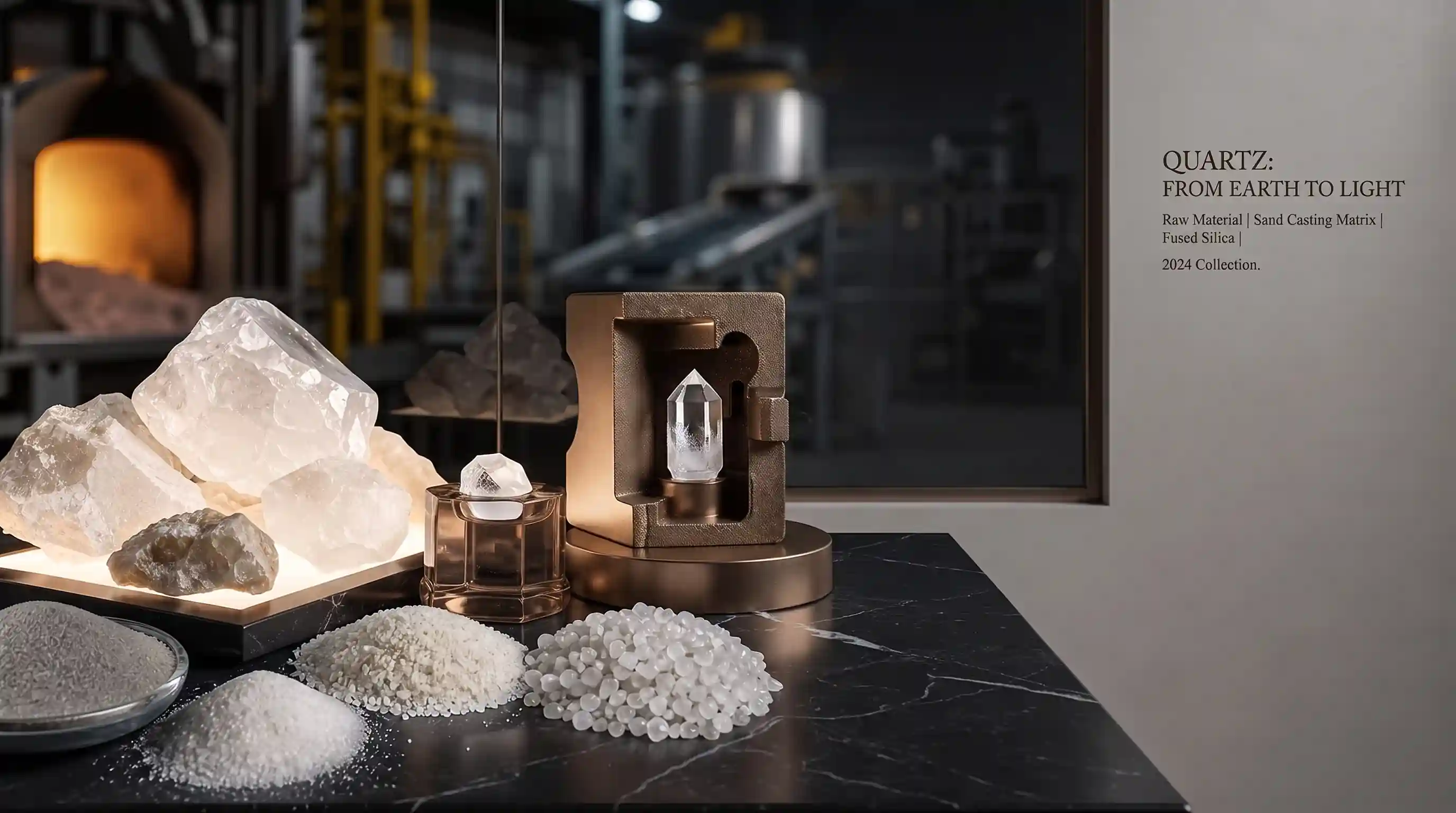
Using high-quality and standard silica goes beyond improving the mechanical and physical properties of the final product, having a remarkable impact on reducing operational costs and energy consumption in factories. In industries like glassmaking and ceramics, the grade of purity and particle size distribution directly affects melting and firing temperatures.
When raw materials are free from disturbing impurities and their grading is completely uniform, solid and liquid phase reactions in fuaces happen faster and with less energy. This leads to reduced firing cycle times, increased useful life of fuaces, and ultimately reduced fuel and electrical energy consumption.
Optimizing the mineral supply chain through cooperation with reputable suppliers like Kani Sang Amiran brings stability to production quality. This stability ensures that production lines operate without stoppages caused by fluctuations in raw material quality, maximizing the economic efficiency of the facility.
Conclusion and Future Outlook of Silica Applications
Overall, silica, as a strategic mineral, plays an irreplaceable role in advancing and optimizing industrial processes. From glass and foundry industries to ceramics and construction materials, the presence of this material testifies to the importance of raw material quality in creating durable and high-quality final products.
With the advancement of manufacturing technologies and the growing need of industries for materials with more precise technical specifications, the importance of advanced processing and strict quality control becomes more apparent than ever. Access to diverse mesh ranges from 10 to 450 mesh provides engineers with the flexibility needed to implement their industrial ideas with the highest precision.
Relying on strict production and supply standards, the Kani Sang Amiran project has paved the way for various industries to access this mineral. Investing in premium raw materials not only guarantees product quality but also ensures the sustainability and competitiveness of industries in domestic and inteational markets.
| Question | Answer |
|---|---|
| What is silica and what are its applications? | Silica is a basic mineral that has extensive applications in the glass, foundry, ceramic, and construction material industries. |
| What is the mesh range of the supplied silica? | This product is supplied in the 10 to 450 mesh range by Kani Sang Amiran. |
| What is the role of silica in the glassmaking industry? | Silicon dioxide is the main material forming glass, providing transparency, chemical stability, and thermal resistance. |
| Why is silica used in founding? | It is used due to its high melting point, thermal stability, and creation of proper permeability in molding sands. |
| What is the effect of silica on the ceramic industry? | It acts as the skeleton of the ceramic body and prevents shrinkage and deformation in the kiln. |
| How does silica help construction materials? | By increasing density and mechanical strength in mortars and concrete, it enhances the durability of structures against environmental factors. |
| Do different meshes have different applications? | Yes, coarse meshes are used in founding, and fine and micronized meshes are used in glassmaking and glazing. |
| How can this product be obtained? | You can visit the silica product page on the Kani Sang Amiran website for more information and purchase. |
| Does silica quality affect energy consumption? | Yes, standard purity and grading optimize the melting temperature and reduce fuace energy consumption. |
| Why is choosing a reputable supplier important? | Reputable suppliers like Kani Sang Amiran guarantee raw material quality stability and technical standards. |
Kani Sang Amiran Project — Reference for Production and Processing of Industrial Minerals (https://ksamiran.ir)
برچسب: Silica,Examining the Role of Silica in Optimizing Industrial Processes,
نویسنده: رساوب آفرین