
درباره سایت
آخرین مطالب
- Benefits of Using White Talc in Paint and Resin Formulations
- كيفية اختيار التلك الصناعي المناسب لصناعتك
- سیلیس چیست؟ راهنمای جامع کاربردهای این ماده معدنی در صنایع مختلف
- السيليكا أم البنتونيت؟ أي معدن مناسب لصناعتك؟
- 7 Applications of Industrial Talc in Various Industries You Should Know
- مزایای استفاده از تالک سفید در فرمولاسیون رنگها و رزینها
- التطبيق المتخصص لكربونات الكالسيوم المغلفة في صناعة أعمدة الأبواب والنوافذ
- What is White Talc? Applications and Benefits of This Mineral in Industries
- What is the Difference Between Silica and Calcium Carbonate in Manufacturing Industries? A Complete Review
- تالک صنعتی یا کربنات کلسیم؟ مقایسه کاربرد و قیمت در صنعت
امکانات وب
An Introduction to the Importance of Calcium Carbonate in Mode Industries
Today's diverse industries are searching more than ever for efficient and cost-effective mineral materials that can improve the final quality of their products. Among these, calcium carbonate is recognized as one of the most widely used and versatile minerals, holding a special place in industrial processes. This valuable material is not only used in the polymer and paint industries but is also extensively employed in the paper industry to enhance the physical and visual characteristics of products.
Given the high diversity of industrial requirements, the mesh range of this mineral is of great importance. A mesh range of 100 to 3500 mesh allows manufacturers to choose the appropriate particle size based on their exact needs. This flexibility in particle size enables optimal use of the material in various formulations and significantly helps in precisely controlling rheological and mechanical properties.
Kani Sang Amiran Project, as a leading producer of mineral materials, offers this substance with the highest quality for polymer, paint, paper, and engineering product applications. A precise understanding of the characteristics of this material helps engineers and industrial designers maximize the efficiency of their production lines and significantly reduce finished costs.
In the remainder of this article, various dimensions of using this material in the paper industry and other related fields, such as plastic pipe manufacturing, will be examined. For further reading on specialized applications, you can refer to the article The Role of Calcium Carbonate in Plastic Pipe Manufacturing to lea more about the technical details of these processes.
The Essential Role of Calcium Carbonate in the Paper Industry
The paper industry is one of the sectors that consumes a very high volume of mineral filtering and filling agents. The use of this material in paper manufacturing is done for numerous economic and qualitative reasons. As a filler, this material can be a suitable substitute for expensive cellulose fibers and helps reduce production costs without causing a noticeable drop in final quality.
In addition to its role as a filler, this mineral helps improve the whiteness, brightness, and opacity of paper. The proper distribution of particles in the 100 to 3500 mesh range makes the paper surface much smoother and significantly increases its printability. This feature is critically important for producing high-quality printing and writing paper.
Kani Sang Amiran Project provides this material for various applications, including the paper industry, by meeting quality standards. Proper use of this mineral powder controls paper porosity and keeps ink absorption at an optimal level, resulting in sharper and more durable printing.
The applications of this material are not limited to paper and have positive impacts in other industries as well. To better understand the processing effects of this material in extrusion, reading the article Examining the Technical Benefits of Coated Calcium Carbonate in Extrusion is recommended, as it provides valuable engineering perspectives.
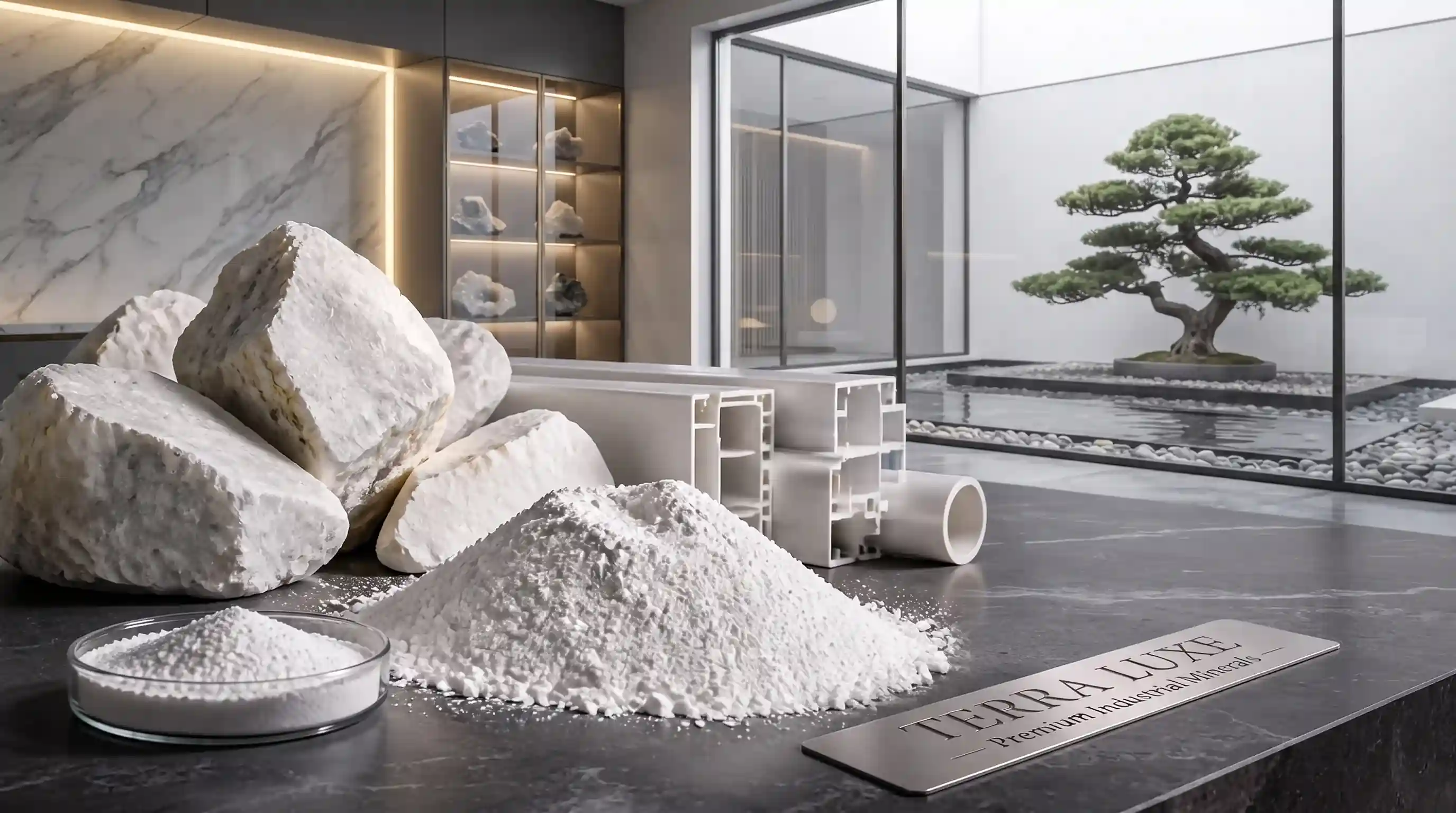
Improving Optical and Physical Properties of Paper with Calcium Carbonate
One of the most important parameters in evaluating paper quality is its optical properties, including brightness, opacity, and light reflectance. Adding this mineral to paper pulp, due to its high refractive index, causes a significant increase in the opacity of the paper. This feature is very key, especially in the production of thin papers where writing on the back of the page should not be visible.
In addition to optical properties, the mechanical strength and dimensional stability of paper are also improved by the presence of this mineral powder. Precise selection of particle size based on the 100 to 3500 mesh range allows manufacturers to strike an optimal balance between the tensile strength of the paper and its surface smoothness. This prevents paper tearing at high speeds of printing and packaging machinery.
Using high-quality products from the Kani Sang Amiran Project in paper production lines ensures the uniformity of the paper texture. The micronized powders from this collection are well-dispersed in the fiber matrix and prevent particle agglomeration or weak spots in the paper structure.
Economic analyses also show that the intelligent use of this material, along with coated additives, can create high added value. In this regard, reading the article Examining the Economic Benefits of Using Coated Calcium Carbonate in Manufacturing illuminates the financial and profitability dimensions of this technology in detail.
The Impact of Mesh Range on Industrial Efficiency
Choosing the particle size, or the mesh range, is one of the most critical stages in designing industrial formulations. In various industries, including paint, polymer, paper, and engineered stone, there is a need for particles with different dimensions. The 100 3500 mesh range covers a wide spectrum of sizes from coarse to ultra-fine (nanometric and micronized), each having its own specific use.
In the paper industry, finer grades are usually used to improve surface coverage and printability, while in some polymer products and PVC/UPVC profiles, a combination of different meshes might be used to control mechanical properties and impact resistance. The expertise of the Kani Sang Amiran Project in the production and precise separation of these meshes well covers the needs of various industries.
Coarser particles are usually used in applications that require high volume filling and shrinkage reduction, while very fine (micronized) particles increase the surface area of materials and play a key role in improving optical and rheological properties.
Therefore, a precise understanding of the specifications of the purchased mesh is the key to achieving the highest efficiency on the production line, and engineers must carefully evaluate the compliance of the selected mesh with their process standards before purchasing.

Wide Applications in Polymer, Paint, and Adhesive Industries
In addition to its prominent role in papermaking, this mineral has a very solid position in the polymer, paint, and adhesive production industries. In the production of PVC/UPVC profiles and pipes, this material acts as a functional filler and, in addition to reducing the finished price, improves the dimensional stability and rigidity of the pipes.
In the paint industry, the use of micronized particles of this material as an extender pigment increases gloss, hiding power, and the color's resistance to atmospheric factors. Also, in the production of masterbatch and polymer cables, the homogeneous distribution of this powder helps improve thermal and electrical properties.
Kani Sang Amiran Project, with a focus on quality, offers products that are optimized for polymer, paint, paper, and engineering product applications. This ensures that manufacturers of artificial leather, adhesives, and engineered stone can also benefit from the unparalleled mechanical and visual properties of this material.
The high quality of processing these materials ensures that they do not clump when mixed with polymers, granules, or resins and are completely dispersed in the base material matrix, which in tu leads to a longer lifespan for the final product.
The Role of Calcium Carbonate in Engineering Products and Artificial Stone
Engineered and artificial stones are other areas that account for a significant consumption of mineral powders. In this industry, creating a natural appearance, suitable hardness, and wear resistance are of extreme importance. Using different gradings of this mineral allows manufacturers to create a dense, high-quality structure similar to natural stone.
The presence of this material in the structure of engineered stones and artificial leather acts as a reinforcing filler, which, in addition to improving tensile properties, also enhances the thermal resistance of the product. The 100 to 3500 mesh range in these industries helps designers reach the maximum possible filler ratio.
Kani Sang Amiran Project's products are supplied with high precision to ensure flawless performance in the engineered stone and complex polymer industries without any impurities. Strict quality control prevents unwanted particles in the material being used.
Adherence to production standards in this field has resulted in final products having low dimensional tolerance and long-term durability, which leads to the final satisfaction of industrial consumers.
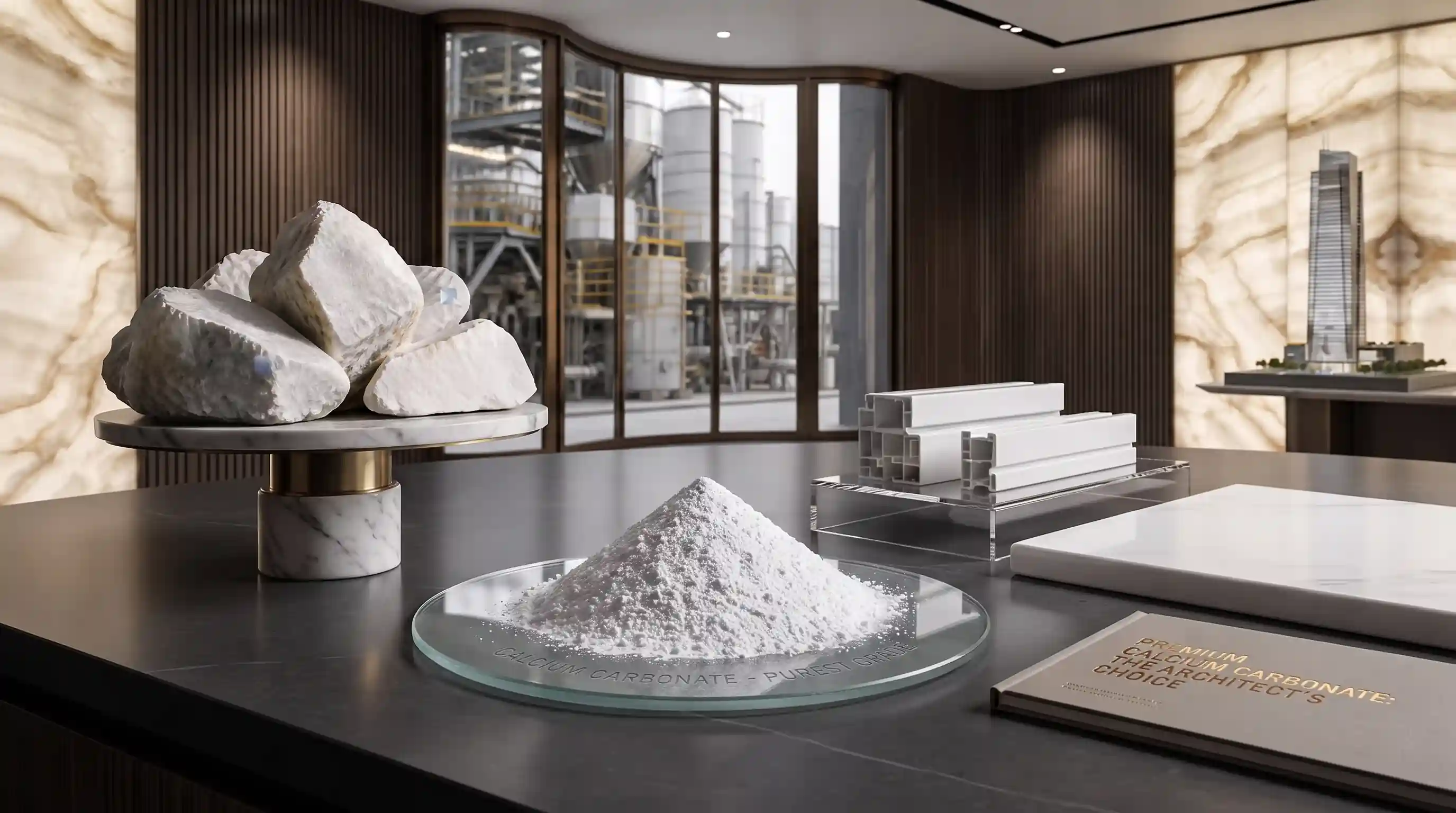
Economic and Environmental Benefits of Using Mineral Materials
In today's world of industrial competition, optimizing costs is the main conce of production managers. Using this mineral as a low-cost substitute for expensive polymer and cellulose materials is a proven solution for significantly reducing the finished cost of products. This economic advantage, alongside maintaining or even improving quality properties, creates high added value.
From an environmental perspective, the use of processed mineral fillers has fewer negative impacts on the ecosystem and helps reduce the consumption of renewable natural resources such as wood in the paper industry. This material is completely mineral and is well-compatible with nature after the product's life cycle is recycled.
Kani Sang Amiran Project, by utilizing advanced extraction and processing technologies, strives to launch sustainable products in line with environmental standards. This approach helps various industries manage their operational costs while adhering to their social responsibilities.
The combination of economic efficiency and technical performance has caused the demand for this mineral to be constantly growing, and various industries are reviewing their formulations day by day based on more optimal use of this valuable powder.
Selection and Purchasing Guide for Calcium Carbonate for Production Lines
Correct selection of the appropriate mineral for each production line requires a precise understanding of parameters such as chemical purity, whiteness, particle size distribution, and mesh range. Manufacturers must identify the exact needs of their process and obtain a product tailored to it before placing an order.
The specialized team at Kani Sang Amiran Project is ready to provide the necessary consultation on choosing the best grade and mesh suited to polymer, paint, paper, and engineering product applications to esteemed industrialists. Direct communication with a reputable supplier guarantees the stability of raw material quality and continuity of production.
For more information about technical specifications, ordering, and checking product details, it is recommended to visit the dedicated calcium carbonate page and benefit from the consulting services of this collection.
Adhering to technical points in the storage and maintenance of these powders is also important to prevent moisture absorption and clumping; actions that significantly help maintain the primary quality of the material until the moment it enters the mixer or extruder.

| Question | Answer |
|---|---|
| What role does calcium carbonate play in the paper industry? | It is used as a cost-effective filler and improves the whiteness, opacity, brightness, and printability of paper. |
| What is the mesh range of products produced by Kani Sang Amiran? | Products are supplied and offered in the 100 to 3500 mesh range. |
| What are the main applications of this mineral? | PVC/UPVC profiles and pipes, masterbatch, cables, artificial leather, paint, paper, adhesives, and engineered stone. |
| Is this material used in polymer industries? | Yes, it is used as a functional filler in pipes, masterbatches, and cables to improve mechanical properties. |
| How can one choose the right mesh for the production line? | Depending on the type of application (such as paper or paint) and the need for coarse or micronized particles, specialized consultation can be obtained from Kani Sang Amiran. |
| Does using this material help reduce costs? | Yes, substituting a portion of expensive polymer or cellulose materials with this mineral reduces the finished cost. |
| What is the effect of calcium carbonate on paint? | It increases the gloss, hiding power, and resistance of paint to atmospheric factors. |
| How can a purchase order be placed? | It is possible through visiting the product page on the Kani Sang Amiran Project website. |
| Is this material used in engineered stone? | Yes, it is used to create a dense structure, thermal resistance, and natural appearance in artificial stones. |
| Which company supplies this material? | Kani Sang Amiran Project as a producer of mineral materials. |
Kani Sang Amiran Project — A reference for the production and supply of industrial mineral materials.
برچسب: Calcium Carbonate,The Role of Calcium Carbonate in the Paper Industry,
نویسنده: رساوب آفرین