
درباره سایت
آخرین مطالب
- Benefits of Using White Talc in Paint and Resin Formulations
- كيفية اختيار التلك الصناعي المناسب لصناعتك
- سیلیس چیست؟ راهنمای جامع کاربردهای این ماده معدنی در صنایع مختلف
- السيليكا أم البنتونيت؟ أي معدن مناسب لصناعتك؟
- 7 Applications of Industrial Talc in Various Industries You Should Know
- مزایای استفاده از تالک سفید در فرمولاسیون رنگها و رزینها
- التطبيق المتخصص لكربونات الكالسيوم المغلفة في صناعة أعمدة الأبواب والنوافذ
- What is White Talc? Applications and Benefits of This Mineral in Industries
- What is the Difference Between Silica and Calcium Carbonate in Manufacturing Industries? A Complete Review
- تالک صنعتی یا کربنات کلسیم؟ مقایسه کاربرد و قیمت در صنعت
امکانات وب
Introduction to Dolomite and Its Position in Mode Industries
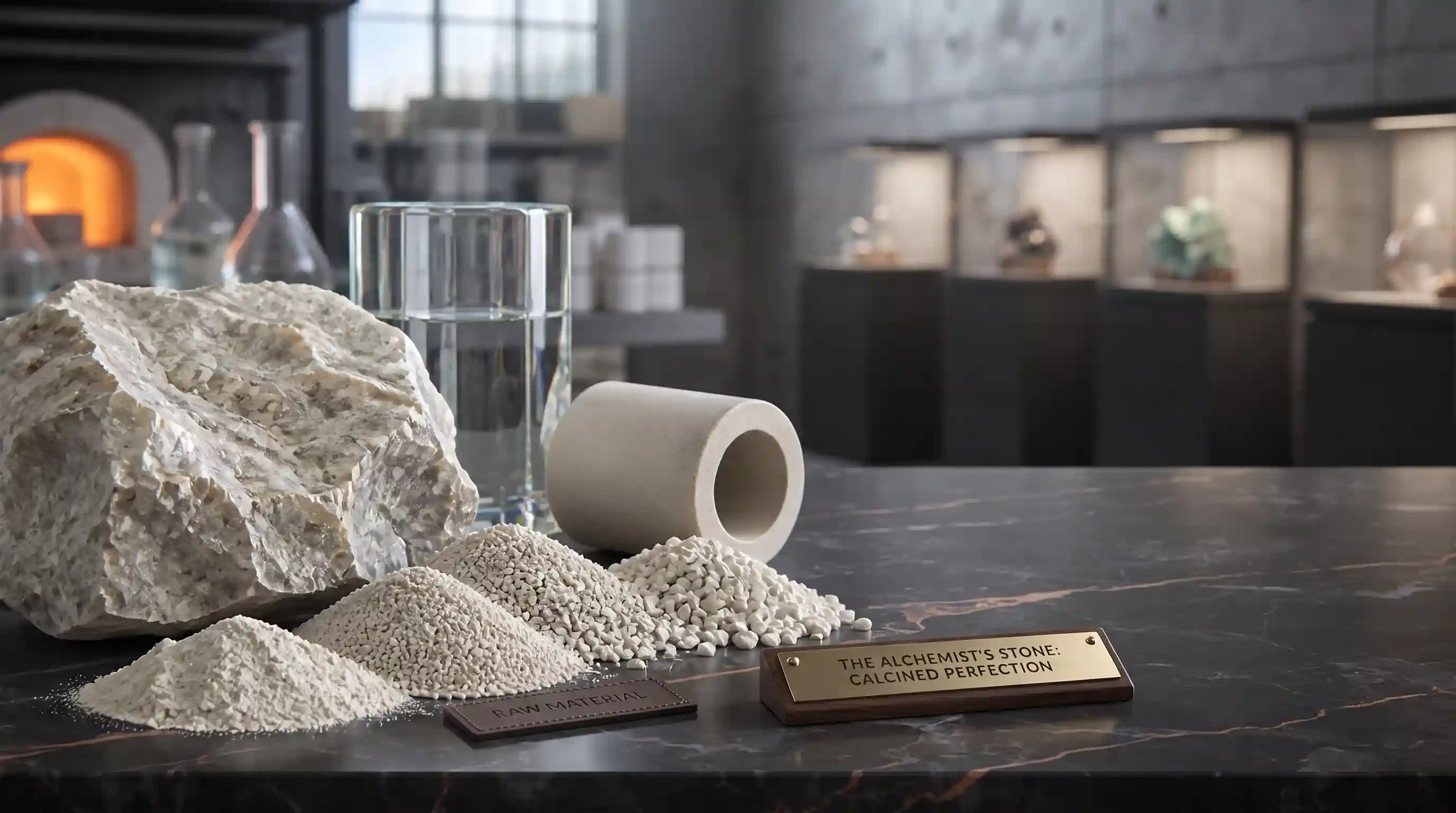
The mineral dolomite, as a double carbonate of calcium and magnesium, is one of the natural and well-known sediments in geology and various industries. The importance of this material is growing day by day due to its stable chemical composition and abundance in nature. In the mineral and processing industries, an accurate understanding of the physical and chemical characteristics of this material plays a key role in production optimization. Focusing on the extraction and preparation of high-quality raw materials, the Kani Sang Amiran project provides this product with various standards to downstream industries.
The structural characteristics of this mineral compound have made it applicable in a wide range of fields such as glassmaking, ceramics, and building materials. The presence of magnesium alongside calcium in the crystal lattice of this material imparts unique mechanical and thermal properties to the final products. Engineers and industrial designers are always looking for reliable sources that guarantee purity and gradation uniformity. For more information on supply details and the specifications of this material, you can visit the dedicated dolomite page to obtain more complete information.
An examination of industrial processes shows that the correct selection of base minerals has a direct impact on reducing production costs and increasing product lifespan. Due to its suitable hardness and stability against environmental factors, this material is considered a very suitable substitute for many simple carbonates. In the continuation of this article, we will examine in detail the various dimensions of using this valuable material in manufacturing and construction industries.
The Role and Importance of Dolomite in the Glassmaking Industry
The glassmaking industry is one of the major consumers of mineral materials, in which dolomite plays a very important role. The magnesium oxide present in the structure of this material improves the chemical and mechanical resistance of the manufactured glass and prevents undesirable phenomena such as recrystallization or partial dissolution in aqueous environments. The simultaneous presence of calcium and magnesium adjusts the melting point of the initial mixture and significantly helps reduce energy consumption in melting fuaces.
In addition, other mineral materials are also used in melting and glass-related industries, getting to know them is certainly worthwhile. For example, studies show that other mineral additives such as The Role of Red Iron Oxide (Ochre) in Glass Manufacturing Industries are also important in improving the color and structural properties of glass products. However, the primary role of our main subject material in creating thermal stability and structural transparency of glass is undeniable.
Manufacturers of glass containers and sheets are always looking for specific mesh sizes to maximize the melting speed in the fuace. By uniformly supplying the necessary metal oxides, this mineral material guarantees the final quality of the product and prevents the formation of gas bubbles or structural impurities in the glass body.

Application of Dolomite in Ceramics and Glaze Manufacturing Industries
In the ceramics industry, precise control of the chemical composition of the body and glaze is of vital importance. As a rich source of magnesium and calcium, dolomite acts as a flux or melting agent, which at high firing temperatures helps form glassy phases and fill micro-pores. This process leads to increased mechanical strength and reduced water absorption in ceramic products.
The use of this mineral material in glazes also helps improve gloss, reduce the coefficient of thermal expansion, and prevent glaze crazing. Dimensional stability and resistance to thermal shocks are other prominent advantages of having this compound in ceramic formulations. Production experts achieve maximum efficiency in firing kilns by precisely adjusting consumption percentages.
On the other hand, examining other applicable minerals in construction and pipe-making industries such as The Role of Kaolin in the Pipe-Making and Concrete Products Industry shows that synergy between various raw materials can dramatically enhance the final quality of structures and industrial products. Combining this knowledge helps develop more advanced products.
Application of Dolomite in Building Materials and Civil Engineering
A major portion of the global consumption of dolomite is dedicated to the construction industry and the production of mode building materials. This material is used as an aggregate in concrete, asphalt, and also as a filler in cement-based products. Physical stability and wear resistance make this material an ideal choice for heavy civil engineering projects.
In the production of building materials, proper gradation and being free of clay and clay impurities are very important. Due to its dense structure, this mineral material creates good adhesion with cement bonds and increases the durability of the structure against harsh weather conditions. It also finds extensive application in the production of lightweight concrete blocks and ready-mixed mortars.
By supplying this mineral material in the 10 to 40 mesh range, the Kani Sang Amiran project covers the needs of various civil and industrial sectors. This mesh sizing range is highly efficient for construction uses and the preparation of heterogeneous mixtures, demonstrating optimal performance in civil workshops.

Technical and Gradation Analysis in the 10 to 40 Mesh Range
Mineral gradation is one of the key parameters in engineering processes. The dolomite supplied by Kani Sang Amiran is processed and offered in the 10 to 40 mesh range. This range of gradation is very suitable for industries that require coarser particles and controlled sizing. Coarser meshes provide better flowability in dry mixtures and prevent materials from caking.
Strict quality control during the crushing and screening stages ensures that the particle size distribution remains within the standard range. This allows end consumers to achieve the best results in their formulations with the least amount of waste. Matching particle size with the requirements of industrial machinery plays a direct role in production efficiency.
Industries consuming this mesh range generally seek stability in chemical and physical analysis. The absence of sudden changes in the percentage of calcium and magnesium oxides guarantees the stability of the production process and prevents unwanted stoppages of industrial machinery.
The Role of Minerals and Fillers in the Polymer and Pipe-Making Industries
Although the primary application of this material is in glass, ceramics, and building materials, examining the behavior of fillers in the polymer industry also provides us with a broader perspective. In the manufacturing industries of plastic pipes and fittings, the use of mineral powders as fillers is common. To better understand this topic, reading the specialized article The Role of Calcium Carbonate in Plastic Pipe Manufacturing provides valuable information about the mechanism of reinforcing plastics.
Structural similarities between carbonates and alkaline earth minerals allow materials engineers to benefit from mutual experiences in optimizing formulations. Improving the elasticity modulus, reducing thermal shrinkage, and optimizing final costs are the common benefits of utilizing standard mineral fillers in polymeric and construction matrices.
Precise knowledge of the surface properties of particles and how they are distributed within the material matrix is the key to success in producing high-quality composite products. This knowledge helps industrialists guarantee the durability and efficiency of their products under various operational conditions by intelligently selecting raw materials.

Economic and Environmental Benefits of Using Dolomite
In addition to technical advantages, the use of domestic mineral resources is also of special importance from economic and environmental perspectives. Due to its abundance in domestic mines, dolomite is considered a cost-effective option for manufacturing industries, which significantly helps reduce raw material procurement costs.
From an environmental viewpoint, principled extraction and standard processing of this material generate less waste and align with the principles of sustainable development. Reducing energy consumption in glass and ceramic melting fuaces due to the fluxing properties of this material in tu leads to lower greenhouse gas emissions and improves energy consumption indices in factories.
Optimal supply chain management by the Kani Sang Amiran project ensures that this product reaches consumers with consistent quality and a competitive price. This approach helps various industries maintain their competitive edges in today's market and supply higher quality products to the market.
Conclusion and Future Prospects of Mineral Applications
Ultimately, a comprehensive review of the applications of dolomite shows that this valuable mineral holds an undeniable position in the glassmaking, ceramics, and building materials industries. Stable chemical characteristics, the combination of magnesium and calcium, and standard gradation in the 10 to 40 mesh range have made it one of the most widely used raw materials.
Advancements in mineral processing technologies herald newer and more specialized applications for this material in the future. With rising quality standards in manufacturing industries, the need for high-purity raw materials and stable analyses is felt more than ever. By precisely extracting and processing this product, the Kani Sang Amiran project has taken a firm step toward supplying the country's industrial needs.
Continued cooperation between the mining sector and manufacturing industries will be the key to sustainable development and upgrading the quality of final products in domestic and foreign markets. Investing in mode processing technologies will bring added value to the national economy.

| Question | Answer |
|---|---|
| What is dolomite? | A natural mineral material comprising a double carbonate of calcium and magnesium. |
| What are the main applications of this material? | Glass, ceramic products, and building materials. |
| What is the mesh sizing range of this product? | This product is supplied in the 10 to 40 mesh range. |
| What is the role of this material in glassmaking? | Improving thermal stability, chemical resistance, and adjusting the melting point in the fuace. |
| Is it used in the ceramics industry? | Yes, it acts as a flux and improves the strength and firing of the body and glaze. |
| How can this product be procured? | Through the Kani Sang Amiran website and the dedicated product page. |
| What is the economic advantage of using this material? | Abundance of domestic resources, reduction of production costs, and energy consumption optimization. |
| Is it used in building materials? | Yes, it is used as an aggregate in concrete, asphalt, and as a cement filler. |
| What is the role of magnesium in this compound? | Increasing mechanical strength and stability against environmental conditions. |
| Who supplies this product? | Kani Sang Amiran Project — Production of Mineral Materials. |
Kani Sang Amiran Project — Reference for the production and supply of industrial and construction minerals.
برچسب: Dolomite,The Role of Dolomite in the Rubber and Plastics Manufacturing Industries,
نویسنده: رساوب آفرین