
درباره سایت
آخرین مطالب
- تأثیر کیفیت سیلیس بر دوام و استحکام بتن صنعتی
- انتخاب بهترین دولومیت مش 10 تا 40 کاربردی در تولید شیشه
- انتخاب بهترین دولومیت مش 10 تا 40 کاربردی در تولید شیشه
- بهترین دولومیت صنعتی برای مصارف شیشه و مصالح ساختمانی
- دليل تقديم طلب شراء أكسيد الليمونيت (جول ماش)
- مزایای استفاده از اکسید لیمونیت (گل ماش)
- نقش تالک صنعتی در صنایع گچ و مصالح ساختمانی
- Benefits of Using Limonite Oxide (Gol Mash)
- دور التلك الصناعي في صناعات الجبس ومواد البناء
- The Impact of Silica Quality on the Durability and Strength of Industrial Concrete
امکانات وب
Introduction to the Importance of Identifying Quality Dolomite in Industry
The mineral dolomite is one of the most important double carbonates of calcium and magnesium, holding a special place in various industries. Identifying the quality of this mineral is vital for engineers and manufacturers. Similar to reviewing how to identify genuine calcium carbonate powder?, understanding the purity of this rock is of great importance.
In this article, we examine the technical characteristics, chemical structure, and methods for distinguishing high-quality samples from low-quality ones. Our mesh range for products varies between 10 to 40 mesh, covering the needs of various industries.
To supply this valuable material, you can visit the dedicated buy dolomite page on the Kani Sang Amiran website to obtain more complete information.
Various industries are constantly looking for standard raw materials to guarantee the final quality of their products. This also includes understanding other minerals as well.
Physical and Chemical Characteristics of Standard Dolomite
Dolomite, with its specific chemical formula, possesses unique physical properties. The hardness of this mineral on the Mohs scale is between 3.5 and 4, and its crystal structure is typically rhombohedral. The color of this material varies from white to gray, pink, and cream.
Understanding these physical properties helps buyers recognize the apparent quality of the powder at first glance. Of course, these examinations must also be accompanied by more precise laboratory tests to determine the level of impurities.
Similar to the careful examination of other raw materials such as what was explained in the article guide to identifying high-quality silica from low-quality samples, examining dolomite particles requires high precision.
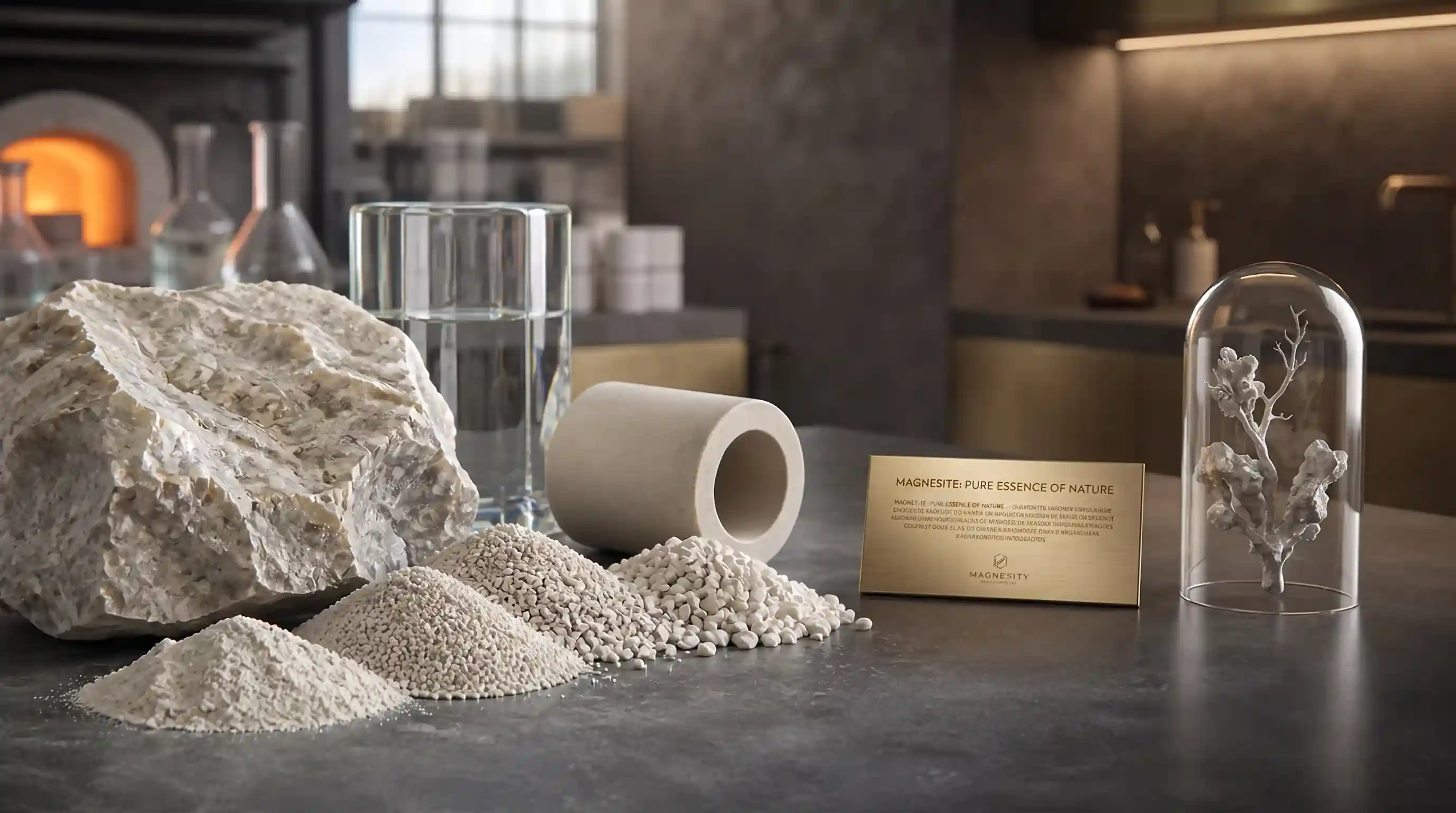
Our product mesh range, namely 10 to 40 mesh, provides a suitable granulation for industrial applications, which requires special attention during purchase.
The Role of the 10 to 40 Mesh Range in Dolomite Quality
Granulation and particle size of mineral powder have a direct impact on its efficiency in various industries. The 10 to 40 mesh range indicates a relatively coarser granulated powder used for specific purposes.
This mesh size is considered an ideal option for industries that require materials with a faster melting or mixing process. Granulation uniformity is one of the clear signs of high quality in these products.
If the purchased powder has impurities or an unbalanced mesh distribution, it will disrupt the final production process. Therefore, quality control of granulation by the manufacturer is of high importance.
With precision in the crushing process, the Kani Sang Amiran project offers a uniform product in the mentioned mesh range to the market, possessing the necessary standards.
Application of Dolomite in the Glass and Ceramic Industry
One of the main applications of dolomite is in the glass-making industry and the production of ceramic products. The magnesium present in this compound helps reduce the melting temperature of glass and increases its durability.
In the ceramic industry, this material is also used as a flux, which greatly helps improve the firing of glaze and body. The quality of this material directly affects the transparency and strength of the glass.
As discussed in specialized ceramic and glazing topics such as articles related to how to identify standard feldspar?, the purity of fluxing minerals is extremely vital.
Therefore, using high-quality dolomite powder free of excess iron oxides is an undeniable necessity for producing transparent glass and high-grade ceramics.
Application of Dolomite in Construction Materials
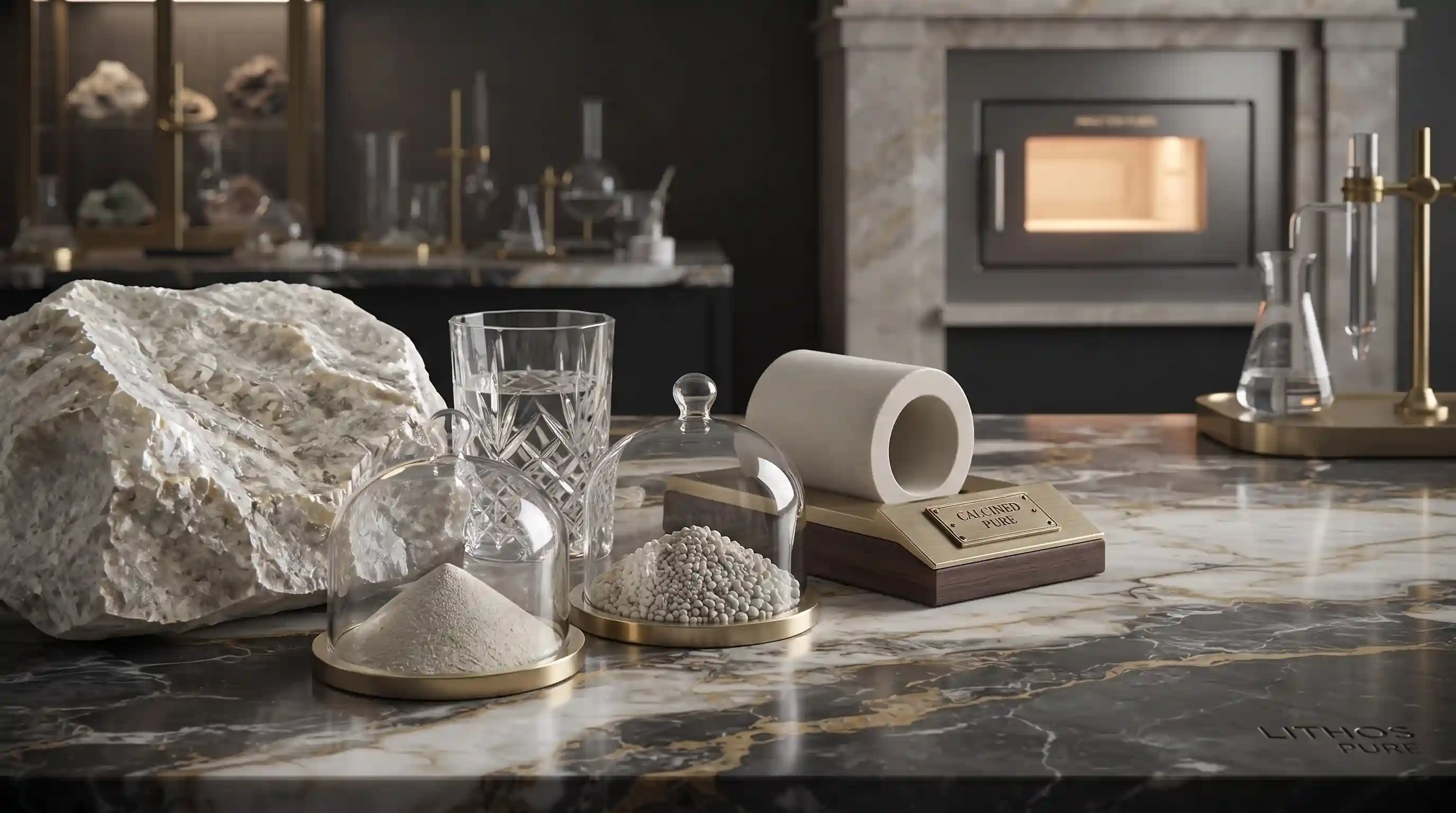
Construction materials are another major consumption area for this mineral. Dolomite powder is widely used in the production of various mortars, concrete, artificial stones, and wall coatings.
The presence of this material in the structure of construction materials improves compressive strength and stability against various weather conditions. The 10 to 40 mesh granulation is very suitable for this sector.
Low-quality construction powders usually contain a large amount of clay or miscellaneous stones, which reduce the adhesion of the mortar and cause cracking.
Therefore, developers and building material manufacturers must check the powder sample for adhesion and uniformity before bulk purchasing to prevent potential losses.
Laboratory and Field Methods for Identifying High-Quality Dolomite
To accurately diagnose the quality of dolomite, various methods exist, including the acid test. Adding dilute hydrochloric acid to the dolomite sample produces a milder reaction than pure limestone, which is an indication of magnesium.
In addition to simple field tests, precise chemical analyses such as XRF and XRD methods can determine the exact percentage of calcium, magnesium, and interfering oxides.
The presence of high amounts of free silica or excessive iron in the powder indicates low quality and improper processing, which must be checked in the analysis sheets.
Reputable manufacturers always provide the analysis sheet of their products so that buyers can place orders with complete confidence in the technical specifications.
Common Mistakes in Buying Dolomite and Prevention Methods
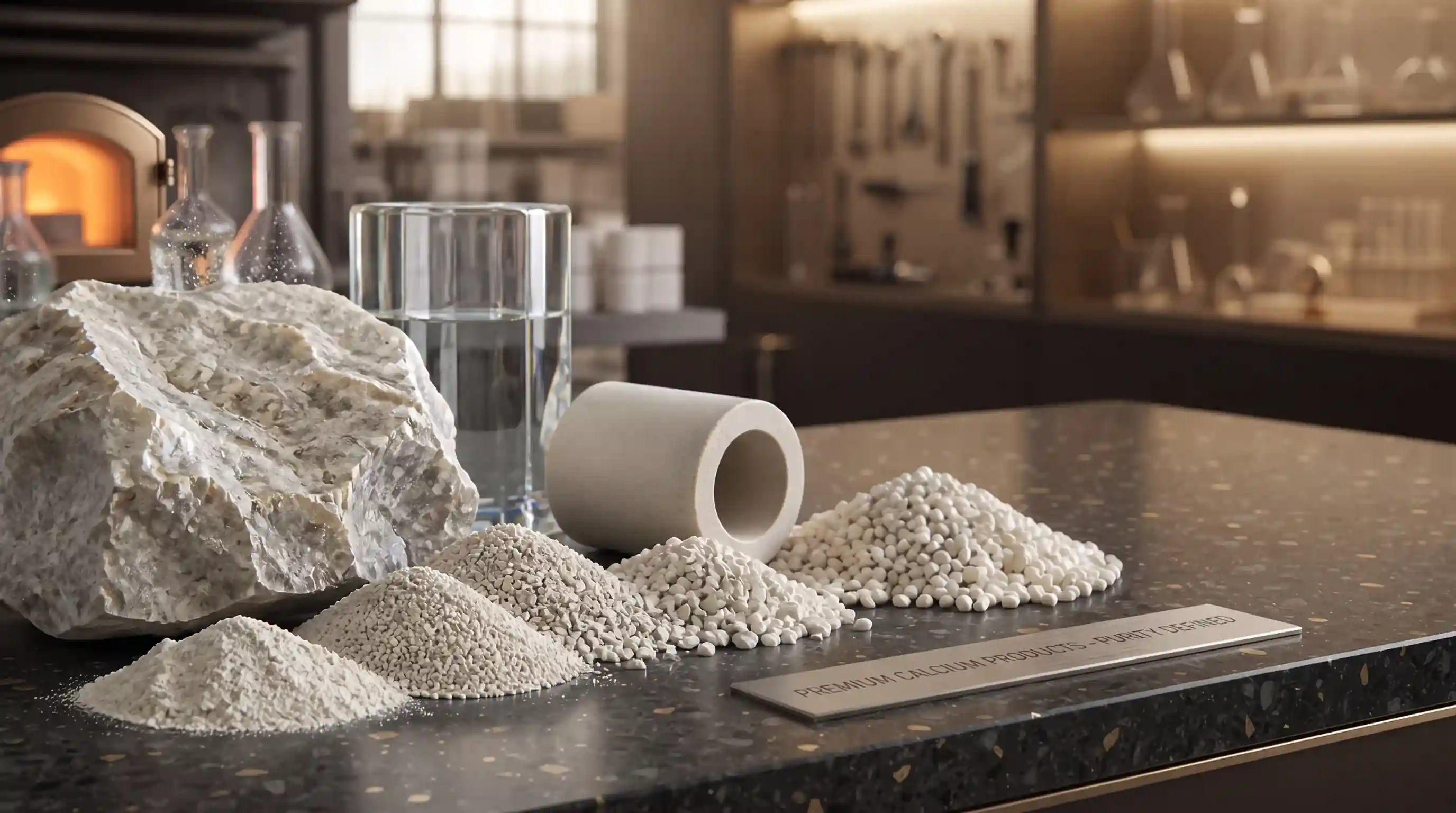
Many buyers procure minerals solely based on lower prices, which brings great risks to the production line. Cheap powder often has high impurities.
Another mistake is paying no attention to the required mesh range. Buying the wrong mesh causes problems with the mixing process in glass and ceramic industries and drops product quality.
Not checking physical samples before bulk purchase is another common error that can endanger manufacturers' capital.
To prevent these problems, buying from reputable sources and experienced manufacturers like the Kani Sang Amiran project is the best strategy to guarantee the authenticity and quality of minerals.
Conclusion and Final Guide for Buying Dolomite from Kani Sang Amiran
In this article, we comprehensively examined the characteristics of dolomite, its applications in glass, ceramics, and construction materials, and methods for identifying high-quality samples. It became clear that powder quality has a direct impact on the final product.
Adhering to granulation standards in the 10 to 40 mesh range and ensuring chemical purity is the key to success in dependent industries. Smart selection of raw materials drastically reduces production costs.
With high-quality mineral products, the Kani Sang Amiran project team is ready to supply the needs of various industries under the best conditions and bring peace of mind to industrialists.
Relying on the provided information, you can now proceed to select and purchase the minerals needed for your production line with a more open and scientific perspective.
| Question | Answer |
|---|---|
| What is dolomite? | It is a double calcium and magnesium carbonate mineral used in various industries. |
| What are the main applications of dolomite? | Glass, ceramic products, and construction materials. |
| What is the mesh range of this product? | It is supplied between 10 to 40 mesh. |
| How do we recognize high-quality dolomite? | Through reviewing the chemical analysis sheet, color, acid test, and granulation uniformity. |
| Is dolomite powder used in glassmaking? | Yes, it is used as a source of magnesium and to lower the melting temperature. |
| What is the role of dolomite in ceramics? | It acts as a flux and helps better fire the glaze and body. |
| Why is checking the mesh range important? | Because particle size has a direct impact on melting speed and mixing quality. |
| Is a low price a sign of quality? | No, very cheap powders usually have high impurities. |
| How can this product be purchased? | You can place your order through the Kani Sang Amiran products page. |
| What is the difference between dolomite and limestone? | Dolomite contains magnesium and reacts more slowly with acid. |
Applied geology scientific sources and national standards of the Iranian mining industry.
برچسب: Dolomite,How to Distinguish High,Quality Dolomite Powder from Low,Quality,
نویسنده: رساوب آفرین