
درباره سایت
آخرین مطالب
- The role of industrial barite in the papermaking and specialty coatings industries
- How to find the best kaolin supplier in the country?
- How to properly examine feldspar analysis?
- ما هي استخدامات التالك الصناعي في صناعة البلاستيك والمطاط؟
- بررسی مزایای خرید عمده اکسید لیمونیت (گل ماش)
- Calcium Carbonate vs. Silica: Which mineral is more suitable?
- The effect of limonite oxide (yellow ochre) on the quality of construction materials
- ما هي أنواع السيليكا المعدنية وما الفرق بينها؟ دراسة شاملة
- كيف نفحص تحليل الفلسبار بشكل صحيح؟
- كيف تختار أفضل أكسيد حديد أحمر (مغرة) لمشروعك؟
امکانات وب
Introduction: What are Calcium Carbonate and Dolomite and why are they compared?
Calcium Carbonate with the chemical formula CaCO₃, is considered one of the most abundant, well-known, and widely used minerals in the Earth's crust. This substance is naturally found in three main crystalline forms: Calcite, Aragonite, and Vaterite, with the Calcite type having the most industrial application. Calcium carbonate is produced in two main forms: Ground Calcium Carbonate (GCC), obtained by grinding limestone, and Precipitated Calcium Carbonate (PCC), produced through chemical processes. Due to its high whiteness, reasonable price, great abundance, and compatibility with various formulations, it has become one of the most important mineral fillers in the polymer, paint, paper, and engineered product industries.
Dolomite is also a mineral belonging to the carbonate group, but its fundamental difference from calcium carbonate lies in its chemical composition. Dolomite is essentially a double carbonate of calcium and magnesium and has a structure similar to calcite; part of the calcium in its crystal lattice is replaced by magnesium. For this reason, dolomite is sometimes known as magnesium calcium carbonate. Dolomitic rocks are usually formed by the conversion of limestone in the presence of magnesium-rich water over millions of years, and there are numerous mines of this material all over the world.
Comparing these two materials is of great importance to industrialists; because both are used as fillers and white pigment bases in similar industries, but their different behavior in production processes, differences in purity, differences in chemical reactivity, and differences in the final price affect the final choice. A wrong choice between these two can lead to a drop in the quality of the final product, an increase in waste, and even damage to production equipment. That is why a precise understanding of their structural, physical, and chemical differences is a vital step toward optimizing formulations and reducing production costs.
In this article, we intend to examine these two minerals from various angles: chemical composition, crystal structure, physical properties, mesh range and particle size importance, industrial applications, and finally, criteria for making the right choice between them. In the following, we will also introduce the production range of calcium carbonate with 100 to 3500 mesh and its specialized applications in PVC/UPVC profiles and pipes, masterbatch, cables, artificial leather, paint, paper, adhesives, and engineered stone to provide you with a complete and practical picture for decision-making.
Differences in Chemical Composition and Crystal Structure
The fundamental difference between calcium carbonate and dolomite lies in their chemical composition. Pure calcium carbonate consists of a calcium cation (Ca²⁺) and a carbonate anion (CO₃²⁻) and, in an ideal state, contains about 40% calcium, 12% carbon, and 48% oxygen. In contrast, dolomite has the formula CaMg(CO₃)₂; that is, calcium and magnesium are present in approximately equal amounts in its crystal lattice. It is this presence of magnesium that makes the chemical and thermal behavior of dolomite somewhat different from calcite. For example, the thermal decomposition of calcium carbonate occurs at about 600 to 900 degrees Celsius, while dolomite decomposes in two separate stages and in a different temperature range, which is caused by the presence of magnesium carbonate in its structure.
From the perspective of crystal structure, both materials crystallize in the trigonal (rhombohedral) crystal system and have many visual similarities; that is why distinguishing them without precise tests is difficult. However, there are subtle differences: the unit cell of dolomite is slightly smaller than that of calcite, and the arrangement of cations in it is in the form of alteating layers of calcium and magnesium. This layered arrangement gives dolomite higher structural stability against weathering and weak acids, and in natural environments, dolomitic rocks usually show more resistance than pure limestone.
One of the most important laboratory diagnostic criteria is the reaction with dilute hydrochloric acid. Calcium carbonate reacts rapidly with cold, dilute acid, releasing carbon dioxide gas as effervescence and bubbles, but dolomite reacts very slowly with cold, dilute acid and usually needs to be powdered or heated acid must be used for the reaction to occur at a significant speed. This difference plays a decisive role in the choice of material in applications where the rate of chemical reactivity is important.
In terms of industrial purity, high-purity calcium carbonate is relatively easy to prepare, and it can be produced with a high percentage of CaCO₃ and a negligible amount of impurities such as silica, iron oxide, and alumina. In contrast, the purity of dolomite depends on the composition of the mine's raw material and is often accompanied by a certain percentage of silica and other impurities. This directly affects whiteness, dispersibility, and final product performance. Therefore, in applications where particle brightness and dispersion are paramount, calcium carbonate is a more predictable option. If you want to compare these structural differences with other mineral fillers, reading the article Examining the structural differences between white talc and calcium carbonate gives you a more precise perspective in this field.

Physical Differences: Hardness, Density, Color, and Purity
One of the most important physical differences between calcium carbonate and dolomite is the degree of hardness. Calcite has a hardness of about 3 on the Mohs scale, while dolomite hardness is estimated between 3.5 and 4. Although this difference seems small, it has significant economic and technical meaning in practice. The higher the hardness of the filler material, the more energy the grinding process requires, the higher the production cost, and the wear on grinding mills and extrusion equipment increases. For this reason, calcium carbonate, due to its greater softness, holds a superior position in industries that require a soft, low-abrasive filler.
Density is another difference between these two materials. The density of calcium carbonate is about 2.71 g/cm³, and the density of dolomite is about 2.8 to 2.86 g/cm³. The density difference seems negligible at first glance, but in formulations adjusted based on weight or volume, this difference can affect the amount of filler material consumed and, consequently, the final cost of the product. Also, in applications where the final weight of the part is important, choosing a material with lower density can create a competitive advantage.
In terms of color and whiteness, high-purity calcium carbonate usually offers very good whiteness and can achieve a whiteness of over 90 percent in different grades. This feature has made calcium carbonate an ideal choice for paint, paper, and white masterbatches. Dolomite also has acceptable whiteness, but due to the presence of impurities such as iron oxide and silica in many mines, its whiteness and color uniformity are less than calcium carbonate. That is why in applications where color stability and whiteness are critical, calcium carbonate is usually the first choice of industrialists.
Thermal and chemical properties also create other differences. Calcium carbonate decomposes at high temperatures and releases carbon dioxide, a feature that is useful in some applications such as soil amendment, water treatment, and glass production. Dolomite has similar behavior, but the presence of magnesium causes it to show different stability against heat. In weak acidic environments, dolomite dissolves more slowly, and this is important in applications where the filler material must remain stable over time. In general, calcium carbonate, due to its higher reactivity, is more suitable for processes that require rapid reaction or rapid acid absorption.
100 to 3500 Mesh Range and Importance of Particle Size
One of the most important factors determining the quality and application of calcium carbonate in various industries is its particle size, or in other words, its "mesh". The term mesh refers to the size of the sieve through which particles pass; the larger the mesh number, the finer the particles. The production range of calcium carbonate from 100 mesh to 3500 mesh covers a wide range of particle sizes, each of which is suitable for a specific application. Low mesh calcium carbonate, such as 100 to 300, usually has coarser particles and is mostly used in applications that require inexpensive filler with low dispersion; such as some construction materials, agricultural lime, and water treatment.
As fineness increases, applications become more specialized. Calcium carbonate with 500 to 1200 mesh is used in paint, adhesive, and some polymer product industries because finer particles have better dispersion in the polymer matrix and create a smoother, more uniform surface. However, very fine meshes, i.e., 2000 to 3500 mesh, are used for advanced applications such as high-quality masterbatches, thermal cables, artificial leather, and paints with high surface quality. In these meshes, the particle size reaches a few microns and creates a significant increase in the transparency, dispersion, and mechanical properties of the final product.
Particle size has a direct effect on several key properties: surface area, oil absorption, dispersibility, transparency, and optical gloss. The finer the particles, the larger their surface area, which in tu increases the amount of oil and resin absorption. As a result, in formulations where very fine particles are used, it may be necessary to increase the amount of resin or use additives to keep viscosity and processability within the desired range. That is why the choice of the appropriate mesh must be made carefully and based on the requirements of the final application.
In addition, particle size distribution (PSD) is very important for product quality. Particles with a uniform and narrowed distribution behave more acceptably and predictably in processes such as extrusion and molding. Irregular particles with a wide distribution can cause changes in viscosity, fluctuations in melt mass, and eventually a drop in product quality. Professional manufacturers control the particle size distribution within a specific range using advanced mills and precise classification systems. This becomes especially important in engineering applications where calcium carbonate must provide stable performance alongside other additives.

Application of Calcium Carbonate in Polymer Industries: PVC/UPVC Profiles and Pipes and Masterbatch
One of the largest consumer markets for calcium carbonate, is the polymer and plastic industry. In the production of PVC and UPVC profiles and pipes, calcium carbonate plays a very important role as a mineral filler. By filling the empty space in the polymer matrix, this material reduces production costs, increases compressive strength, improves mechanical properties, and increases the production line speed. In UPVC profiles used for windows and doors, calcium carbonate helps to achieve a smooth and glossy surface and also plays an effective role in reducing the thermal shrinkage rate of the product.
In masterbatch production, calcium carbonate also holds a special position. White masterbatch is used as an additive for coloring plastic products, and calcium carbonate acts as a pigment carrier and filler in it. The fine particles of calcium carbonate ensure excellent pigment dispersion, resulting in a more uniform and stable final color. Using high-quality calcium carbonate in masterbatch also reduces the amount of expensive titanium dioxide consumed, which alone can create significant economic savings for the producer.
In the cable industry, calcium carbonate is also used in insulation and cable sheathing compounds. In this application, calcium carbonate must have high purity, a uniform particle size distribution, and a negligible amount of metallic impurities so that the electrical properties of the cable are not affected. Here, calcium carbonate helps improve thermal resistance, reduce energy loss, and increase processability at high production speeds. Furthermore, in the production of artificial leather, which is a dense polymer product, calcium carbonate acts as a filler to provide cohesion to its structure and create a more natural surface consistent with the final application.
One of the important advancements in this field is the use of coated calcium carbonate. In this type, the surface of the particles is covered with a thin organic layer, such as fatty acid, which significantly improves the wettability of the particles and their bonding with polymer chains. The result of this is reduced viscosity, increased extrusion speed, reduced energy consumption, and improved mechanical properties of the product. To gain a deeper understanding of this subject, we suggest you read the article A Review of the Technical Benefits of Coated Calcium Carbonate in Extrusion. Also, to view the technical specifications and production range of this product, you can visit the page Calcium Carbonate Product at Kani Sang Amiran Project.
Application of Calcium Carbonate in Paint, Paper, and Adhesive
In the paint industry, calcium carbonate is one of the most widely used fillers and pigments. Due to its natural white color, controllable particle size, and reasonable price, this material is used in the production of architectural paints, industrial paints, surface coatings, and primers. In water-based and architectural paints, calcium carbonate regulates water absorption and sprayability, and also acts as an inexpensive base for expensive pigments. The particle size and their distribution have a direct impact on the surface quality of the dried paint, its gloss level, and its abrasion resistance.
In the paper industry, calcium carbonate plays an even more key role. This material is used in two important stages of paper production: the filling stage and the coating stage. In the filling stage, calcium carbonate fills the space between cellulose fibers, resulting in paper with higher whiteness, better opacity, and higher printability. In the coating stage, a layer of calcium carbonate is applied to the paper surface to create a smooth and even surface for high-quality printing. However, in acidic papermaking, the use of calcium carbonate has limitations because it is released in an acidic environment and causes bubbling; for this reason, most paper mills today have moved toward alkaline papermaking, in which calcium carbonate provides the best performance.
The adhesive and sealant industry also benefits from calcium carbonate. In the production of water-based adhesives, hot-melt adhesives, and sealants, this material acts as a filler and causes viscosity regulation, improved adhesion, reduced shrinkage during drying, and increased product volume. Calcium carbonate with the appropriate particle size can increase the strength of the adhesive at the bonding interface while significantly reducing production costs. In construction and industrial adhesives, a high amount of calcium carbonate is used because this material has good compatibility with various resins and polymers.
In all these applications, selecting the appropriate mesh and the quality of calcium carbonate has a direct impact on the performance of the final product. For example, in paint production, 400 to 1250 mesh is usually used, while for coated paper, much finer calcium carbonate may be used. The difference between calcium carbonate and dolomite in these industries is mainly in the whiteness, dispersion, and uniformity of the product; high-purity calcium carbonate provides more predictable results in paint, paper, and adhesive formulations, which is why it is the first choice of professional producers.
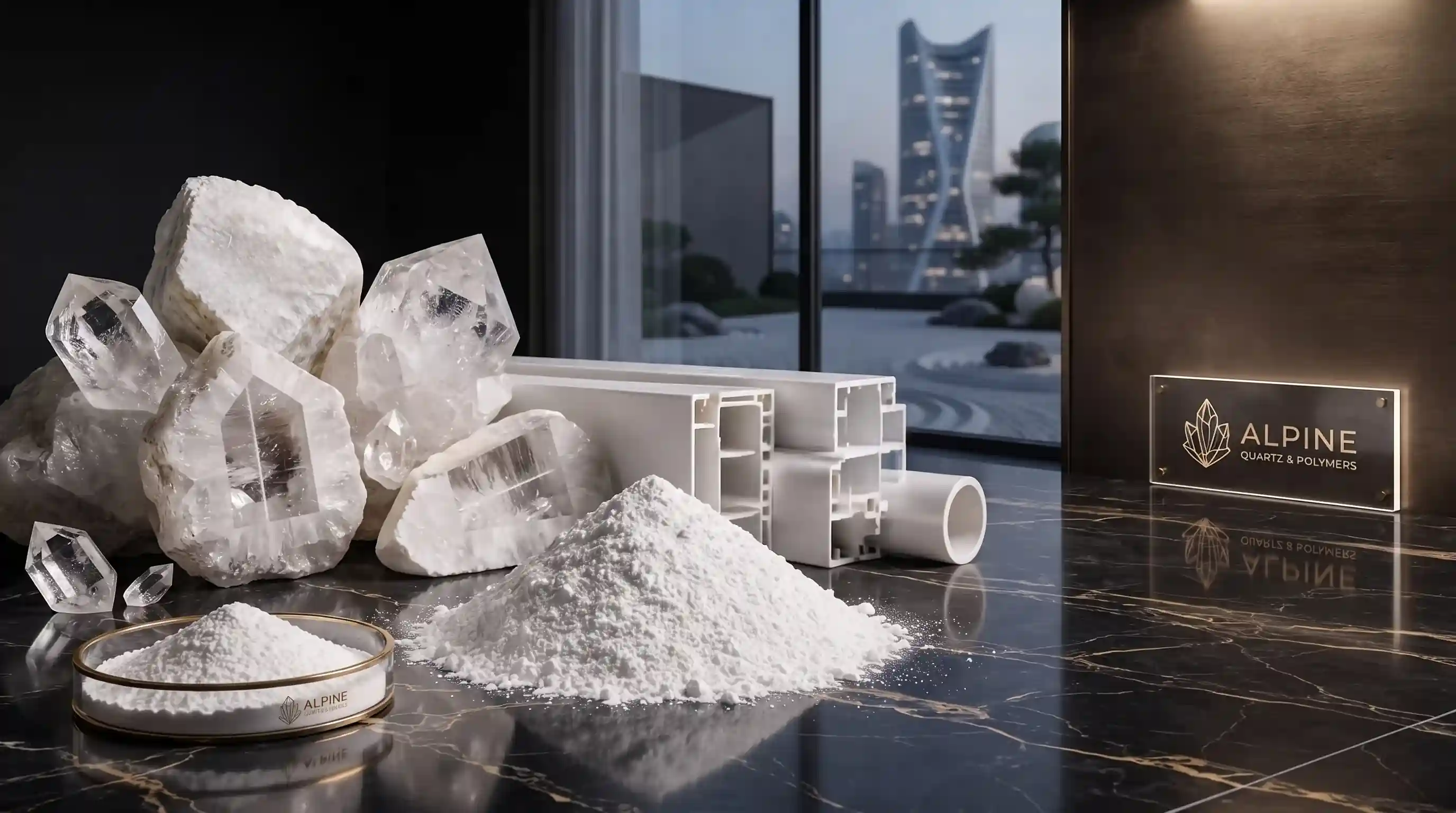
Engineering Applications: Artificial Stone, Artificial Leather, and Cable
In the artificial stone or engineered stone industry, calcium carbonate is recognized as one of the main raw materials. Artificial stones are usually made from a combination of polymer resin, aggregates, and mineral fillers, and calcium carbonate simultaneously acts as a filler and density regulator in them. The use of calcium carbonate in artificial stone ensures the final product has a smooth, glossy, and even surface and increases its optical brightness. In addition, this material significantly reduces production costs by reducing the amount of expensive resin consumed, while maintaining the physical resistance and durability of the product.
In the production of artificial leather, calcium carbonate also has wide applications. Artificial leather usually consists of a fabric base layer and a polymer coating layer (PVC or polyurethane). Calcium carbonate is used as a filler in this coating layer and gives it strength, thickness, and a more natural texture. This material also plays a role in regulating oil absorption and processability in artificial leather production machines. For high-quality artificial leather production, calcium carbonate with very fine particles and uniform distribution is usually used so that the final surface is completely uniform and flawless.
In the cable industry, calcium carbonate is used in insulation, sheath, and filler compounds. Power cables and telecommunication cables require insulation that maintains its electrical properties over time and under various environmental conditions. Calcium carbonate with high purity and low metallic impurities provides these features well while helping to improve the thermal and mechanical properties of the insulation. Using this material in cables increases production speed and reduces the final cost of the product.
The difference between calcium carbonate and dolomite in these engineering applications is mainly in their purity, particle uniformity, and surface properties. Dolomite may be used in some of these applications, but due to the presence of magnesium in its structure, its properties differ from pure calcium carbonate, and in applications requiring high stability and precise specifications, calcium carbonate is the more reliable choice. For example, in artificial stone and artificial leather, the high whiteness and brightness of calcium carbonate play a key role in the appearance of the final product, and in cables, its chemical purity is vital for maintaining electrical properties.
Conclusion: Which material to choose?
The choice between calcium carbonate and dolomite depends on the exact needs of each industry and the final formulation. As we examined in previous chapters, these two materials differ in chemical composition, hardness, density, whiteness, and thermal behavior. High-purity calcium carbonate, with its greater softness, better whiteness, and higher chemical reactivity, is the superior option for applications requiring excellent surface quality, good dispersion, and stable mechanical properties. On the other hand, dolomite, due to its greater stability against weak acids and higher abrasion resistance, has its place in applications such as construction aggregates, industrial flooring, and certain mineral processing.
In polymer, paint, paper, and engineering industries, calcium carbonate is the first choice for industrialists. In these applications, the 100 to 3500 mesh range allows for the selection of the appropriate particle size for each application. For PVC/UPVC profiles and pipes, 300 to 1250 mesh calcium carbonate usually provides the best results, while in masterbatch, cable, artificial leather, and engineered stone, the use of much finer meshes (2000 to 3500) is essential to achieve high surface quality and optimal mechanical properties.
When selecting a calcium carbonate supplier, several key factors must be considered: chemical purity, particle size distribution, whiteness, the amount of metallic impurities such as iron oxide, and the ability to supply consistently with uniform quality. The Kani Sang Amiran project, as a mineral producer, produces this product in a wide range of meshes with strict quality control. Visit the Calcium carbonate product page provides you with more technical information.
Ultimately, the use of coated calcium carbonate can provide greater economic and technical benefits in production processes. This type of calcium carbonate increases production speed and reduces energy consumption by improving the wetting of particles in the polymer matrix. To examine these benefits in detail, we suggest reading the article An investigation into the economic benefits of using coated calcium carbonate in production. Making the right decision between calcium carbonate and dolomite requires a full understanding of product requirements, a precise knowledge of the properties of these two materials, and cooperation with a supplier that can provide a product in accordance with your required technical specifications.
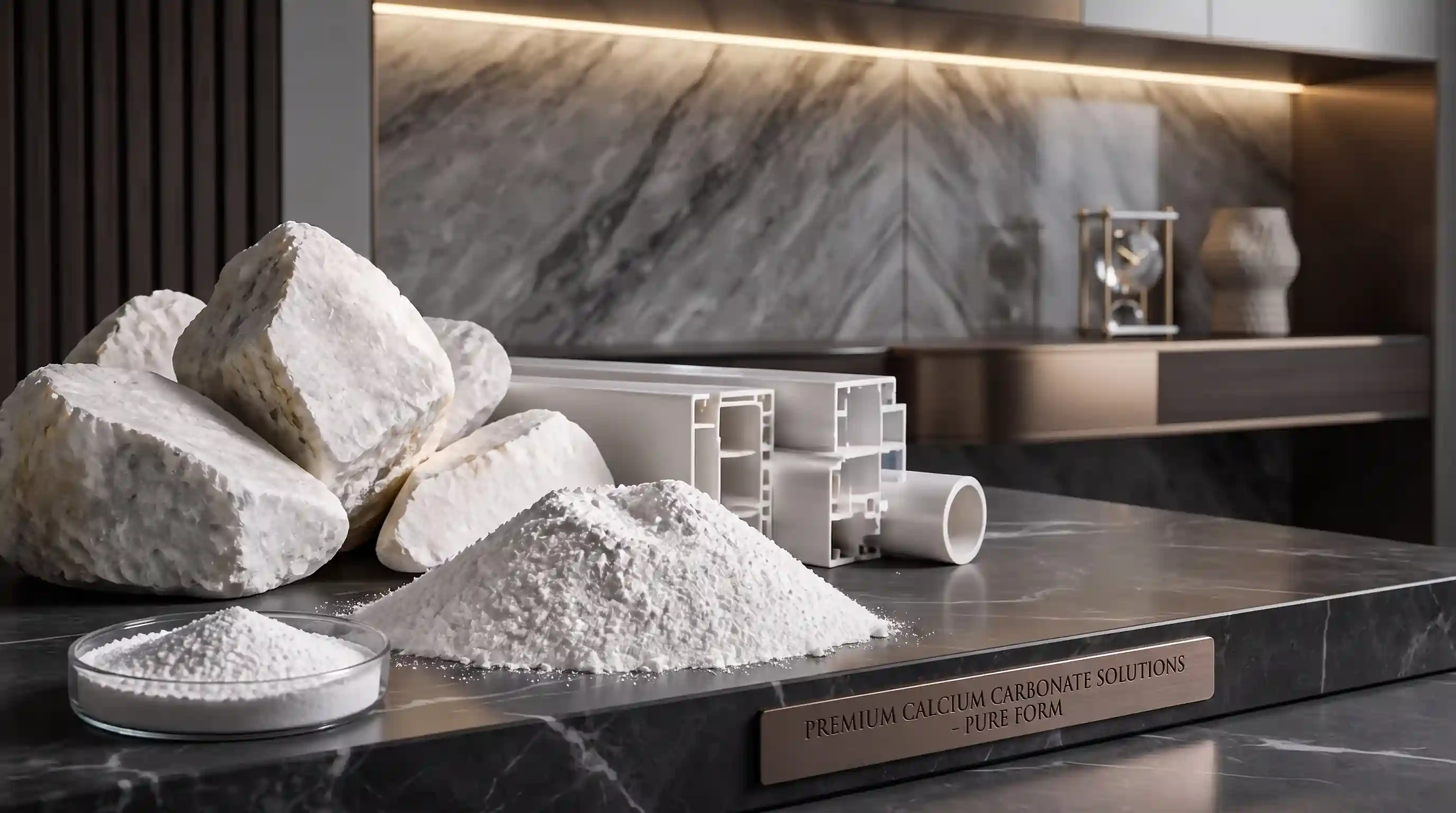
| Question | Answer |
|---|---|
| What is the main difference between calcium carbonate and dolomite? | Calcium carbonate (CaCO₃) only contains calcium, but dolomite (CaMg(CO₃)₂) contains both calcium and magnesium in its structure, and its hardness is slightly higher. |
| In what mesh sizes is calcium carbonate produced? | This product is produced in the range of 100 to 3500 mesh, and each application requires a specific particle size. |
| What are the applications of calcium carbonate? | Its main applications include PVC/UPVC profiles and pipes, masterbatch, cables, artificial leather, paint, paper, adhesives, and engineered stone. |
| Where is dolomite used? | Dolomite is mostly used in construction aggregates, industrial flooring, water treatment, and some ceramics. |
| Why is calcium carbonate more widely used in polymer industries? | Because it is softer, it causes less abrasion to machinery, has higher whiteness, and disperses better in the polymer matrix. |
| What is coated calcium carbonate and what are its benefits? | The coated type is covered with an organic layer, improves particle wetting, reduces viscosity, and increases extrusion speed. |
| Which mesh is suitable for UPVC profiles? | Usually, 300 to 1250 mesh provides the best balance between price and quality for PVC/UPVC profiles and pipes. |
| Why is calcium carbonate used in papermaking? | This material increases the whiteness, surface smoothness, and printability of paper, and it performs best in alkaline papermaking. |
| How does calcium carbonate affect the paint industry? | This material acts as a pigment base and filler, regulates water absorption and paint spatter, and reduces the consumption of expensive pigments. |
| Which one is more suitable for artificial stone? | Calcium carbonate, due to its higher whiteness and brightness, creates a smoother and shinier surface in artificial stone. |
The information in this article is compiled from the technical data of calcium carbonate products on the Kani Sang Amiran project website (https://ksamiran.ir/products/calcium-carbonate/)
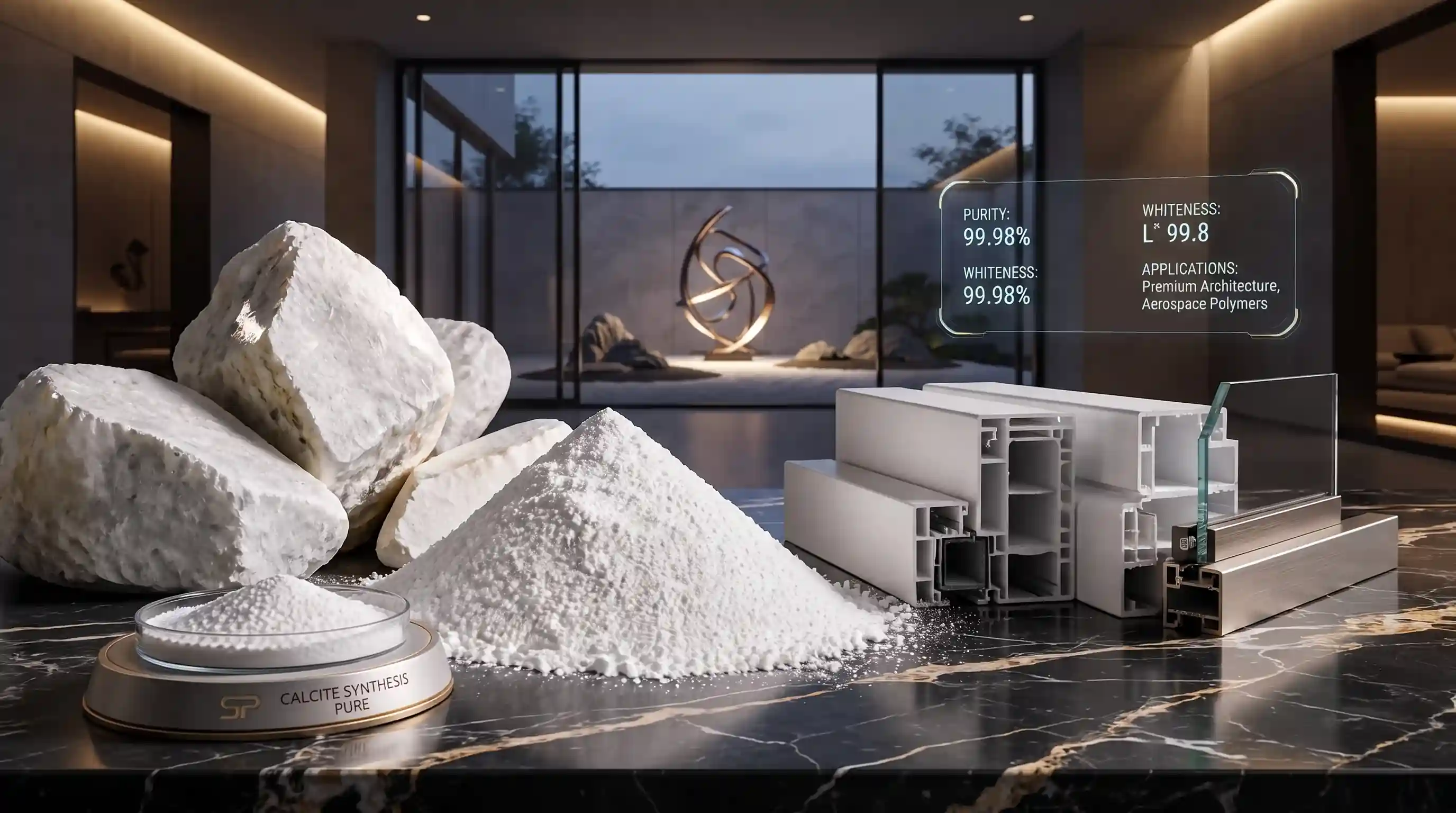
برچسب: Calcium carbonate,Calcium carbonate or dolomite? Examining the differences and key applications,
نویسنده: رساوب آفرین