
درباره سایت
آخرین مطالب
- تأثیر کیفیت سیلیس بر دوام و استحکام بتن صنعتی
- انتخاب بهترین دولومیت مش 10 تا 40 کاربردی در تولید شیشه
- انتخاب بهترین دولومیت مش 10 تا 40 کاربردی در تولید شیشه
- بهترین دولومیت صنعتی برای مصارف شیشه و مصالح ساختمانی
- دليل تقديم طلب شراء أكسيد الليمونيت (جول ماش)
- مزایای استفاده از اکسید لیمونیت (گل ماش)
- نقش تالک صنعتی در صنایع گچ و مصالح ساختمانی
- Benefits of Using Limonite Oxide (Gol Mash)
- دور التلك الصناعي في صناعات الجبس ومواد البناء
- The Impact of Silica Quality on the Durability and Strength of Industrial Concrete
امکانات وب
Introduction to the Importance of Kaolin in Thermal and Refractory Industries
High-temperature industries always require specific minerals that can maintain their stability under extreme thermal stress. The mineral kaolin is considered one of the main pillars in the formulation of these products. The chemical and physical structure of this material is such that it does not undergo destructive changes when exposed to high heat, significantly helping to maintain the shape and strength of components. In industrial projects, the careful selection of raw materials can be decisive, and this material has found a special place due to its unique characteristics.
To better understand the thermal behavior of this material, exploring the role of kaolin in improving the thermal resistance of refractory materials is worthwhile, as it sheds light on new dimensions of its engineering applications. On the other hand, familiarizing oneself with products such as kaolin produced by the Kani Sang Amiran group helps engineers choose the best mesh range tailored to their needs. With its precise dimensional ranges, this material plays a key role in optimizing production processes.
In this comprehensive article, we intend to examine the various dimensions of using this mineral in different industries with a focus on high temperatures. From its structural features to its impact on the final quality of products, everything will be analyzed so that the reader gains a comprehensive and practical perspective on this subject.
Structural and Physical Characteristics of Kaolin
The mineral kaolin is a hydrated aluminum silicate that has a distinct layered structure. This layered structure allows it to exhibit stable behavior against mechanical and thermal forces. One of the most important characteristics of this material in the market is the 450 to 1500 mesh range, which indicates the high precision of its micronization process in processing units. Particles with these fine dimensions are able to disperse well in various matrices and fill empty spaces.
Chemical purity, the absence of destructive impurities such as free iron, and stability against unwanted chemical reactions are other prominent features of this material. When this mineral powder is used in the structure of tiles, ceramics, and glazes, it creates good density due to the proper distribution of particle size. This feature has a direct positive effect on the final mechanical properties and minimizes structural defects.
In addition to thermal applications, a simultaneous study of the physical behaviors of other materials, such as the use of industrial barite in the production of acoustic and thermal insulation, shows how the combination of several minerals can maximize the efficiency of thermal systems. This multi-dimensional approach helps engineers design more optimal formulations.
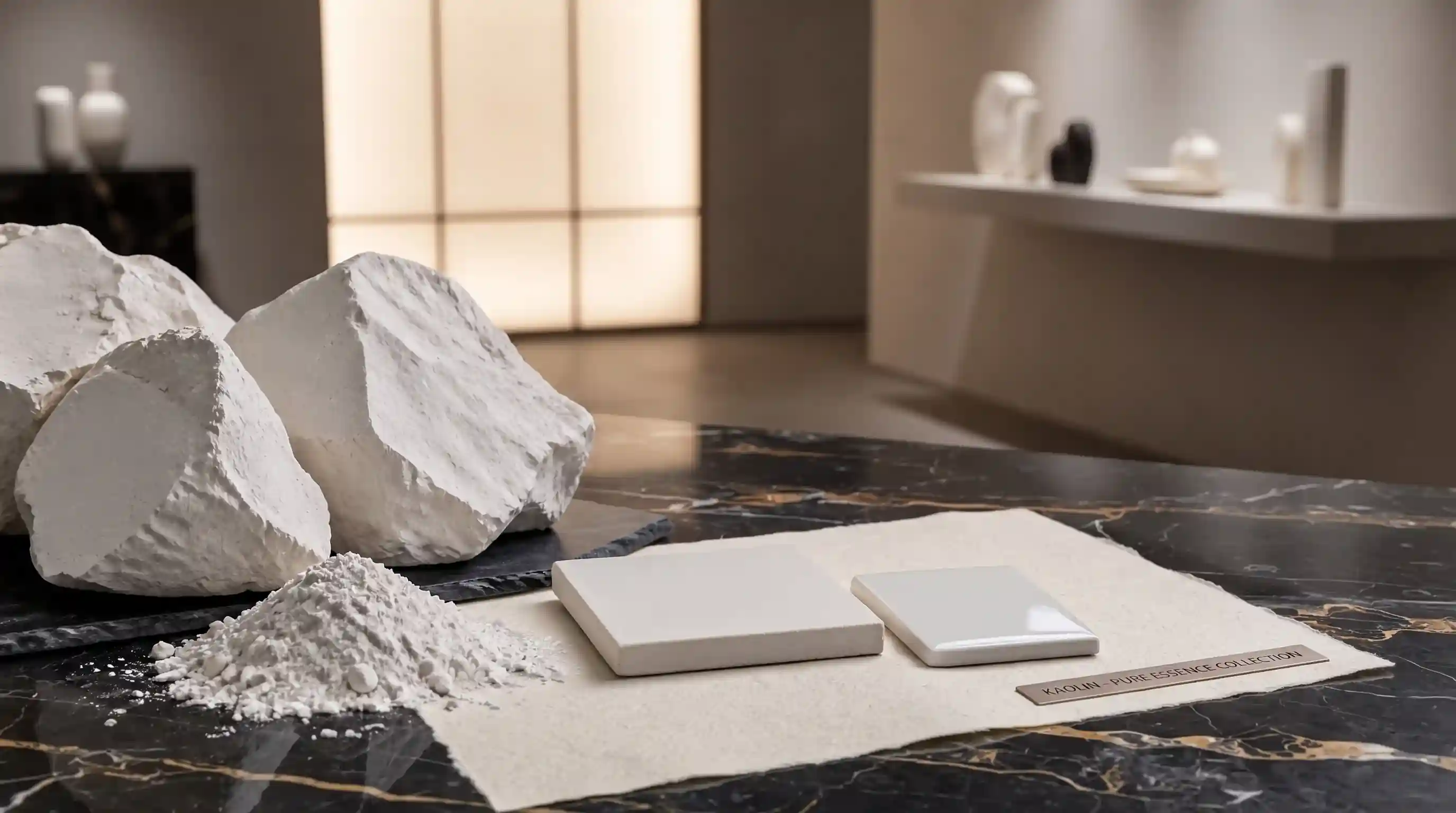
The Role of Kaolin in the Tile and Ceramic Industry
The tile and ceramic industry is one of the largest consumers of kaolin worldwide and domestically. In the firing process of tiles and ceramics, components are placed in kilns with very high temperatures. The presence of this material in the ceramic body causes control of thermal shrinkage, prevents warping, and maintains the geometric dimensions of the part during the firing process. This dimensional stability is vital for producing high-quality and standard products.
In addition to the body, high-mesh micronized powders are also widely used in the manufacture of glazes. Glazes containing this mineral will have a smooth, uniform, crack-free surface with high chemical resistance after firing. This material acts as an excellent suspending agent in glaze slips and prevents the settling of heavier particles.
Using high-quality materials supplied by Kani Sang Amiran guarantees purity and uniformity in tile and ceramic production lines. This leads to a reduction in waste, increased productivity, and an improvement in the aesthetic and technical quality of the final products in industrial factories.
Application of Kaolin in Paint and Paper Manufacturing
Although the main focus of this article is on high temperatures and refractory products, one should not ignore the extensive applications of kaolin in the paint and paper industries. In the paper industry, this material acts as a filler and coating agent to significantly improve the whiteness, opacity, and surface smoothness of paper. The fine particles of this material absorb ink well and optimize the printability of the paper.
In the paint industry, this material also acts as an extender pigment. Its use reduces the consumption of titanium dioxide (which is an expensive material) without causing a significant drop in paint coverage and brightness. Also, the resistance of the paint to weather conditions and abrasion is increased thanks to the mineral structure of this powder.
Examining mode techniques in polymer industries and comparing them with the paint industry, such as topics raised in the article "How does coated calcium carbonate increase the resistance of polymer products?", provides a deeper insight into the mechanism of action of mineral fillers in improving the physical properties and overall resistance of products.
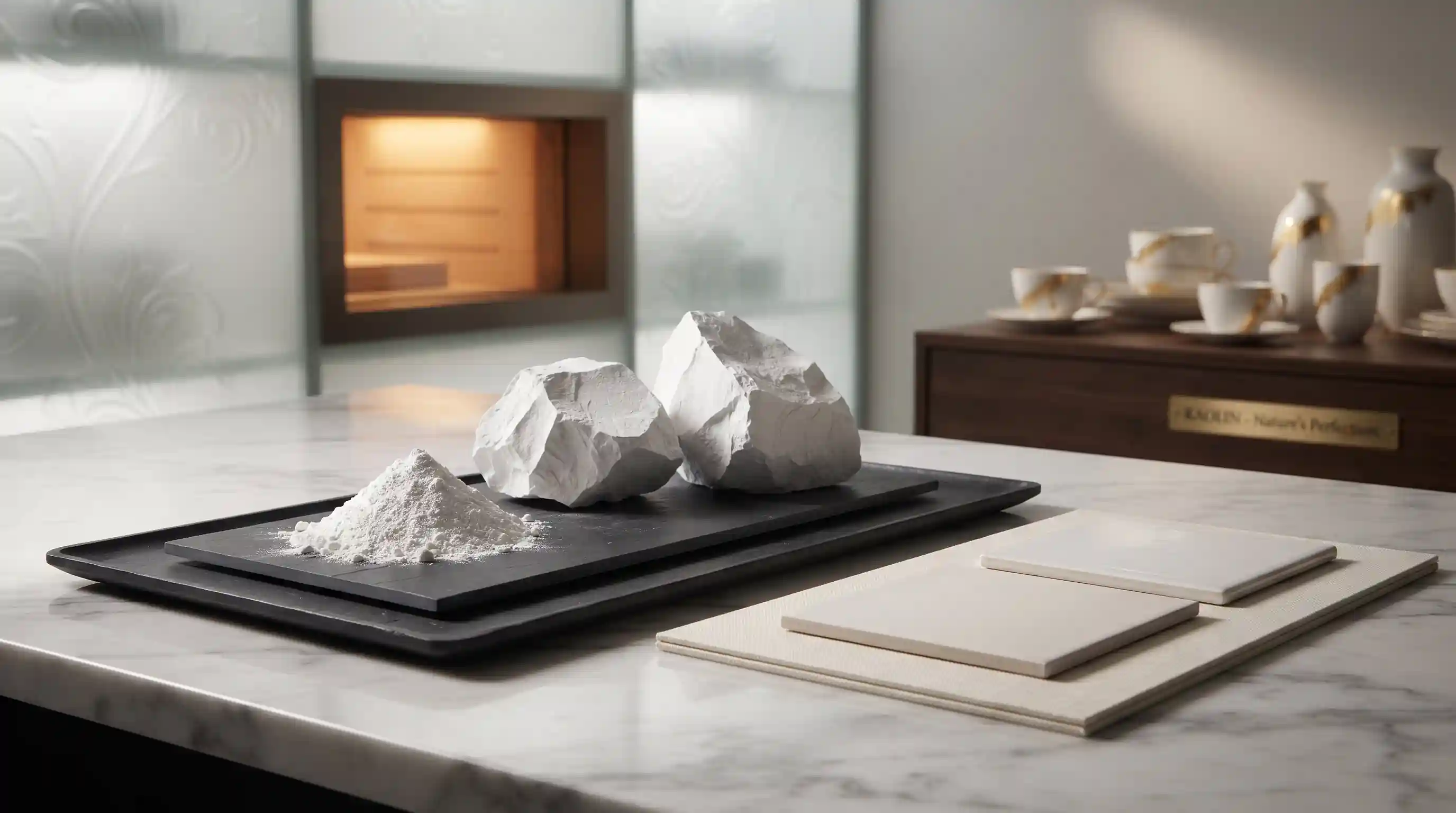
Behavior of Kaolin at High Temperatures and Refractory Stability
When talking about refractory products and extreme thermal applications, the behavior of kaolin against heat becomes doubly important. At high temperatures, through physicochemical reactions, this material loses its crystalline water and transforms into more stable phases such as mullite. The formation of mullite in the refractory structure is the main factor in resistance to thermal shock and creep at high temperatures.
Maintaining structural integrity in industrial kilns, metal melting ladles, and petrochemical industry equipment is highly dependent on the presence of these stable phases. Using appropriate meshes (450 to 1500 range) helps to control the porosity of the refractory structure and minimize the penetration of gases and molten slag into the refractory body.
These advanced thermal features have made this mineral known as an integral component in mode refractory materials engineering, and fuace design engineers always count on it heavily.
Processing, Micronization, and Quality Control of Kaolin
The final quality of kaolin is directly dependent on the processing and quality control processes in mines and production factories. Extracting this material from the mine is only the first step, followed by crushing operations, magnetic separation to remove iron-bearing impurities, and finally precise micronization to reach the standard mesh range.
Precision in controlling the Particle Size Distribution (PSD) ensures that the produced powder behaves uniformly in customer production lines, including ceramic and paint factories. Controlled moisture, standard packaging, and high purity are considered the main indicators for evaluating the quality of this product in the Kani Sang Amiran group.
Continuous laboratory monitoring at all stages of production, from extraction to final packaging, gives consuming industries the assurance that they are receiving a product with constant and stable technical specifications, which ultimately leads to an improvement in the quality of their final products.
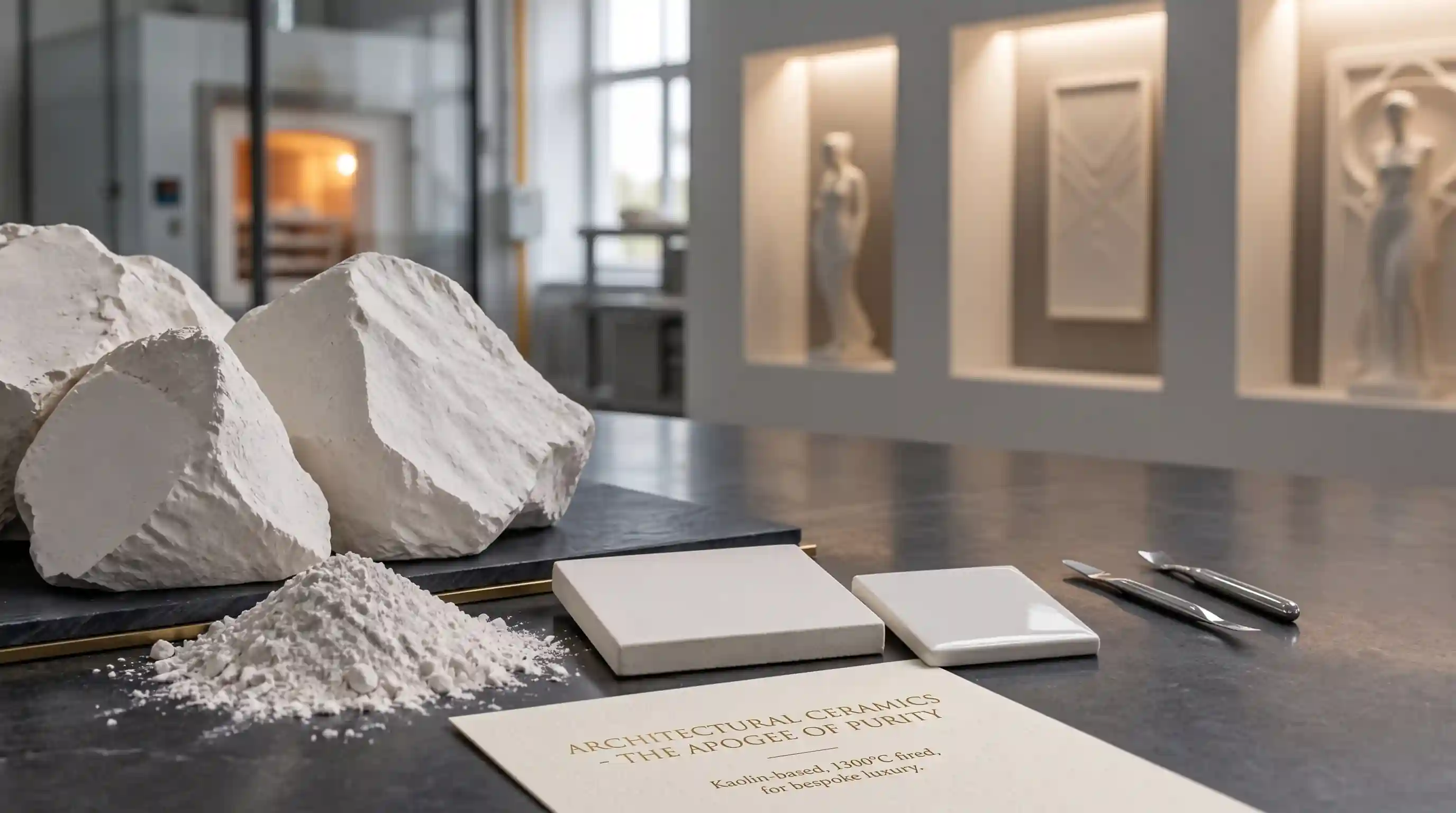
Economic and Industrial Benefits of Using High-Quality Kaolin
Employing standard raw materials such as high-quality kaolin brings huge economic benefits to industrial units. Reducing production waste, increasing the service life of kilns and refractory parts, improving energy efficiency due to proper thermal insulation, and reducing the need to import similar foreign materials are among these benefits.
Stable access to high-quality domestic sources allows industries to have long-term plaing for their production lines without severe fluctuations in the global market disrupting their operations. The added value created in products such as tiles, ceramics, and paints due to the use of this mineral is clearly evident in the profitability of companies.
Utilizing mode processing technologies by domestic producers such as Kani Sang Amiran is a firm step towards industrial self-sufficiency and enhancing the quality standards of national products in domestic and regional markets.
Conclusion and Future Outlook for Kaolin Applications
Overall, kaolin, as one of the most strategic minerals, plays an unparalleled role in various industries including tiles, ceramics, glazes, paper, paint, and especially high-temperature refractory products. Unique structural features, excellent thermal stability, and high flexibility in industrial formulations have made it the first choice for engineers and manufacturers.
With the advancement of refractory material manufacturing technologies and the growing need of industries for more heat-resistant materials, the importance of using high-mesh micronized powders will become more apparent than ever. The future of this industry depends on improving processing methods, increasing purity, and offering customized products tailored to the specific needs of industries.
We hope this article has been able to clarify the various dimensions of the application of this valuable material. For more information, technical specification inquiries, and product procurement, you can visit the dedicated kaolin page and get in touch with the group's experts.
| Question | Answer |
|---|---|
| What is kaolin? | It is a hydrated aluminum silicate and layered mineral used in tile, ceramic, paint, paper, and refractory industries. |
| What is the mesh range of this material at Kani Sang Amiran? | This product is offered in a 450 to 1500 mesh range. |
| What is the main role of this material in the refractory industry? | Creating thermal stability, reducing shrinkage, and forming stable phases such as mullite at high temperatures. |
| Is it also used in the paint industry? | Yes, it is used as an extender pigment and to improve paint coverage. |
| Why is it used in paper manufacturing? | To increase whiteness, surface smoothness, and improve paper printability. |
| What is its role in ceramic glazes? | It acts as a suspending agent and creates a smooth, crack-free surface after firing. |
| How does it prevent moisture loss and dimensional changes in tiles? | By having a stable structure and controlled firing in industrial kilns. |
| What is the advantage of using domestic products of this material? | Stable access, controlled quality, and reduction of production costs. |
| How can this product be procured? | Through the dedicated product page on the Kani Sang Amiran website. |
| Which industries are the biggest consumers? | Tile and ceramic, refractory, paint, paper, and rubber industries. |
Scientific resources on refractory materials engineering and industrial mineralogy, specialized mining and related industries publishing.
برچسب: Kaolin,The Role of Kaolin in the Production of High,Temperature Refractory Products,
نویسنده: رساوب آفرین