
درباره سایت
آخرین مطالب
- راهنمای دریافت کاتالوگ فنی و آنالیز تخصصی سیلیس
- راهنمای جامع خرید سیلیس با کیفیت برای کارخانجات
- چرا کیفیت دولومیت کانی سنگ امیران متمایز است
- The Impact of Limonite Oxide (Gole Mash) on Product Quality
- How to Measure Feldspar Purity in the Laboratory?
- الدليل الشامل لشراء السيليكا عالية الجودة للمصانع
- تأثير النقاء الكيميائي للسيليكا على جودة الزجاج الإنشائي
- لماذا تتميز جودة دولوميت کاني سنگ أميران
- Why the Quality of Kanisang Amiran Dolomite Is Distinctive
- Guide to Receiving Technical Catalogue and Expert Analysis of Silica
امکانات وب
Introduction to Silica and Its Importance in the Mineral Industry
Minerals play an irreplaceable role in the industrial and economic development of countries, and among these materials, silica is recognized as one of the most abundant and vital compounds in the Earth's crust. This valuable mineral with the chemical formula silicon dioxide is the foundation upon which many parent industries are built. At the Kani Sang Amiran project, a deep focus is placed on the extraction, processing, and precise grading of this material to best meet the needs of various industries.
The unique physical and chemical characteristics of this material, including high hardness, exceptional melting point, and chemical stability, make it an unrivaled option in industrial processes. Engineers and industrialists constantly strive to secure high purity and appropriate mesh sizing to maximize their production efficiency. A precise understanding of the types of powders and gradings of this material is the key to success in optimizing industrial production lines.
In addition to direct applications, proper management of the mineral supply chain requires specialized knowledge in warehousing and storage. For example, familiarizing oneself with warehousing principles of similar mineral materials such as the comprehensive guide to warehousing and storage of industrial white barite powder can help warehouse managers implement the best standards for storing sensitive minerals and prevent quality degradation.
In the continuation of this article, we will examine various dimensions of this product, including mesh size ranges, and applications in the glass, foundry, ceramic, and building materials industries, to provide readers and industrial activists with a comprehensive picture of this strategic mineral.
Review of Mesh Size Range and Technical Specifications of Silica
One of the most important factors in determining the quality and efficiency of silica is particle size and its mesh size range. The crushing and micronizing process of minerals in processing plants is carried out with high precision so that the final product exactly matches the standards required by consumer industries. This product is produced and supplied in a wide mesh size range that covers a broad spectrum of industrial needs.
Utilizing mode crushing equipment and industrial mills, the Kani Sang Amiran complex is capable of producing this material in a mesh range from 10 to 450 mesh. Coarser grains (lower meshes such as 10 to 40) are usually used in industries that require high permeability and drainage, while very fine and micronized powders (high meshes such as 200 to 450) are employed in the production of high-quality products such as ceramic glazes and specialized glasses.
Precision in controlling particle size is of vital importance because small changes in particle size distribution can severely affect the behavior of the material in industrial formulations. For example, in coating and paint industries, similar to the technical requirements for the application of other minerals such as the application of kaolin in paint and industrial coatings, particle size distribution and purity levels will be the main determinants of the final product's quality.
Production engineers must choose the appropriate mesh based on their specific process type (dry or wet) and available equipment before ordering materials. The variety of mesh sizes in this product allows for complete customization for various industries.
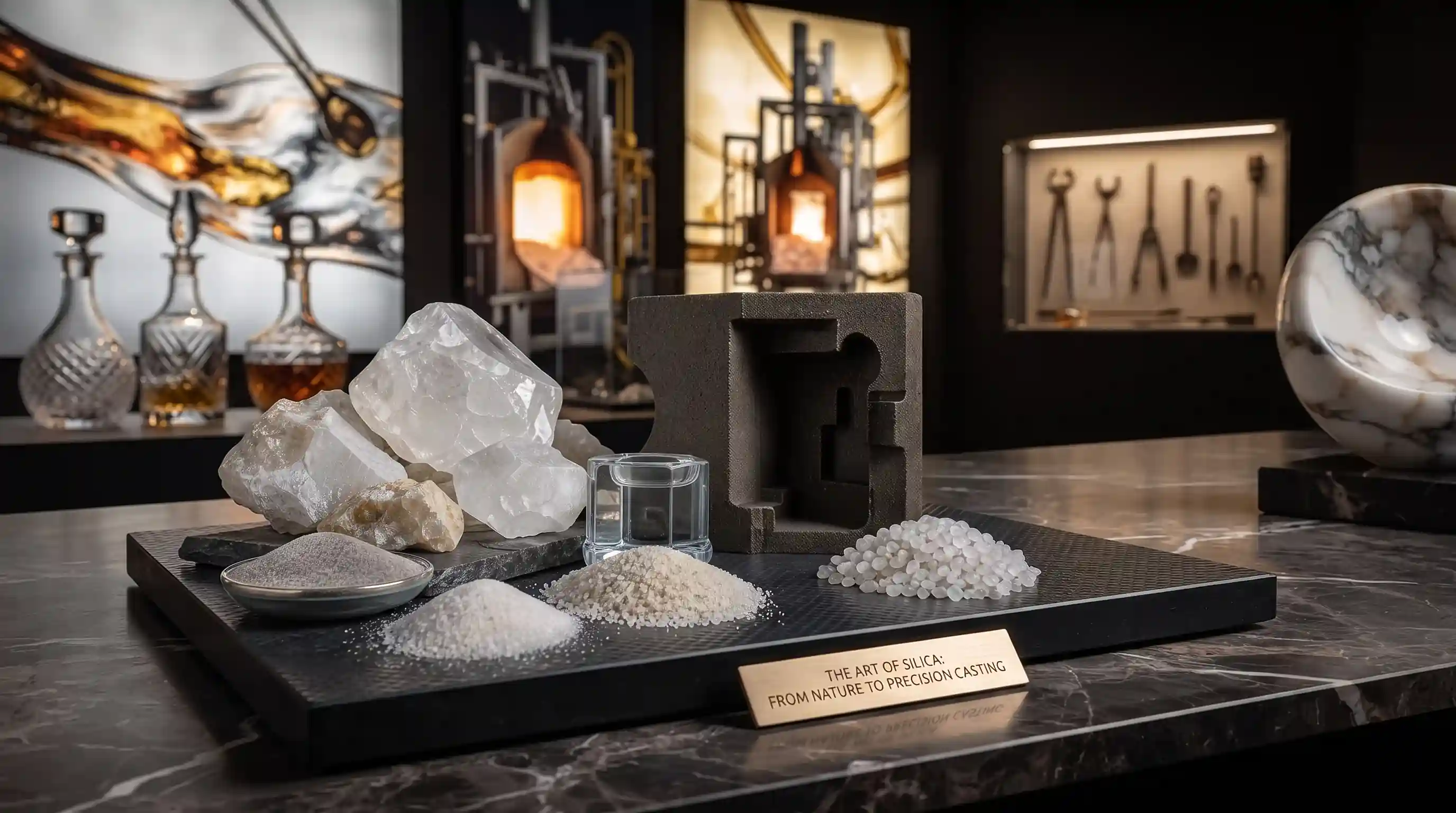
The Vital Role of Silica in the Glassmaking Industry
The glassmaking industry is considered the largest and primary consumer of silica globally and domestically. Silicon dioxide forms the main network of glass and is used as a fundamental raw material in the production of various glass containers, architectural glass, solar panels, and fiberglass. Without the presence of this high-quality and pure material, the production of transparent and resistant glass would not be possible.
In the glass production process, mineral powder or grains are mixed with other additives such as soda ash and limestone and entered into high-temperature melting fuaces. The presence of this material as the main network former creates appropriate viscosity in the melt and stabilizes the final glass structure. Any impurity, especially iron oxides in this material, can lead to glass discoloration or the creation of bubbles and defects in the final product.
To lea more about the official page of this product and the exact specifications provided by the manufacturer, you can visit silica to receive complete information regarding production standards.
Using appropriate sizing in the glass industry improves the melting process, reduces energy consumption in fuaces, and increases the lifespan of glass fuace refractories. For this reason, supplying this material from reliable sources with stable chemical analysis has always been the primary conce of glass factory managers.
Advanced Applications of Silica in Foundry Industries
The metal casting industry is another key field where silica is used as the primary raw material for making foundry molds and cores. An extremely high melting point, excellent thermal stability, and appropriate mechanical resistance against thermal shocks caused by pouring molten metals make this material an ideal option for this industry.
In various sand casting methods, the grains of this material are combined with different binders to take the form of the desired molds. The surface quality of the cast piece, the amount of gases emitted during casting, and the prevention of premature mold collapse all depend on the quality and precise grading of this material. Proper particle size distribution helps optimize mold permeability for gas escape.
Furthermore, in paint industries and coatings related to molds or industrial parts, engineers pay special attention to the physical properties of mineral powders—a topic that is also illustrated to some extent in the article application of limonite oxide (yellow ochre) in powder coatings regarding the role of mineral additives in improving coating and protective properties.
Choosing the correct mesh size in foundry prevents issues such as sand bu-on, pinholes, and surface defects in ferrous and non-ferrous parts, significantly increasing the productivity of the casting production line.
Silica in Ceramic and Tile Manufacturing Industries
The ceramic and tile-making industry has an inseparable bond with the consumption of silica. This mineral acts as a filler and the main skeleton of ceramic bodies, wall and floor tiles, sanitaryware, and refractories. The presence of silicon dioxide in the ceramic body formulation controls the thermal expansion coefficient and prevents product cracking during the drying and firing stages.
In the preparation of ceramic glazes, micronized powders of this material play a significant role in creating the glaze glass, increasing gloss, surface hardness, and chemical resistance. Finer particles with a larger contact area show higher reactivity in the kiln and ensure glaze integrity.
Ceramic manufacturers constantly require stability in the chemical and physical analysis of raw materials to prevent dimensional changes in products after firing. By extracting from rich mines and standard processing, the Kani Sang Amiran project provides this material with the highest quality for the ceramic and tile industries.
Precise control of the free silica percentage in the ceramic body guarantees worker safety on the production line and the final quality of the product, elevating quality standards.
Widespread Application of Silica in Building Materials
As a major consumer of minerals, the construction industry consumes a high volume of silica in various applications. From producing high-strength concrete and engineered dry mortars to manufacturing prefabricated panels, sand-lime bricks, and resin flooring, this material plays a structural and reinforcing role.
In mode concreting, the micronized powder of this material acts as a pozzolan or active filler, filling the empty spaces between cement particles and significantly increasing the density, durability, and compressive strength of concrete against water infiltration and aggressive agents. Also, in the production of specialized cement mortars, the precise grading of this material improves the rheological properties of the mortar.
Using high-quality materials in infrastructural civil projects guarantees the durability of structures. The variety of mesh sizes from 10 to 450 mesh allows civil engineers to use coarse grains in bulk concreting or fine powders in coatings and thin mortars according to project requirements.
The sustainable supply of this mineral from domestic producers such as Kani Sang Amiran has greatly contributed to the sustainable development of the construction industry and reduced dependence on imported products.
Extraction, Processing, and Quality Control Process
Transforming raw ore into high-quality and standard silica requires passing through complex and precise stages from extraction to final processing. This process begins with rich mine exploration, and after blasting and extracting raw rock, the materials are transferred to processing plants.
Processing stages include primary and secondary crushing, washing to remove mud and surface impurities, drying in rotary kilns, and finally, precise milling and grading via ventilation systems and industrial screens. Quality control is continuously performed at all stages to ensure the final product is free from harmful impurities such as iron oxide, clay, and organic matter.
Equipping quality control laboratories with advanced analysis devices such as XRF and XRD allows manufacturers to measure chemical purity and particle mesh distribution with high precision and supply a homogenous product to the market.
Compliance with environmental and workshop safety standards during the processing stages of mineral powders is of high importance to prevent dust dispersion and protect employee health.
Guide to Purchasing, Packaging, and Product Warehousing
Selecting and purchasing the appropriate silica requires a precise understanding of the technical needs of the production line, required purity level, and optimal mesh size range. Industrialists must match the technical specifications of their process with the product analysis before placing an order to select the best mesh range.
The type of packaging has a direct impact on preserving product quality during transportation and warehousing. Standard polypropylene bags, multi-ply sacks, and big bags (jumbo bags) are common options used to prevent moisture penetration and environmental contamination. Warehousing these materials requires a covered, dry space away from moisture sources to prevent powders from caking.
By providing pre-purchase specialized consultations, the Kani Sang Amiran project assists industrialists in selecting products tailored to glass, foundry, ceramic, or building material applications. Direct communication with the sales unit and receiving laboratory samples will bring peace of mind to bulk buyers.
Proper warehouse management and adherence to logistical principles will guarantee the continuity of industrial production lines and reduce overhead costs caused by raw material waste.
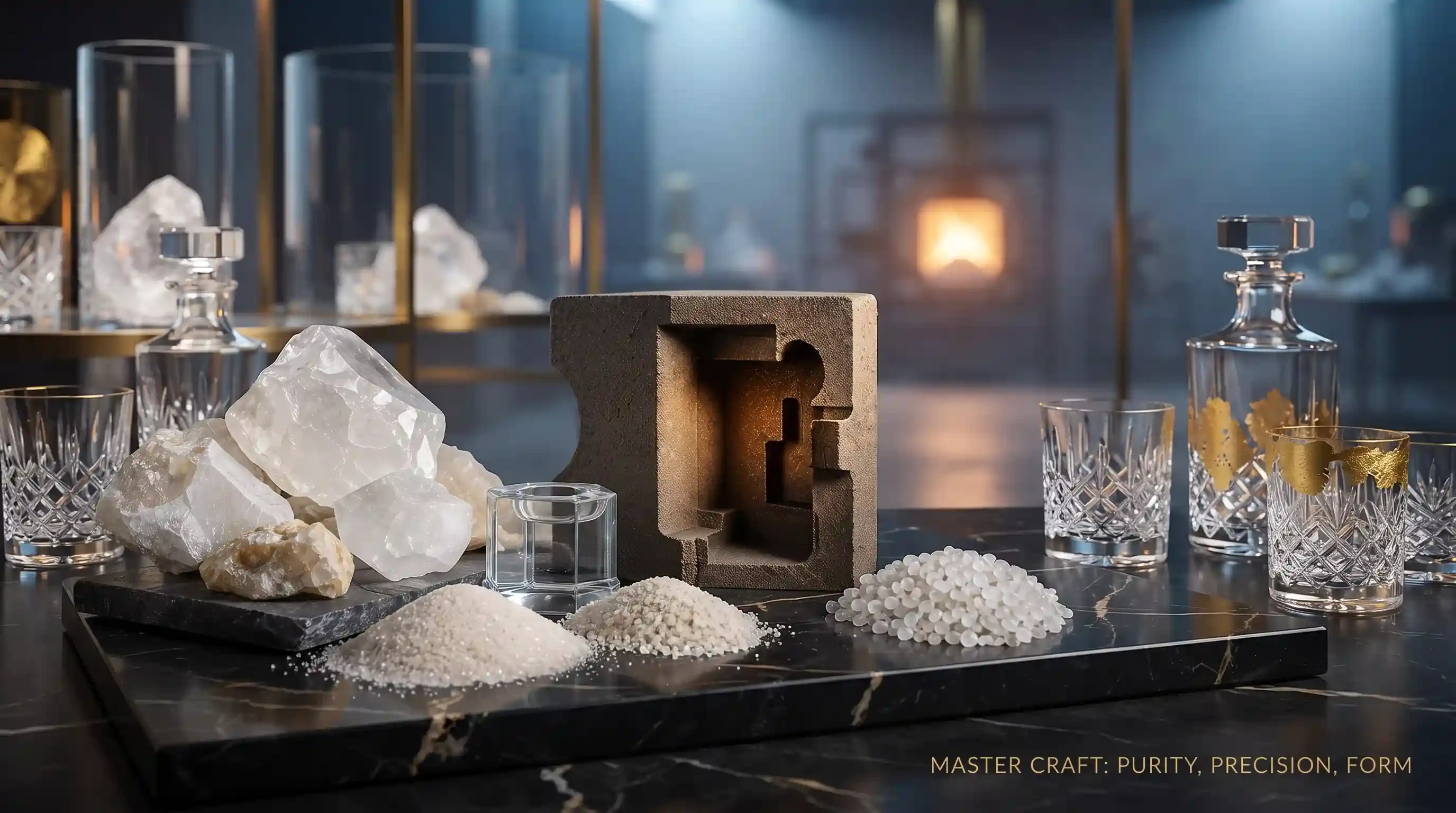
| Question | Answer |
|---|---|
| What is silica and what are its applications? | It is a mineral compound with the chemical formula silicon dioxide, used in the glass, foundry, ceramic, and building materials industries. |
| What is the production mesh size range of this product? | This product is produced and supplied in a mesh size range of 10 to 450 mesh by Kani Sang Amiran. |
| Why is this material needed in the glassmaking industry? | It is used as the primary raw material and network former for glass to achieve homogeneous melting and produce transparent glass. |
| What is the role of silica in foundry? | It is used for making foundry molds and cores due to its high melting point and thermal stability. |
| What is the application of this material in ceramic industries? | It is consumed as a filler and skeleton of ceramic bodies and in glazing to increase hardness and gloss. |
| How is it used in building materials? | It acts as a pozzolan and filler in the production of high-strength concrete, engineered mortars, and prefabricated panels. |
| How can the appropriate mesh be chosen? | It is selected based on the type of industrial application, production line equipment, and the need for coarse or micronized particles. |
| What are the storage and warehousing conditions of the powder? | It must be stored in a covered, dry environment away from moisture to prevent caking. |
| What is the product packaging like? | It is usually packaged in standard bags or moisture-resistant jumbo bags. |
| How can the official product page be viewed? | By visiting the product page via the relevant link on the Kani Sang Amiran website. |
Kani Sang Amiran Project — Mineral Production and Specialized Processing of Industrial Powders

برچسب: Silica,Comparison of Silica Powder Types and Their Industrial Applications,
نویسنده: رساوب آفرین