
درباره سایت
آخرین مطالب
- Benefits of Using White Talc in Paint and Resin Formulations
- كيفية اختيار التلك الصناعي المناسب لصناعتك
- سیلیس چیست؟ راهنمای جامع کاربردهای این ماده معدنی در صنایع مختلف
- السيليكا أم البنتونيت؟ أي معدن مناسب لصناعتك؟
- 7 Applications of Industrial Talc in Various Industries You Should Know
- مزایای استفاده از تالک سفید در فرمولاسیون رنگها و رزینها
- التطبيق المتخصص لكربونات الكالسيوم المغلفة في صناعة أعمدة الأبواب والنوافذ
- What is White Talc? Applications and Benefits of This Mineral in Industries
- What is the Difference Between Silica and Calcium Carbonate in Manufacturing Industries? A Complete Review
- تالک صنعتی یا کربنات کلسیم؟ مقایسه کاربرد و قیمت در صنعت
امکانات وب
An Introduction to the Importance of Silica in Metallurgical and Glassmaking Industries
In today's world, mineral materials form the backbone of heavy industries. Among these, silica, as one of the most widely used mineral compounds, plays a vital role in optimizing the efficiency of smelting fuaces. The granulation of this mineral is a determining parameter that directly affects heat transfer speed, melting point, and final product quality. Kani Sang Amiran company, by producing various granulations in the range of 10 to 450 mesh, meets the diverse needs of industries, including buying high-quality silica.
The Role of Silica Granulation in Optimizing Fuace Energy Consumption
The particle contact surface area in a fuace is directly related to silica granulation. Finer particles increase chemical reactivity and shorten melting time by creating a larger contact surface. On the other hand, using coarser granulations can help maintain porosity in the fuace charge and facilitate gas flow. This balance between granulation and fuel consumption is one of the key points in managing production costs, which is examined in detail similar to optimization methods in the impact of dolomite on reducing production costs in mining industries.
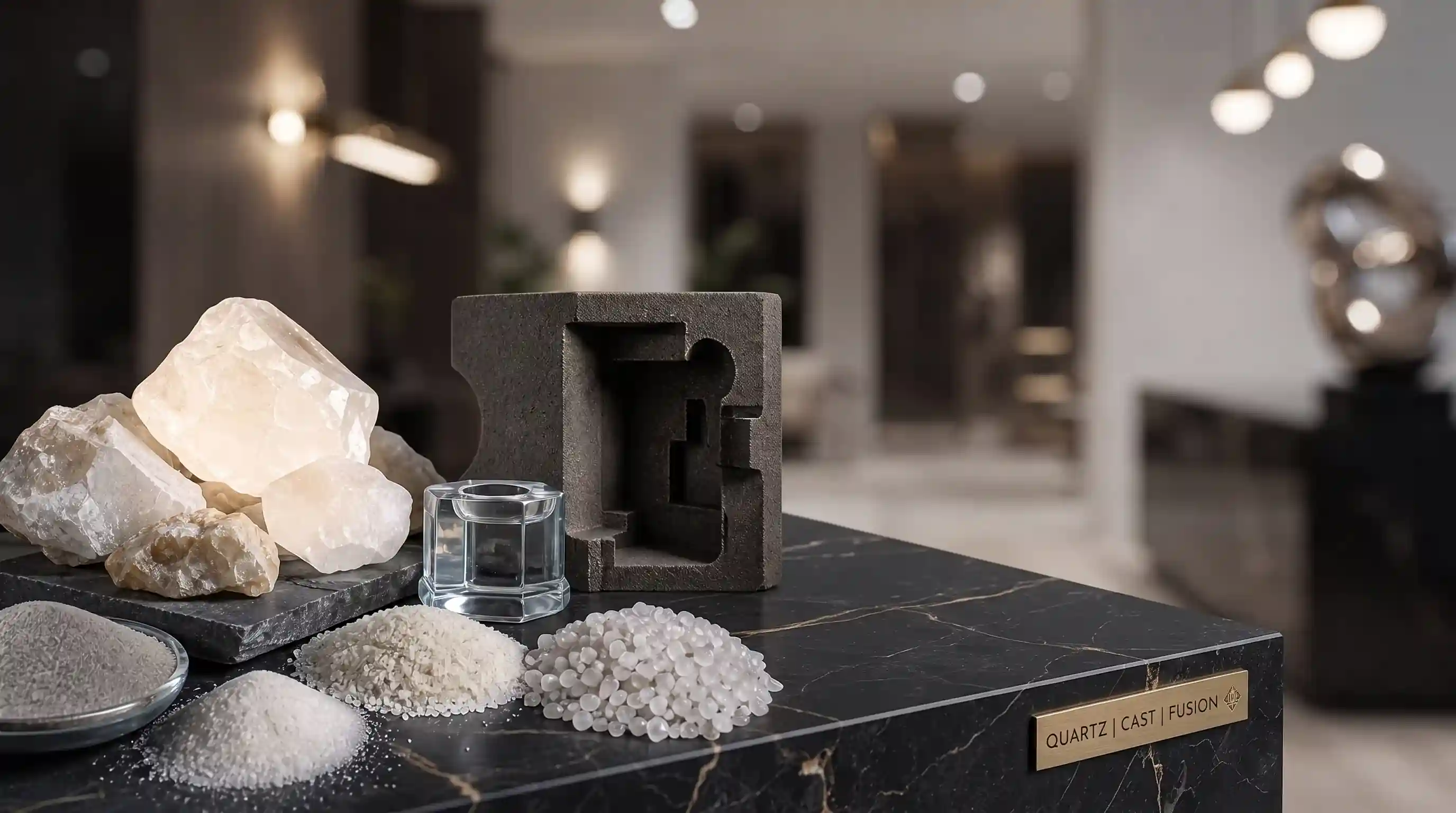
The Effect of Silica in the Glassmaking Industry and Product Transparency
In the glass industry, the purity and granulation of silica determine the final transparency and strength. Heterogeneous particles can cause bubbles or impurities in the glass structure. By choosing the appropriate mesh in the 10 to 450 mesh range, manufacturers can prevent uneven melting and significantly reduce waste. By providing pure silicon dioxide, this material provides the essential foundation for producing industrial and construction glass.
Application of Silica in Casting and Improving Mold Quality
In the casting industry, silica is known as the main material in foundry sands. The precise granulation of this material not only helps the mechanical strength of the mold but also controls the penetration rate of molten metal into the mold walls. Using silica with proper granulation distribution leads to achieving a smoother surface in cast parts and minimizes secondary machining costs.
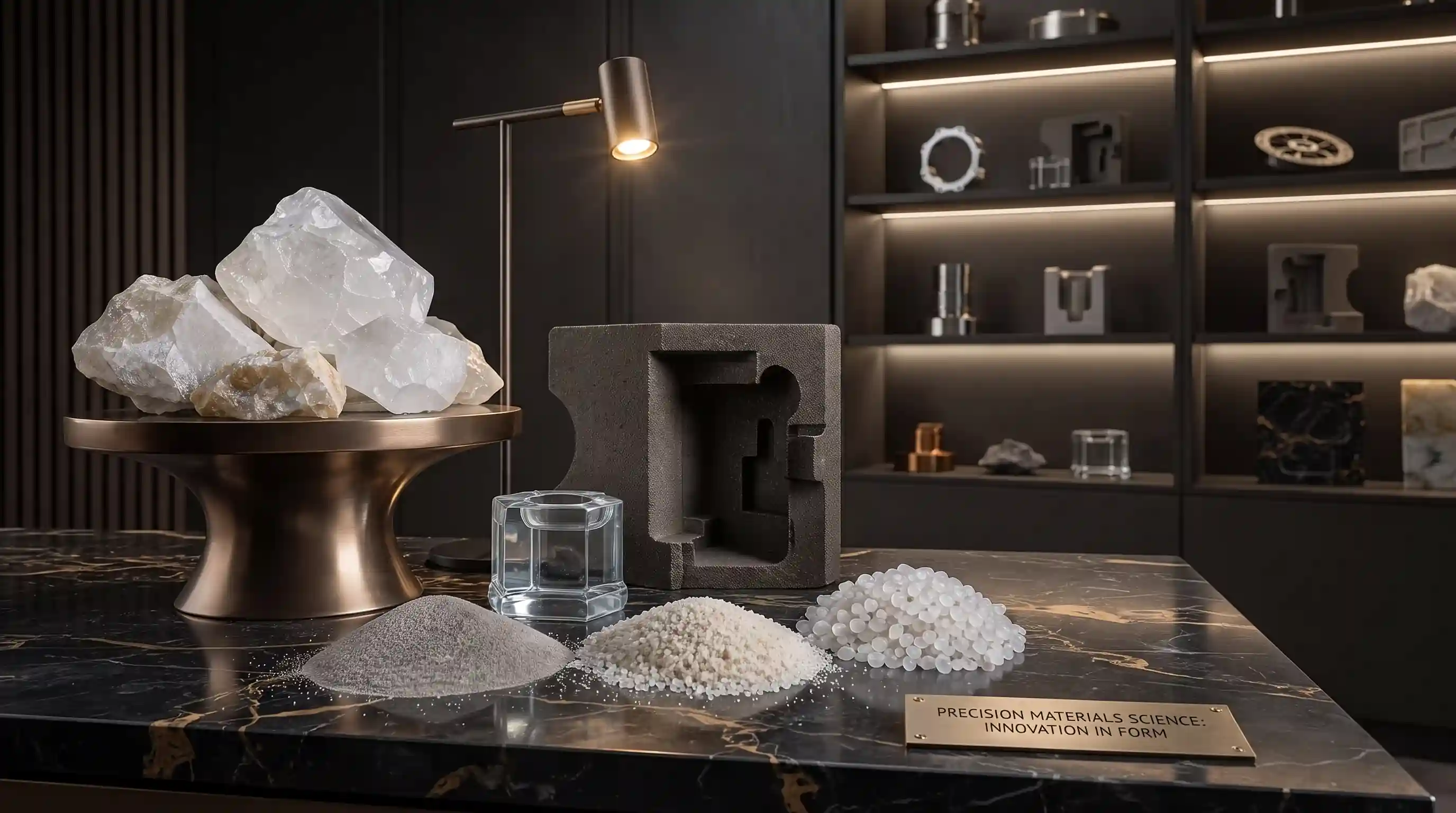
The Position of Silica in the Ceramic and Glazing Industry
In ceramic products, silica acts not only as a filler but also as an important agent in forming the glassy phase in the ceramic body. As observed in the study examining the effect of kaolin on the gloss and durability of industrial coatings, the correct selection of raw materials plays an important role in product durability; precise silica granulation also contributes significantly to improving thermal expansion and resistance to cracking in the ceramic industry.
Silica in Construction Materials and Concrete Durability
Adding silica to construction materials, due to its pozzolanic properties, increases the compressive strength and durability of concrete in corrosive environments. By controlling granulation, silica can be used in the production of high-strength and self-compacting concrete. By filling the tiny voids between cement particles, this material creates a dense and impermeable structure that significantly increases the service life of concrete structures.
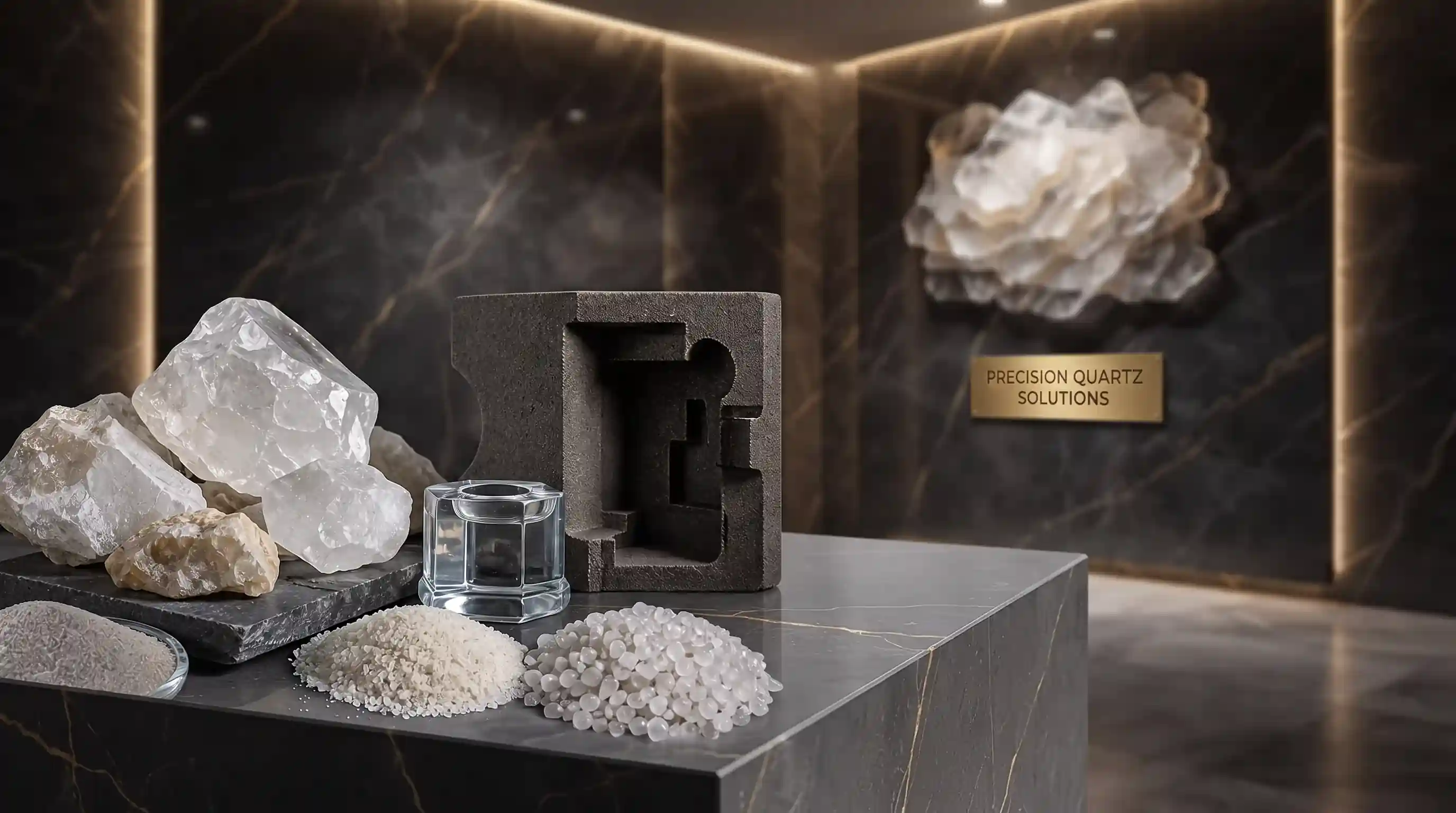
Other Industrial Applications of Silica and Complementary Compounds
In addition to primary industries, silica is also used in the production of coloring materials and specialized coatings. Similar to the application of limonite oxide (yellow ocher) in powder paints, silica also acts as a mineral filler in paint formulations, which increases the hardness of the paint layer and its resistance to atmospheric factors. The versatility of this material in the 10 to 450 mesh range makes it a flexible choice.
Conclusion and Guide to Choosing the Best Granulation
Ultimately, the correct selection of silica based on the fuace type, melting temperature, and final product type ensures economic productivity. By precisely understanding the thermal and physical behavior of different granulations, manufacturers can maximize the efficiency of their fuaces. Kani Sang Amiran, relying on production standards, has provided the best granulations to meet your industrial needs.
| Question | Answer |
|---|---|
| In what mesh range is silica produced? | This product is offered in the 10 to 450 mesh range. |
| What is the most important application of silica? | Glass, casting, ceramics, and construction materials. |
| Why is silica granulation important? | It affects melting efficiency, energy consumption, and final product quality. |
| Is silica used in concrete? | Yes, it increases the strength and durability of concrete. |
| Is it possible to buy silica from the website? | Yes, through the Kani Sang Amiran website. |
| Does fine silica granulation increase reactivity? | Yes, a larger contact surface increases the reaction speed. |
| What is the effect of silica in casting? | Improving mold strength and part surface quality. |
| Is silica used in the paint industry? | As a filler to increase coating hardness. |
| Is the quality of silica guaranteed at Kani Sang Amiran? | Yes, production is carried out according to mining standards. |
| What is the effect of proper silica selection on costs? | Reducing waste and optimizing energy consumption. |
Technical sources include performance reports of Kani Sang Amiran company and metallurgical standards.
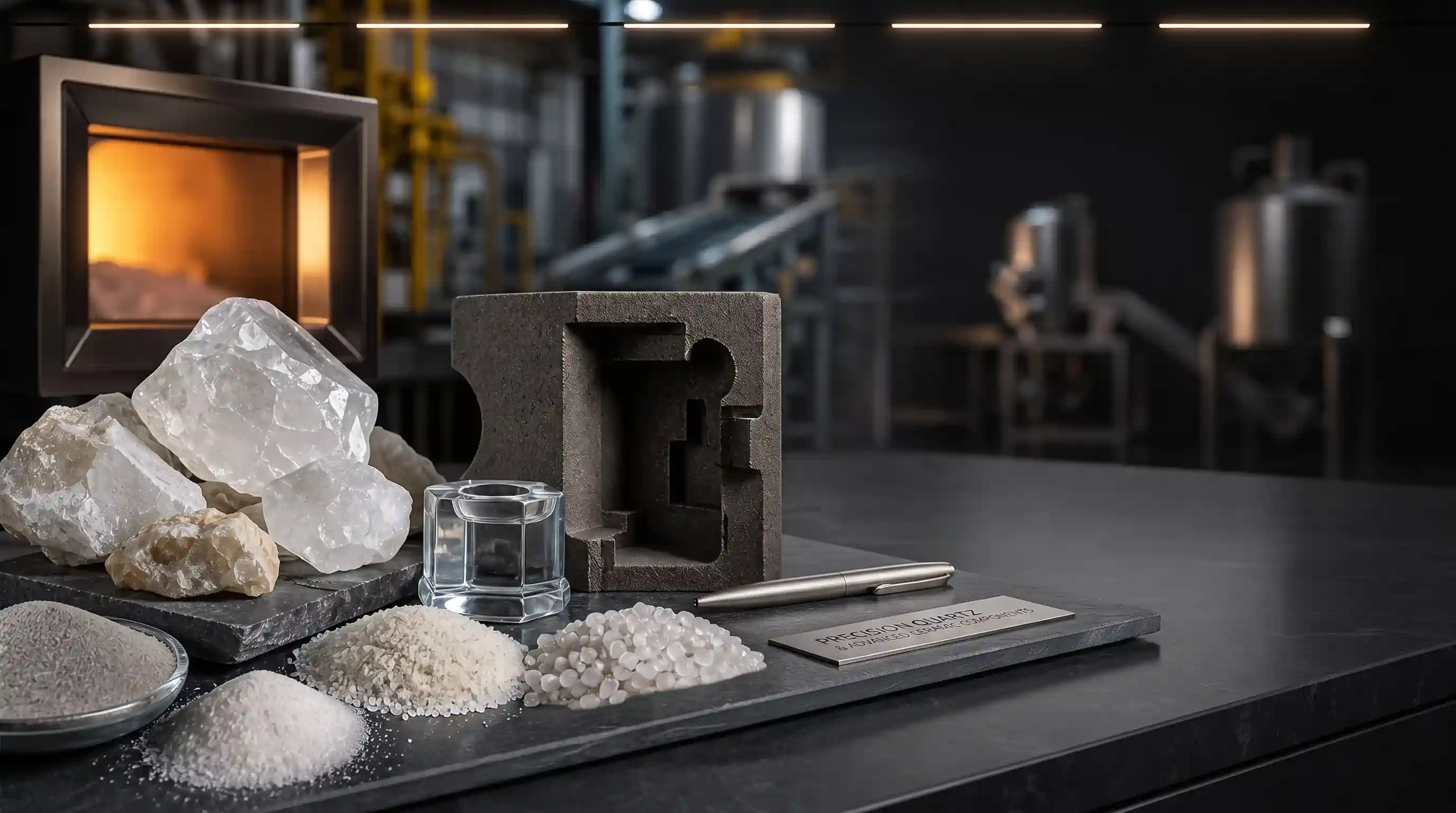
برچسب: Silica,The Impact of Silica Granulation on Smelting Furnace Efficiency,
نویسنده: رساوب آفرین